

A quietly placed Italian restaurant in Shirokanedai, Romantico has earned consecutive recognition on the Opinionated About Dining Top Restaurants in Japan list, climbing from a recommendation in 2023 to a ranked position by 2024 and 2025. Chef Kentaro Nakayama leads a kitchen that draws serious attention from diners tracking where Italian cooking in Tokyo has evolved beyond its European source material.
Pearl is the En Primeur Club membership app — saves, bookings, and concierge access live there. Same editors, same standards.
- Address
- Japan, 〒108-0071 Tokyo, Minato City, Shirokanedai, 5 Chome−14−8 Tiny Shirokanedai, 2F
- Phone
- +81 3-3446-2484
- Website
- tabelog.com
- Directions
- Get directions
 Saves & bookings on Pearl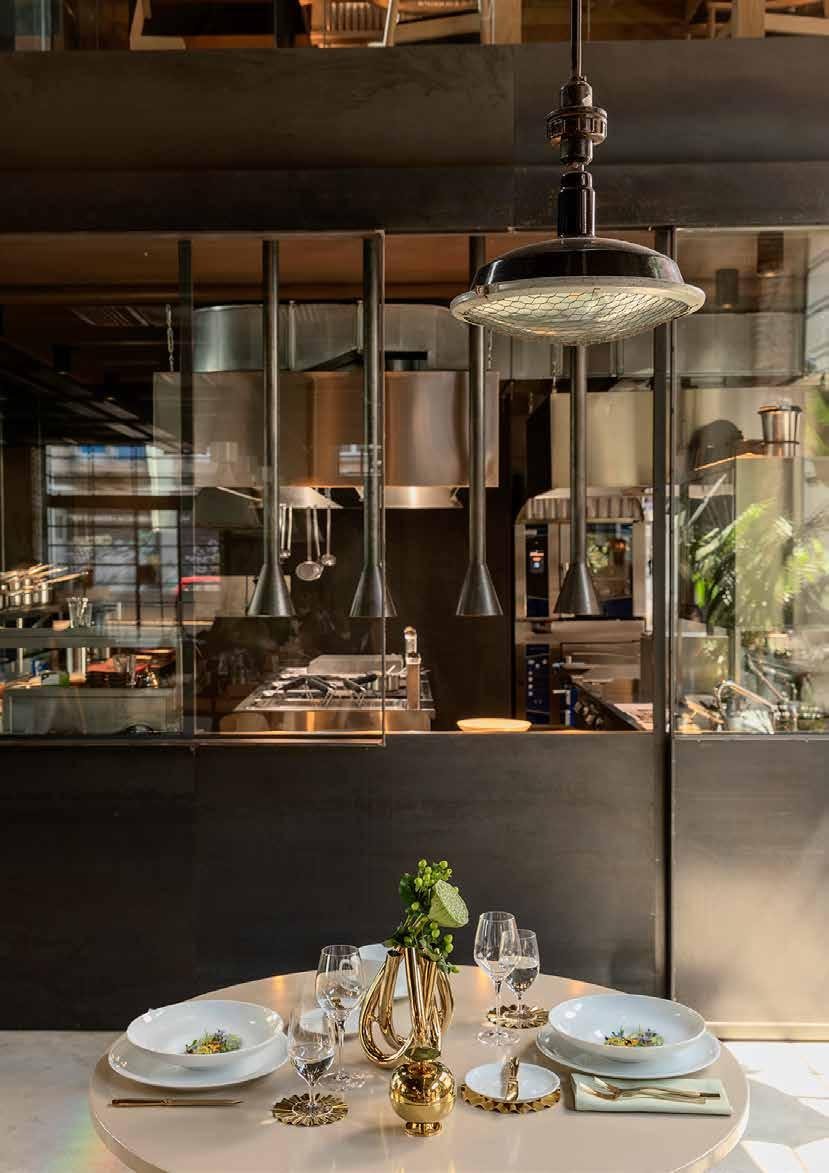
Italian Cooking in Tokyo, and Where Romantico Sits in That Story
Tokyo's Italian restaurant scene has been developing its own grammar for decades. What began as faithful reproduction of regional Italian cooking has, across several generations of Japanese chefs trained in Italy and returning home, shifted toward something more precisely calibrated: Italian technique applied with the ingredient-first rigour that defines serious Japanese cooking culture broadly. The result is a tier of Italian restaurants in Tokyo that often surpasses their European counterparts in consistency and seasonal attentiveness. Romantico, operating from a second-floor address in Shirokanedai's Tiny Shirokanedai building, sits inside that evolving tradition, small in scale, deliberate in format, and increasingly noticed by the critics who track these things closely.
Since receiving an Opinionated About Dining recommendation in 2023, Romantico has moved steadily upward through that ranking system, reaching #449 on the OAD Leading Restaurants in Japan list in 2024 and #512 in 2025. enprimeurclub.com/restaurants/aroma-fresca-tokyo-restaurant">Aroma Fresca, PRISMA, and Principio.
The Arc of the Meal
The experience at Romantico is shaped by a multi-course format, a structured progression suited to serious Italian dining in Tokyo. This matters because it changes the way a meal reads. Rather than an à la carte selection where individual dishes stand or fall independently, a sequenced format creates a cumulative argument. Each course responds to or sets up the next, and the kitchen's decisions about pacing, contrast, and proportion become as legible as the cooking itself.
This approach is especially well suited to the Japanese-Italian crossover tradition, where seasonal Japanese ingredients are frequently worked into Italian structures. An antipasto built around a single ingredient at its brief seasonal peak signals intent; a pasta course that bridges from that opening with complementary flavour logic deepens the commitment. By the time the secondo arrives, the meal has built a coherent thread rather than delivered a sequence of unrelated plates. Chef Kentaro Nakayama leads the kitchen at Romantico, and the OAD recognition over three consecutive years suggests the progression holds up under the scrutiny of critics who eat widely and compare carefully.
The Shirokanedai location, a residential neighbourhood in Minato that sits between the denser commercial energy of Hiroo and the quieter affluence of Shirokanedai's tree-lined streets, is consistent with this format. Small neighbourhood restaurants committed to set menus tend to concentrate in areas where a local repeat-diner culture supports them. The address inside Tiny Shirokanedai signals scale: intimate enough that the kitchen can control every plate.
Where Romantico Fits Among Tokyo's Italian Addresses
Tokyo's Italian restaurant field is wider and more stratified than most Western cities appreciate. At the high-volume end, landmark addresses with long track records attract tourists and power-lunch crowds. Below that, a middle tier of solid neighbourhood trattorias and pasta-focused lunch spots serves the city's large Italian food-loving population. And then there is a smaller, more deliberate category: restaurants operating at or near tasting-menu format, with minimal seats, careful sourcing, and the kind of OAD or Michelin recognition that suggests the kitchen is being assessed by people who know the reference points intimately.
Romantico belongs to that third tier. A restaurant ranked in the 400s on the Japan-wide OAD list is being assessed against every serious restaurant in the country across all cuisine types, which places it in meaningful company. Landing in that ranked segment at all signals that the cooking is being taken seriously.
For those mapping Tokyo's Italian scene specifically, AlCeppo and Gucci Osteria da Massimo Bottura Tokyo occupy different positions within it, the former representing longer-established Roman-style cooking, the latter carrying international brand weight and a different audience profile. Romantico's positioning is closer to the quiet-specialist end: no international parent brand, no headline chef celebrity, just a record of cooking that reviewers return to.
Comparing Notes Beyond Tokyo
The Japanese-Italian crossover tradition is not distinctive to Tokyo. cenci in Kyoto applies a similar logic, Italian structure, seasonal Japanese precision, in a city where the seasonal calendar is especially pronounced. The approach produces a different result in Kyoto than it does in Tokyo, partly because the ingredient vocabulary shifts and partly because Kyoto's dining culture carries its own expectations about restraint and sequence. Romantico operates within Tokyo's denser, more competitive restaurant environment, where the reference points are wider and the peer comparisons more exacting.
Beyond Japan, 8½ Otto e Mezzo Bombana in Hong Kong represents a different inflection of serious Italian cooking in Asia, one built on European credentials and a clientele drawn partly from the expatriate and business-travel circuit. That model and Romantico's are answering different questions, which is part of what makes the Tokyo Italian scene worth paying attention to: it contains multiple coherent approaches rather than a single dominant format.
For wider context on serious Japanese dining across the country, the EP Club guides to HAJIME in Osaka, Gion Sasaki in Kyoto, akordu in Nara, Goh in Fukuoka, 1000 in Yokohama, and 6 in Okinawa map the broader range of what serious Japanese cooking looks like outside the capital.
Planning Your Visit
Romantico is located on the second floor at 5 Chome-14-8 Tiny Shirokanedai, Shirokanedai, Minato City, Tokyo. Hours: Monday, Tuesday, Thursday, Friday, Saturday, and Sunday 12:00 to 14:00 and 18:00 to 21:30; Wednesday closed. Bookings: Reservations are essential. Dress: Smart casual. Budget: About USD 120 per person.
Cuisine and Awards Snapshot
Comparable venues nearby, for context on price, style, and recognition.
| Venue | Cuisine | Price | Awards | Notes |
|---|---|---|---|---|
| RomanticoThis venue — the venue you are viewing | Italian-French Fusion | $$$ | Not listed | Not listed |
| Biodinamico | Biodynamic Italian Pasta | $$$ | Not listed | Shibuya |
| PONTE DEL PIATTO | Modern Italian | $$$ | Michelin Plate | Shibuya |
| Pizza 4P's | Japanese-Italian artisan pizza & house-made cheese | $$$ | Not listed | Minato |
| Il Lato | Italian Omakase | $$$ | Not listed | Shinjuku |
| Don Bravo | Modern Italian with Japanese Influence | $$$ | Not listed | Kokuryo |
Recognition history
Dated appearances from independent guides and award organizations, with the underlying list record or original source where available.
Opinionated About Dining Top Restaurants in Japan Recommended
Opinionated About Dining
Opinionated About Dining Top Restaurants in Japan Ranked #512
Opinionated About Dining
Tabelog 100 #24 · No. 24
Tabelog · Tabelog 100 - Italian - TOKYO - 2025
Opinionated About Dining Top Restaurants in Japan Ranked #449
Opinionated About Dining
Opinionated About Dining Top Restaurants in Japan Recommended
Opinionated About Dining












At a Glance
- Intimate
- Elegant
- Sophisticated
- Date Night
- Special Occasion
- Chefs Counter
- Open Kitchen
- Extensive Wine List
- Local Sourcing
Current opening hours
- Monday
- 12–2 PM, 6–9:30 PM
- Tuesday
- 12–2 PM, 6–9:30 PM
- Wednesday
- Closed
- Thursday
- 12–2 PM, 6–9:30 PM
- Friday
- 12–2 PM, 6–9:30 PM
- Saturday
- 12–2 PM, 6–9:30 PM
- Sunday
- 12–2 PM, 6–9:30 PM
Hours can change for holidays and private events. Last verified .
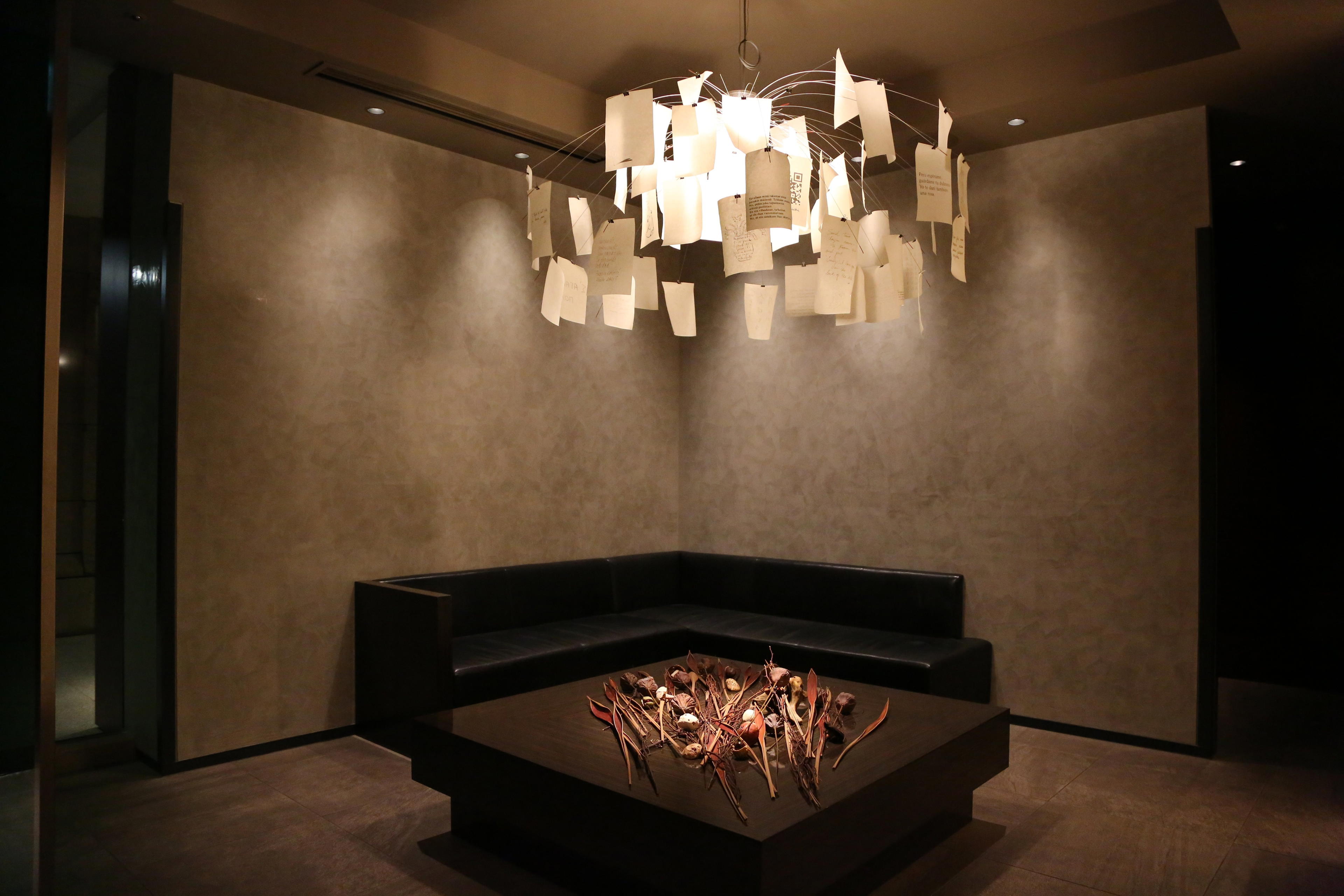
Intimate counter seating with an open kitchen view of the chef preparing fusion dishes; calm, sophisticated atmosphere in a narrow alley location.