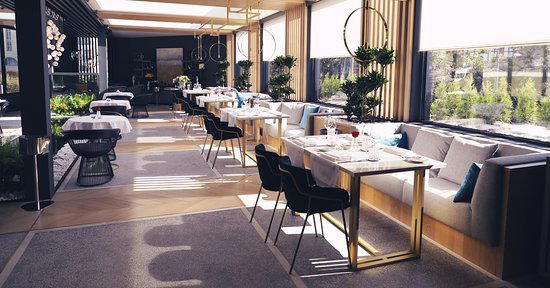
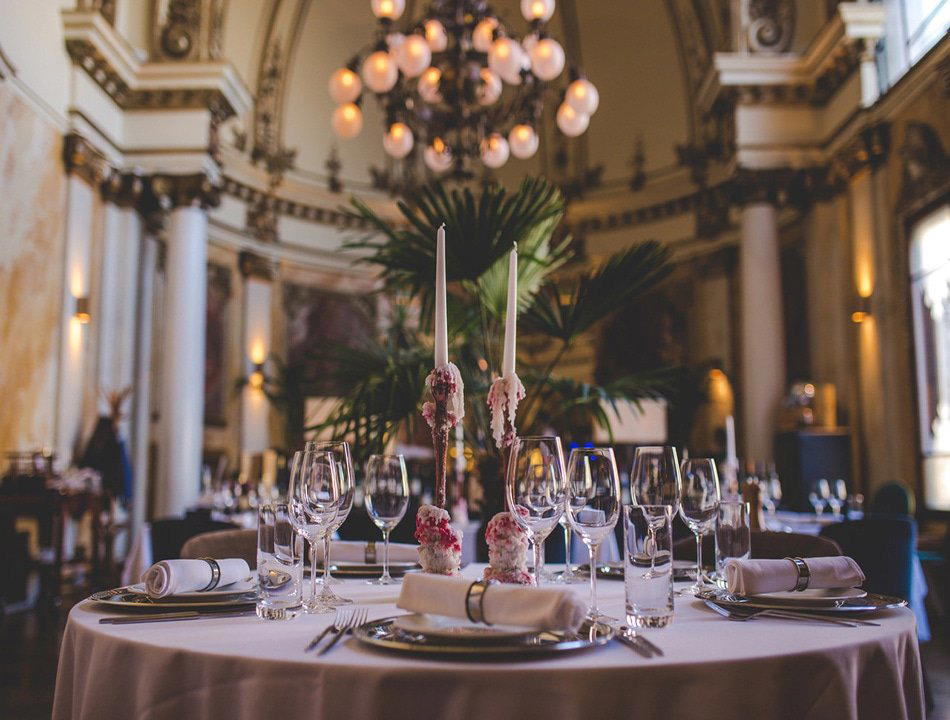
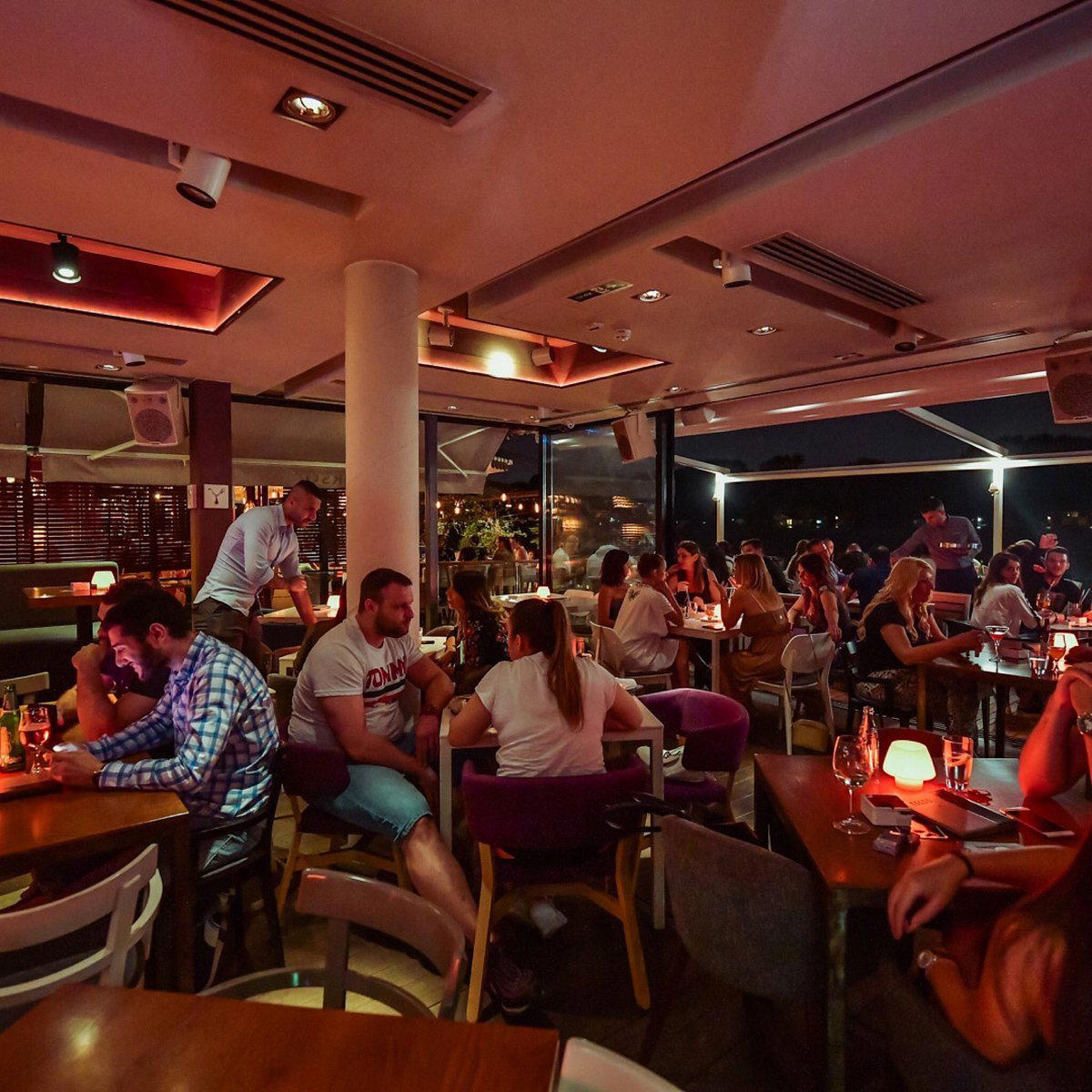
Restoran Dedinje runs a dinner-focused, smart-casual room in Belgrade with an extensive wine list and a leisurely pace.
Pearl is the En Primeur Club membership app — saves, bookings, and concierge access live there. Same editors, same standards.
- Address
- Miloja Đaka 2A, Beograd 11000, Serbia
- Phone
- +381113675752
- Website
- restoran-dedinje.rs
- Directions
- Get directions
 Saves & bookings on Pearl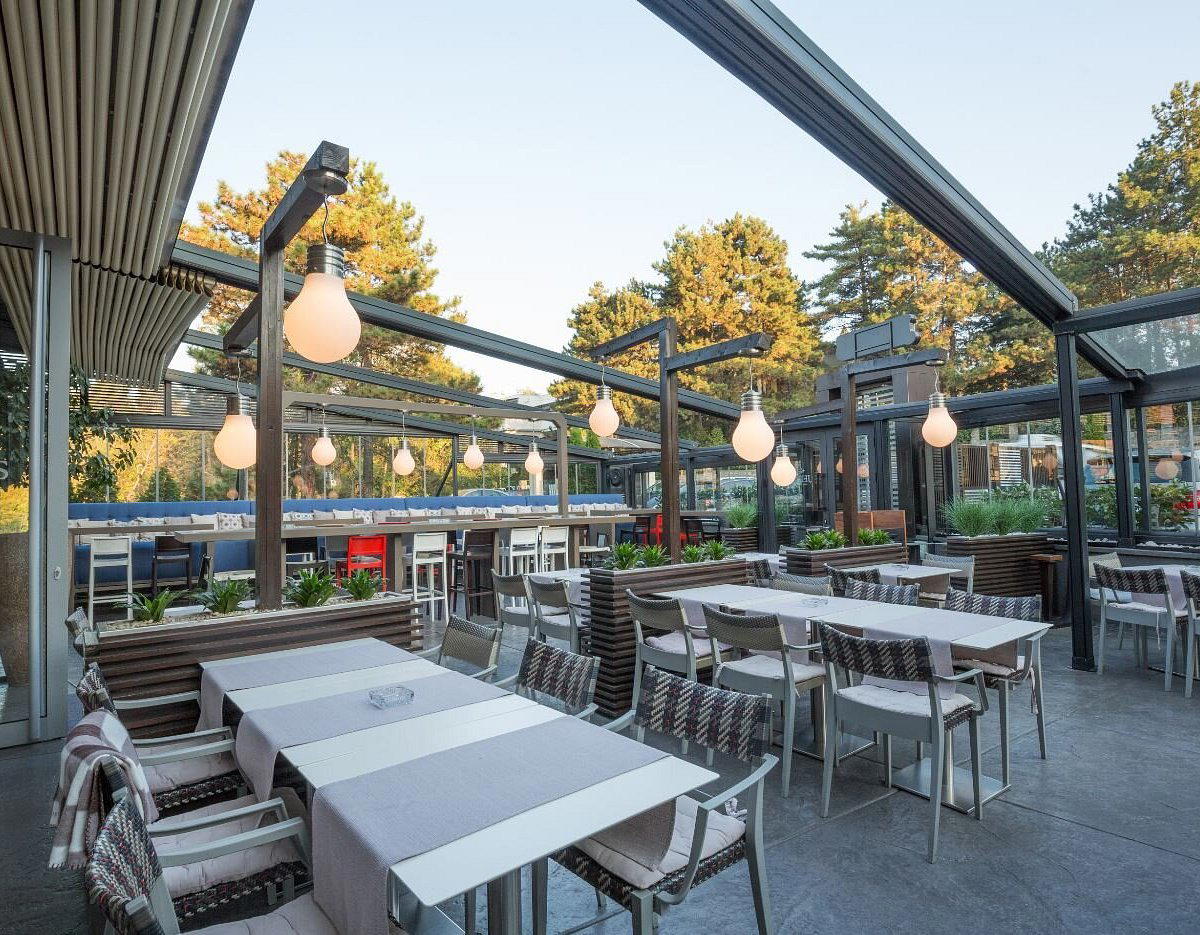
A Belgrade Neighbourhood, a Dining Tradition
Dedinje is not a neighbourhood that announces itself loudly. Set on a hillside in the southern reaches of Belgrade, it has historically been the address of embassies, government residences, and old-money families who preferred discretion over proximity to the city centre's noise. Dining in Dedinje has long followed the same logic: rooms that seat guests without theatrics, kitchens that lean on the Serbian tradition of slow-cooked meats and seasonal produce, and an atmosphere calibrated for regulars rather than passers-through. Restoran Dedinje, at Miloja Đaka 2A, sits inside that pattern.
In Belgrade's broader dining picture, the tension between contemporary ambition and traditional practice is sharper now than at any point in the past decade. Properties like Langouste and The Square have pushed the city toward modern European formats, while Ambar has made Serbian meze approachable for an international audience at a polished, higher-volume level. A restaurant in Dedinje operates on a different register entirely: the expectation is continuity, not novelty.
The Cultural Weight of Serbian Table Culture
To understand what a restaurant in this corner of Belgrade is doing, it helps to understand what Serbian dining culture has always asked of its practitioners. The kafana tradition, which dates to the Ottoman-influenced coffeehouses of the eighteenth and nineteenth centuries, established a set of social expectations that persist even in rooms that no longer resemble their origins. Long meals. Shared plates. Rakija to open, wine to sustain, coffee to close. The table as the primary site of social life rather than a stop between obligations.
That tradition shapes what local diners read as quality: not innovation for its own sake, but the faithful execution of dishes that carry recognisable cultural memory. Roasted meats with the char and fat rendered correctly. Ajvar and vegetable preparations that reflect the season. Bread that arrives warm. These are not low bars in Serbian cooking; they require sourcing discipline and kitchen consistency that more theatrical formats can obscure behind technique.
Restaurants in the wider Serbia region that hold to this model, from Kod Brana in Cacak to Lovački dom in Valjevo and Etno Kuća Dinar in Vrsac, tend to serve as anchors for their communities rather than destinations for outside audiences. The format is durable precisely because it is not dependent on trend cycles. For travellers arriving from cities where Serbian food is either unknown or misrepresented, these restaurants offer something that more internationally oriented kitchens cannot: a direct line to the cuisine as it is actually eaten.
Situating Dedinje in Belgrade's Dining Tiers
Belgrade's restaurant market has developed distinct price and format tiers over the past several years. At the higher end, restaurants with international-facing menus and modern European ambitions serve a mix of local professionals and visiting guests. In the mid-range, casual Serbian dining, grilled meats, generous salads, and the staple proteins of the national kitchen, remains the dominant format and the one that locals return to most often. Barrel House and Avala each occupy positions within this wider mid-range and neighbourhood-anchored territory.
Restoran Dedinje's address places it within a residential pocket rather than a high-footfall commercial strip, which has structural implications for how it operates. Restaurants that succeed in residential neighbourhoods tend to build their trade on repeat custom from nearby residents and office workers rather than on tourist flow or destination dining. That model rewards consistency over spectacle and creates a different kind of trust between kitchen and guest. For context on how this compares to the broader Serbian regional dining scene, properties like Windmill in Pancevo, Kafe Restoran Maša in Novi Sad, and Aleksandar Gold in Uzice each demonstrate how this neighbourhood-first model translates across Serbia's cities and towns.
Seasonal Rhythms and What They Signal
Serbian cooking is markedly seasonal in its raw material base, more so than many western European cuisines that have smoothed out seasonal variation through import supply chains. Autumn brings the peak of the pepper season, when ajvar production is at its most active and fresh paprika appears across menus in ways that dried or jarred equivalents cannot replicate. Winter menus in Belgrade lean toward heavier preparations: slow-cooked beans, cured meats, hearty čorba soups. Spring signals the arrival of lamb and fresh greens. For a restaurant in a traditional Serbian idiom, the season of a visit meaningfully changes what is on the table.
This seasonal structure is worth factoring into any visit. A traveller arriving in October, for instance, enters a city at a different culinary moment than one arriving in February. That specificity applies across the Serbian dining landscape, from the Danube-facing ČARDA ZLATNA KRUNA in Apatin with its river fish focus, to the mountain-country menus at Grand in Kopaonik. At a neighbourhood restaurant like Restoran Dedinje, seasonal alignment between kitchen and raw materials is typically more visible than in kitchens that import year-round.
Planning a Visit
The restaurant is located at Miloja Đaka 2A in Belgrade's Dedinje district. For visitors comparing options across central Belgrade's contemporary dining tier, Langouste and The Square represent the modern European bracket, while the restaurant fits a different itinerary need: a meal that reads as local rather than internationally oriented. Reservations are recommended. Dress expectations are smart-casual. For broader Serbian regional comparisons, venues such as KAFANA DUKAT in Pirot and Kod poštara in Aran Elovac offer reference points for how the traditional Serbian dining format performs in smaller cities. For those arriving from an international frame of reference, the contrast with a destination like Le Bernardin in New York City or Atomix in New York City clarifies how differently Serbian dining culture positions the meal within the social day.
Peers You’d Cross-Shop
Comparable venues nearby, for context on price, style, and recognition.
| Venue | Cuisine | Price | Notes |
|---|---|---|---|
| Restoran DedinjeThis venue — the venue you are viewing | Modern Serbian with International Influences | $$$ | Not listed |
| Dva Jelena | Traditional Serbian Grill & Tavern | $$ | Skadarlija |
| RESTORAN DIMITRIJE | Italian Steak & Pizza | $$$ | Vračar |
| Panta Rei Restoran | Modern Mediterranean with International Influences | $$$ | Dorćol |
| RESTORAN GRAFIČAR | Traditional Serbian Barbecue | $$ | Dedinje |
| RESTORAN DUOMO | Traditional Italian Pizza and Pasta | $$ | Dorcol |
At a Glance
- Elegant
- Sophisticated
- Modern
- Cozy
- Date Night
- Business Dinner
- Special Occasion
- Standalone
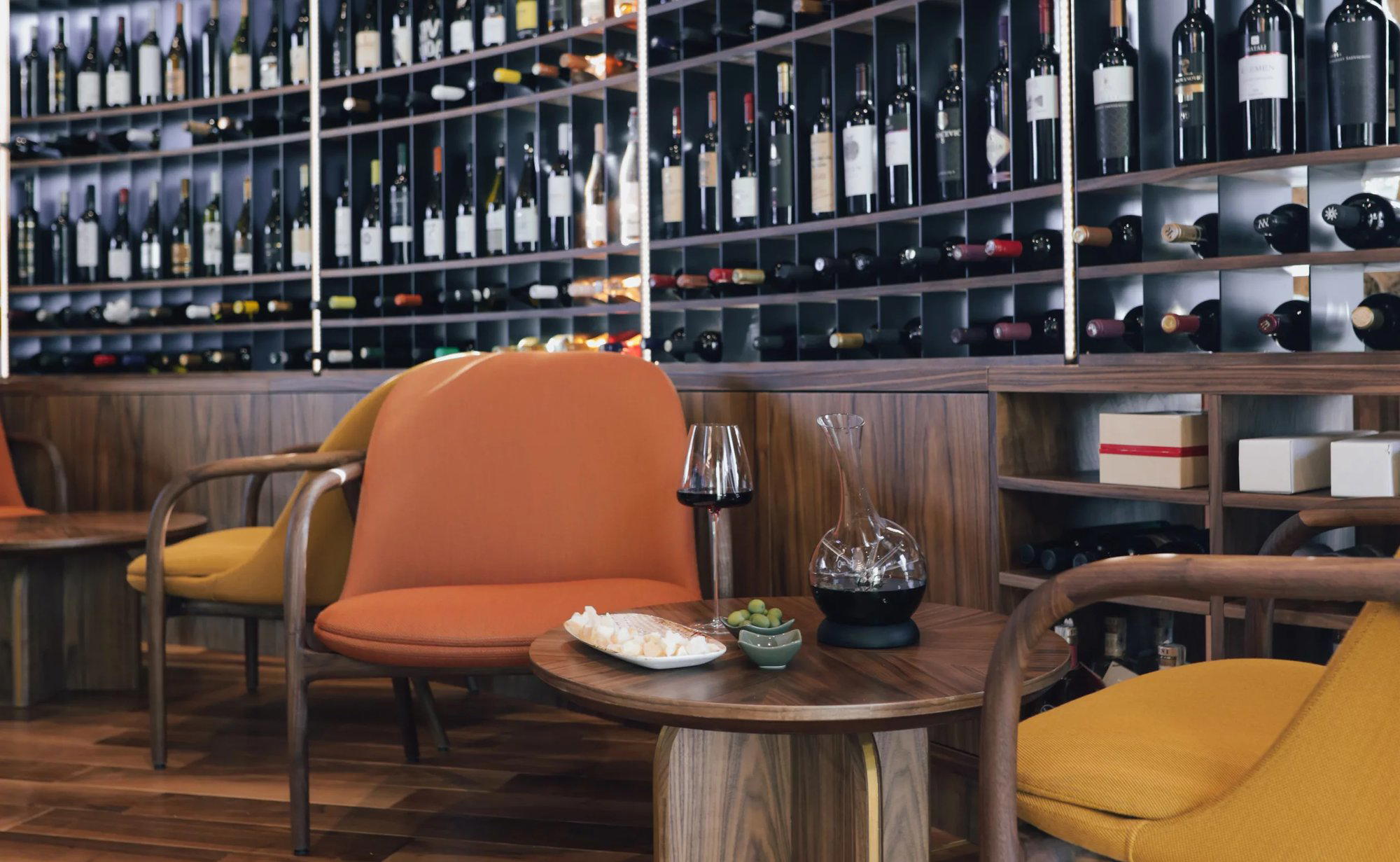
- Extensive Wine List
Current opening hours
- Monday
- 8 AM–12 AM
- Tuesday
- 8 AM–12 AM
- Wednesday
- 8 AM–12 AM
- Thursday
- 8 AM–12 AM
- Friday
- 8 AM–12 AM
- Saturday
- 8 AM–12 AM
- Sunday
- 8 AM–12 AM
Hours can change for holidays and private events. Last verified .
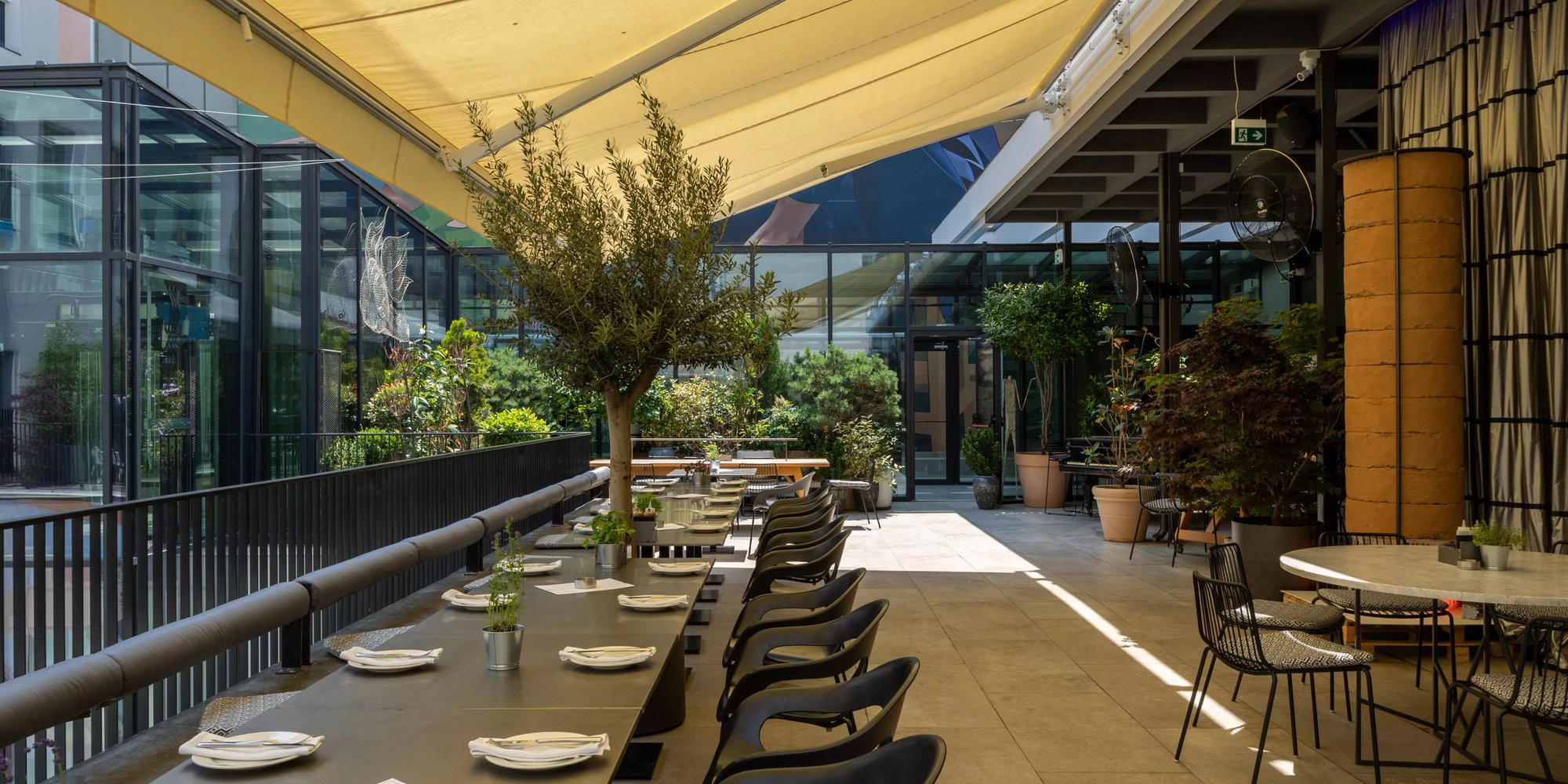
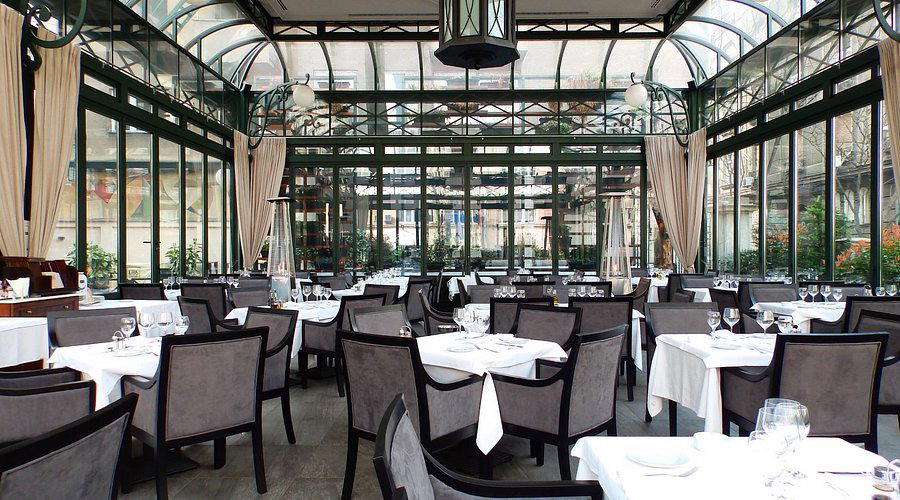
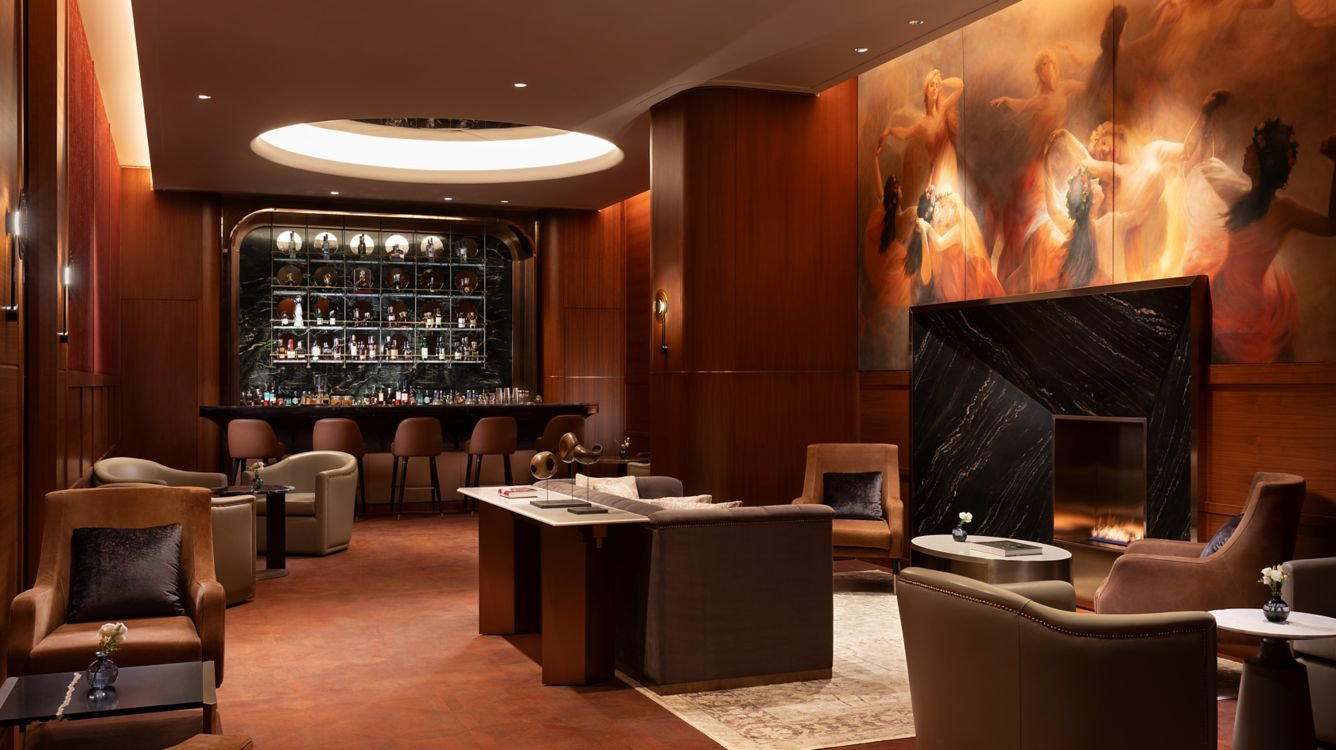
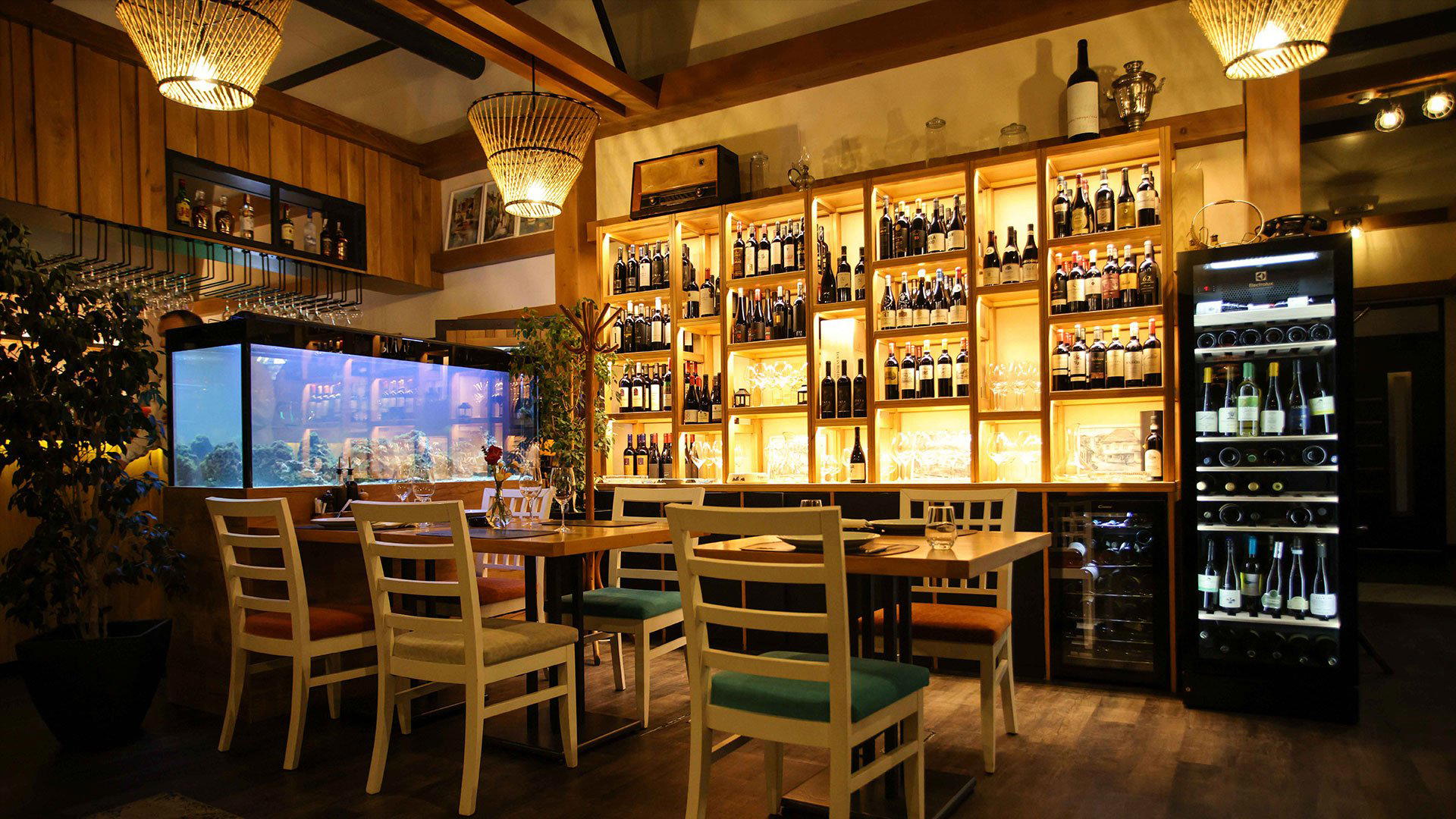
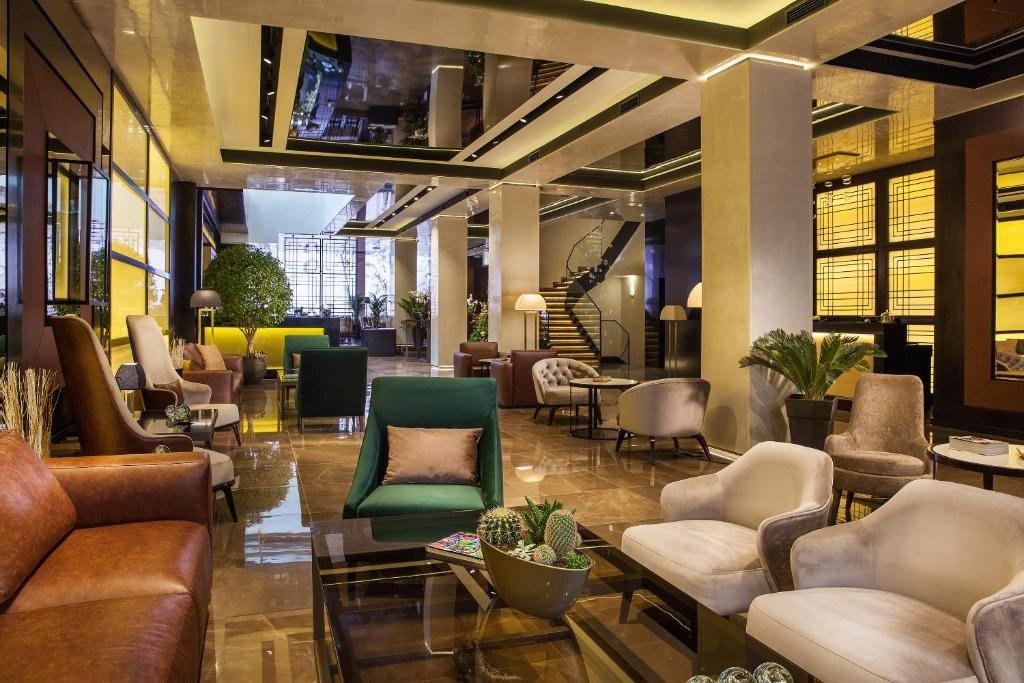
Modern, refined atmosphere with attention to detail in decor, creating an upscale yet welcoming environment for informed diners.