Our verdict
RESTORAN DIMITRIJE serves Italian steak and pizza at Mileševska 39 in Belgrade, with an open kitchen, terrace seating, and a smart-casual setting for lunch or dinner.

Pearl is the En Primeur Club membership app — saves, bookings, and concierge access live there. Same editors, same standards.
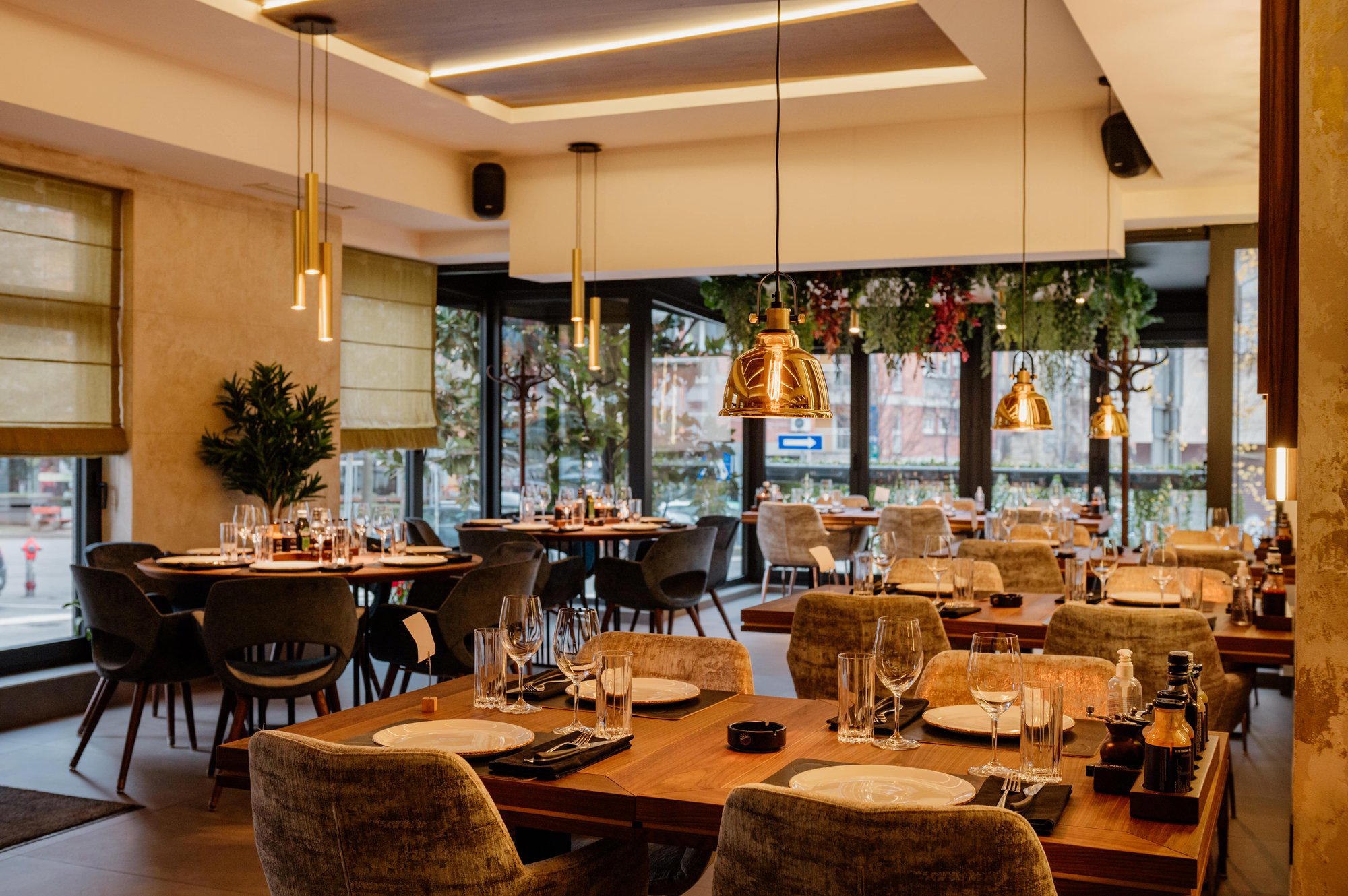
Mileševska Street and the Ritual of the Serbian Table
There is a particular quality to dining rooms on the quieter residential streets of Belgrade's inner neighbourhoods. Away from the riverside terraces and the pedestrian-zone crowds, they operate on a different tempo: slower, more deliberate, shaped by the habits of regulars who return not for novelty but for consistency. Restoran Dimitrije, at Mileševska 39, sits in that category. The address places it in a part of the city where restaurants earn their standing through repetition rather than spectacle, and where the meal itself tends to follow the unhurried rhythm that Serbian dining culture at its most traditional demands.
Belgrade's restaurant scene has split in recent years between two distinct registers. One tier, represented by places like Langouste and The Square, pursues international reference points: tasting menus, contemporary plating, wine lists drawn from across Europe. The other maintains the older grammar of the Serbian table, where sharing is assumed, portions are sized for appetite rather than aesthetics, and the pacing of a meal is measured in conversation rather than courses. Dimitrije belongs to the second tradition. Understanding which register you are walking into matters before you arrive.
The Dining Ritual: How a Meal Here Tends to Unfold
Serbian restaurant culture carries its own set of unspoken conventions that differ meaningfully from the tasting-menu cadence or the European bistro model. Meals begin with small plates or cold starters, often arriving without being formally ordered, as part of the house's standard opening. Bread is present from the start. The pace is set by the room, not the kitchen's expediting schedule. A table that plans to spend ninety minutes will almost always find itself still seated after two hours, not because service is slow but because the format does not encourage otherwise.
This is the dining tradition within which Restoran Dimitrije operates. For visitors accustomed to the structured choreography of restaurants like Le Bernardin or Atomix in New York, the contrast is instructive: there is no tasting menu logic here, no amuse-bouche sequence calibrated to the minute. The format is closer to the regional Serbian tradition of eating as a social event with food as one component among several, rather than eating as the central performance.
This same rhythm appears across Serbia's stronger regional restaurants. Kod Brana in Čačak and Lovački dom in Valjevo both operate on comparable pacing, where the table is yours for the duration and the kitchen does not hurry you toward a turn. That continuity of format across cities is one of the more underappreciated aspects of Serbian dining culture: the meal's structure is more consistent than the menu content.
What the Cuisine Tells You About the Neighbourhood
Mileševska Street sits in a part of Belgrade that functions as a genuine residential neighbourhood rather than a dining destination. Restaurants here are not competing for tourist foot traffic. They are competing for the repeat business of people who live nearby, which tends to produce a different kind of quality calculation: reliability of execution matters more than menu ambition, and value across multiple visits matters more than a single high-stakes impression.
Serbian cuisine in this context typically means grilled meats, slow-cooked dishes, bean preparations, and the broader vocabulary of Balkan cooking that draws on Ottoman, Austrian, and Central European influences accumulated over centuries. It is a cuisine built for the long table and the long evening, not for quick consumption. The flavours lean assertive: paprika, garlic, rendered fats, and herbs used in quantity rather than as accents. Restaurants like Ambar have taken this vocabulary into a more polished format, but the original register remains common across Belgrade's neighbourhood dining rooms.
For broader Serbian regional comparison, it is worth noting how consistent the core flavour approach remains even across dramatically different settings: Etno Kuća Dinar in Vrsac, Kafana Dukat in Pirot, and Čarda Zlatna Kruna in Apatin all read from the same foundational playbook, with regional ingredients providing the variation rather than shifts in culinary philosophy.
Where Dimitrije Sits in the Belgrade Picture
Belgrade's mid-range dining tier, which occupies a broad middle ground between kafana-style informality and the higher-end modern restaurants, has expanded considerably over the past decade. Avala and Barrel House represent different approaches within that tier. Dimitrije, based on its address and neighbourhood character, operates in a register that prioritises the established local audience over the newer international visitor segment that has been growing as Belgrade's profile rises.
This is not a peripheral observation. The city's restaurant choices now span a range from single-euro lunches at market-adjacent canteens to €€€€ contemporary European formats, with Serbian-focused neighbourhood restaurants occupying an important and often underexplored middle band. Kafe Restoran Maša in Novi Sad and Kod poštara in Aran Đelovac are examples of how this format scales outside the capital. Within Belgrade itself, the neighbourhood restaurant without international pretension remains a durable category that deserves more considered attention from visiting diners.
For those working through Belgrade's dining options more systematically, the full Belgrade restaurants guide maps the city's range from contemporary Serbian to international formats, with context on how the different tiers relate to each other. Aleksandar Gold in Užice and Grand in Kopaonik extend that picture into Serbia's wider geography for those combining a Belgrade visit with travel elsewhere in the country.
Planning Your Visit
Mileševska 39 is a direct address to reach from Belgrade's central districts, falling within the inner city without being in the tourist core. For visitors, a taxi or rideshare from Knez Mihailova or the Savamala area covers the distance in under fifteen minutes depending on traffic. The format suggests evening dining suits the experience better than a quick midday meal, given the Serbian table's natural inclination toward longer, more social sittings. As with most Belgrade neighbourhood restaurants in this category, arriving with a group rather than as a couple tends to unlock the format more fully: shared plates and extended ordering benefit from more people around the table. Windmill in Pančevo offers a comparable neighbourhood-restaurant experience within easy reach of Belgrade for those with additional days in the region.
Frequently asked questions
What should I eat at Restoran Dimitrije?
Serbian restaurant cuisine at this address would typically draw from the national repertoire: grilled meats, slow-cooked preparations, and vegetable-forward dishes rooted in Balkan cooking traditions. Begin with whatever the kitchen offers as cold starters, follow with grilled or roasted mains, and allow the meal to develop at the table's own pace rather than ordering all at once.
Do I need a reservation for Restoran Dimitrije?
Neighbourhood restaurants on residential Belgrade streets often operate on a walk-in basis for smaller parties, but this varies by evening and season. Belgrade's dining scene has grown in foot traffic as international visitor numbers have increased, which means that assumptions about easy walk-in availability are less reliable than they were five years ago. Contacting the restaurant in advance is advisable, particularly for groups of four or more.
What is Restoran Dimitrije known for?
Based on its address and neighbourhood position in Belgrade, Dimitrije sits within the tradition of the Serbian neighbourhood restaurant: a format defined by generous portions, a social table rhythm, and cooking rooted in the Balkan culinary vocabulary of grilled meats, paprika-led sauces, and slow-cooked preparations. It is part of a recognisable category in Belgrade dining rather than a venue operating outside the city's established patterns.
Can Restoran Dimitrije accommodate dietary restrictions?
Serbian cuisine's traditional repertoire is built significantly around meat, which means that plant-based or meat-free dining can require advance coordination at neighbourhood restaurants operating in this register. Contacting the restaurant directly, ideally before arriving, is the practical approach.
Is a meal at Restoran Dimitrije worth the investment?
Belgrade's neighbourhood restaurant tier generally delivers strong value relative to comparable European capitals, and Serbian cooking at its most direct tends to be filling and fairly priced. The value calculation is as much about the experience of the Serbian table ritual as it is about the food alone.
How does Restoran Dimitrije compare to Belgrade's kafana tradition?
The kafana, Belgrade's historic tavern format combining food, wine, and often live music into a single extended social experience, remains one of Serbia's most distinctive dining institutions. Neighbourhood restaurants like Dimitrije share the kafana's unhurried pace and communal spirit without necessarily carrying the full kafana designation, which implies a specific set of historical and cultural conventions. For visitors, this means the experience sits between the city's contemporary restaurant formats and its oldest tavern traditions: informal, generous, and oriented toward the long table rather than the quick meal.
Fast Comparison
Comparable venues nearby, for context on price, style, and recognition.
| Venue | Cuisine | Price | Awards | Notes |
|---|---|---|---|---|
| RESTORAN DIMITRIJEThis venue — the venue you are viewing | Italian Steak & Pizza | $20–30 | Not listed | Not listed |
| Insolita | Modern Italian Trattoria | $30–50 | Not listed | Dorćol |
| RESTORAN RUSTIQUE | Authentic Italian Pizza and Pastas | $20–30 | Not listed | Senjak |
| PizzaBar | Italian Pizza | $10–20 | Not listed | Novi Beograd |
| MIG | Italian Pizza and Gelato | Not listed | Not listed | Novi Beograd |
| RESTORAN JERRY | Modern Serbian Steakhouse | $30–50 | Star Wine List | Novi Beograd |
Continue exploring
More in Belgrade
Restaurants in Belgrade
All restaurants in Belgrade →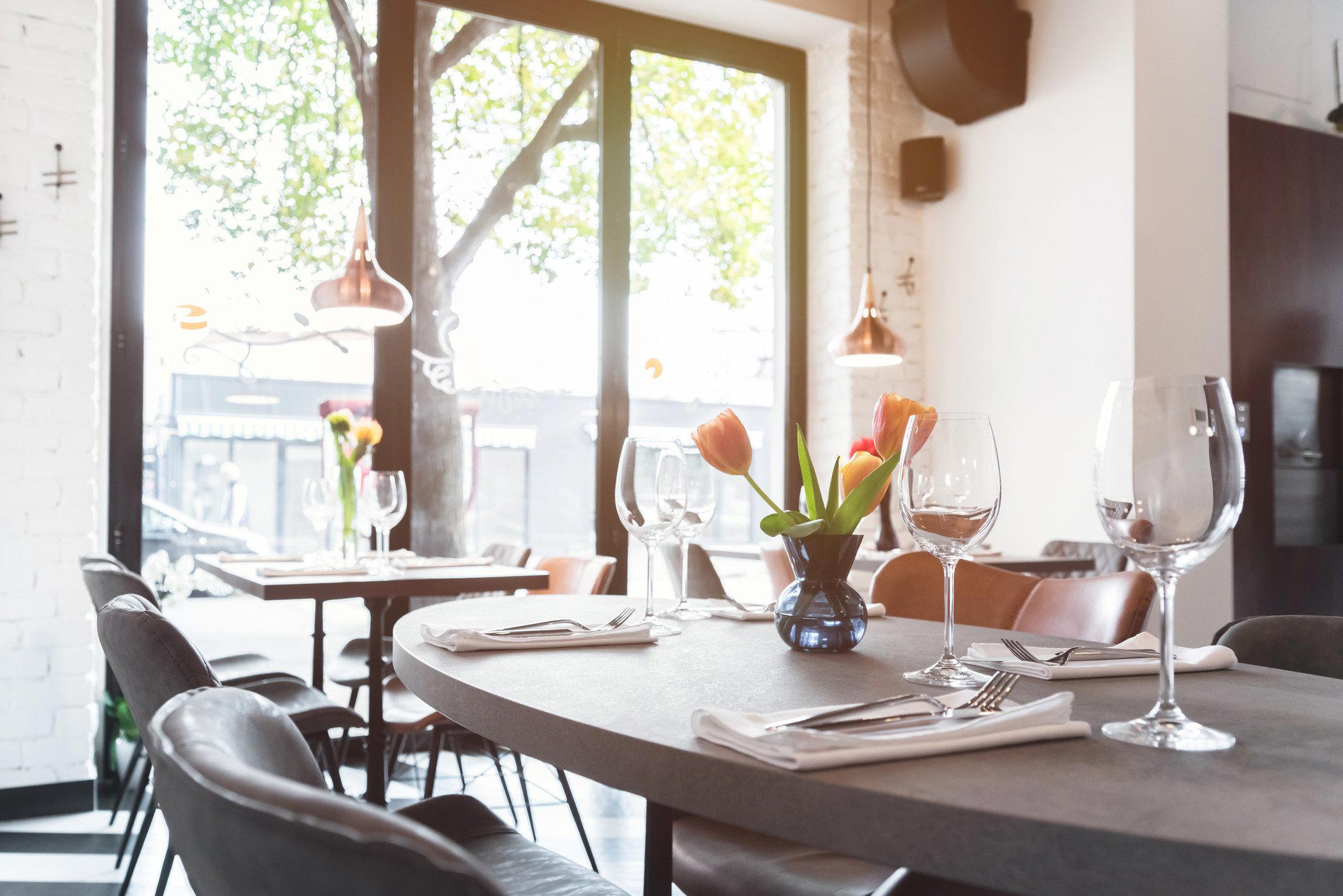

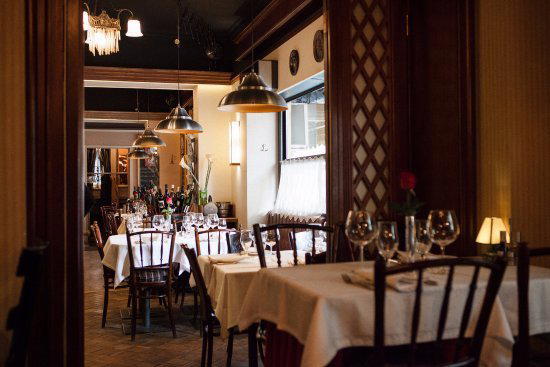
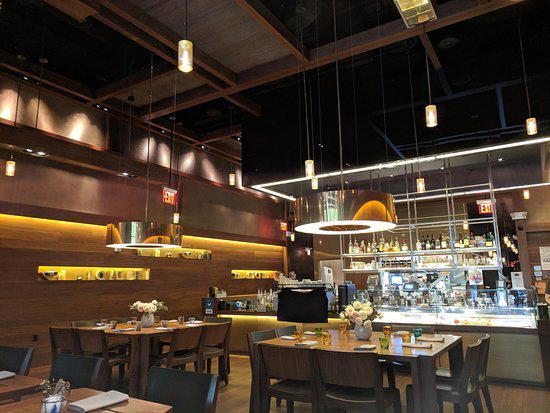
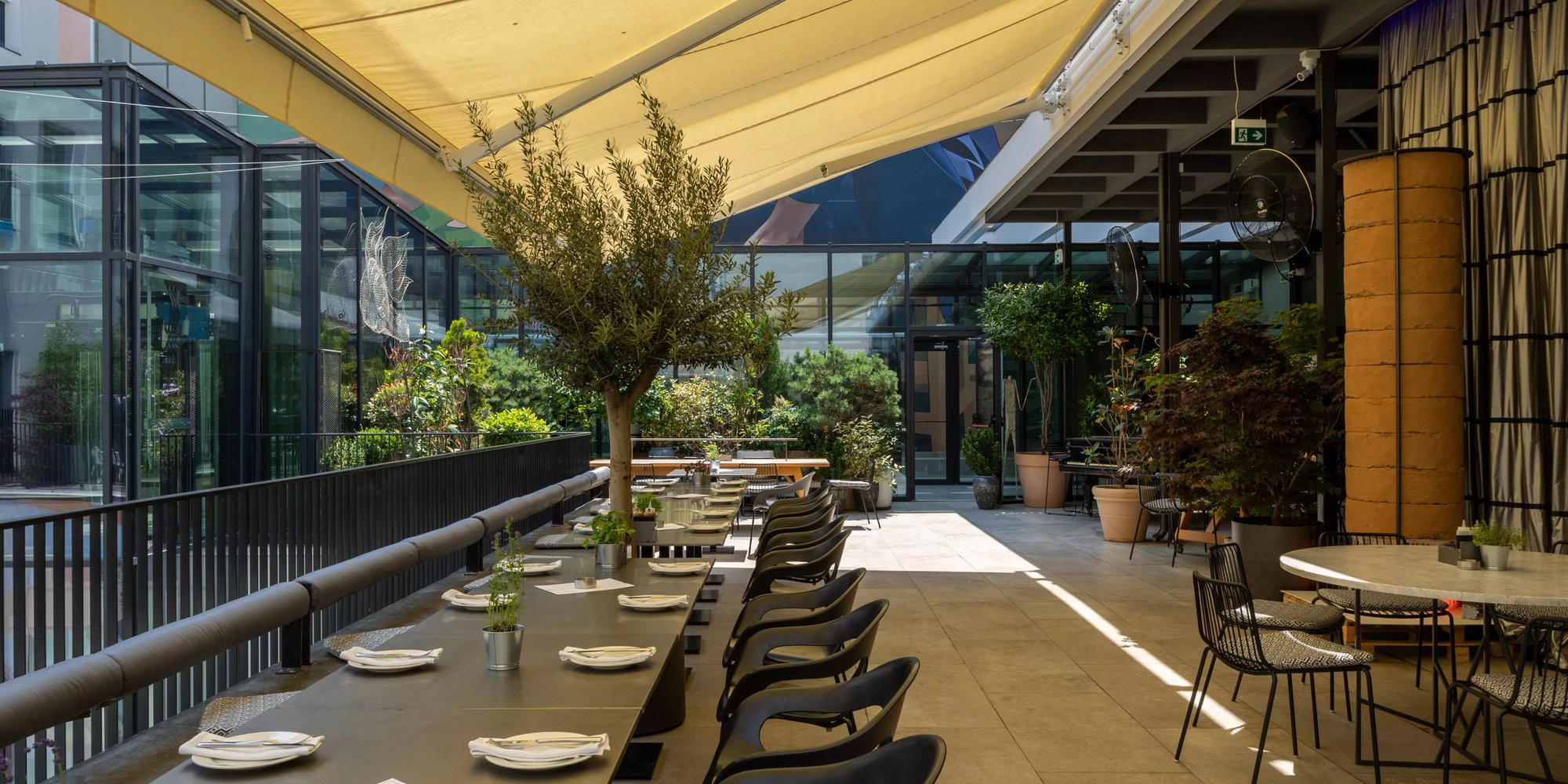
Bars in Belgrade
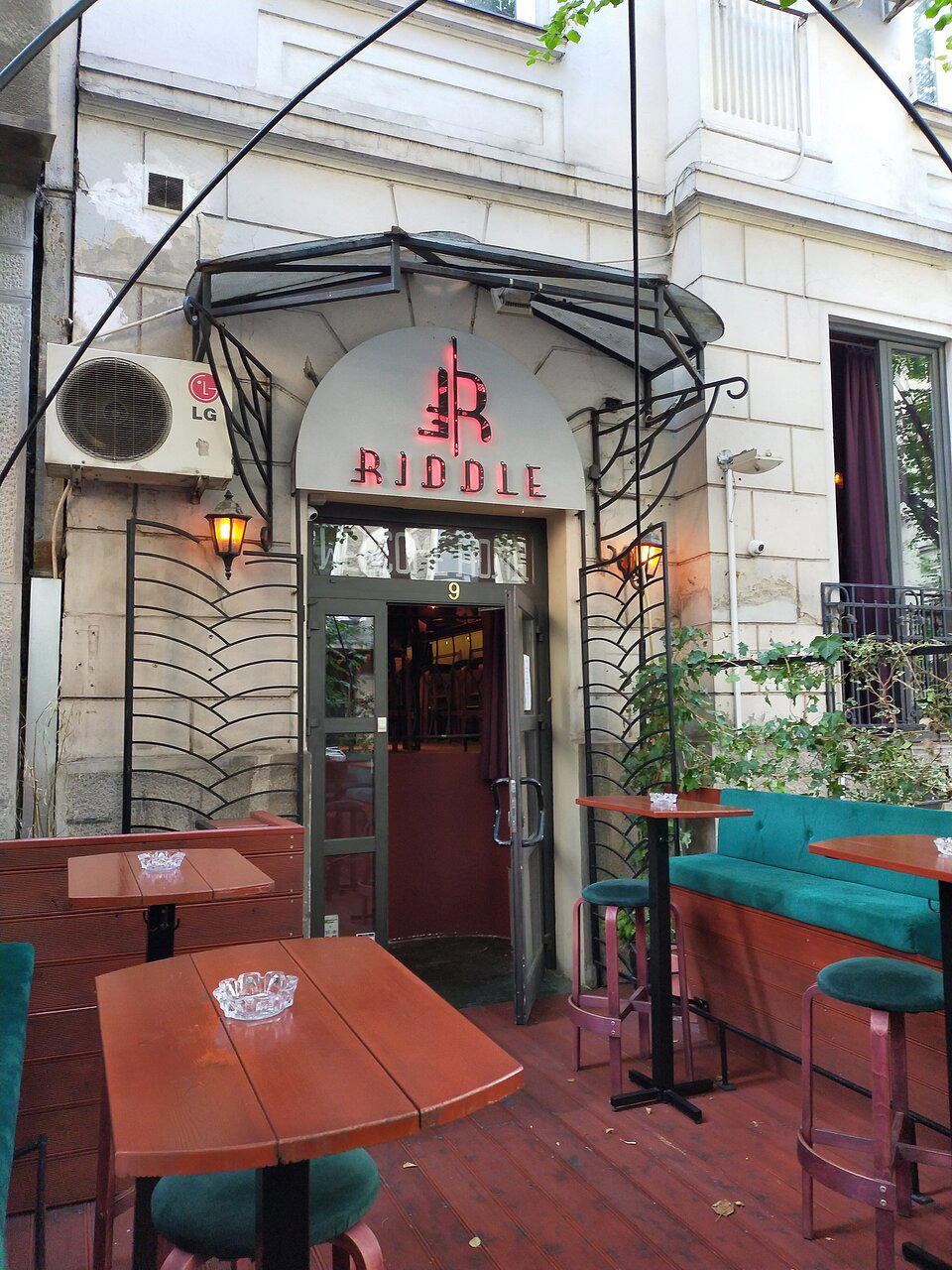
All bars in Belgrade →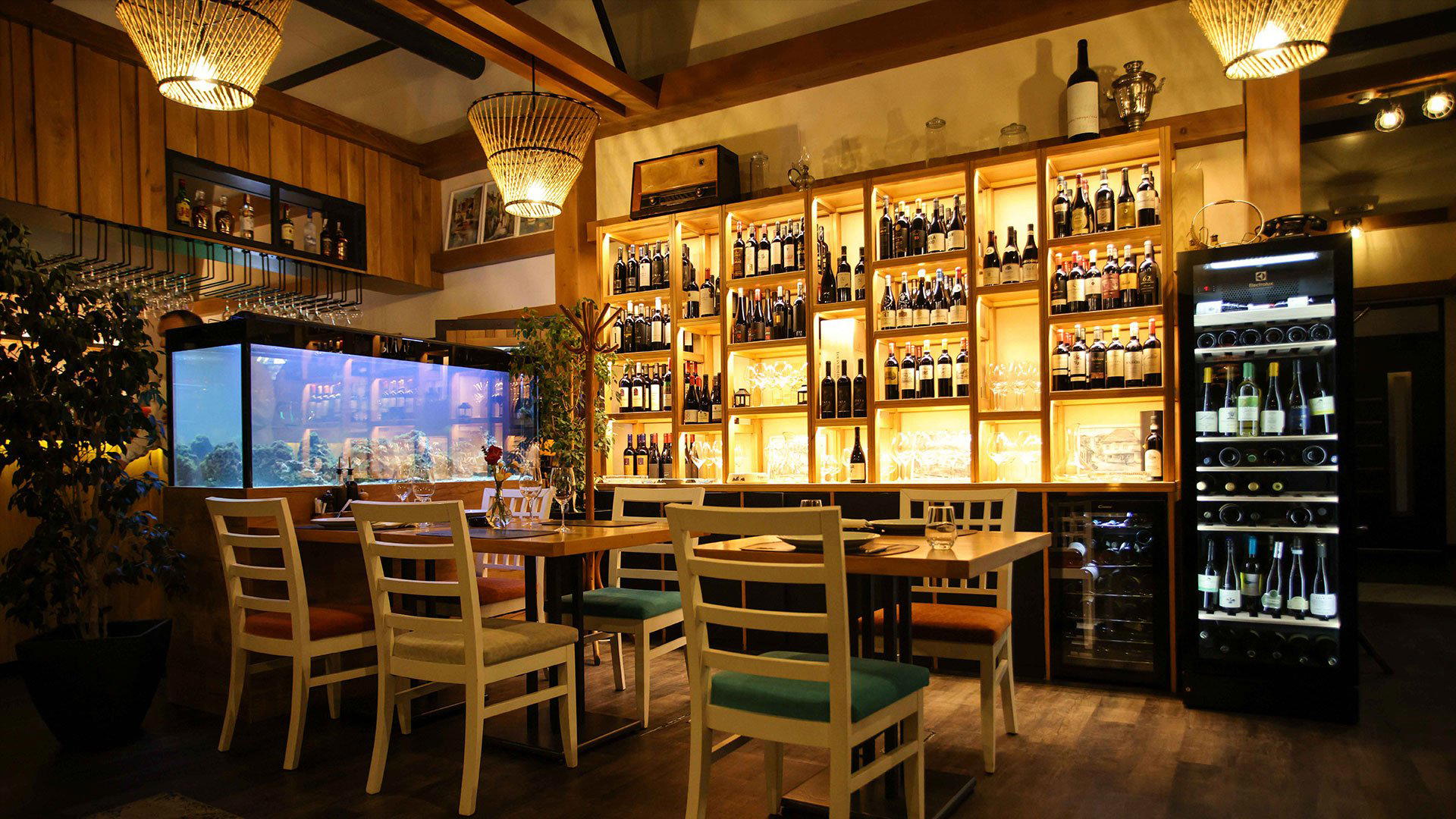
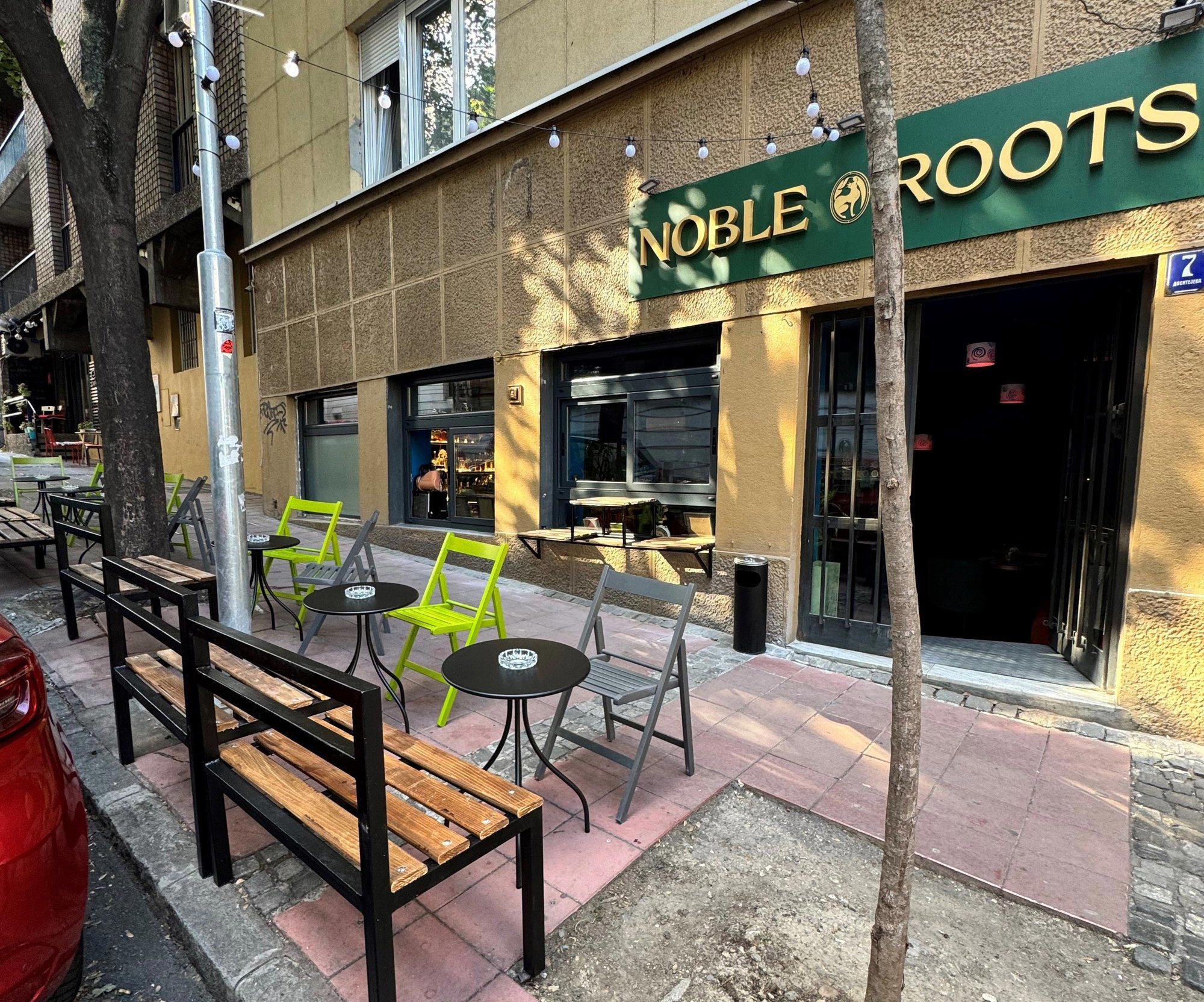
Details
- Modern
- Cozy
- Elegant
- Business Dinner
- Date Night
- Casual Hangout
- Open Kitchen
- Terrace
- A La Carte
- Vegetarian Friendly
Current opening hours
- Monday
- 12 PM–12 AM
- Tuesday
- 12 PM–12 AM
- Wednesday
- 12 PM–12 AM
- Thursday
- 12 PM–12 AM
- Friday
- 12 PM–12 AM
- Saturday
- 12 PM–12 AM
- Sunday
- 12 PM–12 AM
Hours can change for holidays and private events. Last verified .
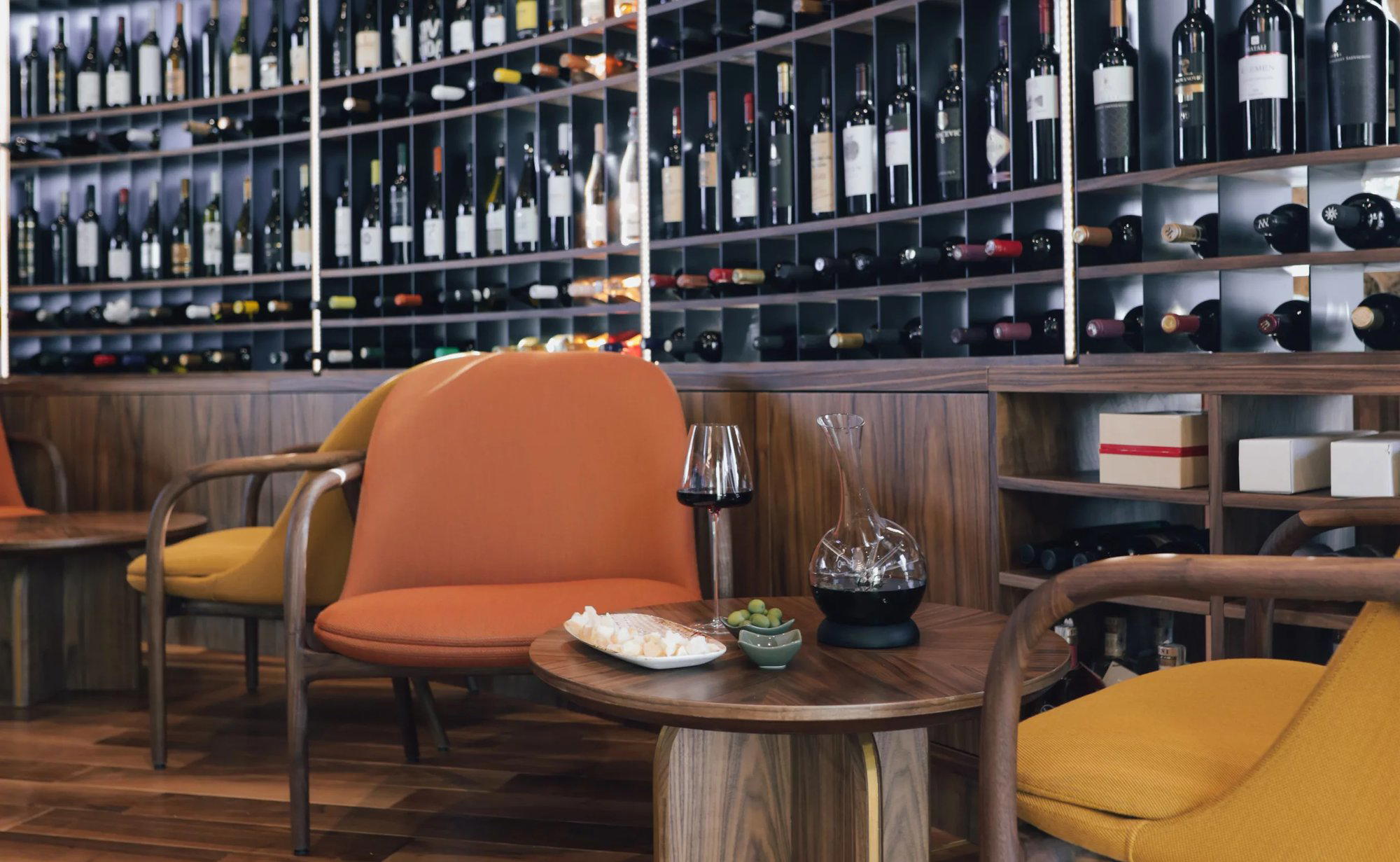
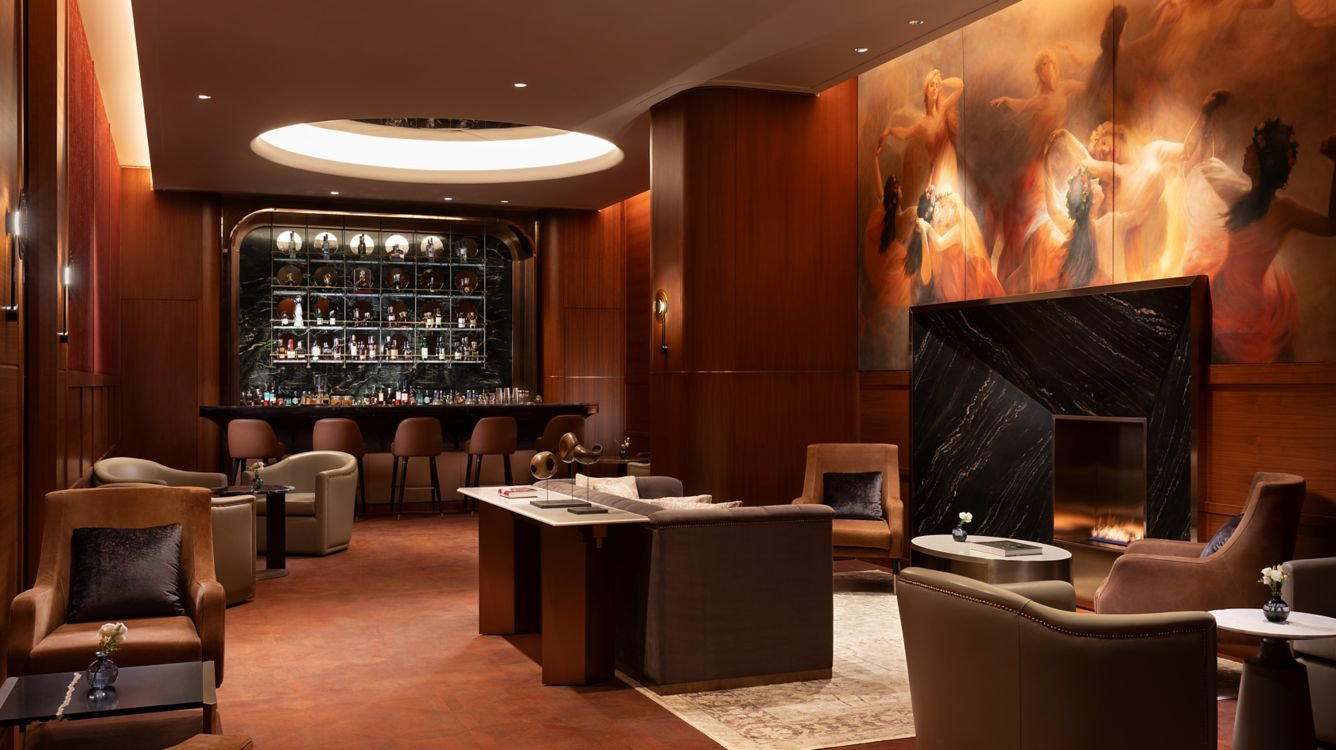
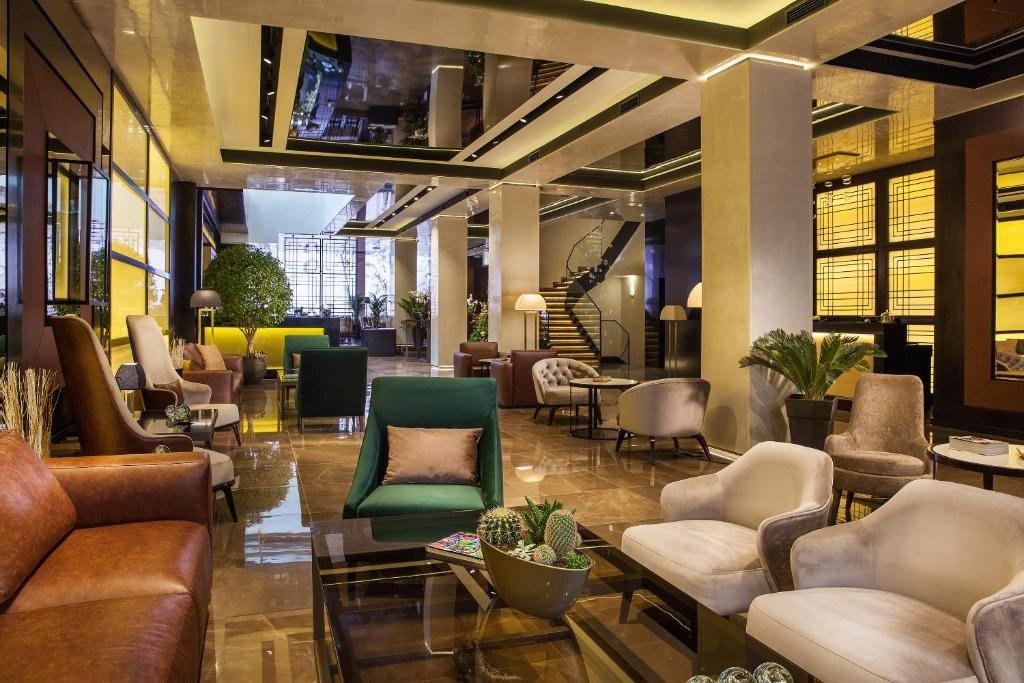
Cozy and modern with open kitchen, high tables, intimate sections, and glazed patio offering warm welcoming atmosphere day and evening.