Panta Rei Restoran serves Modern Mediterranean with International Influences on the waterfront in Belgrade, with an extensive wine list and dishes such as Lignje na žaru.
Pearl is the En Primeur Club membership app — saves, bookings, and concierge access live there. Same editors, same standards.
- Address
- Tadeuša Košćuška 63, Beograd, Serbia
- Phone
- +38163444643
- Website
- pantarei.co.rs
- Directions
- Get directions
 Saves & bookings on Pearl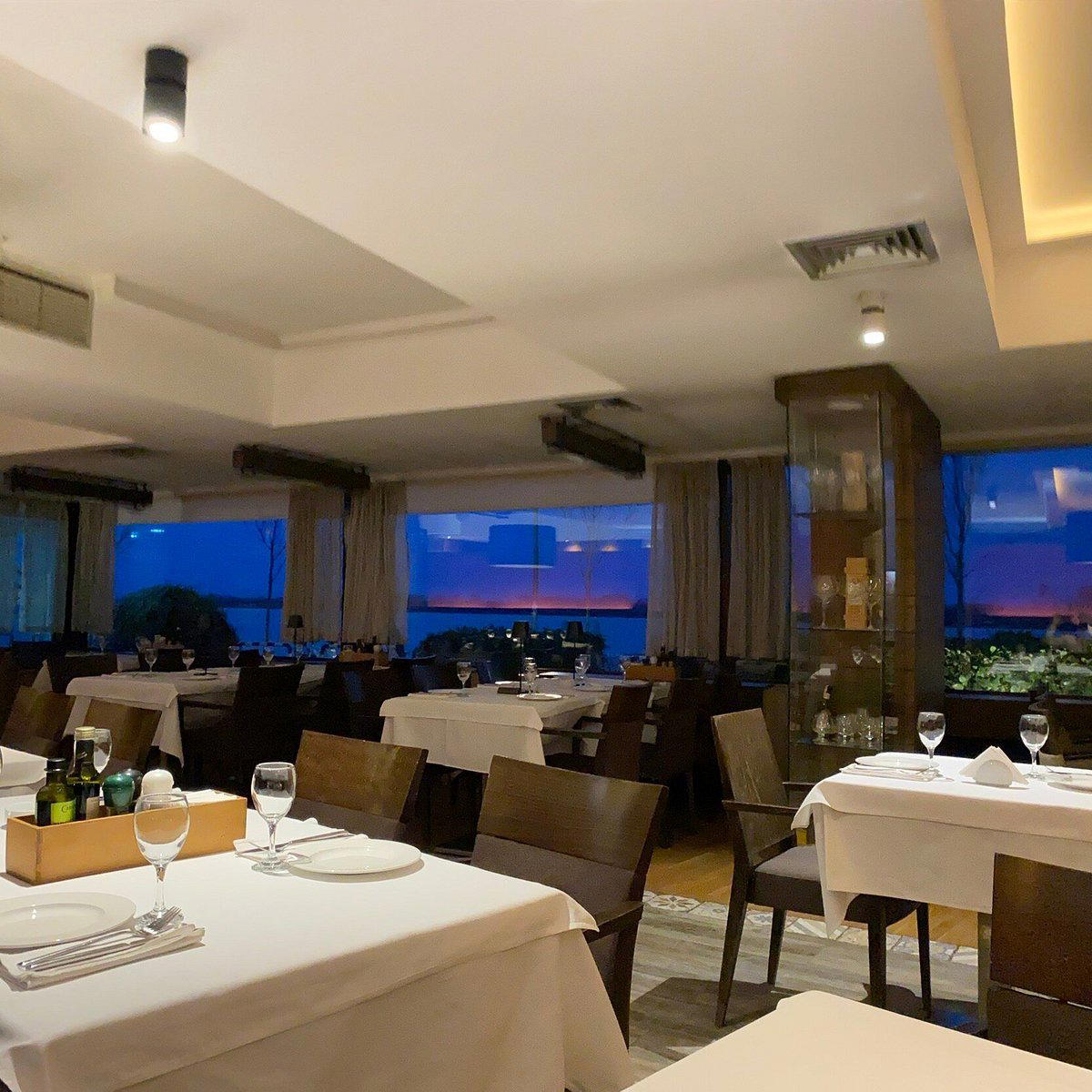
Where the Sava Bend Meets the Table
Panta Rei Restoran is a restaurant in Belgrade serving modern Mediterranean cuisine with international influences. The address puts you in the older residential grain of the city, away from the tourist corridors of Knez Mihailova and the louder riverside promenades. Arriving at Panta Rei Restoran, the surrounding architecture does much of the contextualizing work before you step inside: this is a city that has rebuilt itself across centuries of Ottoman, Austro-Hungarian, and Yugoslav influence, and its restaurant culture carries the same layered quality. The name itself, borrowed from the Heraclitean idea that everything flows, signals an awareness of continuity that goes beyond mere decoration.
Serbian Dining in Its Broader Register
To understand where a Belgrade restaurant like Panta Rei sits, it helps to understand what Serbian cuisine has historically asked of its kitchens. The tradition draws from Ottoman meze culture, Central European roasting and curing techniques, and Balkan pastoral ingredients: lamb, game, freshwater fish from the Danube and Sava, stone-ground grains, and fermented dairy that predates any Western notion of artisan production. For most of the twentieth century, kafana culture defined how Belgraders ate out: communal tables, long meals, house wine, grilled meats, and a particular disregard for clock time. That format remains alive across the city, from neighbourhood institutions to more deliberate modern interpretations. The question any serious Belgrade restaurant faces today is how to position itself relative to that inheritance: whether to work within the kafana idiom, depart from it entirely, or find a credible third register.
Belgrade's current restaurant scene spans several distinct price tiers. At one end, Langouste occupies the upper bracket of modern cuisine, priced at the €€€€ level and competing against European destination restaurants. The Square operates a contemporary French-inflected format at the €€ level, while Ambar and Avala address different expressions of Balkan hospitality within the mid-range. Barrel House stakes out its own niche in the city's dining ecosystem. Panta Rei sits on Tadeuša Košćuška 63, slightly removed from the core clusters, which tends to self-select a more intentional guest: people who looked up the address rather than stumbled through the door.
The Cultural Weight of a Belgrade Restaurant Address
Belgrade's dining geography matters more than it might in cities with consolidated dining districts. The city spreads across hills and river bends, and neighbourhood character shifts block by block. A restaurant on Tadeuša Košćuška is making a particular kind of statement about its relationship to the city: less performance, more permanence. This street-level positioning connects to a broader pattern visible across Serbian regional dining. Properties like Kod Brana in Cacak and Lovački dom in Valjevo demonstrate how deeply Serbian food culture is rooted in place-specific identity, where the address is part of the offering. Etno Kuća Dinar in Vrsac and KAFANA DUKAT in Pirot extend this pattern into the provinces, where the kafana as institution carries genuine social weight beyond hospitality. Even further afield, ČARDA ZLATNA KRUNA in Apatin shows how riverside dining formats along the Danube have developed their own distinct grammar.
When placed in that regional frame, a Belgrade restaurant on a residential street occupies a middle ground: urban enough to draw from a cosmopolitan guest base, grounded enough to resist the pressure toward spectacle that affects restaurants in more trafficked zones. The distinction matters because Belgrade's food culture is in a period of genuine reorientation. Younger chefs and restaurateurs are revisiting Serbian larder traditions with a more technical eye, while the city's growing visibility as a travel destination has created an audience willing to pay for more considered execution. Kafe Restoran Maša in Novi Sad and Windmill in Pancevo represent how this evolution is playing out beyond the capital, each addressing local audiences with their own interpretive approach.
What the Address Tells You Before the Menu Does
Restaurants in Serbian cities occupy a social function that their counterparts in Western European capitals have largely shed. The long meal is not anachronistic here; it is structurally supported by the culture. A table at a Belgrade restaurant is expected to sustain conversation across multiple hours, and kitchens pace accordingly. This shapes everything from portion structure to the logic of the wine list, which in Serbian restaurants increasingly features domestic labels from Šumadija, Fruška Gora, and the Negotin region alongside the expected international references. For visitors accustomed to Western European or American pacing, the adjustment is worth making consciously. The meal at a place like Panta Rei is not designed to be consumed efficiently.
The broader Serbian dining tradition also places significant weight on hospitality as gesture rather than service as transaction. This distinction is subtle but real: a server who brings a complimentary digestif or extends a conversation is operating within a cultural script that values the relationship over throughput. For guests arriving from cities where table turns are a financial instrument, that shift in orientation is one of Belgrade's more distinctive restaurant experiences.
For those building a longer Serbia itinerary, the dining network extends well beyond the capital. Aleksandar Gold in Uzice, Kod poštara in Aran Elovac, and Grand **** in Kopaonik each represent how Serbian hospitality adapts to different regional contexts, from mountain resort dining to small-town institutional cooking. Taken together, they form a picture of a national food culture with more internal coherence than its international profile currently suggests.
For a different frame of reference, Belgrade's more ambitious contemporary kitchens are increasingly benchmarking themselves against destinations well outside the region. The conversation that Le Bernardin in New York City started around ingredient-focused fine dining, or the precision-led approach that Atomix in New York City has brought to Korean fine dining, is not lost on Serbian chefs watching how other cuisines with strong folk traditions have been successfully formalized for an international audience.
Planning Your Visit
Panta Rei Restoran is at Tadeuša Košćuška 63 in Belgrade. The restaurant is recommended for reservations and opens daily from 9 AM to 10 PM. The street is accessible from the city centre without difficulty; arriving on foot from Kalemegdan or by taxi from the Savamala district takes under fifteen minutes depending on starting point.
At-a-Glance Comparison
Comparable venues nearby, for context on price, style, and recognition.
| Venue | Cuisine | Price | Notes |
|---|---|---|---|
| Panta Rei RestoranThis venue — the venue you are viewing | Modern Mediterranean with International Influences | $$$ | Not listed |
| Restoran Dedinje | Modern Serbian with International Influences | $$$ | Dedinje |
| Ruzmarin | Mediterranean-Italian Fusion | $$ | Business center |
| RESTORAN RADNIČKI | Traditional Serbian Grill | $$ | Novi Beograd |
| RESTORAN JERRY | Modern Serbian Steakhouse | $$$ | Novi Beograd |
| RESTORAN RUSTIQUE | Authentic Italian Pizza and Pastas | $$$ | Senjak |
At a Glance
- Elegant
- Cozy
- Scenic
- Intimate
- Date Night
- Family
- Business Dinner
- Special Occasion
- Waterfront
- Terrace
- Open Kitchen
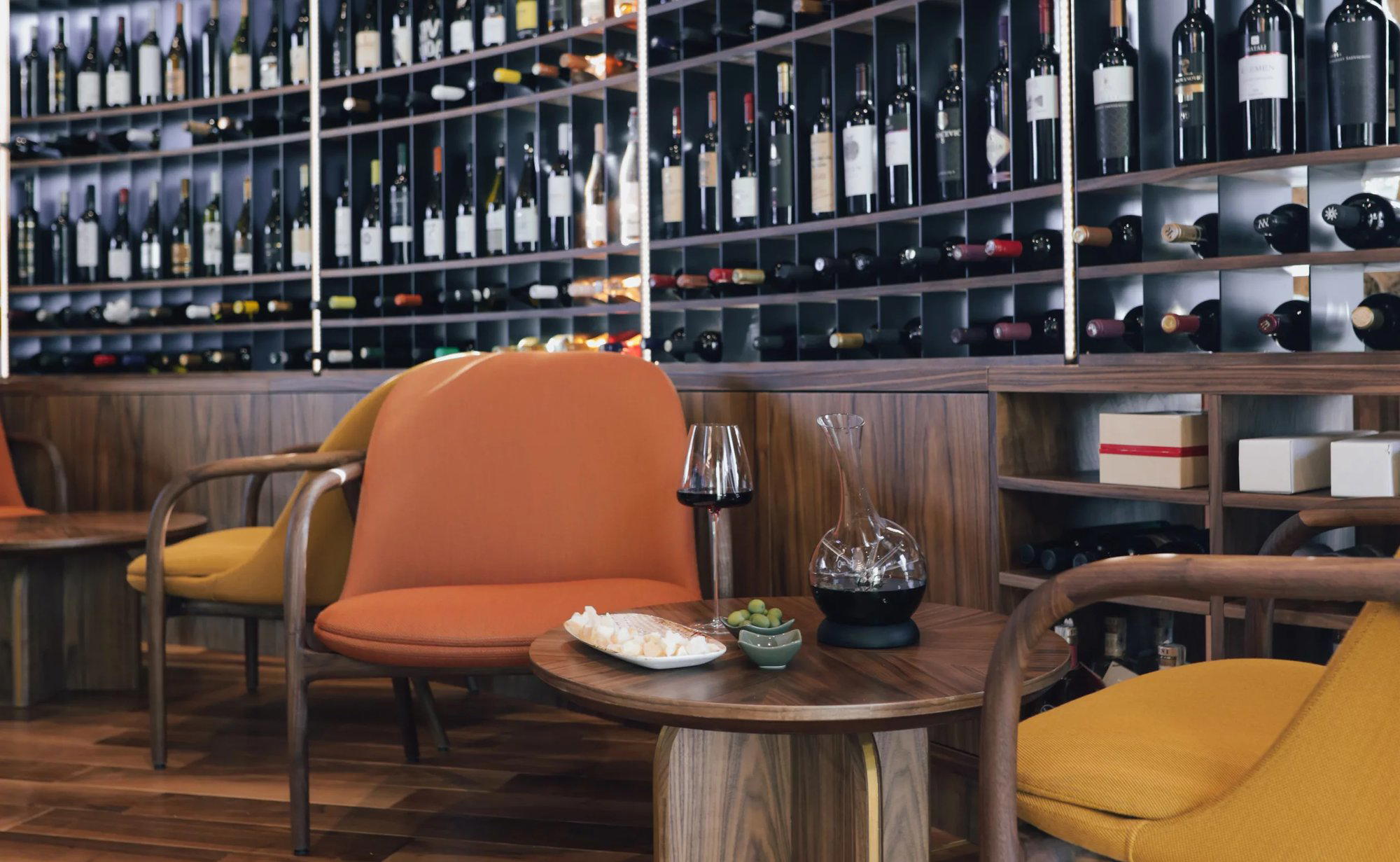
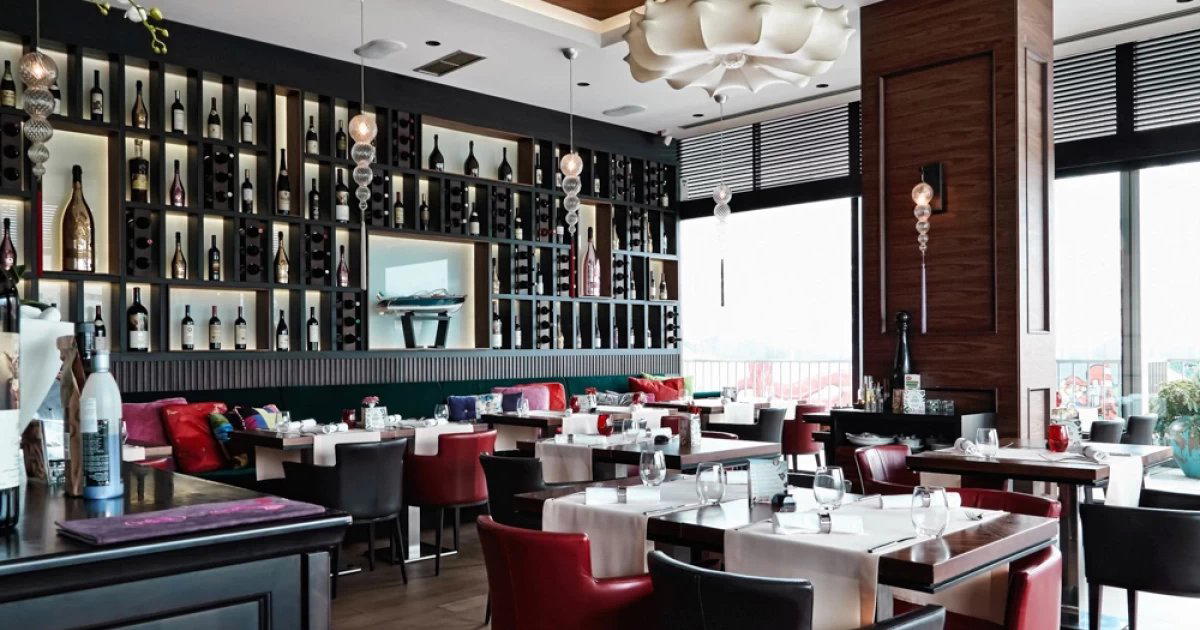
- Extensive Wine List
- Waterfront
Current opening hours
- Monday
- 9 AM–10 PM
- Tuesday
- 9 AM–10 PM
- Wednesday
- 9 AM–10 PM
- Thursday
- 9 AM–10 PM
- Friday
- 9 AM–10 PM
- Saturday
- 9 AM–10 PM
- Sunday
- 9 AM–10 PM
Hours can change for holidays and private events. Last verified .
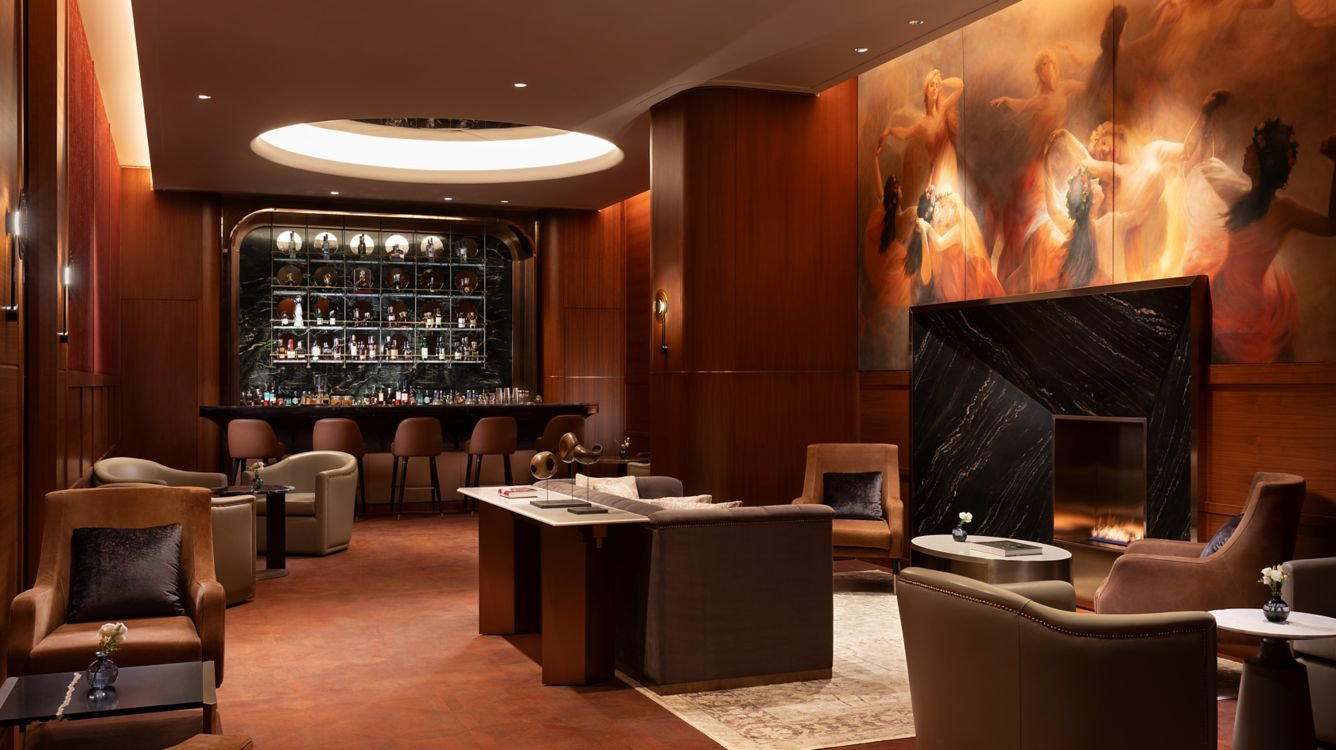
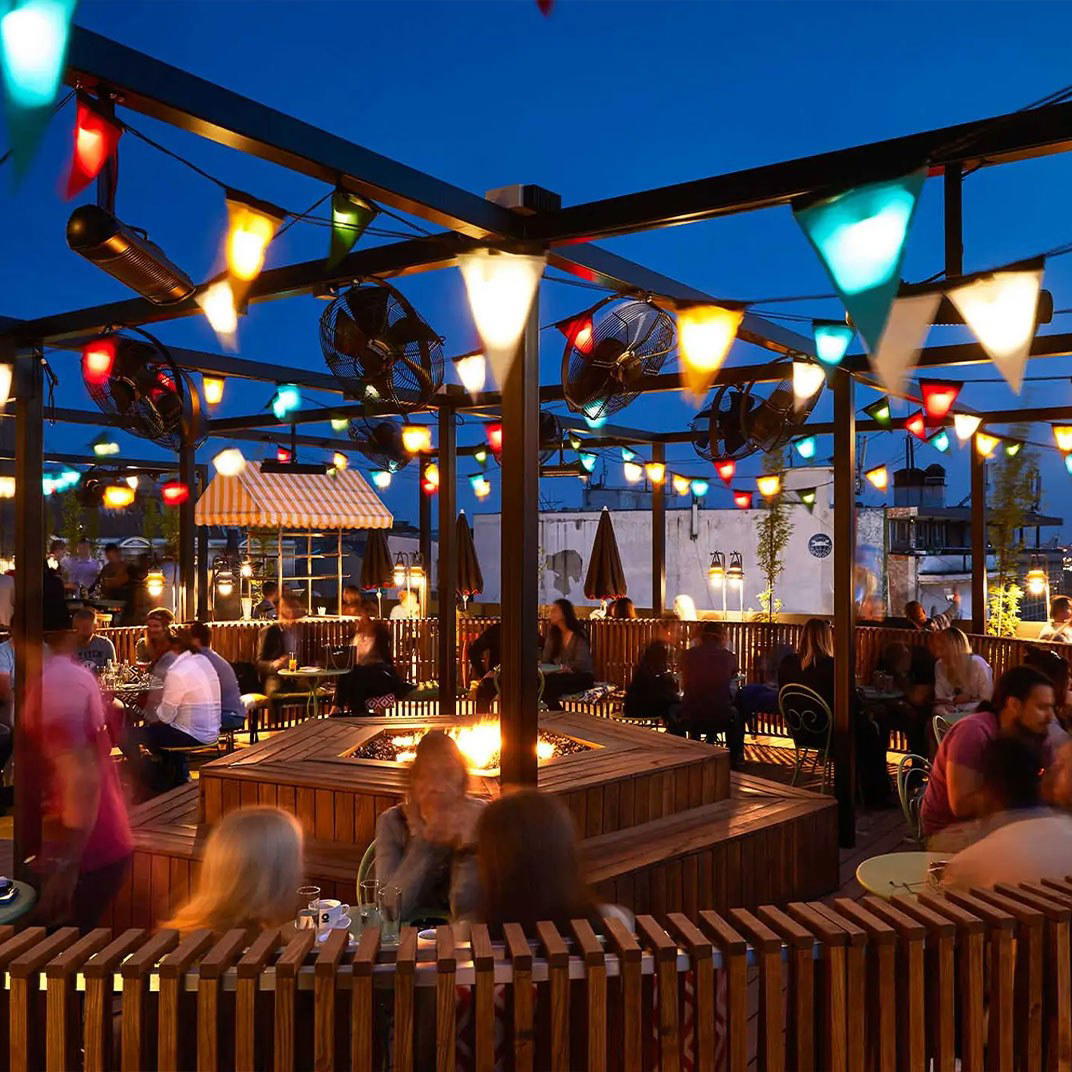
Elegantly modern interior with cozy atmosphere, pleasant lighting, and a hedonistic terrace overlooking the river.