Our verdict
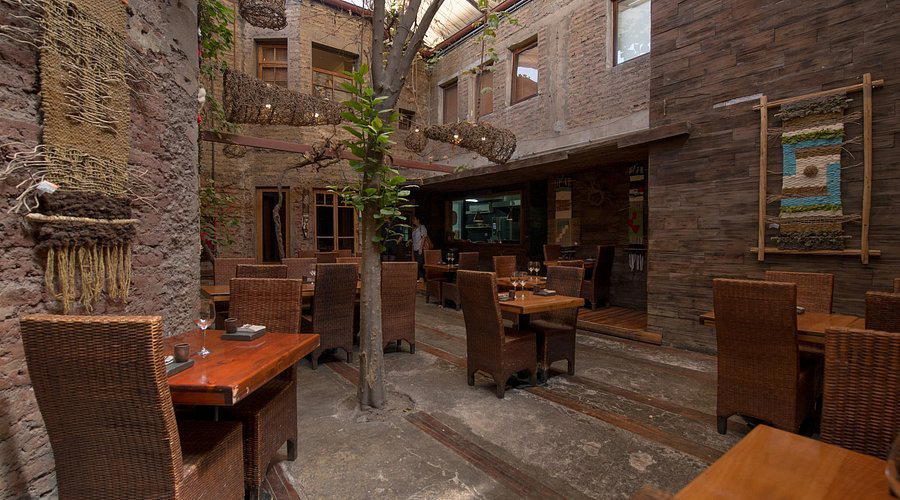
On Antonia López de Bello 40 in Recoleta, Restaurante 040 sits in one of Santiago's most culturally layered neighbourhoods, where the city's independent dining scene has quietly consolidated over the past decade. The address places it within reach of a cluster of restaurants redefining Chilean cooking outside the established Vitacura and Las Condes corridors. A reservation here signals engagement with that broader shift.
- Address
- Antonia López de Bello 40, 7520346 Recoleta, Providencia, Región Metropolitana, Chile
- Phone
- +56 2 2732 9214
- Website
- 040.cl
- Directions
- Get directions
A Street Address That Tells You Where Santiago Dining Is Going
Antonia López de Bello is not a street that announces itself. Running through Recoleta, on the northern bank of the Mapocho, it belongs to a part of Santiago that long operated in the shadow of the city's wealthier eastern communes. Over the past decade, that has changed. Independent restaurants, wine bars, and residency-format dining rooms have accumulated here and in adjacent Barrio Italia in a way that feels less like a trend and more like a structural shift in where serious eating happens in the Chilean capital. Restaurante 040, at number 40 on that street, is positioned inside that shift.
The address itself carries editorial weight. In a city where fine dining has historically mapped onto Vitacura, Las Condes, and the established Lastarria corridor, a restaurant choosing Recoleta makes a statement about audience and intent. The neighbourhood draws a different crowd: younger, more locally rooted, less dependent on the corporate-lunch circuit that has sustained many of Santiago's conventional dining rooms for decades. It is the same logic that has made Barrio Italia a reference point for visitors who want to understand the city's current direction rather than its established hierarchy.
Chilean Cooking and the Question of What It Means
The broader context for any serious restaurant in Santiago right now is the ongoing conversation about what Chilean cuisine actually is. For much of the twentieth century, the country's restaurant culture leaned heavily on European frameworks: French technique, Italian ingredients, Spanish structure. The past fifteen years have produced a genuine counter-movement, driven in part by Boragó, which built its reputation on indigenous ingredients and pre-Columbian culinary logic, and sustained by a generation of chefs who have returned from European stages with a clearer sense of what they want to say about their own territory.
That conversation plays out differently depending on where a restaurant sits in the city. In the eastern communes, it tends toward polished tasting menus and international wine lists. In Recoleta and the surrounding barrios, the approach is often more direct: fewer courses, stronger local sourcing, less anxiety about whether the format reads as fine dining by European standards. Peumayen in Providencia has made ancestral Chilean ingredients its entire premise. 99 Restaurante has pushed the tasting menu format toward something more distinctly local. Restaurante 040, operating on the same street that has become a reference for this independent dining movement, sits within that broader current.
The cultural roots of Chilean cooking are worth understanding before you arrive. The country's geography produces extreme ingredient diversity: cold Pacific waters that yield sea urchin, razor clams, and congrio; Andean valleys that supply potatoes in varieties rarely seen outside the country; central valley farmland that underpins a wine industry now confident enough to challenge the dominance of Cabernet Sauvignon with Carménère, País, and coastal Pinot Noir. A restaurant operating in this environment has access to a larder that most of the world's cooking cultures would find extraordinary. How that larder gets used, and how consciously it gets framed as Chilean rather than simply seasonal, is the editorial question that separates the most interesting tables from the competent ones.
Placing Restaurante 040 in its competitive context requires looking at what the neighbourhood and its adjacent barrios have produced. Demencia has pushed the boundary between bar and restaurant toward something more deliberately experimental. Ambrosia, with its French-Chilean positioning, represents an earlier generation's answer to the same question about identity. La Calma by Fredes has made seafood sourcing its primary editorial argument. Each of these addresses a different dimension of what contemporary Santiago eating can be.
What they share is a departure from the format assumptions that governed Chilean fine dining through the 1990s and 2000s. The white tablecloth, the extensive French wine list, the menu structured around European courses: these still exist in Santiago, and they still draw a loyal audience. But the more interesting conversation is happening in rooms that have made different choices about format, neighbourhood, and what Chilean hospitality actually looks like when it isn't performing for an international standard.
For visitors planning a broader Santiago itinerary, the full Santiago restaurants guide maps this terrain across neighbourhoods and cuisine types. Beyond the capital, the country's dining geography extends in directions worth knowing: Pasta e Vino Ristorante in Valparaiso represents the port city's more intimate dining culture; Aquí Jaime in Concón anchors the coastal eating strip north of Valparaíso; and further afield, Awasi Atacama in San Pedro de Atacama and andBeyond Vira Vira in Araucanía show what destination dining looks like when the landscape itself is the ingredient. Wine-country options around the Colchagua Valley, including Lapostolle Residence in Santa Cruz and Viña Concha y Toro in Pirque, sit within day-trip range of Santiago and add a different register to any serious eating itinerary. For those exploring the broader central Chile circuit, Rosario in Rengo and D.O. Restoran in Lo Barnechea offer further reference points. And for those calibrating what Santiago's independent scene looks like against international precedents, the community-dining model that Lazy Bear in San Francisco pioneered and the technical precision that defines Le Bernardin in New York City represent the poles that many Chilean chefs are consciously navigating between. CasaMolle in El Molle extends the picture further north into the Elqui Valley.
Planning Your Visit
Restaurante 040 is located at Antonia López de Bello 40 in Recoleta, a neighbourhood most easily reached from central Santiago by taxi, rideshare, or the Metro's Line 2, which serves the Baquedano station approximately ten minutes' walk away. Given the neighbourhood's trajectory and the general pattern among Santiago's serious independent rooms, early contact is advisable for weekend visits.
Frequently asked questions
What's the address for Restaurante 040?
Restaurante 040 is located at Antonia López de Bello 40, 7520346 Recoleta, Providencia, Región Metropolitana, Chile, Santiago.
How does Restaurante 040 fit into Santiago's contemporary dining scene compared to other Recoleta restaurants?
Recoleta has emerged as one of Santiago's most active neighbourhoods for serious Chilean cooking, with Restaurante 040's address at Antonia López de Bello 40 placing it at the centre of that shift. The street sits on the northern bank of the Mapocho, in a part of the city that has drawn chefs and operators interested in Chilean identity over imported reference points. For a neighbourhood comparison, visiting Demencia and adjacent Barrio Italia addresses gives useful peer context.
What's the signature dish at Restaurante 040?
What is clear from its position on Antonia López de Bello in Recoleta is that the kitchen operates within Santiago's broader movement to define a coherent contemporary Chilean culinary identity. Check directly with the restaurant for current menu focus.
Is Restaurante 040 reservation-only?
Given its address at Antonia López de Bello 40 in Recoleta, a neighbourhood where demand for serious dining has grown sharply, contacting the restaurant in advance is advisable before visiting.
What's the defining dish or idea at Restaurante 040?
The restaurant sits on one of Recoleta's most watched streets, placing it inside Santiago's ongoing debate about what Chilean cuisine actually is and where it should go. That question, rather than any single plate, appears to be the organising principle of the address. Specific culinary signatures should be confirmed directly with the venue.
Quick Comparison
A quick snapshot of similar venues for side-by-side context.
| Venue | Cuisine | Price | Awards | Notes |
|---|---|---|---|---|
| Restaurante 040This venue — the venue you are viewing | Spanish Fine Dining Fusion | Not listed | Not listed | Not listed |
| Boragó | Hyper-Local Chilean Tasting Menu | $100–150 | World's 50 Best #23 · La Liste Top Restaurants | Modern Chilean |
| Ambrosia | Modern Gastro-Bistro | Not listed | We're Smart World 1 Radish | French - Chilean |
| La Calma by Fredes | Fresh Chilean Seafood | $50–100 | World's 50 Best #57 · The Best Chef One Knife | Seafood |
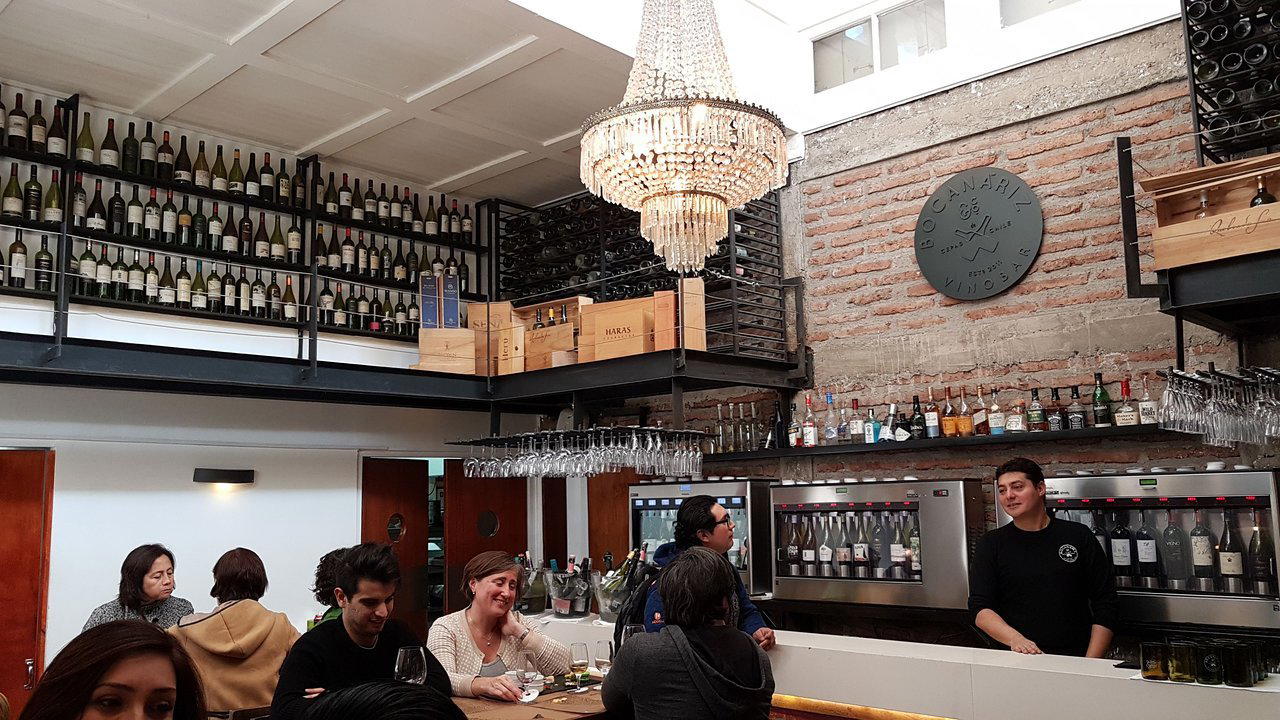
| Bocanáriz | Modern Chilean Wine Bar | $50–100 | Not listed | Wine Bar |
| The Singular Santiago, Lastarria Hotel | Modern French-Chilean Fine Dining | $50–100 | La Liste Top Restaurants | Chilean Modern |