Our verdict
Restaurant Munch occupies a converted industrial space at Godset 5 in Moss, a port city with a serious claim on Norway's emerging regional dining conversation. The kitchen draws on the agricultural and coastal produce that defines Østfold County, placing it in a broader movement of Norwegian restaurants pushing fine dining attention away from Oslo and into the regions.

Pearl is the En Primeur Club membership app — saves, bookings, and concierge access live there. Same editors, same standards.
- Address
- Godset 5, 1518 Moss, Norway
- Phone
- +4769278300
- Hours
- Mon–Sat 6–10 PMSun Closed
- Website
- refsnesgods.no
- Directions
- Get directions
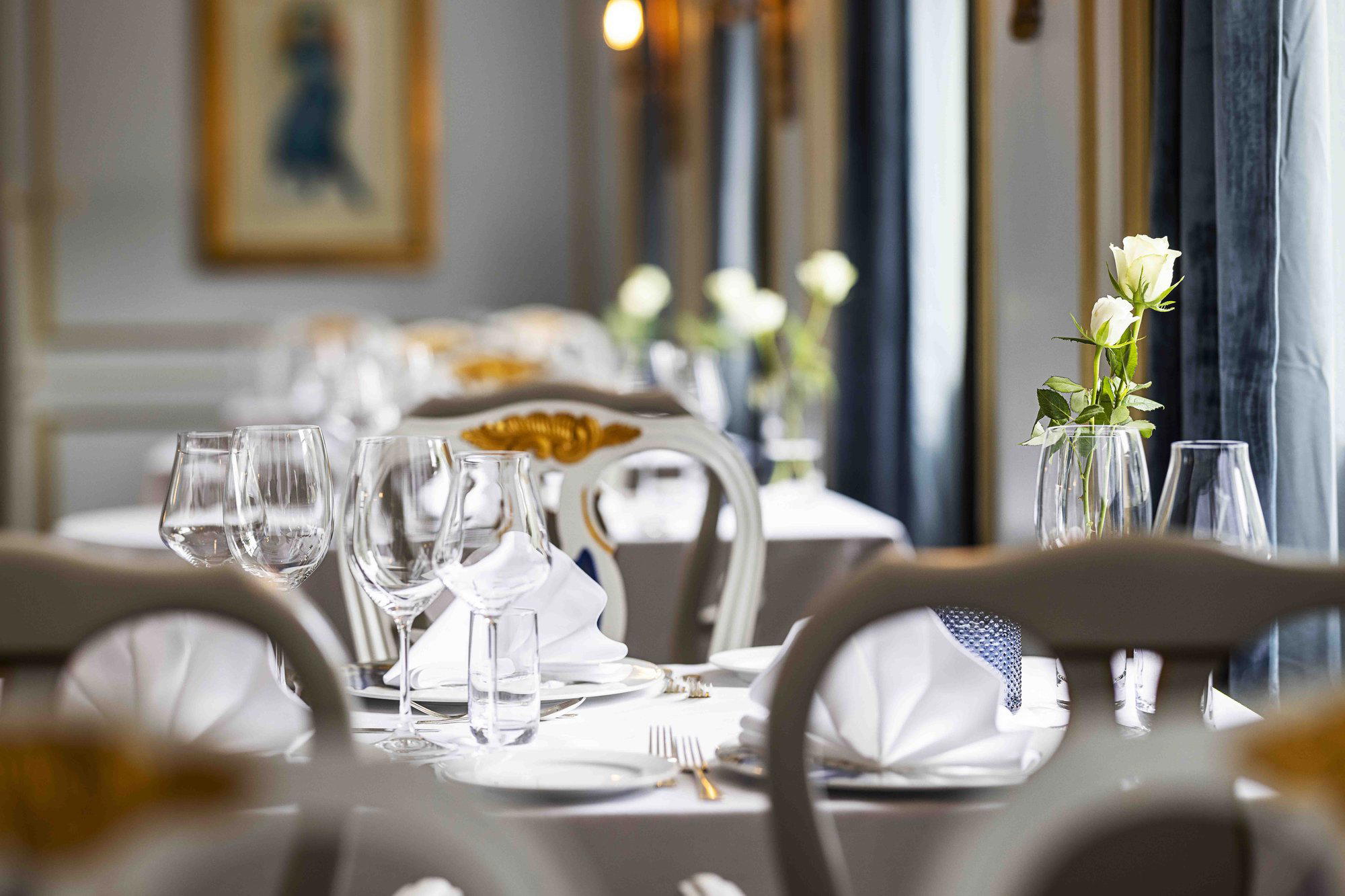
Where the Fjord Meets the Factory Floor
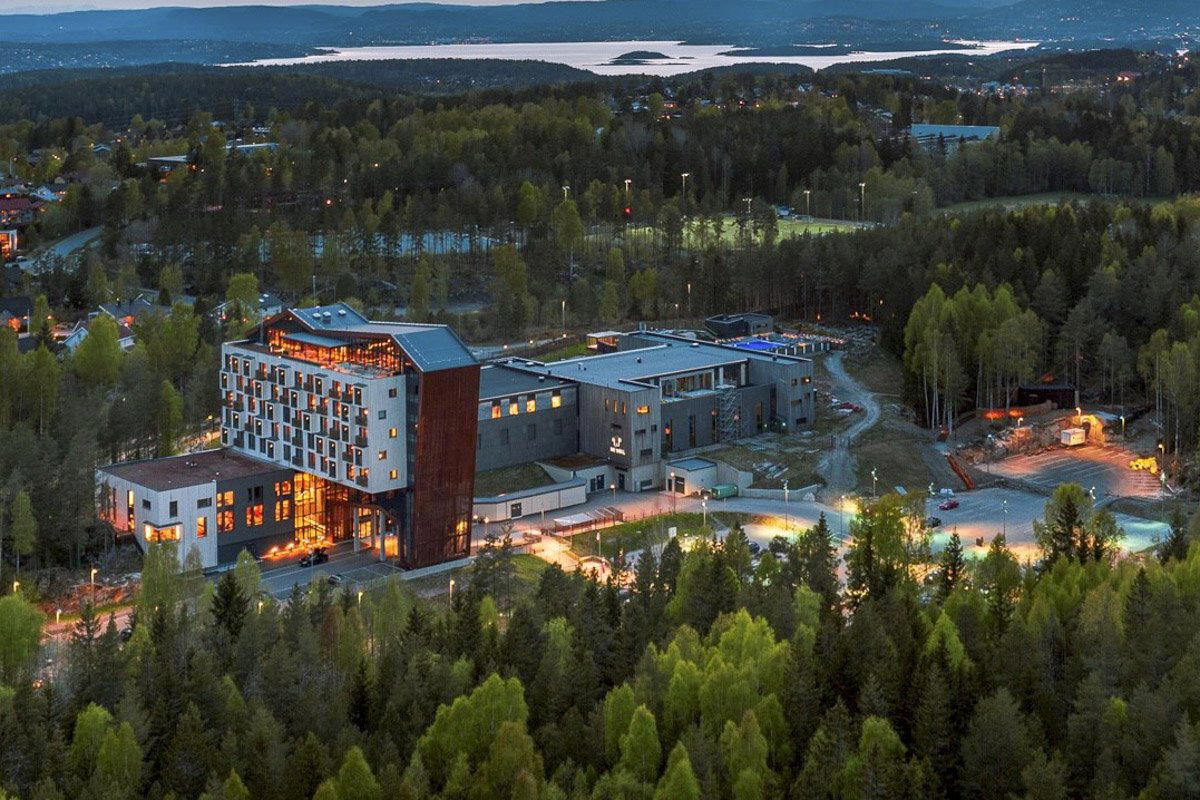
Moss sits at the narrowing of the Oslofjord, roughly an hour south of the capital, and the city carries the particular character of a place that has been industrial, then post-industrial, then slowly reimagined. The address at Godset 5 places Restaurant Munch inside that reimagining: a former goods depot district that has become the city's most concentrated point of cultural investment. The physical approach matters here. Arriving at Godset means passing through the kind of repurposed brick-and-beam architecture that Norwegian cities have learned, over the past two decades, to treat as an asset rather than a liability. The restaurant occupies this setting with appropriate seriousness.
The name carries an obvious regional reference. Edvard Munch was born in Løten but spent formative years in and around the Oslofjord, and Moss has long positioned itself within that cultural legacy. Whether the restaurant courts that association deliberately or simply accepts it as local shorthand is a matter for visitors to read on arrival. What the name signals clearly enough is a commitment to place, and that commitment extends from the walls to the plate.
Ingredient Geography: Why Østfold Matters
Norwegian fine dining has, for the better part of fifteen years, been organised around a sourcing philosophy that treats the domestic landscape as a larder worth taking seriously. Maaemo in Oslo built its three-Michelin-star reputation on exactly this premise, making Norwegian producers legible to an international audience. RE-NAA in Stavanger and FAGN in Trondheim have extended that logic into their own regional contexts. The question for any serious restaurant in Moss is whether Østfold County can sustain the same argument.
The answer, based on the county's actual agricultural profile, is credible. Østfold is one of Norway's most productive farming regions, with grain cultivation, dairy operations, and vegetable growing that supply a significant portion of eastern Norway's food chain. The Oslofjord itself, though ecologically pressured in its inner reaches, supports shellfish and flatfish that feature in coastal kitchens across the region. A kitchen at Godset 5 operating with genuine sourcing discipline has material to work with, and the better regional Norwegian restaurants have demonstrated that discipline at this scale is achievable. Restaurants like Gaptrast in Bergen and Under in Lindesnes have shown how specific coastal geography can anchor an entire kitchen's identity. The same logic applies in Moss, where the fjord and the farmland of Østfold sit within reach of a kitchen willing to map its menu to them.
Further north, the sourcing argument becomes even more dramatically place-specific. Anita's Sjomat in Lofoten and Fiskekrogen in Henningsværet operate where the fish is caught rather than where it is consumed, giving them a sourcing proximity that flatland restaurants cannot replicate. What Moss offers instead is variety: proximity to both maritime and agricultural supply chains, which, in the hands of an attentive kitchen, produces a different kind of menu architecture than the purely coastal restaurants of the north.
The Regional Dining Shift
Norway's dining attention has been redistributing for several years. The Oslo concentration of serious restaurants, which felt close to total a decade ago, has loosened as chefs have recognised that operating outside the capital carries its own competitive logic. Costs are lower, sourcing relationships are more direct, and the absence of peer competition can sharpen a kitchen's identity rather than dilute it. This pattern is visible across Scandinavia: smaller cities have become sites of genuine culinary ambition rather than simply outposts of metropolitan culture.
Moss benefits from this shift in a specific way. Its proximity to Oslo, roughly fifty kilometres by road, means it sits within the commuter and day-trip range of a population base that can sustain a serious restaurant. At the same time, it is far enough from the capital to develop its own character rather than simply reflecting Oslo's priorities back. The our full Moss restaurants guide maps this emerging scene in more detail, but Restaurant Munch represents one of the more deliberate bets on the city's dining potential.
For international visitors comparing Scandinavian fine dining against other contexts, the Norwegian regional tier sits at a different price and atmosphere point than, say, Le Bernardin in New York City or Atomix in New York City. The New Nordic framework has its own formality, but it tends toward the austere rather than the theatrical, and regional Norwegian restaurants outside Oslo frequently carry a less ceremonial atmosphere than their urban counterparts.
Planning Your Visit to Moss
Moss is accessible by direct train from Oslo Central Station, with journey times typically under an hour on the Østfold Line, making it a practical destination for visitors based in the capital who want a day trip with culinary purpose. The Godset district is walkable from the city centre, and the area's concentration of cultural spaces means there is context to the visit beyond the meal itself. Booking ahead is advisable for any serious restaurant in a city of Moss's scale, where dining room capacity tends to be limited and local demand can absorb available seats without much advance warning.
Visitors planning a broader Norwegian itinerary that includes serious eating might consider Moss as a southern starting point before moving to destinations like Hardanger House in Jondal or further north to places like Aurora Restobar in Kirkenes, Børsen Spiseri in Svolvær, Underhuset Restaurant in Reine, Brasserie 8622 in Mo i Rana, Karoline Restaurant in Ramberg, Umami Harstad in Harstad, or Experience Restaurant in Steinkjer. The Norwegian regional dining circuit rewards this kind of geographic sequencing, with each city adding a distinct ingredient context to the broader picture.
Frequently asked questions
Is Restaurant Munch child-friendly?
The venue sits at Godset 5 in Moss, a post-industrial address that signals a considered dining environment rather than a casual family setting. Families with older children who are comfortable at the table in a serious restaurant context will find it more fitting than those with younger ones. Calling ahead to confirm suitability is advisable, as no public family policy is documented for this address.
Is Restaurant Munch formal or casual?
Moss occupies a particular register in Norwegian dining: post-industrial in setting, serious in intent, but without the stiffness of a metropolitan grand restaurant. The Godset 5 address, a former industrial site on the Oslofjord, suggests an atmosphere that leans considered rather than ceremonial. Expect a room that takes food seriously without demanding black tie.
Is Restaurant Munch worth the trip from Oslo for a single meal?
Moss is under an hour from Oslo Central Station on the direct Østfold Line, making the journey considerably shorter than comparable regional dining excursions in Scandinavia. The case for the trip rests on the broader shift in Norwegian fine dining away from Oslo concentration toward kitchens working with the specific produce of their immediate geography. For a diner already engaged with the Norwegian regional scene, the Oslofjord context at Godset 5 adds a dimension that Oslo alone cannot replicate.
What do regulars order at Restaurant Munch?
Regular visitors to this tier of Norwegian regional dining tend to follow the kitchen's lead rather than order à la carte, making a set or chef-led format the logical expectation. Confirming the current menu structure directly with the restaurant is the clearest path.
What part of town is Restaurant Munch in?
Restaurant Munch is located at Godset 5, 1518 Moss, Norway, Moss.
Comparison Snapshot
Comparable venues nearby, for context on price, style, and recognition.
| Venue | Cuisine | Price | Awards | Notes |
|---|---|---|---|---|
| Restaurant MunchThis venue — the venue you are viewing | French-inspired Norwegian | Not listed | Not listed | Not listed |
| Feinschmecker | French-influenced Norwegian Fine Dining | Not listed | Not listed | Briskeby |
| Chez Colin | Classic French Bistro | $50–100 | Star Wine List | Fredensborg |
| Brasserie Ouest | French Brasserie | Not listed | Star Wine List | Skillebekk |
| Park 29 | Classic French and Italian inspired with Norwegian ingredients | $50–100 | Star Wine List | Homans Byen |
| Centropa | Modern European with Scandinavian influences | $50–100 | Not listed | St. Hanshaugen |
Continue exploring
More in Moss
Restaurants in Moss
Browse all →
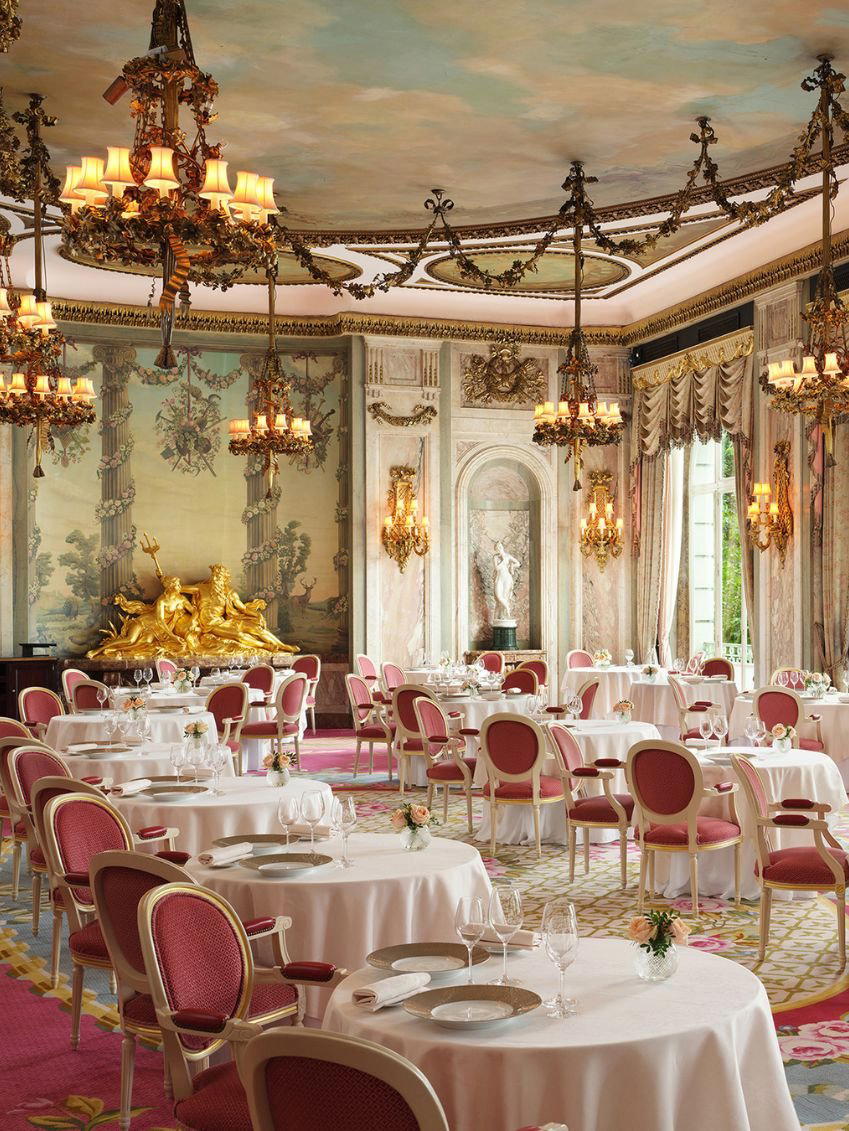
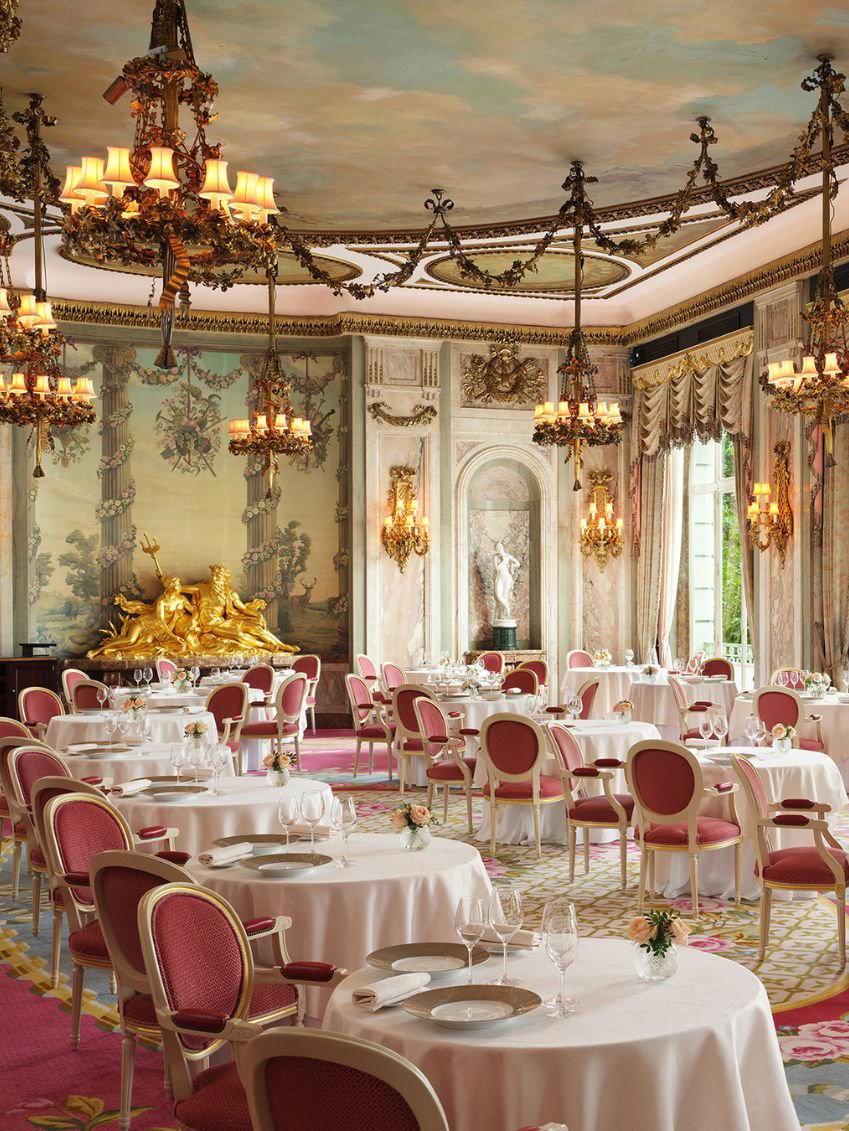
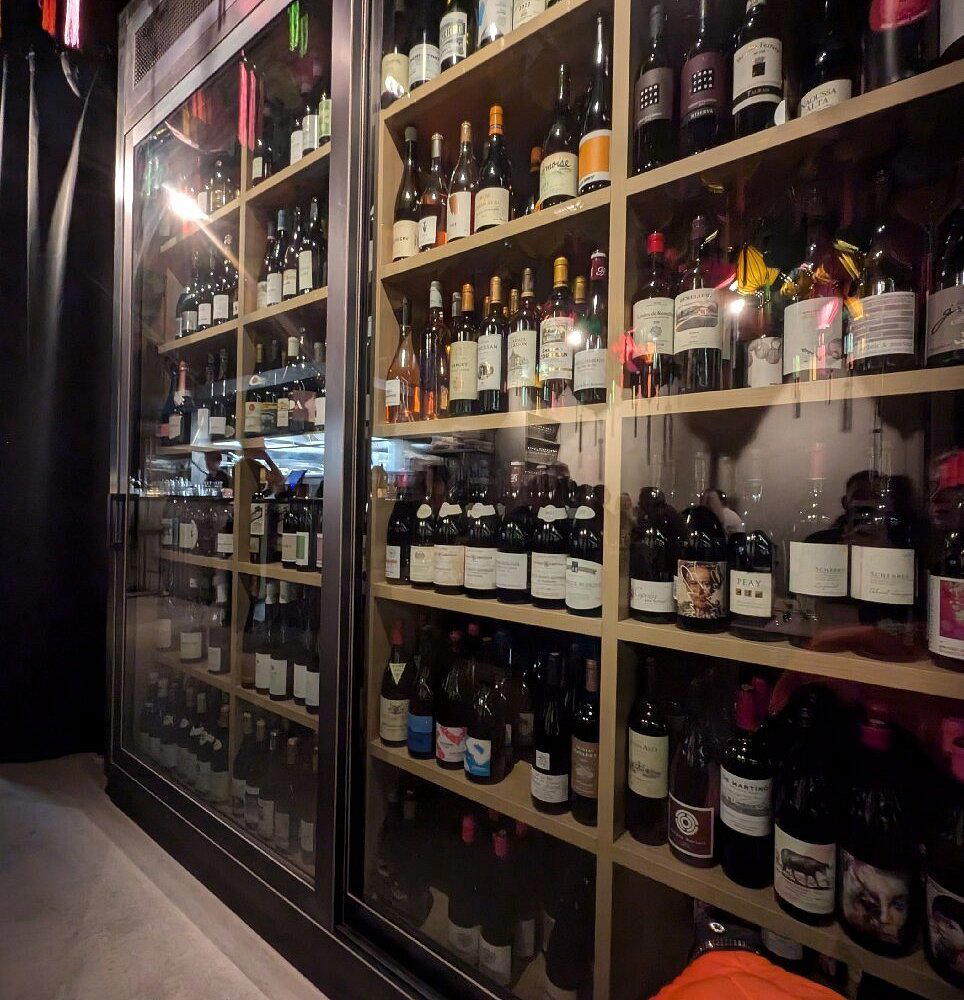
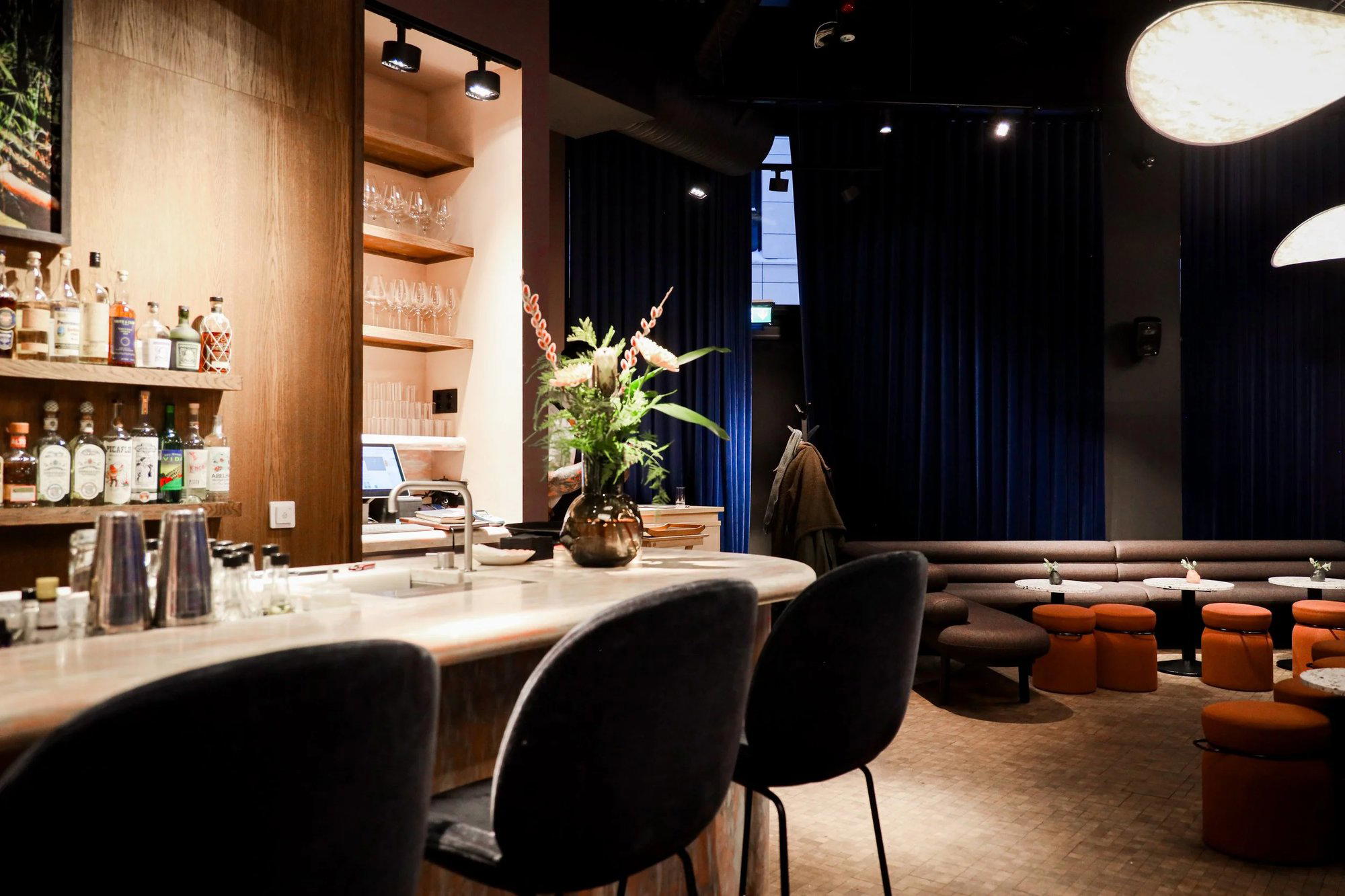
Restaurant Munch
The wine
- Wine program
- Curated wine list
- Extensive wine list
Details
- Classic
- Elegant
- Cozy
- Scenic
- Special Occasion
- Celebration
- Group Dining
- Historic Building
- Waterfront
- Open Kitchen
- Extensive Wine List
- Local Sourcing
- Waterfront
- Garden
- A La Carte
- Tasting Menu
Current opening hours
- Monday
- 6–10 PM
- Tuesday
- 6–10 PM
- Wednesday
- 6–10 PM
- Thursday
- 6–10 PM
- Friday
- 6–10 PM
- Saturday
- 6–10 PM
- Sunday
- Closed
Hours can change for holidays and private events. Last verified .
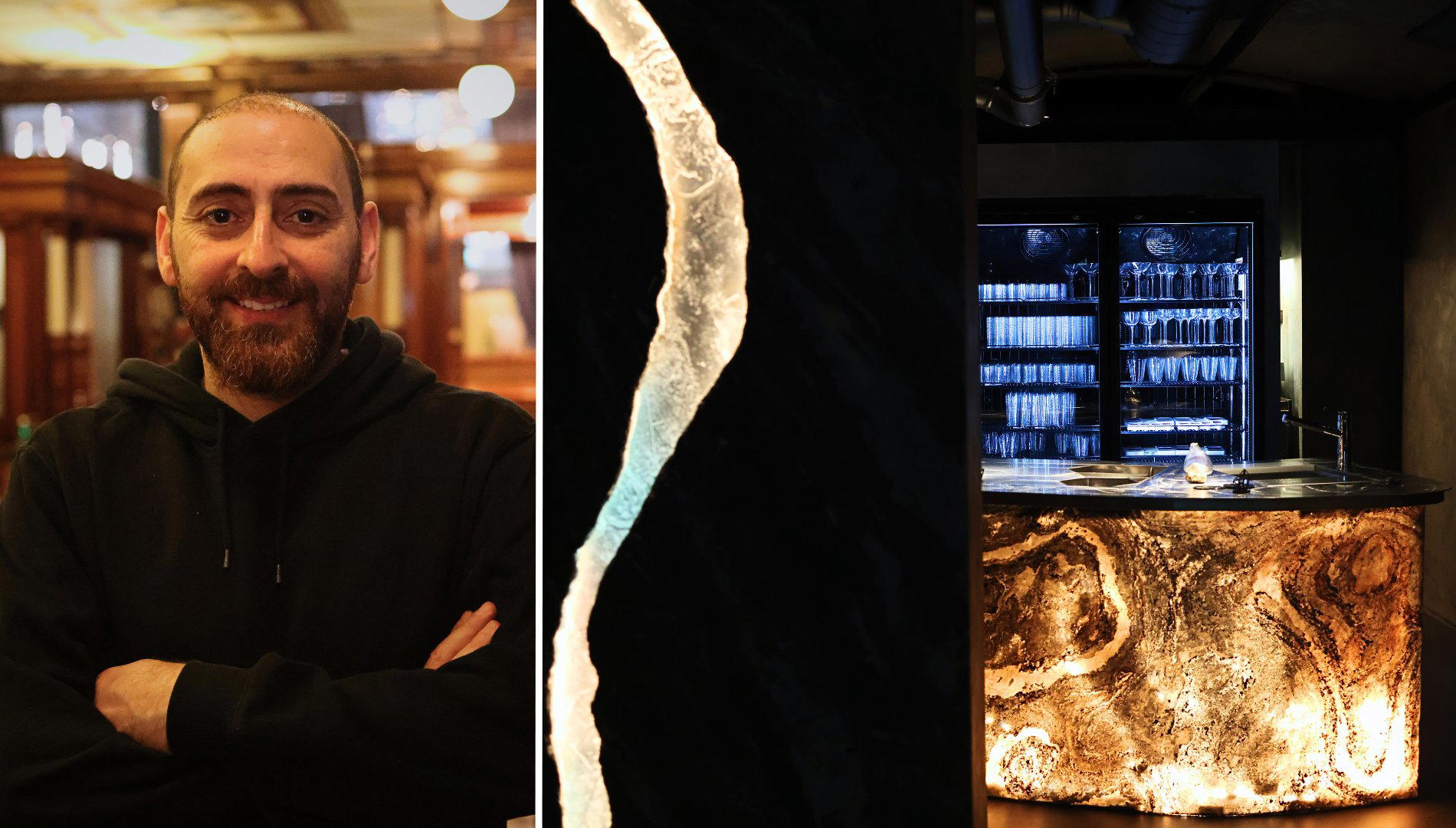
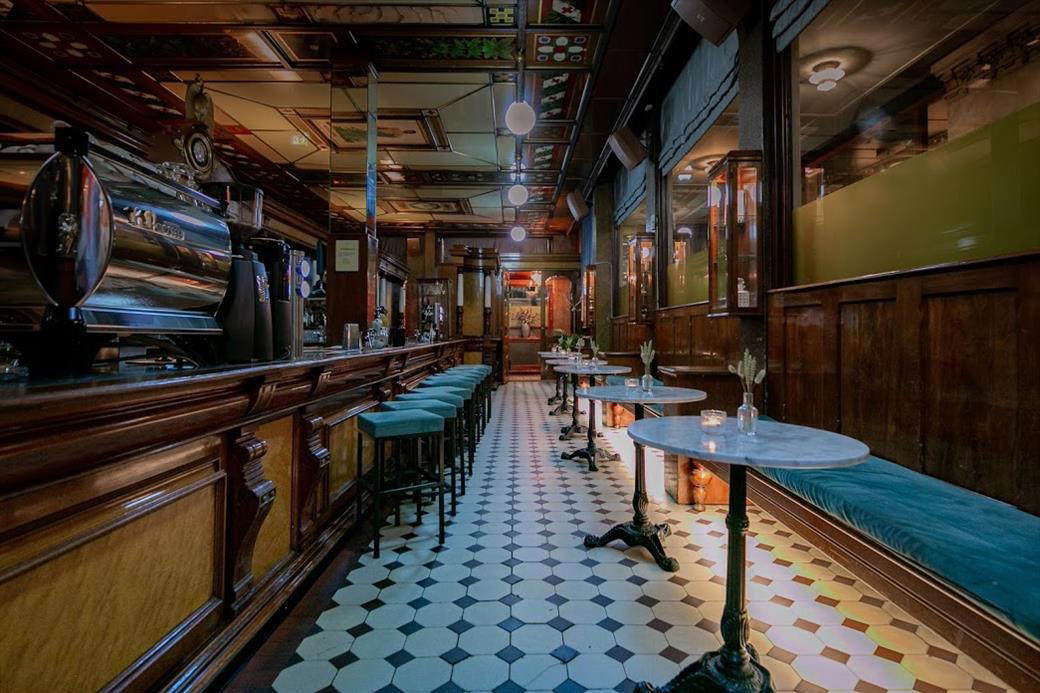
Idyllic first-floor setting in soft colors with large windows overlooking a well-tended garden and Oslo Fjord sunsets, creating a comfortable and artistic atmosphere.