
In Oslo's Frogner district, Brasserie Ouest occupies a particular niche: a classically framed French brasserie that earned the Star Wine List number-one ranking in 2023, signalling a wine program operating well above the category average. The room channels the settled confidence of a Parisian brasserie transposed to the Norwegian west side, making it a reliable anchor in a city better known for New Nordic experimentation.
Pearl is the En Primeur Club membership app — saves, bookings, and concierge access live there. Same editors, same standards.
- Address
- Elisenbergveien 19, 0265 Oslo, Norway
- Phone
- +47 46 43 35 55
- Website
- brasserieouest.no
- Directions
- Get directions
 Saves & bookings on Pearl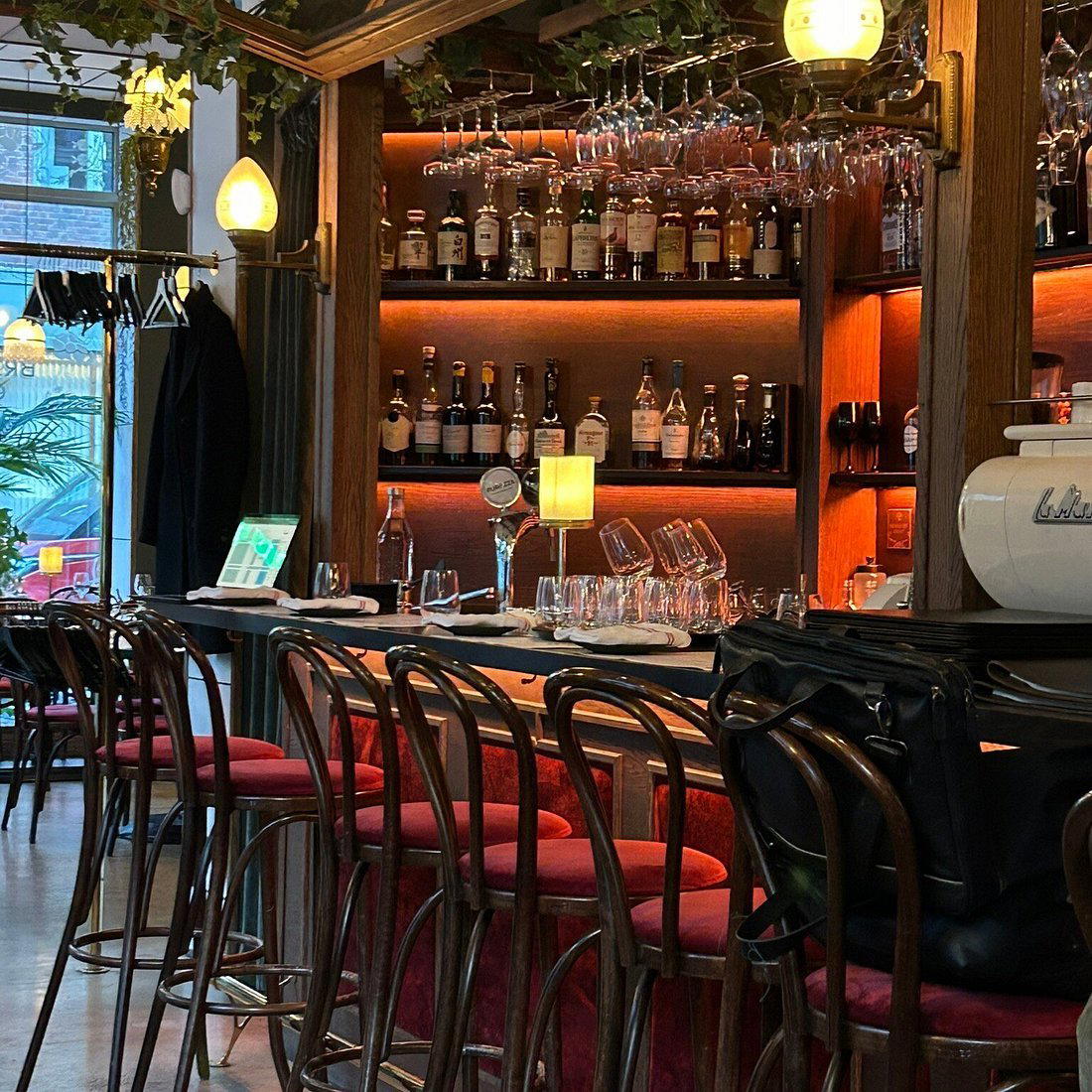
A French Room in Norway's Most Composed Neighbourhood
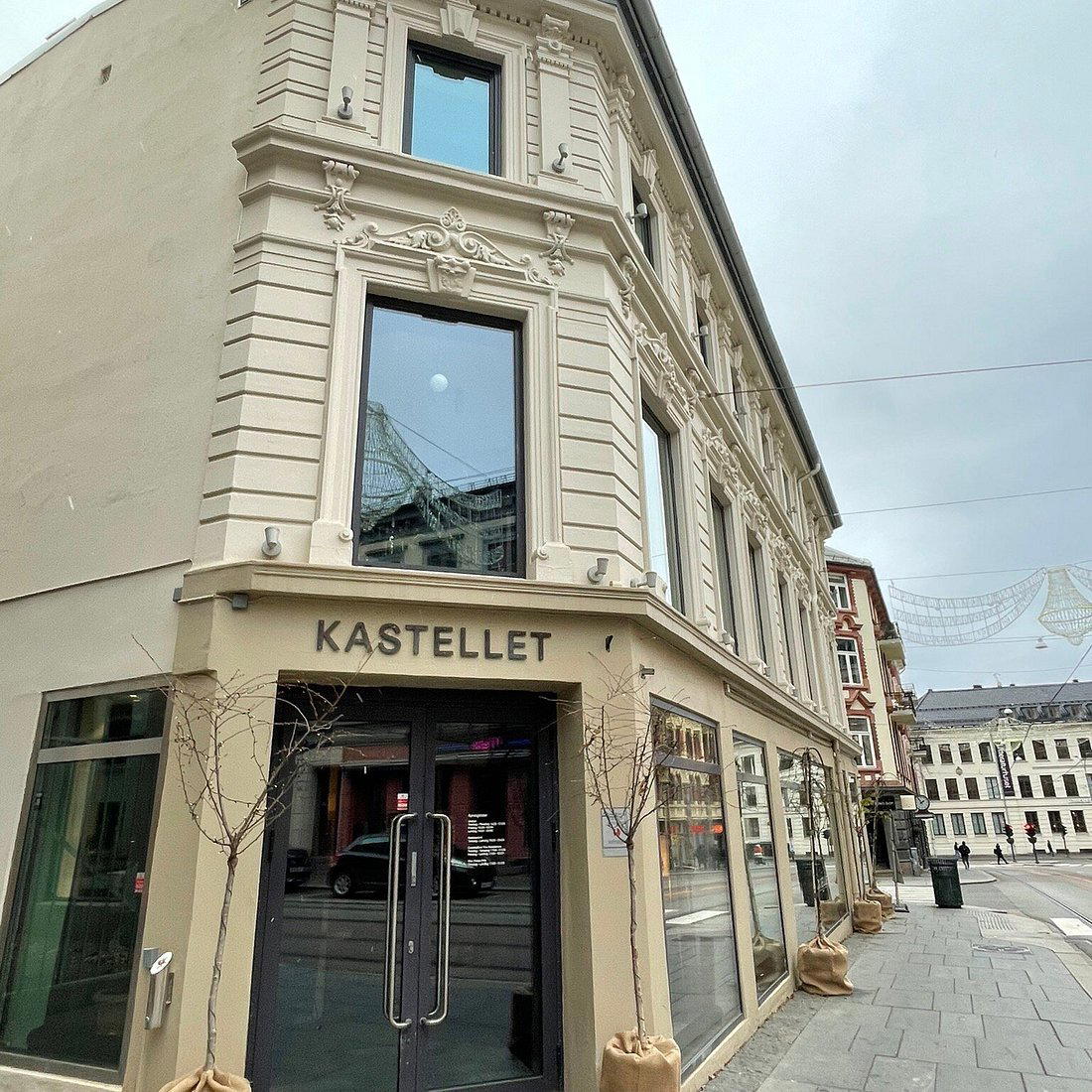
Frogner sets a specific tone before you even arrive at the door. This is Oslo's most architecturally coherent district, a stretch of early twentieth-century apartment buildings, embassies, and wide-pavement streets that have never quite surrendered to the city's newer, louder ambitions. Elisenbergveien 19 sits within that quiet authority. Approaching Brasserie Ouest, the sensation is less of discovering somewhere and more of remembering somewhere.
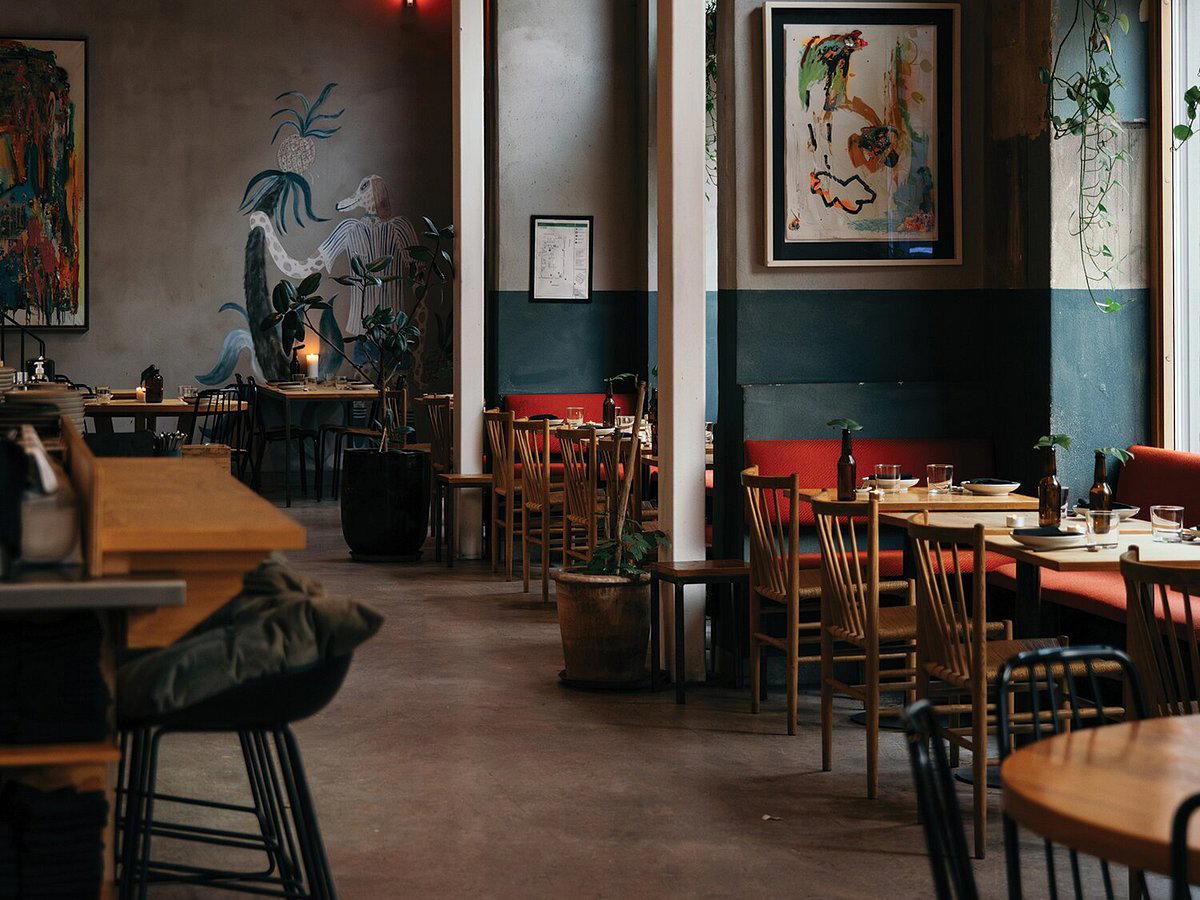
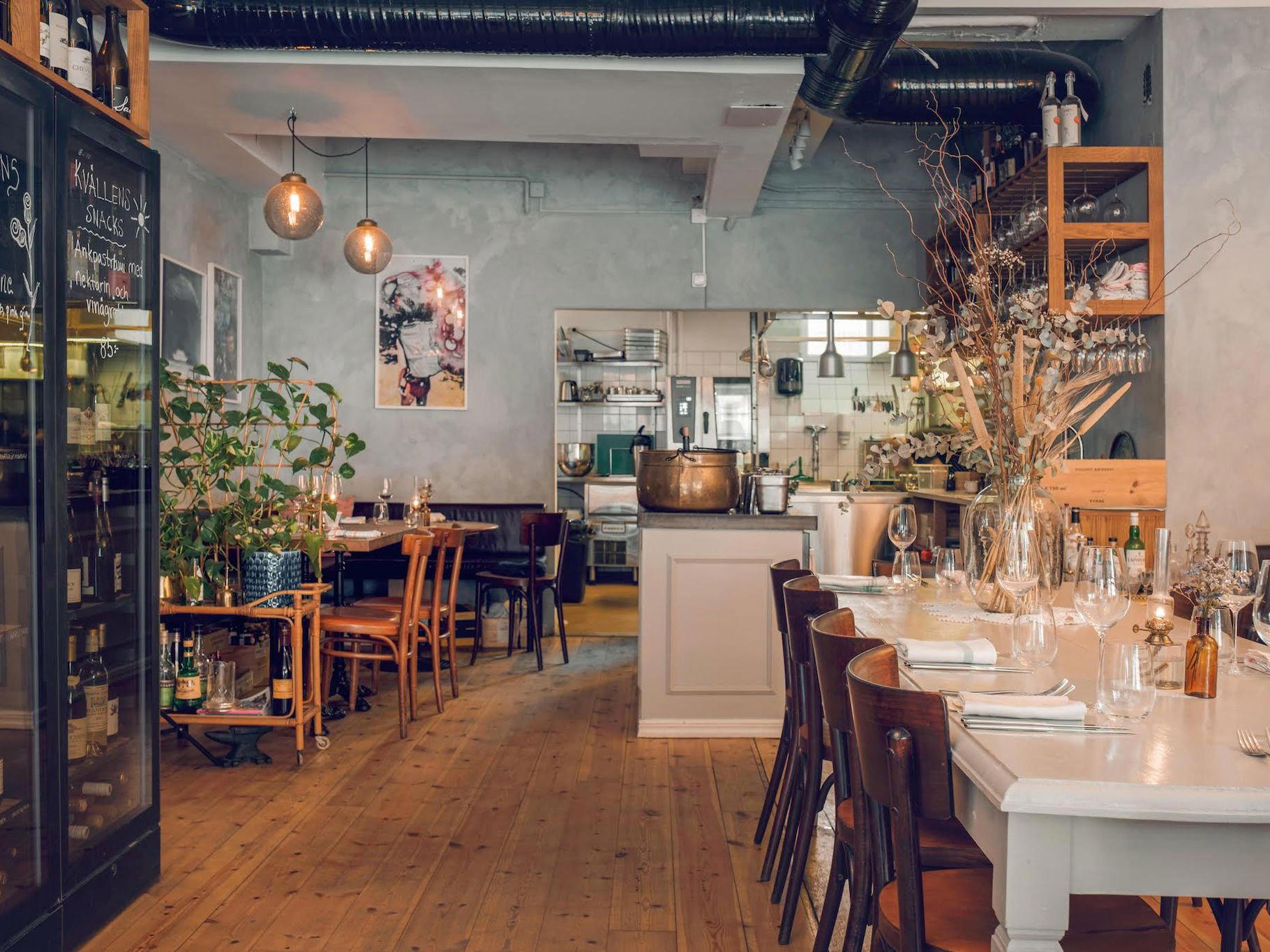
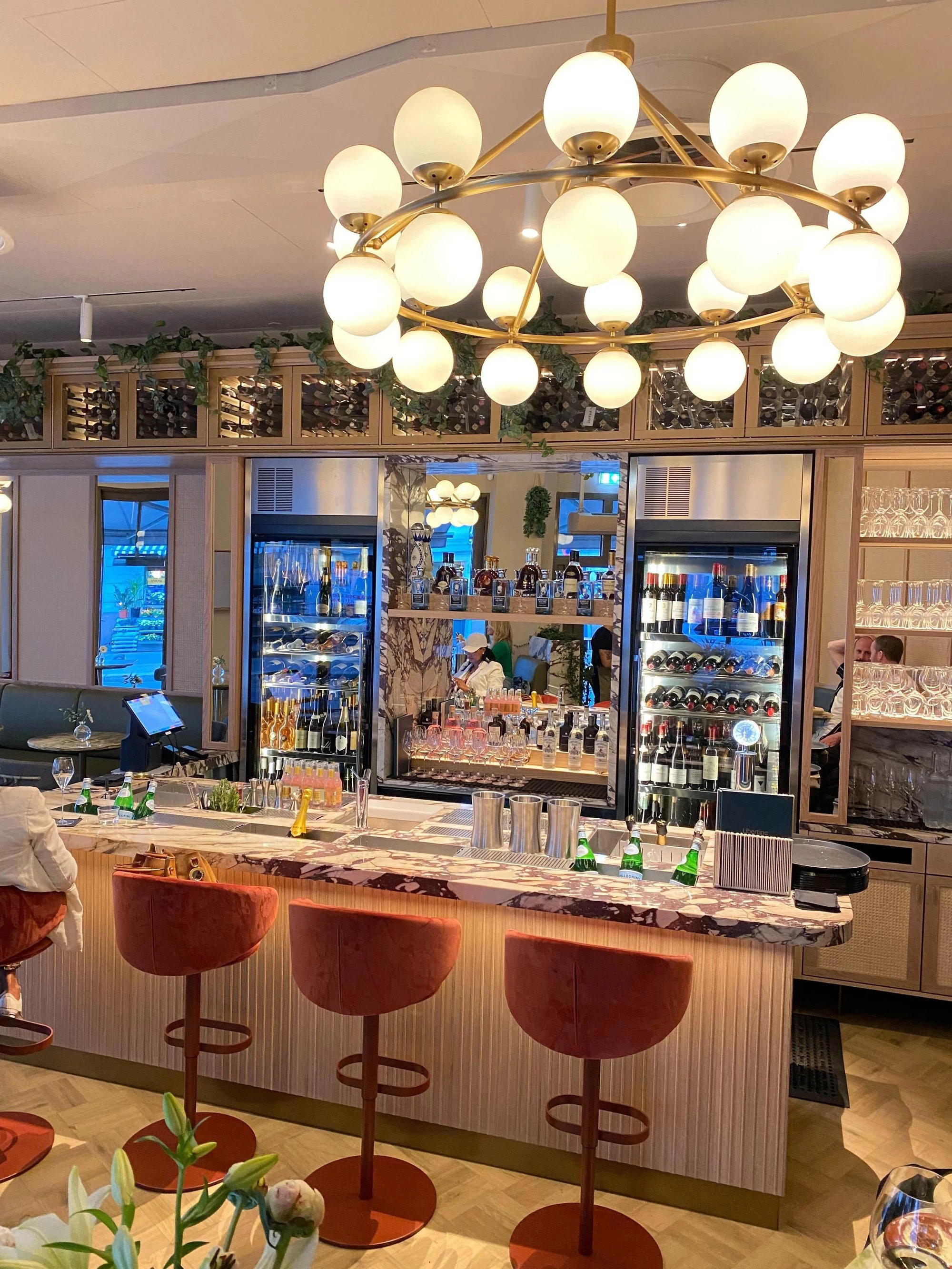
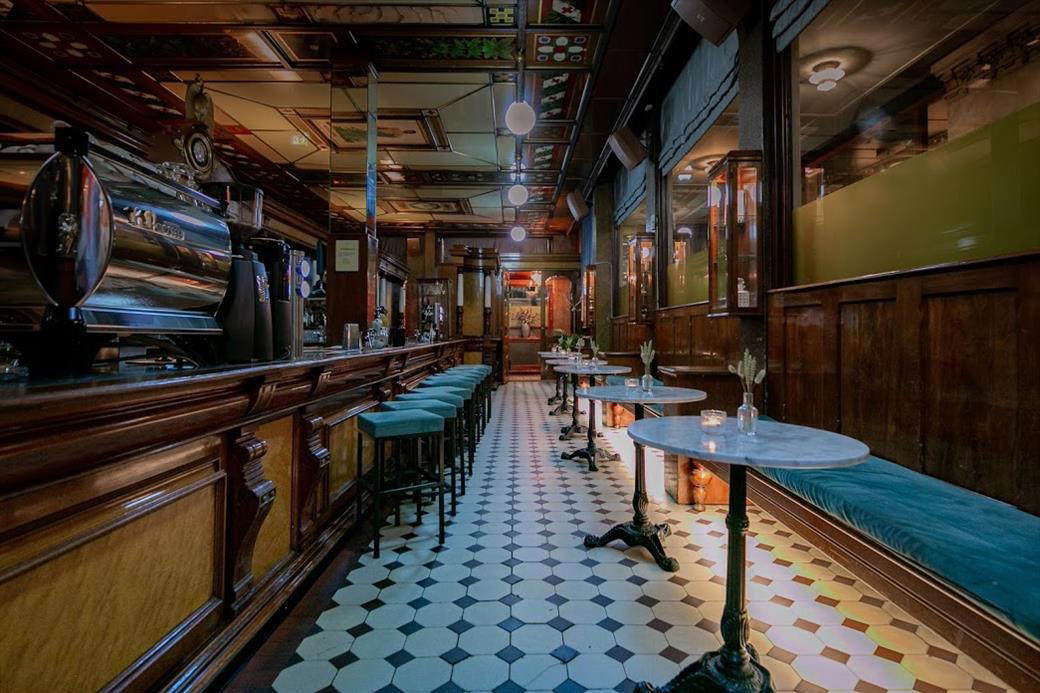
The French brasserie format, as a physical and cultural object, carries particular weight in this context. In Paris, the classic brasserie is defined by specific sensory cues: zinc-topped bars, bentwood chairs, the low percussion of silverware on ceramic, amber lighting that flatters everyone in the room. Transposed to a Scandinavian city neighbourhood, these elements do not read as imitation. They read as a deliberate argument, that formality and generosity can coexist, that a room designed for lingering is a form of hospitality in itself. Brasserie Ouest makes that argument from within one of Oslo's most composed residential settings.
The Wine List as Editorial Statement
Oslo's restaurant wine culture has shifted considerably over the past decade. The New Nordic wave brought serious natural wine programs and hyper-local ferments to the table, and addresses like Maaemo and Kontrast built wine lists around that same philosophy of provenance and restraint. Brasserie Ouest operates in a different register entirely. Its wine program earned the Star Wine List number-one ranking in Norway for 2023, a credential awarded by a platform that evaluates lists specifically on depth, breadth, and quality of curation rather than novelty or concept.
That ranking places the restaurant's list in a comparable set that includes particularly seriously stocked cellars in the country, across all categories and price points. For a brasserie, rather than a fine-dining tasting-menu room, this is a meaningful distinction. It suggests a list built for real use: something you can move through bottle by bottle across a long evening rather than a list assembled for award purposes alone. The French brasserie model has always centred the bottle as a companion to the meal rather than an afterthought, and a highly ranked wine program at this address carries the logic of the format to its natural conclusion.
For context on how Norwegian wine culture compares nationally, addresses like RE-NAA in Stavanger and FAGN in Trondheim each approach wine from distinct regional positions. The restaurant's French-brasserie framing gives it a different entry point into the same national conversation.
Classic Menu, Deliberate Positioning
Oslo's high-end dining map is weighted heavily toward tasting menus, seasonal New Nordic frameworks, and the kind of format that requires a guest to surrender the evening to the kitchen's agenda. That is an admirable mode of dining, and addresses like Hot Shop execute it with real precision. But it does not answer every occasion. The brasserie format answers the occasions that tasting menus cannot: the mid-week dinner that needs to end before midnight, the table of four with divergent appetites, the guest who wants a single good plate and a bottle chosen without ceremony.
A classic menu, the kind anchored by recognisable French preparations rather than surprise and transformation, requires its own form of discipline. There is no seasonal concept to carry the room through a slow stretch. The cooking has to deliver on expectation, and expectation at a French brasserie is exacting precisely because the reference points are so widely understood. Boeuf, moules, steak frites, a tarte: these dishes are known quantities, and the kitchen earns its credibility by executing them with the consistency that diners in Frogner, a neighbourhood of regulars rather than tourists, will notice and remember.
Comparable French anchors in Oslo's restaurant scene include Mon Oncle, which approaches the French format from a different angle. The restaurant sits at the more traditional end of that spectrum, where the room and the menu operate as a unified proposition rather than separate elements.
Frogner as Context, Not Backdrop
The neighbourhood shapes how you experience the room. Frogner operates on a slower clock than Grünerløkka or Aker Brygge. Its regulars are less interested in what opened last month and more interested in where they can rely on being well looked after this month and next. This affects the texture of an evening at the restaurant. The room is not performing energy; it is providing it. The difference matters more than it sounds.
For visitors building an Oslo itinerary around dining, Frogner rewards slower engagement. The neighbourhood's residential character means that arriving early and walking the surrounding streets before a reservation is a better approach than timing transport to the minute. The address on Elisenbergveien is direct to reach from central Oslo by taxi or tram, and the surrounding blocks are worth the extra time. Oslo's bar scene includes options in adjacent areas for those extending the evening, including Bar Amour, which has built a distinct creative identity on the Oslo drinking circuit.
For broader Norwegian dining beyond the capital, Gaptrast in Bergen, Iris in Rosendal, Under in Lindesnes, and Boen Gård in Tveit represent the range of what the country's dining scene has become. The restaurant does not compete in that New Nordic register; it occupies a parallel track where French classical tradition, serious wine, and neighbourhood constancy make their own case.
For French brasserie comparisons on a global scale, the format's reference points extend to addresses like Le Bernardin in New York City and Emeril's in New Orleans, each of which works within a French-rooted tradition from a different cultural vantage point.
Planning Your Visit
The restaurant sits at Elisenbergveien 19 in Frogner, Oslo's western residential district. Booking ahead is advisable, particularly for weekend evenings. Visitors arriving in Oslo between autumn and early spring will find the room at its most characteristically atmospheric: the brasserie format was built for colder months, and the interior's warmth reads differently against the context of a Norwegian winter street outside.
Same-City Peers
Comparable venues nearby, for context on price, style, and recognition.
| Venue | Cuisine | Price | Notes |
|---|---|---|---|
| Brasserie OuestThis venue — the venue you are viewing | French Brasserie | $$$ | Not listed |
| Chez Colin | Classic French Bistro | $$$ | Fredensborg |
| Grotto | French Bistro | $$$ | Homans Byen |
| Bistro Fourrage | Classic French Bistro | $$ | Ankerløkken |
| Park 29 | Classic French and Italian inspired with Norwegian ingredients | $$$ | Homans Byen |
| Kolonihagen Frogner | Nordic Farm-to-Table with Foraged Ingredients | $$$ | Briskeby |
Recognition history
Dated appearances from independent guides and award organizations, with the underlying list record or original source where available.
Star Wine List
Star Wine List
Star Wine List
Star Wine List
At a Glance
- Classic
- Elegant
- Cozy
- Date Night
- Group Dining
- Casual Hangout
- Wine Cellar
- Extensive Wine List
Current opening hours
- Monday
- Closed
- Tuesday
- 5–11 PM
- Wednesday
- 5–11 PM
- Thursday
- 5–11 PM
- Friday
- 5–11 PM
- Saturday
- 2–11 PM
- Sunday
- 4–9:30 PM
Hours can change for holidays and private events. Last verified .
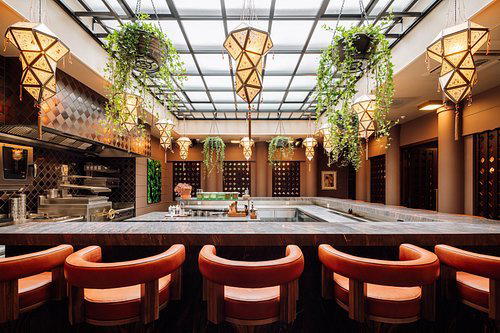
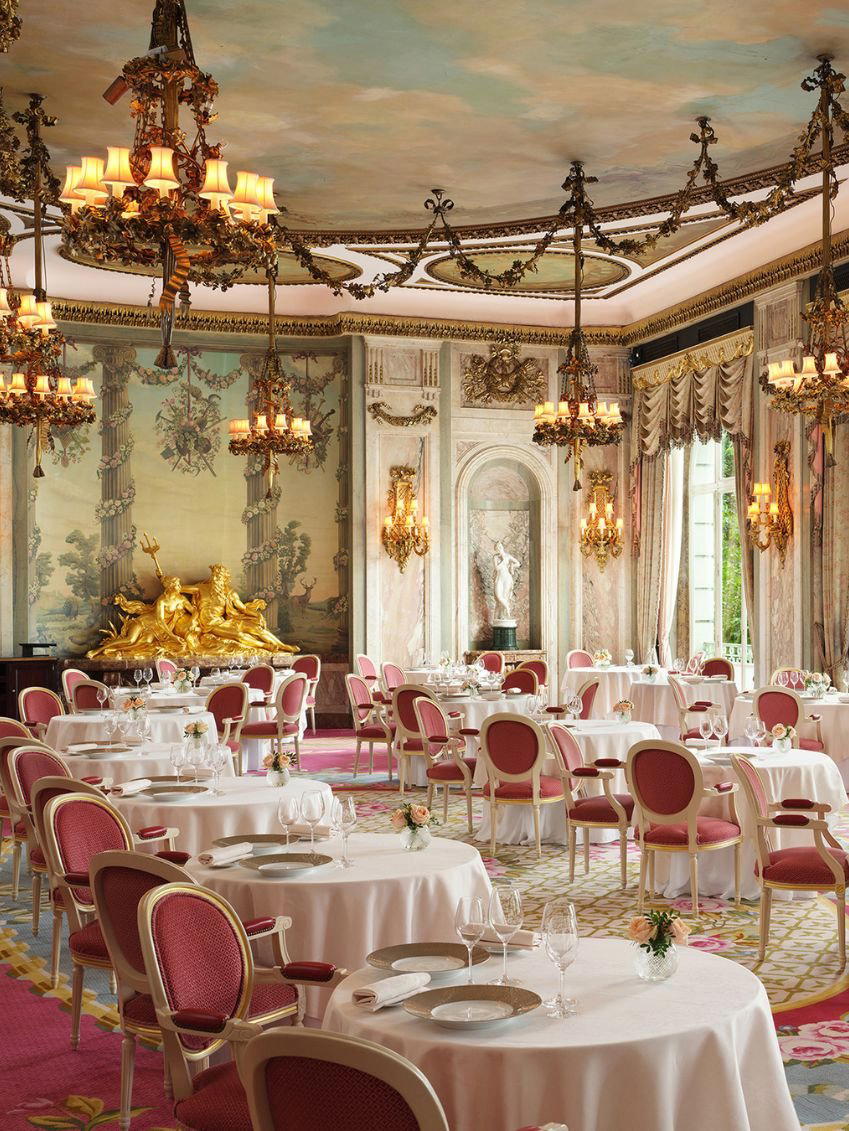
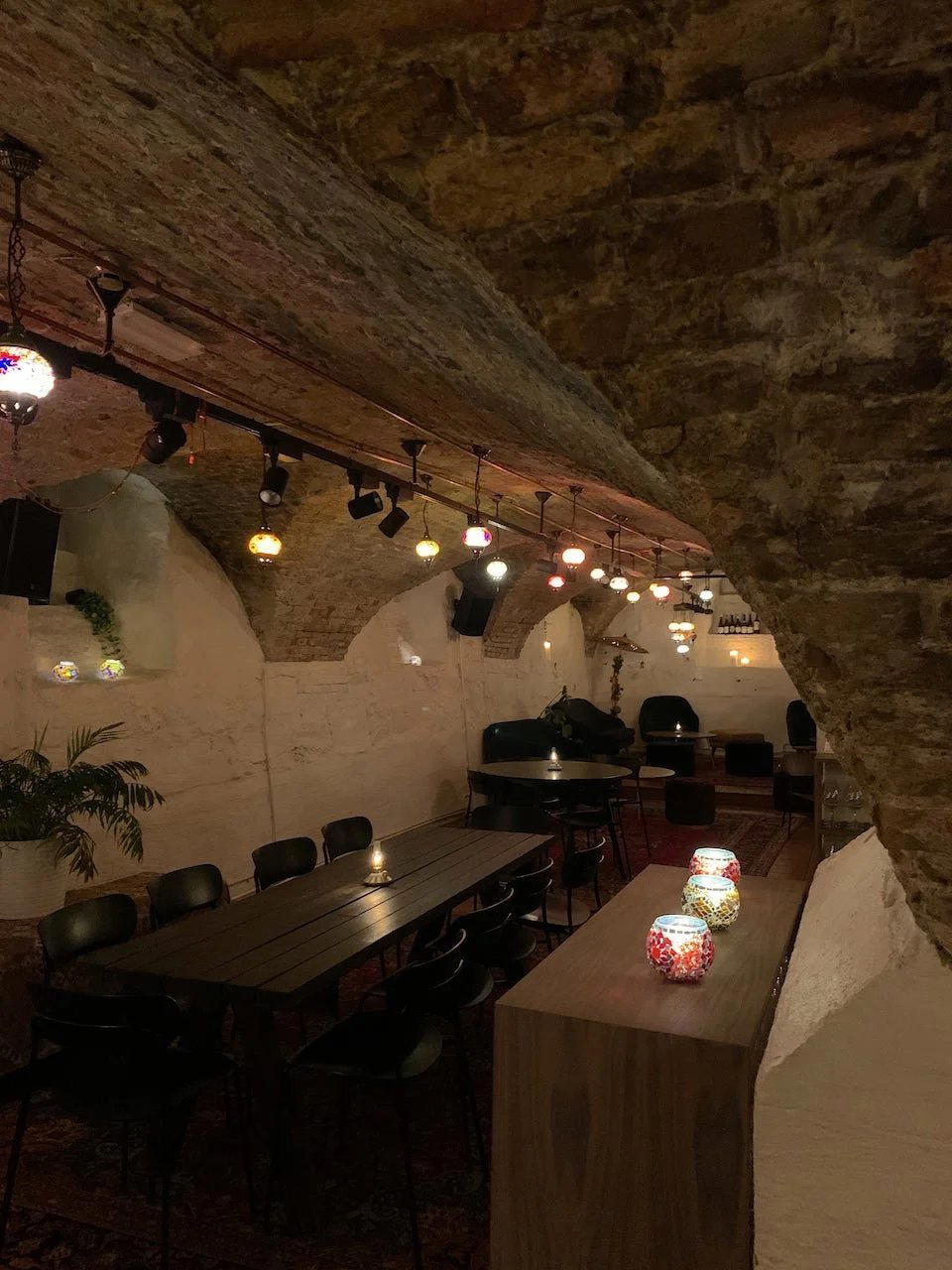
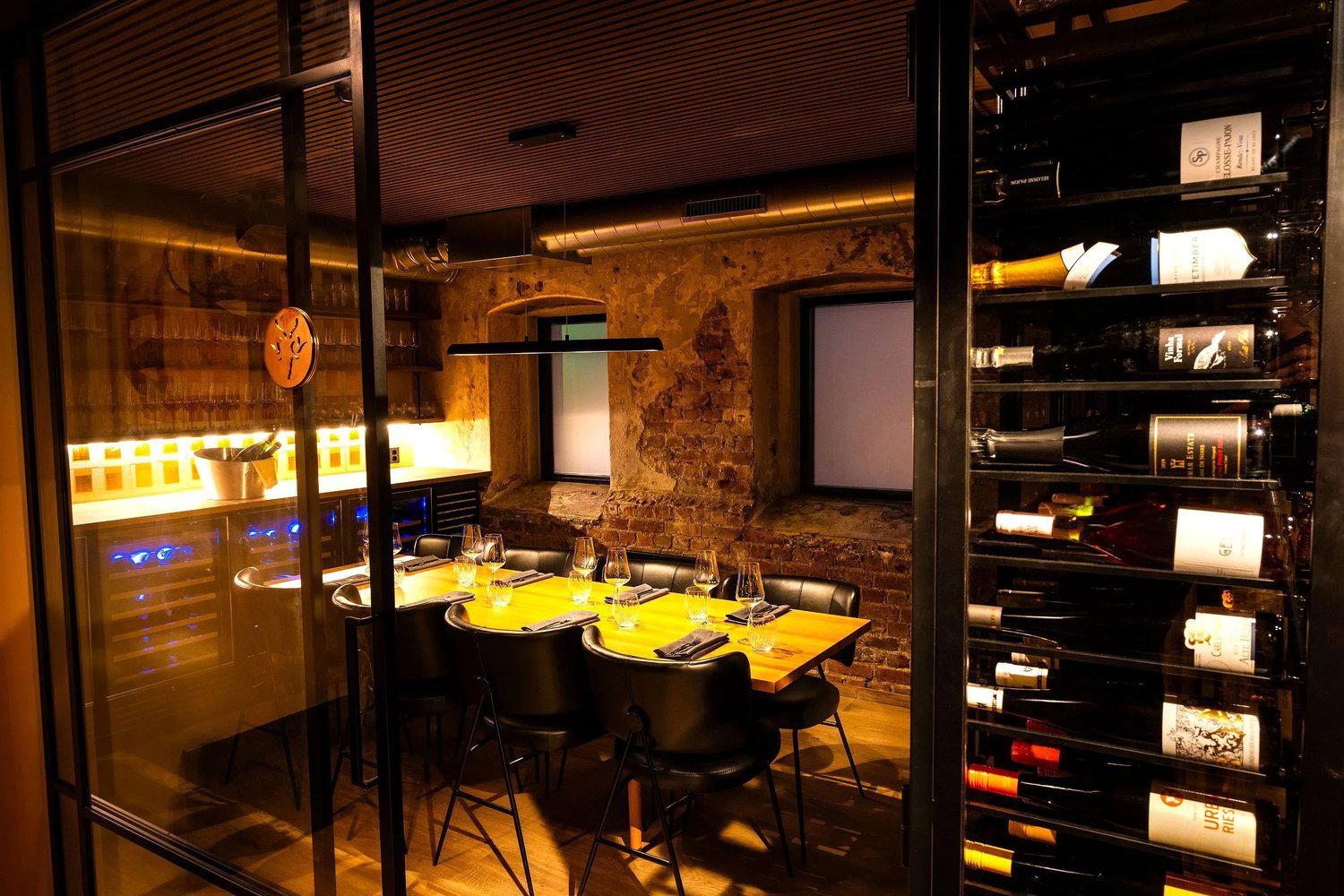
Typical Parisian brasserie atmosphere with classic feel, cozy interiors, warm lighting, and a casual yet busy vibe.