Our verdict
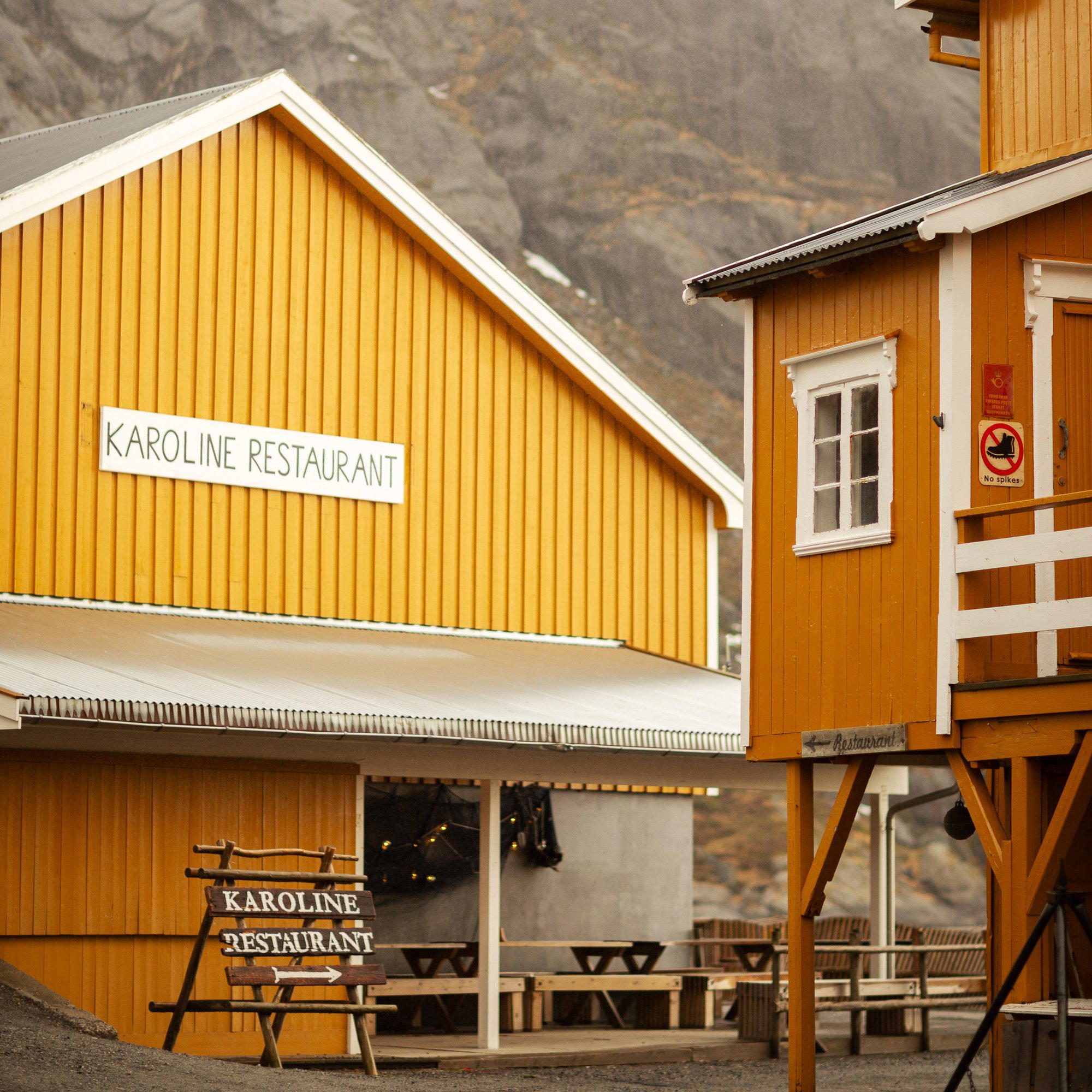
Karoline Restaurant sits on Nusfjordveien in Ramberg, a small settlement on Flakstad island in Norway's Lofoten archipelago, where the surrounding seascape and Arctic fishing heritage define what ends up on the plate. Dining in this part of Norway means engaging with one of Europe's most geographically specific ingredient cultures, where cod, skrei, and cold-water seafood are sourced metres rather than miles from the kitchen.

Pearl is the En Primeur Club membership app, where members save venues, book tables and use the concierge.
The menu
What to order
- Lofoten cod
- Stockfish
- Lofoten lamb
- Reindeer
- Blue mussels
Where the Lofoten Larder Begins
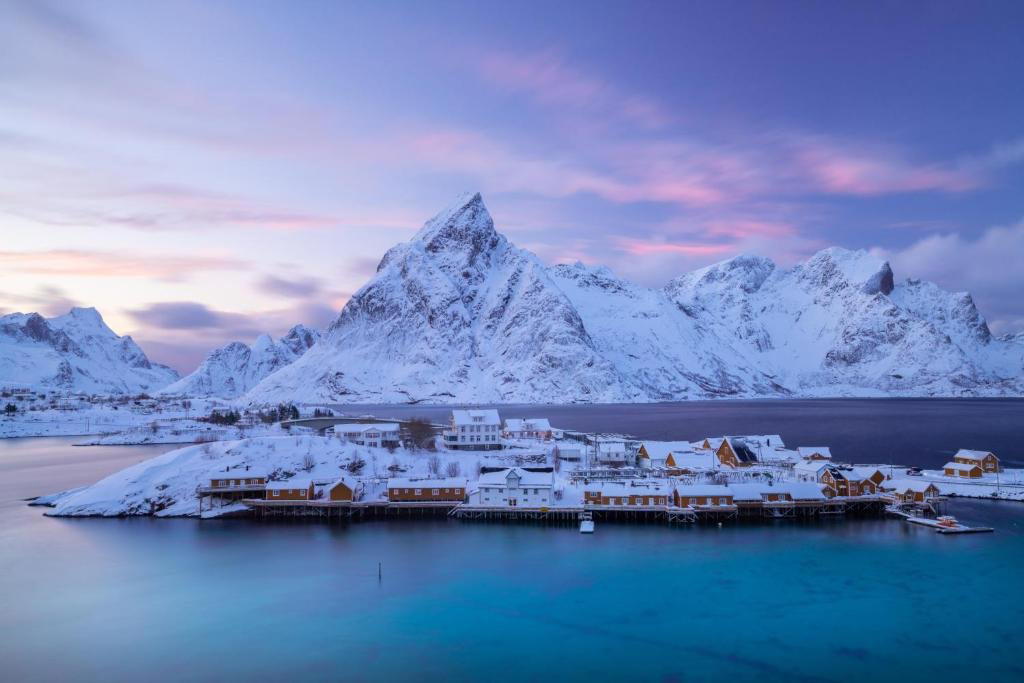
Ramberg sits on the southern edge of Flakstad island, flanked by a white-sand beach that looks borrowed from a latitude far warmer than 68° North. The approach along Nusfjordveien brings you past tidal inlets and the kind of low-slung fishing infrastructure that has been operating in these waters since the medieval era. This is not scenic backdrop; it is the supply chain. Restaurants in Lofoten occupy a different relationship with their ingredients than most dining rooms in Norway's larger cities, and that distinction shapes everything about how a meal here reads.
The Lofoten archipelago is one of the few places in Norway where the fishing season still structures community life. Skrei, the migratory Arctic cod that travels from the Barents Sea to spawn off these islands each winter, has been a commercial catch here since at least the 12th century. That continuity matters to the plate. The fish arriving at kitchens in Ramberg and the surrounding villages has not moved far, has not waited in a distribution centre, and has not been optimised for shelf life. The cold-water temperature and the speed of transfer from sea to kitchen are factors that chefs working with premium seafood at far more expensive addresses, including the New Nordic rooms at places like Maaemo in Oslo and RE-NAA in Stavanger, are paying significant premiums to approximate through supply chain engineering.
The Ingredient Geography of Flakstad
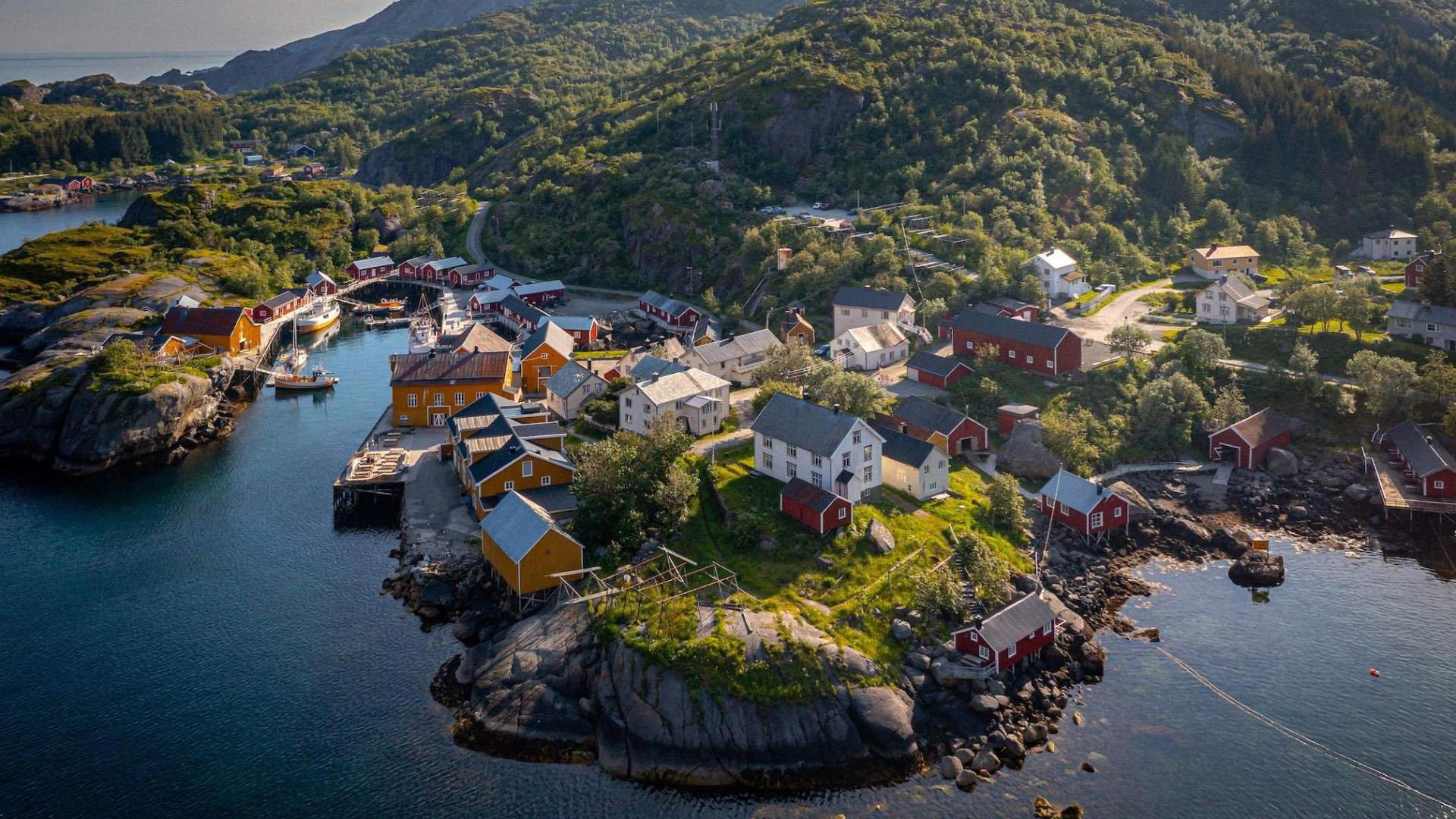
Understanding what makes dining in this part of Lofoten distinct requires a brief account of the geography. Flakstad island is small enough that no point on it is far from tidal water. The fishing villages along the southern coast, including Nusfjord to the west of Ramberg, one of Norway's best-preserved 19th-century fishing settlements, have historically landed cod, halibut, wolffish, and shellfish in volumes that supported year-round trade with Bergen and further into Europe. That trade history left behind both a fishing infrastructure and a culinary vocabulary centred almost entirely on cold-water seafood.
Karoline Restaurant, addressed at Nusfjordveien 110, sits within that geography. The physical context of the address, a coastal route on Flakstad, places the kitchen within the same supply orbit as the working harbours that have defined this coastline commercially for centuries. In Norwegian coastal dining, proximity to source is the primary quality signal, and it operates differently here than it does in, say, Bergen or Tromsø, where the fish market sits at an intermediary step in a longer chain. On Flakstad, the chain is compressed to a degree that most urban restaurants cannot replicate regardless of sourcing intent.
For context on what this region's fishing heritage means for the wider Norwegian dining conversation, the trajectory of spots like Anita's Sjomat in Lofoten and Fiskekrogen in Henningsværet illustrates how the archipelago has developed a distinct tier of seafood-led dining that operates outside the Michelin orbit without being in any way casual about its sourcing. The same archipelago logic applies in Ramberg.
The Broader Lofoten Dining Pattern
Lofoten's dining scene has expanded considerably over the past decade, driven partly by international travel interest in the Arctic landscape and partly by a domestic Norwegian appetite for what might be called source-linked eating. Restaurants across the archipelago have moved from simple fisherman's fare toward more considered presentations, though the ingredient philosophy has remained consistent: what comes from local waters is treated as sufficient. The influence of New Nordic thinking, which formalised across Scandinavia in the 2000s and has since produced decorated restaurants such as FAGN in Trondheim and Gaptrast in Bergen, has filtered into smaller, more remote kitchens in a quieter way: not through tasting menus with elaborate technique, but through a stronger attention to seasonality and a preference for letting ingredient quality speak ahead of kitchen intervention.
That pattern is visible across the archipelago. At Underhuset Restaurant in Reine and Børsen Spiseri in Svolvær, the kitchens work within the same Arctic larder, adjusting based on season and catch. Further north, Aurora Restobar in Kirkenes represents the edge of that Arctic ingredient logic, where the wild and the cultivated sit unusually close together on the plate. Karoline in Ramberg occupies this broader regional context: a restaurant shaped primarily by what Lofoten's waters produce rather than by a culinary ideology imported from outside.
Planning a Meal in Ramberg
Ramberg is a small settlement without the tourist infrastructure of Henningsværet or Svolvær, which means dining options are limited but the ones that exist tend to operate with a clear sense of local purpose. Reaching Ramberg from the E10, the main road threading through the Lofoten islands, is direct if you are driving; the archipelago has no rail connection, and the nearest airport with regular service is Leknes, roughly 15 kilometres northeast of Ramberg. Given the restaurant's address on Nusfjordveien, a car is the practical assumption for most visitors. Seasonality matters considerably in this part of Norway: the skrei season runs from January through April, which represents the peak of the Arctic cod cycle and the point at which Lofoten's fishing identity is most legible to visitors. Summer brings the midnight sun and higher visitor volume; winter offers the aurora and a rawness to the landscape that the warmer months do not reproduce. Both seasons have their logic for a dining visit, but they offer different versions of what the place is.
For those building a broader Norwegian dining itinerary, the contrast between Ramberg and the major-city rooms is instructive. The distance in experience between eating in Lofoten and eating at, say, Under in Lindesnes, Norway's famous semi-submerged seafood restaurant, or at Hardanger House in Jondal, is not only geographic. It is a difference in the mode of engagement: Lofoten dining asks you to engage with a place and its material conditions, not just a kitchen's editorial point of view. See our full Ramberg restaurants guide for a broader account of what the area offers across different meal occasions.
Frequently asked questions
Is Karoline Restaurant a family-friendly restaurant?
Ramberg is a small settlement on Flakstad island rather than a high-volume tourist hub, and restaurants in this part of Lofoten tend to operate at a relaxed pace suited to mixed groups. Nothing in the venue's profile signals a formal or adults-only format. Confirming current family policies directly with the restaurant before visiting is advisable, as dining options in Ramberg are limited and hours can be seasonal.
What kind of setting is Karoline Restaurant?
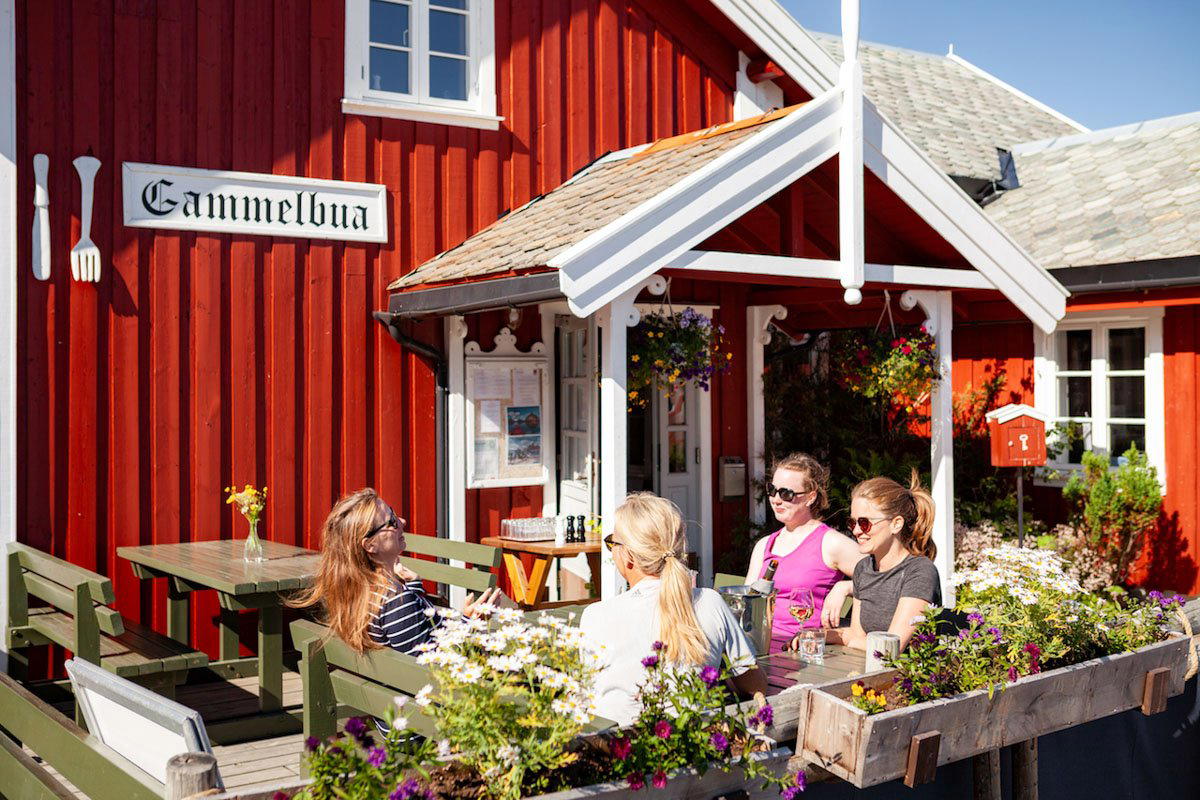
Karoline Restaurant sits at Nusfjordveien 110 in Ramberg, a coastal settlement on Flakstad island at 68° North, flanked by one of Lofoten's white-sand beaches. The setting is defined by the island's fishing village character rather than resort-scale infrastructure. Ramberg lacks the foot traffic of Henningsværet or Svolvær, which gives dining here a quieter, more local register.
Is Karoline Restaurant worth visiting if you are based in Svolvær or Henningsværet?
Ramberg is positioned on the southern reach of Flakstad island, meaningfully further along the E10 than Lofoten's more visited northern settlements. The case for making the drive is the dining context itself: Ramberg has a shorter list of restaurant options than Henningsværet, so the venues that operate there tend to serve a more locally anchored clientele. Travellers already planning a route through Flakstad toward Nusfjord would pass through Ramberg naturally.
What dish is Karoline Restaurant famous for?
What can be said is that restaurants in this part of Flakstad island draw heavily on the local Lofoten larder: Arctic cod, hand-dived scallops, and seasonally foraged ingredients from the surrounding islands are the building blocks of the regional table. Confirming the current menu directly with the restaurant is the reliable route.
A Quick Peer Check
Comparable venues nearby, for context on price, style, and recognition.
| Venue | Cuisine | Price | Notes |
|---|---|---|---|
| Karoline RestaurantThis venue (the venue you are viewing) | Arctic Nordic Seafood | $50–100 | Not listed |
| Restaurant Bro | Modern Norwegian Coastal Gastronomy | Not listed | city center |
| Renaa: Restauranten | Modern New Nordic Seafood Tasting | Not listed | downtown |
| Børsen Spiseri | Norwegian Seafood with Stockfish Specialty | Not listed | Svinøya |
| Kjerag Panoramic Restaurant | Norwegian Cafe Fare | Not listed | Lysebotn |
| Fiskekrogen | Traditional Norwegian Seafood | $50–100 | Henningsvær |
Continue exploring
More in Ramberg
Restaurants in Ramberg
All restaurants in Ramberg →
Bars in Ramberg
All bars in Ramberg →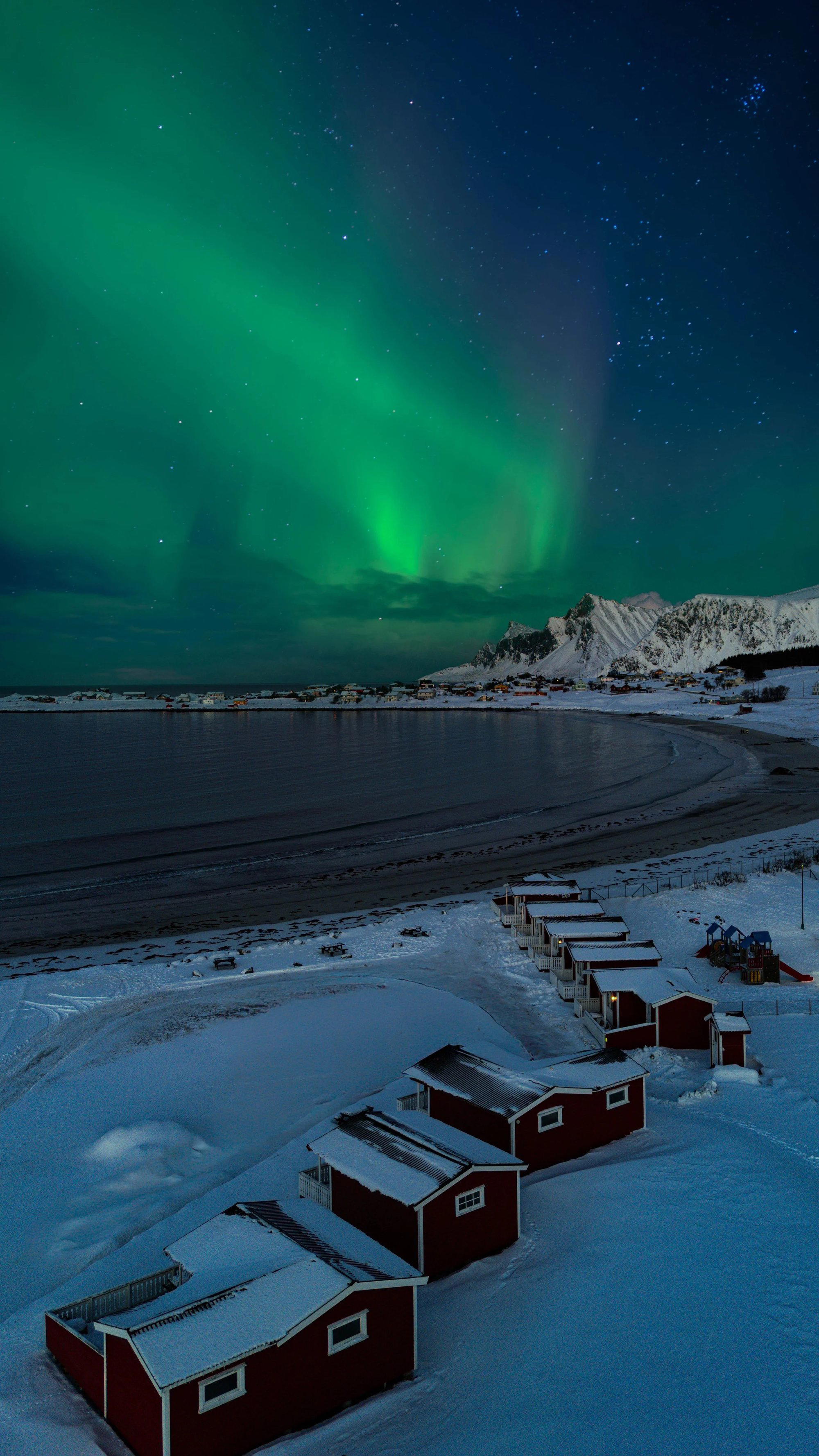
Details
- Romantic
- Scenic
- Cozy
- Elegant
- Rustic
- Intimate
- Date Night
- Special Occasion
- Celebration
- Group Dining
- Waterfront
- Historic Building
- Panoramic View
- Standalone
- Extensive Wine List
- Beer Program
- Local Sourcing
- Sustainable Seafood
- Waterfront
- Mountain
- A La Carte
- Buffet
- Set Menu
- Wine
- Beer
- Vegetarian Friendly
- Allergy Accommodating
Current opening hours
- Monday
- 8–10 AM, 6–10 PM
- Tuesday
- 8–10 AM, 6–10 PM
- Wednesday
- 8–10 AM, 6–10 PM
- Thursday
- 8–10 AM, 6–10 PM
- Friday
- 8–10 AM, 6–10 PM
- Saturday
- 8–10 AM, 6–10 PM
- Sunday
- 8–10 AM, 6–10 PM
Hours can change for holidays and private events. Hours as of .
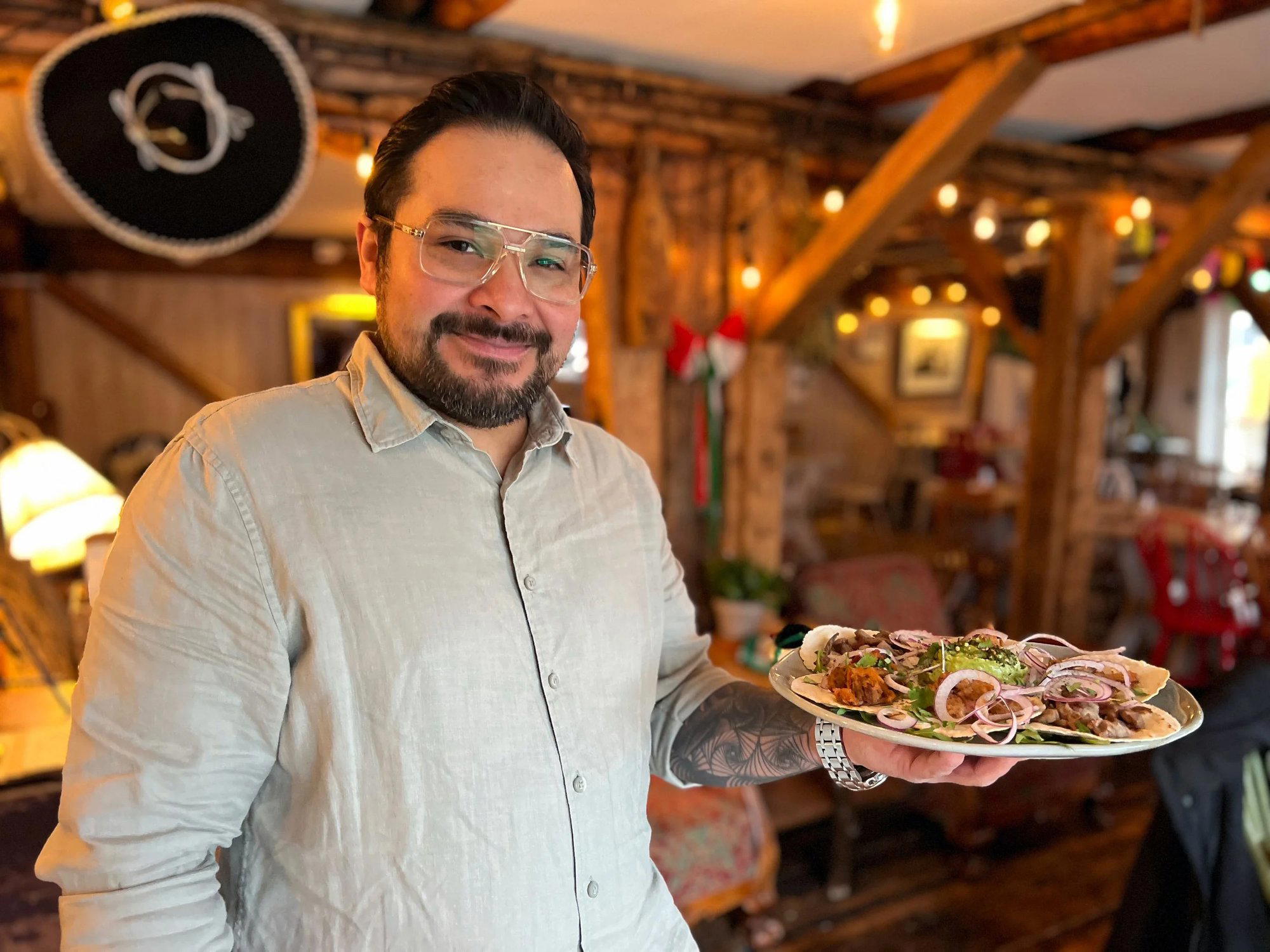
Warm and intimate wooden interior with traditional Nordic character, weathered ocean views, and refined yet relaxed atmosphere suitable for both casual and fine dining experiences.