Feinschmecker has occupied a considered position in Oslo's fine dining tier for decades, earning a reputation built on classical technique applied to Norwegian ingredients. The address on Balchens gate, in the residential Frogner district, signals an audience that values restraint over spectacle. For wine-focused diners, the cellar and its curation are as much the draw as the kitchen.
Pearl is the En Primeur Club membership app — saves, bookings, and concierge access live there. Same editors, same standards.
- Address
- Balchens gate 5, 0265 Oslo, Norway
- Phone
- +4722129380
- Website
- feinschmecker.no
- Directions
- Get directions
 Saves & bookings on Pearl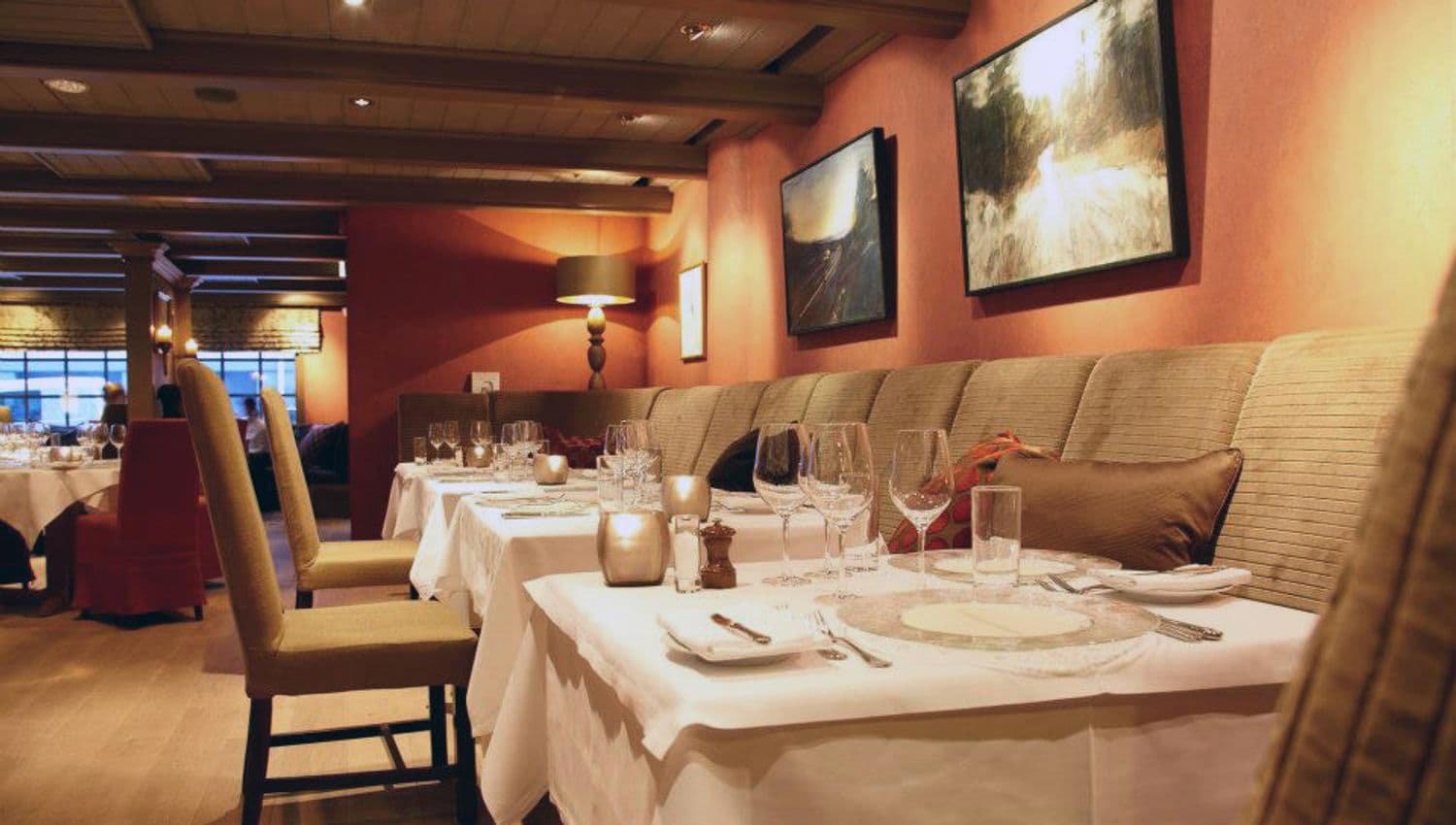
Frogner's Quiet Upper Tier
Oslo's fine dining has reorganised considerably over the past decade. The loudest end of that conversation belongs to Maaemo, which operates at the three-Michelin-star level with a New Nordic programme built around Norwegian forage and fermentation, and to Kontrast, which occupies a similarly progressive bracket. Feinschmecker works at a different register. Situated on Balchens gate 5 in Frogner, one of Oslo's older, more residential western neighbourhoods, the restaurant has spent years building credibility through a classical European approach at a moment when the rest of the city's premium tier was moving emphatically in the other direction. That contrast is not incidental; it is the point.
Frogner itself sets expectations. The neighbourhood is defined by early-twentieth-century apartment architecture, embassies, and a resident population that tends toward the established rather than the aspirational. Restaurants here are not competing for visibility the way venues in Grünerløkka or around Aker Brygge might be. The audience comes with a different posture, one that values discretion and consistency over novelty. Feinschmecker has, over a long operational life, oriented itself around that expectation.
Classical Bearing in a New Nordic City
The broader Norwegian fine dining scene has largely committed to a local-produce, New Nordic identity over the past fifteen years, a shift accelerated by international recognition for kitchens like RE-NAA in Stavanger and Speilsalen in Trondheim, and by the continuing influence of destination restaurants such as Under in Lindesnes and Glime Restaurant in Hardanger Fjord. That movement has produced particularly discussed cooking in northern Europe, but it has also left a gap: classically trained kitchens with European repertoires now occupy a smaller niche in Norway than they did a generation ago.
Feinschmecker has occupied that niche deliberately. The word itself, German for a person of refined taste, signals an orientation toward European culinary tradition rather than Scandinavian innovation. That naming decision reflects a long-standing editorial identity that the restaurant has not abandoned to follow category trends. In a city where Bar Amour and Hot Shop represent the creative, less formal end of Oslo's current restaurant conversation, and where Mon Oncle handles French bistro territory at a more accessible price point, Feinschmecker operates in a different register entirely.
The Cellar as an Argument
In restaurants of this type and tenure, the wine programme often carries as much institutional weight as the kitchen. Classical European cooking and serious cellars tend to develop together over decades, each reinforcing the other's ambitions. At the premium end of Oslo's dining tier, wine pairings and cellar depth have become one of the primary signals separating serious long-form dining experiences from shorter, less committed formats.
Feinschmecker's position in Frogner, serving an audience that has consistently supported European fine dining norms, suggests a cellar shaped by those expectations rather than by trend-driven experimentation. Across the European fine dining tradition that Feinschmecker works within, that typically means depth in Burgundy and Bordeaux, representation from the Rhine and Mosel, and enough age on the list to make pairing conversations with staff genuinely interesting rather than perfunctory. Whether the specific holdings here match that profile cannot be confirmed without current documentation, but the restaurant's longevity and positioning imply a programme built over time rather than assembled quickly. For wine-focused diners, that distinction matters considerably.
The contrast is instructive when placed against the broader Norwegian restaurant scene. Newer kitchens from Lysverket in Bergen to MiraBelle by Ørjan Johannessen in Bekkjarvik have built wine programmes oriented around natural wine and small Scandinavian producers, which suits their culinary identities but represents a different kind of ambition. The classical European cellar, with its hierarchy of appellations and its investment in vertical depth, remains a more specific, more patient project.
Placing Feinschmecker in the Oslo Tier
Oslo's premium dining tier now runs from neighbourhood-level creative cooking to internationally benchmarked tasting menus. Feinschmecker occupies a middle-upper position in that range, sharing category space with Statholdergaarden, which also maintains a classical European identity in a city that has otherwise moved toward New Nordic. Both represent what the market looked like before the Noma-era reorganisation of Scandinavian fine dining, and both have found ongoing audiences despite that shift.
For a fuller picture of where Feinschmecker sits within Oslo's current dining options, the city spans a wide range of price tiers and culinary identities. Comparable experiences at the creative, accessible end of Oslo's spectrum include Hot Shop, while the tasting menu format at its most ambitious is leading represented by Maaemo. International comparisons at the classical technique level might include Le Bernardin in New York City, which maintains rigorous classical French foundations at a global level, or Lazy Bear in San Francisco, which applies serious technique inside a less formal structural frame. Feinschmecker's positioning is closer to the Le Bernardin end of that comparison: institutional, technique-first, and oriented toward a consistent audience rather than a rotating one.
Further afield in Norway, kitchens including Vianvang in Vågå, Buer Restaurant in Odda, Restaurant 1893 in Stokmarknes, and Lily Country Club in Kløfta illustrate how Norway's serious dining culture has dispersed well beyond Oslo, often in formats that lean heavily on regional produce. Feinschmecker remains a counterpoint to that dispersal, offering a concentrated, urban, European-inflected argument for what fine dining in the Norwegian capital can look like when it is not chasing the New Nordic consensus.
Planning Your Visit
Feinschmecker's location in Frogner places it within comfortable reach of Oslo's western residential districts and a short taxi or tram ride from the city centre. Balchens gate 5 is a quiet residential address rather than a high-footfall dining street, which means the approach is deliberately low-key. Given the restaurant's tenure and reputation, reservations well in advance are advisable, particularly for weekend service. Reservations are recommended, and the restaurant's regular hours are Tuesday to Friday from 5 PM to 12 AM, Saturday from 6 PM to 12 AM, with Monday and Sunday closed.
How It Stacks Up
Comparable venues nearby, for context on price, style, and recognition.
| Venue | Cuisine | Price | Notes |
|---|---|---|---|
| FeinschmeckerThis venue — the venue you are viewing | French-influenced Norwegian Fine Dining | $$$ | Not listed |
| Park 29 | Classic French and Italian inspired with Norwegian ingredients | $$$ | Homans Byen |
| B VIN | European Wine Bar | $$$ | Enerhaugen |
| Brasserie France | Classic French Brasserie | $$$ | St. Hanshaugen |
| Skur 33 | Italian Seafood and Pizza | $$ | Aker Brygge |
| SKAAL Matbar | Modern European Small Plates | $$$ | Fredensborg |
At a Glance
- Elegant
- Intimate
- Classic
- Sophisticated
- Date Night
- Special Occasion
- Business Dinner
- Private Dining
- Extensive Wine List
- Local Sourcing
Current opening hours
- Monday
- Closed
- Tuesday
- 5 PM–12 AM
- Wednesday
- 5 PM–12 AM
- Thursday
- 5 PM–12 AM
- Friday
- 5 PM–12 AM
- Saturday
- 6 PM–12 AM
- Sunday
- Closed
Hours can change for holidays and private events. Last verified .
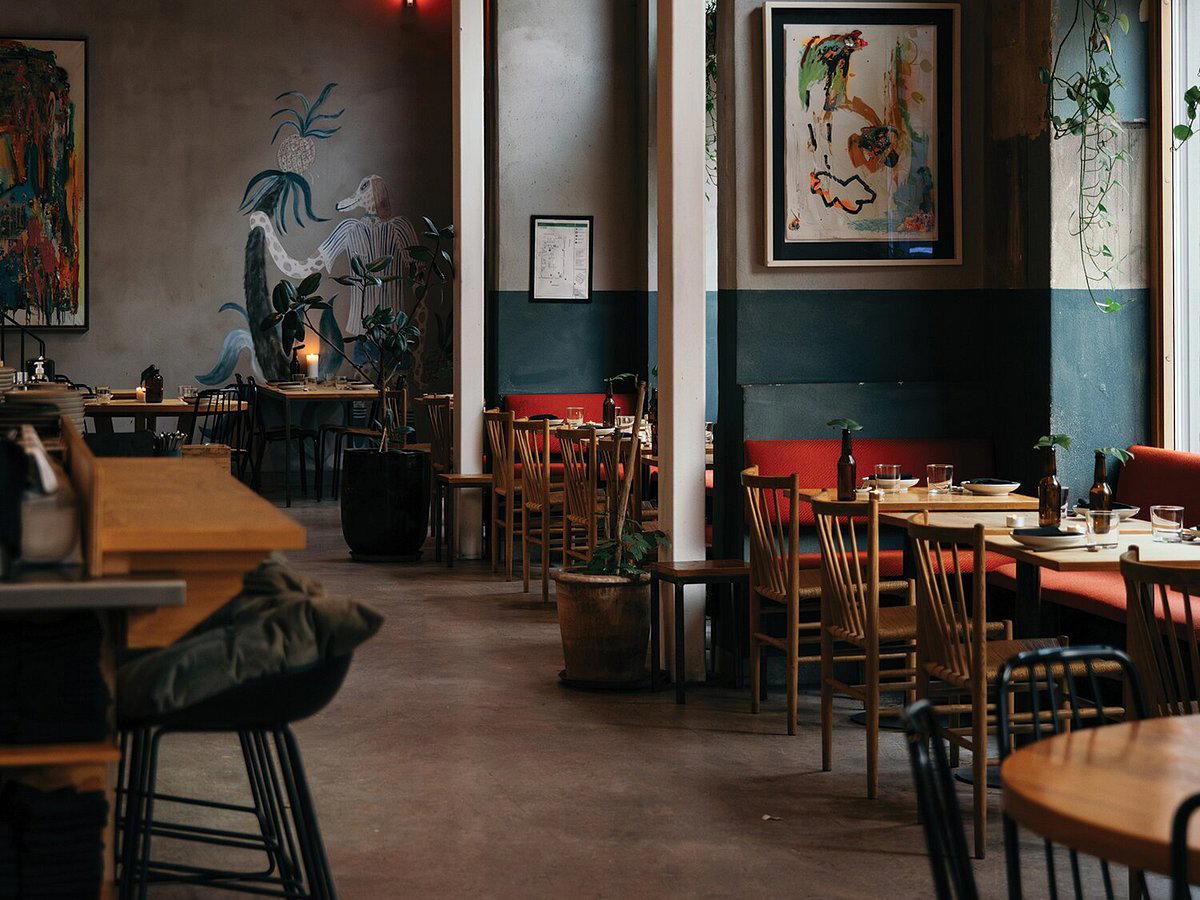
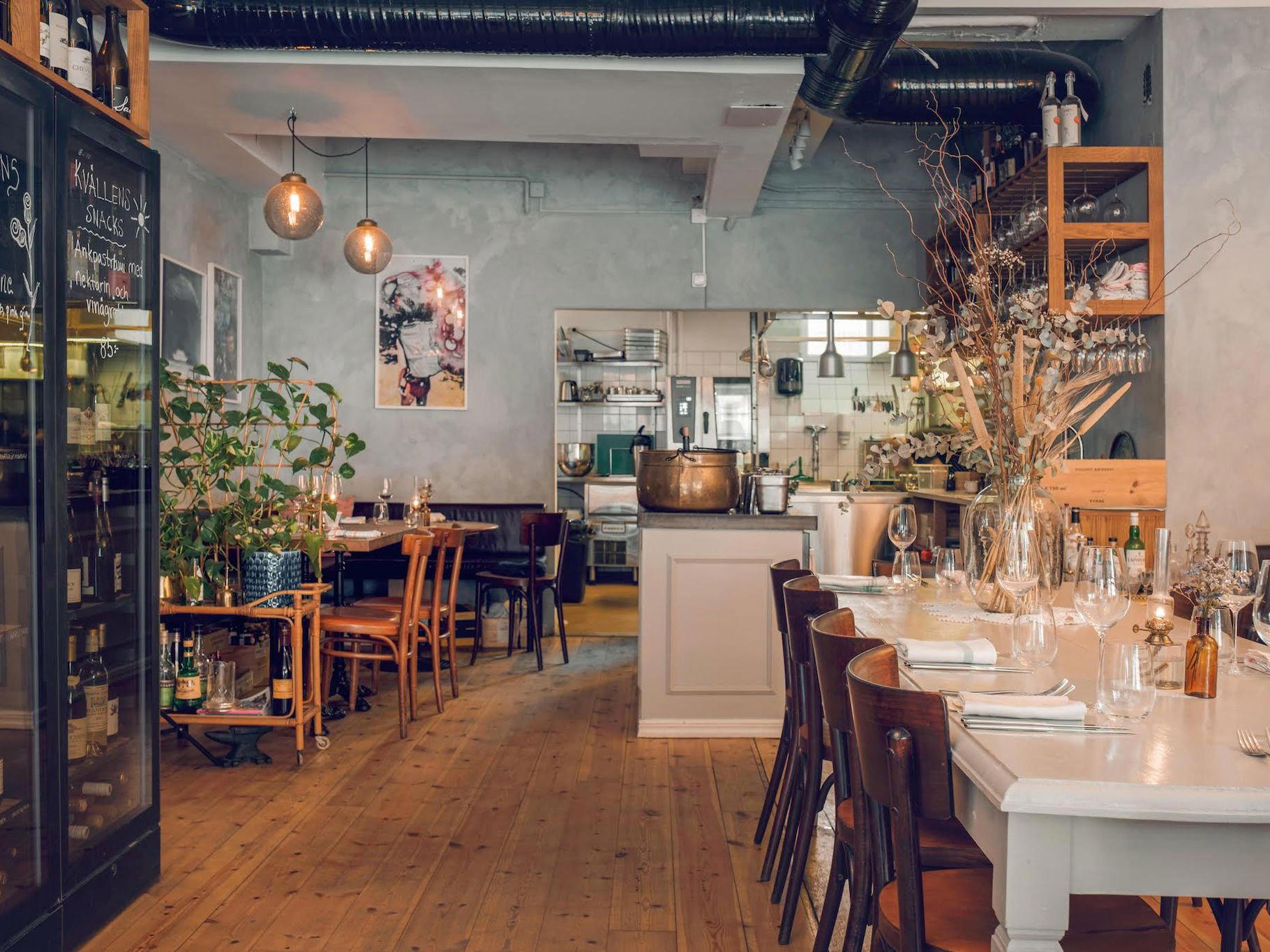
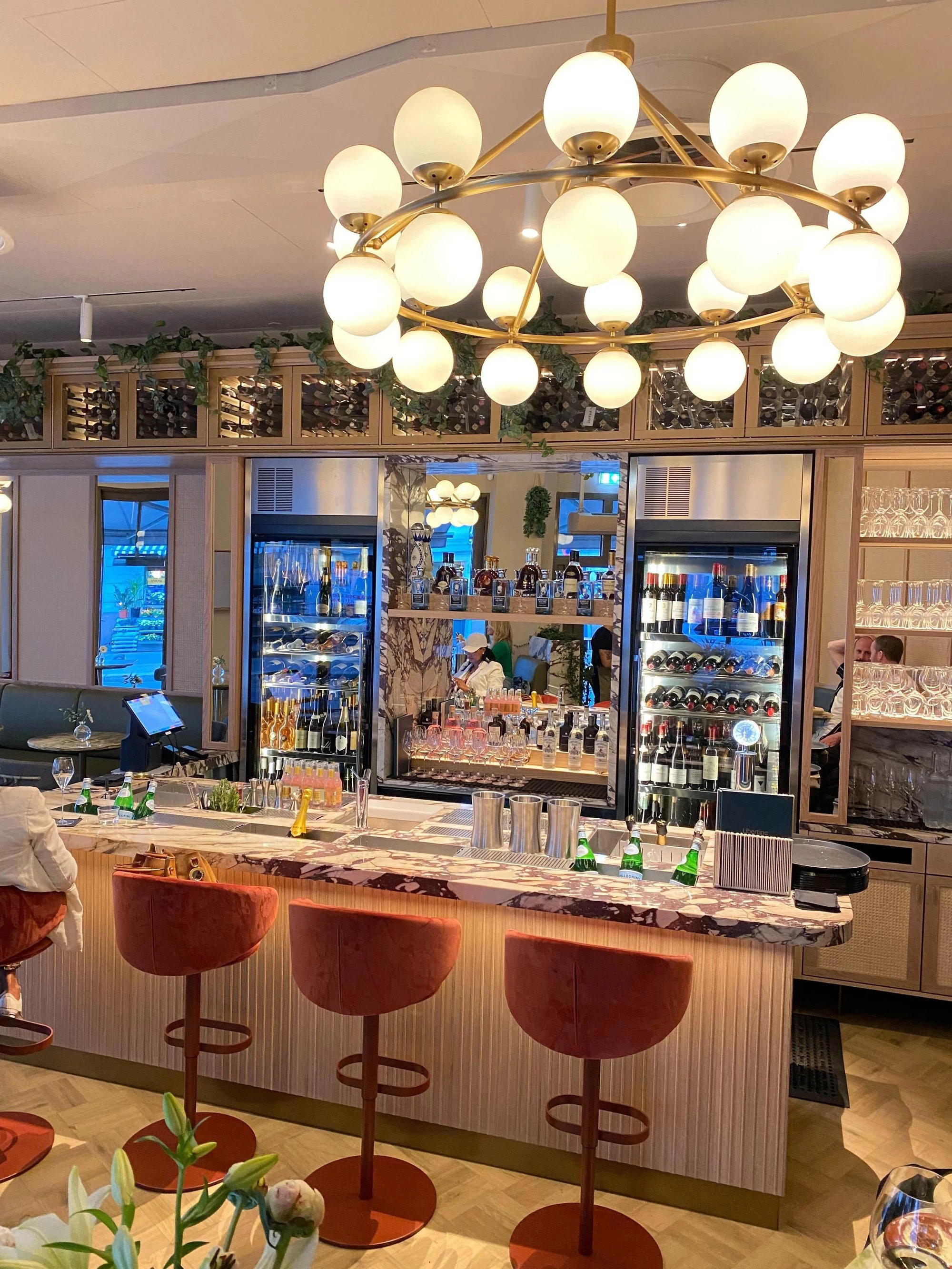
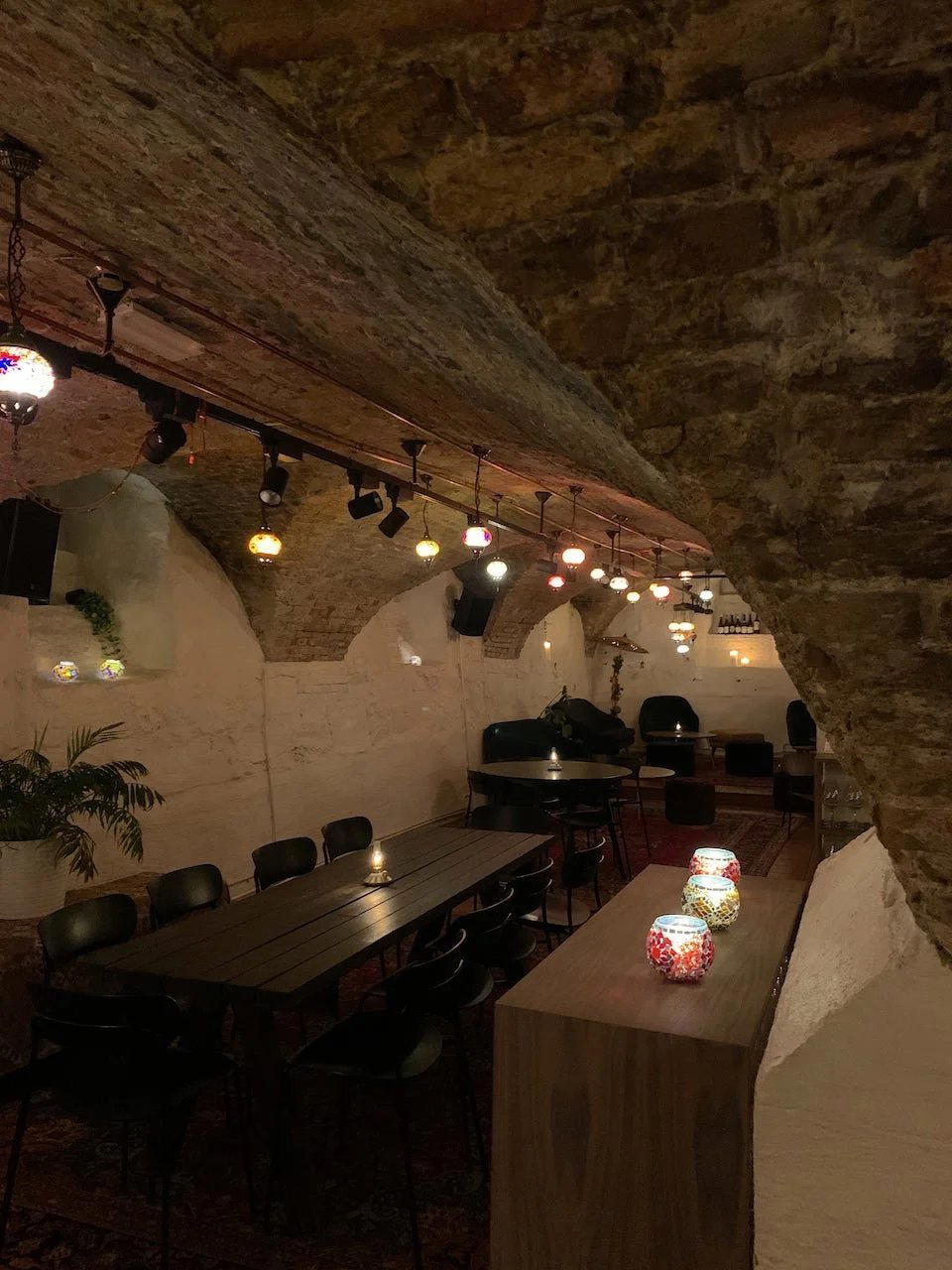
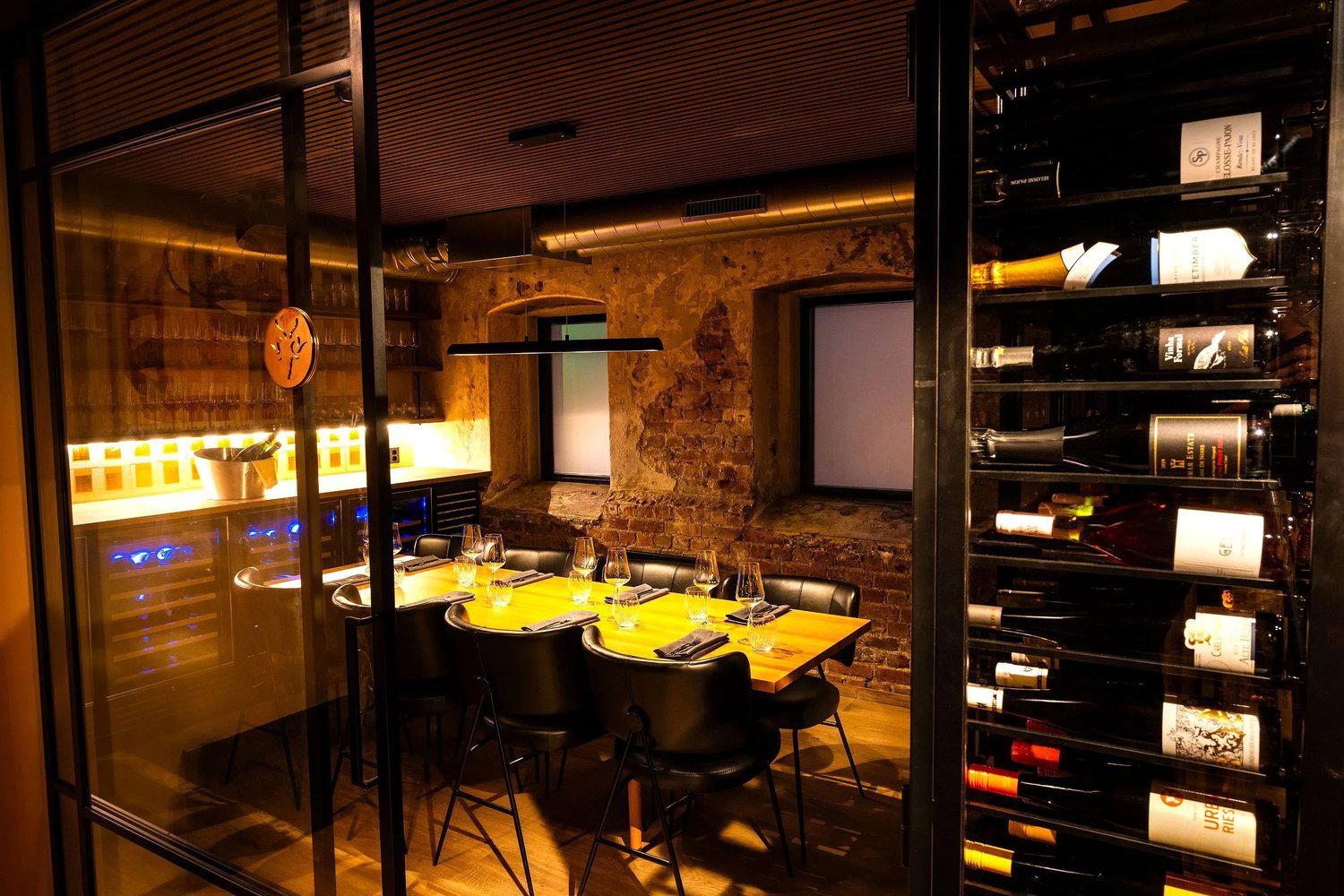
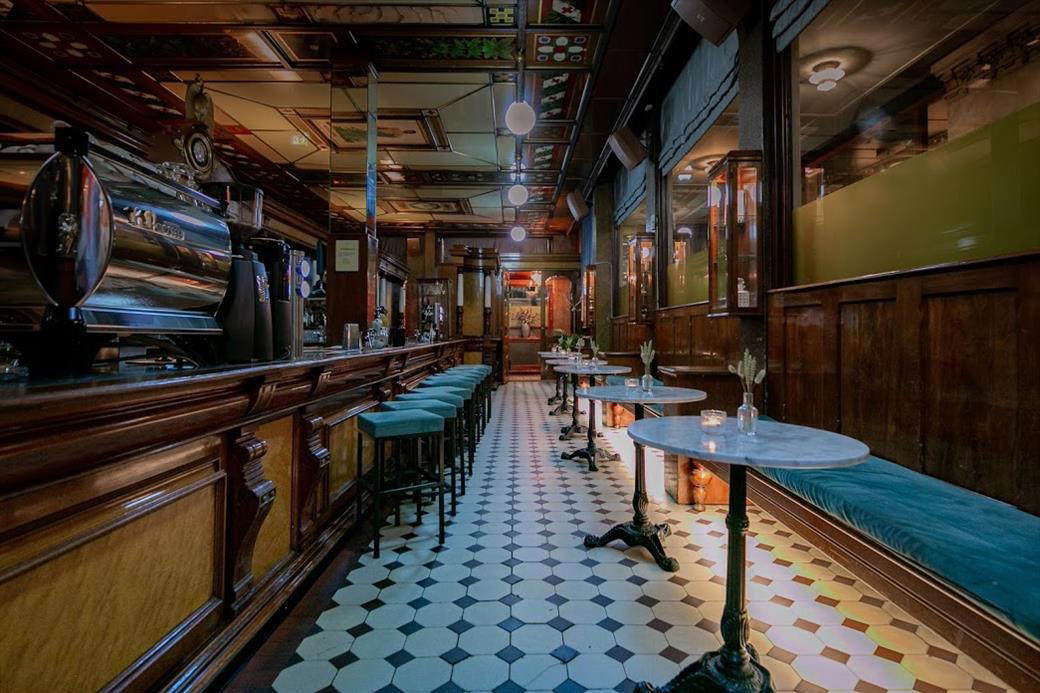
Intimate and warm atmosphere with a classic, slightly dated interior that emphasizes comfort and hospitality.