Our verdict
Uji sits in the shadow of Kyoto, better known for its matcha fields and UNESCO temples than its dining rooms. Restaurant MariBeau, at Myoraku-4-9, occupies that quieter register, drawing visitors who arrive having already done the tea estates and Byodoin, and who want a meal that reflects where they are. The kitchen's sourcing logic is rooted in the prefecture's agricultural identity.

Pearl is the En Primeur Club membership app, where members save venues, book tables and use the concierge.
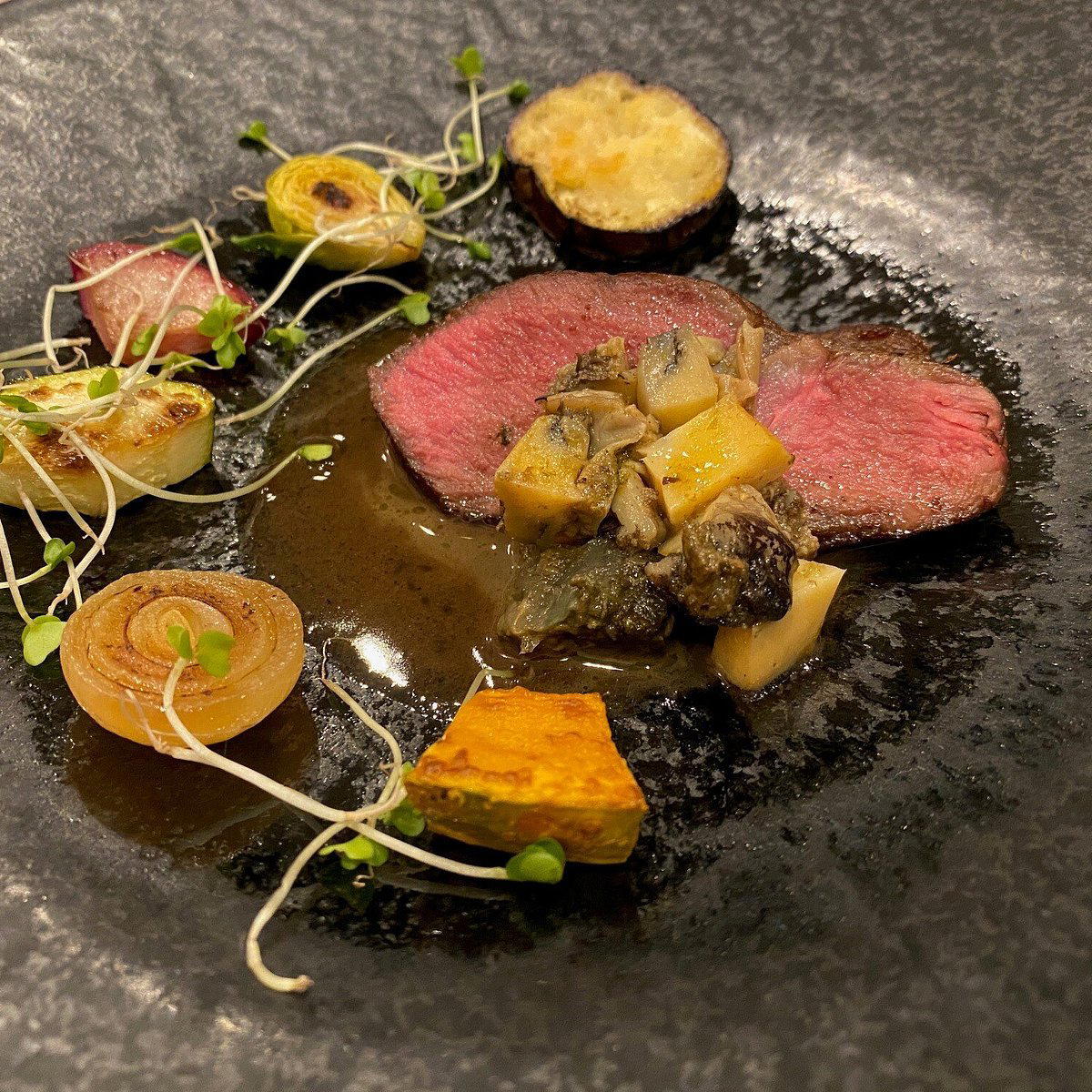
Eating in Uji: What the City Expects of Its Restaurants
Uji has never competed for dining attention the way Kyoto or Osaka do. The city's identity is agricultural before it is gastronomic: the Uji River valley produces some of Japan's most closely tracked green tea, and the flatlands around it supply vegetables, river fish, and herbs to kitchens throughout the Kinki region. Restaurants here operate within that logic. They don't import prestige from elsewhere; they draw from the land immediately around them, and diners who understand that will arrive with the right expectations. Restaurant MariBeau, at Myoraku-4-9 in central Uji, sits squarely inside that tradition. Its address places it within walking distance of the river and the temple district, in a part of the city where the pace has not changed much in decades.
The Sourcing Framework That Defines This Part of Japan
The Kyoto prefecture's approach to ingredient sourcing carries the name Kyoyasai at its formal end, a designation covering traditional Kyoto vegetables cultivated under strict heritage criteria. Uji sits on the southern edge of this supply chain, close enough to the Nishiki wholesale networks in Kyoto city to access those ingredients, but with its own distinct river-sourced produce, including freshwater fish and the tea-plant byproducts (young leaves, powdered grade rejections, stem extracts) that local kitchens have built cooking languages around for generations. A restaurant in this location that takes sourcing seriously has more to work with than the generic tourist belt suggests. The question for any Uji kitchen is whether it draws on that proximity deliberately or treats it as background. The better rooms in the city treat provenance as the editorial spine of the menu, not an afterthought. For context on what deliberate sourcing looks like at the higher end of the Kansai region, HAJIME in Osaka has spent years building its reputation on exactly that kind of rigorous ingredient logic at the ¥¥¥¥ tier.
Where MariBeau Sits in the Uji Picture
Uji's dining options split into a few distinct registers. At one end are the tea-house formats attached to the matcha estates, built around the ceremony of preparation rather than a full meal. At the other are the sit-down restaurants that serve the city's resident population year-round, ranging from casual ramen and tempura counters near the station to more considered rooms that pitch at the day-trip visitor arriving from Kyoto, 18 minutes away by the Kintetsu Kyoto Line. Restaurant MariBeau occupies the latter category. Its name and address suggest a room that aims at a visitor clientele sophisticated enough to have chosen Uji deliberately rather than fallen into it. For comparison at the kaiseki end of Kyoto's dining spectrum, Gion Sasaki in Kyoto represents the standard that serious diners in this corridor use as a benchmark. Closer geographically, Seiko Udoku is the other Uji room worth knowing, and comparing the two gives a clearer picture of what serious dining in the city looks like across different formats. Our full Uji restaurants guide maps the options by category and intent.
The Physical Setting and Arrival
Approaching the Myoraku district from the main Uji thoroughfare, the street narrows and the urban noise drops. This part of the city has residential texture: small gardens visible over low walls, the occasional smell of burning cedar, the sound of the river audible if the wind is right. A restaurant here is not announcing itself against a backdrop of commercial signage. The arrival is quieter than the Kyoto city equivalent, which matters to how a meal feels before it starts. In Japan's smaller dining cities, the physical context of a room does part of the work that a flagship-location address does in Tokyo or Osaka. Diners arriving at MariBeau from Uji station have already moved through enough of the city's texture to arrive in a particular frame of mind, which is exactly what a kitchen drawing on local provenance benefits from.
Reading MariBeau Against the Wider Kansai Scene
The broader Kansai dining circuit, which runs from Osaka through Kyoto, Nara, and into smaller cities like Uji, has become more internally differentiated over the past decade. The concentration of Michelin attention on Osaka (where restaurants like HAJIME sit at the ¥¥¥¥ ceiling) and Kyoto (where the kaiseki tradition produces rooms like Gion Sasaki) has pushed serious dining interest into smaller cities. Nara has seen this with rooms like akordu, which imports European technique into a city better known for deer than dining. Uji has the agricultural foundation to support this kind of expansion, and a restaurant operating there with genuine sourcing discipline is positioned ahead of the region's trajectory rather than behind it. For readers tracking Japan's more geographically dispersed fine-dining story, it is also worth noting rooms operating at serious levels in less expected locations: Goh in Fukuoka, 一本杉川島 in Nanao, 古往今来 in Sapporo, and 湖畔荘 in Takashima all point to the same decentralization. Beyond Japan, the sourcing-first approach that defines the leading Kansai kitchens has parallels at Atomix in New York City and in the seafood-driven precision of Le Bernardin in New York City, both of which treat ingredient origin as a structural rather than decorative concern.
Planning Your Visit
Uji is accessible from Kyoto in under 20 minutes on the Kintetsu Kyoto Line, making it a natural half-day or full-day extension of a Kyoto stay. The Byodoin and the surrounding temple precincts are the conventional anchor; a meal at MariBeau fits most naturally at the end of that circuit, when the tourist crowds at the main sites have thinned. The Myoraku address is walkable from the river, though the exact logistics reward looking at a local map in advance. Given the city's scale and the small number of rooms operating at this level, booking ahead is the correct approach regardless of the time of year, with autumn foliage season (late October through November) placing the heaviest pressure on all Uji venues. For a broader picture of the region's options across price points and formats, see also 庄羽屋 in Nishikawa Machi, Birdland in Sakai, Bistro Ange in Toyohashi, Blue Ocean Steak in Nakagami District, bodai in 那智勝浦町, and Cafe Naoshima Konichiwa in Naoshima for the broader regional picture.
Frequently asked questions
Is Restaurant MariBeau child-friendly?
Uji restaurants in the Myoraku district tend toward quieter, residential-scale settings where the atmosphere is calm rather than animated. The address at Myoraku-4-9 places it in a residential part of the city, which generally signals a more composed dining environment.
Is Restaurant MariBeau formal or casual?
Uji's dining register sits apart from the high-formality kaiseki tradition that dominates central Kyoto. MariBeau's position in the Myoraku district, a quieter residential corridor of the city, points toward a setting that is considered rather than ceremonial.
Is Restaurant MariBeau worth visiting as a day trip from Kyoto?
Uji is reachable from central Kyoto in under 20 minutes on the Kintetsu Kyoto Line, which makes MariBeau at Myoraku-4-9 a practical extension of a Kyoto itinerary rather than a separate trip. The Myoraku district sits away from Uji's main tourist corridor around the Byodoin, so dining here places you in the residential, slower-paced side of the city. For visitors already spending time in Kansai, Uji adds a distinct agricultural context that central Kyoto and Osaka do not replicate.
What should I order at Restaurant MariBeau?
Uji's identity as one of Japan's foremost tea-producing areas, and its proximity to Kyoto's Kyoyasai vegetable-growing tradition, means restaurants in the city frequently anchor their menus around local agricultural produce. Confirming the current menu directly with the restaurant will give the most accurate picture of what is being served.
What part of town is Restaurant MariBeau in?
Restaurant MariBeau is located at Myoraku-4-9 Uji, Kyoto 611-0021, Japan, Uji.
Side-by-Side Snapshot
Comparable venues nearby, for context on price, style, and recognition.
| Venue | Cuisine | Price | Awards | Notes |
|---|---|---|---|---|
| Restaurant MariBeauThis venue (the venue you are viewing) | French with Japanese Elements | $30–50 | Not listed | Not listed |
| Seiko Udoku | Soupless Tantanmen Ramen | $10–20 | Tabelog 100 #19 | Uji |
| いろり紅家 | Irori Charcoal Grill Japanese | $20–30 | Not listed | 宇治市 |
| 晴耕雨読 | Mazsob (Oil Soba) | $10–20 | Not listed | 宇治池森 |
| à nu Shohei Shimano | French Fine Dining | Not listed | Not listed | Hiroo |
| Cheval | Seasonal French with Japanese influences | $50–100 | Michelin Plate | Nihonbashi |
Continue exploring
More in Uji
Restaurants in Uji
All restaurants in Uji →
Bars in Uji
Browse all →
Hotels in Uji
Browse all →
Wineries in Uji
Browse all →
Details
- Intimate
- Elegant
- Date Night
- Special Occasion
- Standalone
- Local Sourcing
- Prix Fixe
Current opening hours
- Monday
- 12–3 PM, 5–9 PM
- Tuesday
- 12–3 PM, 5–9 PM
- Wednesday
- 12–3 PM, 5–9 PM
- Thursday
- 12–3 PM, 5–9 PM
- Friday
- 12–3 PM, 5–9 PM
- Saturday
- 12–3 PM, 5–9 PM
- Sunday
- 12–3 PM, 5–9 PM
Hours can change for holidays and private events. Last verified .
Intimate and reserved atmosphere well-suited for private dining experiences.