
Tabelog 100 #19
Our verdict
Seiko Udoku sits in Uji, the ancient tea-producing city south of Kyoto that shaped Japanese tea culture for nearly a millennium. The restaurant draws on that deep regional identity, positioning itself within a culinary tradition where ingredient provenance and seasonal discipline carry as much weight as technique. Visitors planning a trip through the Kyoto corridor will find Uji's dining scene increasingly worth the short journey.

Pearl is the En Primeur Club membership app, where members save venues, book tables and use the concierge.
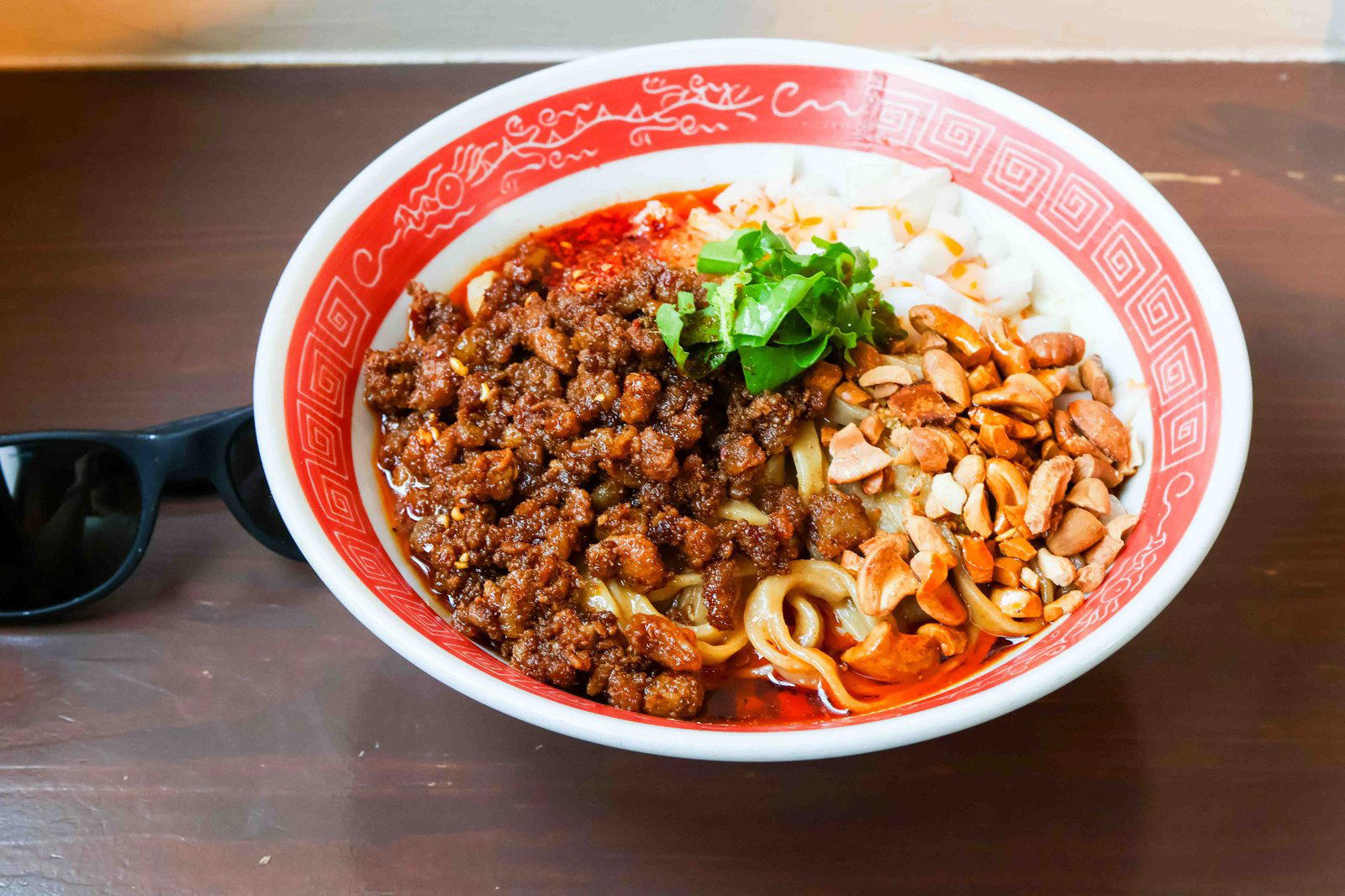
The menu
What to order
- Soupless tantanmen
- Dandan soba
- Mazesoba
Uji and the Weight of Tea Country
Most diners who make the forty-minute train ride south from Kyoto to Uji arrive thinking about matcha. They should also start thinking about where they will eat. Uji is one of Japan's oldest tea-producing regions, with cultivation records stretching back to the twelfth century, and that agricultural heritage has quietly shaped a local food culture that rewards close attention. The city sits between the Uji River and the forested hills of southern Kyoto Prefecture, and its ingredient identity, anchored in green tea, river fish, and the produce of the surrounding basin, gives its restaurants a specificity that larger cities often dilute. Seiko Udoku is one of the establishments working within that framework.
Uji's dining scene occupies a different position from Kyoto's celebrated kaiseki corridor or Osaka's dense concentration of Michelin-recognised counters like HAJIME. The city is small enough that restaurants here tend to carry a neighbourhood weight, serving a community with deep ties to the land rather than performing for an international audience. That context changes what a meal means. For further orientation on where Seiko Udoku fits within the local options, our full Uji restaurants guide maps the broader scene.
A City Shaped by a Single Ingredient
To understand any serious restaurant in Uji is to understand what matcha has done to the region's culinary thinking. The cultivation of tencha, the shade-grown tea leaf that becomes matcha after milling, demands exacting agricultural discipline: precise shading schedules, careful harvest timing, and a sensitivity to microclimate that farmers in the Uji hills have spent generations refining. That discipline seeps into the broader food culture. Restaurants in the area, at their most considered, treat seasonality not as a menu concept but as an operational constraint. The kitchen is upstream from the garden, not downstream from a supplier catalogue.
This places Uji's better restaurants in an interesting comparative position relative to the kaiseki houses of Kyoto, where tradition and technique are codified and the seasonal calendar is performed with ceremonial precision. Venues like Gion Sasaki in Kyoto represent that highly formalised end of Japanese seasonal dining. Uji's version is less theatrical and more grounded, with ingredient provenance doing more of the communicative work. Seiko Udoku operates in that local register.
Where Seiko Udoku Sits in the Region
The Kansai region's premium dining tier is dense with recognised names. Alongside HAJIME in Osaka, the area includes highly awarded kaiseki counters, inventive Franco-Japanese crossovers, and the kind of rigorous sushi omakase that Tokyo visitors now make lateral trips to experience. Harutaka in Tokyo and the considered Japanese fine dining represented by akordu in Nara suggest how broad the regional culinary conversation has become. Within that geography, Uji occupies a quieter frequency. It is not trying to compete with Kyoto's restaurant density or Osaka's range; it is doing something more localised and, at its finest, more honest about what the land actually produces.
Seiko Udoku, based on its positioning in that town, belongs to a cohort of Japanese restaurants where the city's own agricultural and cultural identity is the primary reference point, rather than imported technique or metropolitan prestige. That is a meaningful distinction in a country where culinary lineage and regional specificity carry significant weight with serious diners.
The Japanese Restaurant Outside the Major Cities
Japan's recognised dining culture concentrates in Tokyo, Osaka, and Kyoto, and diners accustomed to seeking out venues like Goh in Fukuoka or destination counters in secondary cities already understand that significant cooking happens outside the metropolitan core. The pattern across Japan's smaller cities and towns, whether in Nanao as seen at 一本木 長川製, in Sapporo at 太古代山乃, or in the lake district around Takashima at 湖邊庄, is consistent: regional identity and ingredient access often produce cooking that is less formatted and more direct than equivalent city restaurants, where audience expectations and media attention can push kitchens toward performance.
Uji fits that pattern, with the added advantage of a single dominant ingredient, green tea, that has shaped the local palate and pantry for centuries. The restaurants worth visiting here tend to treat that heritage with literacy rather than gimmick. The difference between a restaurant that uses matcha as a flavouring across a dessert menu and one that builds from the agricultural logic of the Uji hills is considerable, and it is a useful filter when choosing where to eat in the city. Other regional options nearby, including Restaurant MariBeau, add further dimension to the Uji dining picture for visitors planning more than one meal.
Approaching a Meal at Seiko Udoku
The broader context of Japanese seasonal dining, from the rigorous kaiseki format to the more informal kyodo ryori tradition of regional home cooking, provides the frame through which a restaurant in Uji is leading understood. Japanese dining culture places high value on the integrity of seasonal transition, on the moment when one ingredient yields to the next, and on the cook's ability to respond to that shift without forcing it. This is a different operating philosophy from the tasting-menu model familiar to diners who follow venues like Le Bernardin in New York City or the Korean-American fine dining of Atomix, where the menu is a composed, stable document. In Uji, the expectation is that the kitchen follows the land, not the other way around.
Japanese restaurants of this type, particularly in smaller cities and towns, frequently operate on reservation-only formats with limited seatings and limited English-language booking infrastructure. Cross-referencing with venues in similar regional formats, such as 奥羽屋 in Nishikawa Machi, suggests that reservation lead times and seasonal closures are standard considerations in this tier of Japanese regional dining.
Frequently asked questions
Is Seiko Udoku worth visiting as a day trip from Kyoto?
Uji sits roughly forty minutes south of Kyoto by train, making it a practical half-day or full-day destination rather than a standalone trip. The city's temple circuit, including Byodoin, a UNESCO World Heritage site, and its tea farms give a meal at a local restaurant like Seiko Udoku a clear itinerary anchor. Pairing the meal with a walk through the tea-growing districts north of the Uji River adds the kind of regional context that changes how the food reads on the plate.
What's the best thing to order at Seiko Udoku?
Uji's culinary identity is anchored in green tea agriculture and river produce, and the most coherent dishes at restaurants in this region reflect both. Seiko Udoku sits within that tradition, making dishes that draw on locally cultivated tencha and the freshwater catch the Uji River has supplied to Kansai kitchens for centuries.
Should I book Seiko Udoku in advance?
Uji is a small city, and its better restaurants typically run with limited covers. Reservation-only formats are common across Japan's regional dining culture, particularly in towns where tourist traffic peaks around temple and tea-site visits.
What do critics highlight about Seiko Udoku?
The restaurant operates in a region with significant culinary context, Uji sits within the Kansai tier that includes Michelin-recognised counters in Kyoto and Osaka, but its own documented recognition has not been publicly catalogued here. Diners researching the broader Uji dining scene will find that regional reputation in Japan often precedes formal award listings.
What if I have allergies at Seiko Udoku?
In Japan's regional restaurant culture, particularly in smaller cities like Uji, allergy communication is most reliably handled through advance written notice, ideally in Japanese. If booking through a hotel concierge or local agent, request that dietary requirements are communicated at the time of reservation.
Price and Positioning
| Venue | Cuisine | Price | Awards | Notes |
|---|---|---|---|---|
| Seiko UdokuThis venue (the venue you are viewing) | Soupless Tantanmen Ramen | $10–20 | Tabelog 100 #19 | Not listed |
| HAJIME | Avant-Garde Japanese Fine Dining | $300–500 | 3 Michelin Stars · World's 50 Best #83 | French, Innovative |
| Harutaka | Edo-Style Omakase Sushi | $200–300 | 3 Michelin Stars · World's 50 Best #76 | Sushi |
| L'Effervescence | Modern French with Japanese Influences | $200–300 | 3 Michelin Stars · World's 50 Best #69 | French |
| RyuGin | Modern Kaiseki | $500+ | 3 Michelin Stars · World's 50 Best #41 | Kaiseki, Japanese |
| Crony | Modern French with Japanese Influences | $150–200 | 2 Michelin Stars · World's 50 Best #34 | Innovative, French |
Recognition history
Dated appearances from independent guides and award organizations, with the underlying list record or original source where available.
Tabelog 100 #19 · No. 19
Tabelog · Tabelog 100 - Ramen - WEST - 2025
Continue exploring
More in Uji
Restaurants in Uji
All restaurants in Uji →
Bars in Uji
Browse all →

Hotels in Uji
Browse all →

Wineries in Uji
Browse all →
Details
- Rustic
- Quiet
- Solo
- Casual Hangout
- Chefs Counter
- Open Kitchen
- Natural Wine
- Counter Dining
- A La Carte
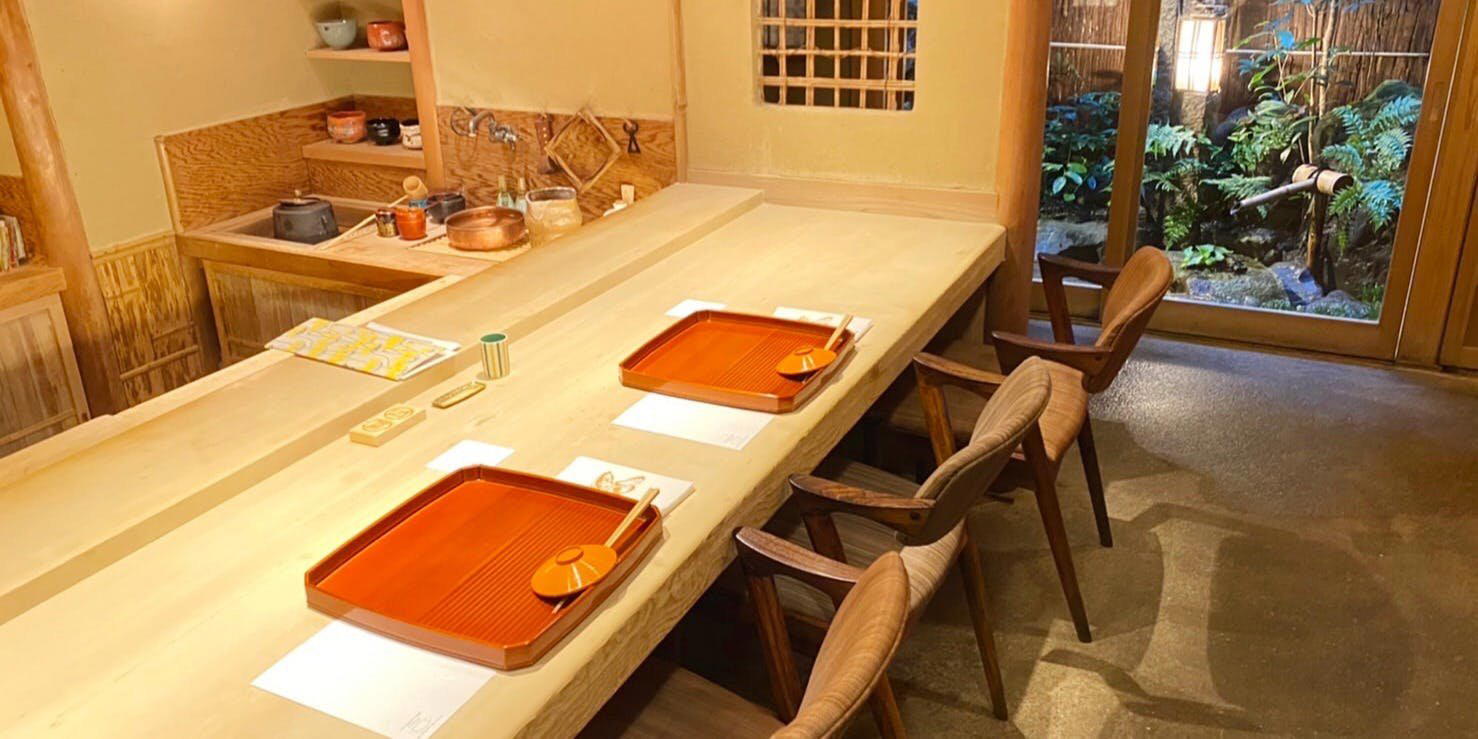
Minimalist counter seating with a focus on the craft; intimate and quiet atmosphere emphasizing the noodle-making process.