

Tabelog Bronze #361
Our verdict
Restaurant La FinS belongs to Tokyo’s small-format French tier, where counter intimacy, high prices, and long-running local recognition matter more than spectacle. In Shinbashi, the restaurant’s six-seat format, French category, Tabelog Award Bronze history, and fish-focused kitchen place it in a serious dining bracket rather than the casual after-work rhythm around the station.

Pearl is the En Primeur Club membership app, where members save venues, book tables and use the concierge.
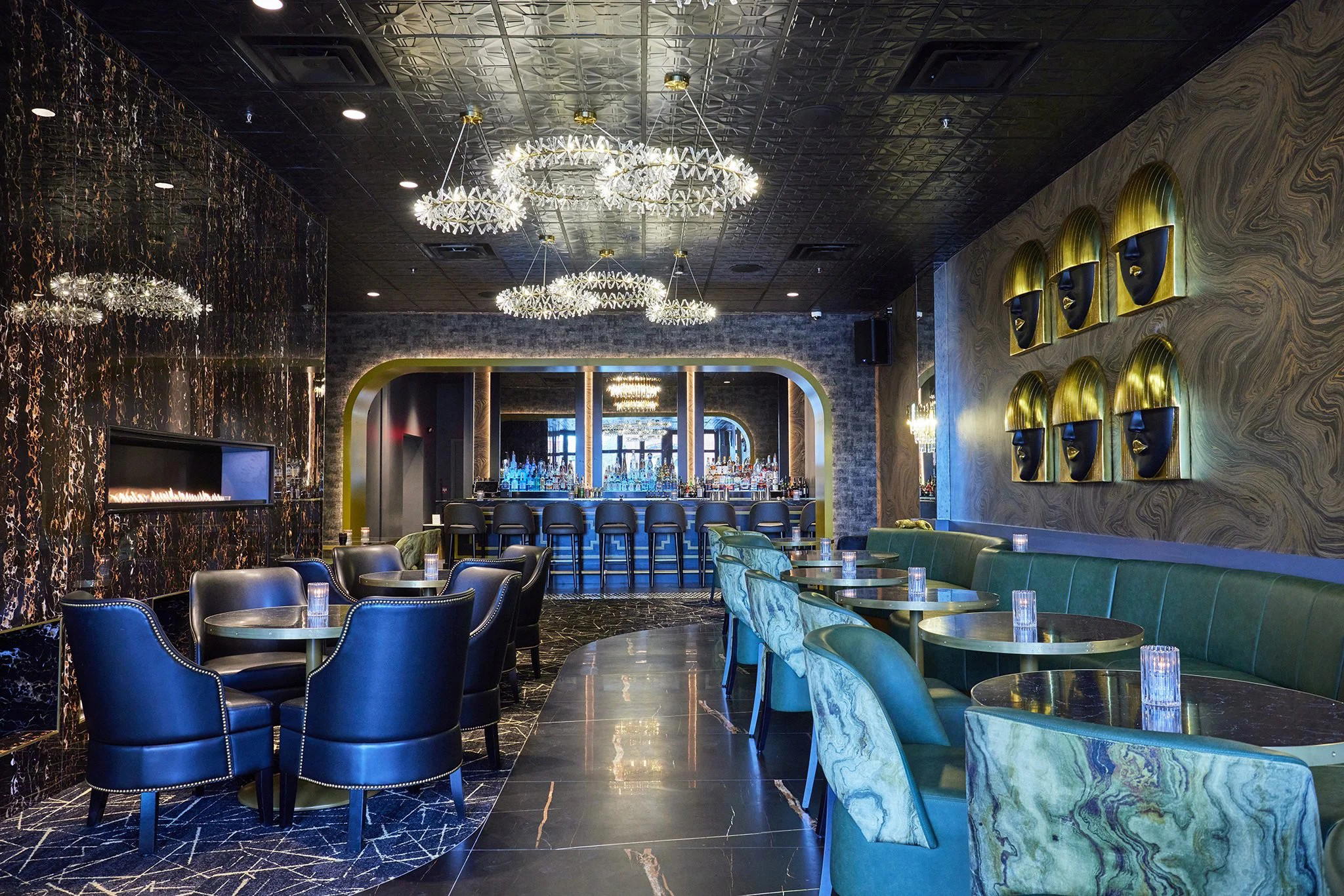
Shinbashi is usually read through street-level noise: salarymen at station exits, grilled smoke, beer signs, and fast-turnover places built for the workday’s end. Restaurant La FinS asks for a slower pace. Its address drops below ground in the Shimbashi Plaza Building, and that basement matters: Tokyo’s serious dining rooms often step away from the street, using quiet entrances, small counters, and controlled rooms to separate dinner from neighbourhood momentum.
That contrast is the point. Tokyo French spans grand hotel dining, Ginza formality, casual bistronomy, and a smaller, more expensive class of chef-led rooms where seat count shapes the meal as much as cooking. La FinS sits in that last group. Its six seats create a narrow field of attention, closer in discipline to a sushi counter than old white-tablecloth French. For travellers comparing citywide dinners, this is not broad-access advice but a deliberate, high-cost choice for Tokyo French at concentrated scale.
A six-seat French counter in a neighbourhood built for speed
Shinbashi’s culinary identity is democratic: yakitori, izakaya, curry, ramen, standing bars, and restaurants feeding office workers quickly before the last train. A six-seat French restaurant here is not contradiction but Tokyo pattern. The city often hides expensive, reservation-only dining inside office districts rather than luxury shopping zones. La FinS uses that geography: the neighbourhood supplies grit, while the dining room narrows the evening to a controlled sequence.
The kitchen is listed as French, but Tokyo changes the label. In Japan, French dining has long absorbed local seasonality, seafood precision, and counter-service choreography. A listing focused on fish and wine places La FinS inside familiar Tokyo-French grammar: classical technique, Japanese product sensitivity, and timing over theatre. Tiny capacity changes the social register too: dining as concentration, not celebration by volume.
The price confirms the category. Dinner sits at JPY 60,000 to JPY 79,999 before service charge and tax, separating La FinS from neighbourhood French and lower-cost Tokyo comparisons. Mitsumasa, Jo Kigen, Umezu, and Ganesha occupy far lower published price bands, reminders that Shinbashi and greater Tokyo serve different budgets within a short urban radius. La FinS competes in the city’s premium tasting-room economy, not the everyday market.
Recognition supports that placement. The restaurant holds Tabelog Award Bronze recognition in 2026, with repeated Bronze recognition across previous years, and appears in the Tabelog 100 French Tokyo selection for 2025, 2023, and 2021. Opinionated About Dining also lists it among its 2026 Japan recommendations. In Tokyo, where small restaurants can be hard to read from outside, repeat local recognition signals relevance beyond opening-year curiosity.
What the format tells you before the first course
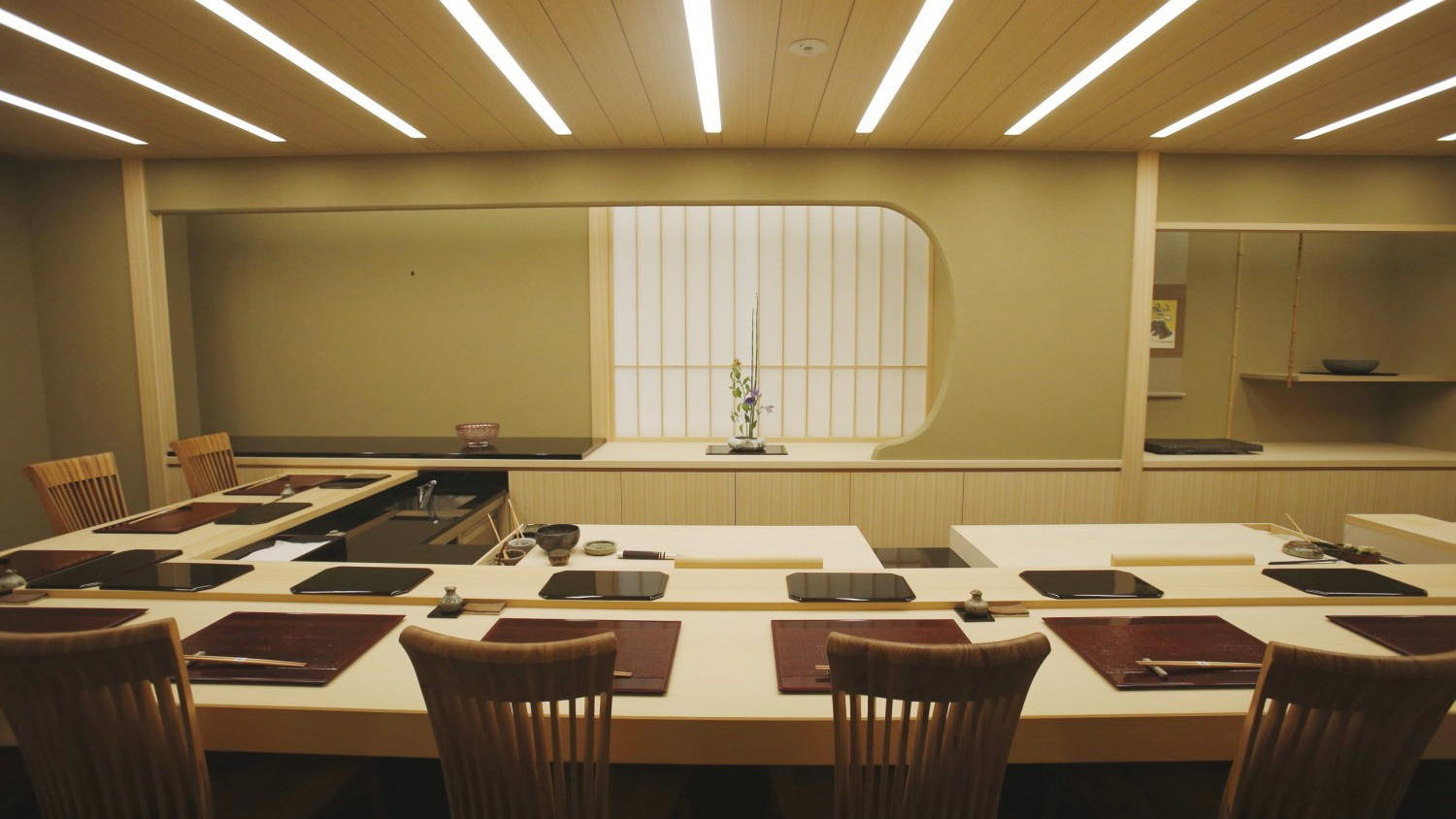
The sensory logic begins with scale. Six seats mean low room noise, little anonymity, and proximity-shaped dining. The counter format changes how French technique lands in Tokyo: sauces, fish handling, glassware, plating rhythm, and temperature control become visible rather than hidden behind a swinging kitchen door. The restaurant’s published description mentions deconstruction and reconstruction through creative interpretation, but the safer reading is structural: expect a composed French meal filtered through Tokyo’s precision and restraint.
That restraint separates La FinS from more theatrical fine dining. Tokyo has many rooms using luxury ingredients, long menus, and choreographed reveals. The stronger argument here is compression. Six seats, a late-evening service window, and a high dinner band create a room where every decision carries weight. At this tier, excess becomes fatigue; the best small Tokyo counters succeed by editing as much as embellishing. La FinS belongs in that conversation.
Chef Keizo Sugimoto is named in the OAD listing, but biography is less useful than context. Tokyo French has produced restaurants where the chef is less celebrity performer than custodian of hybrid craft: French structure, Japanese sourcing habits, and an audience expecting technical exactness. La FinS fits that model. Its longevity since opening in 2012 is another Tokyo signal: survival through changing reservation habits, rising ingredient costs, and a dining public quick to pursue novelty.
For readers building a wider Tokyo itinerary, this differs from the casual sweep of . 鮪と炭火焼き うお炭 秋葉原店, 12/10 Shinjuku ten, 124. KAGURAZAKA (Yakitori), 2D Cafe, or 3 Chome no Curry Ya San. Those names map other parts of the city’s appetite; La FinS is for the narrow end, where budget, time, and attention are committed in advance.
Planning the evening around Shinbashi, not against it
The practical decision is simple: make dinner the night’s anchor, not one stop among several. Service runs in the evening, the room is tiny, and last order is early relative to closing. Reservations are required, phone reservations are handled during daytime business hours, and a cancellation fee applies from the day before, standard for small, expensive rooms that cannot easily absorb empty seats.
The restaurant accepts major credit cards; electronic money and QR code payments are not accepted. A 15 percent service charge and 10 percent consumption tax apply. Private rooms are available for four people for a fee, and children or pets require a private room with an additional JPY 12,000 charge. The detail explains the operating logic: the public dining space is built for quiet concentration, while family or pet arrangements are separated into a controlled setting.
Shinbashi Station is close enough to pair dinner with a hotel elsewhere in central Tokyo, but the neighbourhood rewards arriving early enough to read the contrast. The station area supplies everyday Tokyo in high volume; the basement dining room supplies the city’s other face: expensive, small, and exacting. For broader planning, use Our full Tokyo restaurants guide alongside Our full Tokyo hotels guide, Our full Tokyo bars guide, Our full Tokyo wineries guide, and Our full Tokyo experiences guide.
Travellers extending beyond Tokyo can compare Japan’s regional dining registers at -Grilled beef Sukiyaki- KAMAKURA TANUKIAN 鎌倉 たぬき庵 in Kamakura.cafe in Osaka.know in Kumamoto, (Shoku) Vietnam in Kawasaki, [Curry Senmon Ten] Maruyama Kyoju. in Sapporo, and [ki:] in Kyoto. For a transpacific sake-and-casual counterpoint, Jōdo Saké Bar in Los Angeles and Onigiri Time in Pasadena show how Japanese dining codes travel and loosen outside Japan.
Frequently asked questions
Is Restaurant La FinS good for families?
Yes. The restaurant welcomes children, and private rooms are available for 4 people, though a private-room fee of 12,000 yen applies when bringing children or pets. It is a six-seat room in Shinbashi, so the setting suits families who can keep the evening calm.
Is Restaurant La FinS formal or casual?
It reads as formal rather than casual. Restaurant La FinS runs a reservation-only service, charges a 15% service fee plus 10% consumption tax, and operates as a six-seat French counter in Tokyo’s Shinbashi district.
What are the opening hours for Restaurant La FinS?
Hours at Restaurant La FinS: Tue, Wed, Thu, Fri 18:00 - 00:00 L.O. 19:00.
Where exactly is Restaurant La FinS?
Restaurant La FinS is located in Tokyo. B1F, Tokyo.
Peers You’d Cross-Shop
Comparable venues for orientation by cuisine and category.
| Venue | Cuisine | Price | Awards | Notes |
|---|---|---|---|---|
| Restaurant La FinSThis venue (the venue you are viewing) | Modern French Fine Dining | $150–200 | Tabelog Bronze #361 | Not listed |
| Mitsumasa | Traditional Japanese Yakitori and Motsuyaki | $30–50 | Tabelog 100 #90 | JPY 5,000 - JPY 5,999 |
| Jo Kigen | Standing Japanese sake & seafood bar | $20–30 | Tabelog 100 #29 | JPY 2,000 - JPY 2,999 |
| Umezu | Japanese Izakaya | $20–30 | Tabelog 100 #10 | JPY 8,000 - JPY 9,999 |
| Ganesha | Sapporo-style soup curry | $10–20 | Tabelog 100 #93 | JPY 1,000 - JPY 1,999 JPY 1,000 - JPY 1,999 |
| 新ばし 星野 | Traditional Japanese Kaiseki | $300–500 | Not listed | Not listed |
Recognition history
Dated appearances from independent guides and award organizations, with the underlying list record or original source where available.
Opinionated About Dining Top Restaurants in Japan Recommended
Opinionated About Dining
Tabelog Bronze #361
Tabelog
Full recognition history (4 entries)
Tabelog 100 #24 · No. 24
Tabelog · Tabelog 100 - French - TOKYO - 2025
Tabelog Bronze
Tabelog
Continue exploring
More in Tokyo
Restaurants in Tokyo
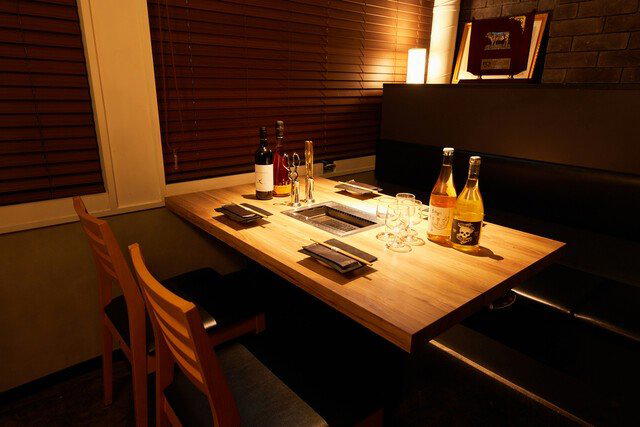
All restaurants in Tokyo →

Bars in Tokyo
All bars in Tokyo →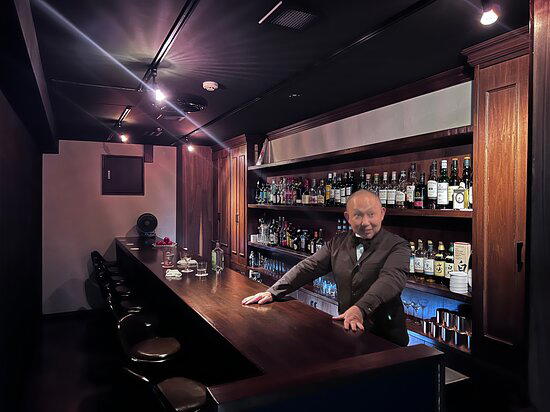

Restaurant La FinS
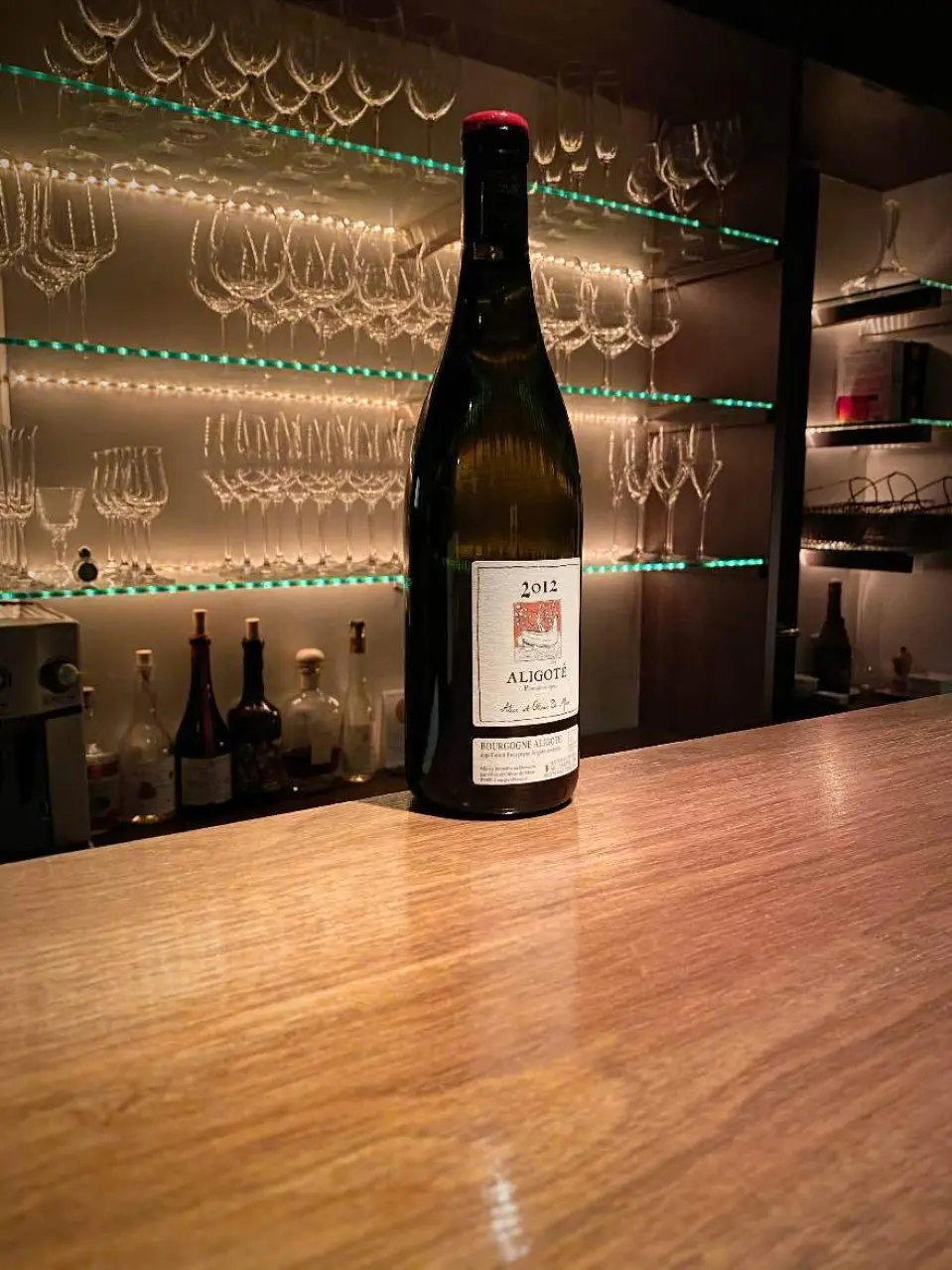
The wine
- Wine program
- Deep wine list
- Extensive wine list
Details
- Elegant
- Sophisticated
- Intimate
- Quiet
- Date Night
- Special Occasion
- Extensive Wine List
- Tasting Menu
- Wine
Current opening hours
- Monday
- Closed
- Tuesday
- 6–8 PM
- Wednesday
- 6–8 PM
- Thursday
- 6–8 PM
- Friday
- 6–8 PM
- Saturday
- 6–8 PM
- Sunday
- Closed
Hours can change for holidays and private events. Last verified .
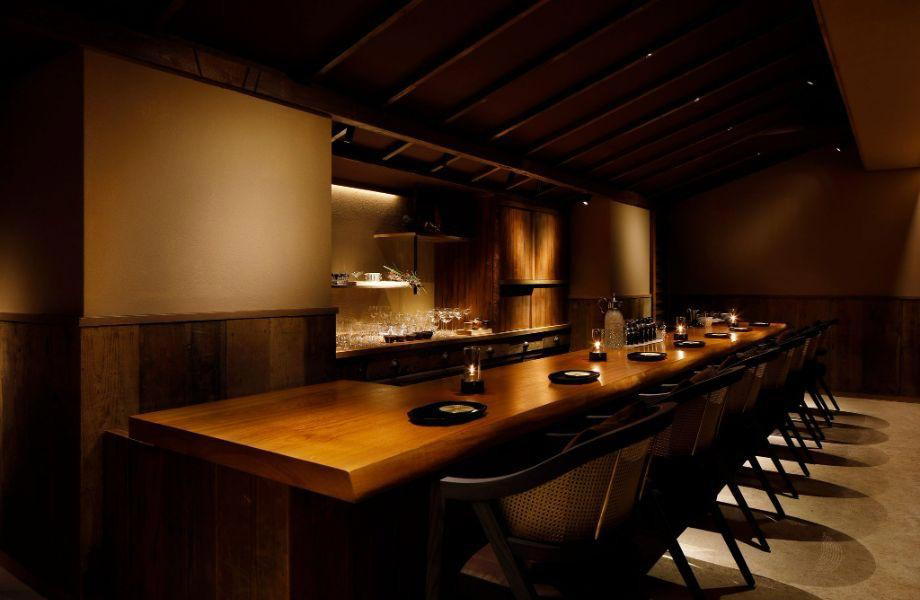
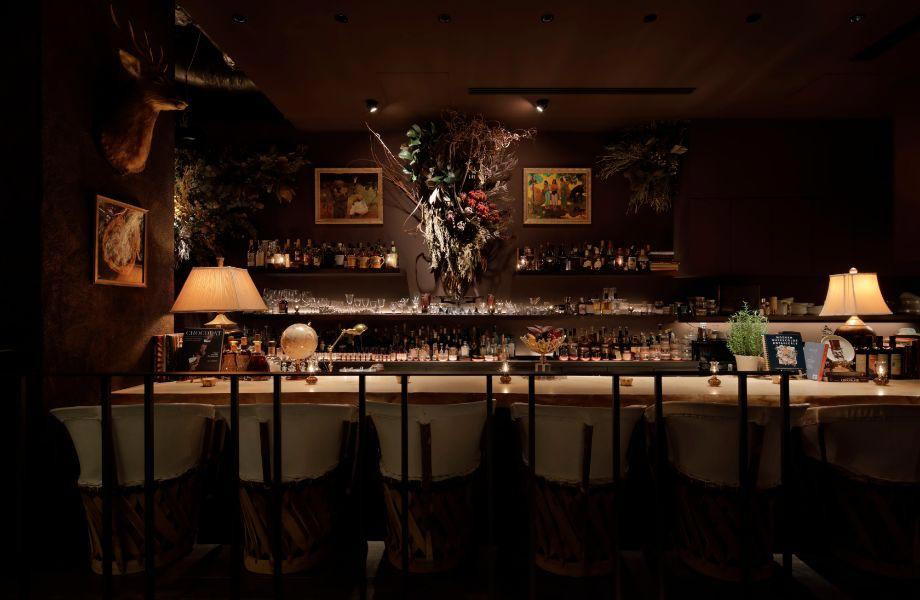
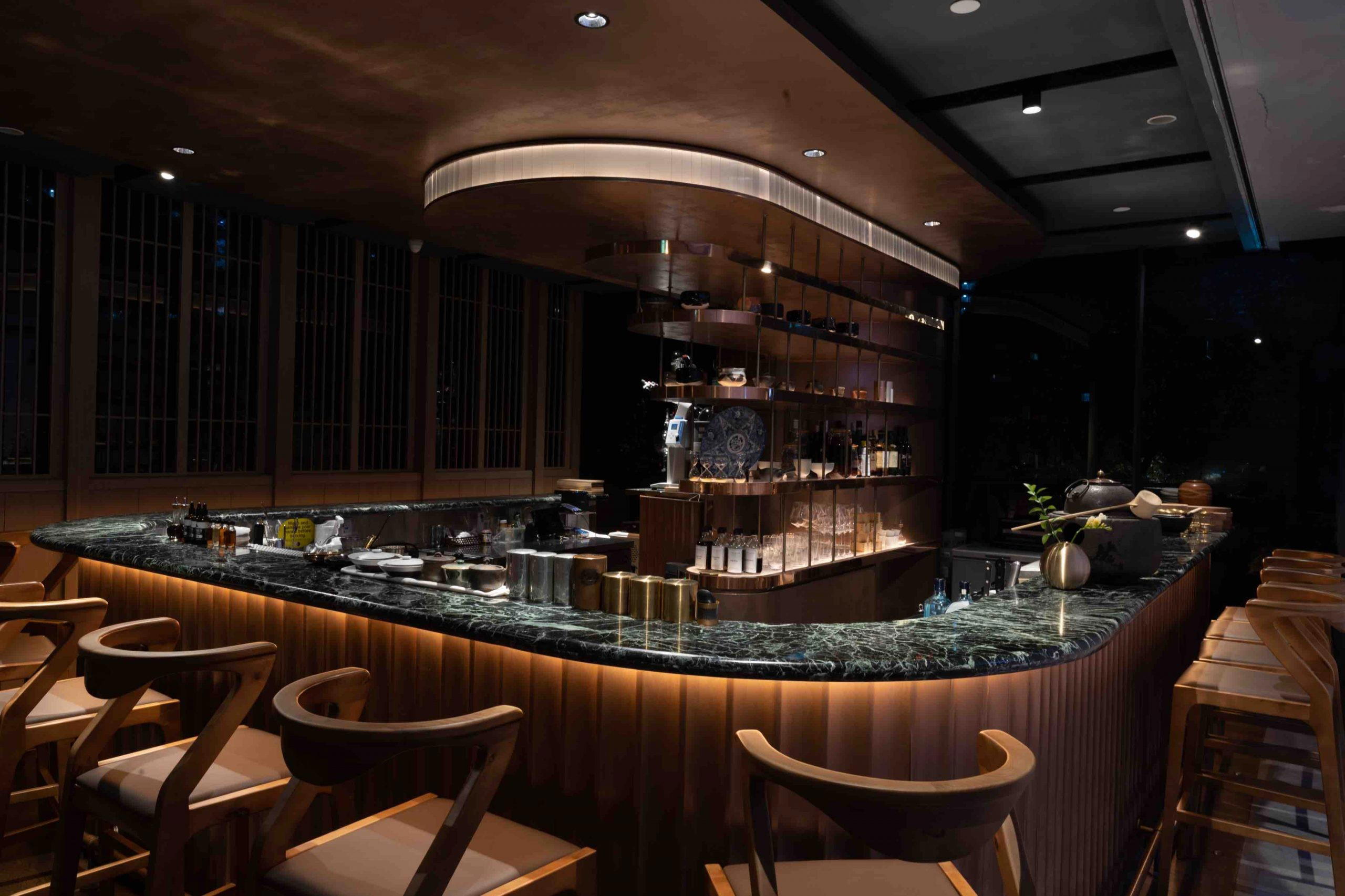
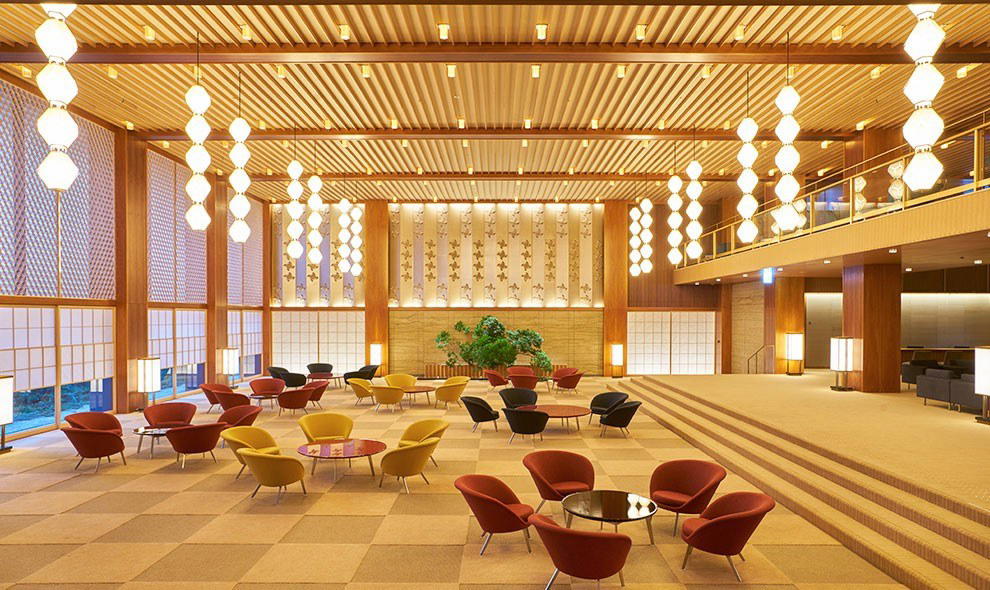
Serene and elegant basement space with handmade lighting, sofas, and stylish crockery, offering a quiet escape with harmonious curves and straight lines.