On Causeway Bay's Caroline Hill Road, Ramen Jo occupies a distinct position in Hong Kong's ramen scene, a city where Japanese noodle culture has taken serious root alongside its Cantonese traditions. Where many ramen shops in the city default to crowd-pleasing tonkotsu, Ramen Jo draws repeat visitors through focused menu architecture and a neighbourhood address that rewards those who seek it out.
Pearl is the En Primeur Club membership app — saves, bookings, and concierge access live there. Same editors, same standards.
- Address
- 3 Caroline Hill Rd, Causeway Bay, Hong Kong
- Phone
- +85228850638
- Website
- facebook.com
- Directions
- Get directions
 Saves & bookings on Pearl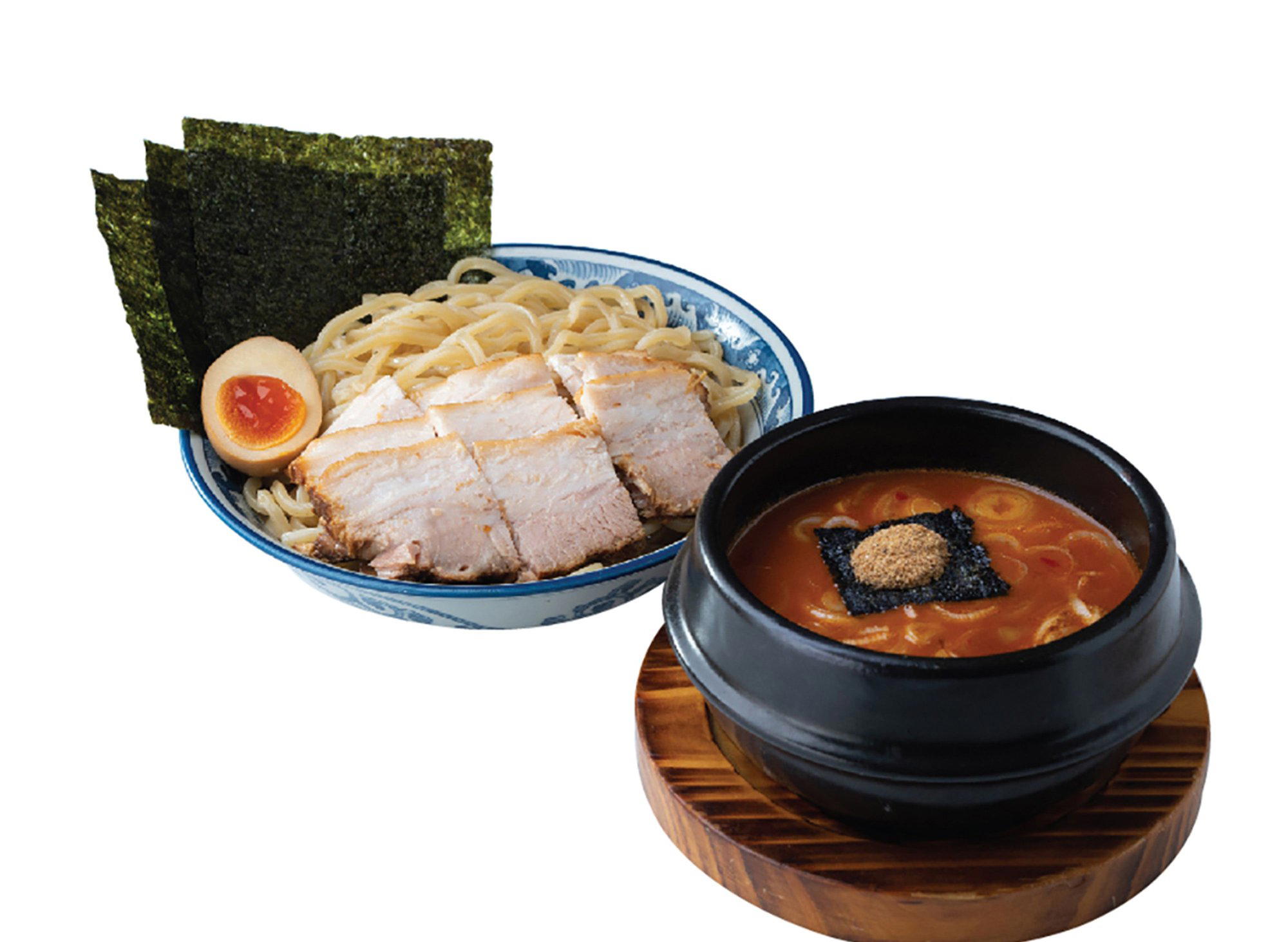
Caroline Hill Road and the Ramen Question in Hong Kong
Causeway Bay is the kind of district that tests a restaurant's focus. The neighbourhood runs hot on foot traffic, Cantonese roast shops, Japanese imports, and fast-moving trends. Against that backdrop, the more durable ramen addresses on Hong Kong Island tend to be the ones that resist expanding their menus in every direction. They pick a broth philosophy and stay with it. It sits in that part of Causeway Bay where the commercial density thins slightly, close enough to the main drag to draw walk-ins, far enough to filter for intent.
Hong Kong's relationship with Japanese ramen is layered. The city absorbed Japanese food culture across decades, and by the time serious ramen arrived as a category in its own right, diners here already had well-formed opinions. They knew the difference between a tonkotsu built on hours of pork bone reduction and one assembled from concentrate. That baseline literacy shapes what Causeway Bay's ramen spots have to compete on: not novelty, but execution and internal coherence.
What the Menu Architecture Tells You
One revealing thing about any ramen shop is not its signature bowl, it is the logic connecting everything else on the menu to that bowl. A kitchen confident in its broth tends to keep the supporting cast disciplined: a small number of toppings offered in deliberate combinations, rice or gyoza on the side, nothing that pulls focus away from the noodle work at the centre. When a ramen menu sprawls into donburi, elaborate appetisers, and a dozen broth variants, it is usually a signal that the kitchen is hedging rather than committing.
Ramen Jo's address on Caroline Hill Road places it within a competitive set that includes both standalone Japanese specialists and the broader cluster of Causeway Bay dining options pulling at the same lunch and dinner occasions. In a city where formal restaurant experiences at properties like Amber or Caprice occupy one end of the spectrum, and neighbourhood staples occupy the other, ramen shops function as a specific middle register: casual in format, but with enough craft investment to draw regulars who care about consistency rather than occasion.
That middle register is where menu discipline matters most. At the high end, a tasting menu at Ta Vie or 8 1/2 Otto e Mezzo Bombana structures the meal for the diner. At the ramen counter, the diner makes a small number of decisions, broth, noodle gauge, richness level, toppings, and the kitchen's job is to make each of those decisions feel worthwhile. The menu is essentially a tasting format compressed into a single bowl, with every element in service of the broth.
Ramen in a City Built on Broth
It is worth sitting with the fact that Hong Kong is a city with one of the world's most sophisticated broth cultures already in place. Cantonese soups, slow-cooked, herbal, sometimes spanning an entire day of preparation, set a high baseline expectation for what liquid should do in a meal. That context does not make ramen harder to sell in Hong Kong; if anything, it raises the floor. Diners here do not need to be educated about the value of a properly built broth. They can tell when corners have been cut.
That dynamic benefits the more focused ramen operators and creates pressure on the ones that treat broth as background. It also explains why some of the more credible ramen addresses in Hong Kong tend to be quieter about their offer, they are talking to diners who already understand the category, not converting newcomers. The Forum in Causeway Bay represents the same principle applied to Cantonese cooking: depth of execution communicated through the food rather than the room.
Hong Kong's wider dining geography reinforces this picture. From the Former Jumbo Floating Restaurant in Aberdeen to Lei Garden in Sha Tin, the city rewards specificity. Neighbourhood spots like Coconut Soup in Yau Tsim Mong, King of Soybeans in Wong Tai Sin, and Hoi Tin Garden in Tuen Mun each hold their ground through focus rather than breadth. Ramen Jo belongs to the same logic: a single-category address doing one thing with enough attention to make regulars out of first-timers.
How Causeway Bay Shapes the Visit
Caroline Hill Road is practical to reach. Causeway Bay MTR station puts the address within a ten-minute walk, with exits serving the eastern stretch of the neighbourhood. The surrounding streets hold a mix of Japanese restaurants, Hong Kong cha chaan tengs, and the kind of mid-range casual dining that makes Causeway Bay one of the city's most consistent eating districts at the everyday level. For visitors already navigating the neighbourhood for other reasons, Happy Valley, Victoria Park, the Sogo shopping corridor, the diversion to Caroline Hill Road is not a significant detour.
Timing, as with most ramen shops, matters more than advance planning. Lunch service in Causeway Bay tends to move fast; dinner is steadier. Walk-in viability depends on the hour. Coming in slightly before or after peak service windows is the practical move at this category of restaurant in Hong Kong, where the physical footprint rarely accommodates long queues in comfort. For the wider Hong Kong restaurant picture, EP Club's full Hong Kong restaurants guide maps the city's dining across districts and price tiers.
For further neighbourhood comparison, Gaia in Central and Western represents the Italian end of Hong Kong's European dining, while Habib's in Kwun Tong and I Love Istanbul in Tsuen Wan illustrate how the city's international flavour map extends well beyond Hong Kong Island. Further afield, One-ThirtyOne in Tai Po and Gangstas on the Islands show how dining ambition distributes across the New Territories. For reference across global ramen-adjacent craft, the precision of kitchens like Le Bernardin in New York City or the tasting format discipline at Atomix offer a useful frame for thinking about what focused menus can achieve at any price point.
The Short List
Comparable venues nearby, for context on price, style, and recognition.
| Venue | Cuisine | Price | Notes |
|---|---|---|---|
| Ramen JoThis venue — the venue you are viewing | Wan Chai, Authentic Japanese Ramen | $$ | Not listed |
| Sukiyaki Nakagawa | Causeway Bay, Kansai-Style Sukiyaki | $$$ | Not listed |
| Birdie | Central, Traditional Japanese Yakitori | $$$ | Not listed |
| Giando | Italian | Not listed | Not listed |
| Tokio Joe | Not listed | $$$ | Central, Modern Japanese Sushi and Omakase |
| BACI | Not listed | $$ | Lan Kwai Fong / Central, Italian Trattoria & Pizza |
Continue exploring
More in Hong Kong
Restaurants in Hong Kong
Browse all →
Bars in Hong Kong
Browse all →


At a Glance
- Cozy
- Casual Hangout
- Sake Program
Current opening hours
- Monday
- 12–3 PM, 6–10 PM
- Tuesday
- 12–3 PM, 6–10 PM
- Wednesday
- 12–3 PM, 6–10 PM
- Thursday
- 12–3 PM, 6–10 PM
- Friday
- 12–3 PM, 6–10 PM
- Saturday
- 12–10 PM
- Sunday
- 12–10 PM
Hours can change for holidays and private events. Last verified .
Cosy little joint in a quiet street with clean and comfortable Japanese traditional ramen shop atmosphere.