Tokio Joe occupies a well-worn corner of Lan Kwai Fong, Central's most concentrated stretch of after-dark dining, where Japanese-inflected cooking meets the cosmopolitan appetite Hong Kong has long expected from that address. The room draws a mix of after-work regulars and neighbourhood explorers drawn to the intersection of precision technique and accessible format that defines the strip's more enduring survivors.
Pearl is the En Primeur Club membership app — saves, bookings, and concierge access live there. Same editors, same standards.
- Address
- 16 Lan Kwai Fong, Central, Hong Kong
- Phone
- +852 2525 1889
- Website
- lkfconcepts.com
- Directions
- Get directions
 Saves & bookings on Pearl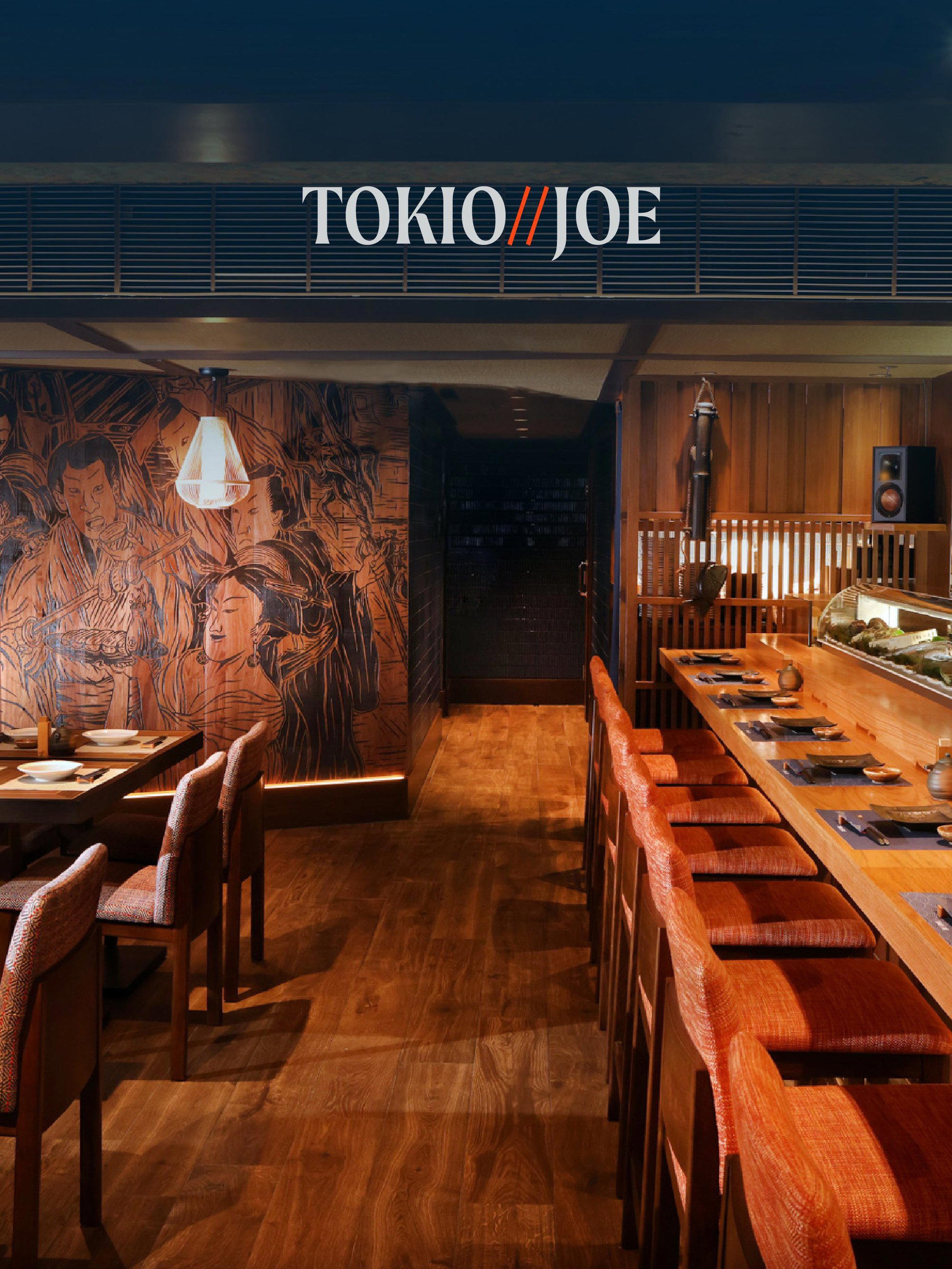
Lan Kwai Fong After Dark: What the Address Means
Lan Kwai Fong is not a quiet street. The narrow lane running uphill from D'Aguilar Street in Central has been Hong Kong's most concentrated after-dark corridor for decades, the kind of address where a restaurant must hold its own against considerable noise, foot traffic, and competition from every price bracket. Venues that endure here do so because they offer something the neighbourhood's regulars return for, not because the location flatters them. Tokio Joe sits at number 16, embedded in that dense stretch, and the approach to the room carries the full Lan Kwai Fong atmosphere: crowds spilling onto the pavement, the smell of grilled food drifting past the entrance, the particular energy of Central at the end of a working day.
That context matters for understanding what this part of Hong Kong rewards. Central's dining scene has bifurcated sharply over the past decade. At one end sit the formal French and Italian rooms, Caprice at the Four Seasons, 8½ Otto e Mezzo Bombana a short walk away, that serve the expense-account tier. At the other end, Lan Kwai Fong has always operated as something more democratic, a place where the same block holds a wine bar, a Japanese counter, and a Thai canteen within metres of each other. Tokio Joe belongs to the latter tradition: a room that feeds the neighbourhood rather than performs for it.
The Logic of Japanese Cooking in a Cantonese City
Hong Kong's relationship with Japanese cuisine runs deeper than most outside visitors recognise. The city has among the more sophisticated Japanese dining scenes outside Japan itself, supported by a population that travels frequently to Tokyo, Osaka, and Kyoto, demands quality ingredient sourcing, and has grown up with Japanese food as a default reference point for freshness and precision. That audience is not forgiving of approximation.
What has emerged from this dynamic is a category of Japanese-inflected venues that operate neither as strict traditionalists nor as fusion experimenters, but as practitioners of technique applied to local circumstance. The editorial angle here is less about any single dish and more about what happens when Japanese discipline meets Hong Kong's own ingredients and appetite. The city's wet markets supply produce that would be unremarkable in Tokyo but arrives here via supply chains shaped by Cantonese cooking logic, live seafood, seasonal vegetables from the New Territories, pork from the mainland. When Japanese technique is applied to that material, the result occupies a category distinct from what you would find in either culinary tradition alone. For a sharper illustration of how that hybrid framework can reach formal heights, Ta Vie offers the $$$$-bracket version of exactly this synthesis, with Japanese-French cooking executed at Michelin level. Tokio Joe operates in a more accessible register within the same broader tradition.
The comparison with Amber at the Landmark Mandarin is instructive in a different way. Amber's French contemporary kitchen applies classical technique to Asian ingredients with considerable formality and a tasting menu format. The gap between that approach and what Lan Kwai Fong restaurants offer is partly about price and format, but also about intent, the Fong, as locals abbreviate it, has always skewed toward the convivial rather than the ceremonial.
What the Room Does Well
Japanese restaurants in Hong Kong's middle tier compete on a few specific axes: the quality of their fish sourcing, the consistency of their rice and seasoning, and the ability to serve volume without degrading precision. The city's proximity to Tsukiji's successor at Toyosu, combined with direct air freight, means that the gap between ingredient quality in Tokyo and Hong Kong has narrowed considerably over the past fifteen years. A restaurant on Lan Kwai Fong drawing on that supply chain is working with materially different raw ingredients than its counterpart in a mid-tier European city would be.
The Fong's long-standing residents have learned to deliver Japanese formats, grilled robata items, sashimi, izakaya-style sharing plates, to a crowd that includes both Japanese expatriates with high baseline expectations and Hong Kong locals who approach Japanese food as comfort eating rather than occasion dining. Threading that needle requires a kitchen that can move quickly and maintain quality under pressure. It is a different skill set from the one required at a ten-seat omakase counter, and it is undervalued by critics who cover only the formal end of the spectrum.
For a point of comparison further down the casual spectrum, Le Salon de Thé de Joël Robuchon in the ifc mall represents the imported European name applied to a café format, a different kind of global-local translation, and one that reveals how many registers this city operates across simultaneously. Central alone spans that entire range within walking distance.
How Tokio Joe Fits the Broader Hong Kong Eating Map
Hong Kong dining is not confined to Central, and the city's most characterful eating often happens further out. Forum in Causeway Bay carries decades of Cantonese authority. AMMO in the same Central and Western district operates in a converted ammunition depot with a European menu oriented toward the arts crowd. Across the water in Kowloon, Block 18 Doggie's Noodle in Yau Tsim Mong serves the kind of wonton noodle that locals will cross the harbour for. Further out still, Lei Garden in Sha Tin and Hoi Tin Garden in Tuen Mun anchor a Cantonese tradition that predates the Lan Kwai Fong scene entirely. The Former Jumbo Floating Restaurant in Aberdeen is a reminder of how dramatically the city's dining mythology can shift within a generation.
What the restaurant represents in this map is the Central address doing what it has always done: absorbing global cooking formats and making them serviceable to a cosmopolitan, time-pressed, quality-conscious crowd. That is not a small achievement in a city where the competition for that audience is among the more intense in Asia. For a full picture of where this restaurant sits relative to Hong Kong's broader offering, the EP Club Hong Kong restaurants guide covers the full range across cuisine types, districts, and price points.
International comparisons are sometimes useful for calibrating what Hong Kong's middle-tier Japanese scene has achieved. Le Bernardin in New York City and Lazy Bear in San Francisco both demonstrate what happens when imported techniques are applied to local ingredients with serious intent at the formal end of the market. The same logic operates several tiers down, and it is at those lower price points that cities like Hong Kong produce interesting cross-cultural cooking, less deliberate, more pragmatic, and often more honest about what the city actually eats.
Planning Your Visit
The restaurant is at 16 Lan Kwai Fong in Central, which puts it in among the more accessible dining corridors in the city. Evenings on Lan Kwai Fong fill quickly from Thursday through Saturday, and the street's density means that a reservation, wherever one can be made, removes friction that is otherwise real. Dress is smart casual.
Awards and Standing
Comparable venues nearby, for context on price, style, and recognition.
| Venue | Cuisine | Price | Notes |
|---|---|---|---|
| Tokio JoeThis venue — the venue you are viewing | Modern Japanese Sushi and Omakase | $$$ | Not listed |
| Sushi Zinc | Contemporary Japanese–Italian Omakase | $$$ | Shau Kei Wan |
| Hanabi | Omakase Sushi | $$$ | Yau Tsim Mong South |
| Thomas & T’s | Japanese-French Omakase | $$$$ | Central |
| Sukiyaki Nakagawa | Kansai-Style Sukiyaki | $$$ | Causeway Bay |
| Torikaze | Omakase Yakitori Counter | $$$$ | Central |
Continue exploring
More in Hong Kong
Restaurants in Hong Kong
Browse all →
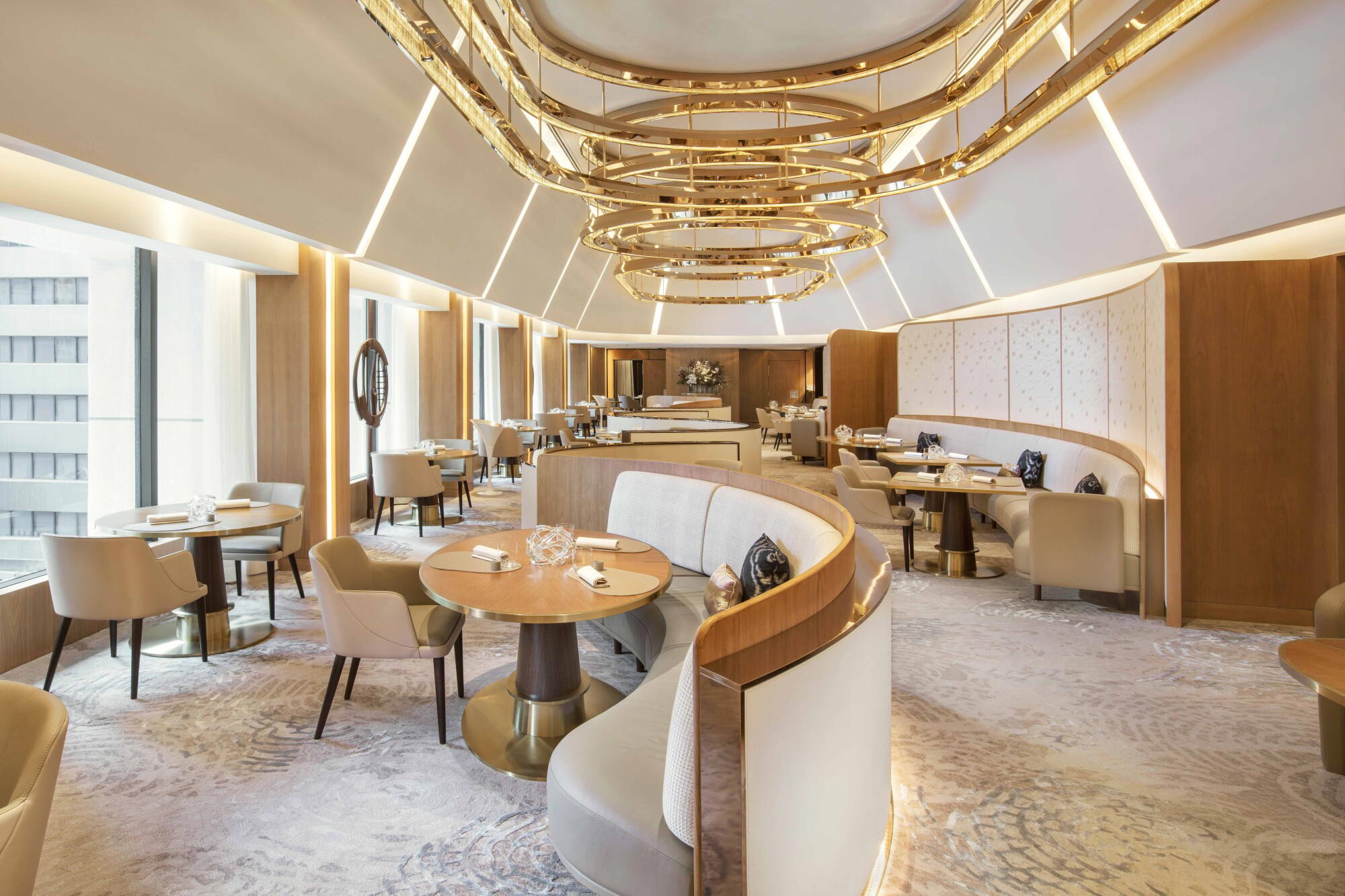
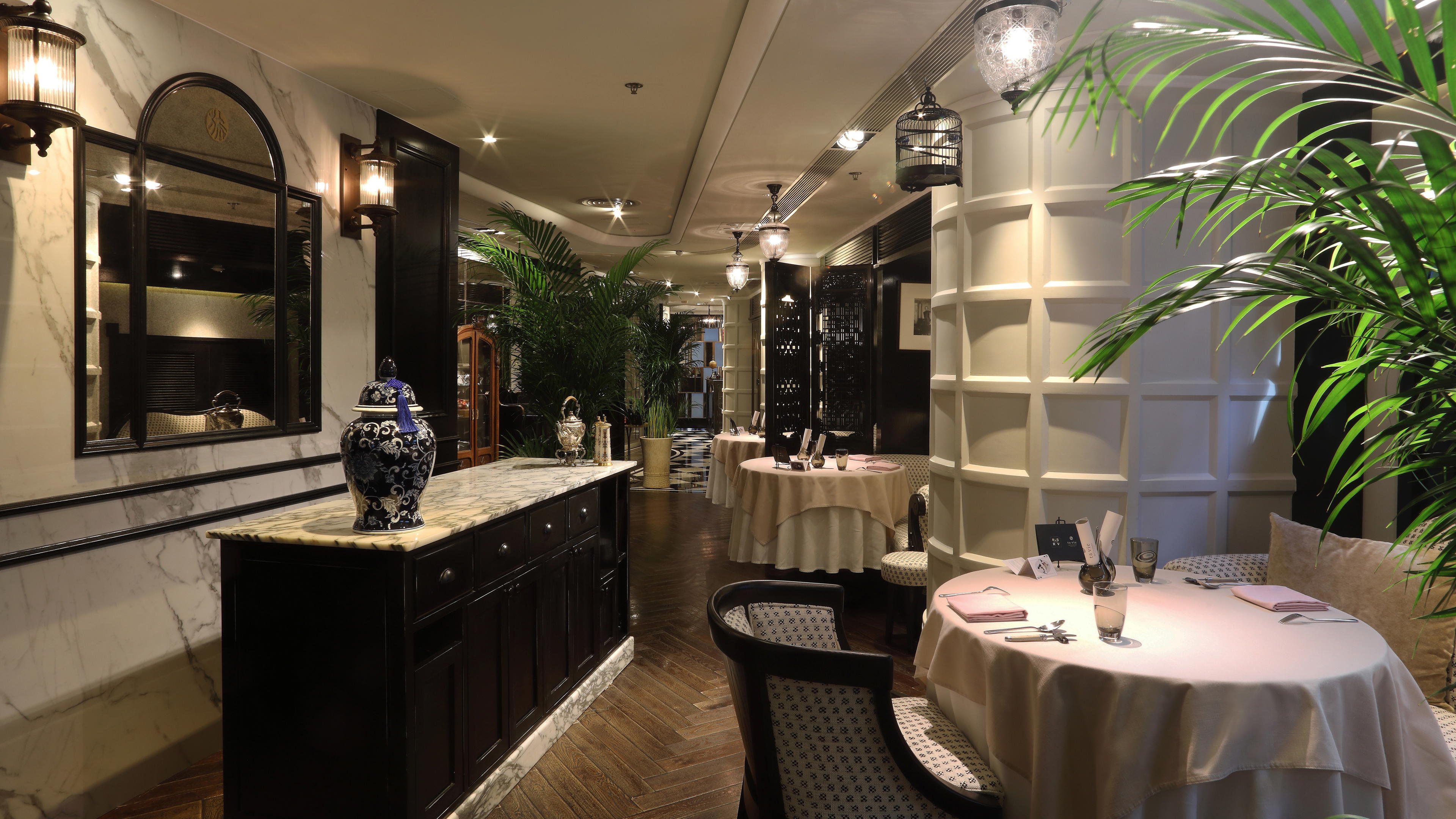
Bars in Hong Kong
Browse all →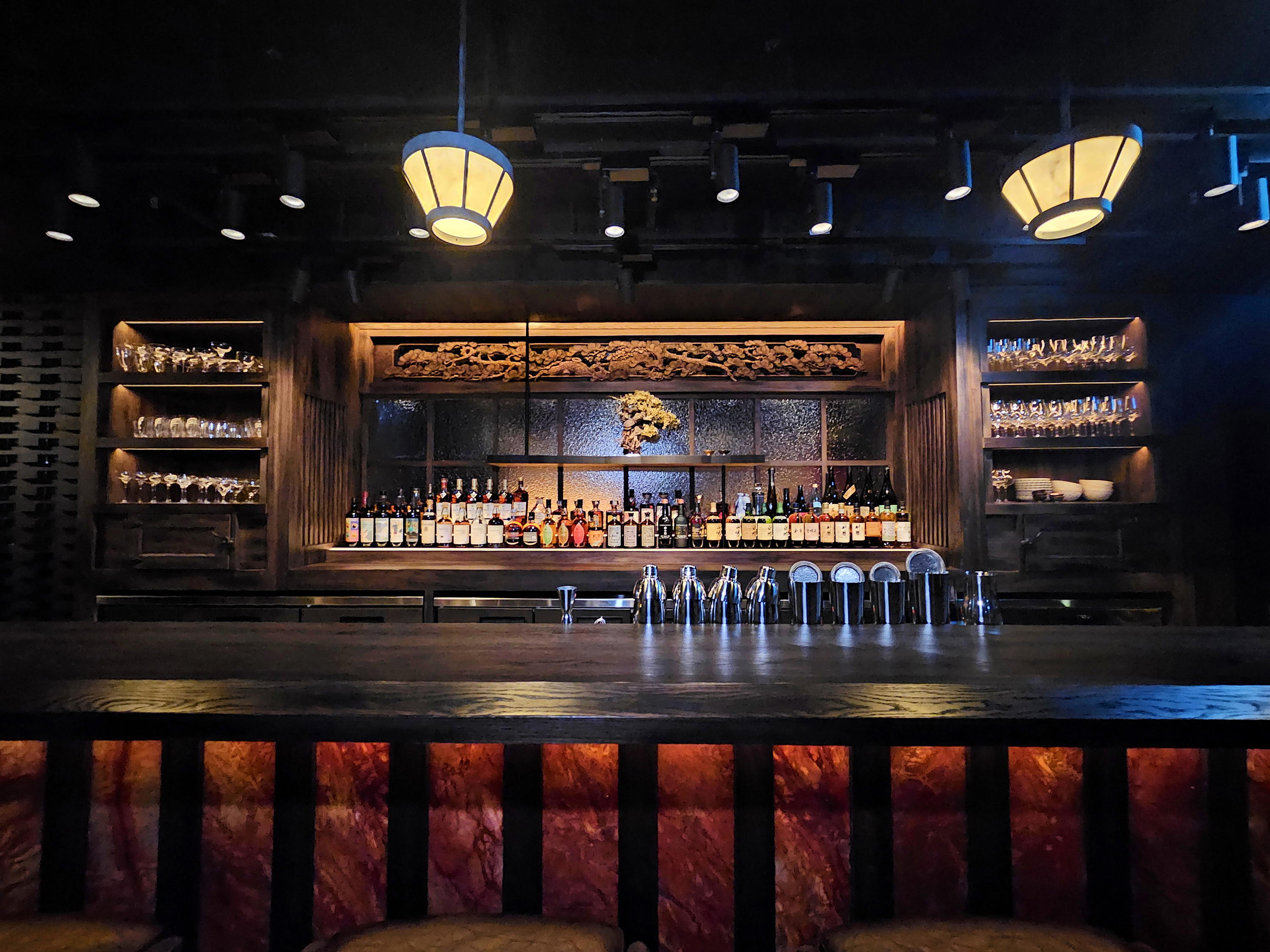
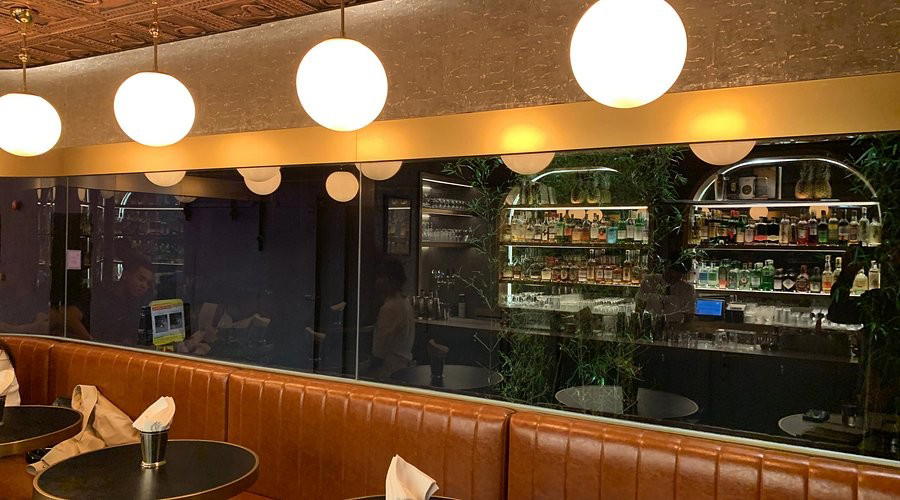
At a Glance
- Modern
- Trendy
- Lively
- Group Dining
- After Work
- Celebration
- Open Kitchen
- Sake Program
Current opening hours
- Monday
- 12–2:30 PM, 6–10:30 PM
- Tuesday
- 12–2:30 PM, 6–10:30 PM
- Wednesday
- 12–2:30 PM, 6–10:30 PM
- Thursday
- 12–2:30 PM, 6–10:30 PM
- Friday
- 12–2:30 PM, 6–10:30 PM
- Saturday
- 12–2:30 PM, 6–10:30 PM
- Sunday
- 12–2:30 PM, 6–10:30 PM
Hours can change for holidays and private events. Last verified .
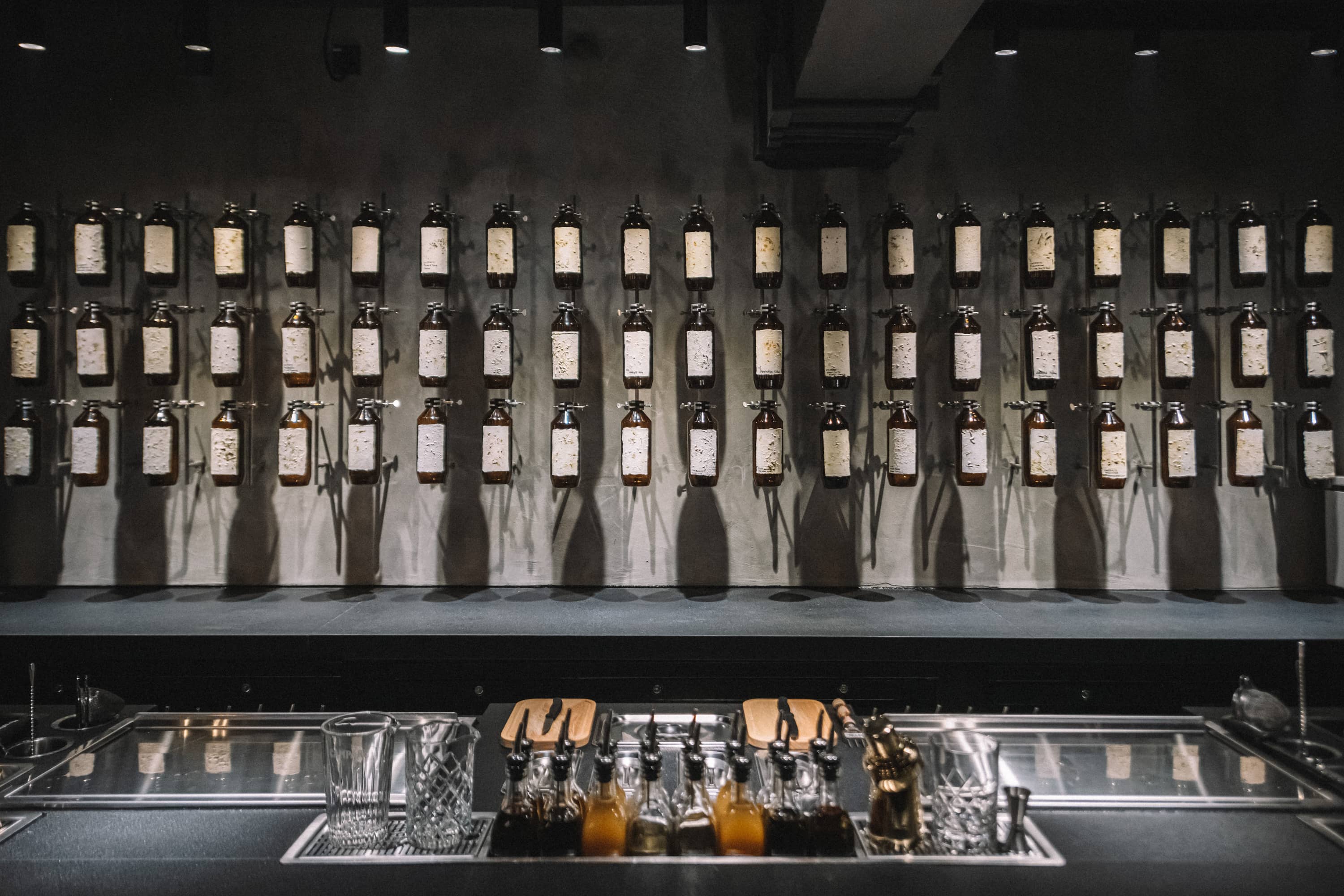
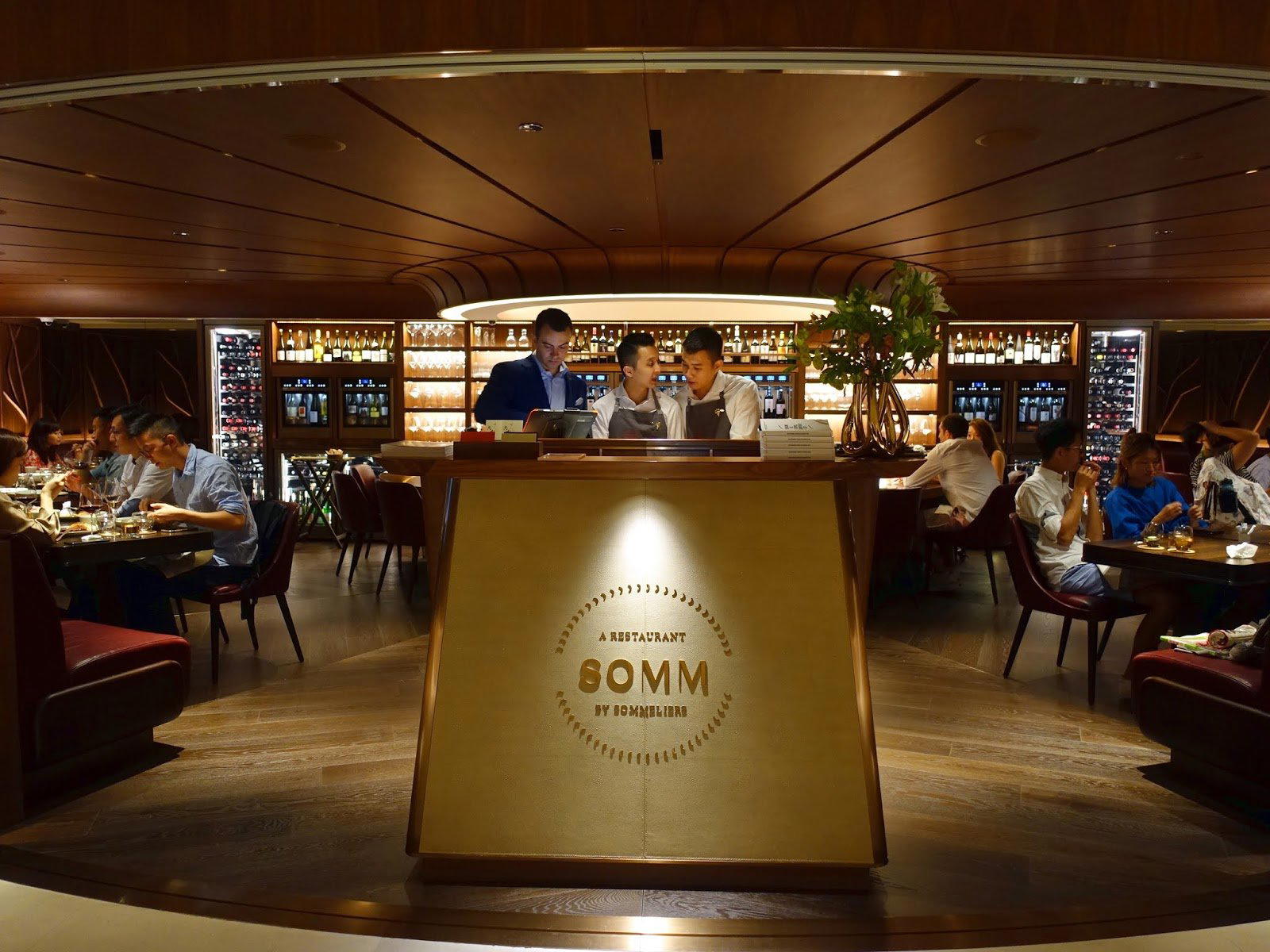
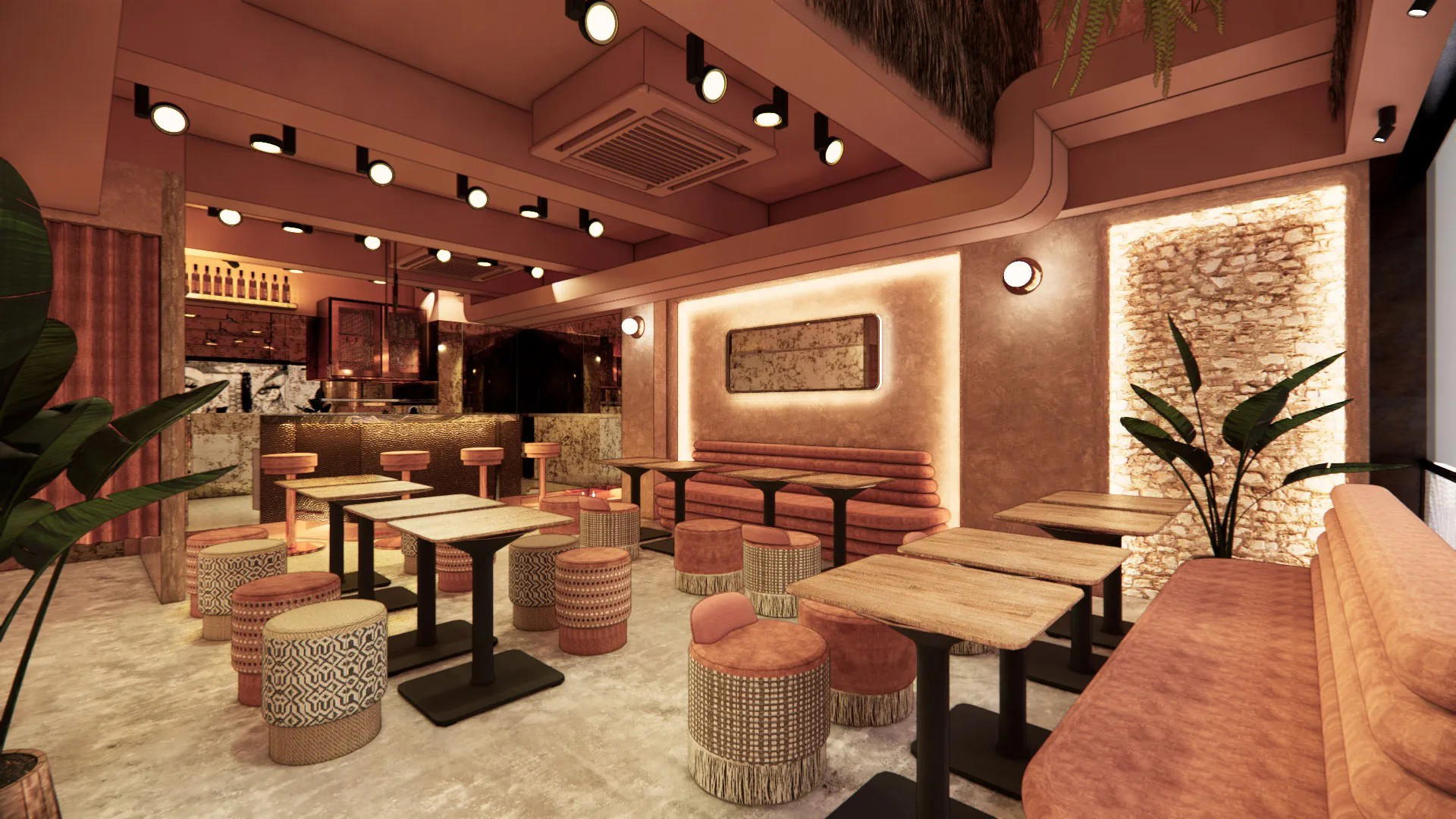
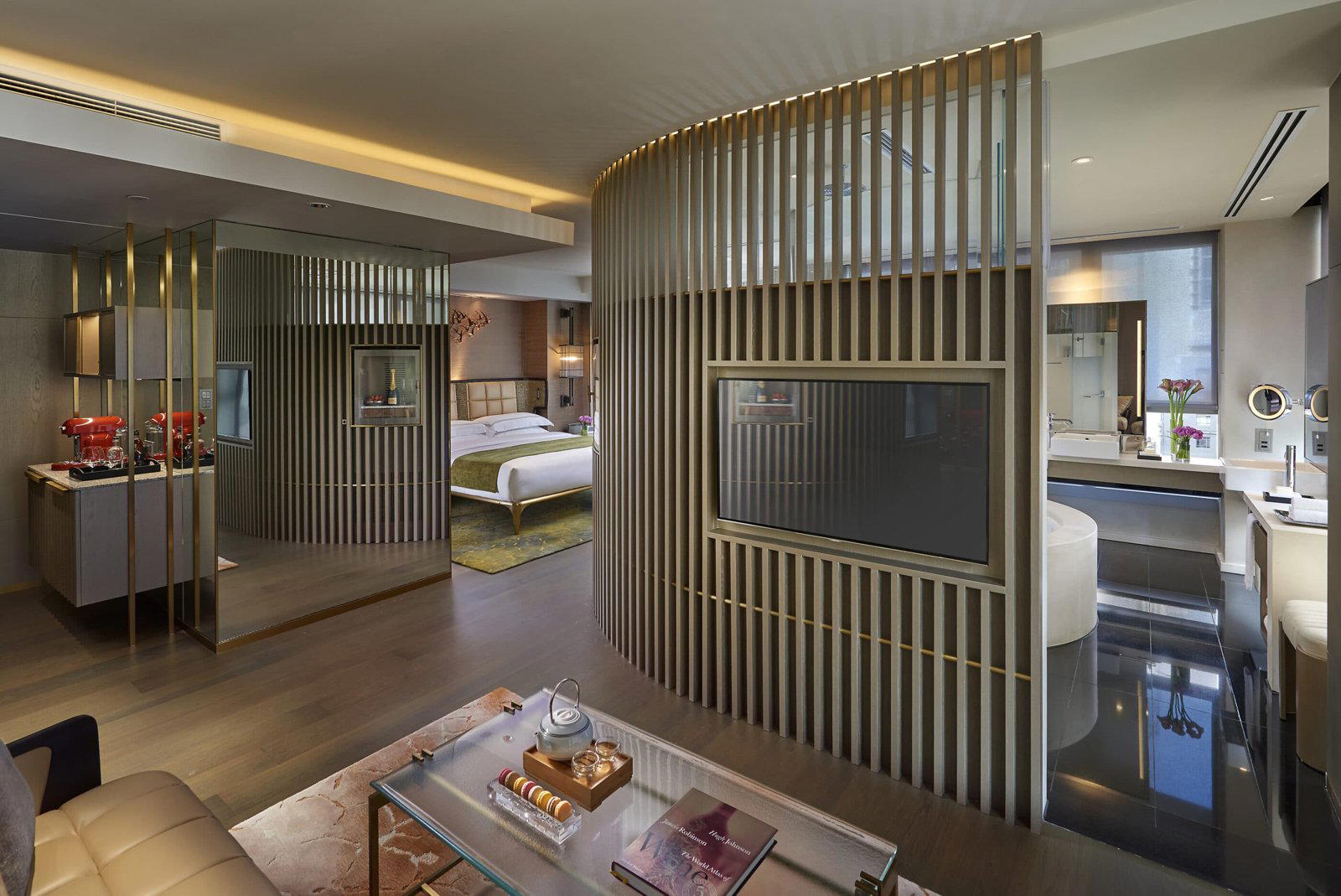
Modern and funky decor with wooden screens, natural wood, open sushi bar creating an airy, unpretentious and lively atmosphere.