
SCMP 100 Top Tables Restaurants
Our verdict
Causeway Bay’s Japanese dining scene has moved beyond sushi counters and ramen queues into narrower specialist formats. Sukiyaki Nakagawa belongs to that more focused tier, using a single Japanese hot-pot tradition as its organising idea in a district better known for density, shopping traffic, and quick restaurant turnover.

Pearl is the En Primeur Club membership app, where members save venues, book tables and use the concierge.
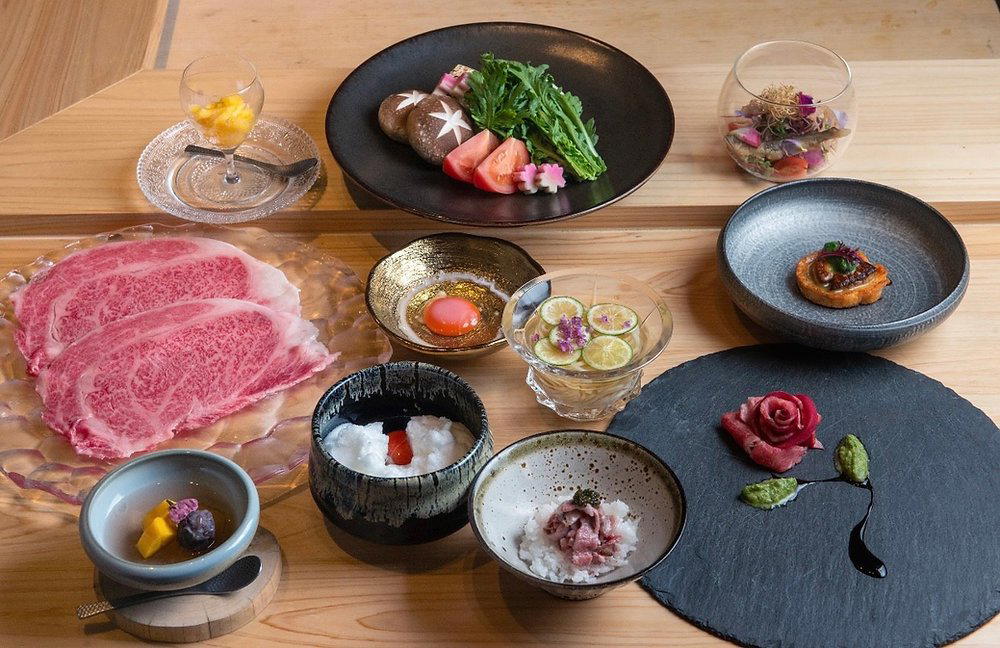
The menu
What to order
- Matsusaka wagyu sukiyaki
- Oita wagyu sukiyaki
- Jinnai Waka Aka wagyu sukiyaki
Hong Kong changes register quickly: street-level retail noise, office lifts, upper-floor dining rooms, and constant churn for diners who know exactly what they want. Here, a tightly defined dining room has a different rhythm from broader restaurant formats: slower, more deliberate, and more dependent on sequence than spectacle. It turns on a narrow proposition, controlled pacing, and the quiet negotiation between comfort, polish, and restraint.
Sukiyaki Nakagawa sits in this specialised lane. That matters in Hong Kong, where premium dining is often sorted first by luxury signals: counter formats, ingredient-led rooms, formal service, and destination reservations. Sukiyaki Nakagawa asks for another kind of attention. Less about broad-menu range than table-centred focus, it rewards diners who want precision without a sprawling choice set.
Hong Kong suits a specialist room with a narrow brief
Hong Kong is not neutral. The city favours compact, destination-led restaurants that can survive without relying on street-front identity because diners are trained to seek out serious rooms wherever they are. Focused formats work well here: intimate without needing to be loud, with meals separated from the pressure outside. Some premium dining leans corporate and cellar-driven; other rooms feel casual and bar-adjacent. Sukiyaki Nakagawa occupies a quieter middle ground, with enough purpose to justify a planned booking and enough restraint to avoid becoming only an occasion set piece.
Within Hong Kong’s premium dining category, the comparison set helps. Sushi Gin represents the counter lane, where pacing, scarcity, and seat-level focus define value. Teppanyaki Mihara Goten is more performative, with the cooking surface as stage and the meal built around visible action. Sukiyaki Nakagawa is quieter by design. The experience depends on pacing, product confidence, and the discipline not to overcomplicate a narrow form.
That narrowness is a strength. Hong Kong has many restaurants that cover broad ground, moving across multiple ideas on one menu. Specialist rooms make a different promise: they ask diners to care about one focused proposition and judge it on its own terms. A focused format is unforgiving when treated as generic comfort dining. Timing, service rhythm, and the balance of the meal all change the impression. A room built around that grammar belongs to the premium shift pushing diners toward focused counters and tightly edited menus over encyclopaedic dining.
A specialist format belongs to Hong Kong's quieter luxury category
The city’s premium dining is often discussed through scarcity: small counters, chef-led formats, imported ingredients, and reservation pressure. Sukiyaki Nakagawa occupies a less photographed but still exacting side of the same market. Its luxury is not only ingredient cost; it is disciplined repetition. In Hong Kong, that can be read through polish, confidence, and the room’s ability to make a narrow format feel complete. The better version keeps the meal anchored in method and pacing, not just surface signals.
For travellers, the appeal is partly logistical in the cultural sense. Hong Kong rewards dining plans clustered carefully, and a focused dinner can support a full evening without requiring the meal to carry every possible mood. A dinner here can sit naturally beside other city plans while feeling more purposeful than a convenience-led stop. Readers mapping a wider itinerary can use Our full Hong Kong restaurants guide for the city’s dining range, then compare nearby or category-adjacent choices with other Hong Kong dining rooms.
The broader Hong Kong table is useful context because specialisation is only one strand of the city’s eating culture. Polished formats, local favourites, regional cooking, and occasion restaurants all sit within the same competitive field. That range is the point: a specialist such as Sukiyaki Nakagawa competes not with every restaurant in town, but with formats that justify a focused evening. Its inclusion in SCMP 100 Top Tables 2026 - Restaurants gives it a public recognition marker without needing to inflate the claim beyond the record.
How to read the meal before choosing it
Sukiyaki Nakagawa suits diners who prefer a composed, shared meal to a broad sequence of unrelated choices. It suits pairs and small groups better than diners seeking maximum variety, and travellers who want a specialist Hong Kong booking rather than a catch-all restaurant. The critical question is expectation: this is not a broad all-purpose room or a free-for-all format. The pleasure comes from a controlled brief and the way a narrow idea holds the table’s attention.
The venue’s SCMP 100 Top Tables 2026 - Restaurants recognition gives it a trust marker in a crowded category, but the stronger editorial reason to care is placement. Hong Kong has the density to support niche dining without making every meal formal. In that context, Sukiyaki Nakagawa reads as part of the city’s specialist middle-to-premium tier: more focused than a general restaurant, less ceremonially rigid than some counter formats, and more restrained than rooms built mainly around luxury branding.
For a wider Hong Kong plan, contrast matters. Other dining rooms in the city may lean more theatrical, more casual, more local, or more occasion-driven, and those differences help define what Sukiyaki Nakagawa is not. Cross-category planning can sit alongside Our full Hong Kong hotels guide, Our full Hong Kong bars guide, Our full Hong Kong wineries guide, and Our full Hong Kong experiences guide. For readers tracking focused dining across cities, the useful lesson is that specific formats travel differently depending on the market around them.
Frequently asked questions
What are Sukiyaki Nakagawa's hours?
Hours for Sukiyaki Nakagawa should be checked with the venue's official channels before visiting.
Where is Sukiyaki Nakagawa located?
Hong Kong.
Is Sukiyaki Nakagawa Michelin-listed?
The recognition provided for Sukiyaki Nakagawa is its inclusion in SCMP 100 Top Tables 2026 - Restaurants.
What do critics highlight about Sukiyaki Nakagawa?
Critics and guide readers can treat Sukiyaki Nakagawa as a narrowly focused Hong Kong dining room rather than a broad all-purpose restaurant. The public record provided also lists its inclusion in SCMP 100 Top Tables 2026 - Restaurants, which gives it added weight in Hong Kong’s dining scene. Check the venue's official channels for the latest details.
A Tight Comparison
Comparable venues to calibrate price, style, and recognition.
| Venue | Cuisine | Price | Awards | Notes |
|---|---|---|---|---|
| Sukiyaki NakagawaThis venue (the venue you are viewing) | Kansai-Style Sukiyaki | $100–150 | SCMP 100 Top Tables Restaurants | Not listed |
| Sushi Gin | Premium Japanese Omakase | $200–300 | Not listed | Sushi |
| Teppanyaki Mihara Goten | Kappo-Style Teppanyaki | $50–100 | Michelin Plate | Teppanyaki |
| Leela | Modern Pan-Indian | $50–100 | Michelin Plate · Black Pearl 1 Diamond | Indian |
| Farm House | Chinese Seafood Buffet | $30–50 | Michelin Plate | Cantonese |
| Roganic | Modern British Farm-to-Table | $200–300 | 1 Michelin Star · SCMP 100 Top Tables Restaurants | Modern British, European Contemporary |
Recognition history
Dated appearances from independent guides and award organizations, with the underlying list record or original source where available.
SCMP 100 Top Tables Restaurants
SCMP 100 Top Tables
Continue exploring
More in Hong Kong
Restaurants in Hong Kong
All restaurants in Hong Kong →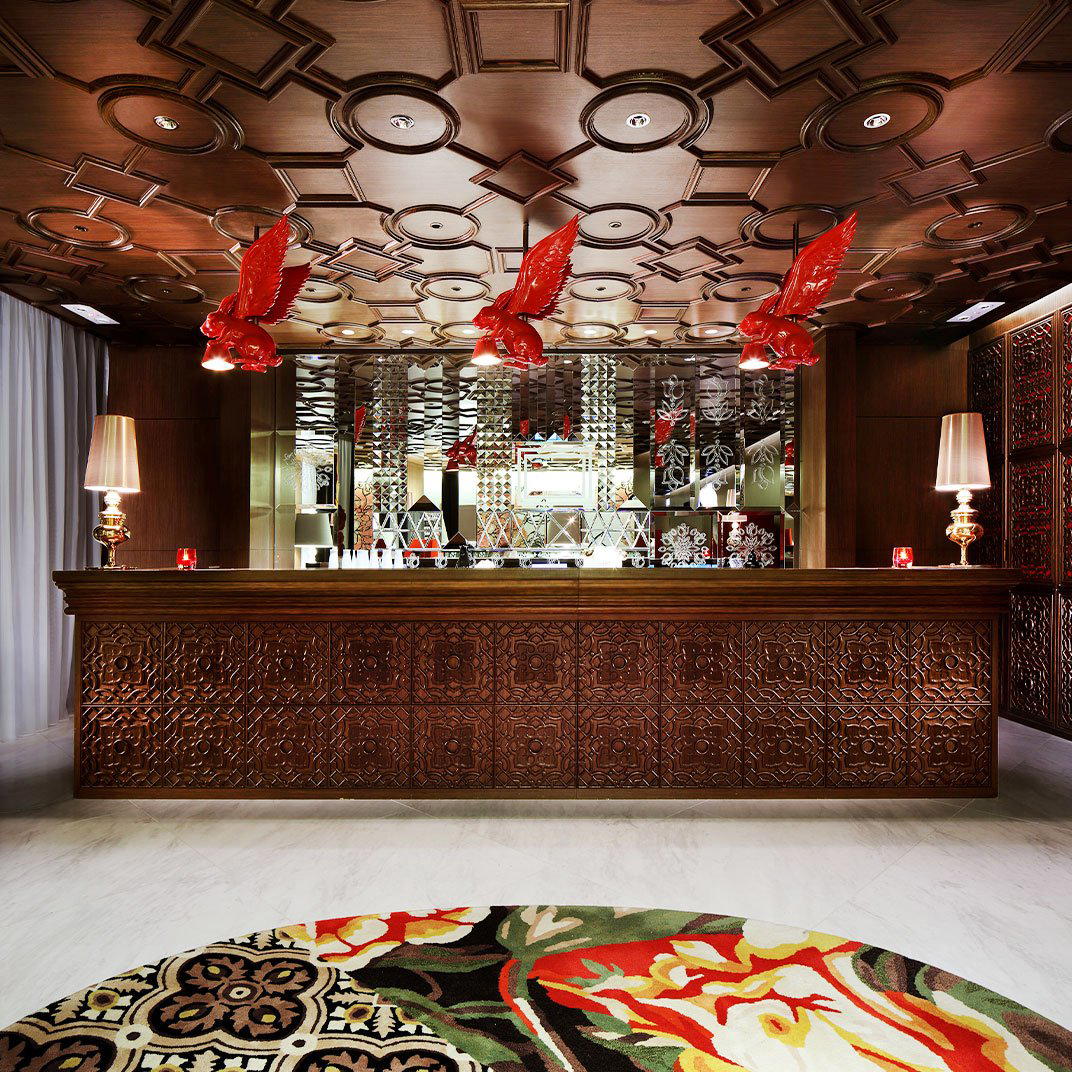
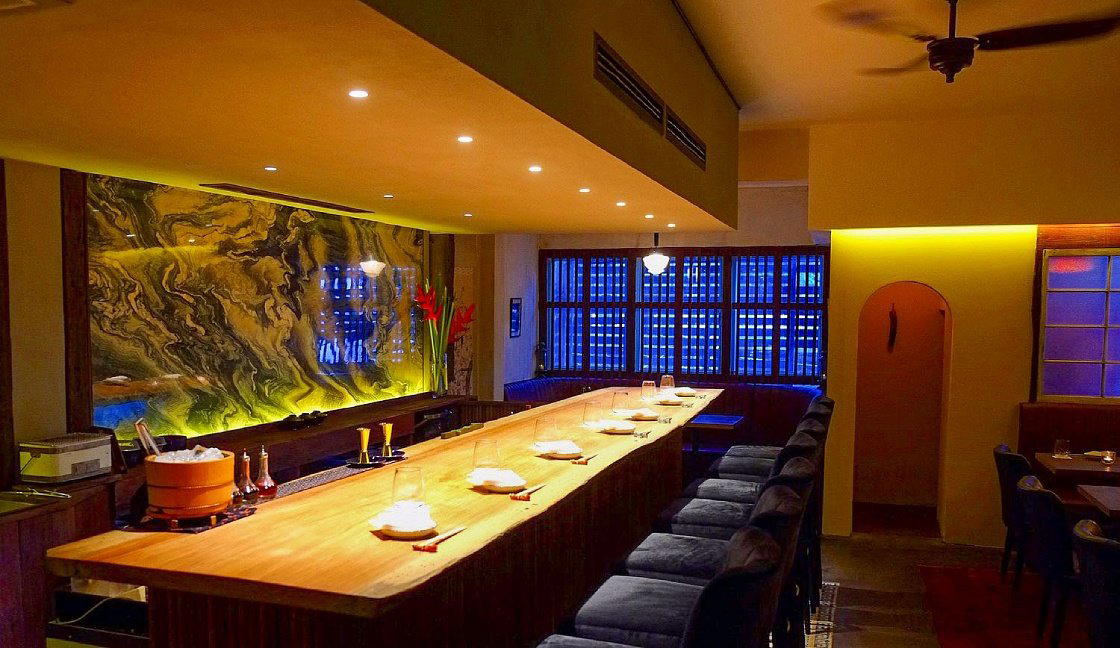
Bars in Hong Kong
All bars in Hong Kong →
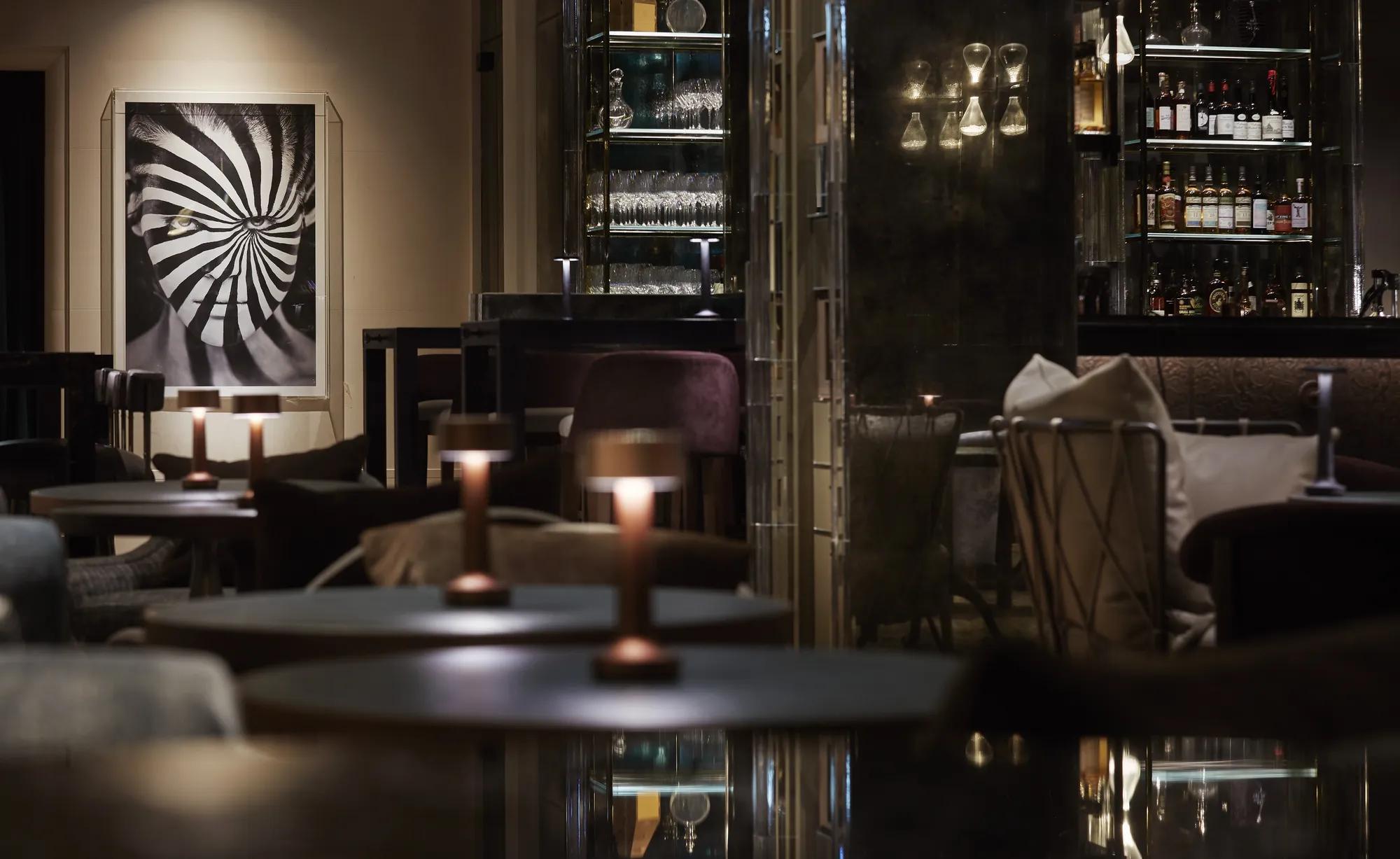
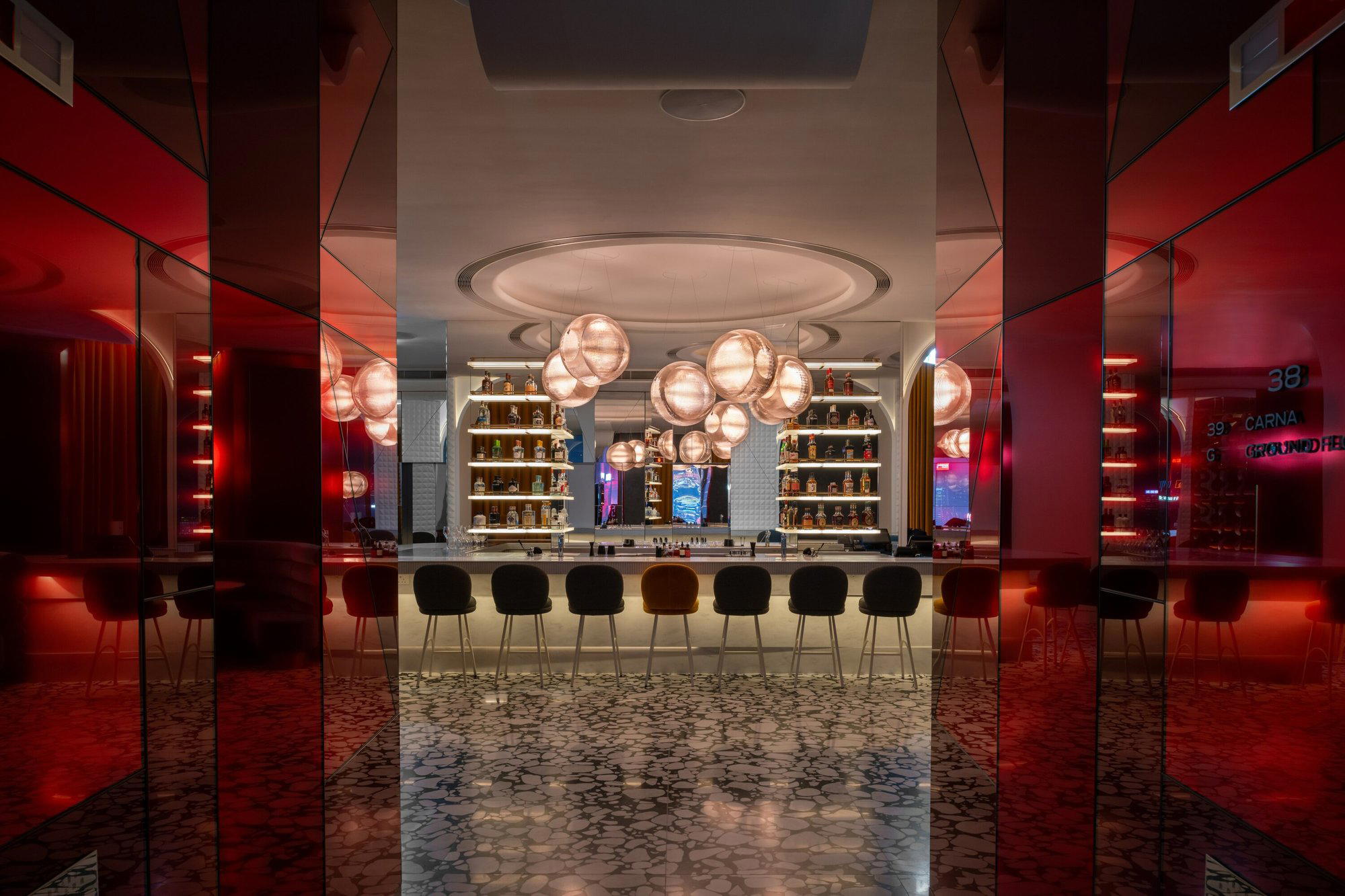
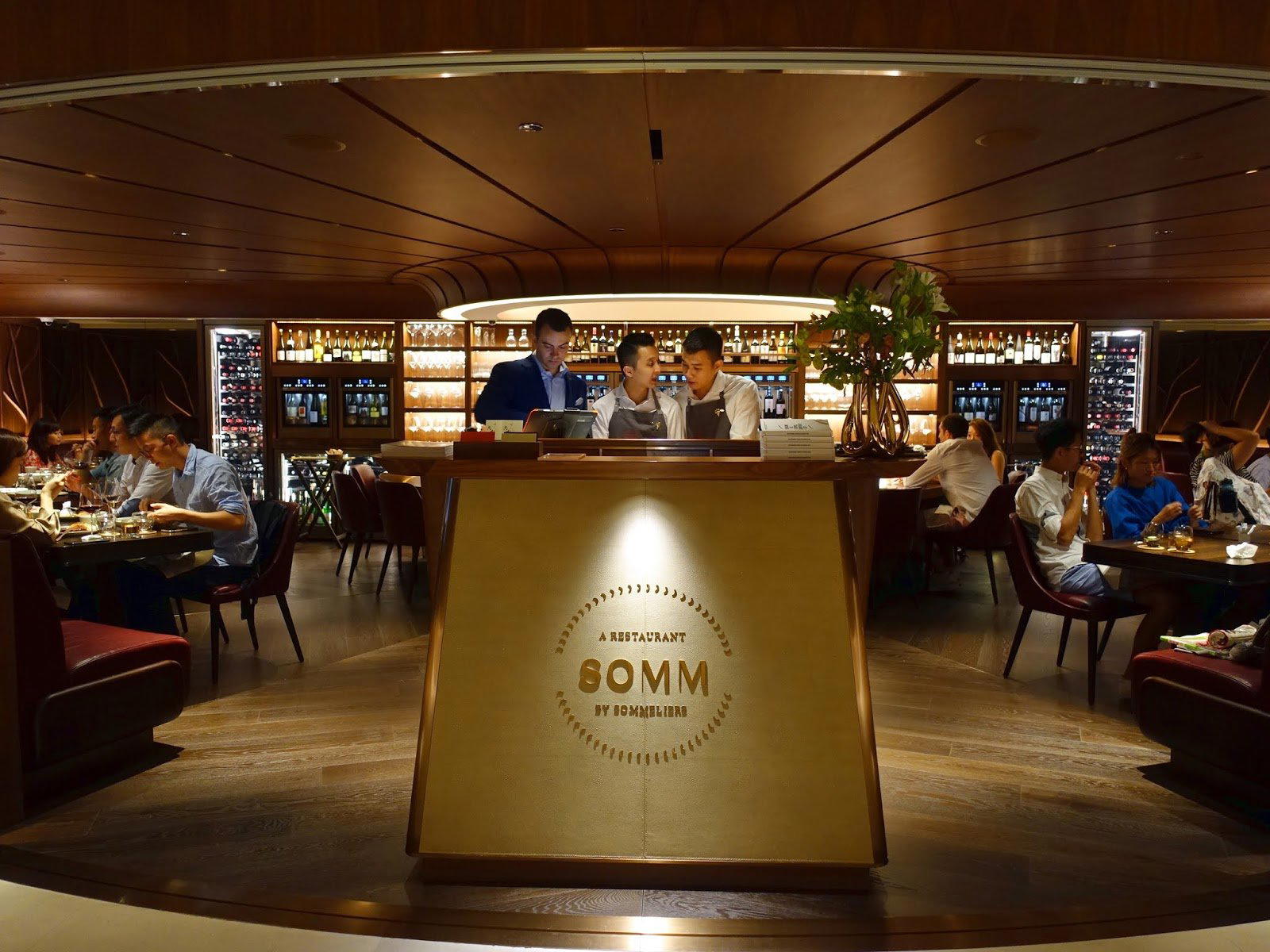
Hotels in Hong Kong
All hotels in Hong Kong →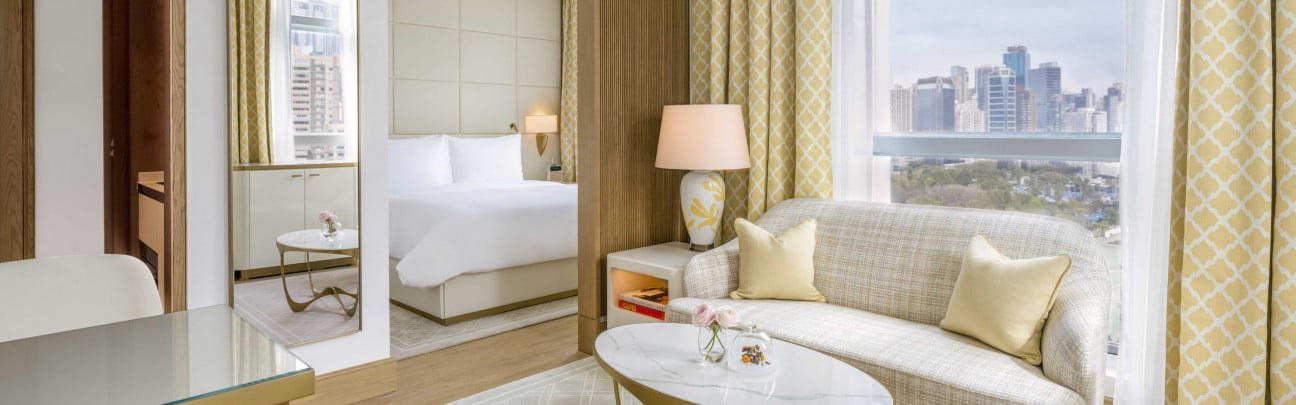
Wineries in Hong Kong
All wineries in Hong Kong →
Details
- Intimate
- Sophisticated
- Elegant
- Classic
- Date Night
- Business Dinner
- Celebration
- Special Occasion
- Group Dining
- Open Kitchen
- Design Destination
- Standalone
- Sake Program
- Local Sourcing
- Set Menu
- A La Carte
- Sake
- Allergy Accommodating
Current opening hours
- Monday
- 12–2:30 PM, 6–11 PM
- Tuesday
- 12–2:30 PM, 6–11 PM
- Wednesday
- 12–2:30 PM, 6–11 PM
- Thursday
- 12–2:30 PM, 6–11 PM
- Friday
- 12–2:30 PM, 6–11 PM
- Saturday
- 12–2:30 PM, 6–11 PM
- Sunday
- 12–2:30 PM, 6:30–11 PM
Hours can change for holidays and private events. Hours as of .
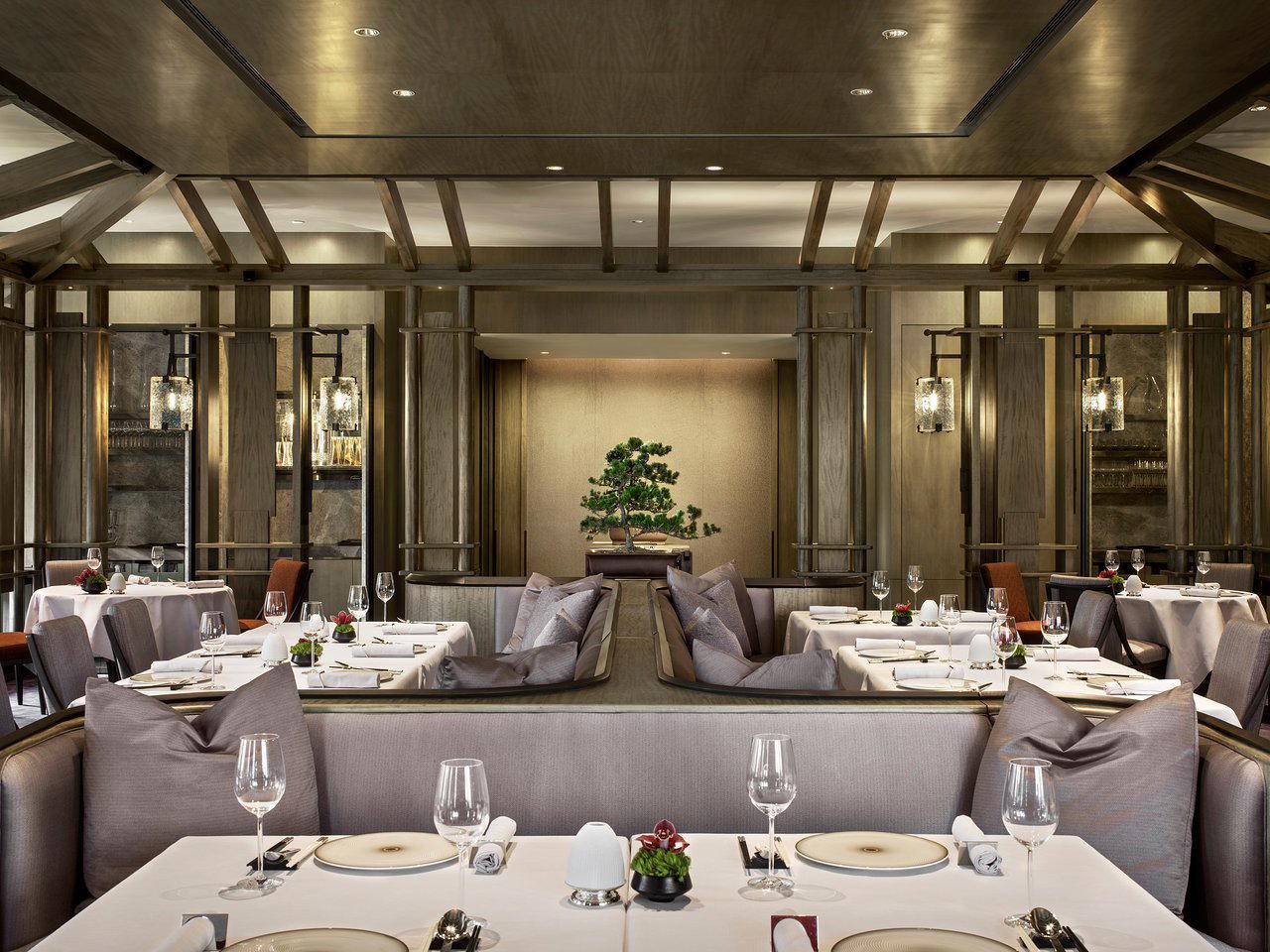
Exclusive and refined, with a sleek cypress-wood counter and an intimate chef-focused dining room.