Our verdict
Lei Garden occupies a prominent position in Beijing's Chaoyang dining circuit, bringing Cantonese fine dining to a city more commonly associated with northern and imperial traditions. The restaurant draws a loyal clientele who return for the precision and restraint that define high-end Cantonese cooking, a contrast to the bolder flavours that dominate the surrounding neighbourhood. For those tracking premium Chinese dining across the mainland, it sits in a competitive tier alongside Chaoyang's most serious addresses.

Pearl is the En Primeur Club membership app — saves, bookings, and concierge access live there. Same editors, same standards.
- Address
- China, Beijing, Chaoyang, 建国门外大街甲6号中环世贸中心C座C2-C3
- Phone
- +861085670138
- Hours
- Daily 11:30 AM–3 PM, 5–10:30 PM
- Website
- leigarden.hk
- Directions
- Get directions
- Booking
- Book on Chope
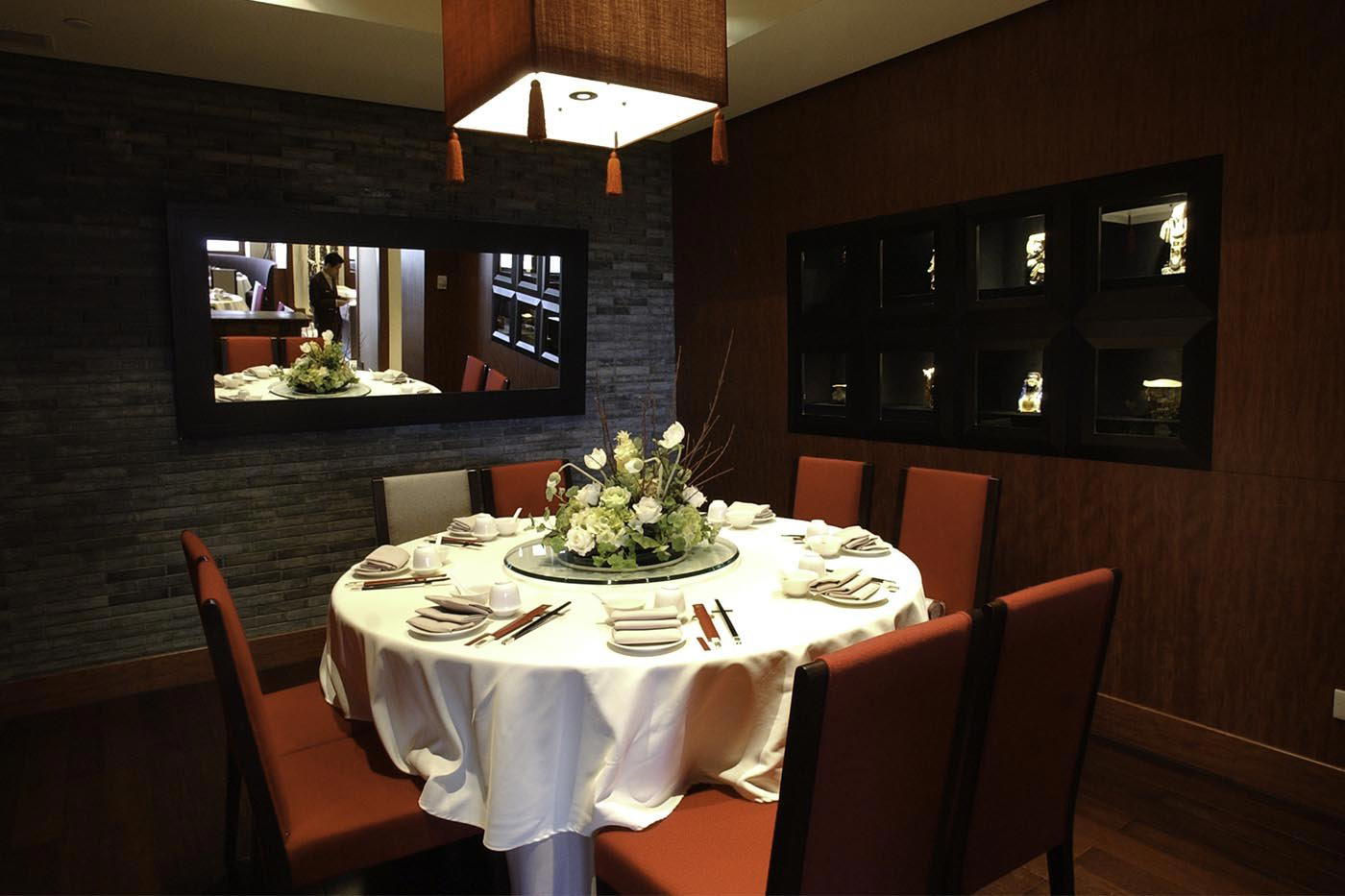
The menu
What to order
- Roasted pork belly
- Shrimp dumplings
- Egg tarts
- Turnip cake
Cantonese Precision in a Northern Capital
Beijing's relationship with Cantonese cooking has always been that of a respectful outsider. The capital's own culinary tradition runs toward roasted duck, braised pork belly, and the starchy intensity of northern staples. Cantonese cuisine, with its emphasis on clear stocks, textural discipline, and restraint in seasoning, arrives here as something closer to a foreign dialect than a regional cousin. That tension is partly what makes restaurants operating in this register interesting to follow in Beijing: they occupy a distinct category, competing less against northern houses and more against each other for a clientele that knows what the cooking should taste like.
Lei Garden sits in this niche. Located in the China World Trade Centre complex on Jianguomenwai Avenue in Chaoyang, the restaurant draws on the Lei Garden group's Hong Kong lineage, a brand that built its reputation in a city where Cantonese cooking is the native tongue and the standard of comparison is unforgiving. Bringing that kitchen discipline to Beijing means operating at a remove from the source, but it also means serving a room that has self-selected heavily: the regulars here are not testing the cuisine for the first time.
What the Regulars Come Back For
The profile of a loyal Cantonese dining clientele in Beijing is fairly specific. These are guests who have either spent time in Guangdong or Hong Kong, or who have eaten at enough high-end Chinese restaurants across the mainland to develop a reference point for what precision looks like in this tradition. They are not coming for novelty or spectacle. Cantonese fine dining at this level does not trade in dramatic tableside theatre or chef-personality narratives. The draw is consistency: the same quality of steamed fish, the same clarity in a winter melon broth, the same treatment of Cantonese roasted meats across repeated visits.
That consistency is what separates the serious Cantonese houses in cities like Beijing from the broader tier of Chinese restaurants. Comparable addresses in Chaoyang, including Chao Shang Chao with its Chiu Chow focus and Xin Rong Ji with its Taizhou positioning, each operate at ¥¥¥¥, which signals a shared price tier but different regional traditions and clientele expectations. The regulars at a Cantonese room are making a different set of demands than those at a Taizhou counter: less about the drama of aged seafood and more about the calibration of a clear sauce or the rendering of roasted skin.
The Chaoyang Context
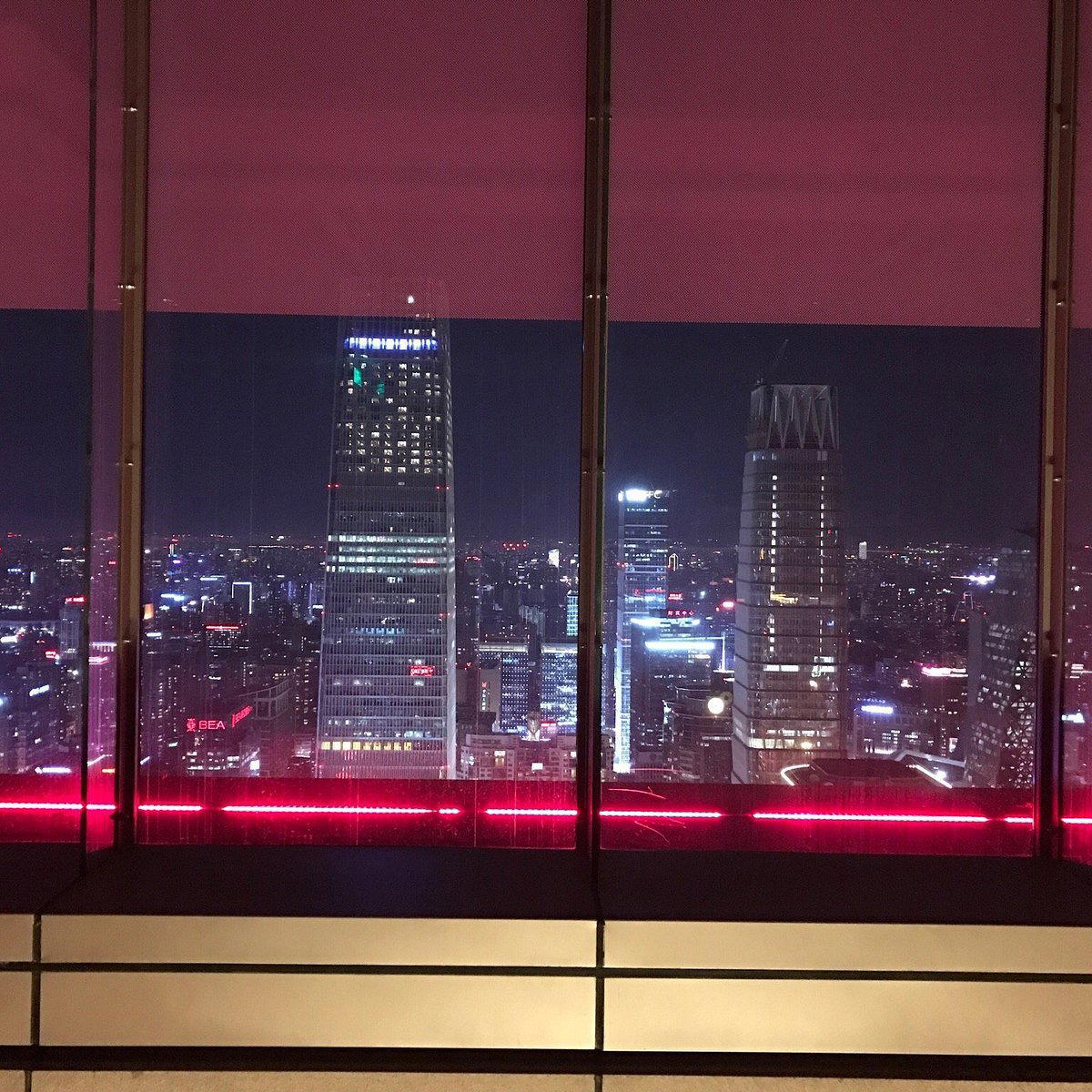
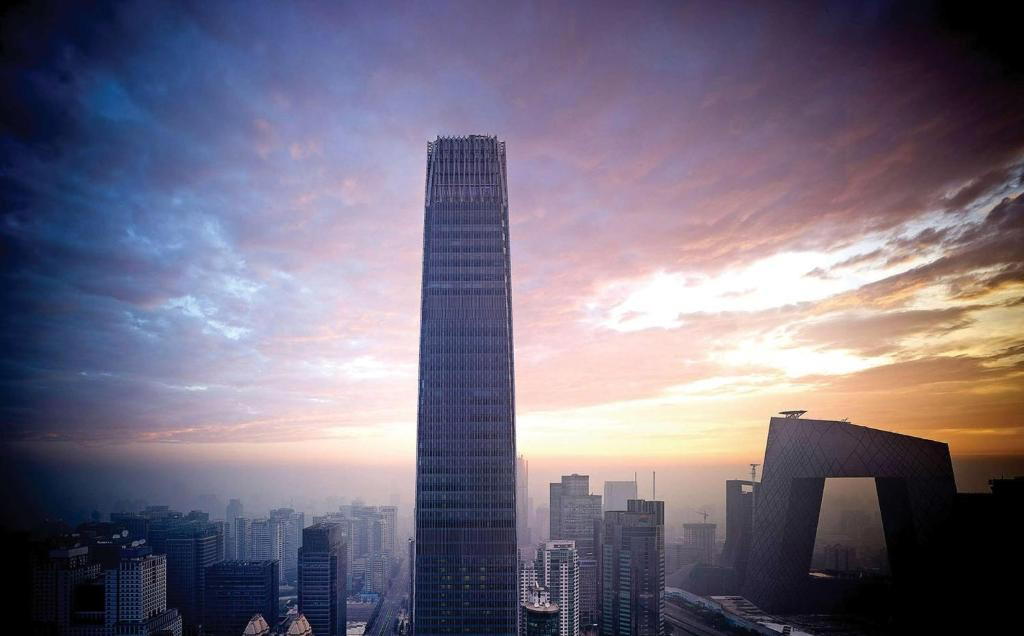
Chaoyang is Beijing's most internationally facing district, home to embassies, multinational headquarters, and the financial corridors that run through the Central Business District. The China World Trade Centre, where Lei Garden is positioned in the C2-C3 units of the central tower, concentrates a particular kind of diner: business meals with mainland and international participants, anniversary dinners for expat families, and the kind of celebratory lunch where the host wants the cooking to be serious without requiring a long explanation of what's on the plate.
For that room, Cantonese is often the default language of Chinese fine dining, precisely because it is the most legible internationally. Dim sum formats, roasted meats, and the clean flavour architecture of Cantonese cooking translate across cultural backgrounds more readily than, say, the fermented complexity of Sichuan or the vinegar-forward profiles of Shanghainese cooking. Lei Garden's positioning in this district is not accidental: it is an answer to a specific hospitality need, and the regulars understand that context as well as the kitchen does.
For a broader map of where this address sits within Beijing's wider dining picture, the EP Club Beijing restaurants guide tracks comparable serious addresses across the city's various districts and cuisine traditions.
Where Lei Garden Sits in the Wider Chinese Fine Dining Circuit
The Lei Garden group's presence across mainland China and Hong Kong places it in a circuit of premium Cantonese houses that regulars follow from city to city. Comparable operations at the formal end of Chinese fine dining include addresses like Imperial Treasure Fine Chinese Cuisine in Guangzhou, which operates in the city where the cooking originates, and Chef Tam's Seasons in Macau, which represents the Michelin-weighted end of Cantonese formal dining. Dai Yuet Heen in Nanjing similarly carries a Cantonese banner into a non-Cantonese city.
What this circuit reveals is a pattern: serious Cantonese cooking outside Guangdong and Hong Kong functions as a premium signal within its local market, drawing guests who treat the cuisine as a marker of quality rather than a regional comfort. 102 House in Shanghai and Shang Palace in Yangzhou reflect similar dynamics in their respective cities. Beyond Cantonese specifically, the broader fine Chinese dining conversation includes addresses like Ru Yuan in Hangzhou, Xin Rong Ji in Chengdu, Dingshan·Jiangyan in Suzhou, Fleurs Et Festin in Xiamen, and Jiangnan Wok·Rong in Fuzhou.
Within Beijing itself, the serious non-northern dining scene includes vegetarian-focused rooms like King's Joy and Lamdre, as well as Beijing cuisine specialists such as Jingji. Lei Garden operates in a different register from all of these, and the regulars who move between these addresses are making deliberate choices about what each kitchen represents.
For readers who track premium dining internationally, the discipline required at this level of Cantonese cooking is comparable in some ways to the technical rigour at formal Western houses like Le Bernardin in New York City or the precision-driven Korean fine dining at Atomix, though the culinary tradition and guest relationship are distinct.
Planning Your Visit
Lei Garden is located at C2-C3, Central Tower, China World Trade Centre, Jianguomenwai Avenue, Chaoyang. The Central Business District location makes it accessible by subway via Guomao Station on Lines 1 and 10. Given the business-dining profile of the address, weekday lunch slots and weekend dinner tables in particular tend to fill with regular guests and corporate bookings; contacting the restaurant directly in advance is advisable rather than arriving without a reservation. Dress expectations at this tier of formal Chinese dining in Beijing run toward smart casual at minimum, with business attire common during weekday lunch service.
Frequently asked questions
What's LEI GARDEN's location?
LEI GARDEN is located at China, Beijing, Chaoyang, 建å½é¨å¤å¤§è¡ç²6å·ä¸ç¯ä¸è´¸ä¸å¿C座C2-C3, Beijing.
Is Lei Garden in Beijing part of the same group as the Michelin-starred Lei Garden locations in Hong Kong?
Yes. Lei Garden operates as a multi-city group with its roots in Hong Kong, where several of its locations have held Michelin stars across consecutive guides. The Beijing address at C2-C3, Central Tower, China World Trade Centre carries that institutional lineage, which is a meaningful credential in a city where Cantonese fine dining has no deep local tradition to draw on. Regulars who follow the group across mainland China and Hong Kong treat the Beijing location as part of that same circuit.
What's the best thing to order at LEI GARDEN?
Cantonese fine dining at this level rewards focus on technique-driven dishes rather than novelty: roasted meats, steamed fish, and wok-tossed greens are the categories where Cantonese kitchens demonstrate their precision most clearly. These are the preparations that separate a serious Cantonese house from a competent one, and they are what regulars at the Chaoyang address tend to anchor their meals around. Specific current menu items should be confirmed directly with the restaurant, as Cantonese menus of this calibre follow seasonal and daily availability.
How far ahead should I plan for LEI GARDEN?
Lei Garden's position inside the China World Trade Centre in Chaoyang places it among Beijing's primary formal business dining addresses, a context that compresses weekend availability considerably. Advance booking of at least one to two weeks is a reasonable baseline for weekend evenings; for larger groups or private dining, allow more lead time. Weekday lunches at this style of Cantonese restaurant typically carry more flexibility, but the CBD location means corporate lunches can fill the room quickly.
What makes LEI GARDEN worth seeking out?
Beijing is not a Cantonese cooking city. The capital's own tradition runs toward roasted duck, lamb, and wheat-based staples, which means that serious Cantonese fine dining at the level Lei Garden operates is genuinely scarce here. The group's Hong Kong roots, where several of its locations have held Michelin recognition, give the Beijing address a provenance that few alternatives in the city can match. For anyone who measures a Cantonese meal against the standard set in Guangzhou or Hong Kong, that context matters.
Do they accommodate allergies at LEI GARDEN?
Cantonese kitchens at this level rely heavily on shellfish stocks, soy derivatives, and oyster sauce as foundational ingredients, which makes shellfish and soy allergies particularly complex to manage. Allergy communication at formal Chinese restaurants in Beijing varies, and the safest approach is to raise specific requirements when making the reservation rather than at the table. Guests with severe allergies should request written confirmation of how the kitchen can accommodate them, as cross-contact in shared wok cooking is a real variable.
Cuisine Context
Comparable venues nearby, for context on price, style, and recognition.
| Venue | Cuisine | Price | Awards | Notes |
|---|---|---|---|---|
| LEI GARDENThis venue — the venue you are viewing | Authentic Cantonese Dim Sum | $50–100 | Not listed | Not listed |
| LU STYLE | Modern Shandong Seafood | $50–100 | Black Pearl 1 Diamond | Chaoyang District |
| 游龙饭庄 | Traditional Beijing Imperial Cuisine | Not listed | Not listed | Chongwen District |
| ææ°¸å ´ Sheng Yong Xing | Luxury Beijing Roast Duck | $50–100 | Not listed | Beijing International Convention Centre |
| Na Jia Xiao Guan | Traditional Beijing Court Cuisine | Not listed | Not listed | Dashanzi |
| Wulixiang | Traditional Shanghainese | Not listed | Not listed | Tuanjiehu |
Details
- Elegant
- Sophisticated
- Family
- Group Dining
- Special Occasion
- Local Sourcing
- A La Carte
Current opening hours
- Monday
- 11:30 AM–3 PM, 5–10:30 PM
- Tuesday
- 11:30 AM–3 PM, 5–10:30 PM
- Wednesday
- 11:30 AM–3 PM, 5–10:30 PM
- Thursday
- 11:30 AM–3 PM, 5–10:30 PM
- Friday
- 11:30 AM–3 PM, 5–10:30 PM
- Saturday
- 11:30 AM–3 PM, 5–10:30 PM
- Sunday
- 11:30 AM–3 PM, 5–10:30 PM
Hours can change for holidays and private events. Last verified .
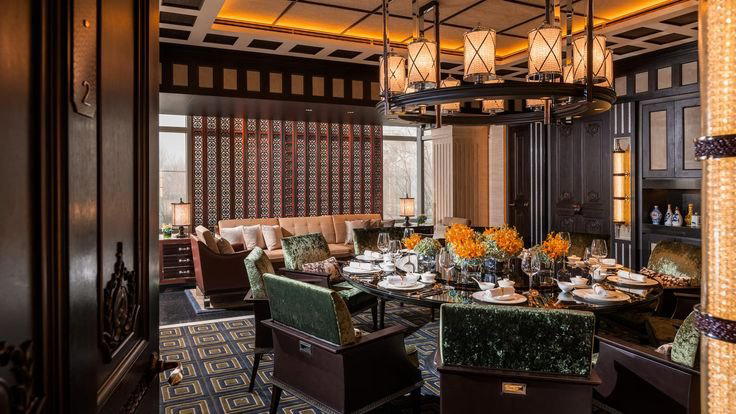
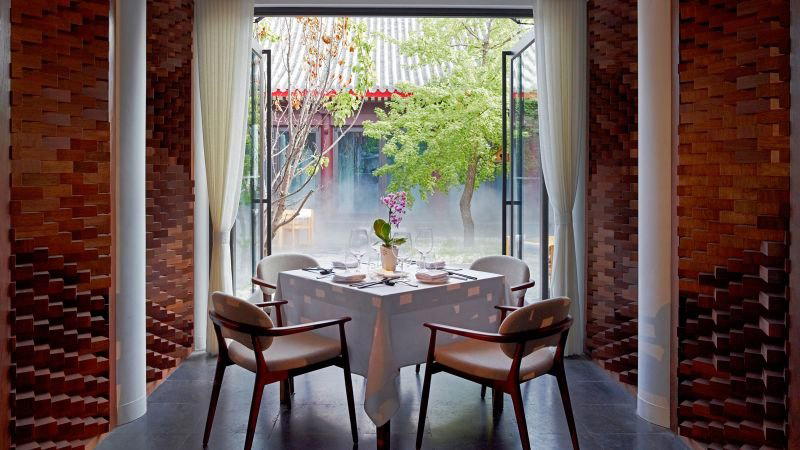
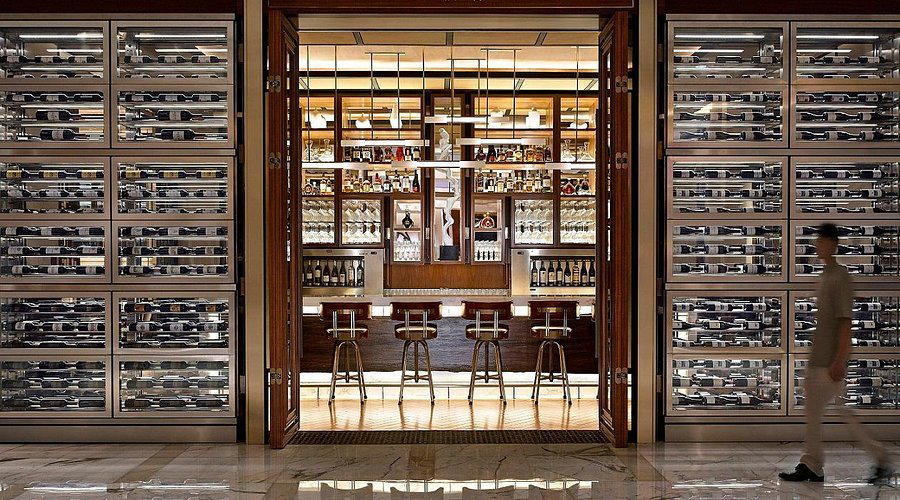
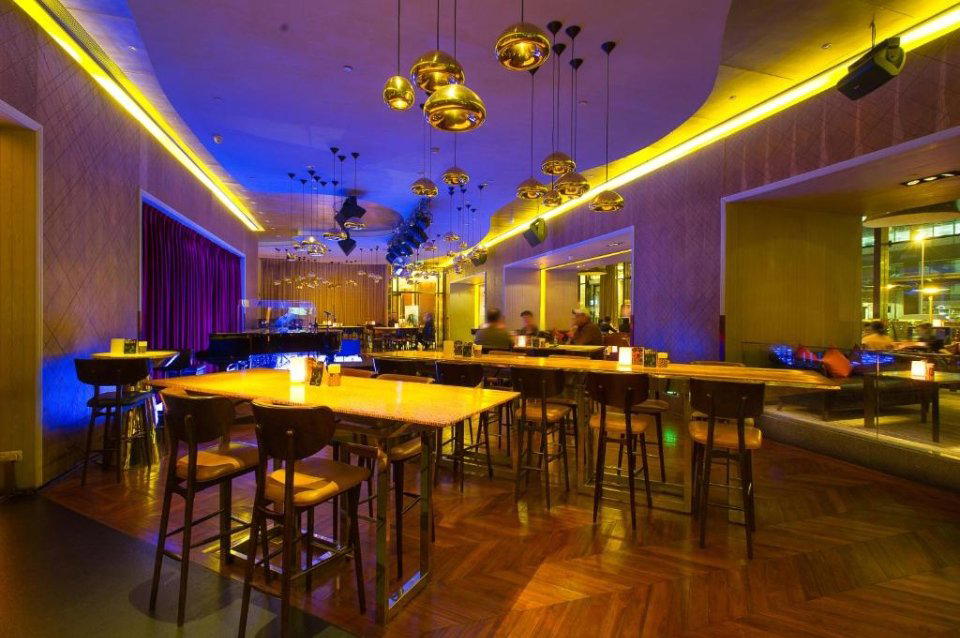
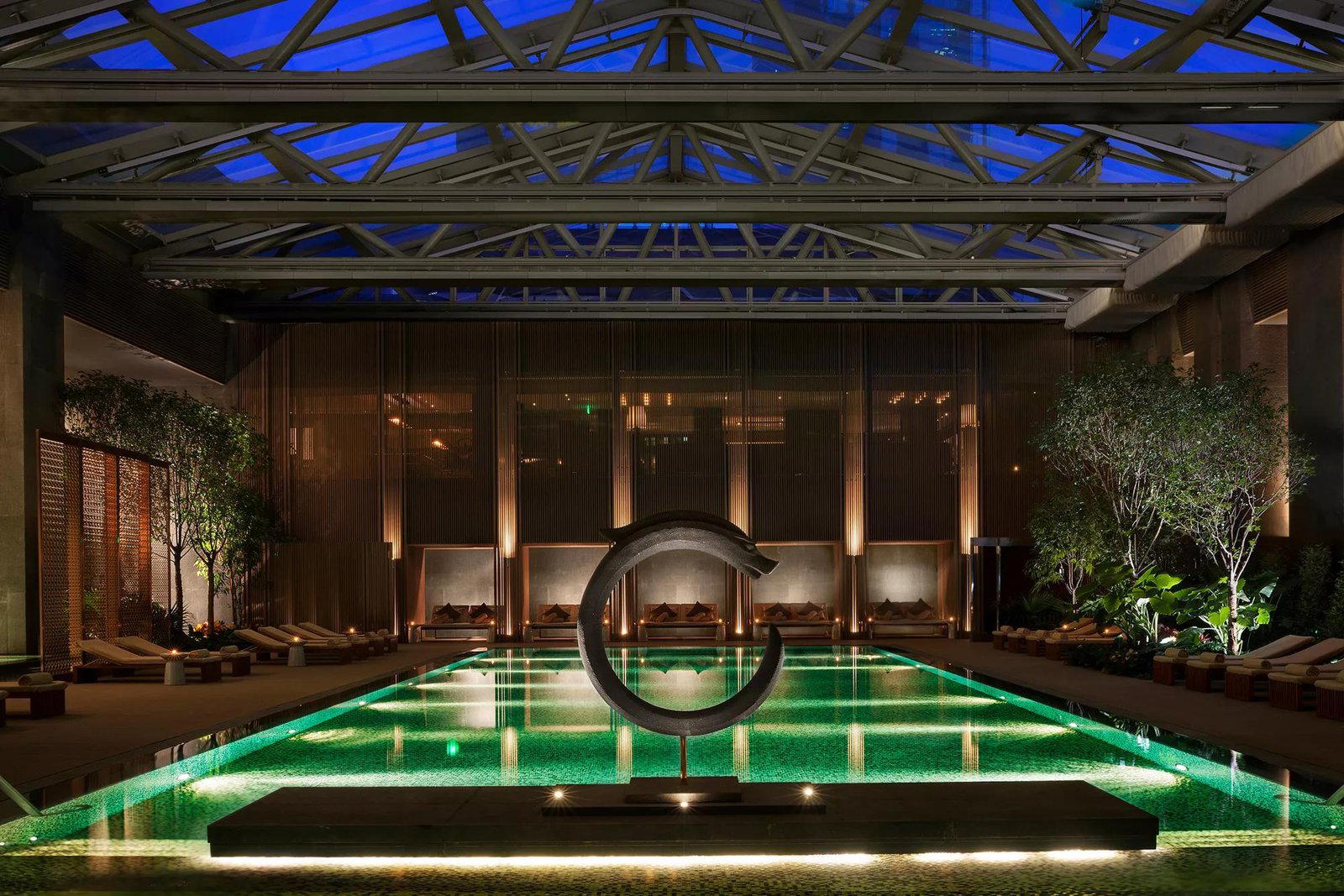
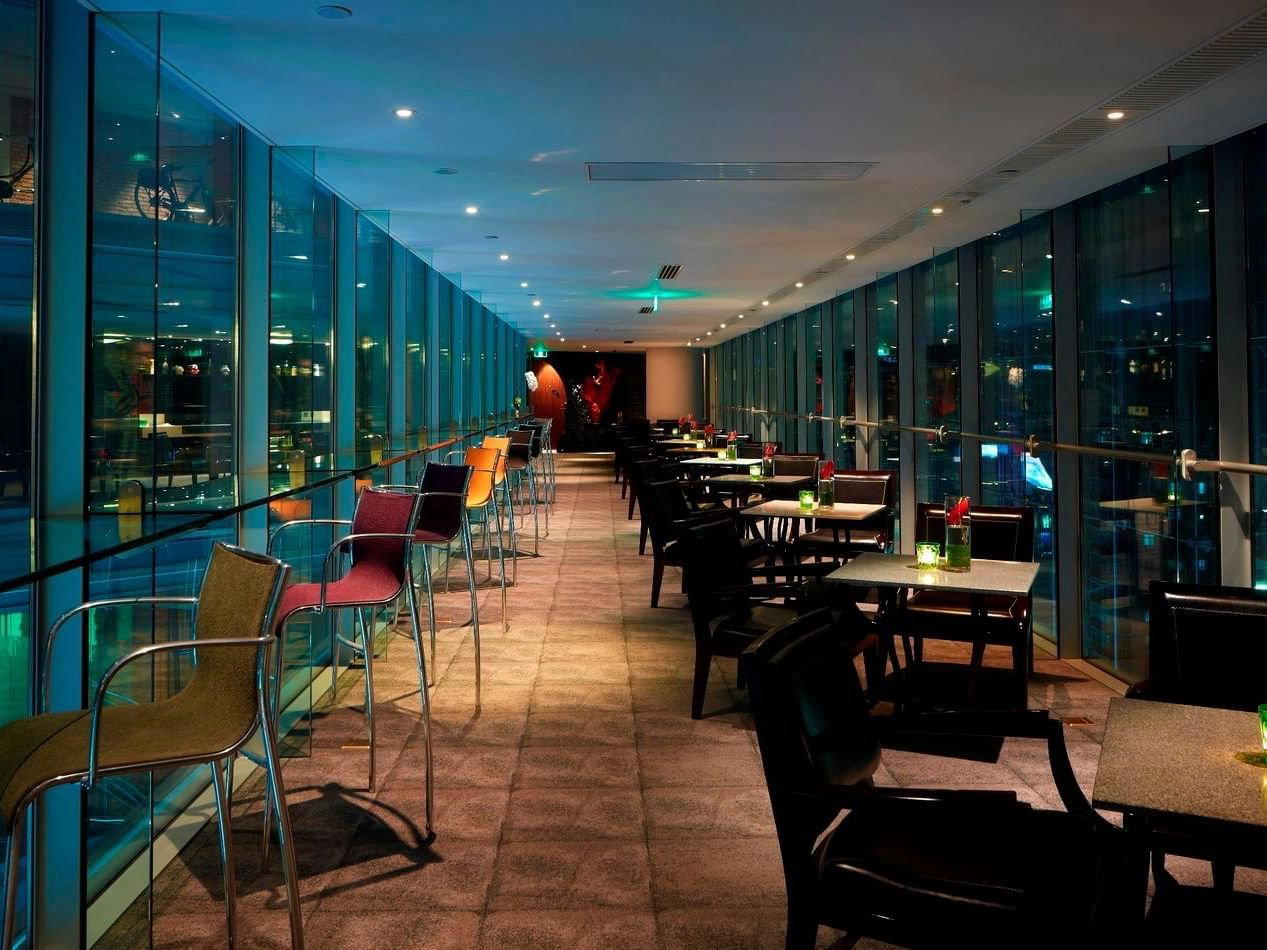
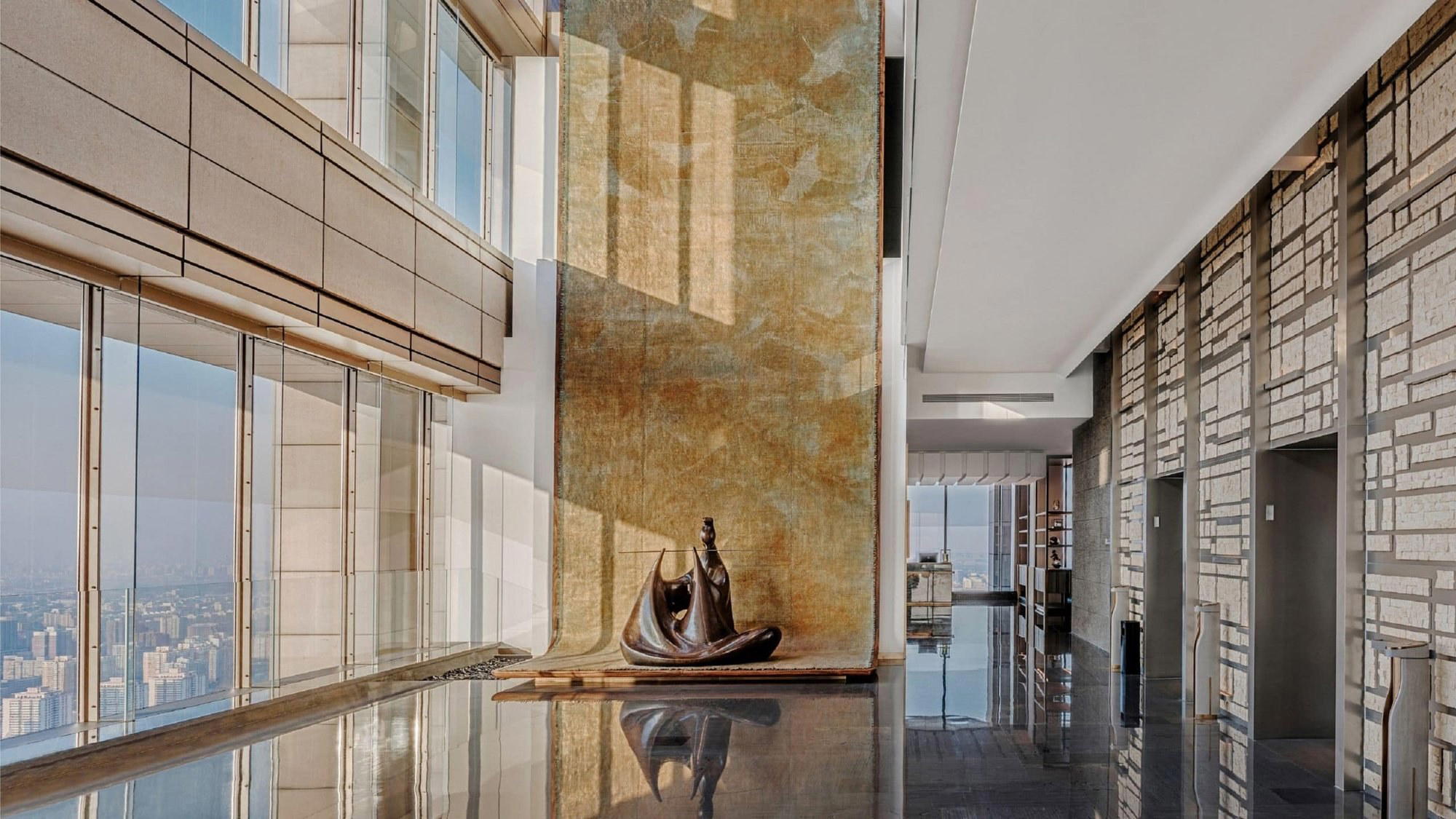
Stylish red and gold decor with elegant furnishings, bright atmosphere, and comfortable booth seating.