Pyeongyang Myeonok

Michelin Plate
Our verdict
A Michelin Plate-recognised naengmyeon specialist in Gangnam, Pyeongyang Myeonok holds a precise position in Seoul's cold noodle hierarchy: affordable, focused, and consistent enough to earn back-to-back recognition in 2024 and 2025. The menu orbits the single discipline of Pyeongyang-style naengmyeon, making it a reliable reference point for anyone tracing the tradition through the city's dining scene.

Pearl is the En Primeur Club membership app, where members save venues, book tables and use the concierge.
The menu
What to order
- Naengmyeon
- Mandu guk
- Eobok jaengban
Cold Noodles, Serious Credentials: Seoul's Naengmyeon Tradition in Gangnam
Step into any serious naengmyeon house in Seoul and the ritual is immediate: the austere metal bowl, the pale grey buckwheat noodles coiled beneath a measured pour of iced broth, the thin slices of radish kimchi arranged with the precision of a surgeon's tray. These are not decorative flourishes. They are the grammar of a cuisine that evolved under conditions of scarcity in North Korea's capital and arrived in the South as one of the most debated dishes in Korean culinary history. Pyeongyang Myeonok, on a quiet lane off Nonhyeon-ro in Gangnam District, occupies a specific position within that debate: a neighbourhood specialist earning Michelin Plate recognition in both 2024 and 2025, at a price point that keeps the bowl accessible in one of Seoul's highest-rent districts.
The Sequence of a Naengmyeon Meal
Naengmyeon dining does not follow the multi-course arc of a tasting menu, but it has its own internal progression, one that rewards attention at every stage. The meal at a Pyeongyang-style house like this one tends to begin before the noodles arrive, with side accompaniments and the anticipation built by watching broth poured at the table. In the Pyeongyang tradition, that broth is the centrepiece: a long-simmered, largely clarified stock, cooled to near-freezing temperature, carrying a depth that arrives quietly rather than announcing itself. The noodles themselves, made predominantly from buckwheat, carry a slightly grainy, earthy resistance that wheat noodles never replicate. Chewing through them is not incidental to the experience; it is the experience.
The progression moves from cold to colder, from restrained to more restrained. This is a cuisine that punishes impatience. Diners who rush past the broth miss the point; those who eat without pausing to note how the broth temperature interacts with the noodles' texture miss it even more. At the ₩ price tier, Pyeongyang Myeonok sits in a bracket where these details are maintained without the premium layering seen at higher-end Korean restaurants. For comparative context, Seoul's Michelin-recognised Korean dining spans from ₩₩₩₩ establishments like Gaon and Kwon Sook Soo down to single-discipline specialists at the ₩ tier, where the Michelin Plate functions less as a luxury signal and more as a quality endorsement within a defined category.
Where This Fits in Seoul's Naengmyeon Map
Seoul's cold noodle scene is not monolithic. The Pyeongyang style, clear broth, buckwheat-forward noodles, minimal garnish, exists alongside Hamhung naengmyeon, which uses starchier noodles and a spicier dressing, and a range of regional hybrids. Tracking where any given establishment sits on that spectrum is part of the work of eating seriously in this city. Pyeongyang Myeonok's name signals its allegiance: this is the northern tradition, characterised by restraint, with the broth doing most of the argumentative work.
Within the naengmyeon-specialist tier specifically, Seoul offers a spread of recognised options. Jinmi Pyeongyang Naengmyeon and Jungin Myeonok occupy adjacent territory, as does Nampo Myeonok. Okdol Heyonok and Bongmilga extend the broader cold noodle and traditional Korean spectrum worth mapping across a Seoul stay. The tradition also extends beyond the capital: 100.1. Pyeongnaeng, Buda Myeonoak, and Damiok in Busan represent the southern iteration of a dish that has dispersed through the peninsula's dining culture over decades.
The Gangnam address is worth noting. Most of Seoul's historically rooted naengmyeon houses built their reputations in older northern or central neighbourhoods. A specialist holding Michelin Plate recognition in Gangnam, a district more associated with contemporary Korean dining and international formats, indicates a consumer base that expects both culinary authenticity and neighbourhood convenience.
The Discipline of Doing One Thing
Among Seoul's Michelin-recognised addresses, very few operate at the ₩ tier. The Michelin Plate, awarded in 2024 and again in 2025, signals that inspectors found cooking of a reliably good standard, the entry threshold in the Guide's recognition framework. At Pyeongyang Myeonok, that recognition applies to a restaurant that has not pursued the broader Korean tasting-menu format or the fusion positioning that drives much of the city's contemporary dining conversation. The comparison set that matters here is not Gaon or the Korean-French innovators, but rather the handful of naengmyeon specialists that treat buckwheat noodles and cold broth with the same seriousness that other kitchens apply to aged beef or fermented grains.
The discipline required to operate a single-product restaurant at a recognised level over multiple consecutive years is underappreciated. Ingredient consistency, broth calibration, and noodle texture are the only variables in play, which means there is nowhere to hide. Back-to-back Plate recognition across 2024 and 2025 suggests those variables are being managed with care.
Planning Your Visit
Pyeongyang Myeonok is located at 6 Nonhyeon-ro 150-gil in Gangnam District. The ₩ price point makes it one of the most accessible Michelin-recognised addresses in the district. No booking details are currently available through EP Club's database, so visiting in person or arriving outside peak lunch hours is the practical approach for most visitors.
| Venue | Cuisine Focus | Price Tier | Michelin Recognition | Location |
|---|---|---|---|---|
| Pyeongyang Myeonok | Naengmyeon (Pyeongyang-style) | ₩ | Plate 2024, 2025 | Gangnam, Seoul |
| Jinmi Pyeongyang Naengmyeon | Naengmyeon | Seoul | ||
| Jungin Myeonok | Naengmyeon | Seoul | ||
| Nampo Myeonok | Naengmyeon | Seoul | ||
| 100.1. Pyeongnaeng | Naengmyeon | Busan |
For broader Seoul planning, EP Club's full Seoul restaurants guide maps the city's dining tiers from naengmyeon specialists to multi-starred tasting counters. The Seoul hotels guide, bars guide, and experiences guide cover the wider visit. Those extending beyond Seoul should consider Mori in Busan or the temple dining at Baegyangsa Temple in Jangseong-gun for a contrasting register of Korean culinary tradition.
Frequently asked questions
Can I bring kids to Pyeongyang Myeonok?
Naengmyeon houses in the Pyeongyang tradition typically operate as straightforward dining rooms focused on a compact menu, no theatrical production, no extended wait for complex courses. The ₩ price point and the dish's mild, clean flavour profile make it a practical choice for families. Nothing in the venue's Michelin Plate recognition suggests a format that would exclude younger diners.
What kind of setting is Pyeongyang Myeonok?
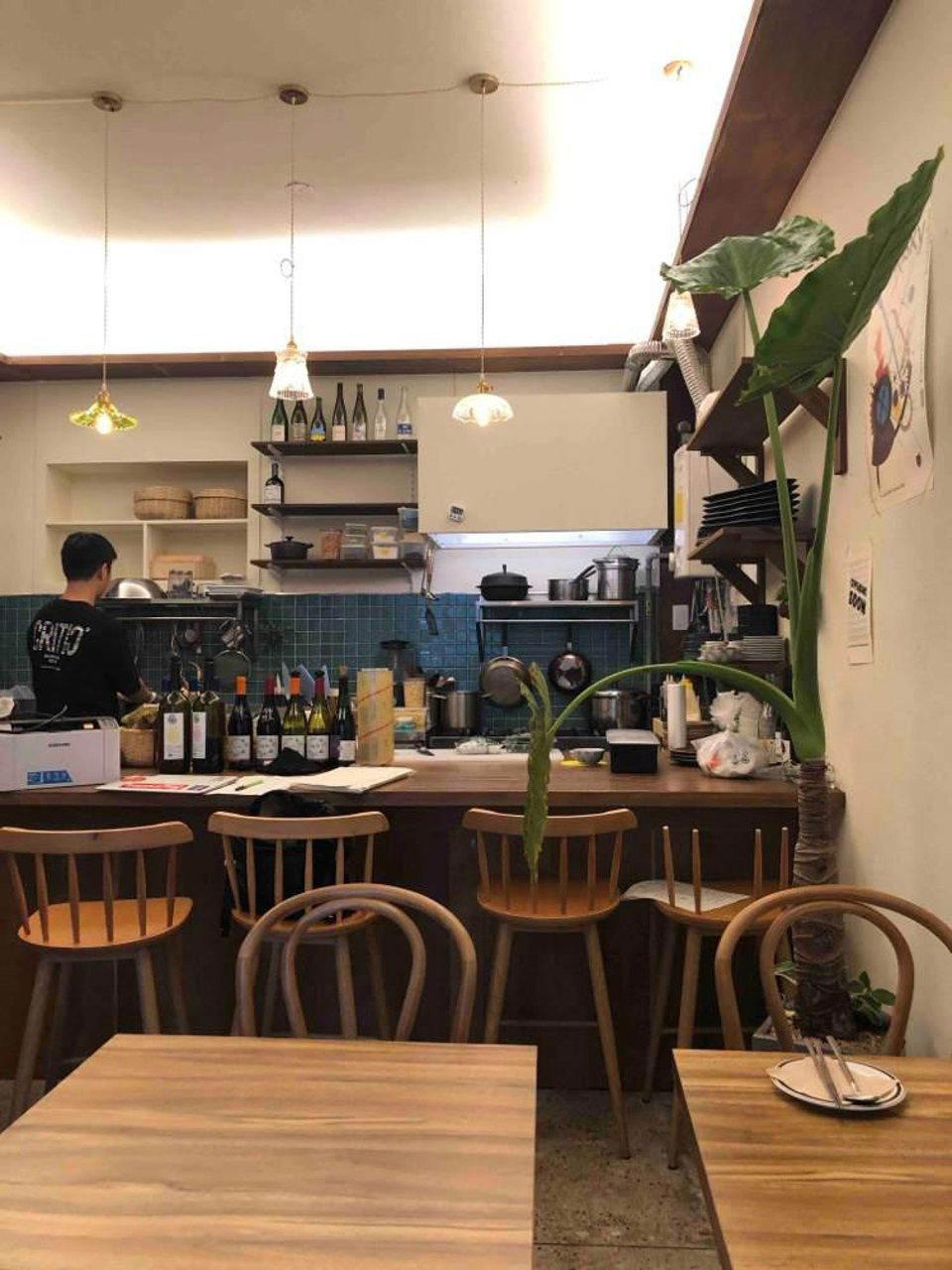
Pyeongyang Myeonok operates in Gangnam District at 6 Nonhyeon-ro 150-gil, occupying the functional, unpretentious register that defines Seoul's serious naengmyeon houses. The ₩ pricing signals a working-lunch ethos rather than a destination-dining room, austere by design, with the bowl doing the talking. Its two consecutive Michelin Plates confirm inspector-level attention without the formality those visits might imply elsewhere.
Does Pyeongyang Myeonok have a Michelin star or similar recognition?
Pyeongyang Myeonok has received recognition including: Michelin Plate (2025); Michelin Plate (2024).
What's the must-try dish at Pyeongyang Myeonok?
The restaurant's cuisine type is naengmyeon, specifically in the Pyeongyang style, a clear, lightly flavoured broth with buckwheat-forward noodles and restrained garnish. That bowl is the point of the address. The Michelin Plate awarded in both 2024 and 2025 was granted on the strength of that single discipline, not a broad menu.
What style of cooking does Pyeongyang Myeonok do?
What should I budget for a meal at Pyeongyang Myeonok?
Pricing at Pyeongyang Myeonok is listed as ₩.
A Pricing-First Comparison
| Venue | Cuisine | Price | Awards | Notes |
|---|---|---|---|---|
| Pyeongyang MyeonokThis venue (the venue you are viewing) | Pyongyang-style Naengmyeon | $10–20 | Michelin Plate | Not listed |
| 7th Door | Modern Korean Fermentation Fine Dining | $100–150 | 1 Michelin Star · World's 50 Best #49 | Korean, Contemporary |
| Solbam | Contemporary Neo-Classical Korean | $200–300 | 1 Michelin Star · World's 50 Best #55 | Contemporary |
| Onjium | Modern Korean Royal Court Cuisine | Not listed | 1 Michelin Star · World's 50 Best #14 | Korean |
| L'Amitié | Classic French Fine Dining | $100–150 | 1 Michelin Star · La Liste Top Restaurants | French |
| Zero Complex | Modern French Neo-Bistro | $100–150 | 1 Michelin Star · La Liste Top Restaurants | Korean-French, Innovative |
Recognition history
Dated appearances from independent guides and award organizations, with the underlying list record or original source where available.
Michelin Plate
Michelin
Full recognition history (3 entries)
Michelin Plate
Michelin
Michelin Plate
Michelin