Bongmilga

Michelin Plate
Our verdict
The kitchen focuses on a single discipline: the cold buckwheat noodle tradition that defines North Korean-rooted Korean dining. Pricing sits at the accessible end of Seoul's recognised dining scene.

Pearl is the En Primeur Club membership app, where members save venues, book tables and use the concierge.
The menu
What to order
- Pyeongyang Buckwheat Noodles (Mul Naengmyeon)
- Mandu (Pan-fried Dumplings)
- Boiled Beef Slice with Broth
- Buckwheat Pancake
Cold Noodles, Serious Credentials: Seoul's Naengmyeon Tradition in Gangnam
Seoul's naengmyeon culture carries more history per bowl than almost any other Korean food category. The dish originates in the cold-climate provinces of what is now North Korea, where buckwheat grew abundantly and chilled noodles in chilled broth were a practical winter food long before they became a year-round institution. That origin story matters because it explains the philosophical restraint behind every well-made naengmyeon: the broth should be clear and lightly mineral, the noodles firm but not resistant, the garnish spare. Nothing about the format encourages excess. In a city where fine dining has expanded aggressively into tasting-menu formats, naengmyeon specialists occupy an entirely different register, one where the discipline is in subtraction, not accumulation.
Bongmilga operates in this tradition from a ground-floor address in Gangnam's Seolleung-ro corridor, a stretch of the district better known for corporate towers than dedicated food culture. The address itself signals something about the venue's orientation: this is a neighbourhood restaurant in the functional sense, drawing repeat visitors rather than destination tourists, and sitting at the single-won price tier rather than the multi-course price brackets occupied by the Gangnam fine-dining circuit. For context, Michelin-starred Korean and contemporary restaurants in the same district, operations like 권숙수 - Kwon Sook Soo in Gangnam-gu and Gaon in Seoul, Korea, price at ₩₩₩₩. Bongmilga prices at ₩, placing it among the most accessible Michelin-recognised addresses in the city.
What the Michelin Plate Recognition Signals
Consecutive Michelin Plate recognition in 2024 and 2025 tells a specific story about quality consistency. The Plate designation does not carry the star system's headline power, but in the context of a single-dish specialist at a low price point, it carries a different kind of weight: it means the guide's inspectors returned, ate the same food, and reached the same conclusion twice. That is a reliable signal about kitchen discipline in a format where the margin for error is narrow. Naengmyeon broth is not a sauce that can be adjusted mid-service; it is prepared in bulk, chilled, and served as-is. A broth that reads as flat or as too saline on inspection day cannot be corrected on the plate. The recognition, held across both years, reflects a kitchen operating with genuine consistency in a format that offers no technical cover.
Within Seoul's naengmyeon peer group, Bongmilga sits alongside a set of recognised specialists that includes Jinmi Pyeongyang Naengmyeon, Jungin Myeonok, Nampo Myeonok, Pildong Myeonok, and Okdol Heyonok. Each of these addresses maintains a distinct character, regional emphasis, broth preparation approach, noodle composition, and together they represent Seoul's serious naengmyeon tier. The broader naengmyeon tradition extends across South Korea, with strong expressions in Busan including 100.1. Pyeongnaeng, Naengmyeon in Busan, Buda Myeonoak, Naengmyeon in Busan, and Damiok, Naengmyeon in Busan.
The Sustainability Logic of a Single-Dish Format
Naengmyeon specialists operate on a supply chain that is, structurally, among the least wasteful in Korean restaurant culture. The format demands a focused ingredient list: buckwheat (and often a wheat or starch blend), a base stock typically drawn from beef or dongchimi radish brine, and a limited set of cold-weather garnishes. When a kitchen commits entirely to one dish, it can source ingredients at volume and with precision, ordering what it needs and cycling through stock at a pace that reduces spoilage. Compare this to a multi-course tasting menu format, where ingredient variety is broad, portions per component are small, and the risk of over-purchasing is distributed across a long supply list. The single-dish model naturally aligns with lower-waste procurement simply because the menu does not require the inventory complexity of a broader kitchen.
This matters in Seoul's current dining context. The city's food industry has faced growing scrutiny around food waste, South Korea operates one of the world's strictest food waste legislation frameworks, including volume-based disposal fees that incentivise kitchens to reduce waste at the source. A naengmyeon specialist that runs a tight, focused menu and sources grain-based noodles from domestic suppliers participates in that system more efficiently than many of its peers. Buckwheat, the primary noodle ingredient, is a low-input crop: it requires minimal fertiliser, grows in poor soils, and has a shorter cultivation cycle than wheat. The grain's agricultural footprint is, by most measures, lighter than that of the imported produce that appears on Seoul's broader fine-dining menus.
Visiting: Timing, Season, and Practical Notes
Naengmyeon's cultural seasonality runs in a counterintuitive direction. The dish is eaten year-round in Korea, but consumption peaks in summer, when chilled broth registers as active relief rather than ambient comfort. The months from late June through August are when naengmyeon queues lengthen across Seoul, and when the city's appetite for the dish is at its most legible to visitors. If your Seoul visit falls in that window, a cold noodle lunch at Bongmilga is not a nostalgic act but a direct participation in how the city eats in the heat. Winter visits remain worthwhile, the broth reads differently in cold air, and the dining room tends to be quieter, but summer is when the format carries its fullest cultural charge.
Bongmilga is located at 664 Seolleung-ro, Gangnam District, in the basement level of a commercial building (unit 109). The Gangnam area is well-served by Seoul's metro network, with Seolleung and Samsung stations both accessible from the district.
For visitors building a wider Seoul itinerary, our full Seoul restaurants guide maps the city's dining range from accessible specialists through to the starred circuit. Related Seoul resources include our full Seoul hotels guide, our full Seoul bars guide, our full Seoul wineries guide, and our full Seoul experiences guide. For a contrasting view of Korean culinary tradition in a different register, Baegyangsa Temple in Jangseong-gun and Mori in Busan offer useful points of comparison, as does 더 플라잉 호그 - The Flying Hog in Seogwipo for a different regional mood.
Frequently asked questions
What does dinner at Bongmilga typically cost?
Pricing at Bongmilga is listed as ₩.
What kind of recognition has Bongmilga received?
Bongmilga has received recognition including: Michelin Plate (2025); Michelin Plate (2024).
What should I order at Bongmilga?
Bongmilga operates as a naengmyeon specialist, meaning the menu centres on cold noodles rather than a broad selection of Korean dishes. The single-dish format is the point: naengmyeon comes in two primary styles across most Korean specialists, mul (broth-based) and bibim (spiced, no broth), and the kitchen's consecutive Michelin Plate recognition in 2024 and 2025 reflects consistency in execution rather than range. Order the core offering and judge the kitchen on the fundamentals it has built its reputation around.
Where do I go for Bongmilga?
Bongmilga is located at South Korea, Seoul, Gangnam District, Seolleung-ro, 664 건설빌딩 109호 109, Seoul.
Do they take walk-ins at Bongmilga?
Given the Michelin Plate recognition and the seasonal summer surge in naengmyeon demand, arriving early or off-peak is a practical approach. The ₩ price range suggests a format built for volume and accessibility rather than reservation-only counter dining.
Peers in This Market
A quick peer reference to anchor this venue in its category.
| Venue | Cuisine | Price | Awards | Notes |
|---|---|---|---|---|
| BongmilgaThis venue (the venue you are viewing) | Pyeongyang-Style Cold Buckwheat Noodles | $20–30 | Michelin Plate | Not listed |
| 7th Door | Modern Korean Fermentation Fine Dining | $100–150 | 1 Michelin Star · World's 50 Best #49 | Korean, Contemporary |
| Solbam | Contemporary Neo-Classical Korean | $200–300 | 1 Michelin Star · World's 50 Best #55 | Contemporary |
| Onjium | Modern Korean Royal Court Cuisine | Not listed | 1 Michelin Star · World's 50 Best #14 | Korean |
| L'Amitié | Classic French Fine Dining | $100–150 | 1 Michelin Star · La Liste Top Restaurants | French |
| Zero Complex | Modern French Neo-Bistro | $100–150 | 1 Michelin Star · La Liste Top Restaurants | Korean-French, Innovative |
Recognition history
Dated appearances from independent guides and award organizations, with the underlying list record or original source where available.
Michelin Plate
Michelin
Full recognition history (3 entries)
Michelin Plate
Michelin
Michelin Plate
Michelin
Continue exploring
More in Seoul
Restaurants in Seoul
All restaurants in Seoul →
Bars in Seoul
All bars in Seoul →
Details
- Quiet
- Classic
- Intimate
- Casual Hangout
- Solo
- Group Dining
- Open Kitchen
- Standalone
- Local Sourcing
- A La Carte
- Set Menu
- Vegetarian Friendly
- Gluten Free Options
Current opening hours
- Monday
- 11 AM–3 PM, 4–9 PM
- Tuesday
- 11 AM–3 PM, 4–9 PM
- Wednesday
- 11 AM–3 PM, 4–9 PM
- Thursday
- 11 AM–3 PM, 4–9 PM
- Friday
- 11 AM–3 PM, 4–9 PM
- Saturday
- 11 AM–3 PM, 4–9 PM
- Sunday
- Closed
Hours can change for holidays and private events. Hours as of .
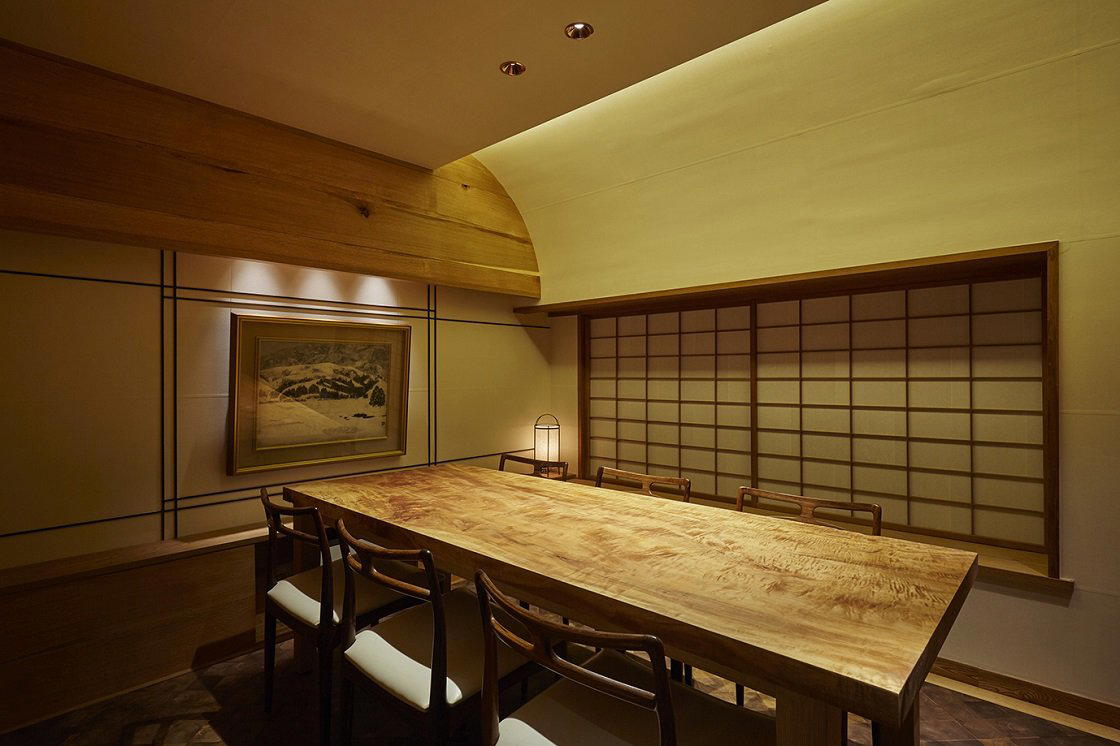
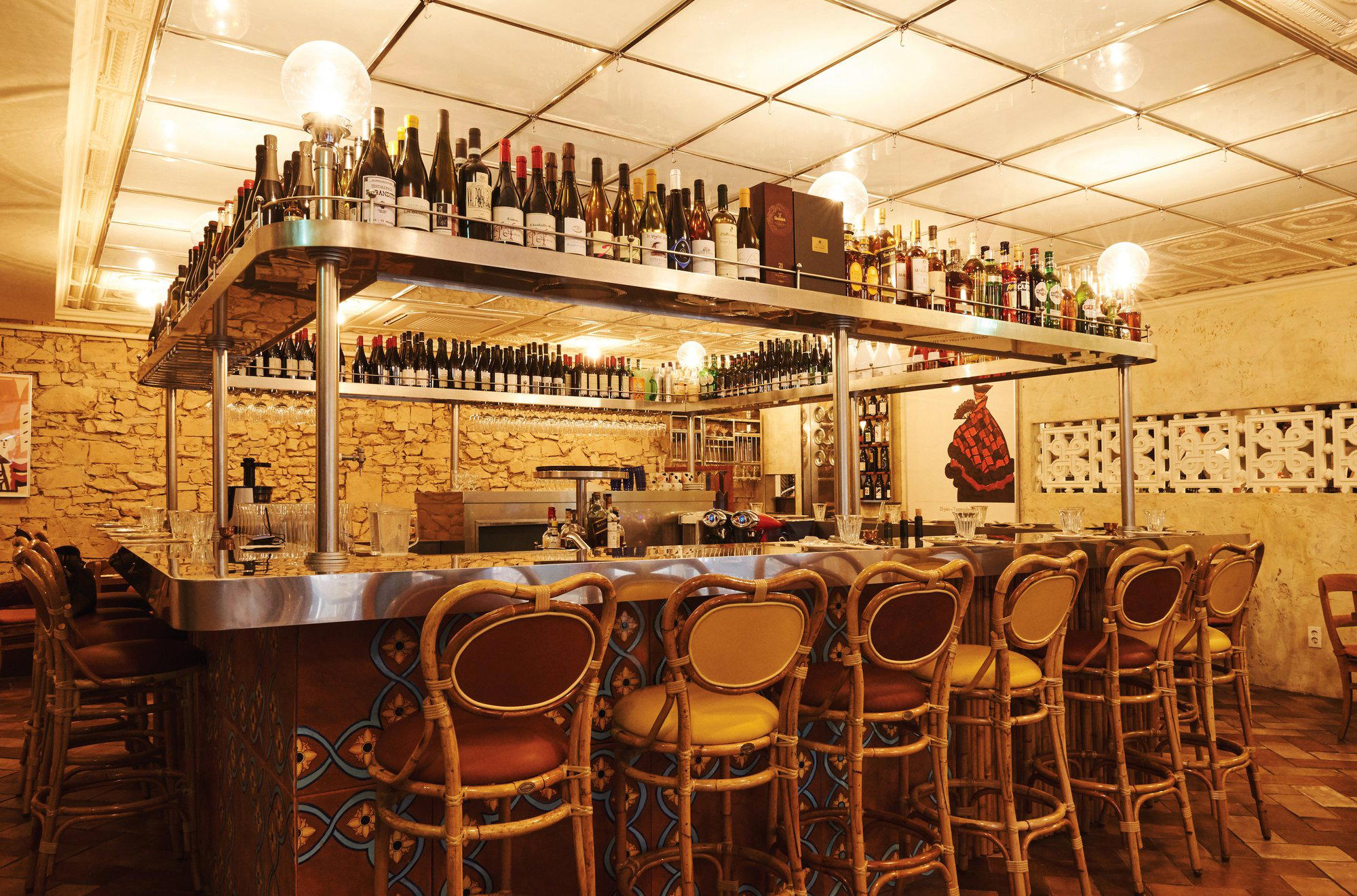
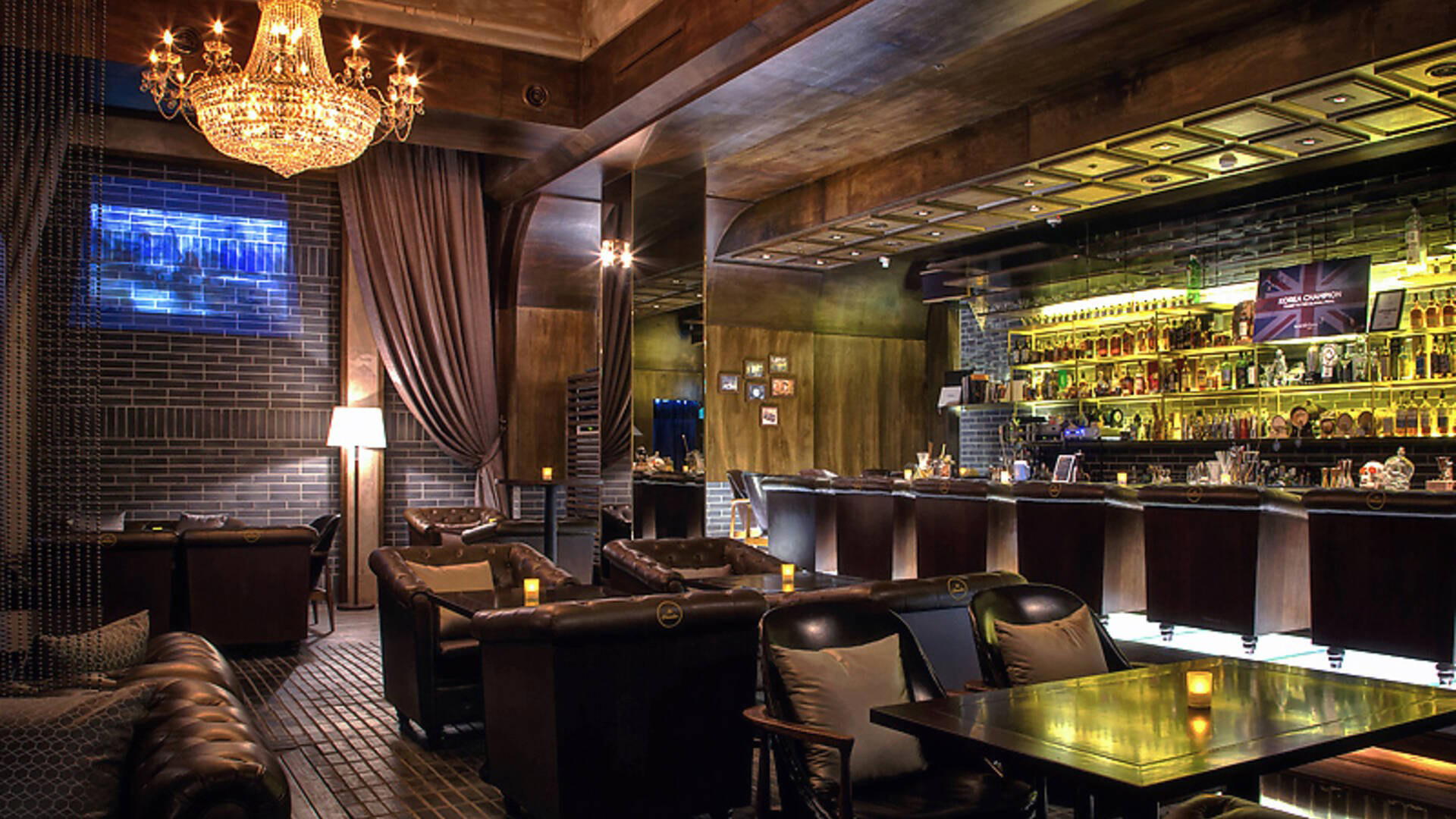
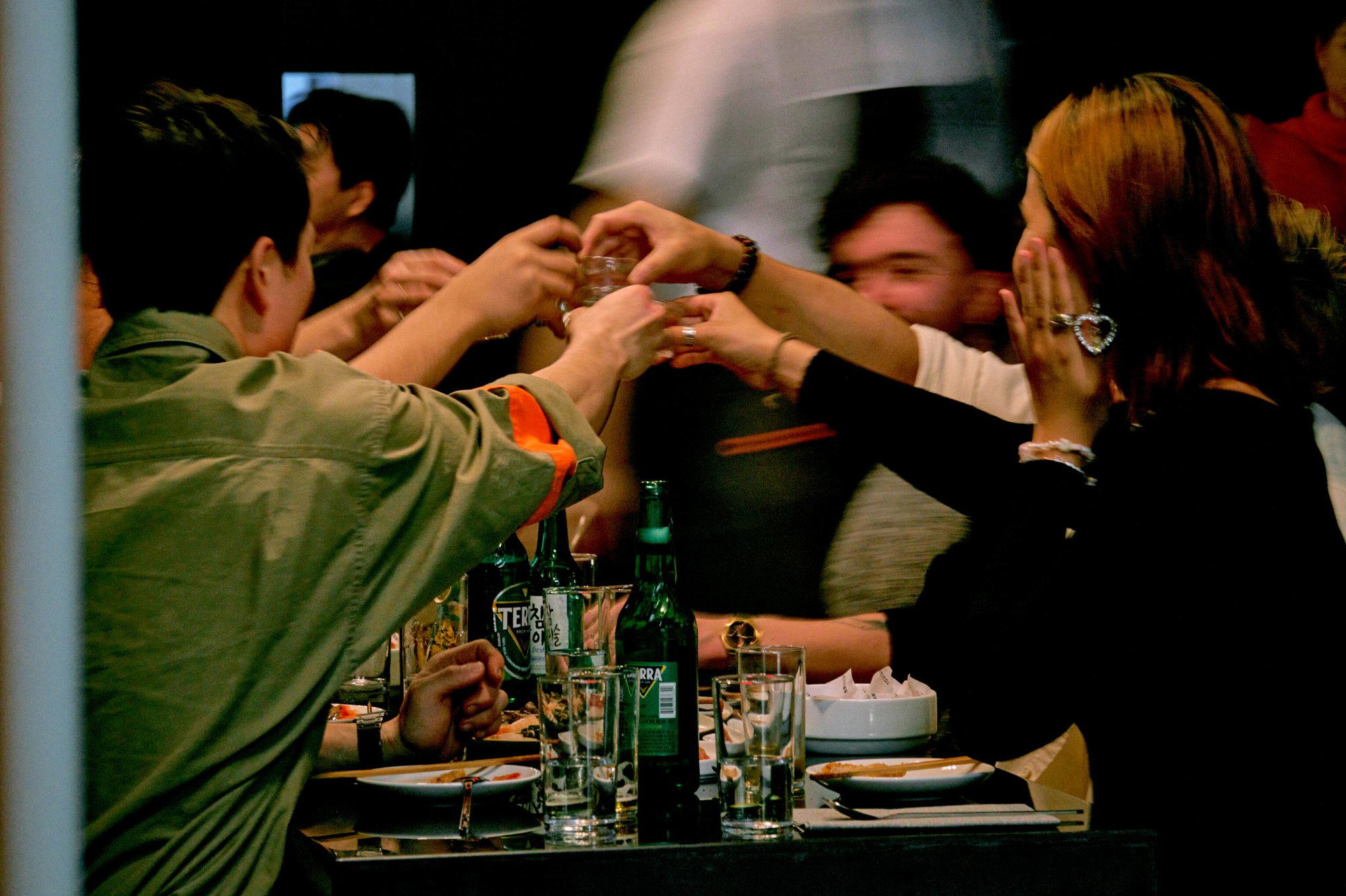
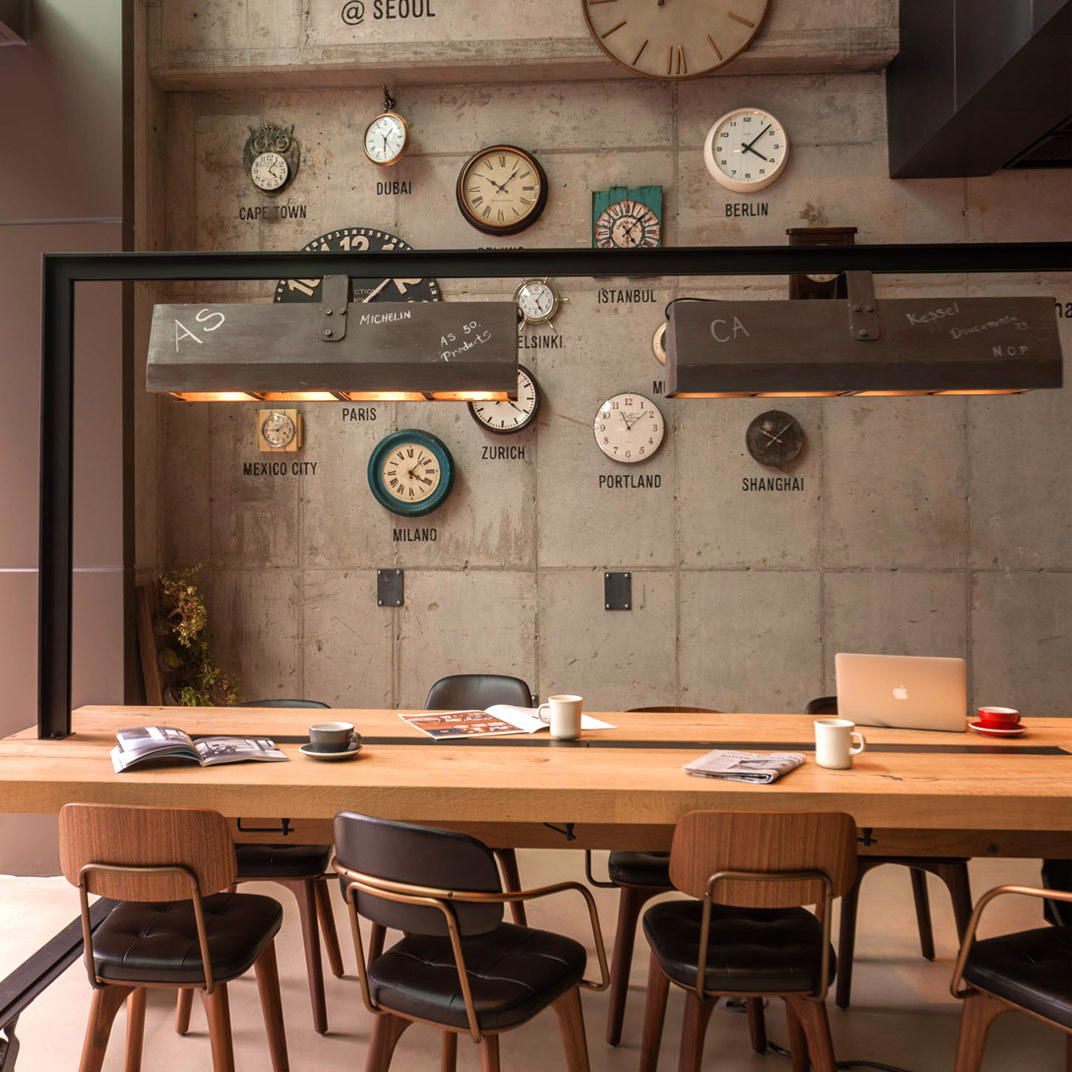
Understated, calm, and minimalist interior that accentuates the cuisine's purity; warm and inviting with tantalizing aromas of freshly prepared dishes.