Jinmi Pyeongyang Naengmyeon

A Michelin Plate-recognised naengmyeon specialist in Gangnam, Jinmi Pyeongyang Naengmyeon holds closely to the conventions of North Korean cold buckwheat noodle tradition. The menu runs the canonical roster: mul naengmyeon, bibim naengmyeon, boiled pork and beef slices, bulgogi, dumplings, and Pyeongyang-style beef hot pot.
Pearl is the En Primeur Club membership app — saves, bookings, and concierge access live there. Same editors, same standards.
- Address
- 307 Hakdong-ro, Gangnam District, Seoul, South Korea
- Phone
- +82 2-515-3469
- Website
- jinmipy.modoo.at
- Directions
- Get directions
 Saves & bookings on Pearl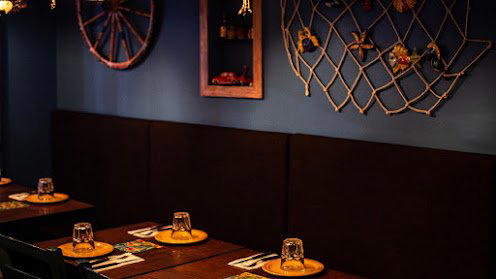
Cold Noodles, Precise Ritual: Reading Pyeongyang Tradition in Gangnam
The approach to a Pyeongyang naengmyeon meal follows a logic that has barely shifted in decades. You sit down. A bowl of warm broth arrives to open the stomach. Then the cold noodles come, served in a stainless steel bowl with a pair of scissors resting nearby, because the long buckwheat strands are traditionally snipped before eating. The rhythm is deliberate, the presentation austere, and the flavour register, clean, lightly acidic, with a restrained beefy depth in the broth, demands attention rather than delivers sensation. At Jinmi Pyeongyang Naengmyeon, on Hakdong-ro in Gangnam District, that ritual plays out in a format that earned a Michelin Plate recognition in 2025, placing it in the tier of Seoul addresses the guide judges worth a detour.
What Pyeongyang Naengmyeon Actually Is
To understand what Jinmi is doing, you need to understand what Pyeongyang naengmyeon is not. It is not the spicier, more aggressively seasoned bibim naengmyeon that many first-time visitors encounter. Pyeongyang cold noodles are defined by subtlety: thin, slightly elastic buckwheat noodles served in a clear, chilled dongchimi (radish water kimchi) or beef broth, with minimal garnish. The dish originates from what is now North Korea, and versions served in Seoul carry a particular weight of culinary memory, they are foods that refugees and their descendants brought south, adapted carefully, and kept alive in neighbourhood restaurants across decades. The tradition's guardians in Seoul are not chefs building menus around personal vision; they are practitioners maintaining a received form, and the measure of quality is fidelity and execution, not invention.
That context places Jinmi inside a specific comparable set in Seoul. Restaurants like Pildong Myeonok, Nampo Myeonok, and Jungin Myeonok are all operating within the same framework of fidelity. The question between them is not one of creativity but of broth clarity, noodle texture, and the quality of the supporting dishes that fill out the table. Okdol Heyonok and Bongmilga represent adjacent points in Seoul's wider cold noodle map. The city takes this category seriously, and the distinctions matter to regulars.
The Menu as a Document
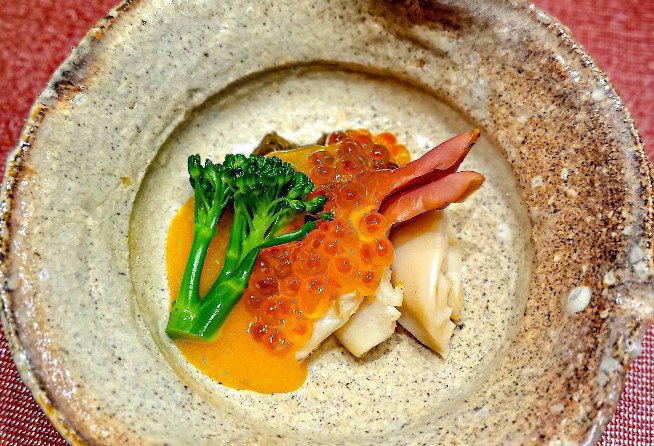
The menu at Jinmi reads like a direct transcription of what you would find in a canonical Pyeongyang cold noodle house. Mul naengmyeon (cold noodles in broth) and bibim naengmyeon (mixed with a chilli-based sauce) are the two poles around which everything else orbits. Eogi (boiled pork slices) and chadolbaegi (thinly shaved beef) arrive as accompaniments or standalone orders, functioning both as table anchors and as palate counterweights to the cold acidity of the noodles. Bulgogi and mandu (dumplings) extend the table further, and the Pyeongyang-style beef hot pot, a version of the warming broth-based dish that predates modern Korean barbecue culture, rounds out the offering for larger groups or longer meals.
This is a single-category restaurant operating at depth rather than breadth, which is a different proposition from the multi-concept Korean dining that dominates Gangnam's higher price points. Where places like Gaon or Kwon Sook Soo present Korean cuisine as a fine-dining grammar, Jinmi operates in an older, more grounded register. The price tier (₩) reflects this: naengmyeon culture has always been accessible, and the cost-per-bowl at even particularly respected Seoul houses remains far below the multi-course tasting menu bracket.
How the Meal Is Meant to Unfold
The dining ritual at a Pyeongyang naengmyeon restaurant carries specific conventions that reward some understanding. Arriving hungry matters more than you might think: the broth dishes and side proteins are intended to be eaten alongside or just before the cold noodles, not after. The warm mandu, if ordered, typically precede the bowls. The noodles themselves arrive deeply chilled, sometimes with a sliver of ice floating in the broth, and the correct move is to lift, snip, then taste the broth alone before adjusting seasoning with the small condiment vessels on the table, usually vinegar and mustard. This is not a meal for distracted eating.
The ritual also has a social dimension. Naengmyeon restaurants in Seoul function as gathering places for long lunches, post-work meals, and family visits, and the format encourages a slower pace than a bowl of ramen or a quick bibimbap. Tables tend to accumulate dishes rather than clear them between courses. The beef hot pot, if ordered, extends the meal into a longer communal register.
Gangnam Context
Jinmi's address on Hakdong-ro places it in a part of Gangnam where the dining culture is markedly different from the high-concept restaurants clustered around Apgujeong or the tourist-facing streets of Garosu-gil. This stretch of Hakdong-ro supports a range of Korean specialists, and a naengmyeon house at a ₩ price point holds its own alongside them by virtue of longevity, consistency, and now Michelin recognition. The 2025 Plate is not a starred designation, but in a city where the guide's starred list is dominated by contemporary Korean and French-influenced menus at ₩₩₩₩ price points, a Plate for a single-category traditional specialist signals something the guide's inspectors find worth noting: that this is a place doing one thing with enough skill to earn attention.
Naengmyeon regulars are specific people with strong opinions about broth and noodle texture, and a rating built at this volume reflects genuine local confidence.
For a broader view of where Seoul's naengmyeon tradition extends beyond the capital, the style has also taken root further south: 100.1. Pyeongnaeng in Busan, Buda Myeonoak in Busan, and Damiok in Busan each represent regional interpretations of the same cold noodle lineage. Outside the naengmyeon world, Mori in Busan and Baegyangsa Temple in Jangseong-gun offer different windows into Korean culinary traditions worth placing on the same trip. For a contemporary counterpoint closer to Jinmi's neighbourhood, The Flying Hog in Seogwipo marks a sharp stylistic departure. Our full Seoul restaurants guide covers the broader scene, with additional context in our Seoul hotels guide, Seoul bars guide, Seoul wineries guide, and Seoul experiences guide.
Know Before You Go
- Address: 307 Hakdong-ro, Gangnam District, Seoul, South Korea
- Cuisine: Pyeongyang naengmyeon (cold buckwheat noodles); supporting menu of boiled pork and beef slices, bulgogi, mandu, and Pyeongyang-style beef hot pot
- Price range: ₩ (accessible; well below Gangnam's tasting-menu bracket)
- Recognition: Michelin Plate (2025); 4.2 from 3,401 Google reviews
- Booking: Booking method not confirmed; walk-in is standard practice at most Seoul naengmyeon houses, though peak lunch and weekend hours at Michelin-recognised addresses can produce queues
- Hours: Not confirmed; check directly before visiting
Comparable Spots, Quickly
Comparable venues nearby, for context on price, style, and recognition.
| Venue | Cuisine | Price | Awards | Notes |
|---|---|---|---|---|
| Jinmi Pyeongyang NaengmyeonThis venue — the venue you are viewing | Pyongyang Naengmyeon | $$ | Michelin Plate | Not listed |
| Bongmilga | Pyeongyang-Style Cold Buckwheat Noodles | $$ | Michelin Plate | 압구정동 |
| Tongue & Groove Joint | Modern Korean BBQ | $$ | Michelin Plate | 이태원동 |
| Nampo Myeonok | Traditional Korean Naengmyeon | $$ | Michelin Plate | Sajik-dong |
| Jinmi Sikdang | Korean Soy-Marinated Raw Crab (Ganjang Gejang) | $$ | Michelin Plate | 북아현동 |
| Imun Seolnongtang | Traditional Korean Seolleongtang | $$ | Michelin Plate | 가회동 |
Recognition history
Dated appearances from independent guides and award organizations, with the underlying list record or original source where available.
Michelin Plate
Michelin
Michelin Plate
Michelin
Michelin Plate
Michelin
At a Glance
- Lively
- Cozy
- Group Dining
- Family
- Casual Hangout
Current opening hours
- Monday
- 11 AM–9:30 PM
- Tuesday
- 11 AM–9:30 PM
- Wednesday
- 11 AM–9:30 PM
- Thursday
- 11 AM–9:30 PM
- Friday
- 11 AM–9:30 PM
- Saturday
- 11 AM–9:30 PM
- Sunday
- 11 AM–9:30 PM
Hours can change for holidays and private events. Last verified .
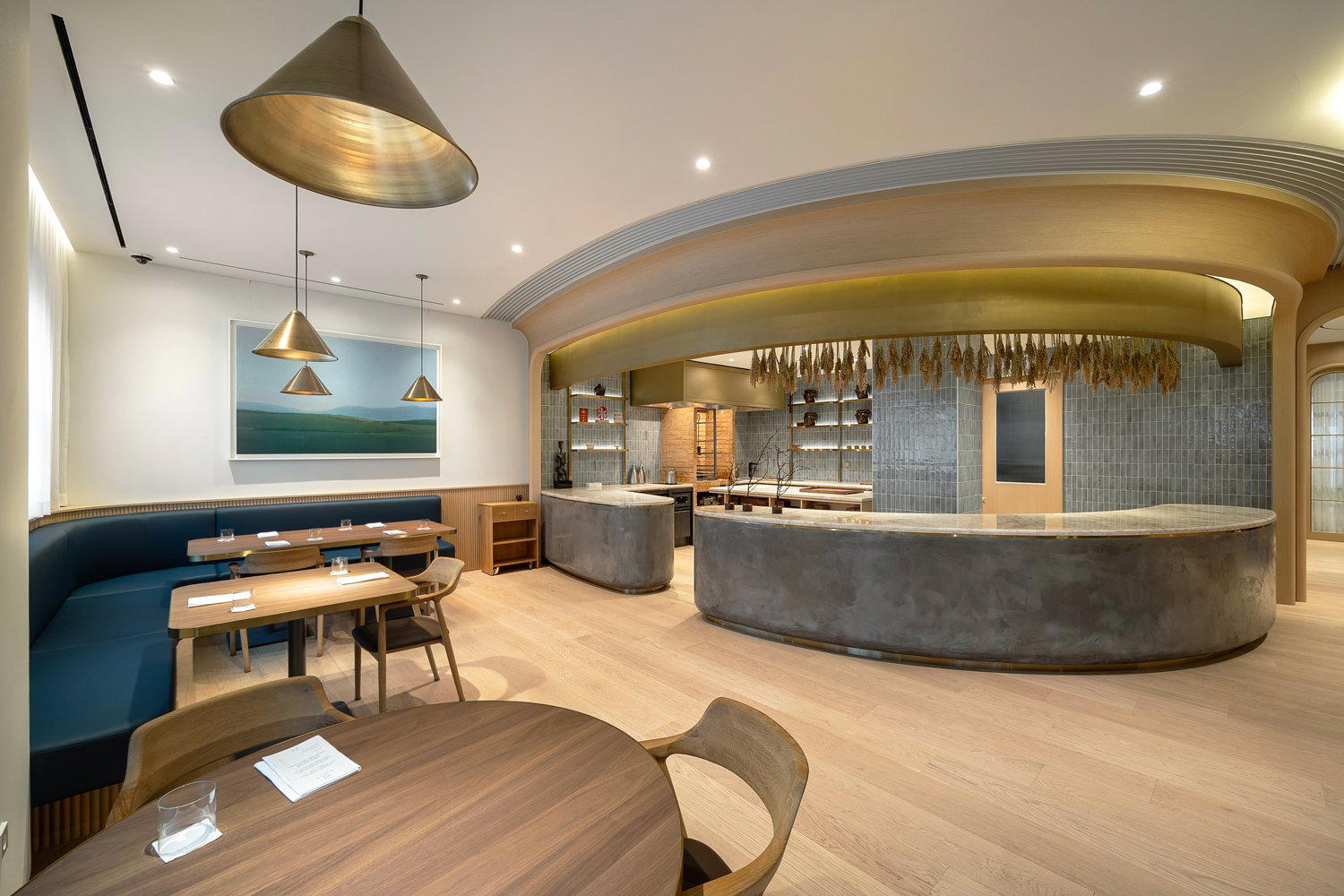
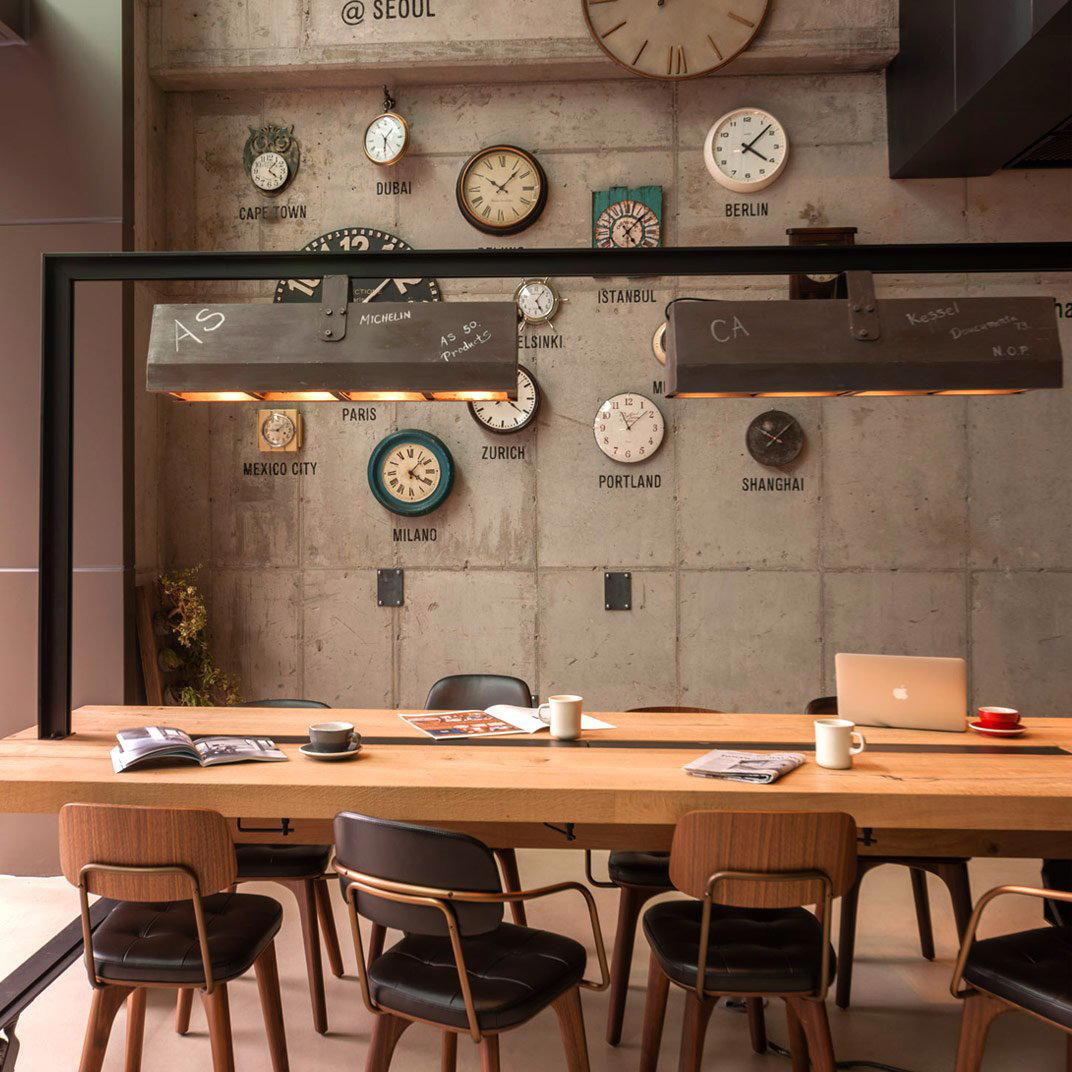
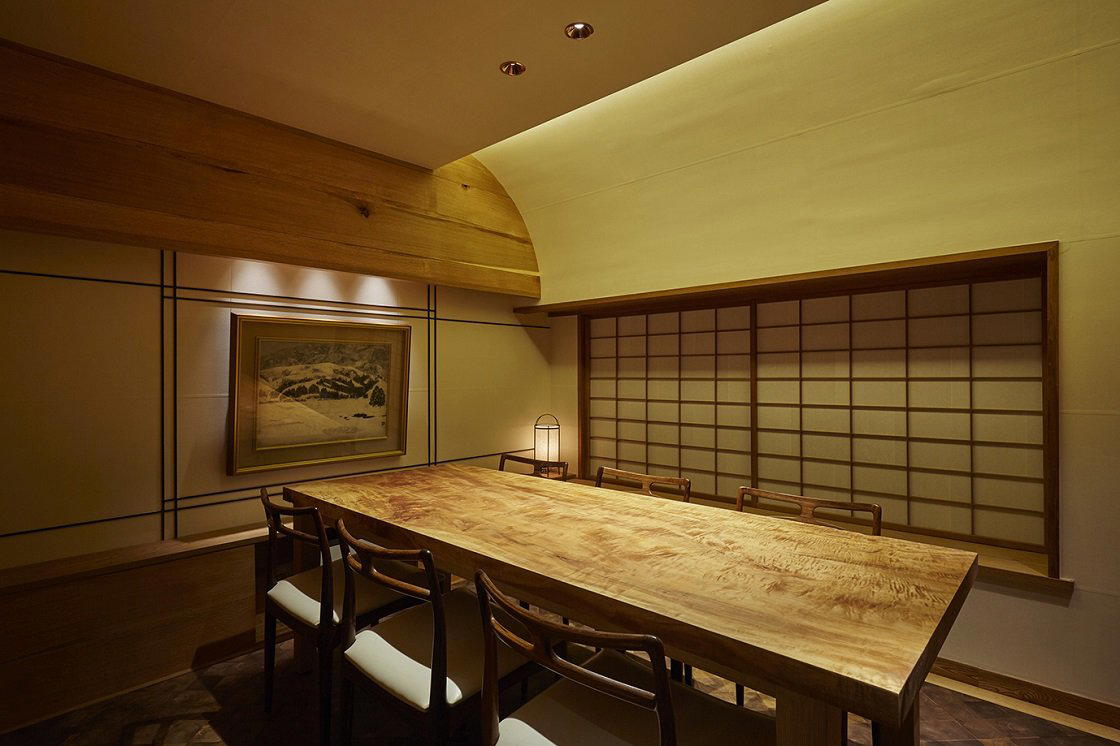
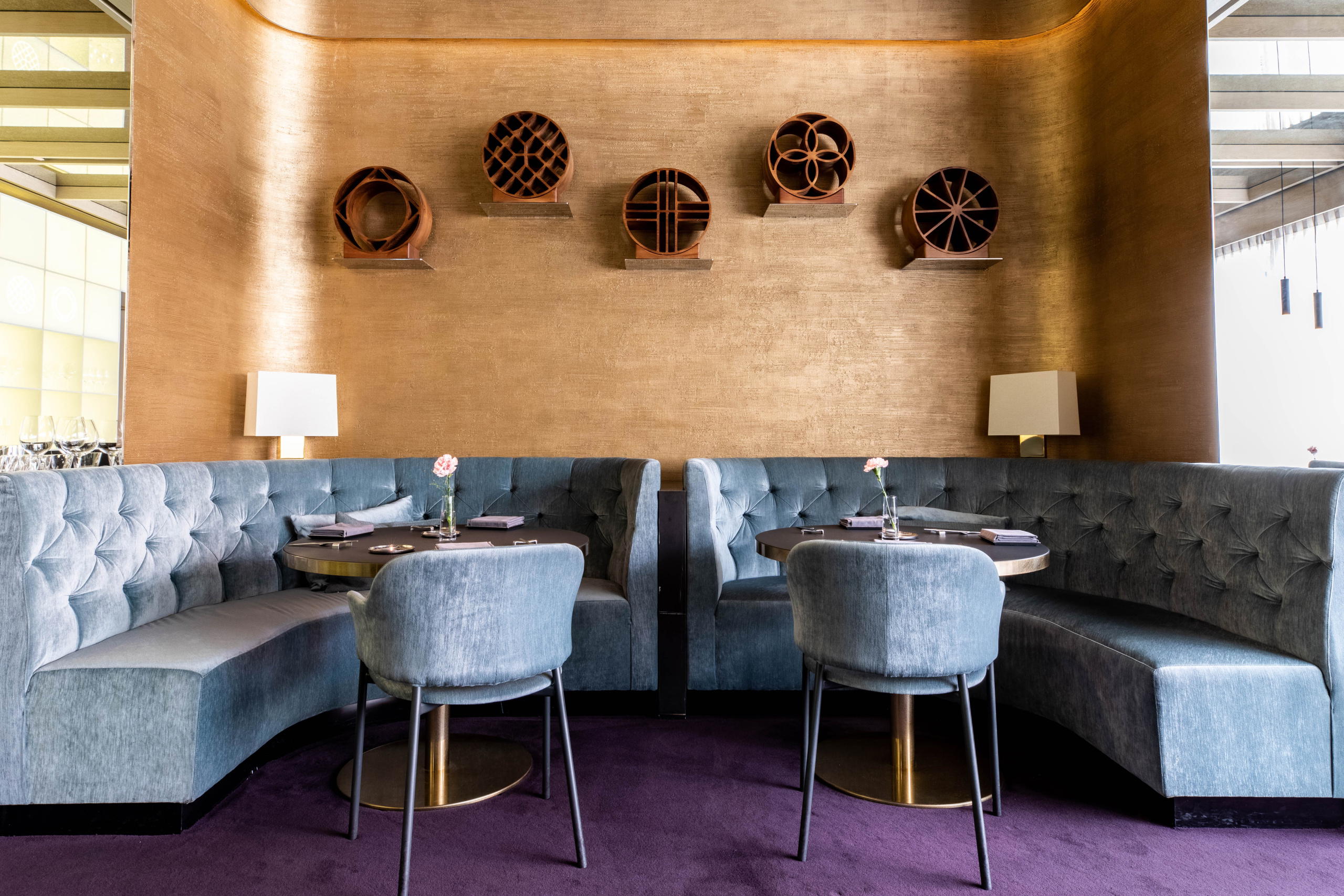
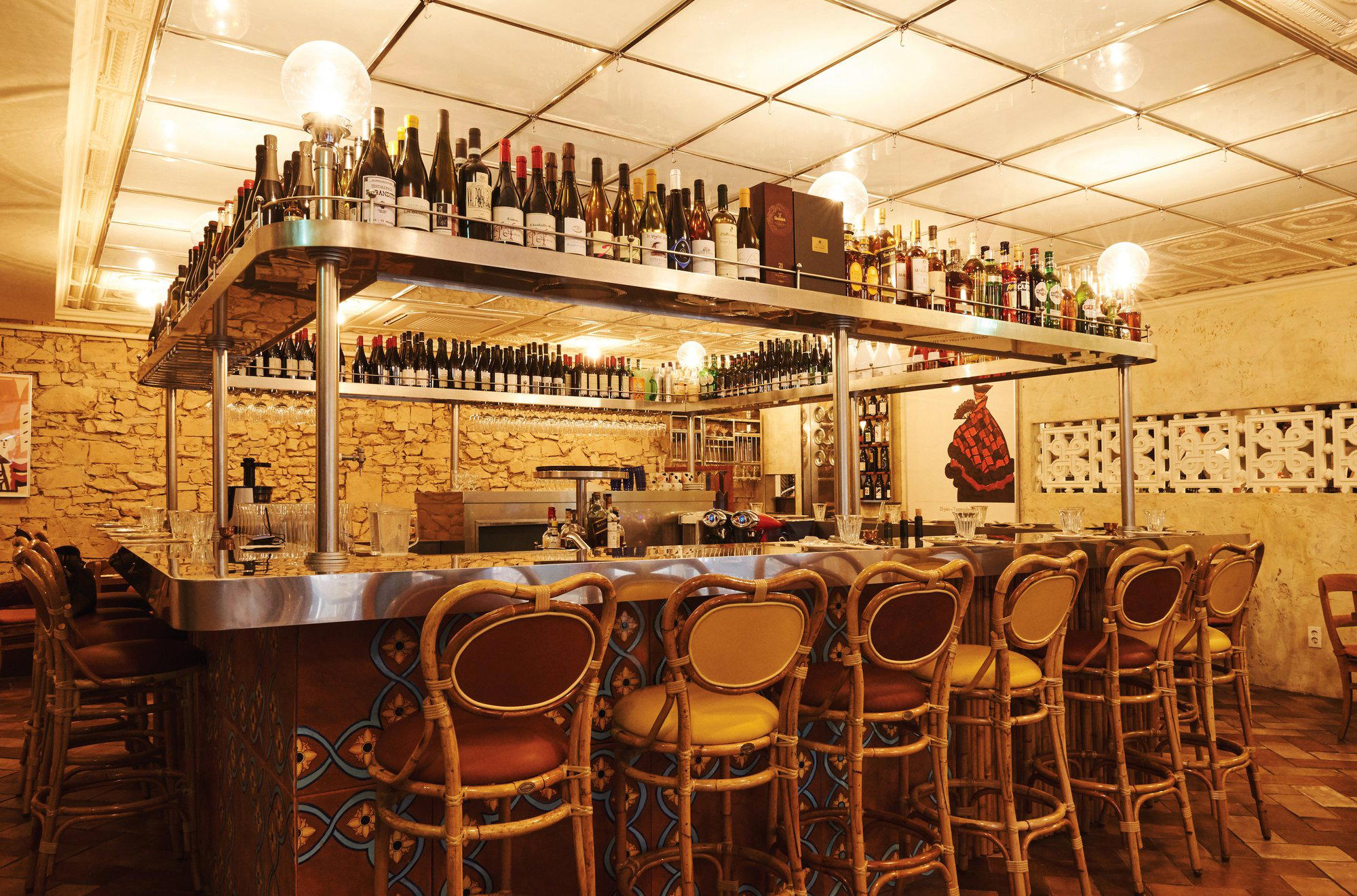
Bustling and lively atmosphere in both main building and annex, cozy and welcoming for groups and families.