Okdol Heyonok

A Michelin Bib Gourmand recipient in Seoul's Songpa District, Okdol Heyonok has built a devoted following among Pyongyang naengmyeon enthusiasts through 100% buckwheat noodles, a deeply savory broth, and a concise menu anchored by mandu and eobok jaengban. The restaurant's willingness to accommodate corkage adds an unusual dimension to a category that rarely invites wine pairing.
Pearl is the En Primeur Club membership app — saves, bookings, and concierge access live there. Same editors, same standards.
- Address
- 26-1 Ogeum-ro 36-gil, Songpa District, Seoul, South Korea
- Phone
- +82 2-404-4824
- Website
- openine.com
- Directions
- Get directions
 Saves & bookings on Pearl
Songpa's Quiet Counter for Naengmyeon Purists
Songpa District sits outside the obvious dining circuits that draw first-time visitors to Gangnam or Jongno, and that geographic remove shapes the atmosphere at restaurants like Okdol Heyonok. The clientele here are not passing through. They are the kind of regulars who have settled on a naengmyeon house the way a Londoner settles on a local pub: through repetition, comparison, and eventually loyalty. At Okdol Heyonok, that loyalty has coalesced around a bowl of Pyongyang naengmyeon that the Michelin inspectors recognized with a Bib Gourmand award in 2025, a designation that signals strong quality at a price point well below the tasting-menu tier.
Pyongyang naengmyeon occupies a specific position in Seoul's noodle hierarchy. Unlike its Hamhung counterpart, which leans on spice and chewy starch noodles, the Pyongyang style prizes a clear, bone-based broth with restrained seasoning and noodles made from buckwheat, a grain that produces a more fragile, earthy strand. The broth's depth comes from long simmering rather than seasoning shortcuts, and the noodles' character only fully reveals itself as the chewing progresses. This is a bowl designed for attention, not speed.
What Keeps the Regulars Returning
The regulars at a serious naengmyeon house rarely need the menu. They know what they are ordering before they sit down, and at Okdol Heyonok, the gravitational pull is the 100% buckwheat noodle, a compositional choice that places it in a stricter interpretive tradition than restaurants blending buckwheat with wheat or starch for structural ease. Pure buckwheat noodles are more demanding to make and more prone to breaking, which is part of why many houses dilute the ratio. The ones that do not earn a specific kind of credibility among naengmyeon connoisseurs, and the restaurant's following reflects that.
Beyond the naengmyeon itself, the mandu has become a reason to return in its own right. The filling carries a notable nuttiness traced to a higher-than-usual proportion of tofu, which shifts the dumpling's texture away from the denser meat-forward profiles common elsewhere in the category. Eobok jaengban, a platter format that reconfigures some of the naengmyeon's components into a shared dish, and gajami shikhye, a fermented flatfish side with the characteristic sour-salt balance of traditional Korean fermentation, round out the menu's core. These are not supplementary items. For the regulars, they are the sequence.
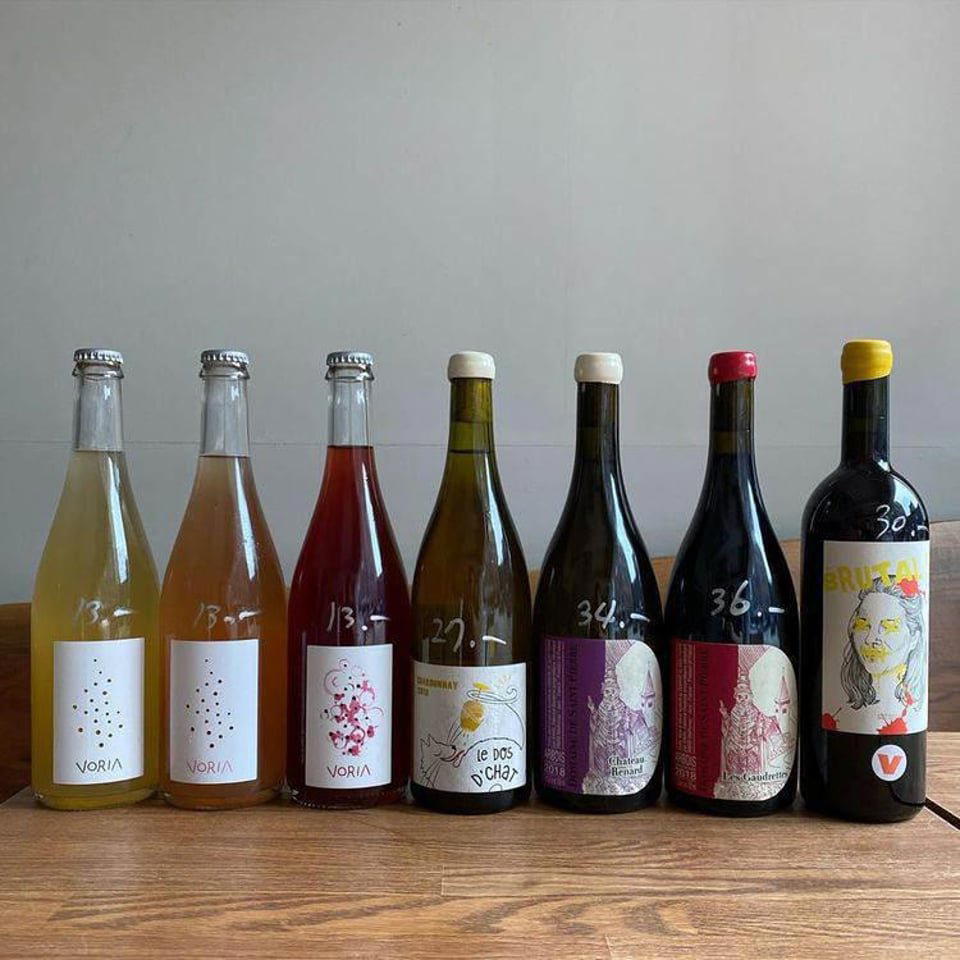
What the regulars have also absorbed is the corkage policy, an unusual feature in a naengmyeon house. The mild, umami-forward flavors of the Pyongyang style do have a plausible affinity with certain white wines, something low in tannin, with enough acidity to match the broth's quiet savory register. That the restaurant accommodates this signals a flexibility that the category rarely offers, and it has attracted a subset of guests who treat the meal as a proper dining occasion rather than a quick lunch.
Okdol Heyonok in the Seoul Naengmyeon Field
Seoul's naengmyeon scene is broader and more competitive than its outside reputation suggests. Restaurants like Pildong Myeonok and Nampo Myeonok anchor the older, more established tier of the category, while Bongmilga and Jungin Myeonok represent houses that have built their own loyal followings through consistency and craft. Jinmi Pyeongyang Naengmyeon occupies a similar specialist niche. The restaurant, as a newer entrant relative to some of these institutions, has had to earn its place through quality rather than heritage, and the Bib Gourmand recognition in 2025 suggests the Michelin Guide's inspectors found the work credible.
High-conviction regulars tend to rate differently from casual visitors, and the concentration of strong scores here is a reasonable signal of that dynamic. Songpa's location reinforces it: this is not where people end up by accident.
For those tracking naengmyeon across South Korea's cities, the tradition extends well beyond Seoul. In Busan, 100.1. Pyeongnaeng, Buda Myeonoak, and Damiok each represent distinct interpretations of how the category adapts to a different city's palate. Seoul's Pyongyang-style houses, including the restaurant, tend to hold closer to the northern broth tradition, restraint over intensity, clarity over weight.
Seoul's Broader Dining Range
The restaurant's price tier places it at a significant remove from the formal Korean dining category. Gaon and Kwon Sook Soo operate in the multi-course jeong-sik tradition at the opposite end of the price range, while venues like Mori in Busan and Baegyangsa Temple demonstrate how Korean food's range extends across formats and geographies. The restaurant's single-won price range is part of its editorial argument: serious craft does not require a tasting-menu framework or a Gangnam address.
Planning Your VisitSongpa is accessible by Seoul Metro Line 8, with Mongchontoseong or Olympic Park stations serving the broader district. Hours are Mon: 11 AM to 3 PM and 5 to 9:30 PM, Tue closed, Wed to Fri 11 AM to 3 PM and 5 to 9:30 PM, and Sat to Sun 11 AM to 9:30 PM. Reservations are recommended.What Dish Is Okdol Heyonok Famous For?
The restaurant is most closely associated with its Pyongyang naengmyeon, made with 100% buckwheat noodles served in a deeply savory, clear broth. The noodles develop a pronounced nuttiness as you chew, a quality that distinguishes pure buckwheat preparations from blended alternatives. The mandu, with a tofu-forward filling that gives the dumplings a lighter, nuttier character than meat-heavy versions, and the eobok jaengban have also become fixtures for returning guests. The gajami shikhye, a fermented flatfish preparation, rounds out the table for those ordering across the full menu. The Michelin Bib Gourmand award in 2025 is attached to the restaurant as a whole, but the naengmyeon is the reason the regulars return.
City Peers
Comparable venues nearby, for context on price, style, and recognition.
| Venue | Cuisine | Price | Notes |
|---|---|---|---|
| Okdol HeyonokThis venue — the venue you are viewing | Pyongyang Naengmyeon | $$ | Not listed |
| Ggupdang | Modern Korean Pork BBQ | $$ | Jamsil-dong |
| Gaeseong Mandu Koong | Traditional Gaeseong-Style Korean Dumplings | $$ | 남가좌 |
| Manjok Ohyang Jokbal | Traditional Korean Jokbal (Braised Pig's Trotters) | $$ | Sajik-dong |
| Seokyonanmyunbang | Korean-Italian Fusion Nanmyeon | $$ | 소공동 |
| Buchon Yukhoe | Traditional Korean Yukhoe | $$ | 이화동 |
Recognition history
Dated appearances from independent guides and award organizations, with the underlying list record or original source where available.
Michelin Bib Gourmand
Michelin
Michelin Bib Gourmand
Michelin
Michelin Bib Gourmand
Michelin



At a Glance
- Quiet
- Modern
- Cozy
- Casual Hangout
- Solo
- Corkage Allowed
Current opening hours
- Monday
- 11 AM–3 PM, 5–9:30 PM
- Tuesday
- Closed
- Wednesday
- 11 AM–3 PM, 5–9:30 PM
- Thursday
- 11 AM–3 PM, 5–9:30 PM
- Friday
- 11 AM–3 PM, 5–9:30 PM
- Saturday
- 11 AM–9:30 PM
- Sunday
- 11 AM–9:30 PM
Hours can change for holidays and private events. Last verified .
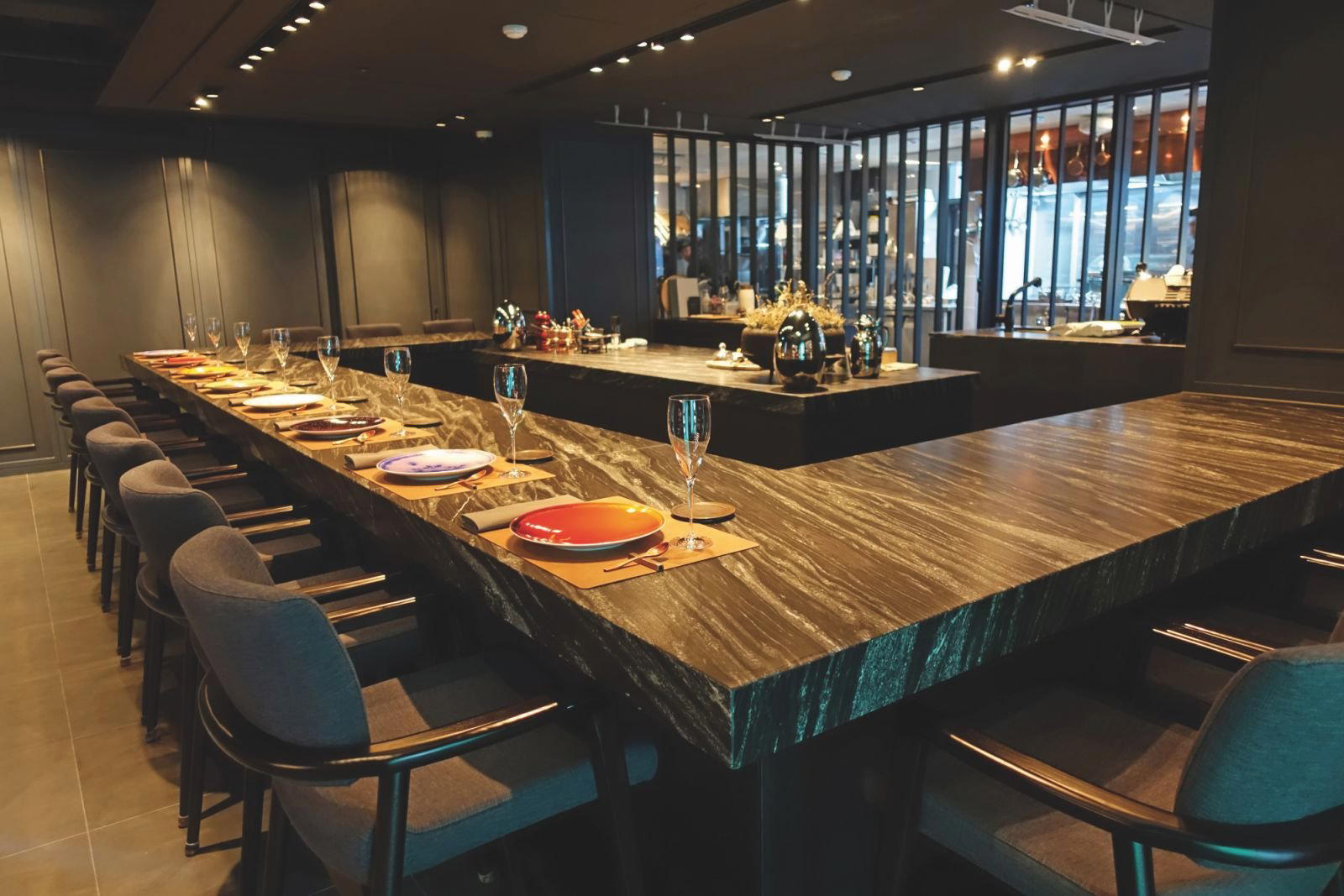
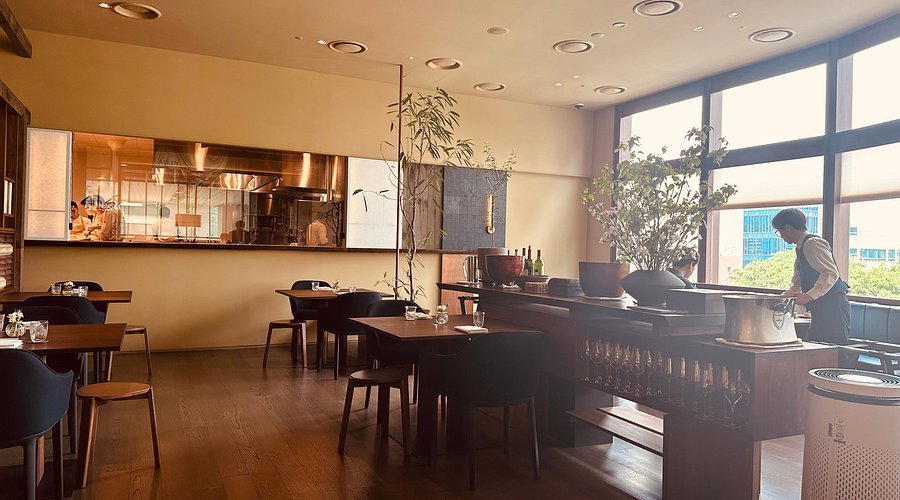
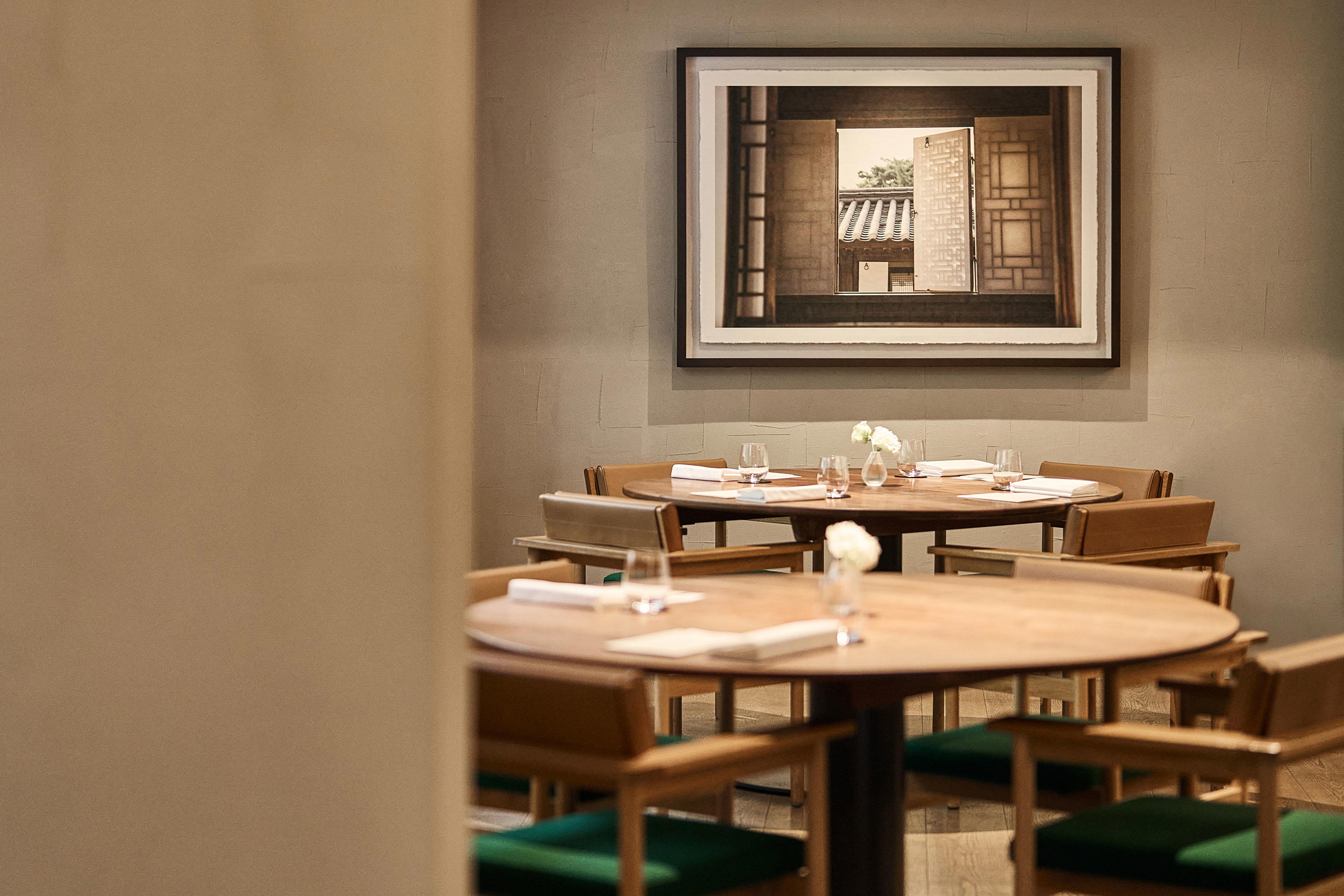
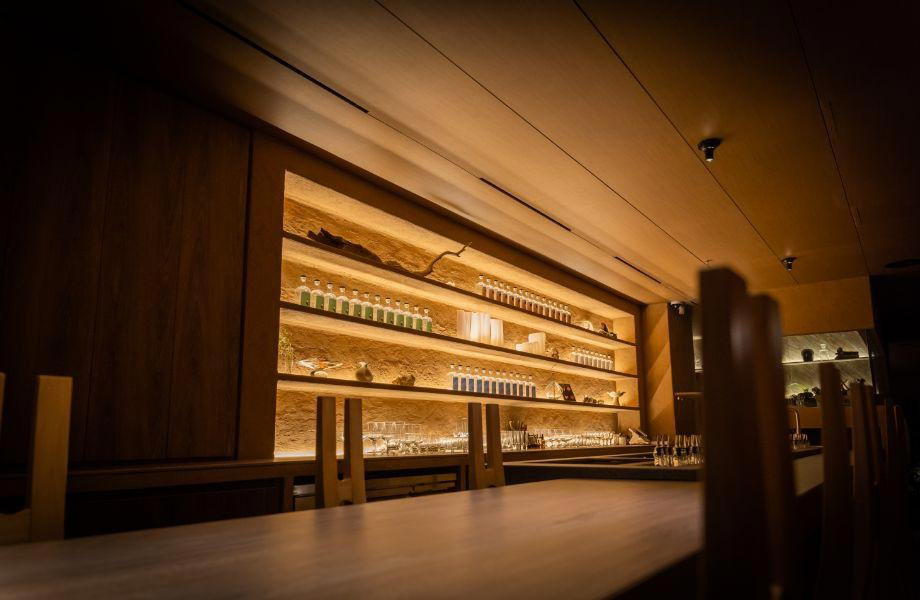
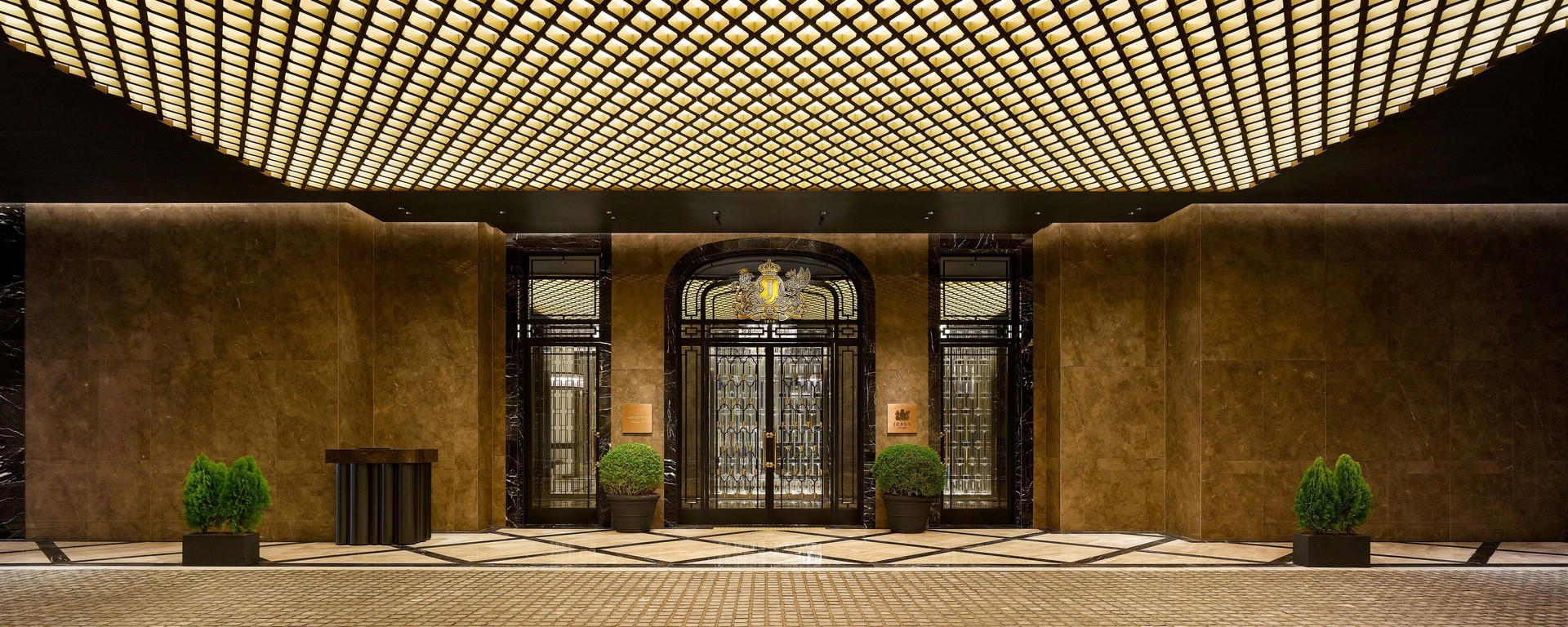
Calm and contemporary with pared-back wood, soft lighting, and serene monastic focus.