Plachutta Nussdorf sits in Vienna's 19th district, where the city gives way to vineyard slopes and the pace of the inner rings falls away entirely. The address on Heiligenstädter Strasse places it squarely in Viennese Beisl tradition, where Tafelspitz and boiled-beef culture have been refined over generations rather than reinvented. For visitors tracking classic Austrian cookery rather than the modernist programmes at places like Steirereck or Mraz and Sohn, this is a different and deliberate register.
Pearl is the En Primeur Club membership app — saves, bookings, and concierge access live there. Same editors, same standards.
- Address
- Heiligenstädter Str. 179, 1190 Wien, Austria
- Phone
- +434313704125
- Website
- plachutta.at
- Directions
- Get directions
 Saves & bookings on Pearl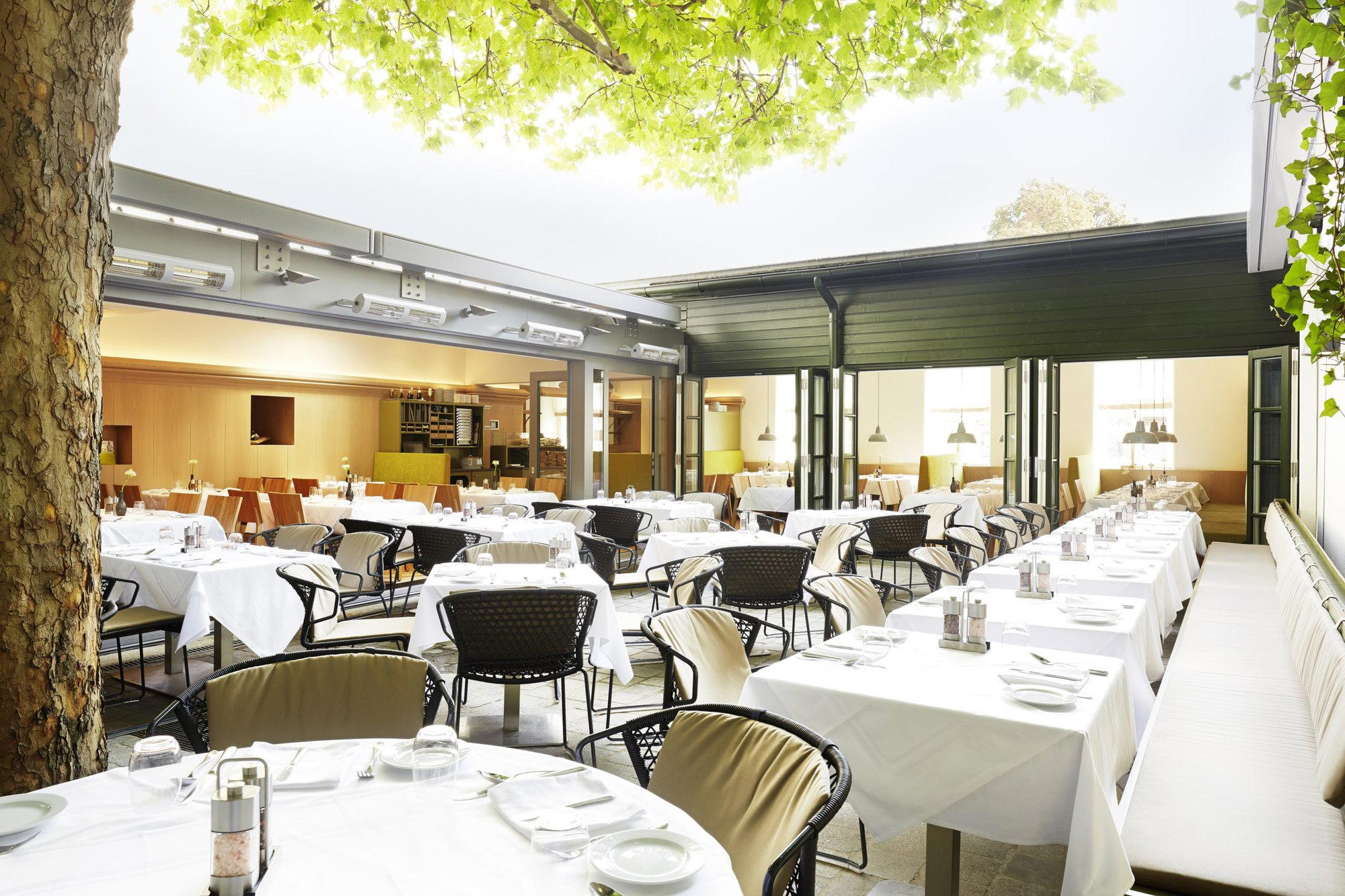
Where Vienna Slows Down: Nussdorf and the Case for Traditional Cookery
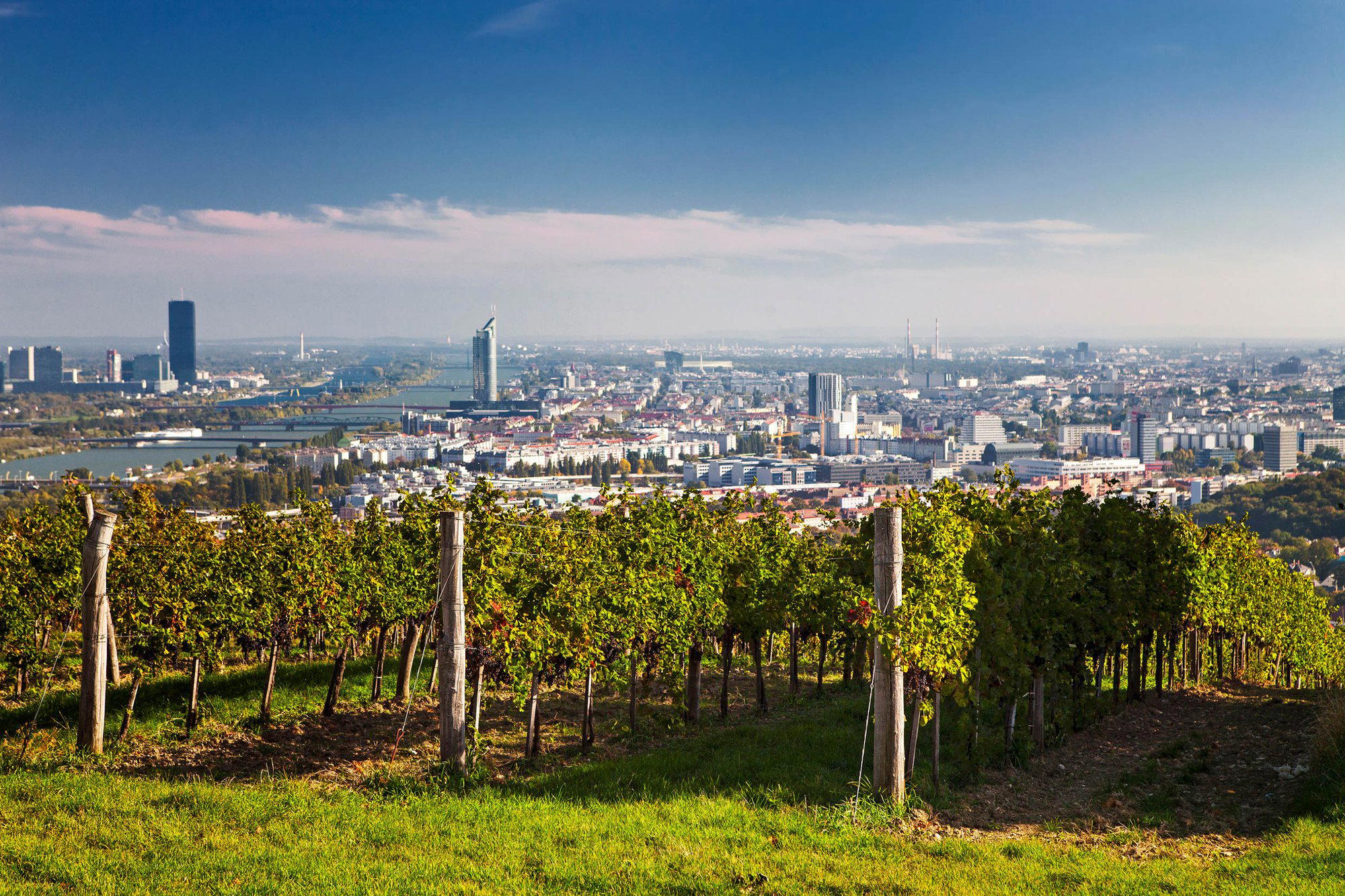
The 19th district operates at a register that most of central Vienna has long since abandoned. Heiligenstädter Str. 179, 1190 Wien, Austria, places Plachutta Nussdorf in Döbling, where wine taverns, quiet residential blocks, and the kind of neighbourhood infrastructure that does not need a tourist footprint to survive. Arriving at Plachutta Nussdorf, you feel the drop in temperature and ambient noise before you reach the door. This is not the engineered calm of a fine-dining room in the first district; it is the structural quiet of a district that has long belonged more to residents than to visitors.
Vienna's boiled-beef tradition, centred on Tafelspitz, is one of the oldest living culinary formats in the German-speaking world. The dish, a cut of beef simmered low in broth with root vegetables and served with specific accompaniments including chive sauce and apple-horseradish, carries the kind of institutional weight that places like Steirereck im Stadtpark have partly absorbed into their creative programmes while also referencing it as heritage. Plachutta as a group built its reputation specifically around restoring and codifying that tradition, and the Nussdorf address carries that context into a distinctly local, non-tourist neighbourhood.
The Physical Register: What the Room Communicates
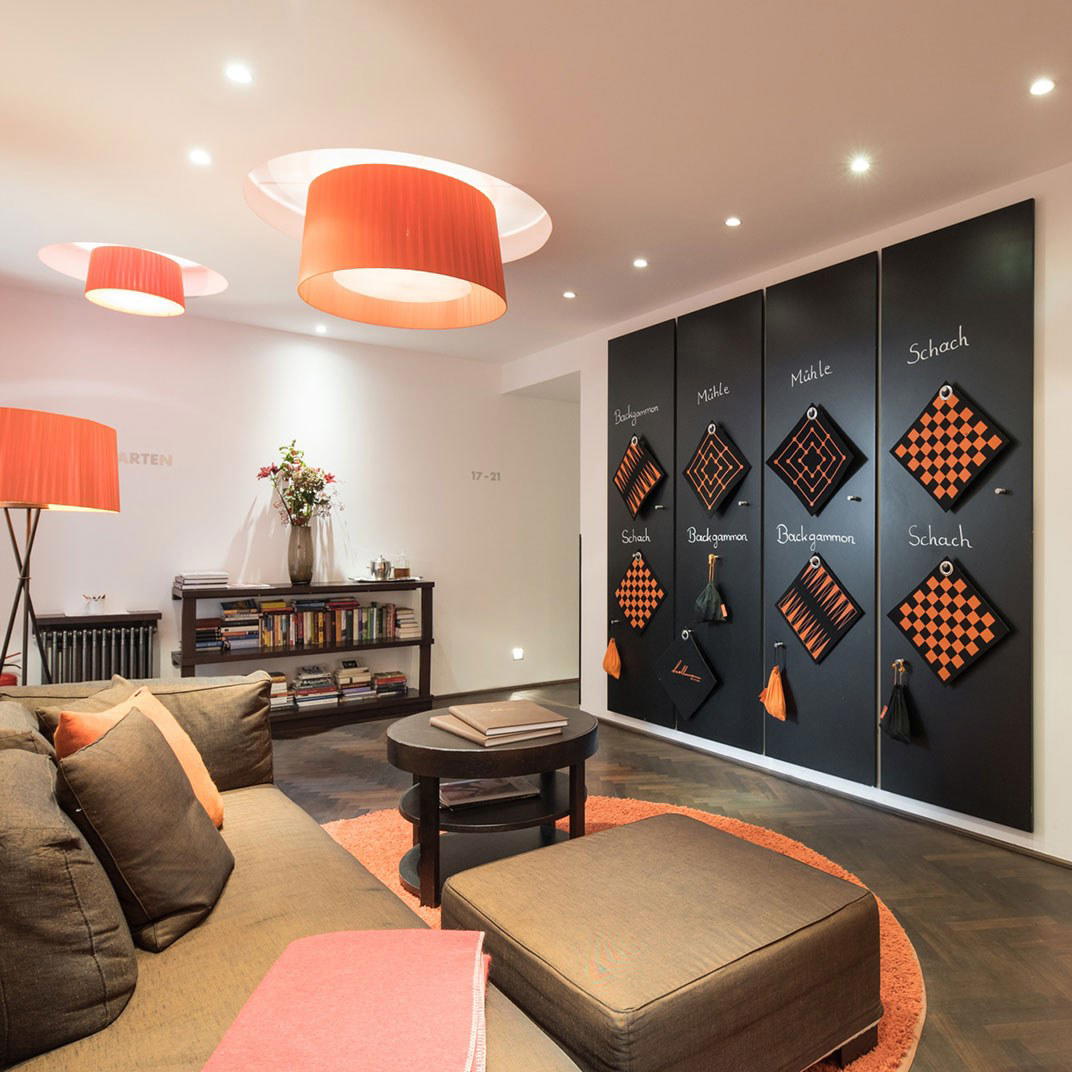
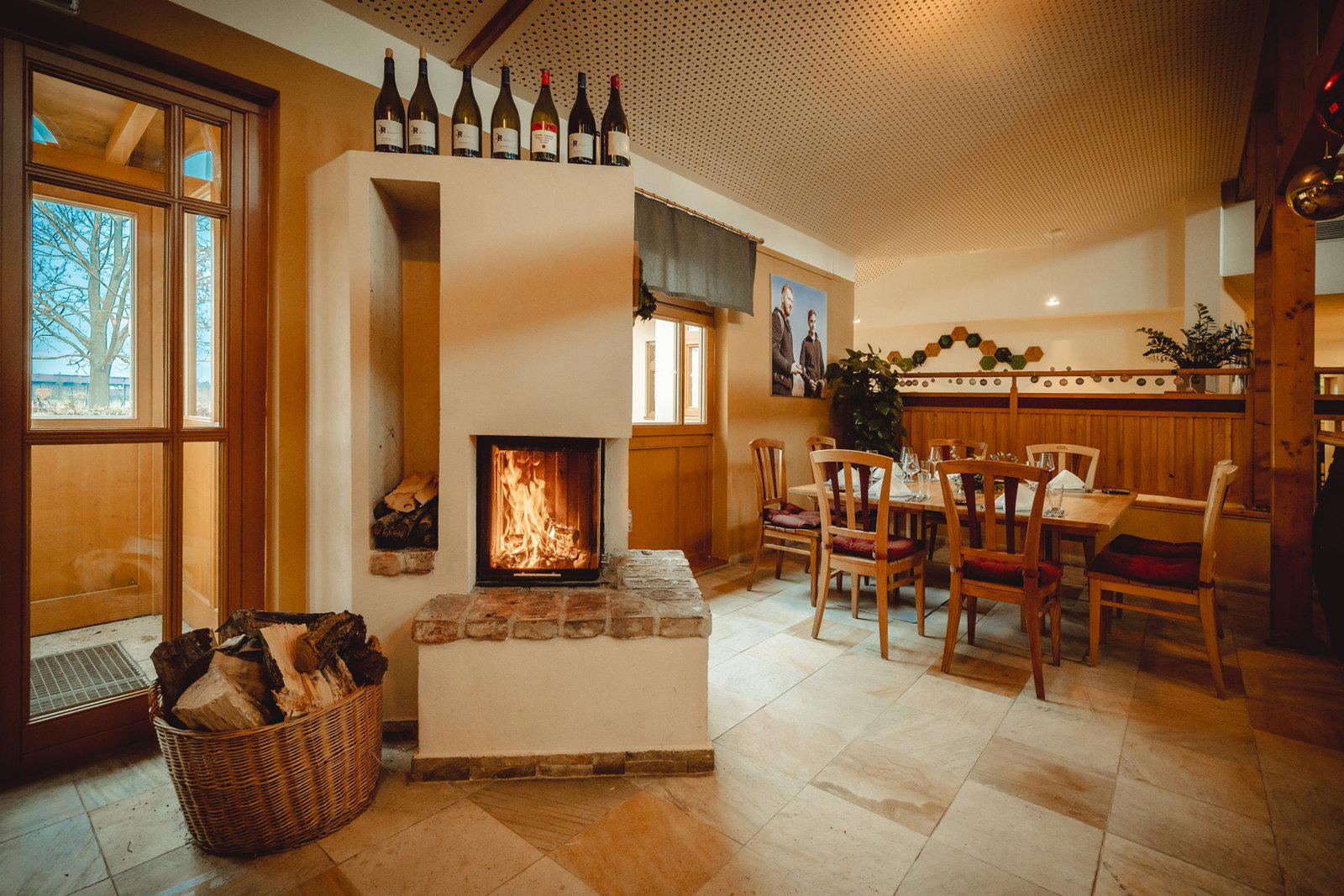
The sensory experience of a Viennese Gasthaus of this type is built on contrast with the city's more celebrated addresses. Where the modernist restaurants operating at the €€€€ tier, places like Konstantin Filippou or Mraz and Sohn, tend toward spare interiors and carefully controlled acoustics, the Beisl tradition runs on warmth, density, and the particular sound of a room that has been used steadily for years. Wood panelling absorbs and redirects conversation rather than suppressing it. The smell in a room serving simmered broth and roasted root vegetables is immediate and without pretension, the kitchen announcing itself through the dining room in a way that tasting-menu formats rarely permit.
This is a dining environment where the architecture of the experience is legible without explanation. The table settings are functional, the cutlery substantial, the bread on the table before you are asked. The room reads as a place where the ritual is understood by both sides, and the kitchen does not need to perform uncertainty about what it is doing.
The Boiled-Beef Format and Its Position in Vienna's Dining Spectrum
Vienna's restaurant spectrum splits fairly cleanly between two poles. On one side sit the multi-Michelin-starred creative operations, where Austrian produce is worked through contemporary European technique: Amador, Doubek, and the avant-garde programmes that have made the city competitive with Munich and Zurich for progressive dining. On the other sit the restaurants that treat the Viennese bourgeois table as a destination format in itself, where Tafelspitz, Wiener Schnitzel, and liver dumplings are the point rather than a reference. Plachutta Nussdorf sits firmly in that second category.
The culinary logic of Tafelspitz is not complicated, but it is demanding. The quality of the broth depends on the quality of the beef, the patience of the cook, and the decision about which cut to use, since the dish is traditionally served across multiple cuts, each with a different fat-to-lean ratio and textural outcome. Getting it right consistently, at volume, over decades, is harder than it appears from the outside. This is not the discipline of reduction and plating; it is the discipline of repetition and material quality. In that respect, it sits closer to the precision of places like Landhaus Bacher in Mautern an der Donau or Obauer in Werfen, which treat regional Austrian tradition as a serious technical project rather than a commercial shortcut.
Nussdorf as a Neighbourhood Proposition
The choice of Nussdorf as an address rather than the first or fourth district is itself an editorial statement. The Plachutta group has central locations, but the Nussdorf site places the restaurant inside a community rather than alongside a landmark. The 19th district's proximity to the Heuriger wine-tavern belt, running up toward Grinzing and Sievering, gives the area a relaxed, post-afternoon character that suits longer, slower meals. Visiting in the early evening, particularly outside peak summer, the neighbourhood has the feeling of a city that has finished its formal obligations for the day.
For visitors using Vienna as a base to reach Austria's broader restaurant scene, including Ikarus in Salzburg, Döllerer in Golling an der Salzach, or the Alpine dining tier represented by Griggeler Stuba in Lech and Gourmetrestaurant Tannenhof in Sankt Anton am Arlberg, a meal at Plachutta Nussdorf provides a useful grounding in the classical register that the modernist kitchens are implicitly in dialogue with. It is context as much as it is dinner.
How Plachutta Nussdorf Sits Within Its comparable set
The relevant comparison for the restaurant is not the Michelin-decorated rooms operating at €€€€, but the tier of serious traditional Viennese restaurants that have maintained technical standards without pivoting toward contemporary creative formats. That peer group is smaller than it was thirty years ago, as the economics of traditional cookery in European cities have pushed many operators toward either casual informality or modernist repositioning. A restaurant that holds the middle ground, applying professional discipline to a conservative menu in a residential district, occupies a position that Vienna needs more than its awards infrastructure tends to acknowledge.
For additional context on where this address fits within the wider Vienna scene, the EP Club Vienna restaurants guide maps the full spectrum from creative tasting menus to neighbourhood institutions. Austria's broader fine-dining geography, including Ois in Neufelden, Kräuterreich by Vitus Winkler in Sankt Veit im Pongau, Schwarzer Adler in Hall in Tirol, and Restaurant 141 by Joachim Jaud in Mieming, shows how regional tradition and technical ambition coexist across the country, with Vienna's classical restaurants forming one end of that spectrum.
Planning Your Visit
Address: Heiligenstädter Str. 179, 1190 Wien, Austria. Getting There: The 19th district is accessible by U-Bahn (U4 to Heiligenstadt) and tram connections running along Heiligenstädter Strasse; allow time from the city centre as this is a genuine neighbourhood address. Reservations: Contact directly via the restaurant for current booking availability; confirm you are booking the Nussdorf site specifically. Budget: Expect mid-range Viennese Gasthaus pricing, positioned well below the €€€€ creative tier. Dress: Smart casual is the operative norm for Viennese neighbourhood dining of this type; the dress code is smart casual. When to Go: Early evening on weekdays tends to give the room its most settled, residential character; weekend lunches attract a broader mix including families from the surrounding district.
Quick Comparison
Comparable venues nearby, for context on price, style, and recognition.
| Venue | Cuisine | Price | Notes |
|---|---|---|---|
| Plachutta NussdorfThis venue — the venue you are viewing | Traditional Viennese Beef Cuisine | $$$ | Not listed |
| Demel Vienna cafe | Traditional Viennese Pastry Cafe | $$$ | Stephansdom |
| Oswald & Kalb | Traditional Viennese | $$$ | Innere Stadt |
| Plachutta Stammhaus Hietzing | Classic Viennese Cuisine | $$$ | Hietzing |
| Lokal im Hof | Modern Austrian with International Influences | $$$ | Favoriten |
| Brasserie Palmenhaus Wien | Austrian Brasserie Classics | $$$ | Innere Stadt |
Continue exploring
More in Vienna
Restaurants in Vienna
Browse all →
Bars in Vienna
Browse all →
Hotels in Vienna
Browse all →
At a Glance
- Classic
- Scenic
- Elegant
- Cozy
- Business Dinner
- Group Dining
- Celebration
- Special Occasion
- Courtyard
- Garden
- Historic Building
- Standalone
- Local Sourcing
- Garden
- Vineyard
Current opening hours
- Monday
- 11:30 AM–11 PM
- Tuesday
- 11:30 AM–11 PM
- Wednesday
- 11:30 AM–11 PM
- Thursday
- 11:30 AM–11 PM
- Friday
- 11:30 AM–11 PM
- Saturday
- 11:30 AM–11 PM
- Sunday
- 11:30 AM–11 PM
Hours can change for holidays and private events. Last verified .
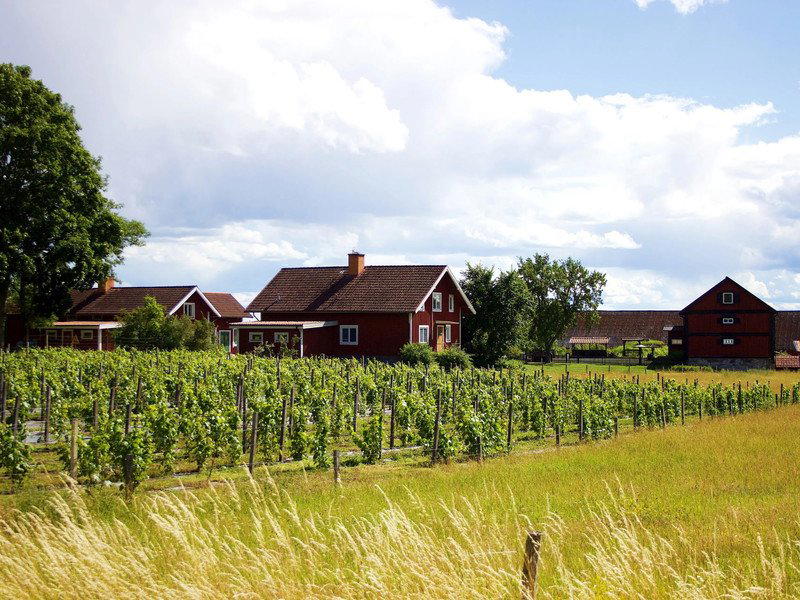
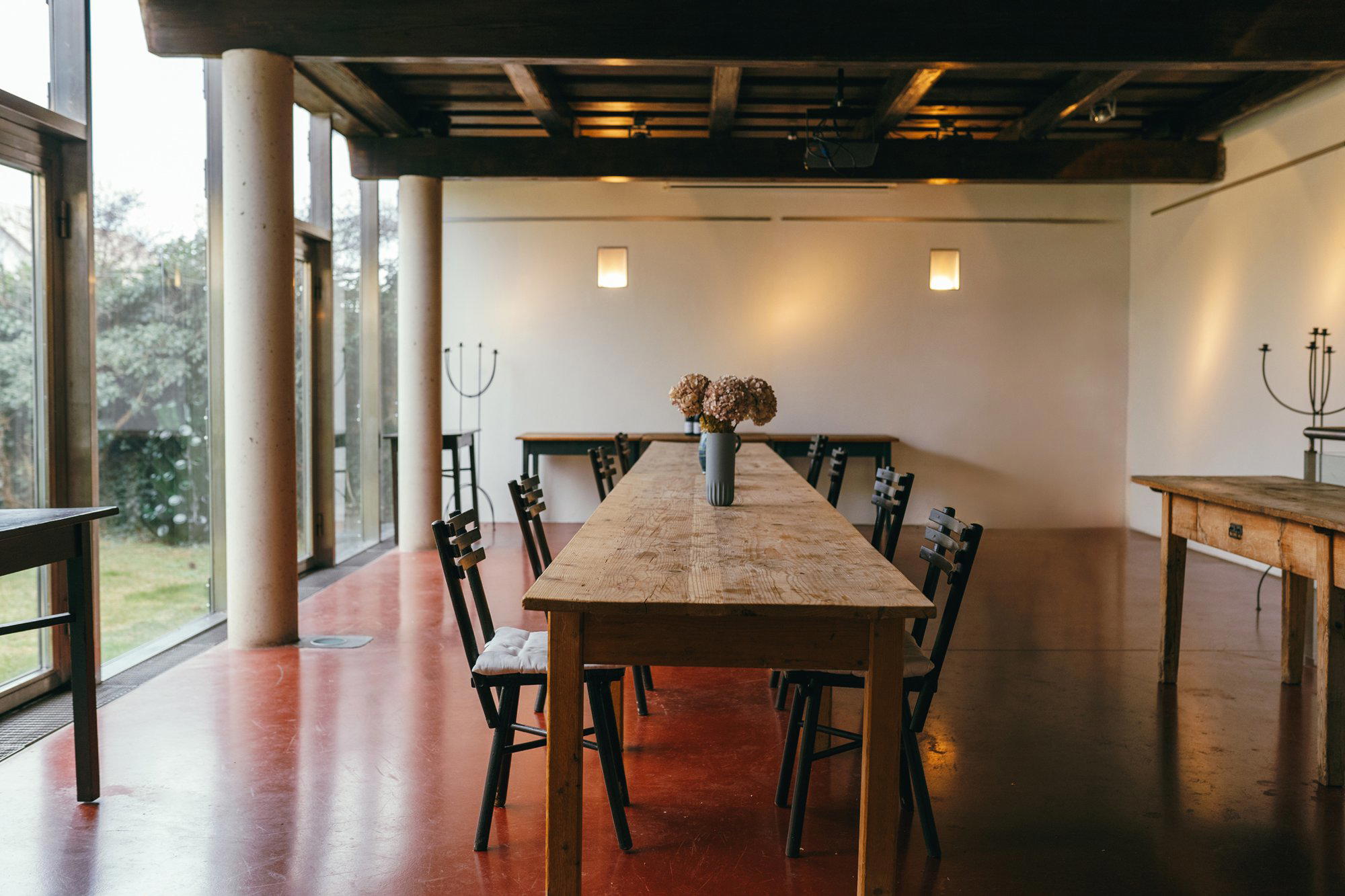
Historic, lovingly renovated setting with inviting courtyard garden that is especially charming on sunny days; warm, traditional Austrian atmosphere with first-class presentation.