

At Tiefer Graben 9, Capsule operates as one of Vienna's most focused Champagne bars, a compact room in the first district where the wine list begins and ends with Champagne. The format is deliberate and the address is central enough to make it a natural stop between the Rathaus quarter and the Danube Canal. For those who take grower producers seriously, this is where the conversation starts.
Pearl is the En Primeur Club membership app — saves, bookings, and concierge access live there. Same editors, same standards.
- Address
- Tiefer Graben 9, 1010 Wien, Austria
- Phone
- +43 650 2334544
- Website
- capsule.at
- Directions
- Get directions
 Saves & bookings on Pearl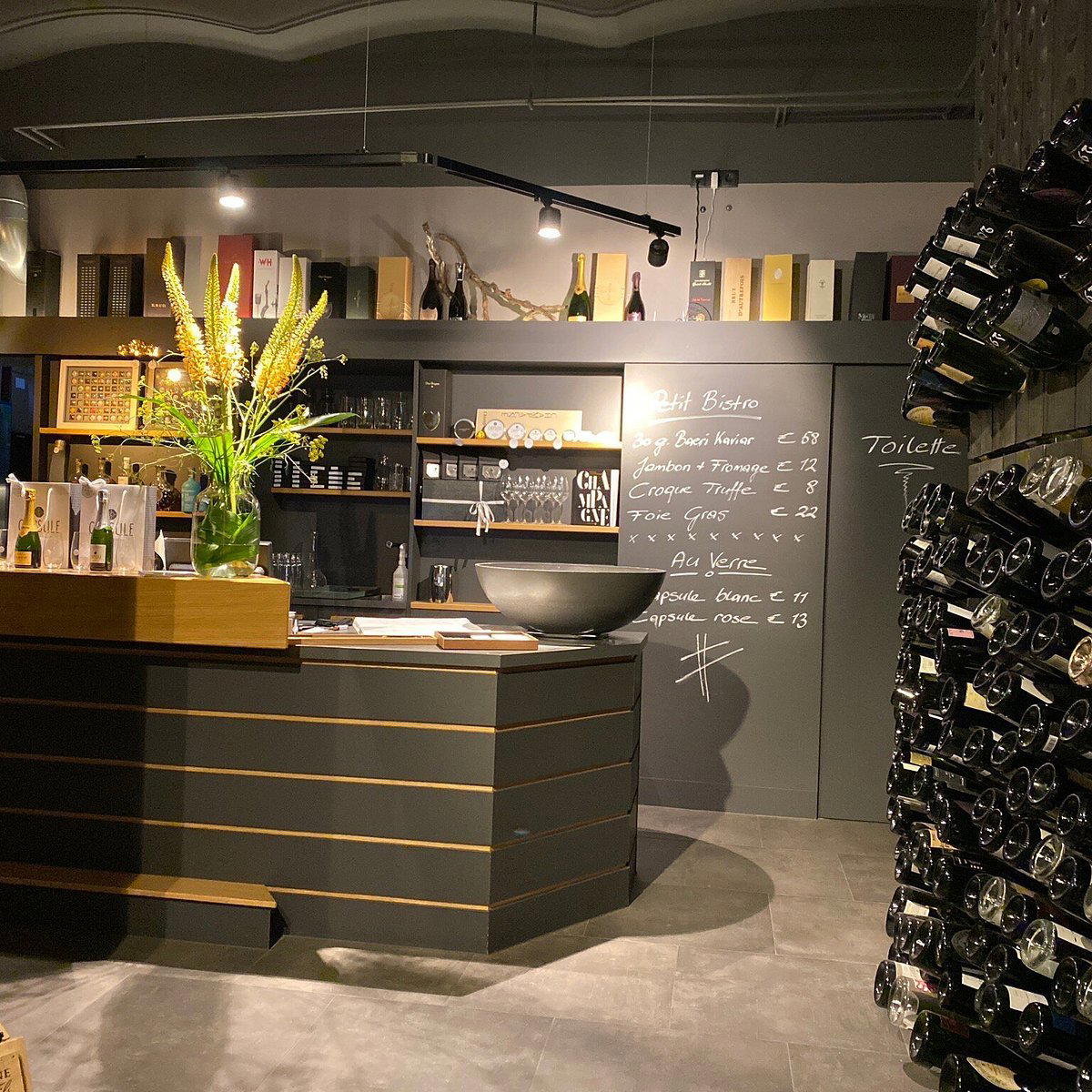
A Room Built Around One Idea
Capsule is a champagne bar in Vienna's first district at Tiefer Graben 9, known for a smart casual setting and a recommended reservation policy. The champagne-only format has found a foothold in several European capitals over the past decade, from Paris's cave-style producers' bars to London's grower-focused counters, and Vienna now has its own iteration at Tiefer Graben 9. Capsule occupies a position in that lineage, a bar where the editorial decision was made before the first glass was poured: Champagne, and nothing else.
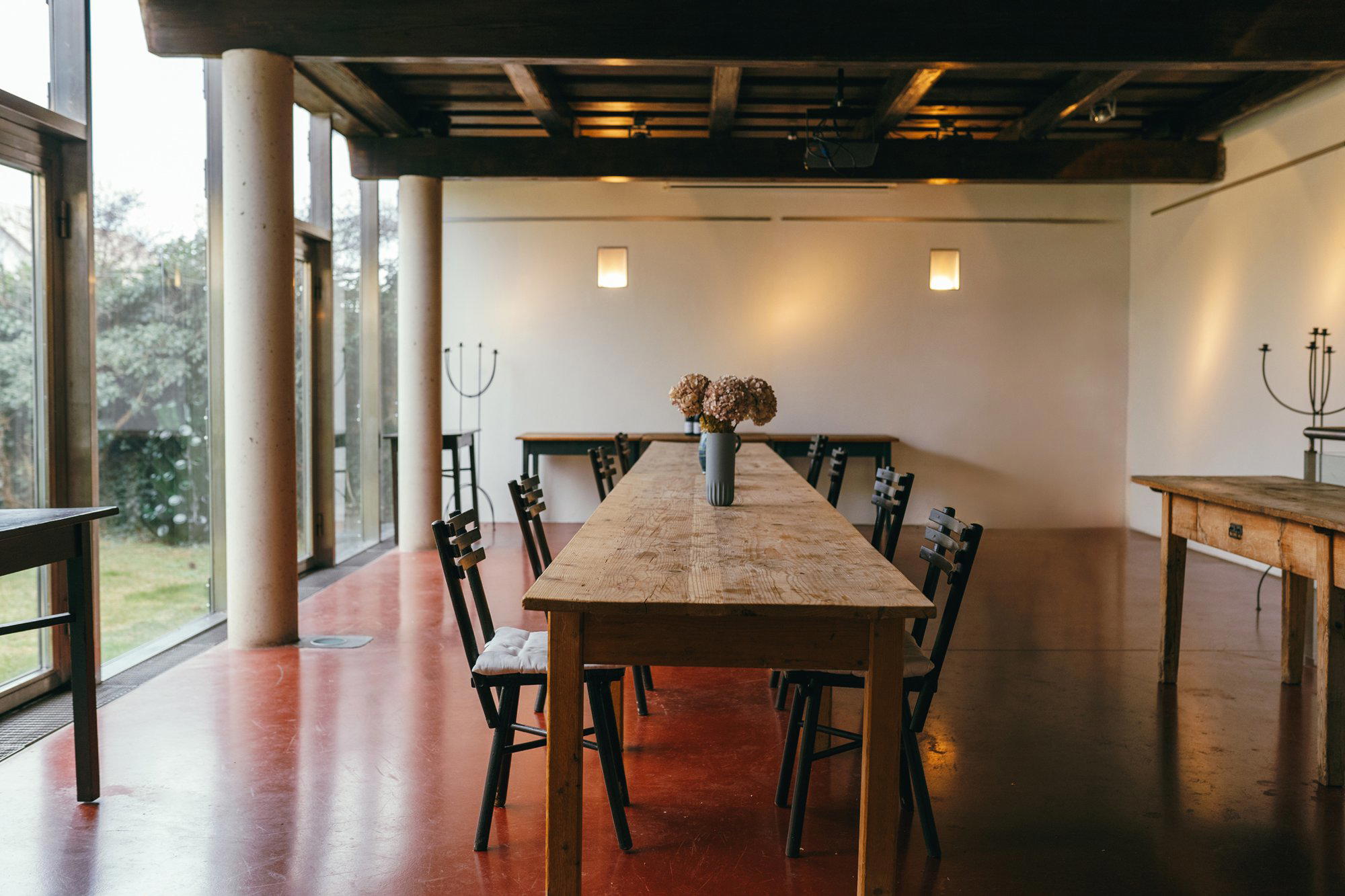
That kind of specialism shapes a room differently than a general wine bar. The design logic follows the concept. Where a broader wine list demands floor-to-ceiling racking and the visual noise of multiple regions, a Champagne-only space can afford restraint. The physical container at Capsule reflects this compression. The address itself, on Tiefer Graben near the first district's commercial and cultural core, makes it a natural post-meeting or post-gallery stop.
The Architecture of Specialisation
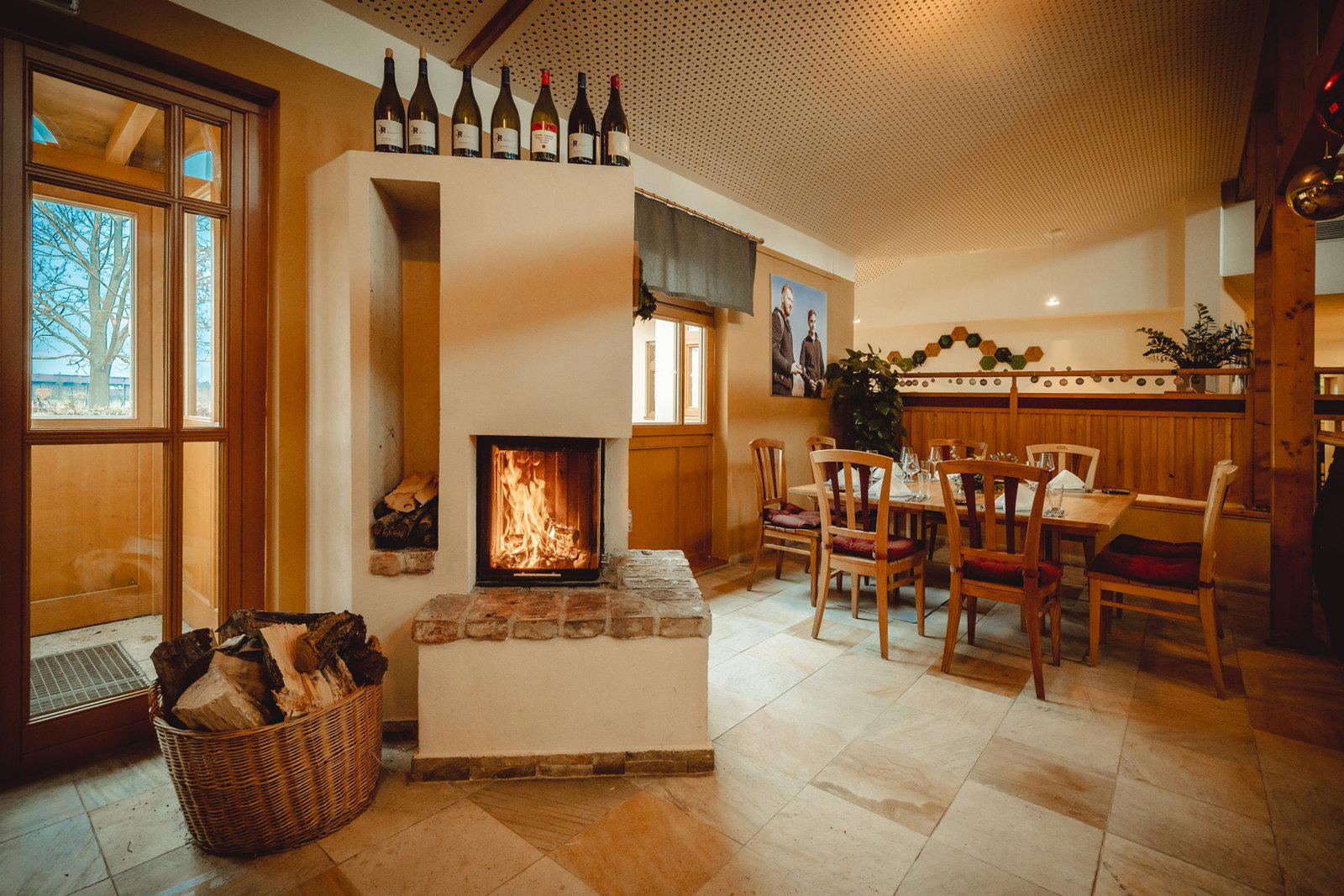
Single-category bars live or die by their spatial atmosphere as much as their list. A room that commits to one thing has to make that commitment legible through its physical environment. Tight seating arrangements, deliberate lighting, and a counter format that keeps the wine at the centre of the experience all signal to a guest that the space was designed around a product, not retrofitted to carry one. The cosy character that Capsule is known for functions as an extension of the champagne bar's traditional European format, intimate enough that the conversation between guest and staff about what to drink becomes the primary activity rather than a side note to a larger dining or nightlife event.
Champagne bars that work in this register tend to draw a distinct crowd: people who know what they want and have come specifically for it, rather than guests who arrived for the atmosphere and happened to order Champagne. That self-selecting dynamic changes how a space feels from the inside. The ceilings in the Tiefer Graben area are typically high by Viennese standards, a product of the nineteenth-century Gründerzeit construction that dominates the first district, but the bar's reported warmth suggests the interior works against that grandeur rather than emphasising it, favouring closeness over architectural display.
Champagne in Vienna's Bar Ecology
Vienna's bar scene organises itself around several distinct registers. The grand hotel bars, places like the 25hours Hotel Vienna at MuseumsQuartier, carry Champagne as part of a broader luxury hospitality offer. The neighbourhood wine bars, closer in spirit to a Viennese Beisl, lean toward Grüner Veltliner and Gemischter Satz. Then there are the canal-adjacent spots and more casual drinking destinations, like Alte Donau or the courtyard-facing Amerlingbeisl, which operate in a completely different social key. Capsule sits outside all of these categories. Its comparable set is not Viennese; it is European, comparable to the grower Champagne bars of the 7th arrondissement or the specialist producers' counters that have multiplied in Copenhagen and Amsterdam over the past five years.
That positioning matters because it sets expectations. Guests arriving from a dinner at one of the first district's Italian-leaning wine bars, after a drink at Bar Tabacchi, will find Capsule occupies a different register entirely, one defined by depth of Champagne knowledge rather than breadth of category. For those already oriented toward grower producers and récoltant-manipulant houses, this is the kind of bar that rewards repeat visits as the list evolves.
What the Format Demands of Its Guests
A bar that restricts itself to a single appellation is making an argument. It is saying that Champagne, as a category, contains enough variation in style, producer scale, dosage philosophy, and terroir expression to sustain an entire bar program without recourse to anything else. The evidence for that argument is strong: the region's range runs from large-house non-vintage blends built for consistency to zero-dosage grower wines from single-village plots in the Côte des Bar that behave more like still wines in their structure. A well-curated Champagne list can offer a guest the vinous equivalent of a full wine list without ever leaving the appellation. Capsule's list is built around Champagne, with the bar's character and positioning suggesting a focus on smaller producers as well as established houses.
Austria's drinking culture has historically positioned itself around its own wine identity, and the domestic wine bar scene remains dominated by native varieties. A Champagne-only bar in this context is a deliberate counter-programming choice, a room that looks outward rather than inward. It speaks to an international guest as fluently as a local one, and its first-district address ensures a steady supply of both.
Planning Your Visit
Tiefer Graben runs parallel to Am Hof and is reachable on foot from the Herrengasse U-Bahn station in under five minutes, or from the Schottenring tram lines. The address at number 9 puts it between two of the first district's most trafficked squares, making it a logical continuation of an evening that might begin with dinner elsewhere in the centre. Reservations are recommended, particularly on weekday evenings when the business-district crowd thins out after seven.
Standing Among Peers
Comparable venues nearby, for context on price, style, and recognition.
| Venue | Cuisine | Price | Notes |
|---|---|---|---|
| CapsuleThis venue — the venue you are viewing | champagne_bar | $$$ | Not listed |
| Wein & Co | wine_bar | $$$ | Innere Stadt |
| Blue Mustard | cocktail_bar | $$$ | Innere Stadt |
| If Dogs Run Free | cocktail_bar | $$ | Hofburg |
| Weinstube Josefstadt | wine_bar | $$ | Josefstadt |
| Intermezzo Bar | hotel_bar | $$$ | Staatsoper |
Recognition history
Dated appearances from independent guides and award organizations, with the underlying list record or original source where available.
Falstaff Wine Bar - 93 Falstaff Points
Falstaff
Star Wine List
Star Wine List
Continue exploring
More in Vienna
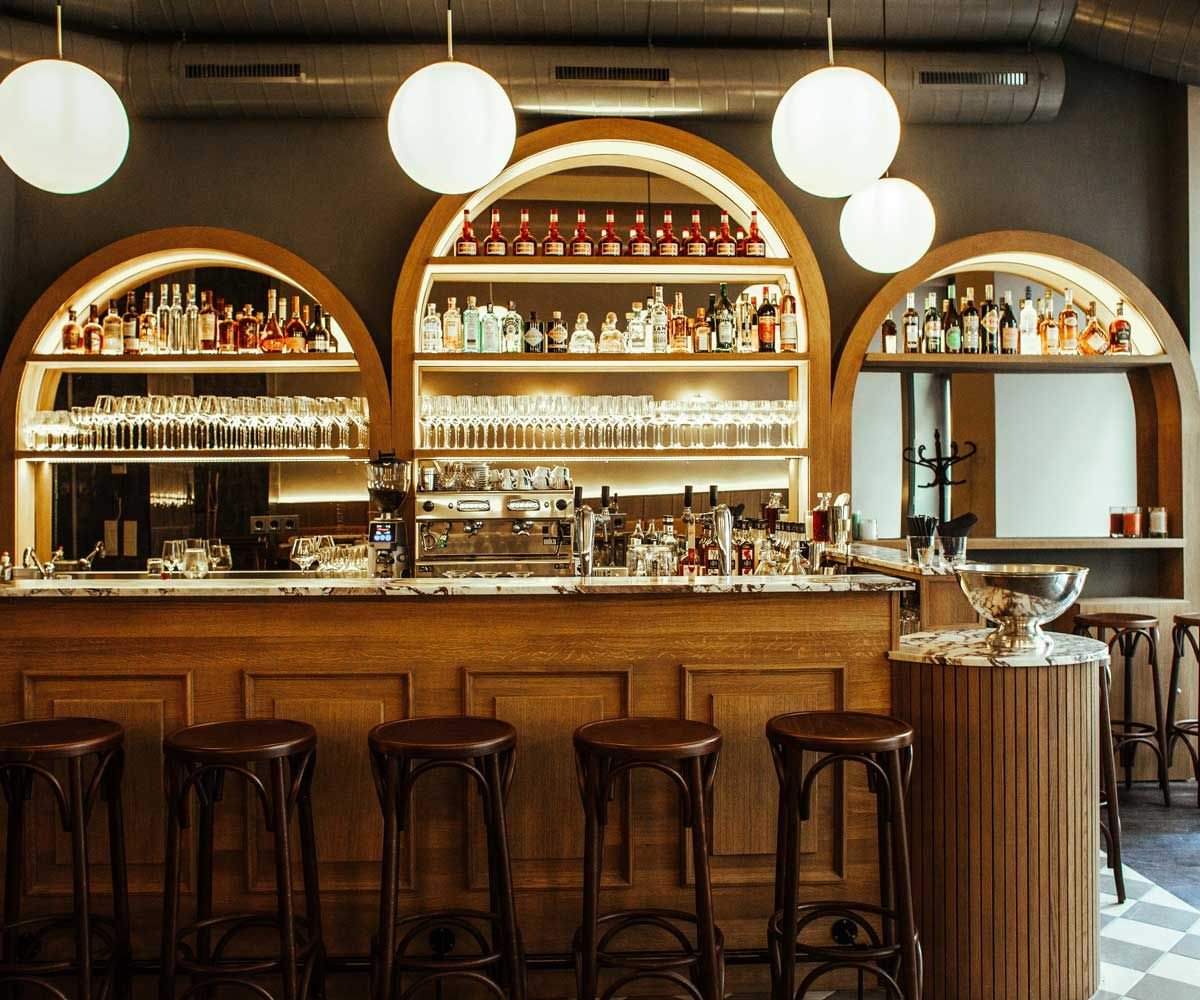
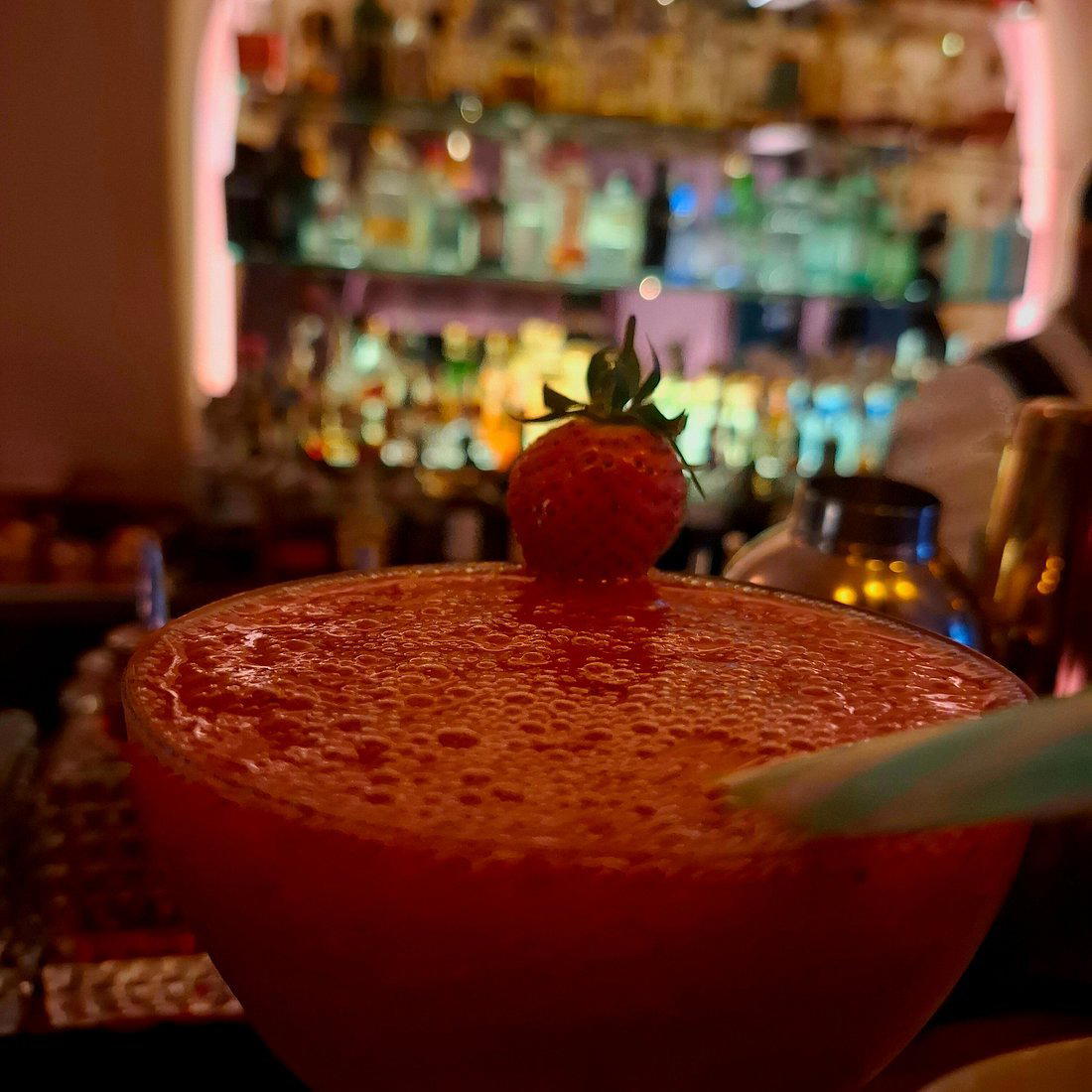
Bars in Vienna
Browse all →
Restaurants in Vienna
Browse all →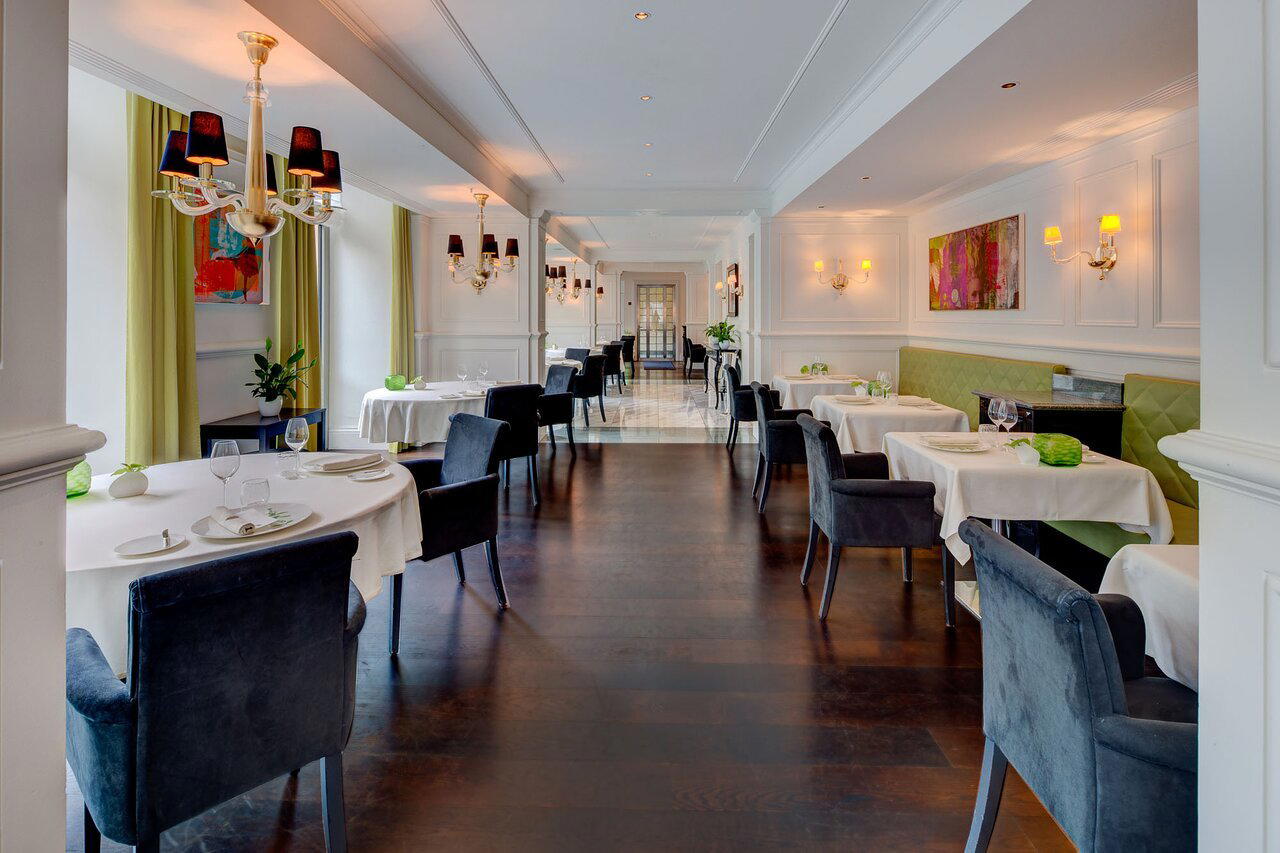
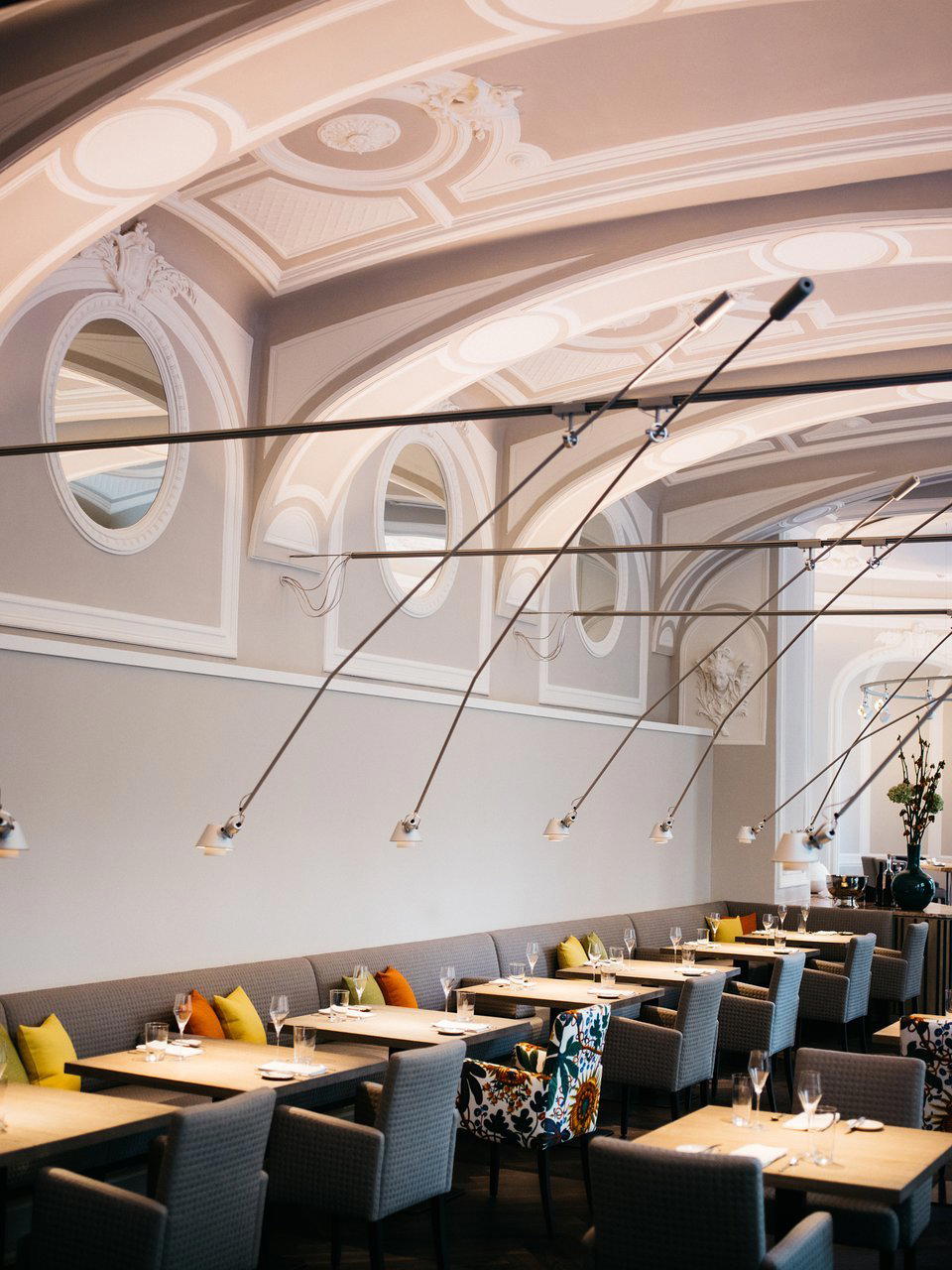
Hotels in Vienna
Browse all →
At a Glance
- Elegant
- Cozy
- Sophisticated
- Intimate
- Date Night
- Casual Hangout
- Standalone
- Lounge Seating
- Outdoor Terrace
- Conventional Wine
- Street Scene
Current opening hours
- Monday
- Closed
- Tuesday
- 2–11 PM
- Wednesday
- 2–11 PM
- Thursday
- 2–11 PM
- Friday
- 2–11 PM
- Saturday
- 2–11 PM
- Sunday
- 2–8 PM
Hours can change for holidays and private events. Last verified .
Cosy and casual ambiance with shaded outdoor terrace seating.