






3 Michelin Stars · La Liste Top Restaurants · Star Wine List
Our verdict
Amador holds three Michelin stars and a consistent place in La Liste's top tier, operating from a winery setting in Vienna's 19th district. Chef Juan Amador's kitchen works across the creative register, drawing on local Austrian produce alongside Spanish and German culinary references. The wine program has ranked number one on Star Wine List for two consecutive years, making it one of the most decorated tables in the Austrian capital.

Pearl is the En Primeur Club membership app, where members save venues, book tables and use the concierge.
The menu
What to order
- Mieral pigeon with mango and curry
- N25 caviar with beurre blanc
- Tafelsplitz
Vienna's 19th District and the Argument for Destination Dining Outside the Ring
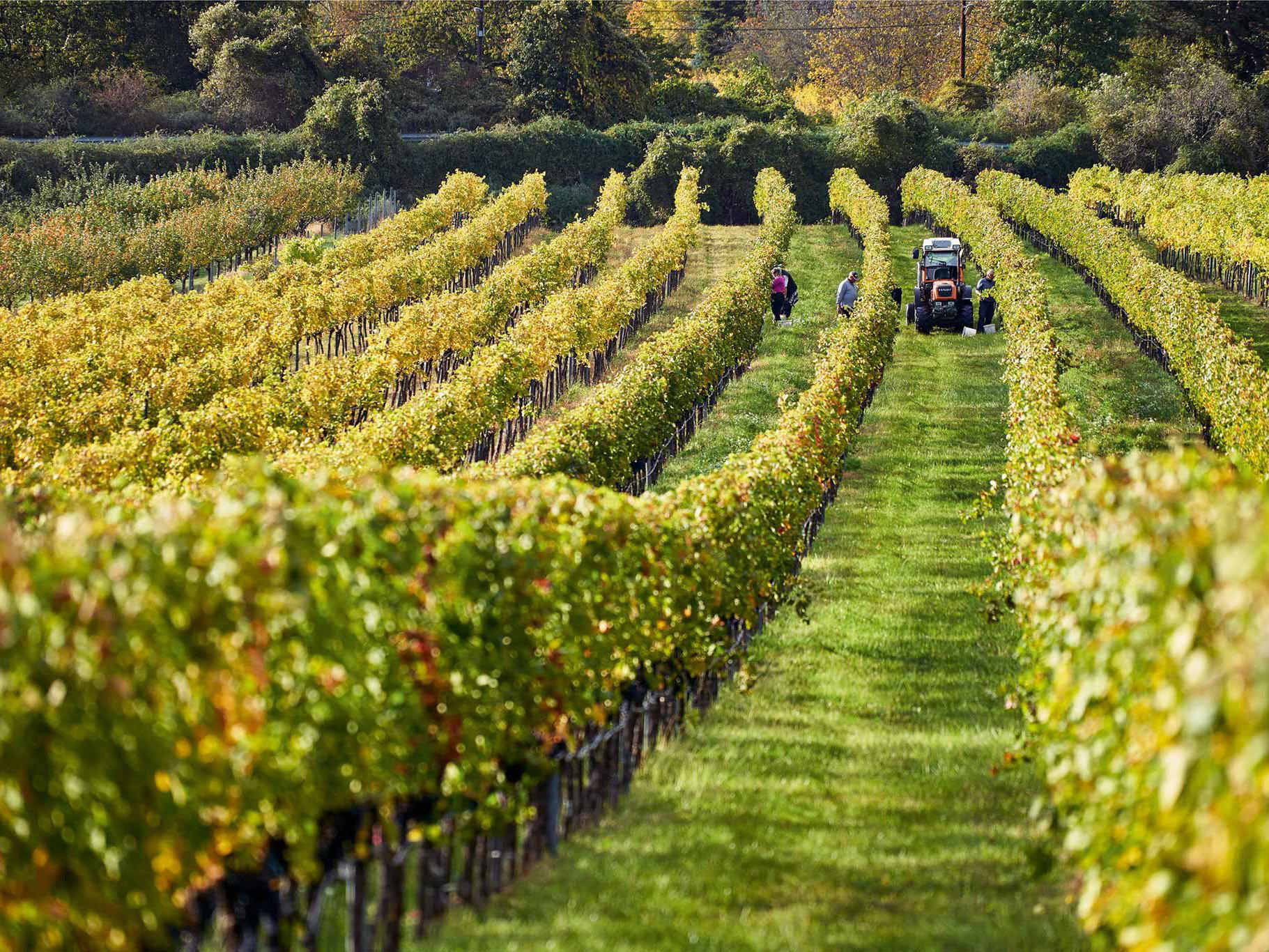
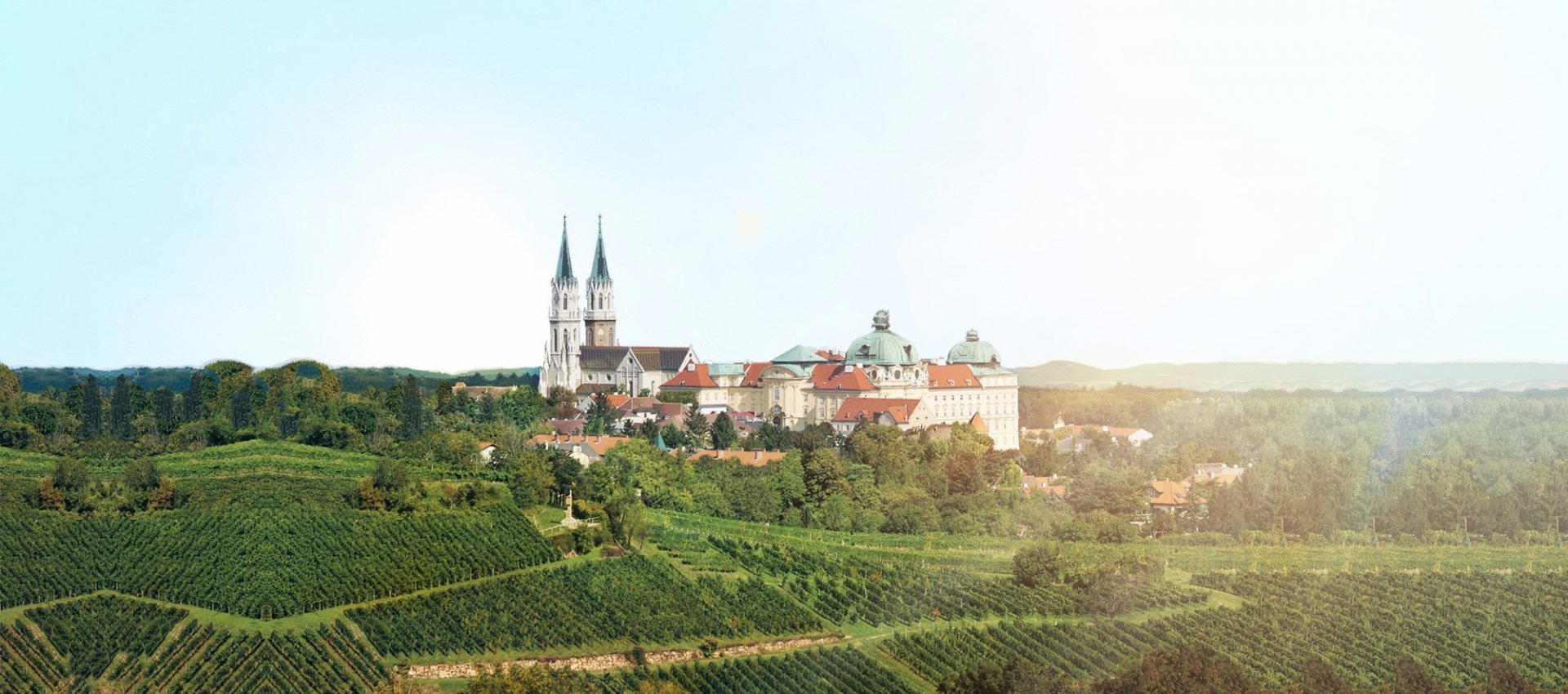
Vienna's most-discussed restaurant addresses tend to cluster near the Innere Stadt or the Stadtpark, where Steirereck im Stadtpark has long anchored the city's fine-dining reputation. The 19th district, Döbling, operates on a different logic: quieter, residential, and bookended by the Wienerwald and some of the city's oldest wine-growing slopes. It is precisely the kind of postcode that rewards a restaurant willing to ask guests to travel. Amador, positioned beneath the Hajszan Neumann winery on Grinzinger Strasse, has built a case over several years that the trip is worthwhile.
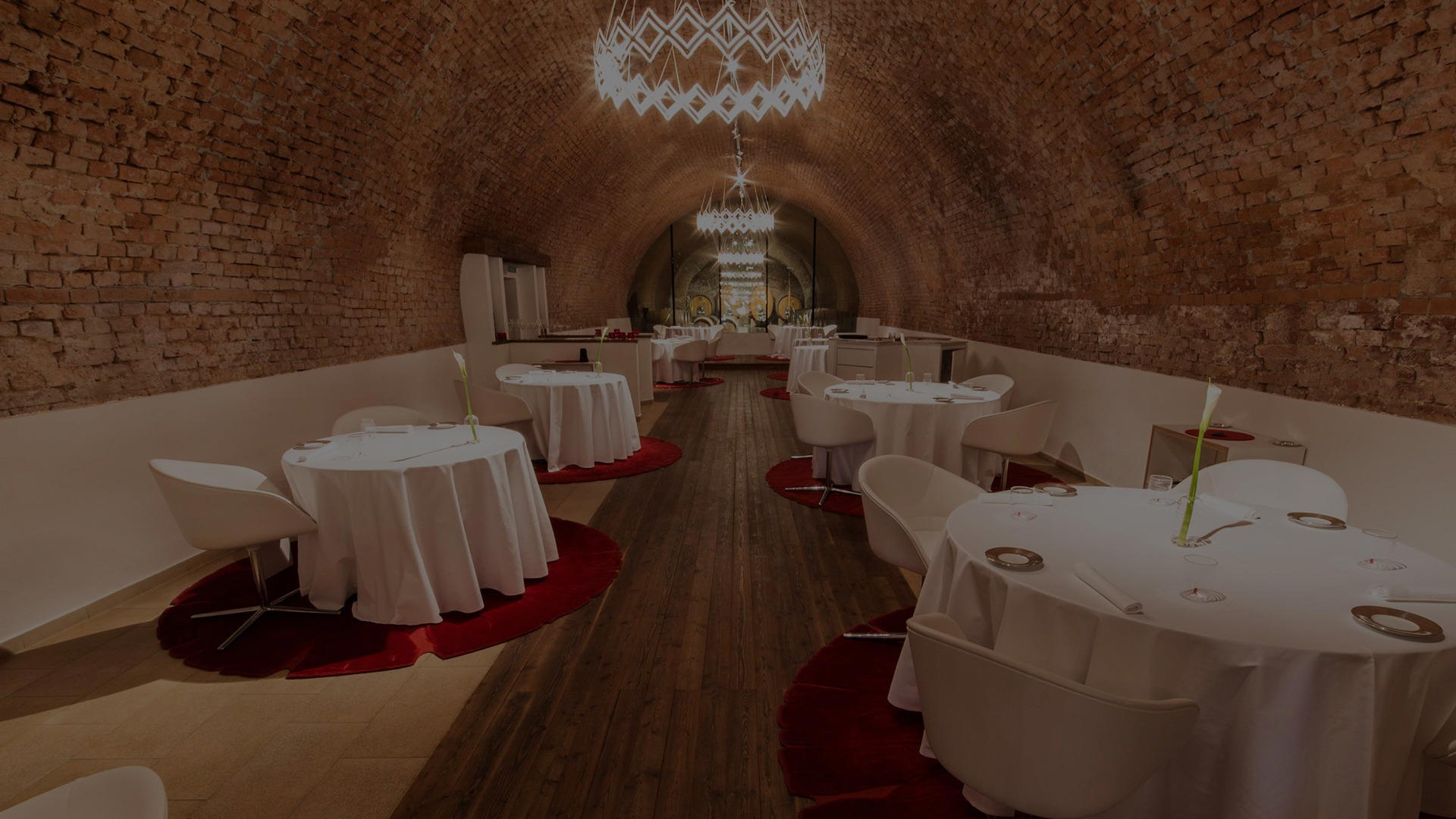
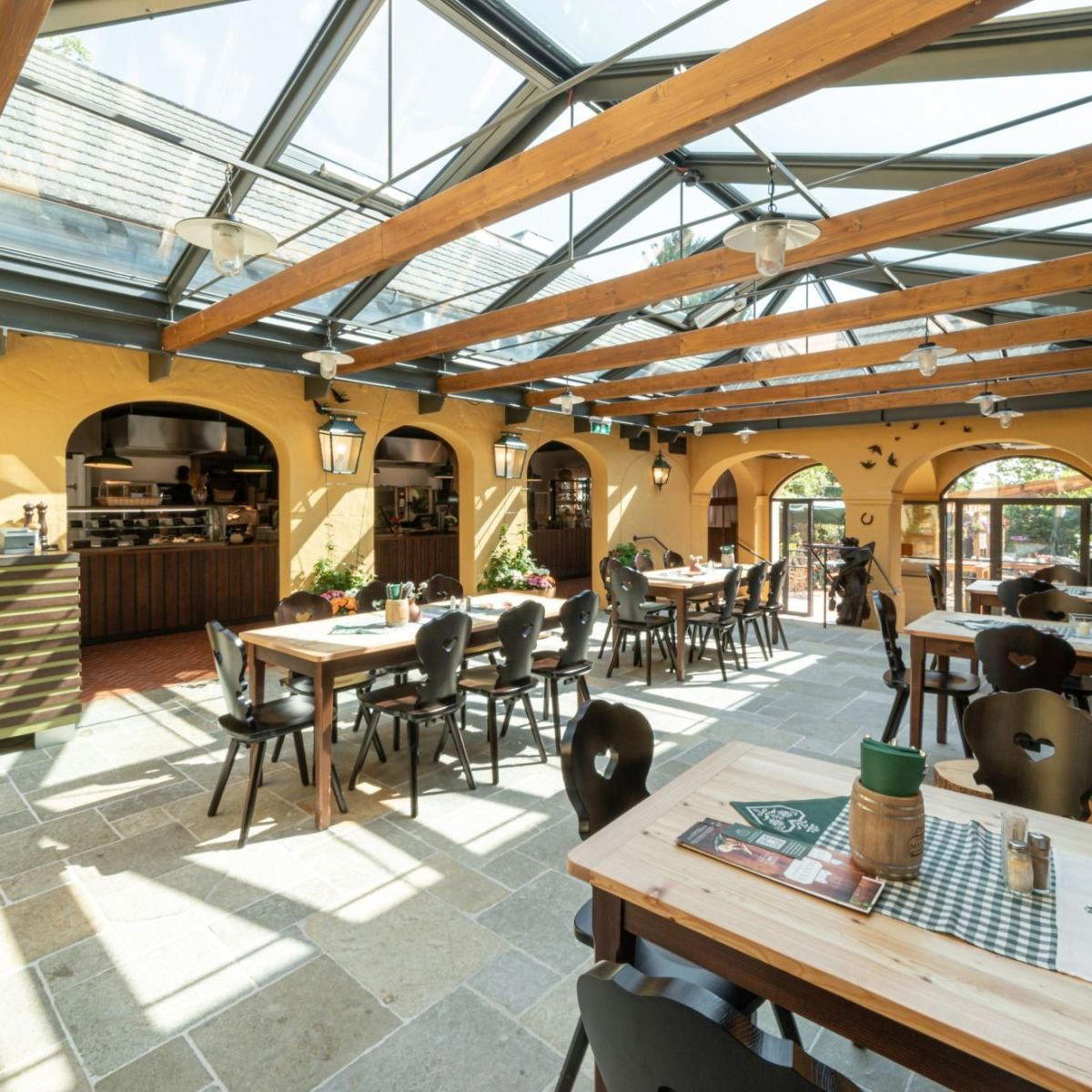
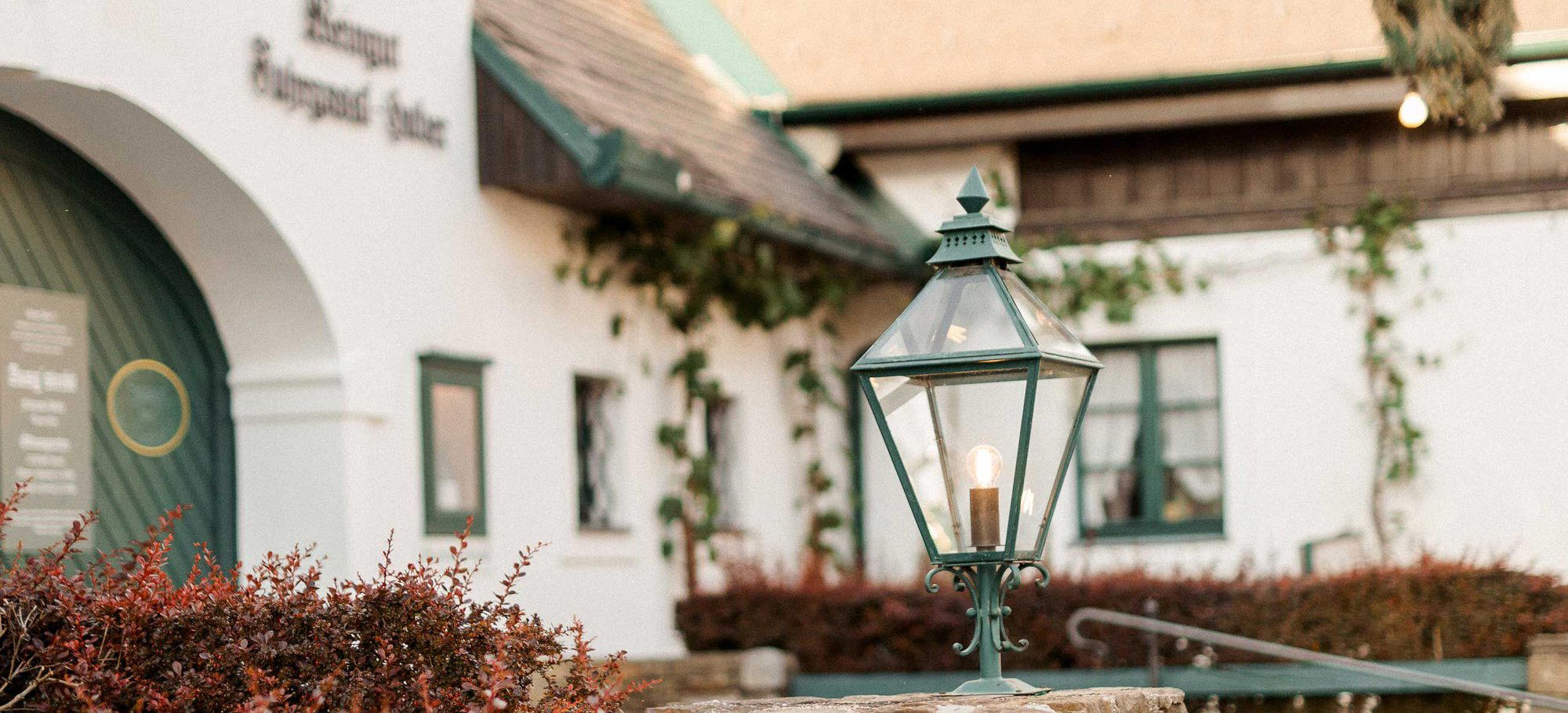
The winery setting is not incidental. In a city where the heuriger culture remains genuinely embedded, not just tourist infrastructure, placing a three-Michelin-starred kitchen beneath a functioning winery produces a specific kind of coherence.
The Credential Stack: What the Awards Actually Say
Three Michelin stars have been sustained across multiple consecutive cycles, with confirmation in both the 2024 and 2025 guides. La Liste, which aggregates critical opinion across dozens of national and international sources, scored Amador at 95 points in 2025 and 94 in 2026, placing it inside the upper band of European restaurants by that methodology. Opinionated About Dining, a peer-review platform weighted toward serious dining regulars rather than casual respondents, ranked the kitchen 47th in Europe in 2025, up from 62nd in 2024. The trajectory matters: these are not static legacy positions but active, improving rankings across independent evaluation systems.
The wine program adds a separate layer. Star Wine List awarded Amador its number-one position in Austria for 2025, and the list was ranked in the leading five nationally across multiple 2024 categories. In the context of Vienna's serious wine culture, a city that produces its own Grüner Veltliner and Riesling within municipal limits and sits at the crossroads of Austrian, German, and pan-European fine wine, holding that leading ranking carries specific weight. Les Grandes Tables du Monde membership, confirmed in 2025, places the restaurant inside a network of European tables that prioritizes what the association calls the total hospitality proposition, not just the plate.
Within Vienna's current fine-dining bracket, the only comparable Michelin position is Steirereck im Stadtpark, which also holds three stars. Konstantin Filippou and Mraz and Sohn operate at two stars in the same price tier. Amador is, by award count and ranking trajectory, a step above that second cohort.
The Lunch vs. Dinner Divide: A Different Restaurant at Midday
Across Europe's three-star tier, the lunch service has emerged as one of the more interesting access points for the format. The kitchen, the wine list, and the room are identical; what changes is pace, light, and often price. Winery-adjacent settings like Amador's amplify this divide considerably. At midday, the Döbling surroundings, the vineyard slopes, the residential calm of the 19th district, read as part of the experience rather than backdrop. The drive or tram ride out from the center resolves into context rather than inconvenience.
In the broader Austrian fine-dining circuit, this pattern appears at several properties. Döllerer in Golling an der Salzach and Landhaus Bacher in Mautern an der Donau both operate with a lunch dynamic shaped by their rural or semi-rural settings, where the midday service feels embedded in the surrounding landscape rather than cordoned off from it. Amador occupies a middle position: technically within Vienna, but far enough from the tourist center that the lunch visit takes on the character of a half-day excursion rather than a quick midday booking.
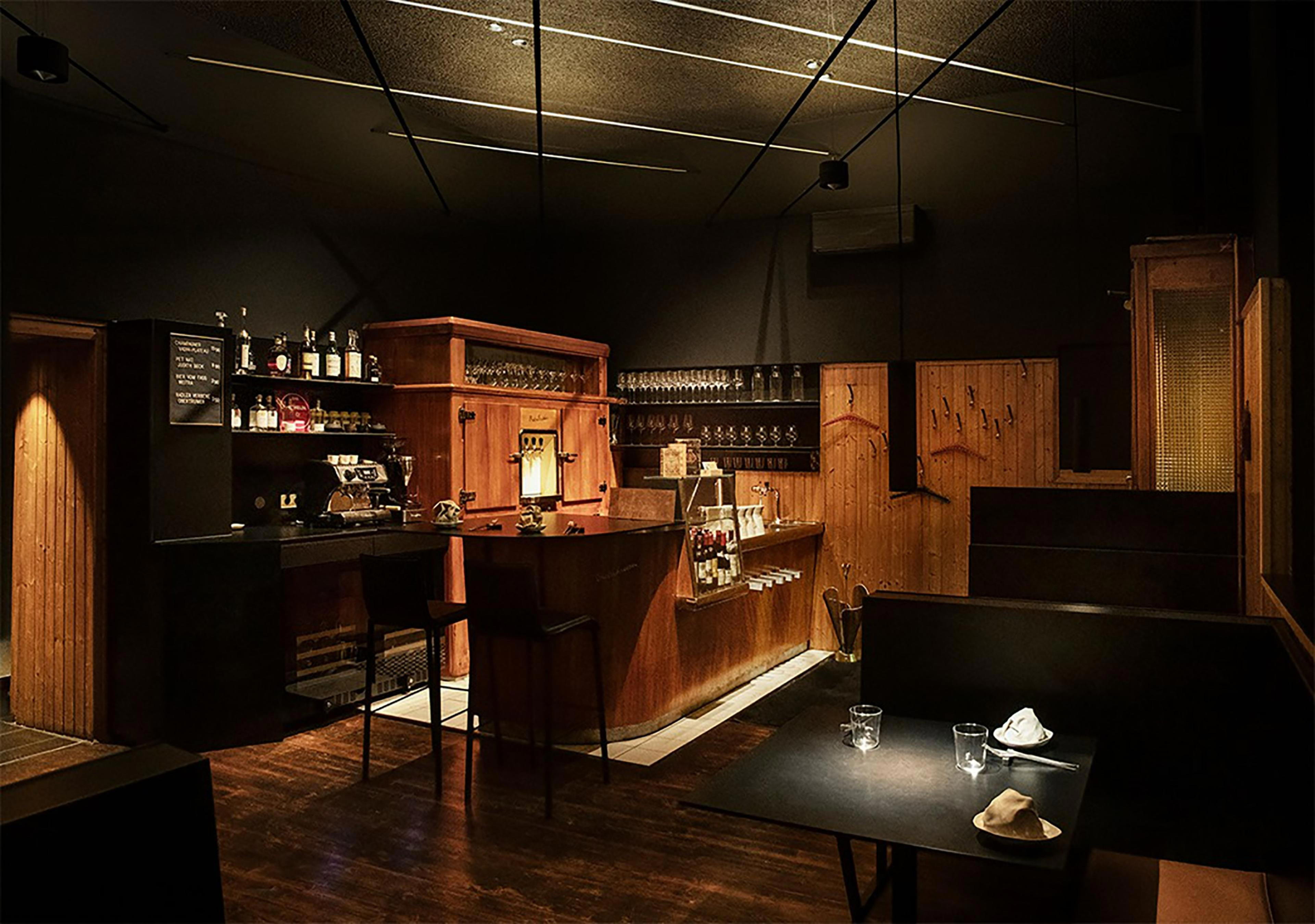
The evening service shifts the register. A cellar-adjacent room under artificial light in Döbling reads quite differently from the same room with afternoon sun and a view toward the Wienerwald. Dinner at Amador is the darker, more formal proposition: the room closes in, the wine program becomes the natural focus, and the interaction with the kitchen's creative output takes precedence over setting. This is a restaurant whose dinner format aligns with the high-concentration European tasting-menu tradition, more closely related to the sealed-room intensity of an urban counter than the open-air relaxation of a rural estate.
For visitors with a single visit available, the lunch-versus-dinner question is genuinely consequential. Those arriving from outside Vienna who want the full spatial and seasonal context of the winery address will find lunch delivers it more completely. Diners who want the wine program at full expression, with service uninterrupted by daylight transitions, will find the evening format better matched to that priority.
Chef Juan Amador and the German-Spanish Creative Register
The creative direction at Amador sits at a documented intersection of German technique and Spanish culinary reference, a combination that places the kitchen outside the narrowly Austrian tradition that defines tables like Mraz and Sohn or the regional product-led focus of Pramerl and the Wolf. Juan Amador's kitchen does draw on Austrian produce, but the underlying grammar of the cooking reflects a broader European creative position rather than a localist one. This is closer in sensibility to the pan-European creative tier, where technique, product sourcing, and conceptual ambition operate independently of strict regional identity, than to the new Austrian cooking movement.
That positioning has a competitive implication. Guests arriving from other European capitals will find Amador legible within a shared creative framework. Guests looking specifically for Vienna-rooted cooking may find Konstantin Filippou, with its Greek-Austrian heritage and stronger Viennese market product integration, a closer match to that expectation.
The Wine Program as a Primary Draw
Star Wine List's number-one ranking in Austria for 2025, following a spread of top-five placements across four separate 2024 categories, positions Amador's cellar as a destination in its own right. Vienna's wine culture is not incidental context here. The city sits within active wine-producing territory, with DAC wines from the Wachau, Kamptal, and Kremstal within an hour's drive, and Grüner Veltliner grown inside city limits. A restaurant occupying winery premises in Döbling has structural access to local producers and direct relationships with the grower-winemaker community that urban-core properties do not.
For visitors building an itinerary around Austrian wine, Amador's placement makes geographic sense alongside Our full Vienna wineries guide, which maps the city's broader viticultural footprint.
How Amador Sits in the Wider Austrian and Regional Circuit
Vienna's three-star tier is compact. Internationally, the city does not function as a primary fine-dining destination in the way Paris, Tokyo, or Copenhagen do, it receives serious diners rather than generating the density of destination visits that define those markets. That means Amador's peer comparison extends beyond Vienna to the Austrian national circuit and, for visiting international guests, to the broader European creative tier.
Within Austria, the comparable high-Michelin addresses include Ikarus in Salzburg, Gourmetrestaurant Tannenhof in Sankt Anton am Arlberg, Griggeler Stuba in Lech, and Kräuterreich by Vitus Winkler in Sankt Veit im Pongau. Each of these operates in a different geographic and atmospheric register, alpine or resort-adjacent, making Amador's urban-fringe winery setting the most singular address in the national high-end circuit.
Vienna's broader dining and hospitality infrastructure is documented across our full Vienna restaurants guide, our full Vienna hotels guide, our full Vienna bars guide, and our full Vienna experiences guide.
Know Before You Go
- Address: Grinzinger Str. 86, 1190 Wien, Austria (19th district, Döbling)
- Price tier: €€€€
- Awards: Michelin 3 Stars (2024, 2025); La Liste 95pts (2025), 94pts (2026); Opinionated About Dining Europe #47 (2025); Star Wine List #1 Austria (2025); Les Grandes Tables du Monde (2025)
- Getting there: The 19th district is accessible by tram from the center; a taxi or car is the most direct option for evening arrivals
- Booking: Advance reservation required; check the restaurant's own channels directly given the award profile and demand
- Nearby: Doubek offers an alternative in the same general district register
Frequently asked questions
What's the pricing like at Amador?
Pricing at Amador is listed as €€€€.
What awards or recognition does Amador have?
Amador has received recognition including: Tucked beneath the Hajszan Neumann winery in Vienna’s 19th district, Amador is where German precision meets Spanish soul. Chef Juan Amador’s three-Michelin-starred kitchen draws on local produce and p...; La Liste Top Restaurants (2026): 94….
Can I walk in to Amador?
At this level, three Michelin stars, a La Liste score of 94 points in 2026, and Star Wine List's number-one ranking in Austria for 2025, walk-in availability at Amador is not a realistic expectation. Advance booking is the standard operating assumption for any table at Grinzinger Str. 86.
Comparable Spots
| Venue | Cuisine | Price | Awards | Notes |
|---|---|---|---|---|
| AmadorThis venue (the venue you are viewing) | Avant-Garde European Fine Dining | $100–150 | 3 Michelin Stars · La Liste Top Restaurants | Not listed |
| Steirereck im Stadtpark | Modern Austrian Fine Dining | $200–300 | 3 Michelin Stars · World's 50 Best #33 | Creative |
| Mraz & Sohn | Contemporary Austrian Fusion | $150–200 | 2 Michelin Stars · La Liste Top Restaurants | Modern Austrian, Creative |
| Silvio Nickol Gourmet Restaurant | Modern Austrian Fine Dining | $300–500 | 2 Michelin Stars · La Liste Top Restaurants | Modern Cuisine |
| Konstantin Filippou | Modern Fish-Led Fine Dining | $200–300 | 2 Michelin Stars · La Liste Top Restaurants | Modern European, Modern Cuisine |
| APRON | Modern Austrian Fine Dining | $150–200 | 1 Michelin Star · Falstaff Restaurant - 95 Falstaff Points | Austrian, Creative |
Recognition history
Dated appearances from independent guides and award organizations, with the underlying list record or original source where available.
Michelin 3 Stars
Michelin
La Liste Top Restaurants
La Liste
Star Wine List
Star Wine List
Les Grandes Tables du Monde Member
Les Grandes Tables du Monde
Opinionated About Dining Top Restaurants in Europe Ranked #58
Opinionated About Dining
Full recognition history (15 entries)
La Liste Top Restaurants
La Liste
Michelin 3 Stars
Michelin
Opinionated About Dining Top Restaurants in Europe Ranked #47
Opinionated About Dining
Star Wine List
Star Wine List
The Best Chef Two Knives
The Best Chef
World Culinary Awards Austria's Best Restaurant 2025 #1
World Culinary Awards
Michelin 3 Stars
Michelin
Opinionated About Dining Top Restaurants in Europe Ranked #62
Opinionated About Dining
Star Wine List
Star Wine List
Opinionated About Dining Top New Restaurants in Europe Ranked #67
Opinionated About Dining
Continue exploring
More in Vienna
Restaurants in Vienna
All restaurants in Vienna →
Bars in Vienna
All bars in Vienna →
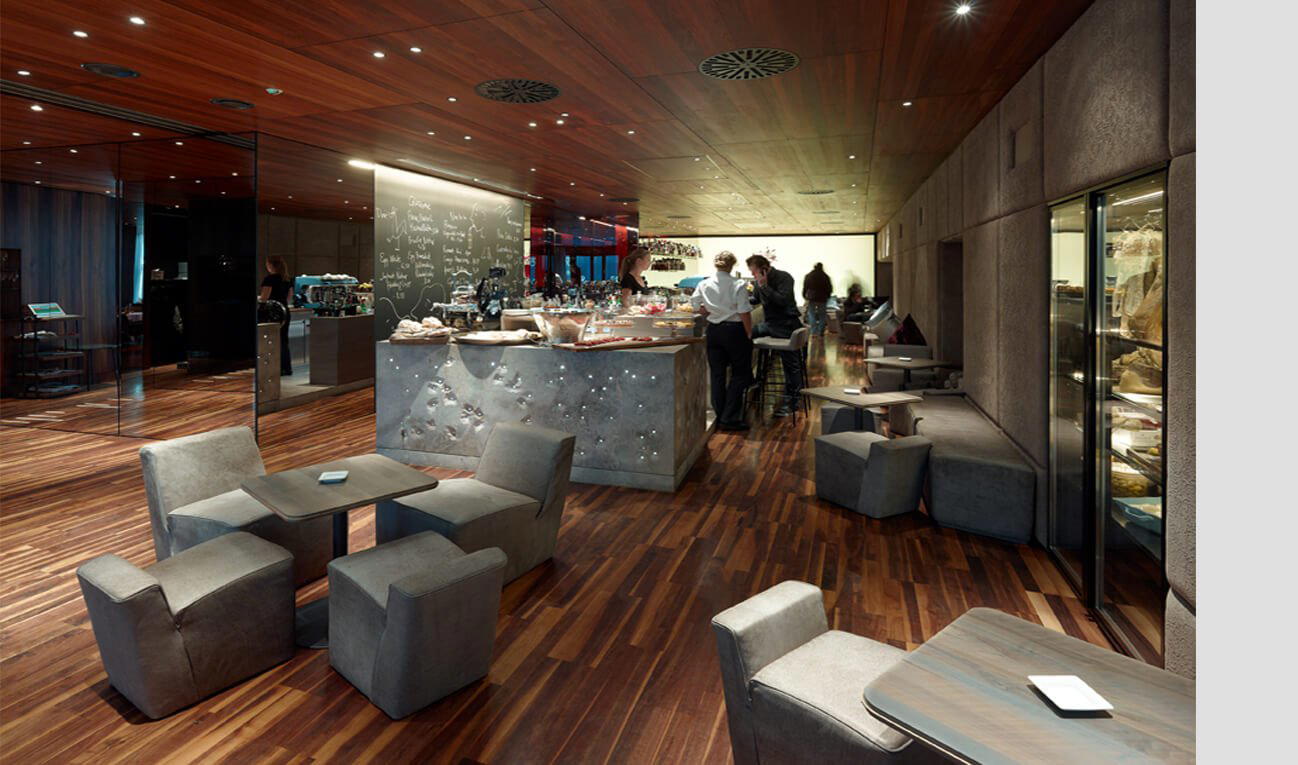
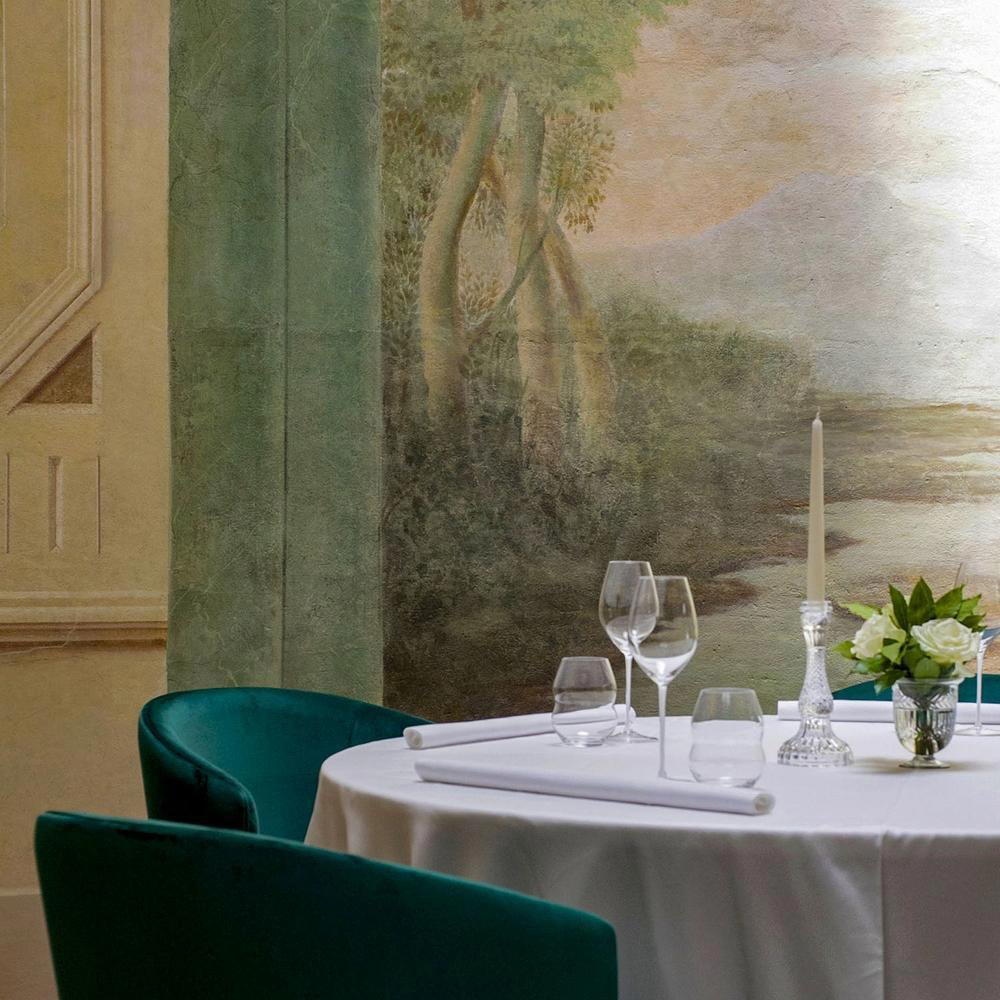
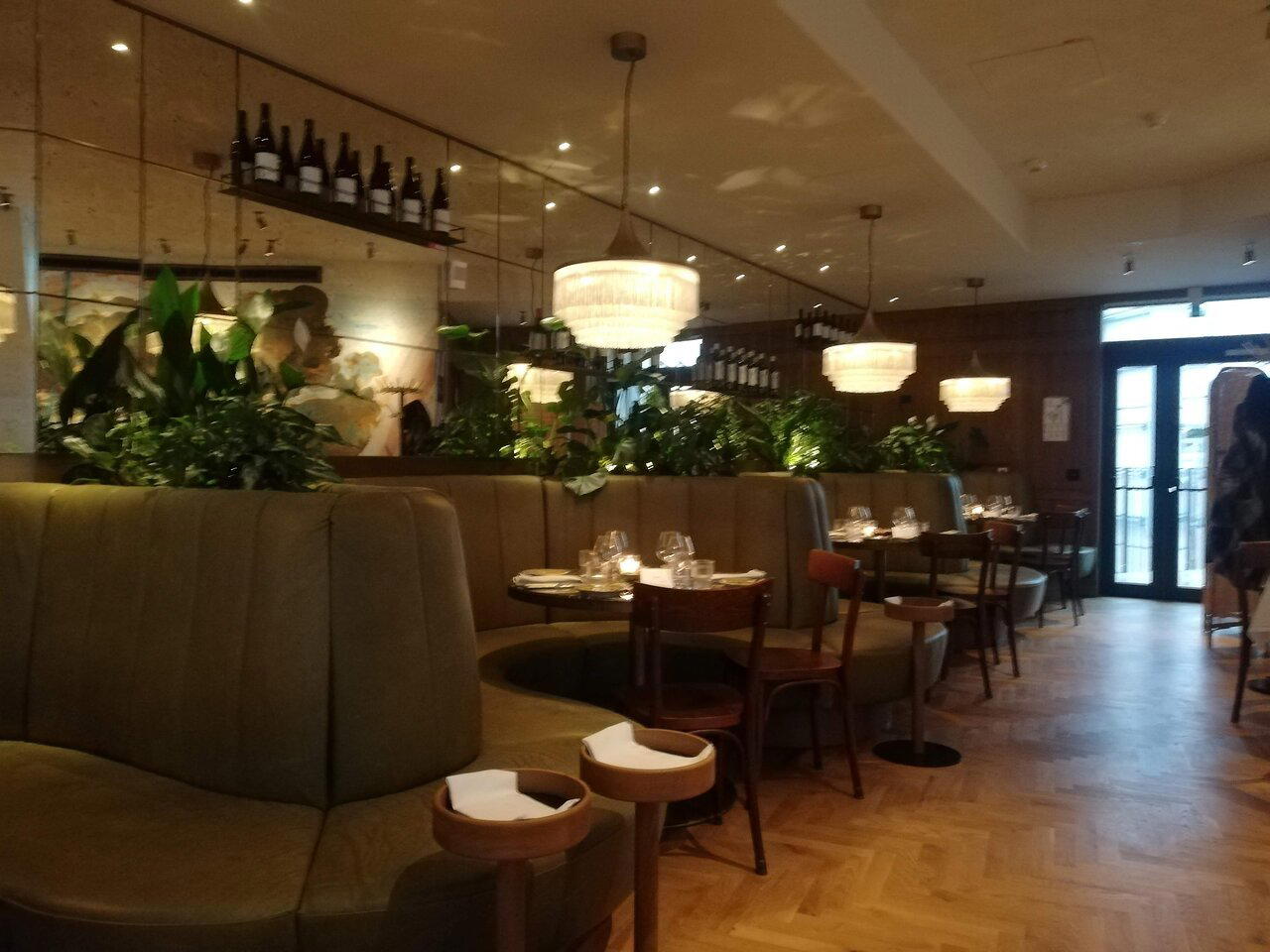
Hotels in Vienna
All hotels in Vienna →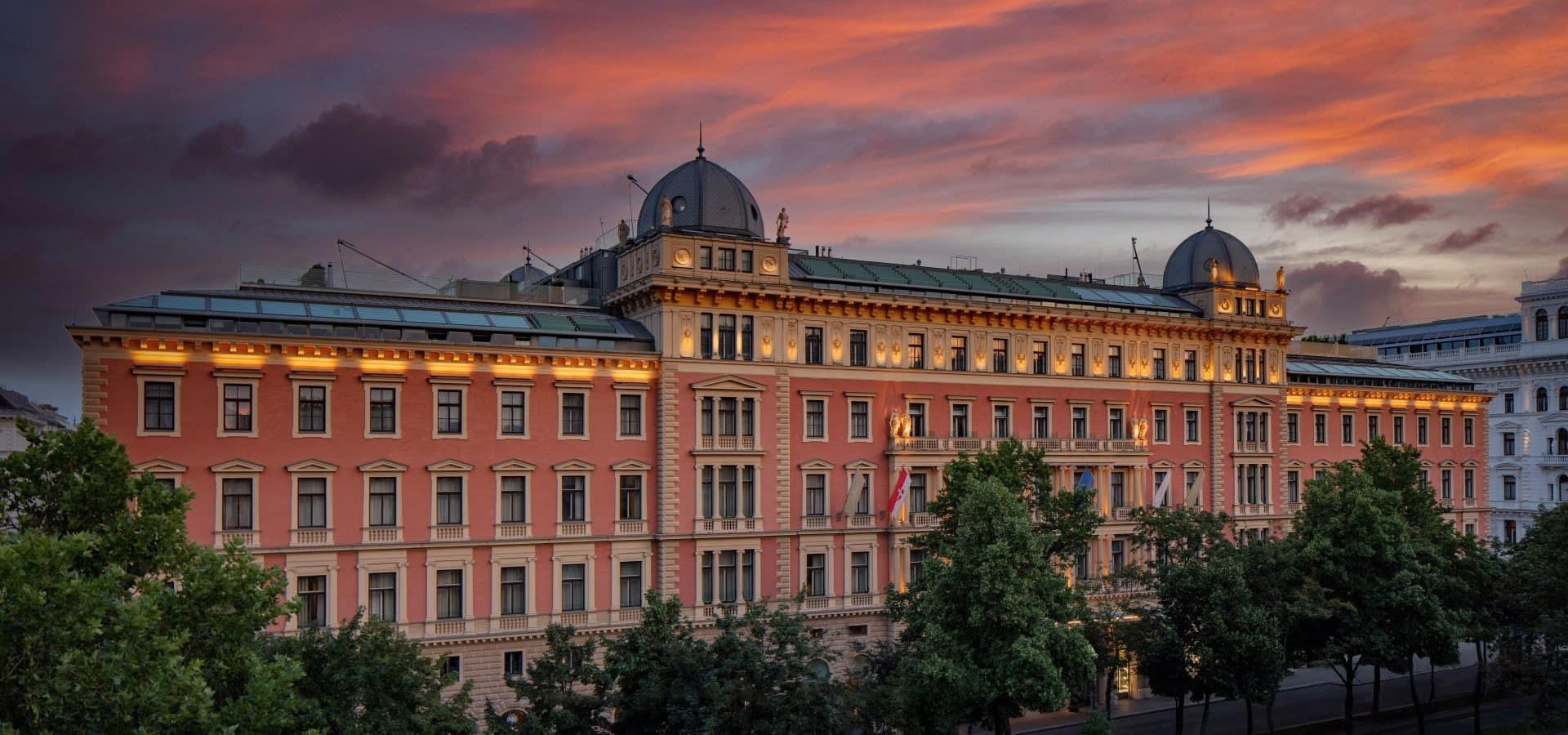
Amador
The wine
- Wine program
- Deep wine list
- Extensive wine list
- Sommelier-led
Details
- Elegant
- Sophisticated
- Intimate
- Special Occasion
- Date Night
- Celebration
- Wine Cellar
- Open Kitchen
- Terrace
- Extensive Wine List
- Sommelier Led
- Tasting Menu
- Vegetarian Friendly
Current opening hours
- Monday
- Closed
- Tuesday
- Closed
- Wednesday
- 6:30–11 PM
- Thursday
- 6:30–11 PM
- Friday
- 6:30–11 PM
- Saturday
- 6:30–11 PM
- Sunday
- Closed
Hours can change for holidays and private events. Hours as of .
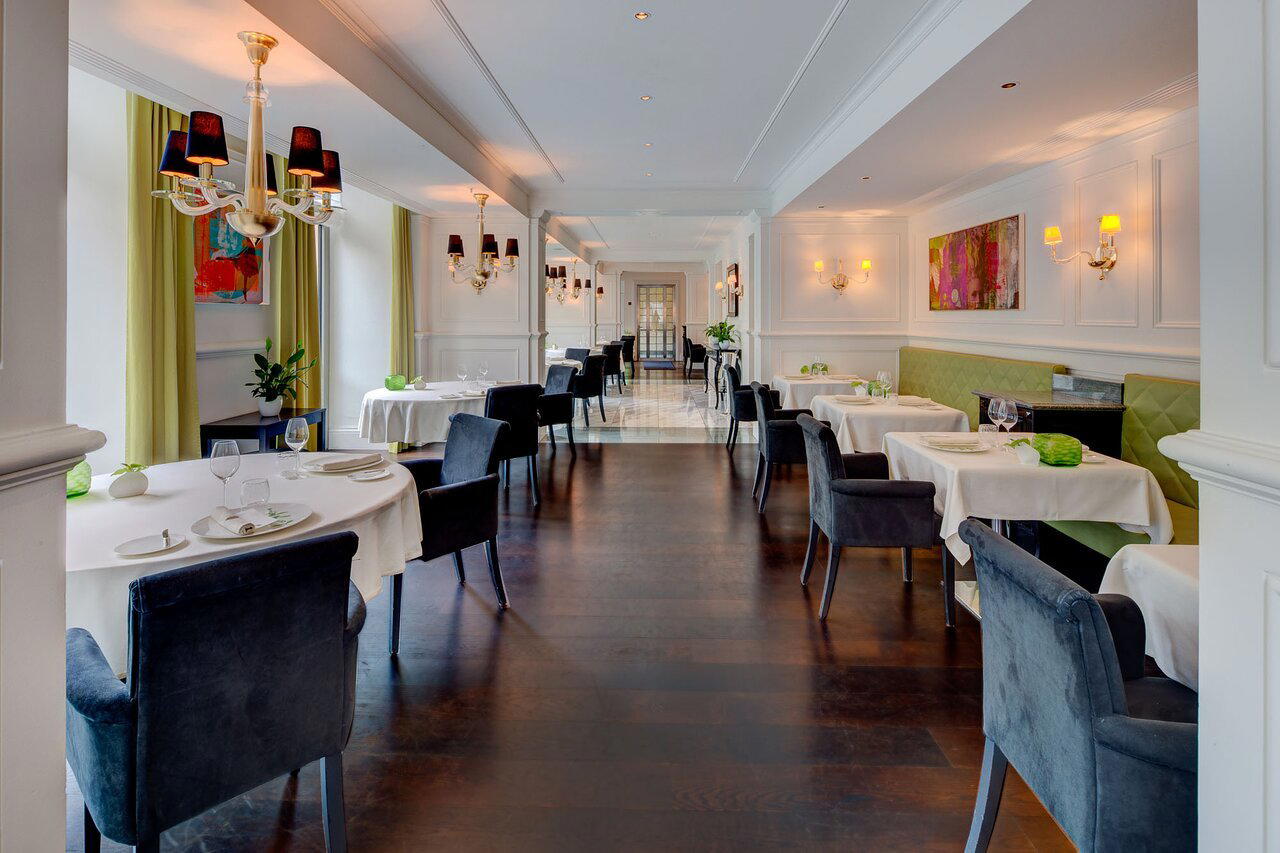
Elegantly decorated brick vaulted wine cellar with stylish interior, carefully lit to highlight the food while blending into atmospheric darkness.