

2 Michelin Keys · La Liste Top Hotels · Forbes Recommended
A former Austro-Hungarian bank building in Vienna's First District, Park Hyatt Vienna occupies one of the city's most architecturally distinguished addresses, earning 2 Michelin Keys in 2024 and a 97.5-point La Liste ranking for 2026. The 143-room property anchors the Goldenes Quartier, with interiors that work the vaulted bank architecture, pool in the vault, brasserie in the trading hall, rather than papering over it.

Pearl is the En Primeur Club membership app, where members save venues, book tables and use the concierge.
Am Hof, Morning to Night
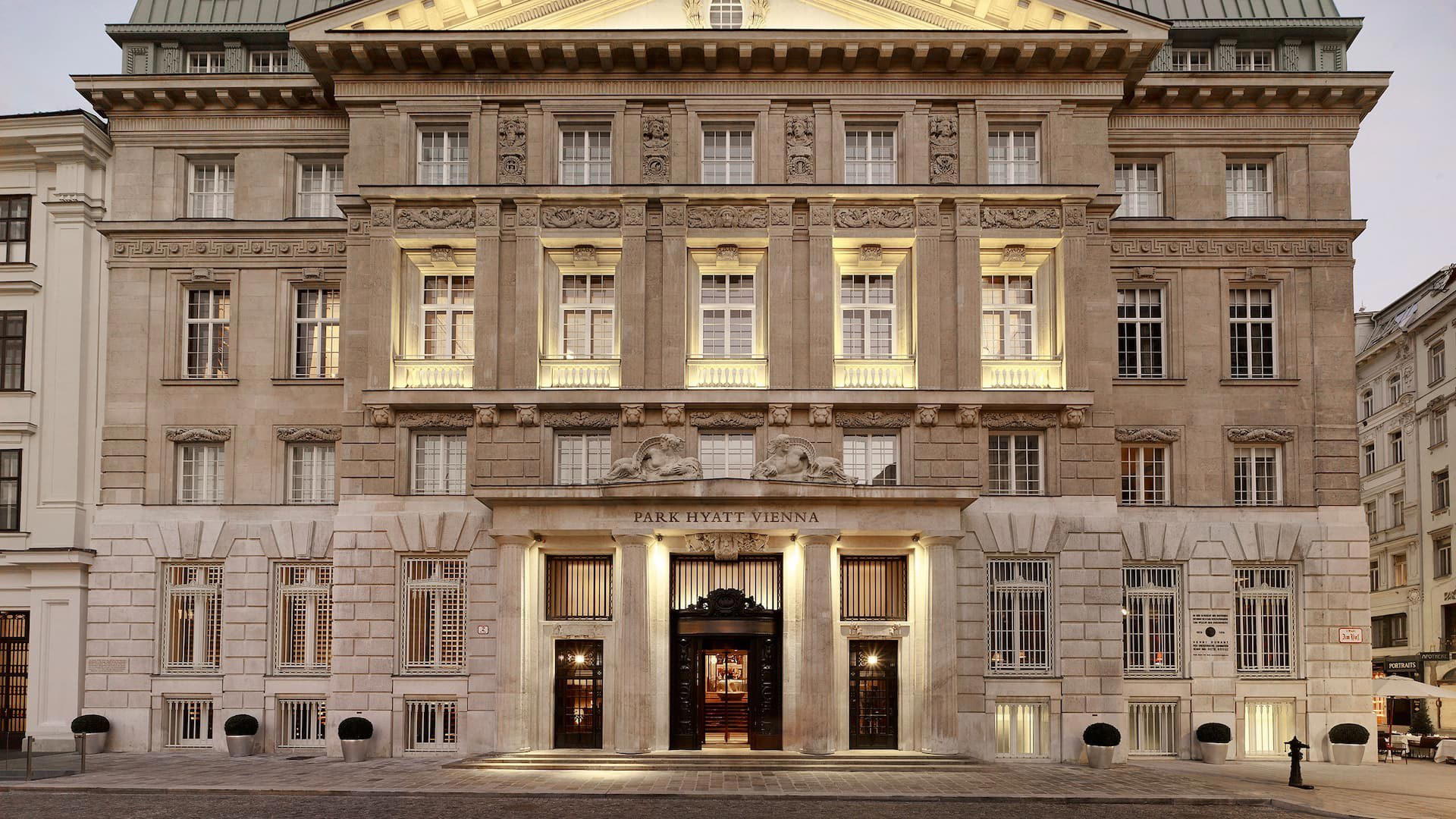
The square at Am Hof is one of Vienna's oldest public spaces, and on a winter morning, when the Christmas market stalls are assembling and the baroque facades are still pale with frost, the approach to Park Hyatt Vienna's entrance gives you the full weight of the First District. The building, a former Austro-Hungarian bank headquarters from the late nineteenth century, has the kind of civic gravity that most contemporary luxury hotels spend fortunes trying to simulate. Here it is the given condition, and everything inside works with it rather than against it.
That relationship between the original architecture and the hotel program is what separates this property from the broader field of Vienna's luxury addresses. Where Hotel Sacher Wien trades on opera-adjacent history and Hotel Imperial on Habsburg lineage, Park Hyatt Vienna's identity is rooted in something more recent: the conversion of a working bank into a hotel whose design logic follows the original floor plan. The vault became the spa. The trading floor became a brasserie. The result is less nostalgic than architectural, and for guests who find the city's more explicitly imperial properties slightly performative, that distinction matters.
How the Day Divides at The Bank Brasserie and Bar
The editorial angle that leading captures Park Hyatt Vienna is not its rooms or its awards, though both are substantial, but the way its food and drink programming shifts across the arc of a day. The Bank Brasserie and Bar, which occupies the grand former banking hall, is a genuinely different proposition at noon than at eight in the evening, and understanding that divide helps a visitor get the most from the property even if they are not staying here.
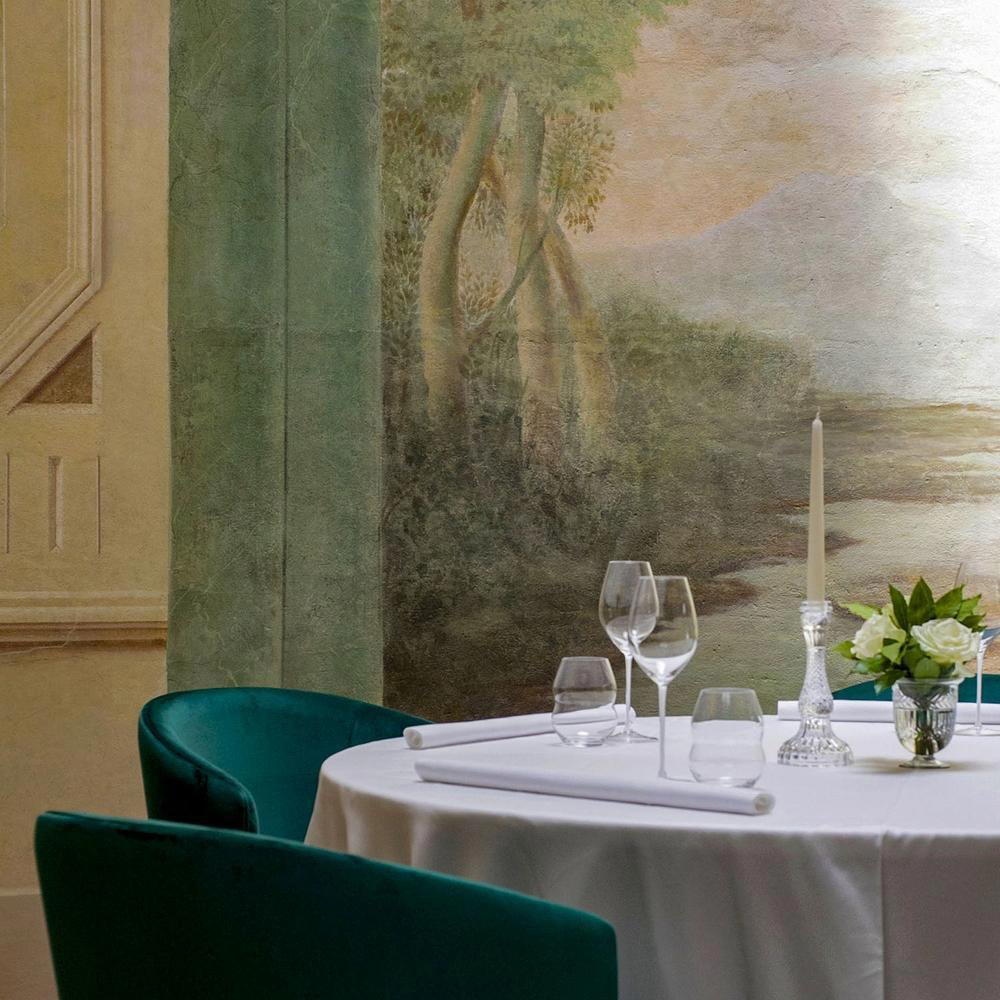
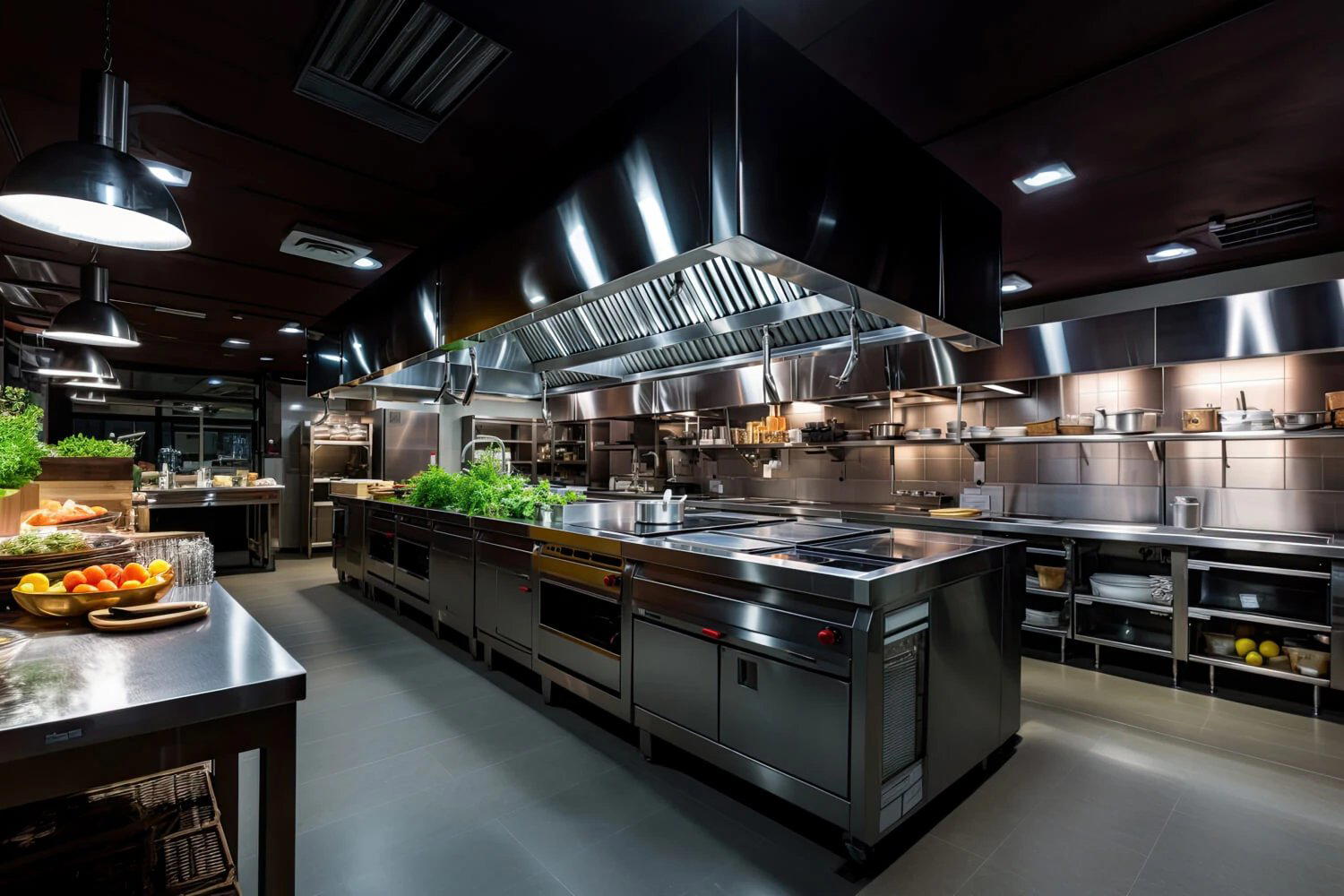
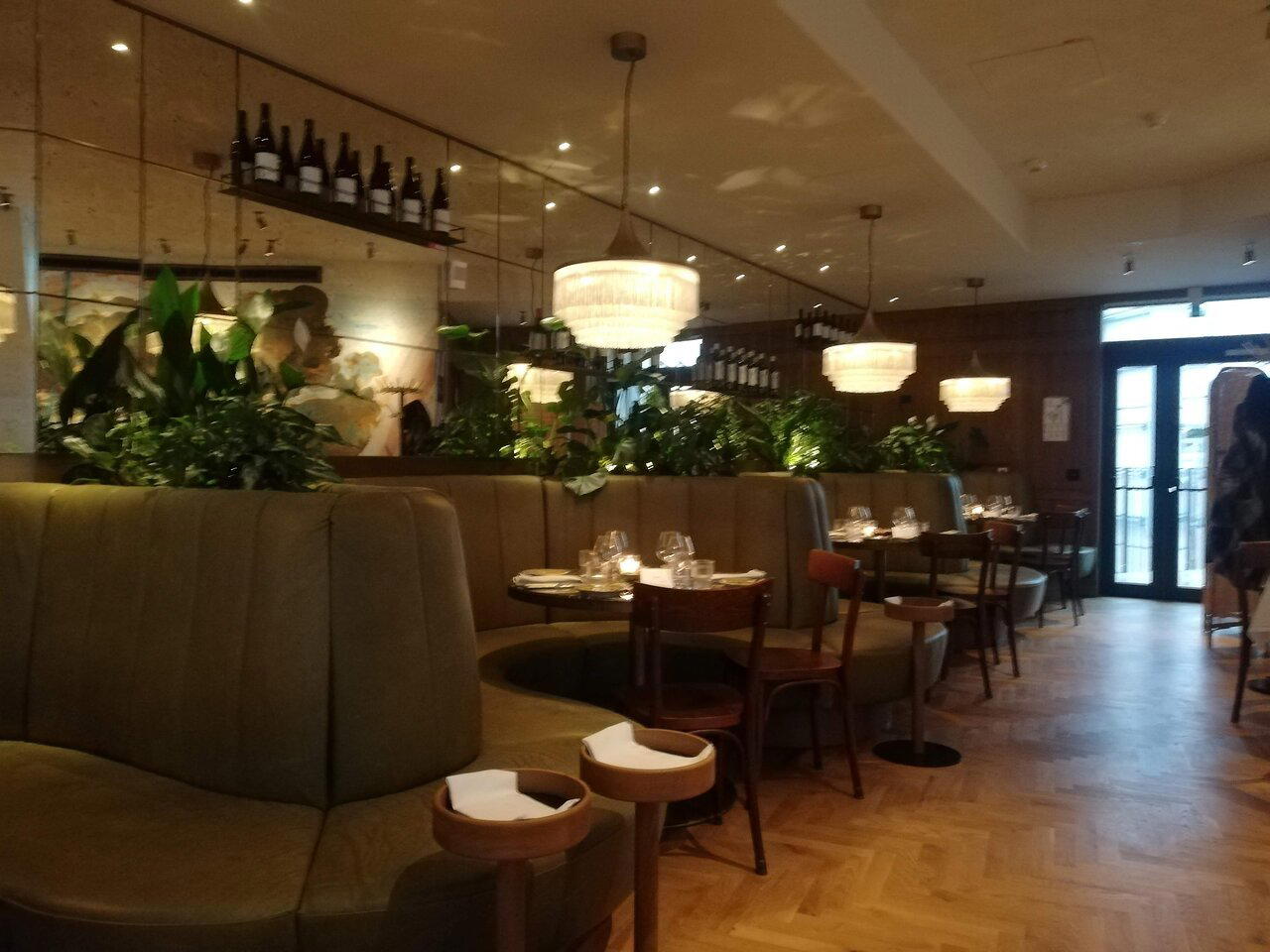
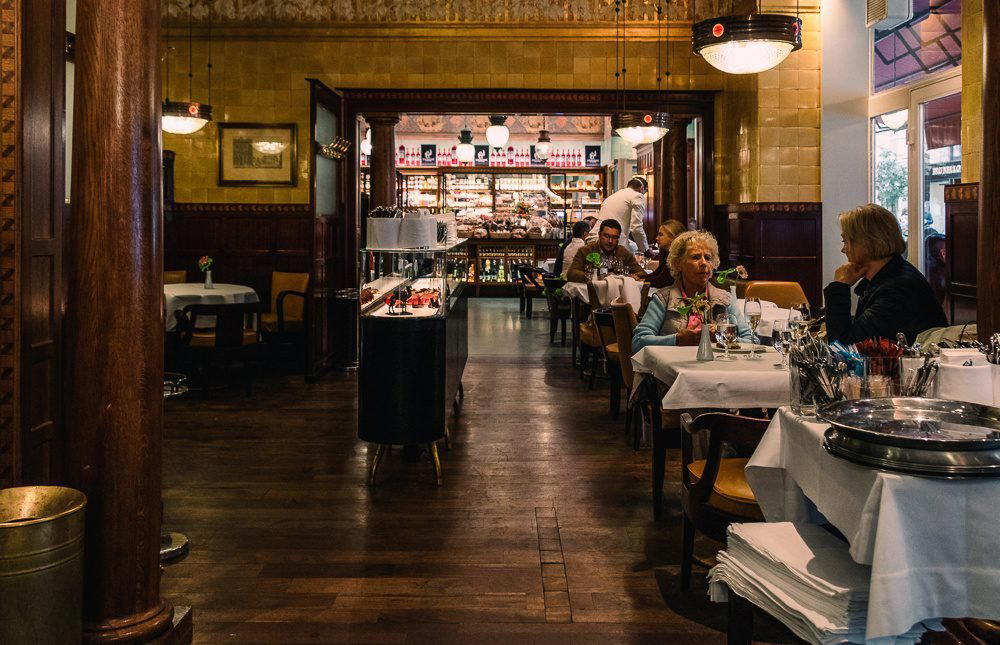
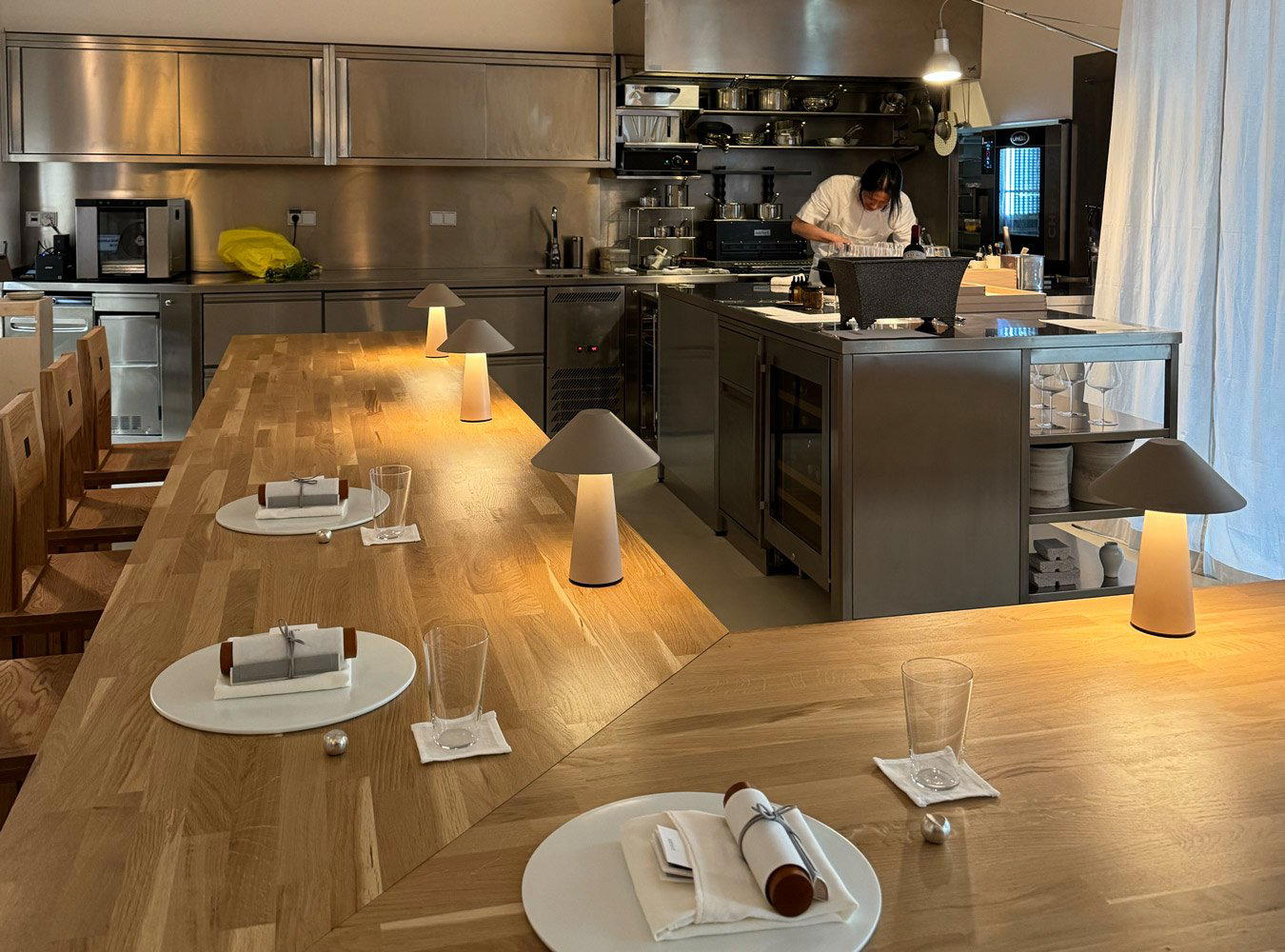
During the day, the brasserie functions as a calmer, more accessible version of itself. Light comes in at a different angle through the tall windows, the room is quieter, and the format leans toward the kind of leisurely lunch that Vienna's food culture still takes seriously. The architecture is at its most readable in daylight hours: the original pillars, the height of the ceiling, the on-theme cocktail vocabulary that references the building's past. For a visitor wanting a central, considered lunch without committing to one of Vienna's more formal dining rooms, the brasserie in its daytime mode makes a strong case. Reserving the chef's table, positioned between the two show kitchens and accommodating eight guests for a family-style meal served by the chef de cuisine, requires advance planning, and this format suits an evening occasion rather than a working lunch.
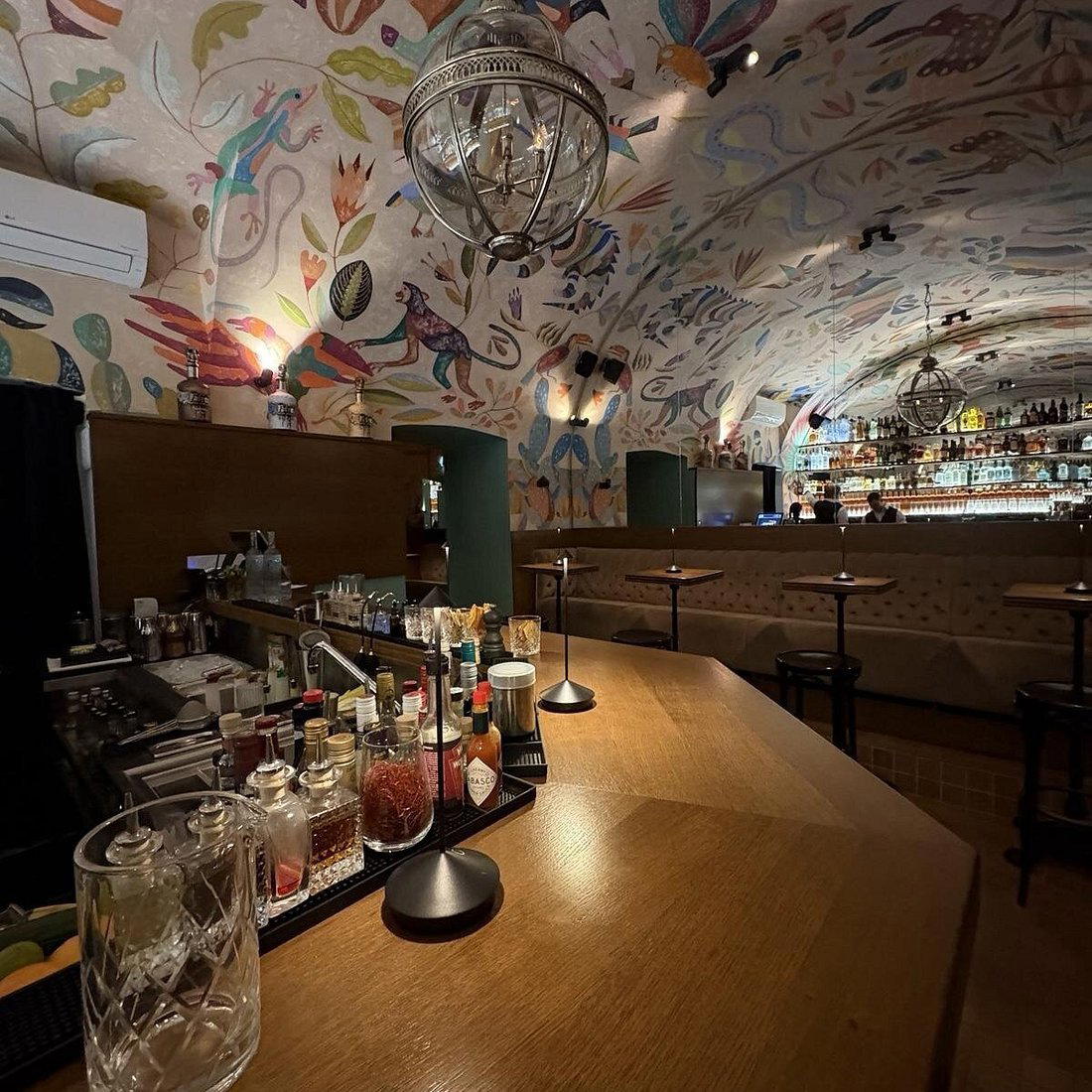
The evening service shifts the register noticeably. The room takes on the kind of weight that tall ceilings and dim lighting confer on institutional spaces, and the cocktail list at the adjacent bar becomes the logical starting point. The Living Room whisky lounge runs a different pace again: quieter, more considered, suited to guests who prefer a single malt and conversation over the brasserie's wider table energy. For those mapping Vienna's cocktail geography, this is one of several properties in the First District where the bar program is taken as seriously as the kitchen.
Café Am Hof: The Daytime Case for Pastry
The strongest daytime argument for the property, however, is not the brasserie but the Café Am Hof one floor below, which opens onto an outdoor terrace during the warmer months. Vienna's coffee house tradition is among the most competitive in Europe, and the city has no shortage of historic establishments with established pastry credentials. The lemon tarts at Café Am Hof, produced by a baker with an established reputation, hold their own in that field, according to the property's inspector notes. That is a claim worth taking seriously in a city where coffee house quality is both a civic pride point and a matter of genuine critical attention. For non-guests, the café offers entry to the property without the formality of a brasserie booking, and in summer, the terrace position overlooking Am Hof square makes the timing argument itself: arrive before the square fills.
The Rooms: Bank Architecture as Spatial Advantage
Historic conversions often produce compromised rooms, irregular shapes, awkward ceiling heights, light wells where windows should be. Park Hyatt Vienna is an exception, partly because the scale of a bank headquarters allows for room dimensions that purpose-built hotels at this price point rarely match. The 143 rooms include 42 suites, and the standard room footprint starts at 35 square metres, with suites running from 55 square metres to 820 square metres. That upper figure is the kind of number associated with private apartments rather than hotel rooms.
Rooms are fitted with oak desks, leather sofas in lounge areas, and bathrooms with white marble surfaces, heated floors, waterfall showers, and his-and-hers sinks. Modern infrastructure, air conditioning, Wi-Fi, minibar, is routed behind the original fireplaces and period furnishings rather than surface-mounted, which maintains the visual coherence of the spaces. Double-glazed windows address what would otherwise be a genuine drawback: Am Hof hosts a famous Christmas market, and the square below sees significant seasonal foot traffic. The acoustic separation means the room remains quiet during events that are happening metres away.
For guests choosing between room types, suites 104 through 146 face Am Hof square directly, and several include bathtubs positioned to look out over the street. The spa occupies the original bank vault, a genuinely rare spatial condition, with a 15-metre indoor pool and underwater audio. The combination of vault ceilings and water makes it one of the more architecturally specific spa environments in central Europe's luxury hotel tier.
Location: The Goldenes Quartier Context
The property sits in the Goldenes Quartier, Vienna's premium shopping corridor, within walking distance of Kohlmarkt and adjacent to flagship stores from Prada, Alexander McQueen, and Roberto Cavalli. The First District placement means most of the city's primary cultural sites, the Kunsthistorisches Museum, the Burgtheater, the Hofburg, are accessible on foot, which is a meaningful practical advantage in a city where the historic centre is compact enough to walk but spread across enough ground to make taxi decisions constant.
Among Vienna's luxury properties, Park Hyatt competes in the same tier as Rosewood Vienna and The Amauris Vienna, each of which has a distinct architectural and programming identity. Design-led alternatives like Hotel Sans Souci Wien and Almanac Palais Vienna operate in a different register, smaller, less formally structured, while 25hours Hotel Vienna at MuseumsQuartier and Altstadt Vienna address a younger, less ceremony-oriented guest. The Park Hyatt positions itself firmly in the full-service, architecturally serious segment, with a La Liste score of 97.5 points for 2026 and a 2 Michelin Keys rating in 2024 confirming where the critical consensus places it.
Rooms are priced from approximately $699 per night, situating the property at the upper end of Vienna's hotel market without reaching the bespoke pricing of some palazzo-style conversions elsewhere in Europe. The Hyatt group membership, and the associated loyalty program, gives the property a practical advantage over some of its independent competitors for travellers managing points across a wider trip. For those extending a Vienna stay into Austria more broadly, the country's alpine and lake district properties form a natural extension: Rosewood Schloss Fuschl in Hof bei Salzburg, Schloss Mönchstein in Salzburg, Grand Tirolia Kitzbühel, Hotel Almhof Schneider in Lech, Falkensteiner Schlosshotel Velden, Alpen-Wellness Resort Hochfirst in Obergurgl, Aktiv & Wellnesshotel Bergfried in Tux, DAS EDELWEISS in Grossarl, Naturhotel Waldklause in Längenfeld, Hotel Schloss Seefels in Techelsberg, LEADING Hotel Hochgurgl in Hochgurgl, Chalet Untersberg in Grodig, and Hotel Schwarzer Adler Innsbruck in Innsbruck each represent different grades of alpine or provincial Austrian hospitality. For a broader view of Vienna's dining and hospitality options, see our full Vienna restaurants guide. Comparable institutional-conversion luxury hotels in other cities include Aman New York, The Fifth Avenue Hotel in New York City, and Aman Venice, each of which navigates the same challenge of placing a contemporary hotel program inside a building with its own prior identity.
Planning Your Stay
The hotel is pet-friendly, with a documented "very important dog" service that provides beds, bowls, and a welcome amenity for canine guests. The concierge team handles restaurant reservations, transport, and activity planning, which is a practical asset in a city where the gap between knowing a good table exists and actually securing one can be significant, particularly in high season. Summer brings terrace dining at Café Am Hof and the full pedestrian energy of the First District; December brings the Am Hof Christmas market directly below many of the hotel's windows, atmospheric from above, and acoustically managed by the double glazing. The chef's table at The Bank Brasserie seats eight and should be reserved well in advance for any special-occasion dinner.
Peers Worth Knowing
Comparable venues nearby, for context on price, style, and recognition.
| Venue | Cuisine | Price | Awards | Notes |
|---|---|---|---|---|
| Park Hyatt ViennaThis venue (the venue you are viewing) | Historic bank building transformed into luxury hotel with preserved architectural elements | Not listed | 2 Michelin Keys · La Liste Top Hotels | Not listed |
| The Amauris Vienna | Intimate luxury hotel in a renovated historic palais blending imperial heritage with contemporary comfort. | Not listed | 2 Michelin Keys · La Liste Top Hotels | Staatsoper |
| Rosewood Vienna | Restored 19th-century historic palace hotel blending Belle Époque architecture with contemporary residential luxury. | $300–500 | 2 Michelin Keys · La Liste Top Hotels | Innere Stadt |
| Hotel Imperial | Historic palace with timeless Viennese elegance | Not listed | 2 Michelin Keys · La Liste Top Hotels | Staatsoper |
| The Ritz-Carlton, Vienna | Historic palaces with modern luxuries | Not listed | 1 Michelin Key · La Liste Top Hotels | Staatsoper |
| Hotel Sans Souci Wien | Contemporary art hotel set in Vienna's cultural heart | Not listed | 2 Michelin Keys · Forbes Recommended | Hofburg |
Recognition history
Dated appearances from independent guides and award organizations, with the underlying list record or original source where available.
Michelin 2 Keys
Michelin
La Liste Top Hotels
La Liste
Forbes Recommended
Forbes
Virtuoso Luxury Hotel Partner
Virtuoso
Full recognition history (7 entries)
Forbes Recommended
Forbes
Michelin 2 Keys
Michelin
Michelin 2 Keys
Michelin
Continue exploring
More in Vienna
Hotels in Vienna
All hotels in Vienna →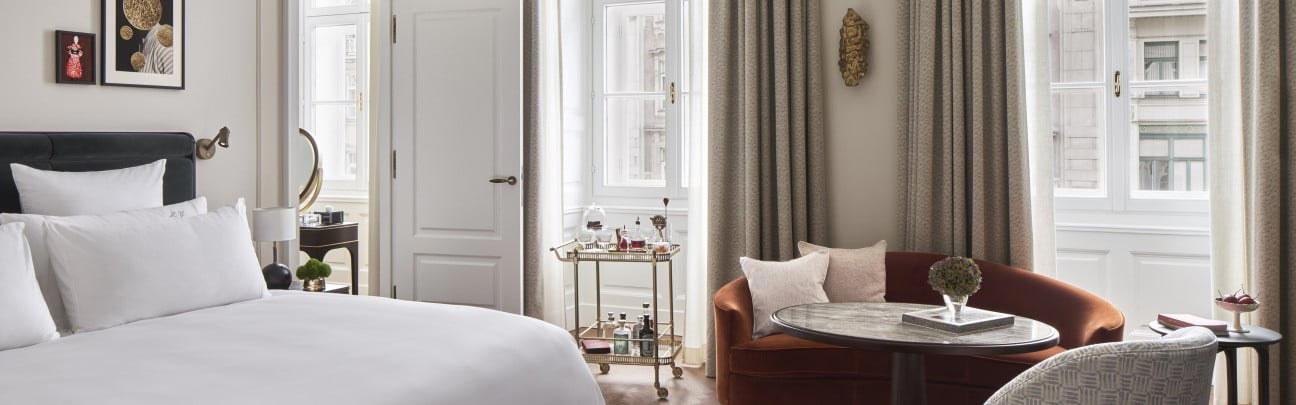
Bars in Vienna
All bars in Vienna →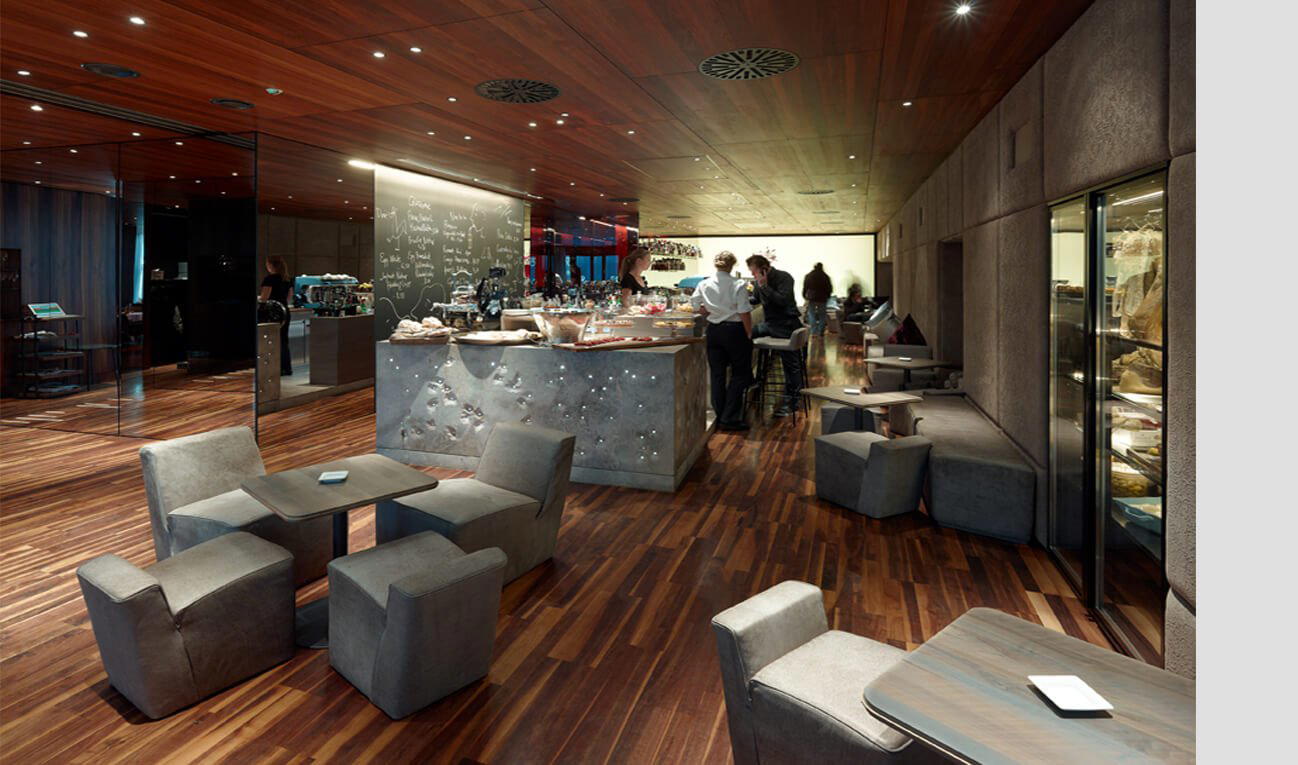
Details
- Elegant
- Sophisticated
- Ornate
- Classic
- Romantic Getaway
- Business Trip
- Anniversary
- Historic Building
- Terrace
- Wi Fi
- Pool
- Spa
- Fitness Center
- Room Service
- Concierge
- Restaurant
- Valet Parking
- Skyline
- Street Scene
- Wheelchair Accessible
- Elevator
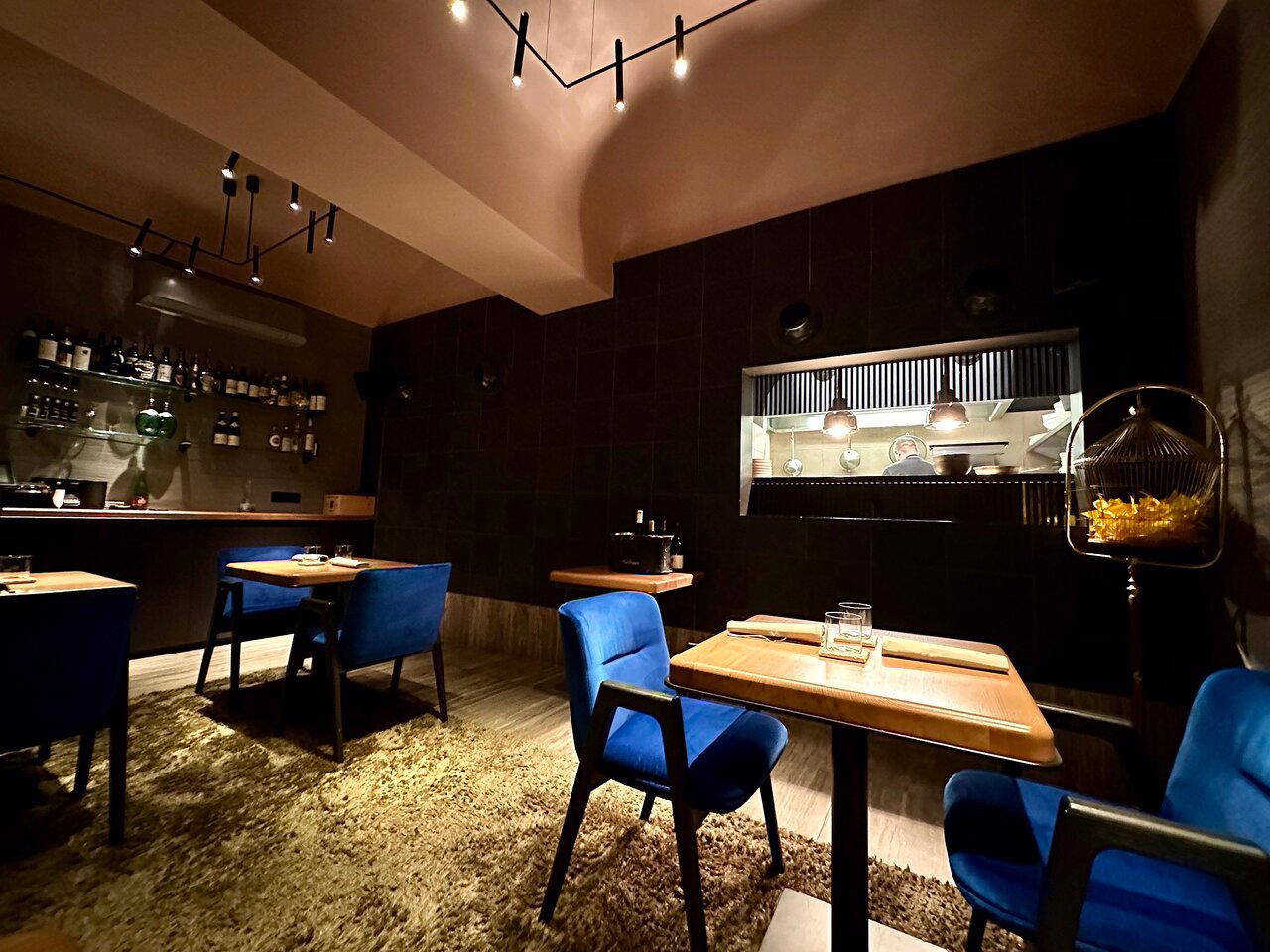
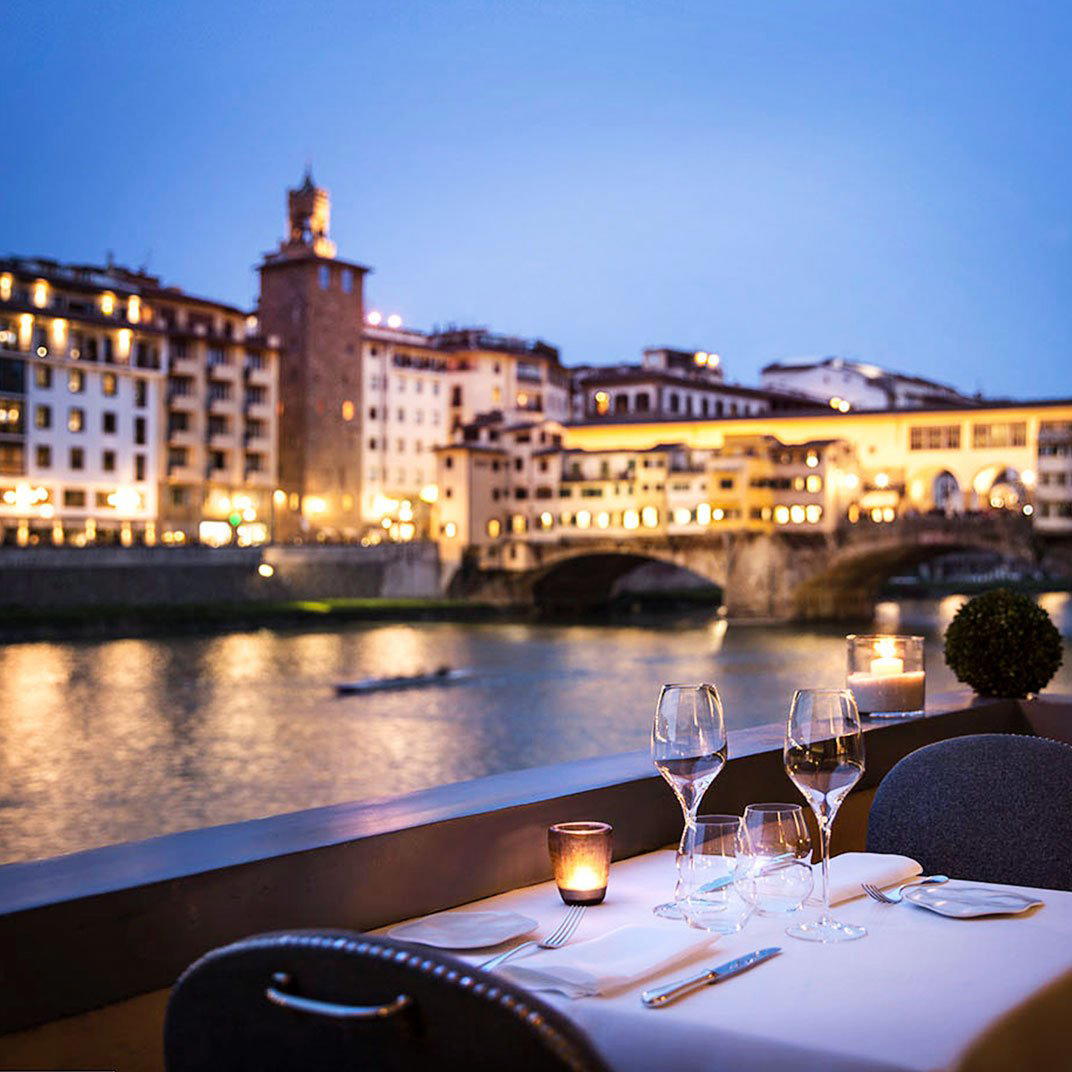
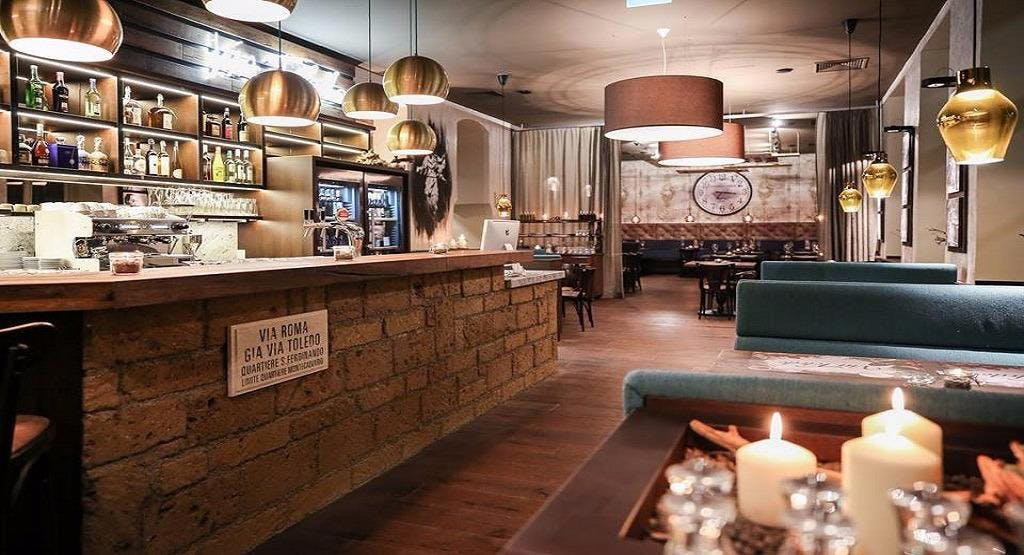
Elegant and luxurious with high ceilings, sophisticated lighting, and an atmosphere blending contemporary style with Viennese heritage.