


1 Michelin Star · Falstaff Restaurant - 92 Falstaff Points
Our verdict
Edvard holds a Michelin star and consecutive Opinionated About Dining rankings inside the Anantara Palais Hansen Hotel, placing it among Vienna's most consistently recognised fine dining rooms. Chef Paul Gamauf's seasonal menus lean on vegetables, herbs, and Mediterranean undertones, offered across five, seven, or nine courses alongside an Austria-forward wine list. Dinner is served Tuesday through Saturday from 6 PM.

Pearl is the En Primeur Club membership app — saves, bookings, and concierge access live there. Same editors, same standards.
- Address
- Schottenring 24/1010, 1010 Wien, Austria
- Phone
- +43 1 2361000
- Hours
- Mon ClosedTue–Sat 6–10 PMSun Closed
- Website
- edvard-restaurant.com
- Directions
- Get directions
- Booking
- Book on SevenRooms
Vienna's Fine Dining Tier and Where Edvard Sits Within It
Vienna's top end of fine dining has grown more layered over the past decade. A handful of restaurants occupy the two- and three-star bracket: Steirereck im Stadtpark at the three-star summit, Konstantin Filippou and Mraz & Sohn at two. Below that tier sits a compact cluster of one-star rooms where ambition and critical recognition still place the experience firmly above the city's broader restaurant market. Edvard operates in that one-star bracket, and its trajectory through the Opinionated About Dining (OAD) European classical rankings tells its own story: recommended in 2023, ranked 322nd in 2024, climbing to 391st in 2025 within the broader OAD list while maintaining its Michelin star and consistent critical attention. For a room that has been building its reputation incrementally, those markers place it in a more competitive peer conversation than its single-star designation alone might suggest.
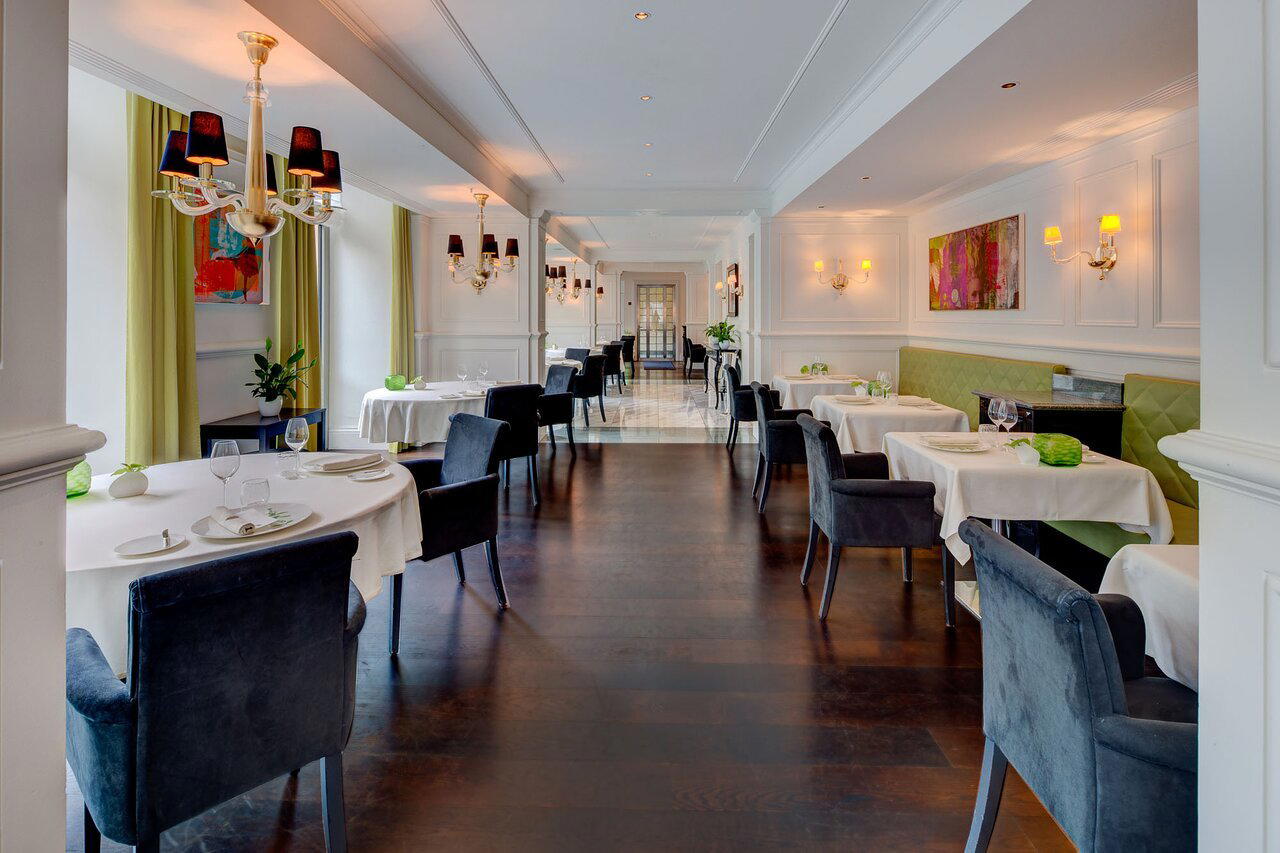
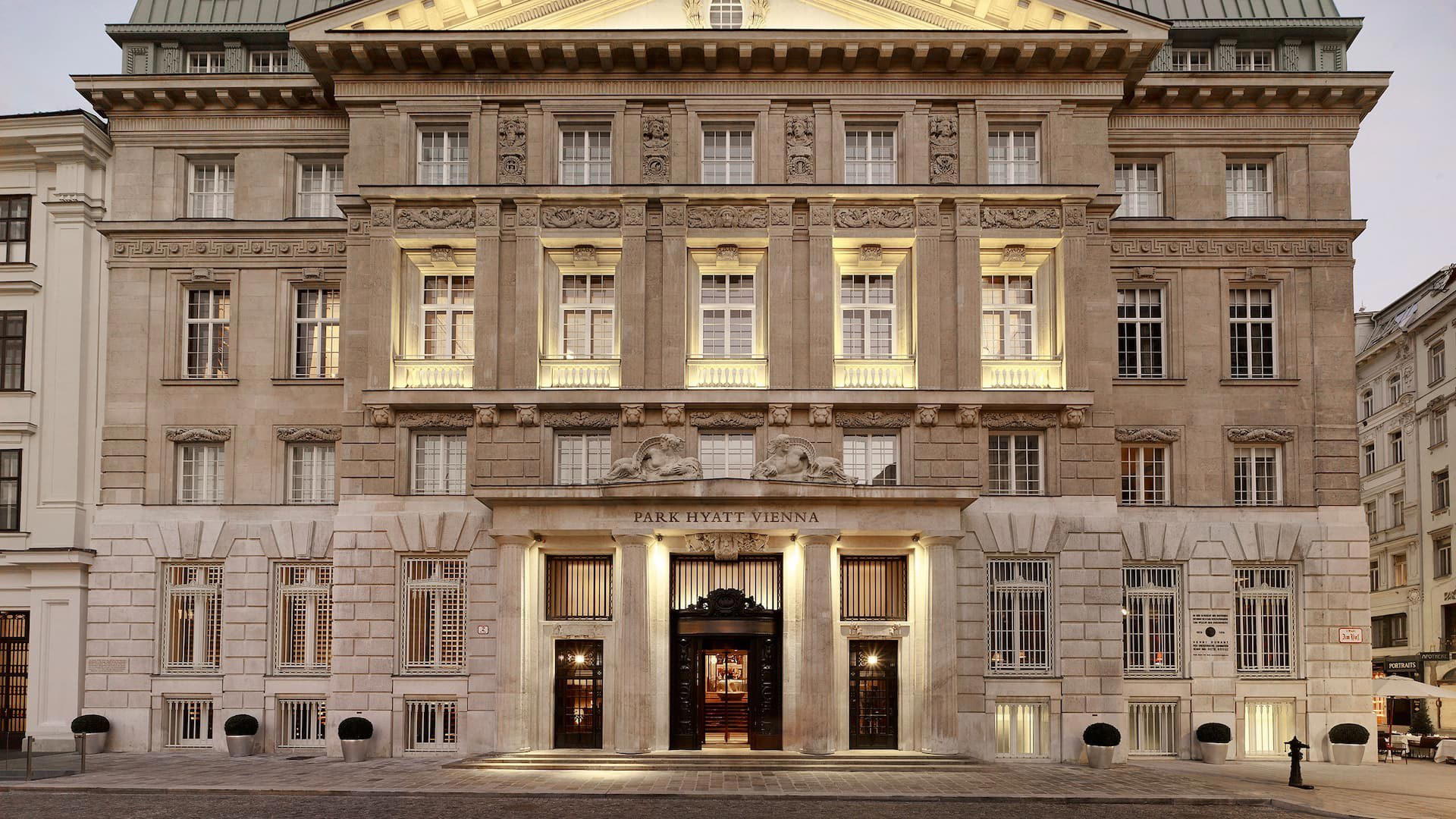
The setting reinforces the seriousness of the project. Edvard occupies a dining room inside the Anantara Palais Hansen Vienna Hotel at Schottenring 24 on the Ringstrasse, one of the grandest nineteenth-century boulevards in Europe. The Palais Hansen was originally designed by Baron Theophil Edvard von Hansen, the Danish-born architect whose neoclassical output shaped much of Vienna's imperial public face. The restaurant takes his first name directly, a gesture that ties the dining room to the architectural weight of the building rather than positioning it as a separate hospitality concept grafted onto a hotel interior. That distinction matters in a city where hotel dining rooms have historically struggled to carry independent critical authority.
The Dining Room: Architecture as Editorial Statement
Hotel fine dining across European capitals has moved through several distinct phases. There was the era of the grand hotel restaurant as the only serious option in town, followed by decades when chef-led independents dominated critical attention, and now a more nuanced moment where hotel-backed rooms can build genuine reputations if the food earns them independently. In Vienna, the question for any hotel restaurant is whether it reads as a destination or as a convenience for guests who happen to be staying.
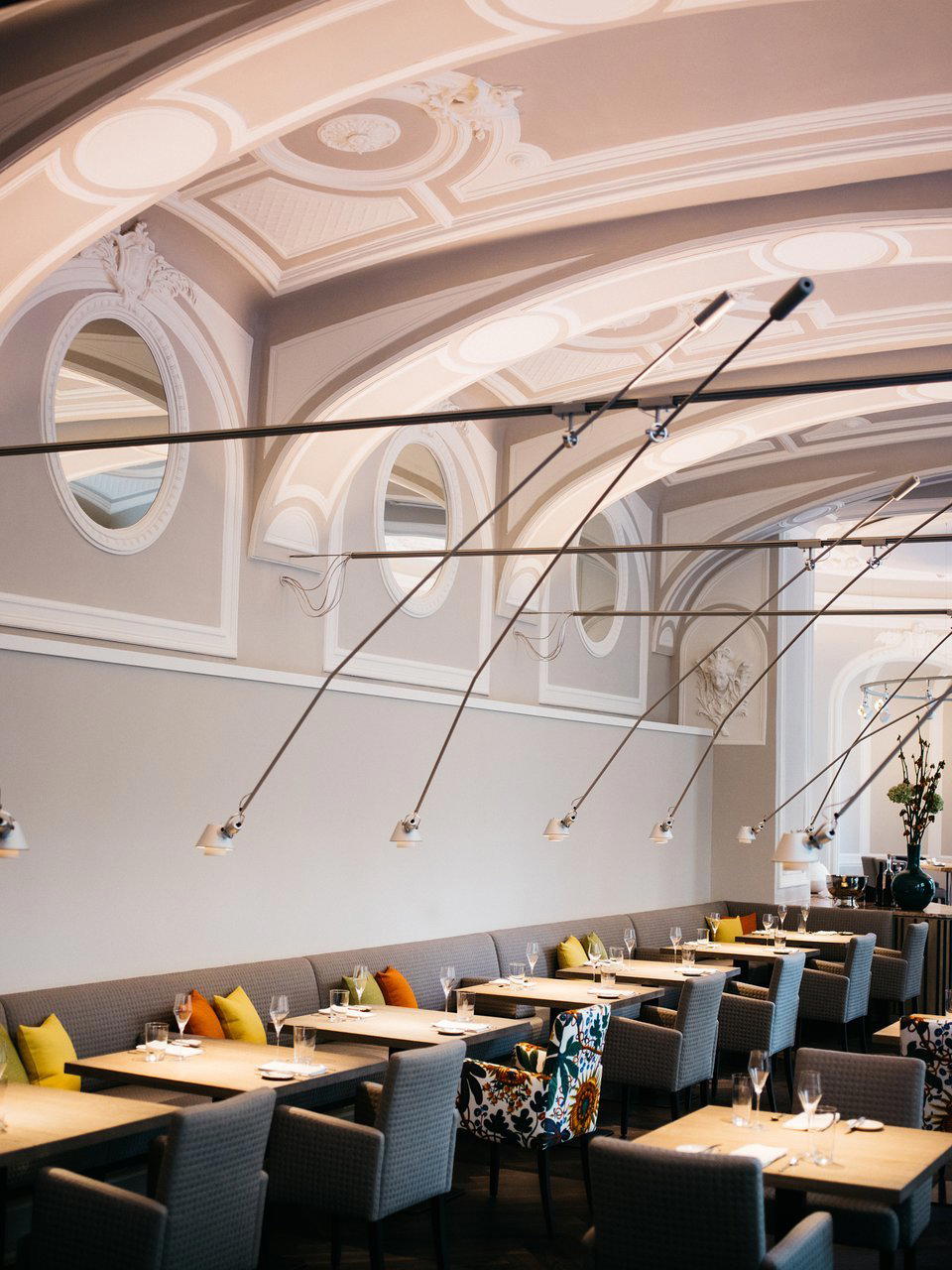
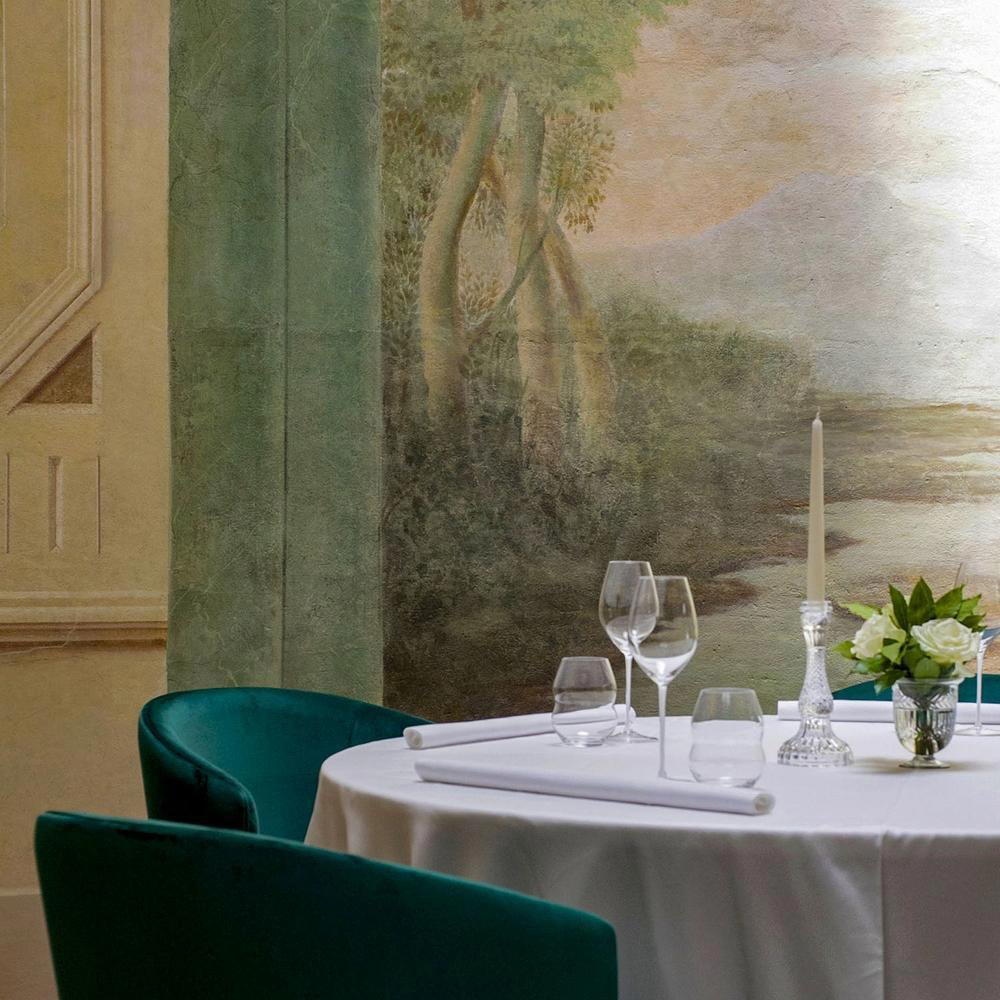
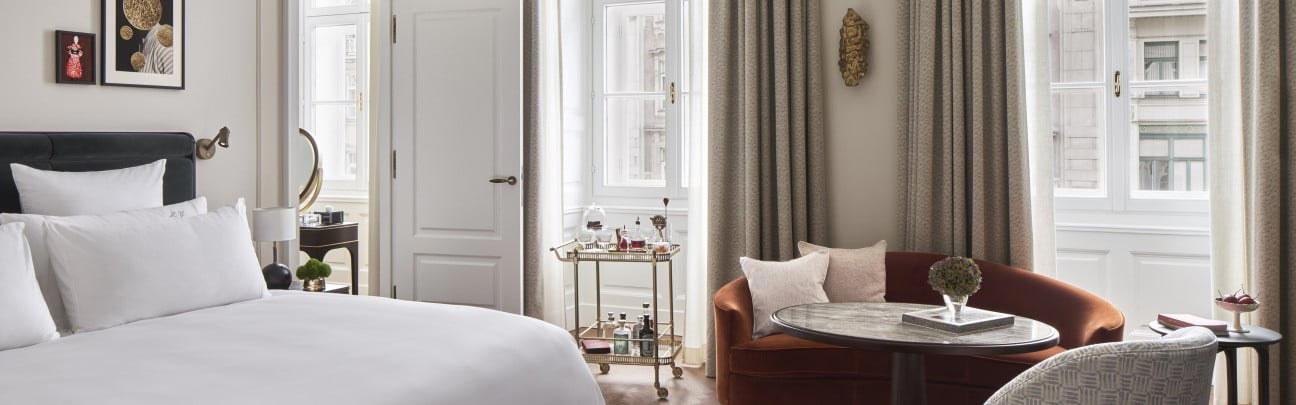
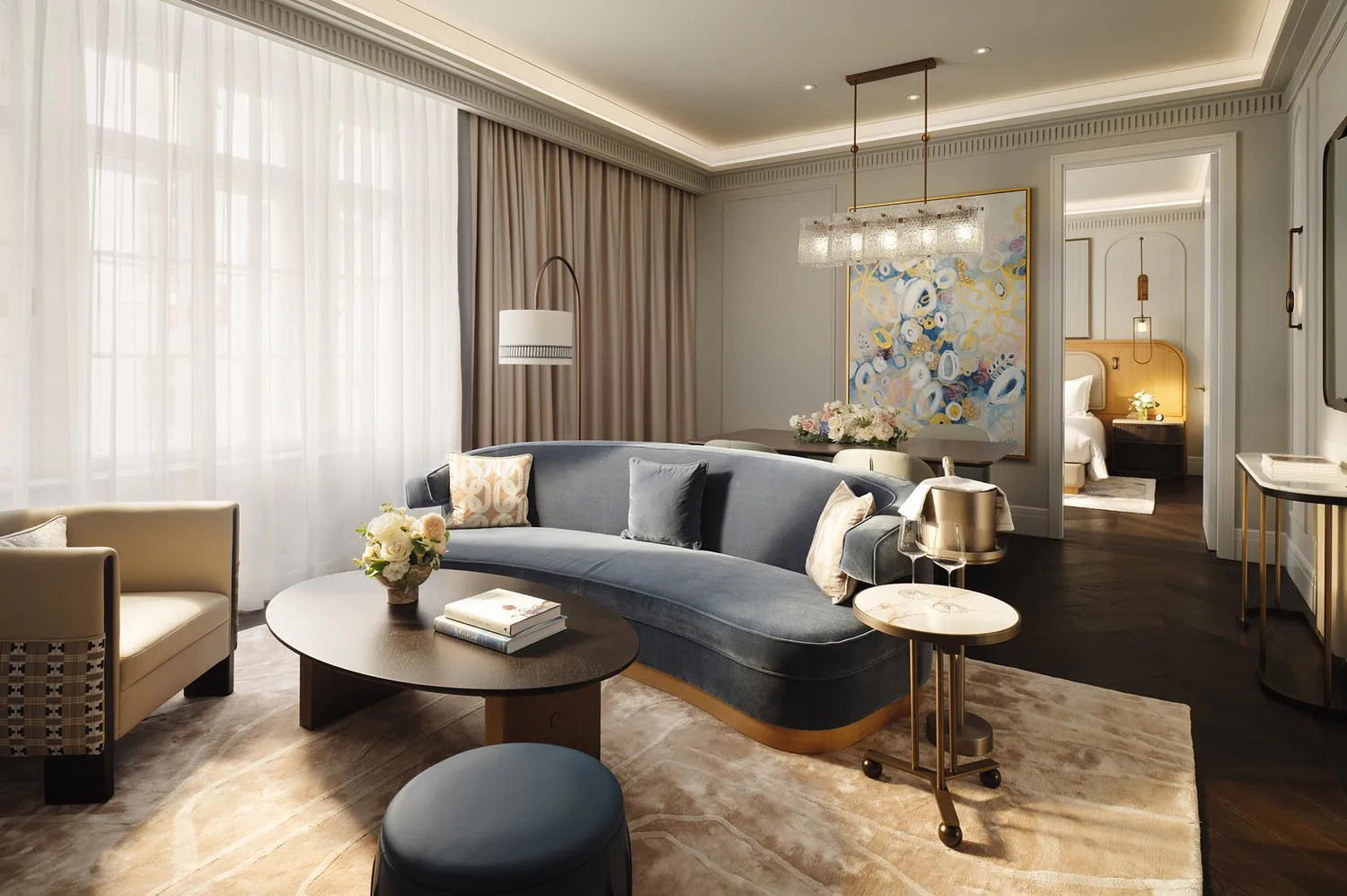
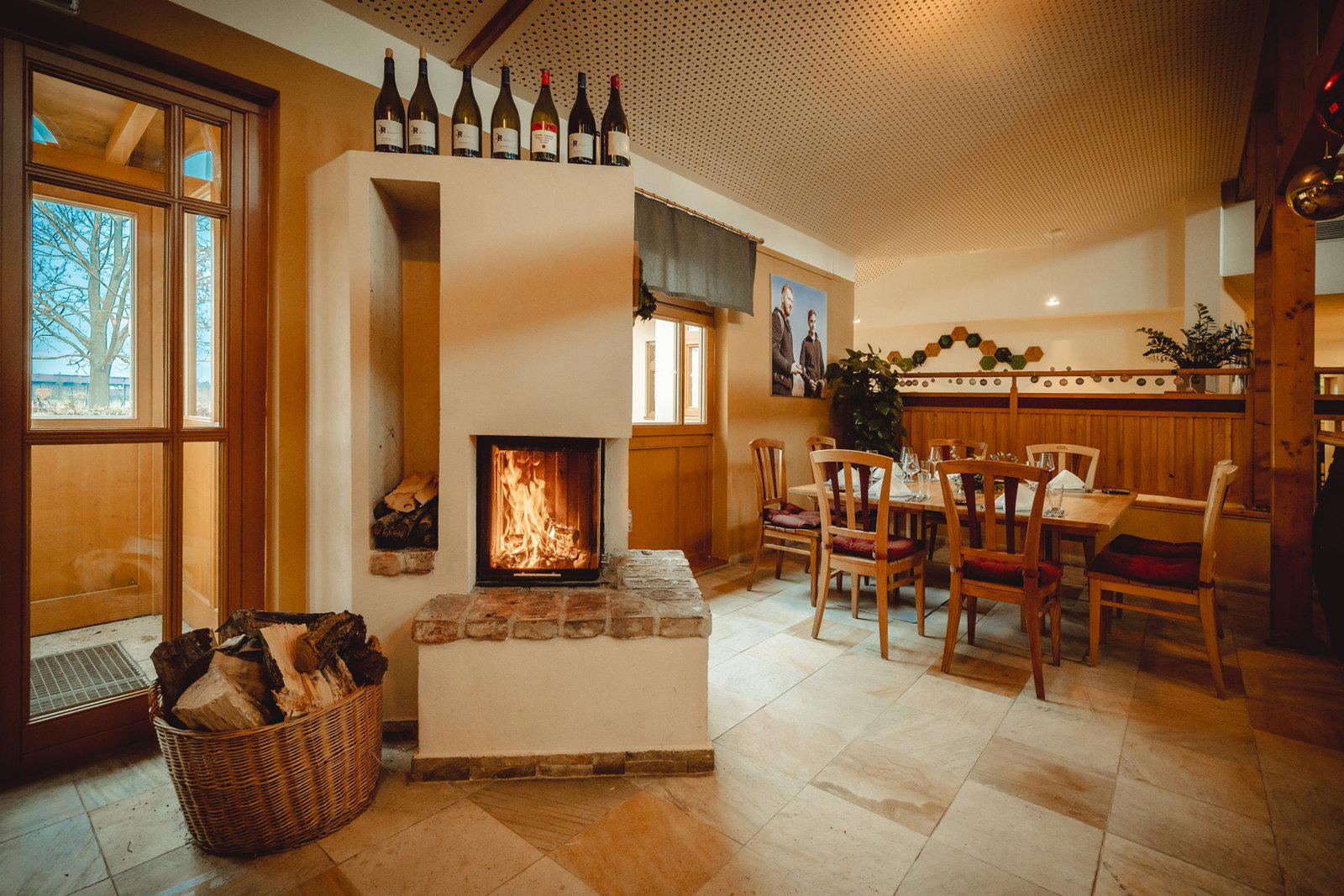
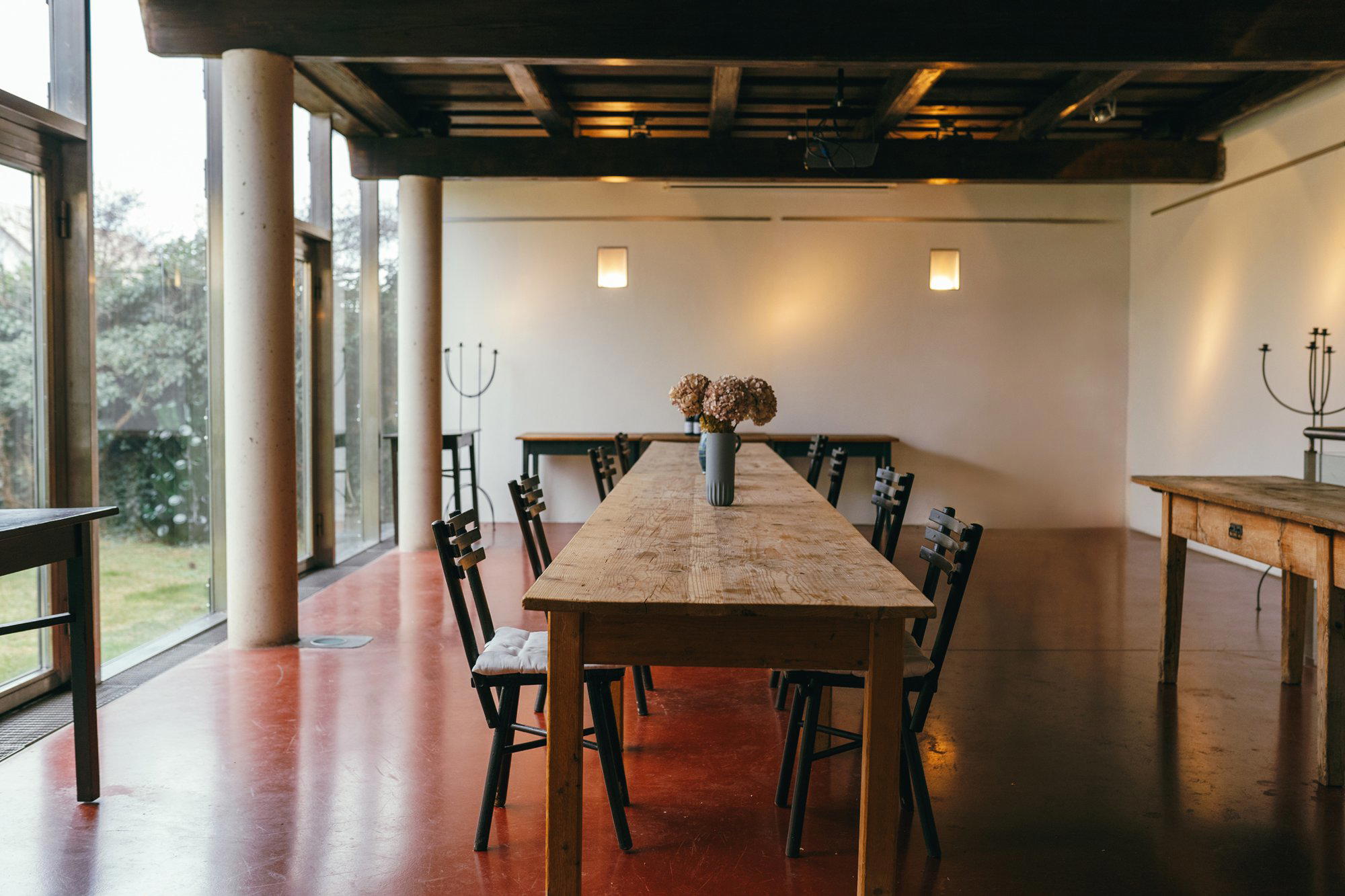
Edvard's interior answers that question with deliberate restraint. OAD's critics note a tasteful room channeling an elegant style — which, in the context of a nineteenth-century Ringstrasse palace, means the design works with the architecture rather than against it. The bones of the Palais Hansen are neoclassical and formal; the dining room sits inside that frame without attempting to contrast it with jarring contemporary gestures. For a certain category of diner, particularly those familiar with Vienna's museum-quarter character and its appetite for spaces that wear their heritage openly, this is the appropriate register.
The Kitchen: French-Creative with Seasonal and Mediterranean Coordinates
Vienna's fine dining kitchens cluster around a few dominant approaches. Modern Austrian cooking — rooted in regional produce, often drawing on alpine and Pannonian traditions, defines houses like Mraz & Sohn and shapes much of what the city's critics reward. Creative European with international sourcing and technique defines another cohort, including Amador. Edvard occupies a different coordinate: its listed cuisine is French and creative, but the kitchen runs through a seasonal logic with pronounced Mediterranean inflections and a particular emphasis on vegetables, herbs, and preserves.
Chef Paul Gamauf's approach, as documented in OAD criticism, is one where vegetables and herbs function as primary rather than supporting ingredients, with Mediterranean sourcing and technique working alongside the seasonal Austrian calendar. Preserves appear as a recurring element, which places the kitchen in a culinary conversation that values fermentation and transformation over simple freshness. OAD's critical note specifically highlights the balance of flavour and texture across the plate, and the presentation's use of colour as a deliberate compositional tool. These are the markers of a kitchen working at a level where technique is assumed and the differentiation comes from editorial choices about what ingredients to prioritise and how to frame them on the plate.
For context on how French-creative cooking is being practised at the highest levels in Europe, Pierre Gagnaire in Paris and AM par Alexandre Mazzia in Marseille represent different expressions of that tradition. Edvard's version is quieter in register, shaped as much by Viennese context and Austrian seasonality as by any French classical anchor.
Menu Architecture and the Wine Program
The tasting menu format at this level of Vienna dining is standard, and Edvard runs three lengths: five, seven, and nine courses. That range gives the kitchen control over pacing and allows the guest to calibrate commitment and cost against an evening's schedule. In a city where the Burgtheater and Staatsoper create a meaningful post-theatre dining window, the flexibility of a five-course option that can be completed within a defined timeframe carries practical weight alongside its editorial one.
The wine list's orientation toward Austria is editorially appropriate given the country's rapid ascent in European fine dining wine culture over the past two decades. Grüner Veltliner and Riesling from the Wachau, Kamptal, and Kremstal, alongside Blaufränkisch-led reds from Burgenland, now carry genuine critical authority in rooms operating at this level. OAD notes that other European productions are also represented, giving the list range without abandoning its Austrian centre of gravity. For a room serving a French-creative kitchen with Mediterranean notes, an Austria-anchored list that can pivot into French, Italian, or Spanish bottles as the menu demands is a sensible architecture.
Critical Reception as Context
EA-GN-09 frame for this review concerns what awards and rankings actually tell you about a room, rather than what they market. Edvard's record is one of consistent upward recognition across two independent critical systems: Michelin and OAD. These systems use different methodologies and value different things, which makes agreement between them a more meaningful signal than either alone. OAD's classical European list is peer-reviewed by a community of frequent fine dining visitors and leans toward sustained quality over novelty. The fact that Edvard appears in consecutive years with an improving rank suggests the kitchen is not benefiting from first-visit enthusiasm but from repeat critical engagement.
Among Vienna's one-star peers, Doubek and Mraz & Sohn (the latter operating at two stars) occupy different parts of the city's creative dining conversation. Edvard's French-creative positioning and hotel setting place it in a different competitive frame from modern Austrian rooms, which may explain why its audience tends toward internationally travelled diners already familiar with the Palais Hansen's Ringstrasse address. The hotel context, the neoclassical room, and the French-Mediterranean kitchen together create a proposition that reads clearly to visitors arriving with reference points from Paris, London, or Milan rather than from Vienna's neighbourhood dining scene.
Planning a Visit
Edvard operates Tuesday through Saturday, with dinner service running from 6 PM to 10 PM. The restaurant is closed Sunday and Monday. Given the hotel address at Schottenring 24 on the first district's Ringstrasse perimeter, it sits within walking distance of the Schottenring U-Bahn station and is straightforwardly accessible from the city's central hotel cluster. Dress code and booking method are not specified in the venue's public record, but at the Michelin one-star level inside a Palais hotel, smart formal dress and advance reservation, several weeks ahead, longer for weekend dates, are the working assumptions.
For those building a broader Vienna dining itinerary, EP Club covers the full range in our Vienna restaurants guide. Accommodation options across the city's hotel tier are in our Vienna hotels guide, with bars, wineries, and experiences mapped in separate guides: Vienna bars, Vienna wineries, and Vienna experiences.
Those extending their trip into Austria's wider fine dining circuit will find strong points of reference at Döllerer in Golling an der Salzach, Ikarus in Salzburg, Gourmetrestaurant Tannenhof in Sankt Anton am Arlberg, Griggeler Stuba in Lech, Kräuterreich by Vitus Winkler in Sankt Veit im Pongau, and Landhaus Bacher in Mautern an der Donau.
Frequently asked questions
What distinctions does Edvard have?
Edvard has received recognition including: Opinionated About Dining Classical in Europe Ranked #391 (2025); The fine dining restaurant of the Anantara Palais Hansen Hotel has a tasteful interior channeling an elegant style. It serves a seasonally inspired menu injected with fresh po….
What's the must-try dish at Edvard?
Edvard runs a seasonally rotating menu of five, seven, or nine courses, so no single dish holds a permanent place on the list. The kitchen's documented focus is vegetables, herbs, and Mediterranean-inflected flavours, with preserves integrated into the compositions. The OAD panel specifically noted the balance of flavour and texture across components, which suggests the multi-course formats give the clearest picture of what the kitchen does well. Booking the nine-course option covers the fullest range of that approach in a single sitting.
Is Edvard open every day?
Hours at Edvard: Monday closed Tuesday 6 PM-10 PM Wednesday 6 PM-10 PM Thursday 6 PM-10 PM Friday 6 PM-10 PM Saturday 6 PM-10 PM Sunday closed.
A Quick Peer Check
| Venue | Cuisine | Price | Awards | Notes |
|---|---|---|---|---|
| EdvardThis venue — the venue you are viewing | Seasonal European Fine Dining | $200–300 | 1 Michelin Star · Falstaff Restaurant - 92 Falstaff Points | Not listed |
| Steirereck im Stadtpark | Modern Austrian Fine Dining | $200–300 | 3 Michelin Stars · World's 50 Best #33 | Creative |
| Mraz & Sohn | Contemporary Austrian Fusion | $150–200 | 2 Michelin Stars · La Liste Top Restaurants | Modern Austrian, Creative |
| Silvio Nickol Gourmet Restaurant | Modern Austrian Fine Dining | $300–500 | 2 Michelin Stars · La Liste Top Restaurants | Modern Cuisine |
| Konstantin Filippou | Modern Fish-Led Fine Dining | $200–300 | 2 Michelin Stars · La Liste Top Restaurants | Modern European, Modern Cuisine |
| APRON | Modern Austrian Fine Dining | $150–200 | 1 Michelin Star · Falstaff Restaurant - 95 Falstaff Points | Austrian, Creative |
Recognition history
Dated appearances from independent guides and award organizations, with the underlying list record or original source where available.
Michelin 1 Star
Michelin
Falstaff Restaurant - 92 Falstaff Points
Falstaff
Opinionated About Dining Classical in Europe Ranked #391
Opinionated About Dining
Full recognition history (7 entries)
Michelin 1 Star
Michelin
Michelin 1 Star
Michelin
Opinionated About Dining Classical in Europe Ranked #322
Opinionated About Dining
Opinionated About Dining Classical in Europe Recommended
Opinionated About Dining
Continue exploring
More in Vienna
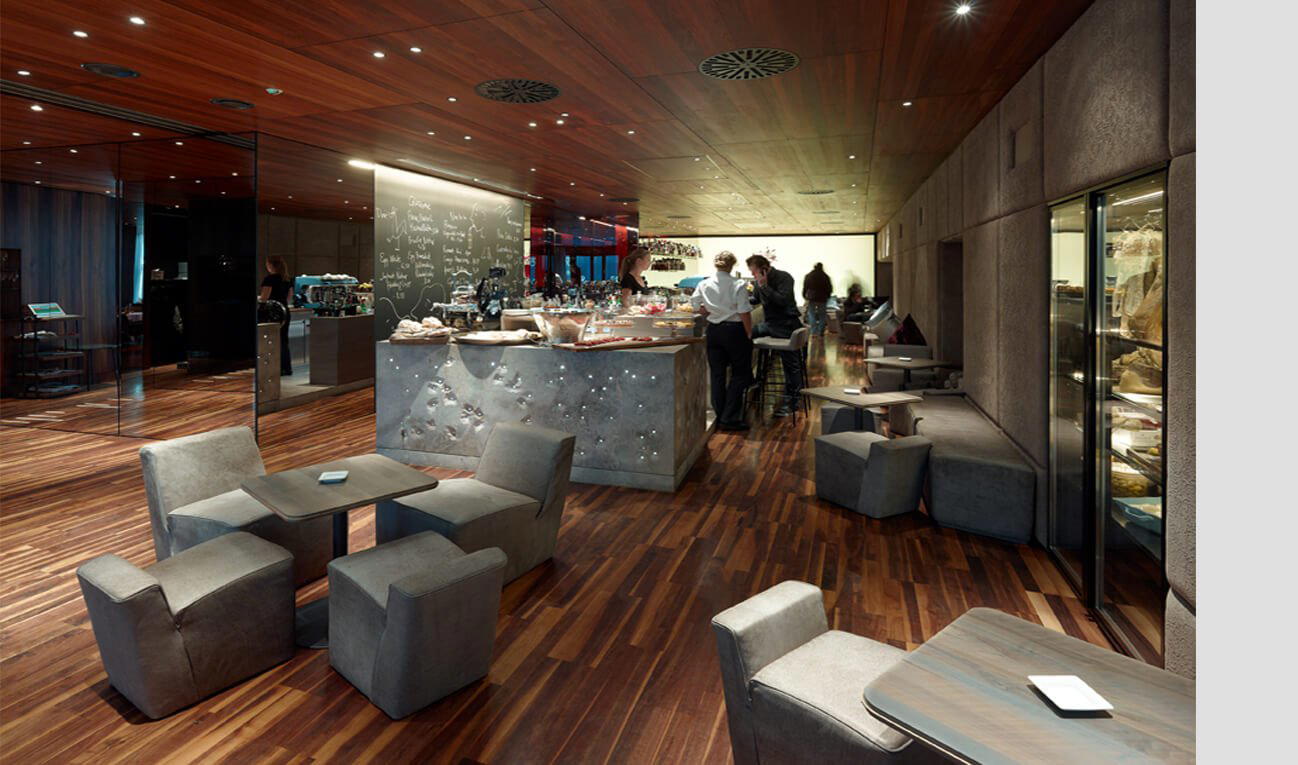
Restaurants in Vienna
Browse all →
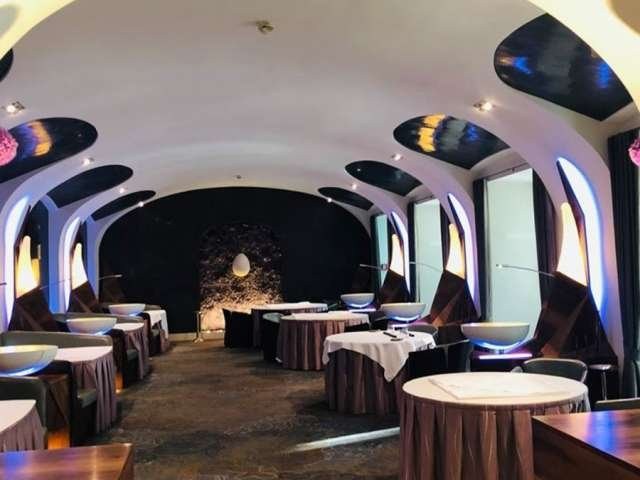
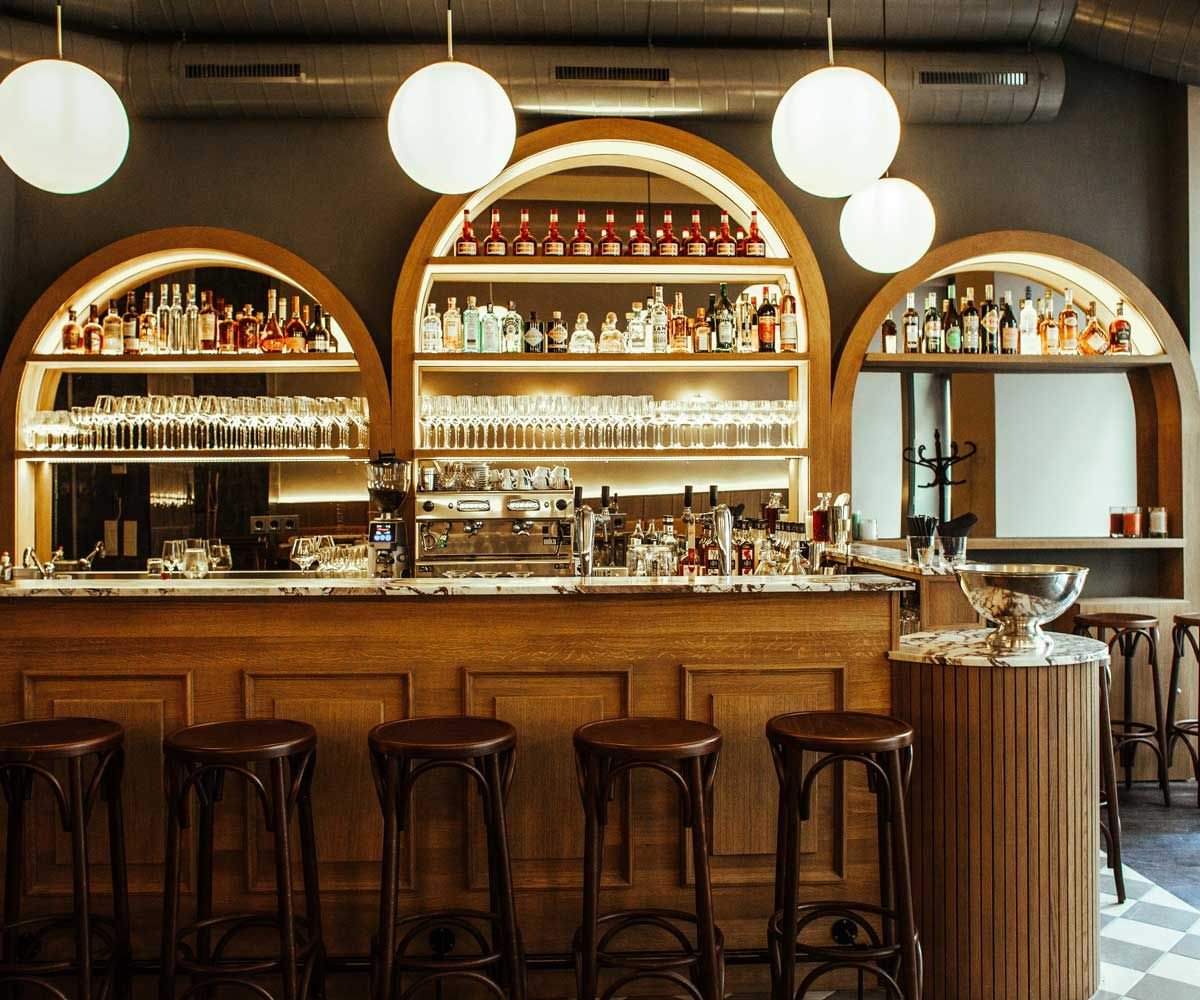
Bars in Vienna
Browse all →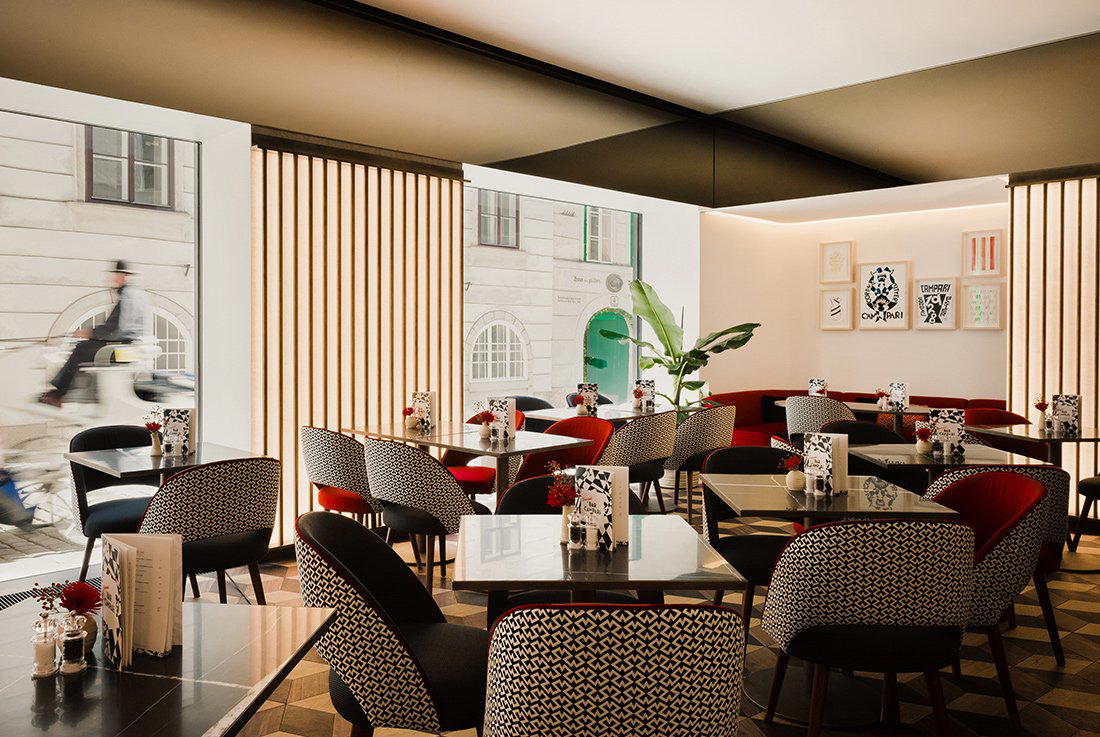
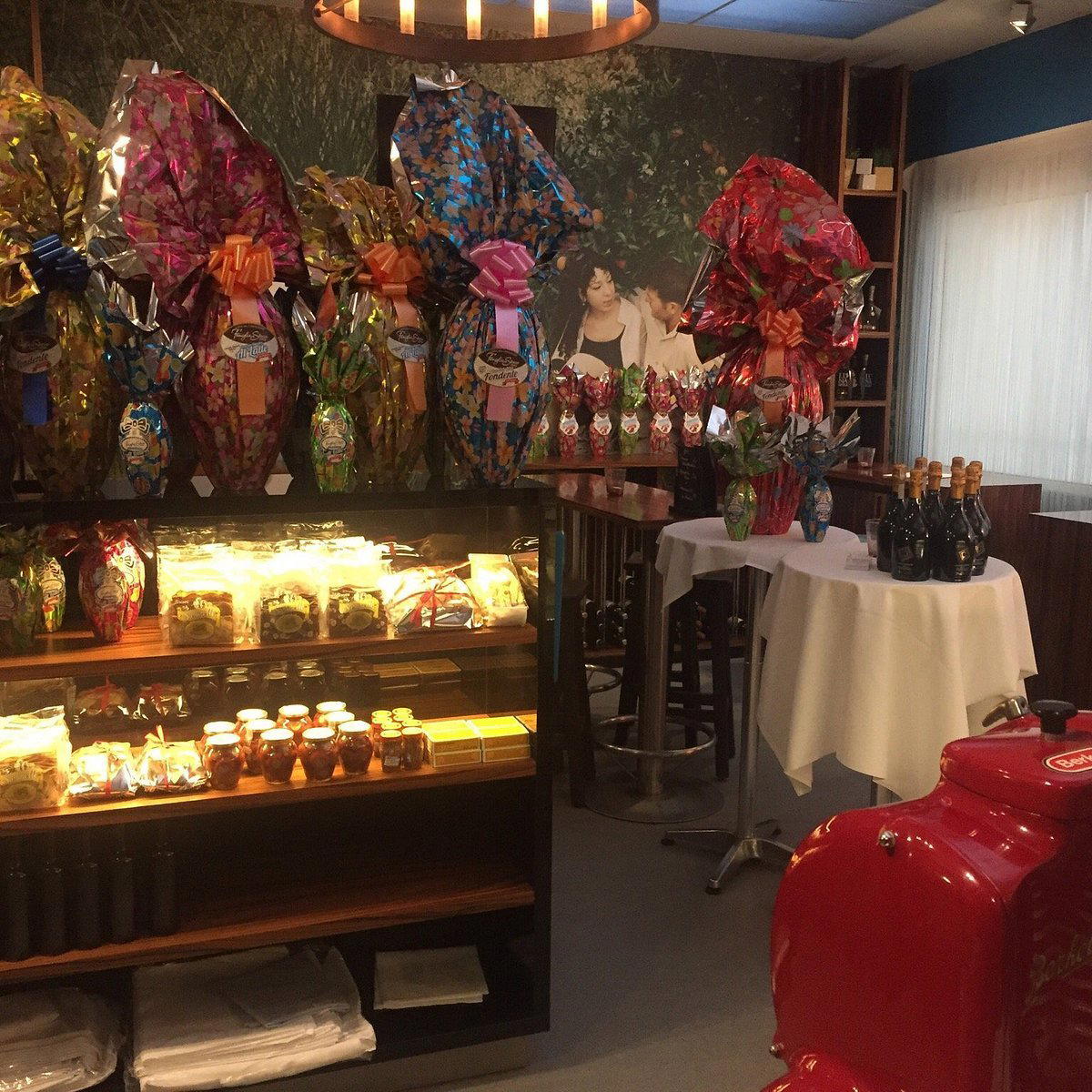
Hotels in Vienna
Browse all →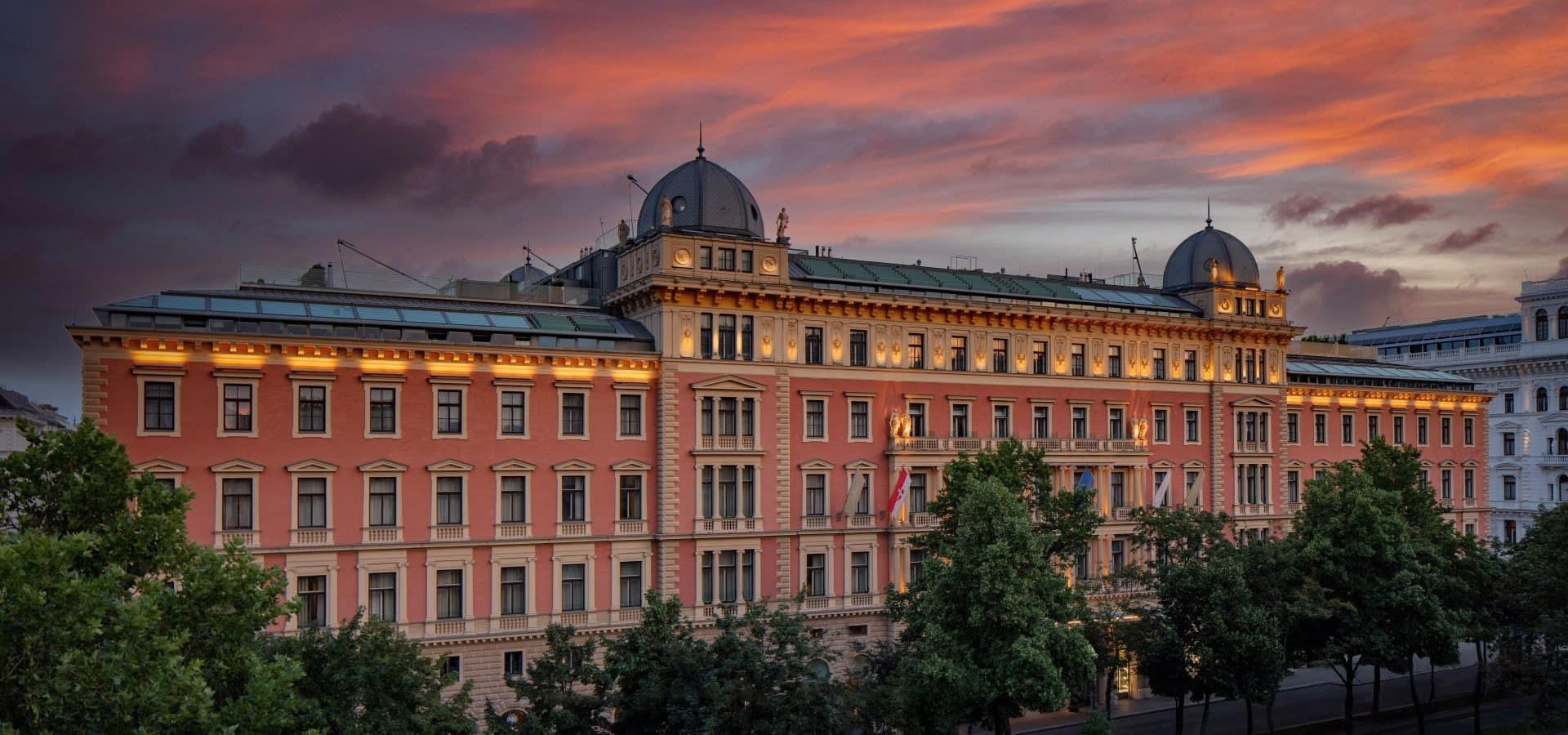
Details
- Elegant
- Cozy
- Modern
- Sophisticated
- Intimate
- Date Night
- Special Occasion
- Business Dinner
- Hotel Restaurant
- Extensive Wine List
- Sommelier Led
- Local Sourcing
- Tasting Menu
- Vegetarian Friendly
- Vegan Options
- Gluten Free Options
Current opening hours
- Monday
- Closed
- Tuesday
- 6–10 PM
- Wednesday
- 6–10 PM
- Thursday
- 6–10 PM
- Friday
- 6–10 PM
- Saturday
- 6–10 PM
- Sunday
- Closed
Hours can change for holidays and private events. Last verified .
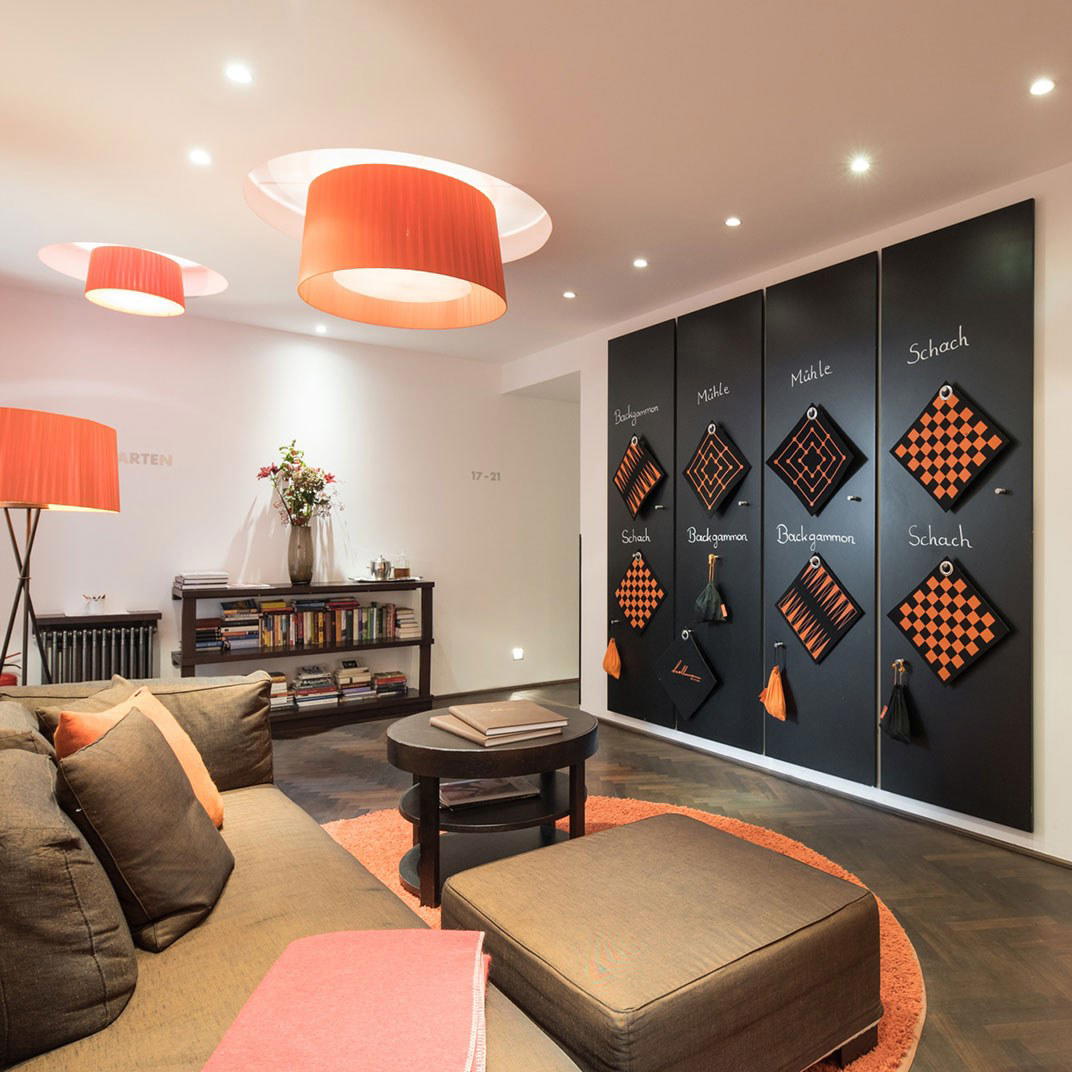
Modern elegance with historic elements, cozy and welcoming atmosphere, tasteful stucco decorations, and subtle musical accompaniment.