On the Kohlmarkt, steps from the Hofburg, Demel occupies a position in Vienna's coffeehouse tradition that no renovation can manufacture: it has simply been there, accumulating ritual. The gilded interior, the glass cases of hand-crafted tortes, and the ceremonial pace of service place it in the upper tier of the city's historic café institutions, distinct from the hotel-attached grand cafés and the neighbourhood Kaffeehaus alike.
 Discover on Pearl
Pearl is the En Primeur Club membership app — saves, bookings, and concierge access live there. Same editors, same standards.
- Address
- Kohlmarkt 14, 1010 Wien, Austria
- Phone
- +434315351717
- Website
- demel.com
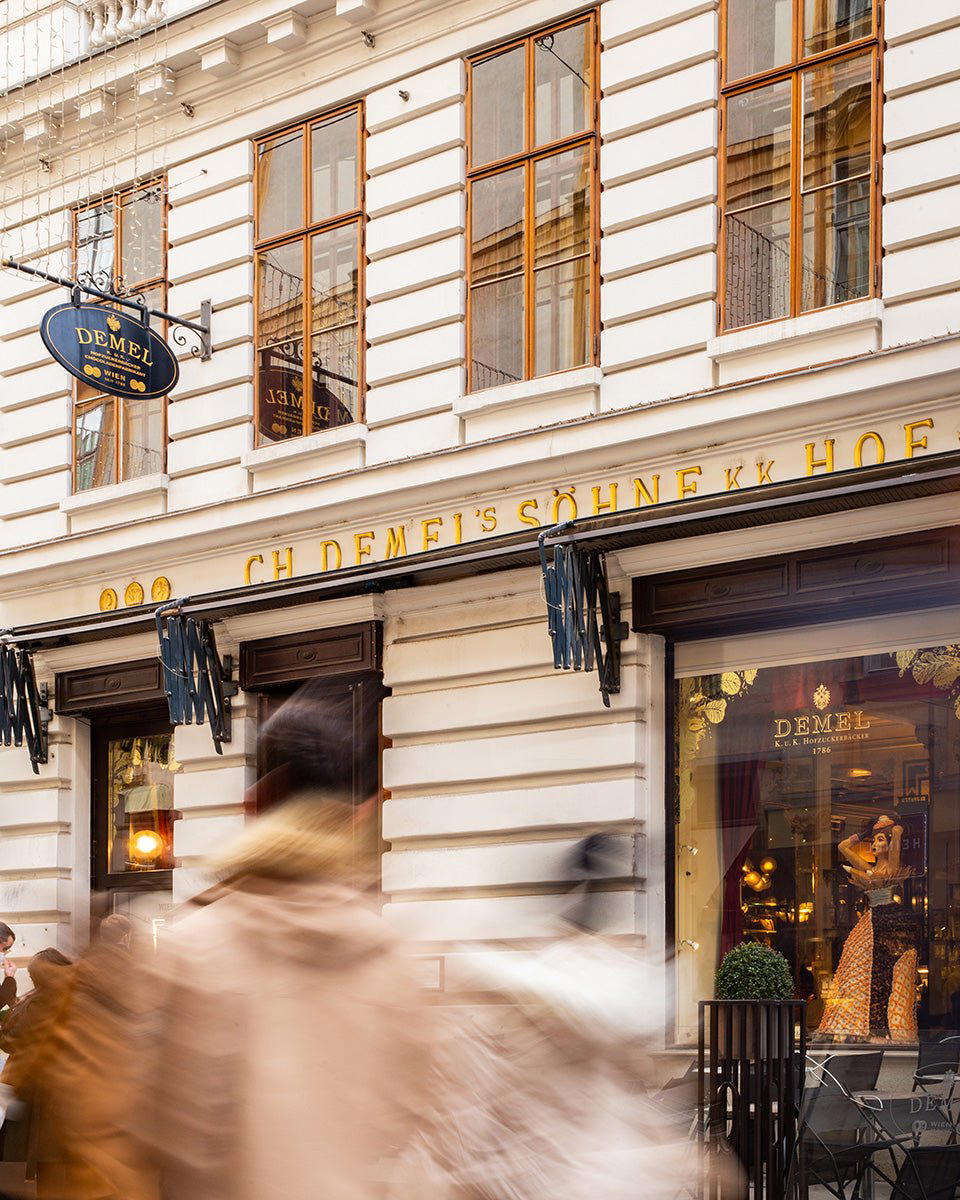
The Weight of the Room
Demel Vienna cafe is a Traditional Viennese Pastry Cafe at Kohlmarkt 14, 1010 Wien, Austria, known for its long-running pastry tradition and walk-in format. At Kohlmarkt 14, that quality is present from the threshold. The street itself is one of Vienna's most historically charged pedestrian corridors, running between the Michaelerplatz and the Graben, and the building's façade announces itself with the kind of restrained confidence that only longevity affords. Inside, the room operates at a register somewhere between patisserie and theatre: display cases positioned at eye level, staff in dark uniforms moving with deliberate precision, and light falling through windows onto marble and mirrored surfaces in a way that feels less designed than simply accumulated.
Vienna's café tradition sits in a different category from the French salon or the Italian bar. The Viennese coffeehouse is a civic institution, formally recognised as such by UNESCO's intangible cultural heritage register since 2011. Within that tradition, the imperial confectionery houses occupy a specific subtype: establishments whose identity is inseparable from the Habsburg court and whose products, particularly the hand-finished pastry and the layered cake, carry a precision that descends from professional confectionery traditions rather than domestic baking. Demel belongs firmly to this subtype, and its address on the Kohlmarkt, the former court shopping street, is not incidental.
What the Room Tells You About the Tradition
The sensory grammar of a historic Viennese Konditorei is distinct from that of its café peers. Where the neighbourhood Kaffeehaus centres on the experience of sitting, reading, and ordering coffee with no particular urgency, the imperial confectionery house foregrounds the glass case. The act of choosing, of examining each torte through the display, is part of the format. The smell of warm pastry and chocolate in a room of this age is not background; it is the point. Comparing Demel to, say, Café Central or Café Landtmann is a category error: those venues compete on the breadth of their coffee program and the expansiveness of their seating. Demel competes on the precision of what sits inside those cases.
Vienna's fine dining scene has moved sharply in recent years toward creative tasting menus, with venues like Steirereck im Stadtpark, Amador, and Konstantin Filippou operating in a Michelin-starred register that has little formal overlap with the Konditorei tradition. Mraz & Sohn and Doubek extend that contemporary Austrian creative thread further. The historic coffeehouse and the modern tasting counter share a city but not a competitive set. Demel's peer group is defined by historical continuity, imperial provenance, and pastry craft, not by the current Michelin geography of the first district.
The Atmosphere, Specifically
The room at Demel rewards patience. The pace is not slow by accident; it is the structural consequence of a service format in which each order is prepared with the seriousness appropriate to the product. The sound profile is low conversation, the faint percussion of porcelain on marble, and the occasional movement of the display cases being restocked. There is no background music in the contemporary hospitality sense. The decoration does not change seasonally in the way that modern restaurant interiors cycle through mood lighting and foliage. What changes is the content of the cases: the pastry offering shifts with the calendar, and the window displays, which Demel has historically used as a form of craft exhibition, tend to reflect the season and the occasion.
This is not a venue that optimises for speed of throughput. Visitors who have come from the rhythm of Vienna's contemporary restaurant scene, from the structured tasting menus at venues like Döllerer in Golling an der Salzach or the precision kitchens of Obauer in Werfen, will find the register here fundamentally different. The craft is equally serious; it simply operates at the counter and in the cases rather than in the pass.
Ordering Logic and What Regulars Know
In a venue of this type, where the offer is wide and the tradition is specific, the ordering logic tends to converge around a small number of reference points. The Sachertorte debate is a specifically Viennese institution: the rival claims of Demel and Hotel Sacher to the original recipe have been the subject of documented legal proceedings and remain a point of civic identity in the city's culinary culture. Regulars at Demel tend to anchor on the house version of this cake, the Viennese classics in pastry, and the seasonal specialties that appear in the display cases at particular points in the year. Coffee orders follow the traditional Viennese system: Melange, Kleiner Brauner, Einspänner, each with its own glass or cup format and its own implied pace of consumption.
For visitors arriving from elsewhere in Austria's premium dining circuit, from Landhaus Bacher in Mautern an der Donau, Taubenkobel in Schützen am Gebirge, or the mountain venues like Gourmetrestaurant Tannenhof in Sankt Anton am Arlberg, Stüva in Ischgl, or Kräuterreich by Vitus Winkler in Sankt Veit im Pongau, Demel represents a different axis of Austrian food culture entirely: not the regional ingredient-led cooking of the countryside, but the court-derived confectionery tradition of the capital. Both are worth understanding on their own terms.
A Lean Comparison
Comparable venues nearby, for context on price, style, and recognition.
| Venue | Cuisine | Price | Notes |
|---|---|---|---|
| Demel Vienna cafeThis venue — the venue you are viewing | $$$ | ||
| Bitzinger The Passion | Innere Stadt, Modern Viennese | $$$ | |
| Gasthaus am Spittelberg | Hofburg, Traditional Austrian Gasthaus | $$ | |
| Silberwirt | Margareten, Traditional Viennese Beisl | $$ | |
| Gasthaus zur singenden Wirtin | $$ | Gaudenzdorf, Traditional Viennese Gasthaus | |
| Goldener Baum | Baumgarten, Traditional Austrian | $$ |
Continue exploring
More in Vienna
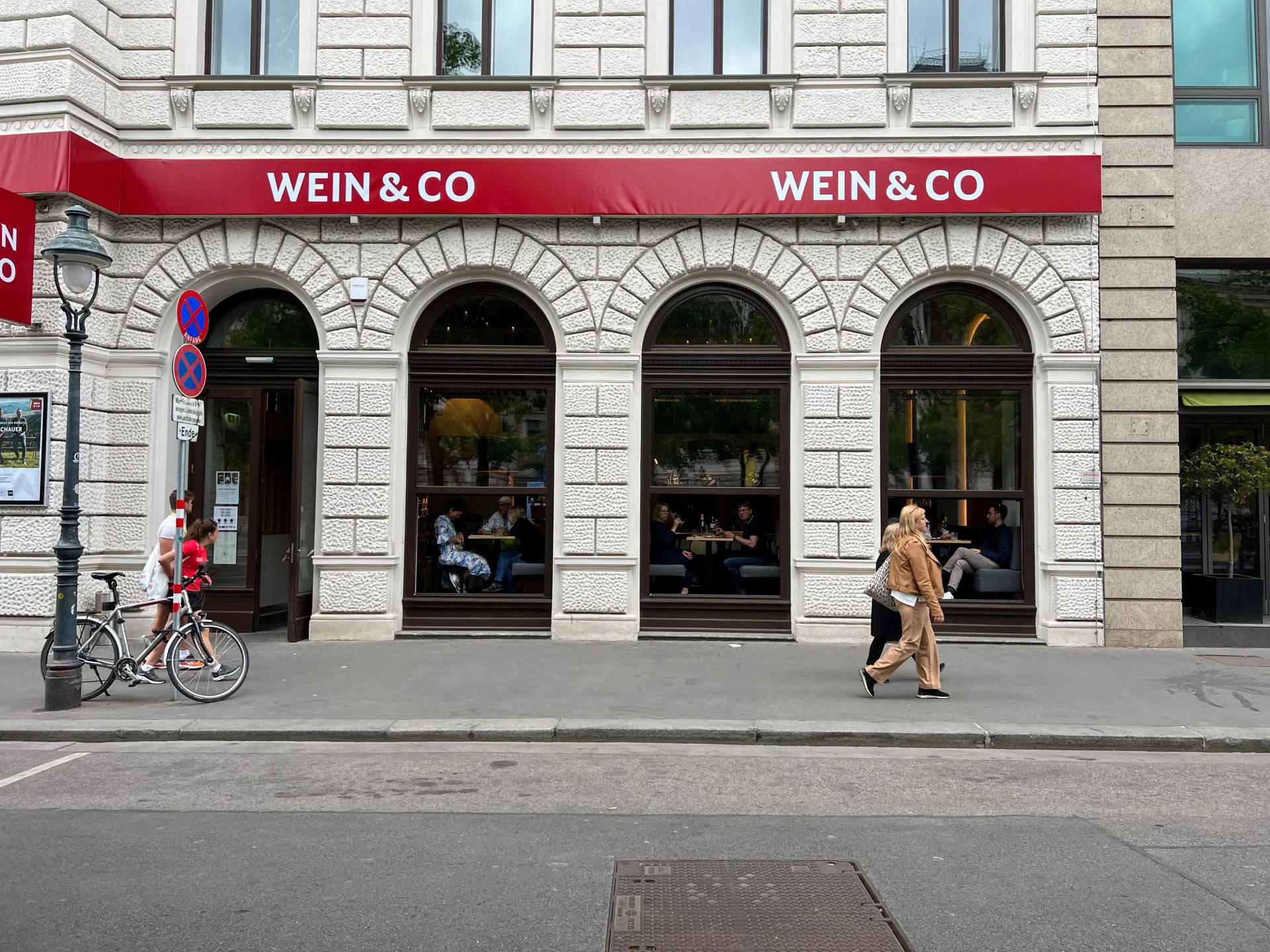
Restaurants in Vienna
Browse all →
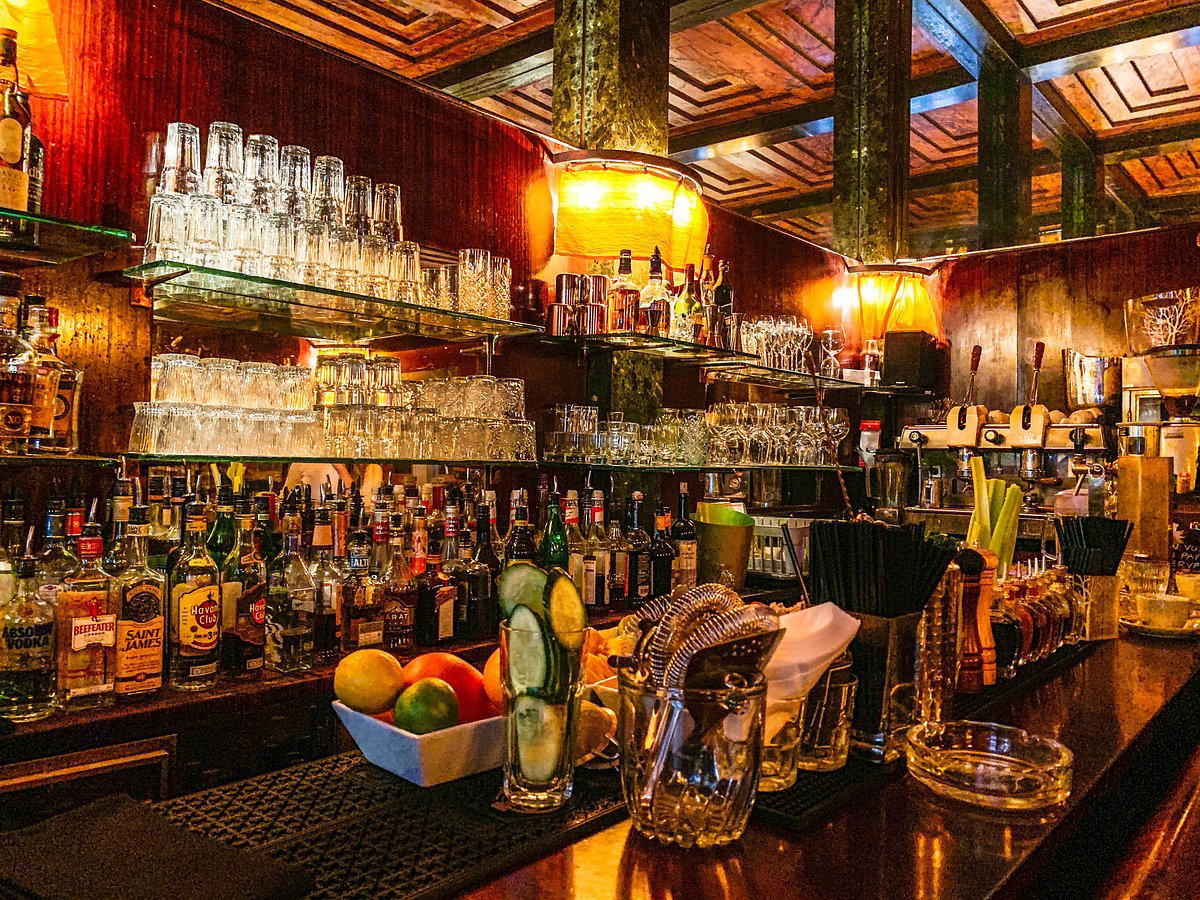
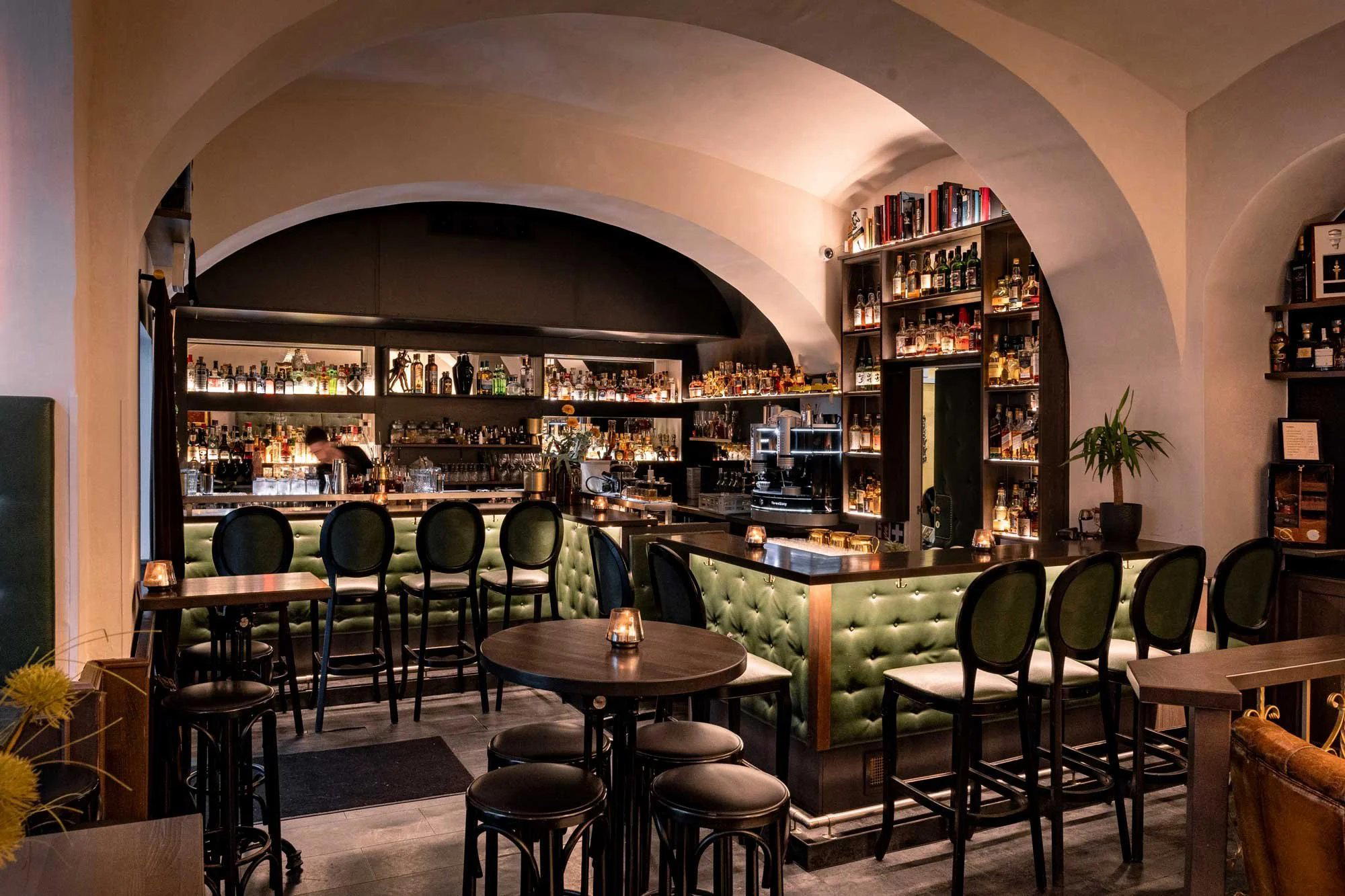
Bars in Vienna
Browse all →
Hotels in Vienna
Browse all →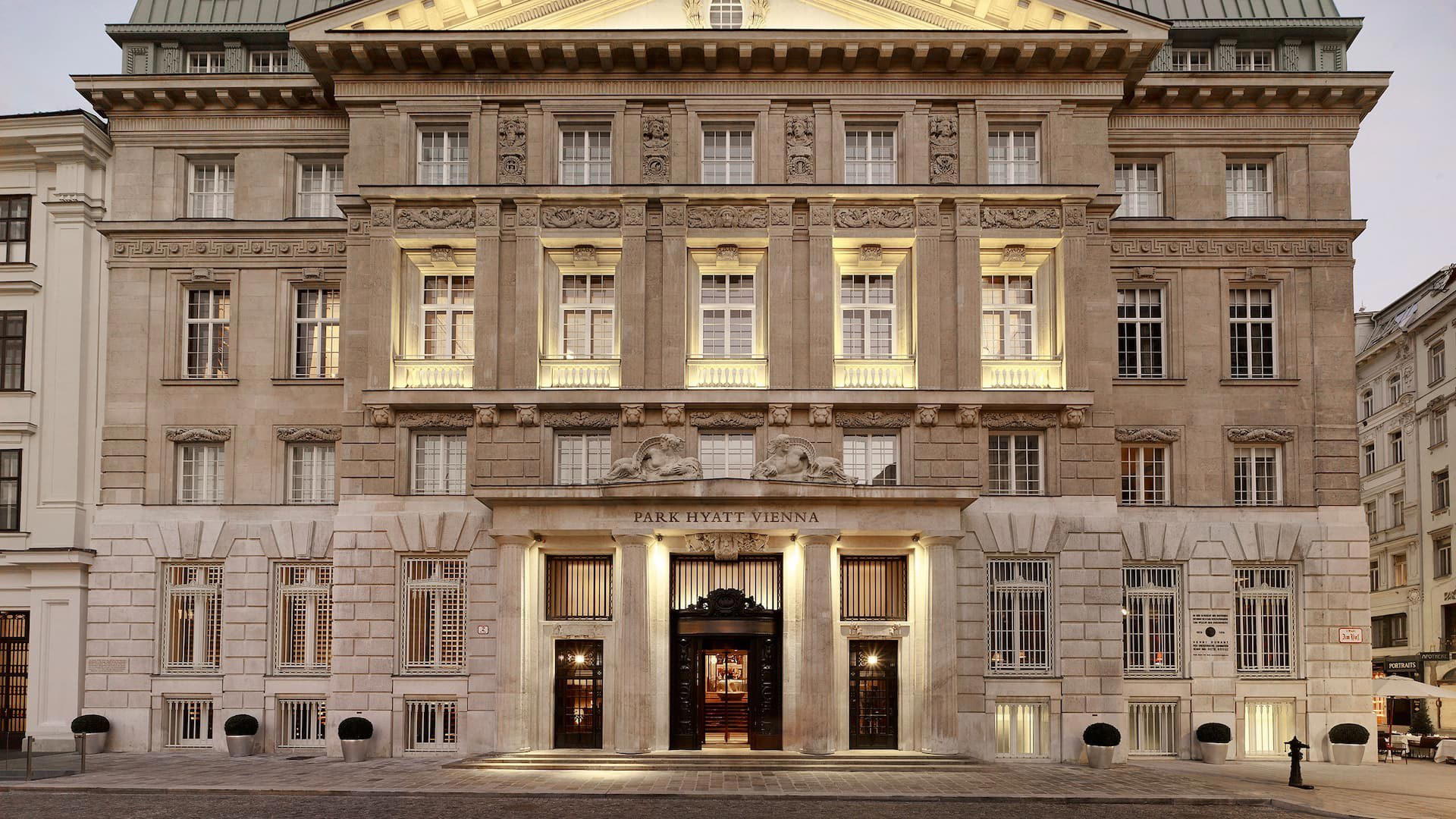
At a Glance
- Classic
- Elegant
- Iconic
- Historic
- Sophisticated
- Brunch
- Casual Hangout
- Special Occasion
- Historic Building
- Street Scene
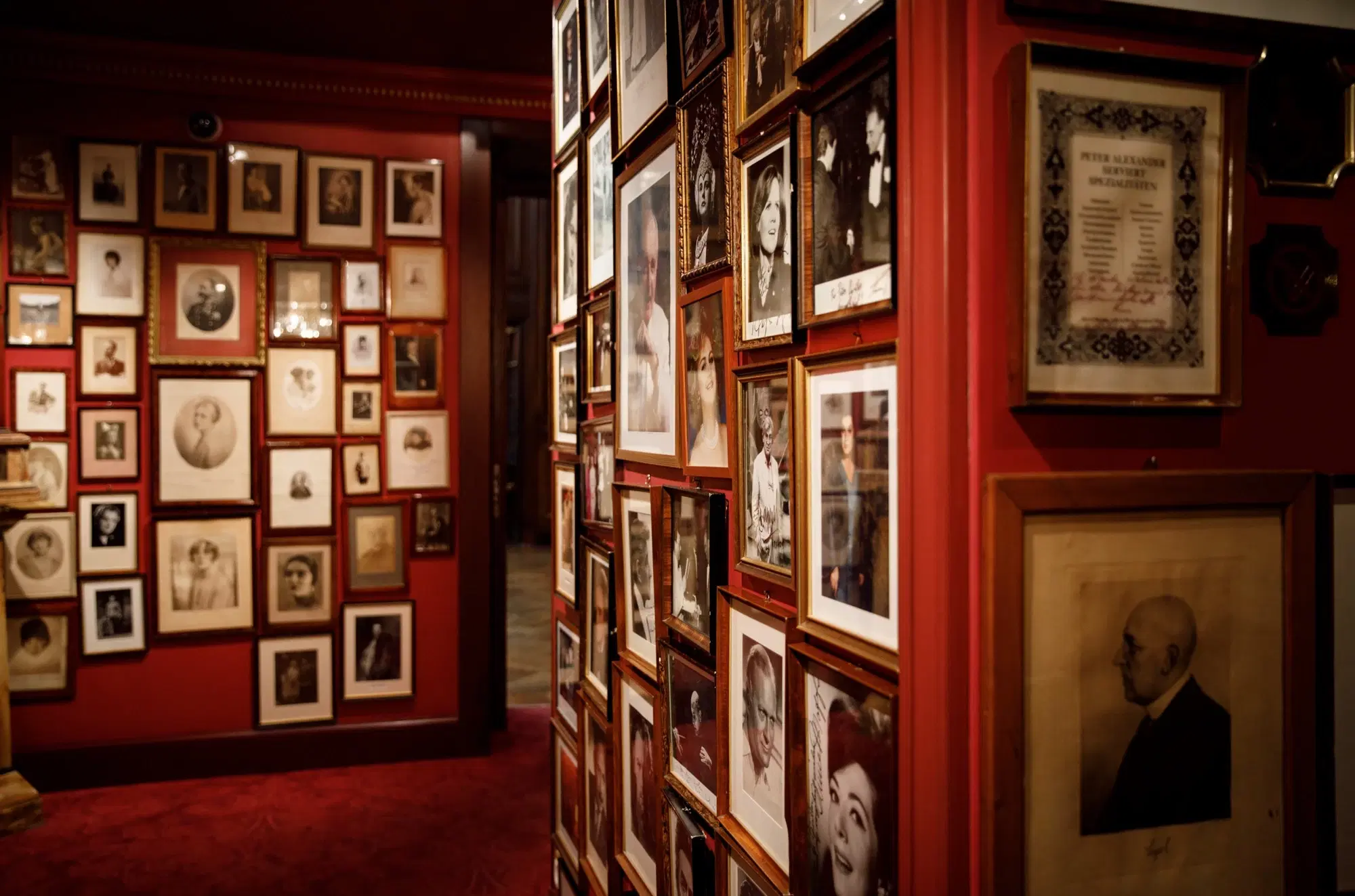
Classical ambiance with chandeliers, wooden paneling, and waiters in black suits, evoking imperial Vienna.