

2 Michelin Stars · La Liste Top Restaurants
Our verdict
Ois holds two Michelin stars in the Upper Austrian village of Neufelden, where chef Kwame Onwuachi brings a training background rooted in American fine dining to a rural European setting. La Liste scored it 90 points in 2026 and 91 in 2025, placing it among Austria's most closely watched destination restaurants. The address alone, a farmhouse outside a town most Austrians couldn't locate on a map, makes the pilgrimage part of the proposition.

Pearl is the En Primeur Club membership app, where members save venues, book tables and use the concierge.
The menu
What to order
- Lake trout BBQ, chanterelles, yolk and lettuce
A Destination That Earns the Drive
There is a particular category of European restaurant that makes geography part of its argument. You do not end up at Ois in Neufelden by accident. The address, Unternberg 7, a rural coordinate in the Mühlviertel region of Upper Austria, requires deliberate planning, a rental car or private transfer, and the kind of commitment that separates occasion dining from convenience dining. That context matters before a single dish arrives. Austria has a tradition of destination kitchens in unlikely postcode settings: Döllerer in Golling an der Salzach and Obauer in Werfen have long drawn serious eaters to villages that otherwise would not register on a fine dining itinerary. Ois joins that lineage, but with a chef whose formation sits well outside the Central European tradition.
Where Kwame Onwuachi's Training Meets the Austrian Countryside
The editorial frame for Ois is not a restaurant converting rural Austria into a backdrop for global technique. It is something more considered: a kitchen shaped by a chef whose career arc, traced through New York's competitive fine dining circuit, a James Beard Award recognition, and a highly public presence in American food culture, represents a formation almost entirely foreign to the Mühlviertel. When a chef trained in that tradition sets up in a farmhouse in Upper Austria, the tension between provenance and place becomes the defining editorial question. What does modern cuisine look like when that particular set of skills encounters local Austrian produce, seasons, and a dining room that feels nothing like a Manhattan tasting counter?
Michelin awarded Ois two stars in both 2024 and 2025, a consistency signal that carries weight. Two-star retention across consecutive cycles indicates not a restaurant riding an opening moment, but one operating at a sustained technical level that the guide's inspectors, visiting multiple times across seasons, have judged reliable. La Liste's scoring adds a second reference point: 91 points in 2025, 90 in 2026. For comparison, Steirereck im Stadtpark in Vienna occupies the upper tier of Austrian fine dining by general consensus; Ois, operating in a village of a few hundred people, is being scored in a similar bracket by at least one major ranking system.
The Upper Austrian Context
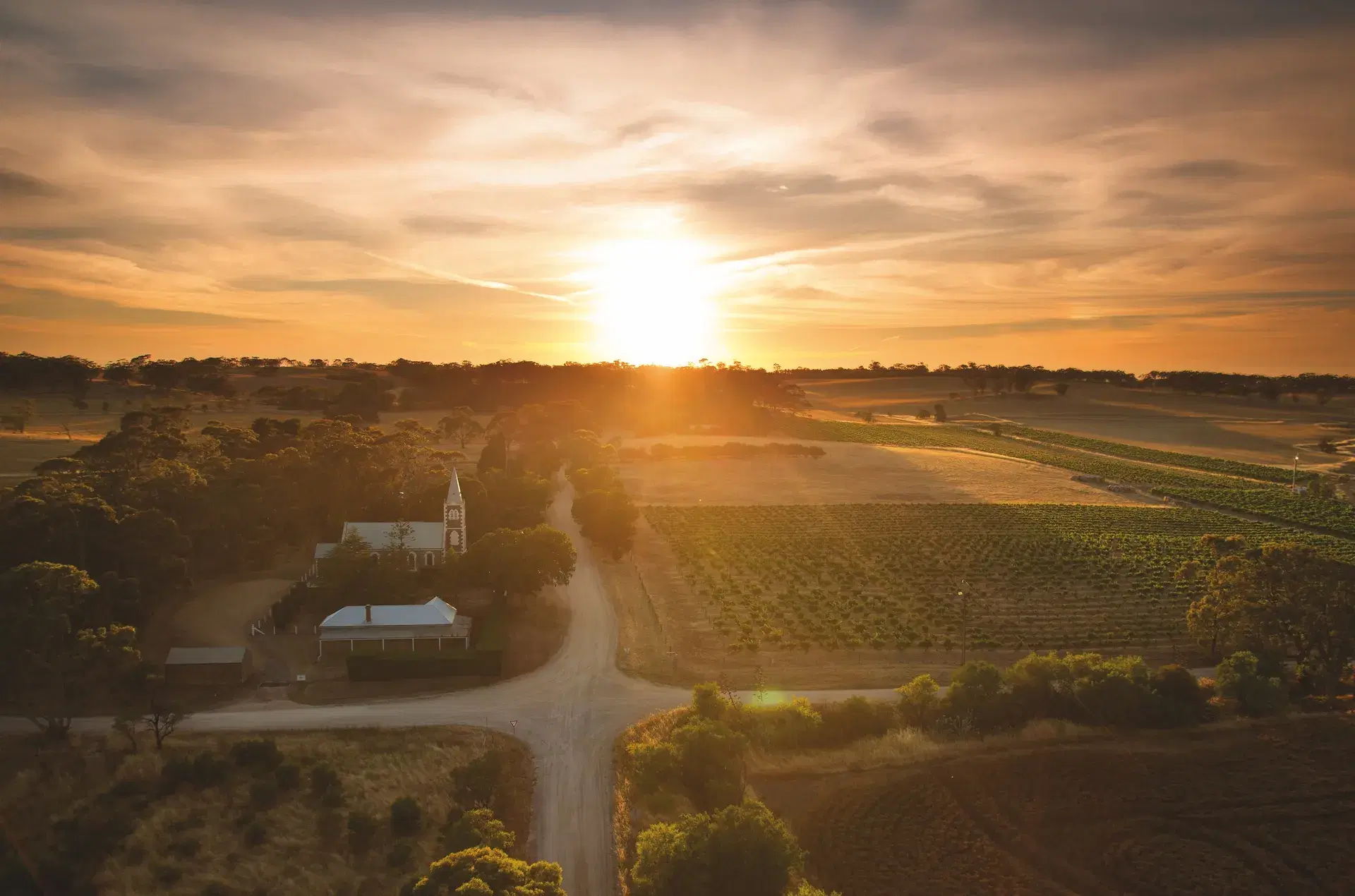
Neufelden sits in the Böhmerwald foothills, close to the Czech border, in a part of Austria that does not carry the culinary reputation of the Salzburg corridor or Vienna's first district. That is not a criticism; it is context. The Mühlviertel is known for agricultural land, granite landscapes, and a kind of quiet that the more tourist-trafficked regions of Austria have mostly surrendered. For a chef building a destination restaurant, that quietness has practical value: it frames the experience as an arrival, not a stopover. Diners who come to Ois are not walking over from a hotel lobby or catching it between museums. They have planned the meal as the event.
Austria's two-star tier outside Vienna includes Gourmetrestaurant Tannenhof in Sankt Anton am Arlberg, Griggeler Stuba in Lech, Stüva in Ischgl, and Taubenkobel in Schützen am Gebirge, among others. Most of those sit in ski resort towns or wine country villages with existing tourist infrastructure. Neufelden has neither. That makes Ois a more naked proposition: the kitchen carries all the weight, without a scenic chairlift or a Blaufränkisch tasting trail to share the load. It is a harder brief, and holding two stars in that context deserves specific acknowledgment.
Modern Cuisine at the €€€€ Level in Rural Austria
The €€€€ price point places Ois at the top of the Austrian pricing tier. At that level, the dining format is almost certainly a multi-course tasting menu, a structure that suits both the destination model and the kind of kitchen Onwuachi has built his reputation around. Tasting menus in this bracket in Austria generally run between ten and fifteen courses, with wine pairing available as a separate cost. The region's proximity to both Czech and German wine producers, as well as Austria's own Grüner Veltliner and Riesling country further south, gives a sommelier meaningful material to work with.
At the two-star, €€€€ level, Austria's kitchen kitchens in rural settings tend to draw from a similar demographic: European food enthusiasts who treat restaurant pilgrimages as structured travel, international visitors building itineraries around Michelin geography, and local professionals with the appetite and means for occasion dining removed from the city. That readership likely overlaps with visitors who have also considered Kräuterreich by Vitus Winkler in Sankt Veit im Pongau, Restaurant 141 by Joachim Jaud in Mieming, or Schwarzer Adler in Hall in Tirol on similar trips.
Onwuachi's Formation as a Critical Lens
Understanding the kitchen at Ois means understanding what Kwame Onwuachi brought to it. His profile in American food culture is unusually well-documented: a memoir, significant media coverage, and a public career that moved through multiple restaurant openings in Washington D.C. and New York. His training references French technique, Creole tradition, and a deep engagement with the African diaspora's contribution to American cooking. That is a formation with almost no direct precedent in the Austrian fine dining tradition, which runs from the classic Viennese school through Alpine product cooking and, more recently, the influence of Nordic minimalism.
The interesting critical question is not whether that background translates but how it does. Restaurants that earn and retain two Michelin stars do not do so on novelty. Inspectors are not rewarding the concept of cultural crossover; they are rewarding technical execution, ingredient sourcing, consistency, and the coherence of what arrives on the plate. That Ois has held two stars across multiple cycles suggests the kitchen has found a working answer to that question. It also places it in a small international cohort of high-level modern cuisine restaurants where the chef's background represents a genuine departure from local tradition, a cohort that includes operations like Frantzén in Stockholm and FZN by Björn Frantzén in Dubai, each working the tension between a chef's inherited register and a specific place.
The Ikarus Comparison and Austria's Creative Fine Dining Tier
Austria has a strand of fine dining that deliberately resists regional typecasting. Ikarus in Salzburg built its identity around a rotating guest chef model, making the absence of a fixed Austrian culinary identity the identity itself. That is a different strategic move than Ois, where one chef operates continuously, but both sit outside the tradition of cooking that foregrounds Mühlviertel cress or Styrian pumpkin oil as primary narrative. The €€€€ modern cuisine tier in Austria is not a monolith, and Ois represents one end of its range: internationally formed, rurally located, and evaluated by global rather than regional criteria.
Planning a Visit
The rural location means accommodation planning matters as much as the reservation itself. Neufelden has limited lodging options, and most visitors likely base themselves in Linz, roughly 35 kilometres to the south, or cross the border to the Czech side of the Böhmerwald region. For hotels in the area, see our full Neufelden hotels guide. For broader context on what to eat, drink, and do in the area, our full Neufelden restaurants guide, bars guide, wineries guide, and experiences guide cover the surrounding options worth building around the meal.
Frequently asked questions
Is Ois okay with children?
A multi-course tasting format at the €€€€ price point, held in a rural Upper Austrian setting that requires a deliberate journey from any major city, is a practical mismatch for most children. The two Michelin stars across 2024 and 2025 signal a pace and structure designed around extended, focused dining. Families with older children who can commit to that format will find fewer obstacles than those with young ones.
Is Ois formal or casual?
Two Michelin stars and a La Liste score of 90 to 91 points place Ois firmly in Austria's upper fine dining tier, where a degree of formality is standard. The rural Neufelden location adds a distinct character, remote destination restaurants across Europe often allow slightly less rigid dress expectations than city counterparts, but this is not a casual venue by any measure. Arriving dressed for a serious dinner is the right call.
Does Ois have a Michelin star or similar recognition?
Ois has received recognition including: La Liste Top Restaurants (2026): 90pts; La Liste Top Restaurants (2025): 91pts; Michelin 2 Stars (2025); Michelin 2 Stars (2024).
What should I eat at Ois?
The kitchen operates at the €€€€ level under chef Kwame Onwuachi, whose background spans American fine dining and whose two consecutive Michelin stars (2024 and 2025) confirm consistent technical execution. At this price point and format, a multi-course tasting menu is the expected structure, meaning the kitchen dictates the progression rather than a la carte selection. La Liste rated the restaurant at 91 points in 2025, placing it among Europe's tracked destination tables.
Side-by-Side Snapshot
| Venue | Cuisine | Price | Awards | Notes |
|---|---|---|---|---|
| OisThis venue (the venue you are viewing) | Modern Austrian Fine Dining | $150–200 | 2 Michelin Stars · La Liste Top Restaurants | Not listed |
| Steirereck im Stadtpark | Modern Austrian Fine Dining | $200–300 | 3 Michelin Stars · World's 50 Best #33 | Creative |
| Döllerer | Modern Alpine Cuisine | $100–150 | 2 Michelin Stars · La Liste Top Restaurants | Contemporary Austrian, Innovative |
| Ikarus | Guest Chef Fine Dining | $200–300 | 2 Michelin Stars · La Liste Top Restaurants | Modern European, Creative |
| Mraz & Sohn | Contemporary Austrian Fusion | $150–200 | 2 Michelin Stars · La Liste Top Restaurants | Modern Austrian, Creative |
| Obauer | Modern Austrian Fine Dining | $50–100 | 2 Michelin Stars · La Liste Top Restaurants | Classic Cuisine |
Recognition history
Dated appearances from independent guides and award organizations, with the underlying list record or original source where available.
Michelin 2 Stars
Michelin
La Liste Top Restaurants
La Liste
Full recognition history (4 entries)
La Liste Top Restaurants
La Liste
Michelin 2 Stars
Michelin

Continue exploring
More in Neufelden
Restaurants in Neufelden
All restaurants in Neufelden →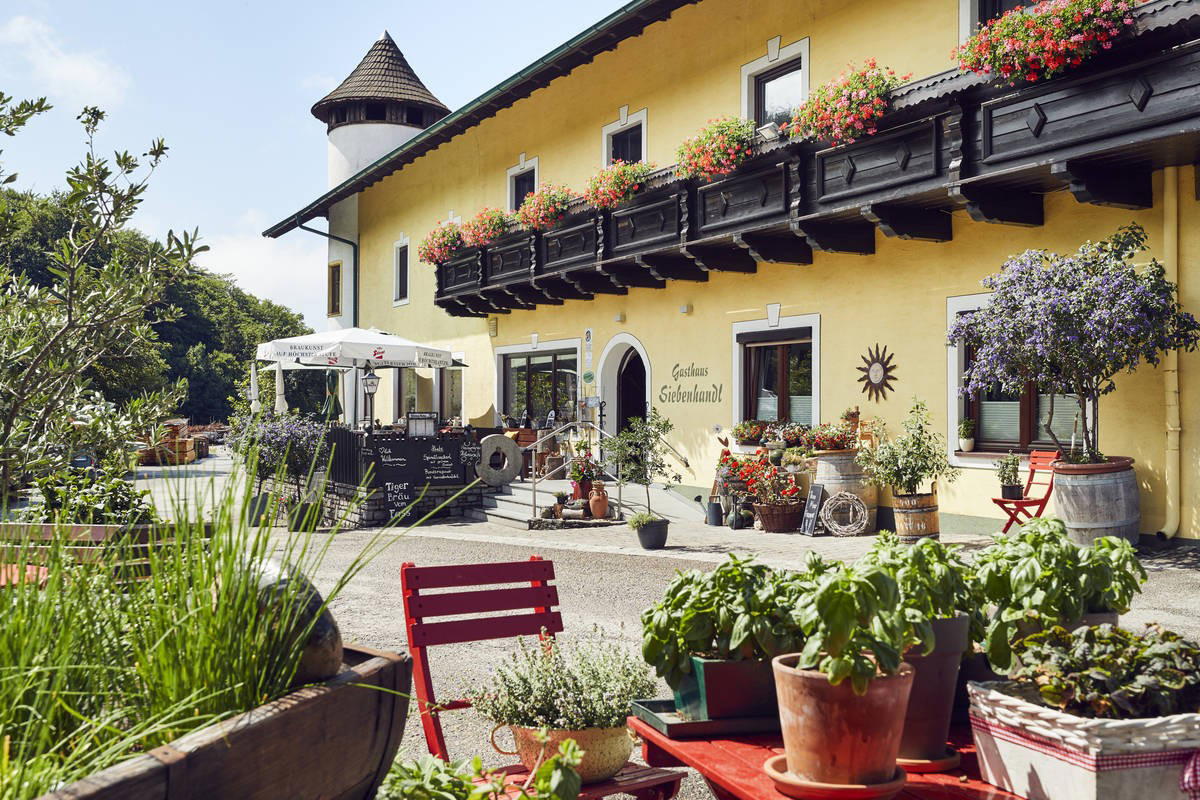
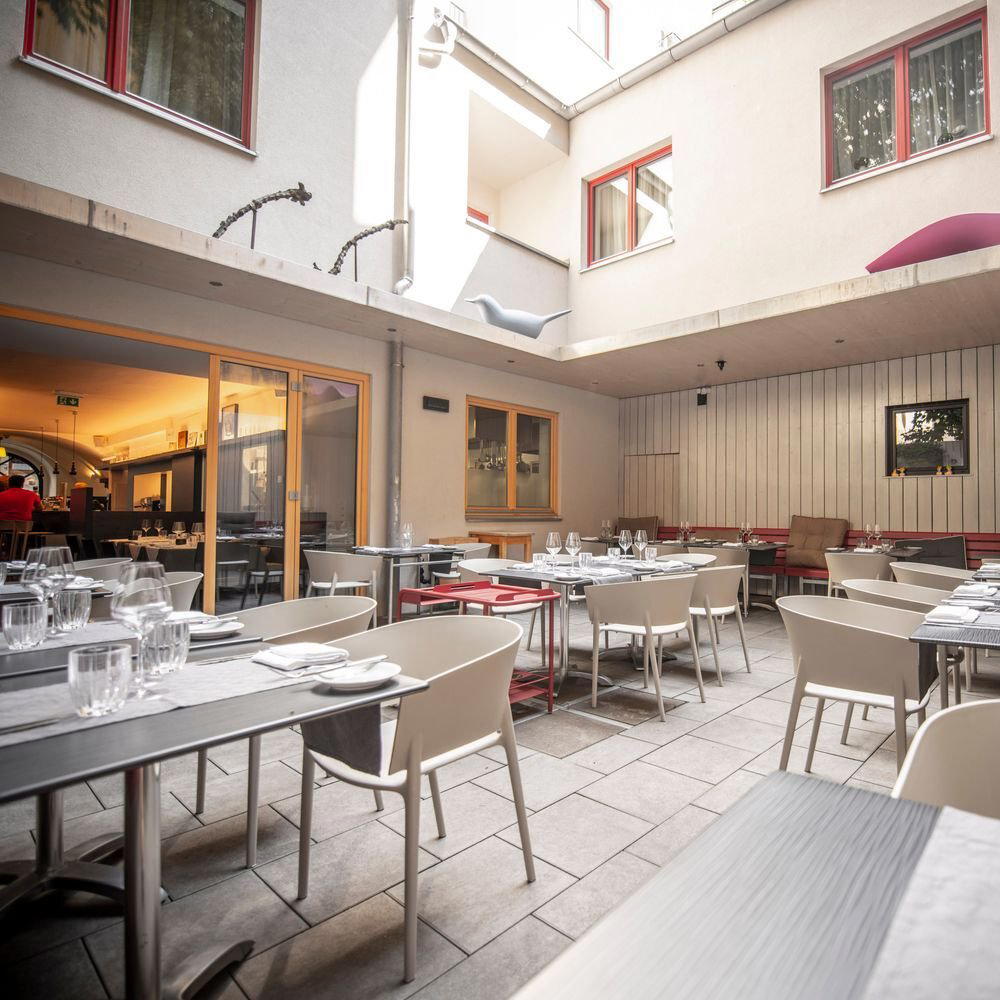
Bars in Neufelden
Browse all →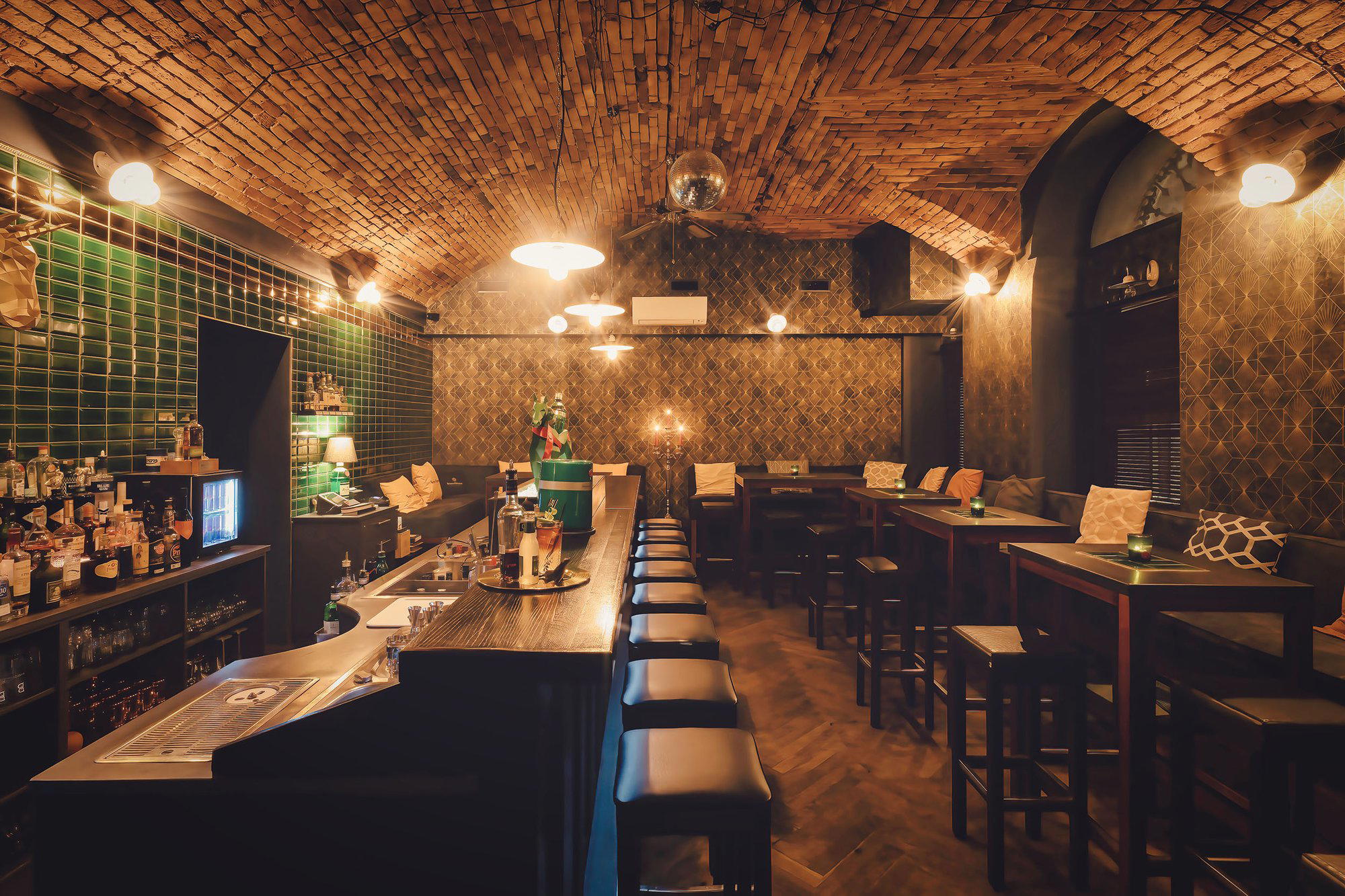
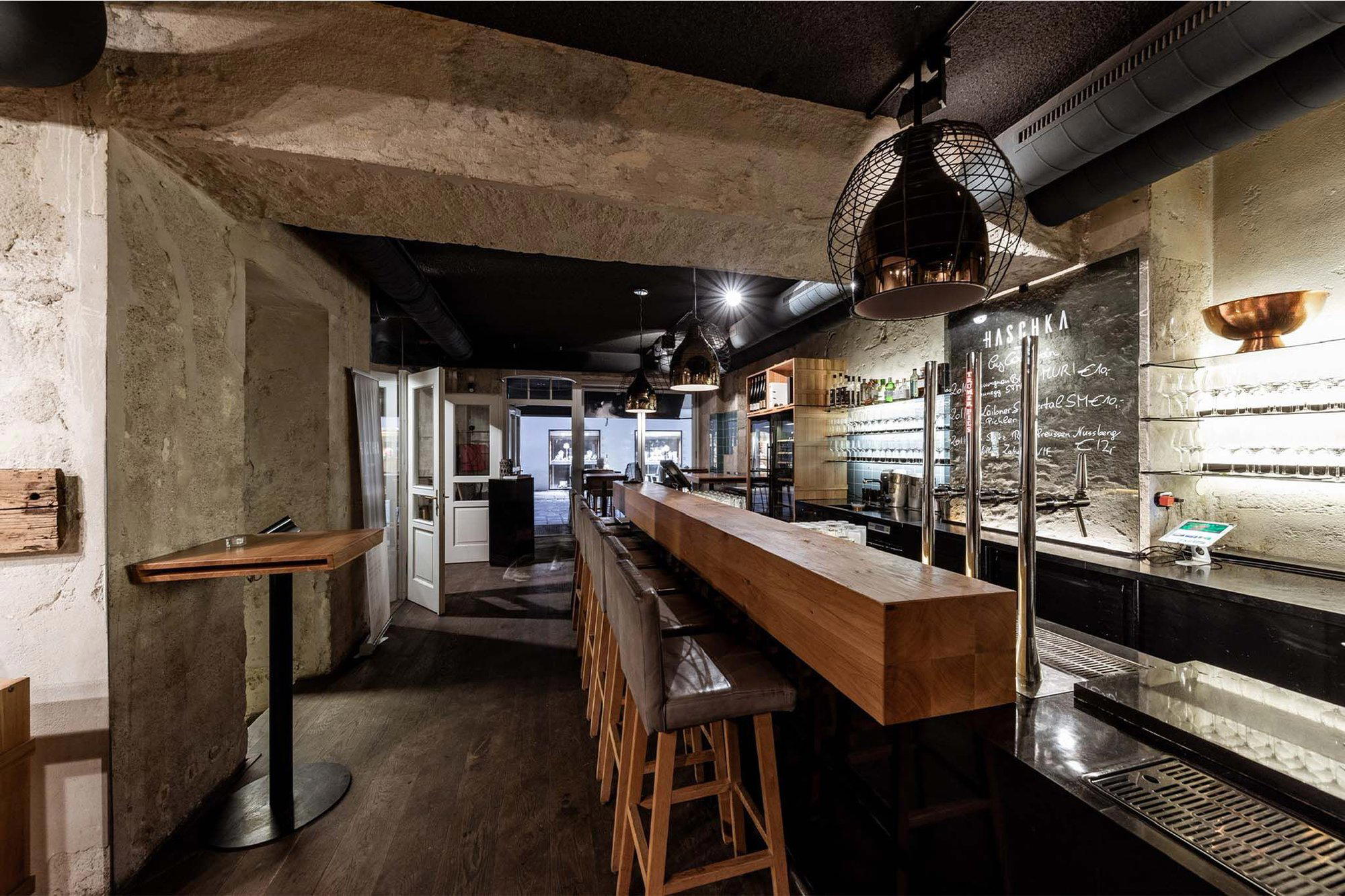
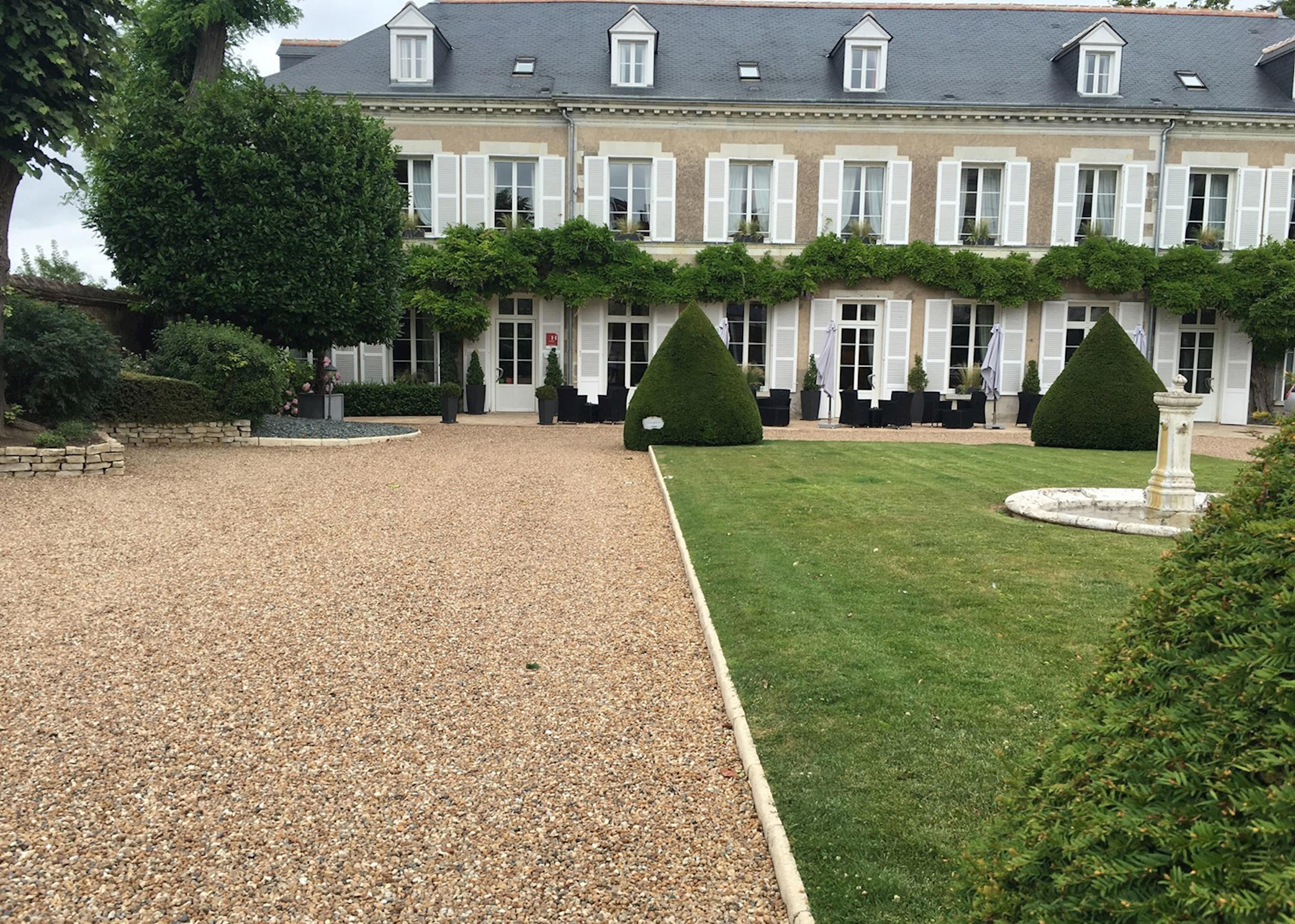
Hotels in Neufelden
Browse all →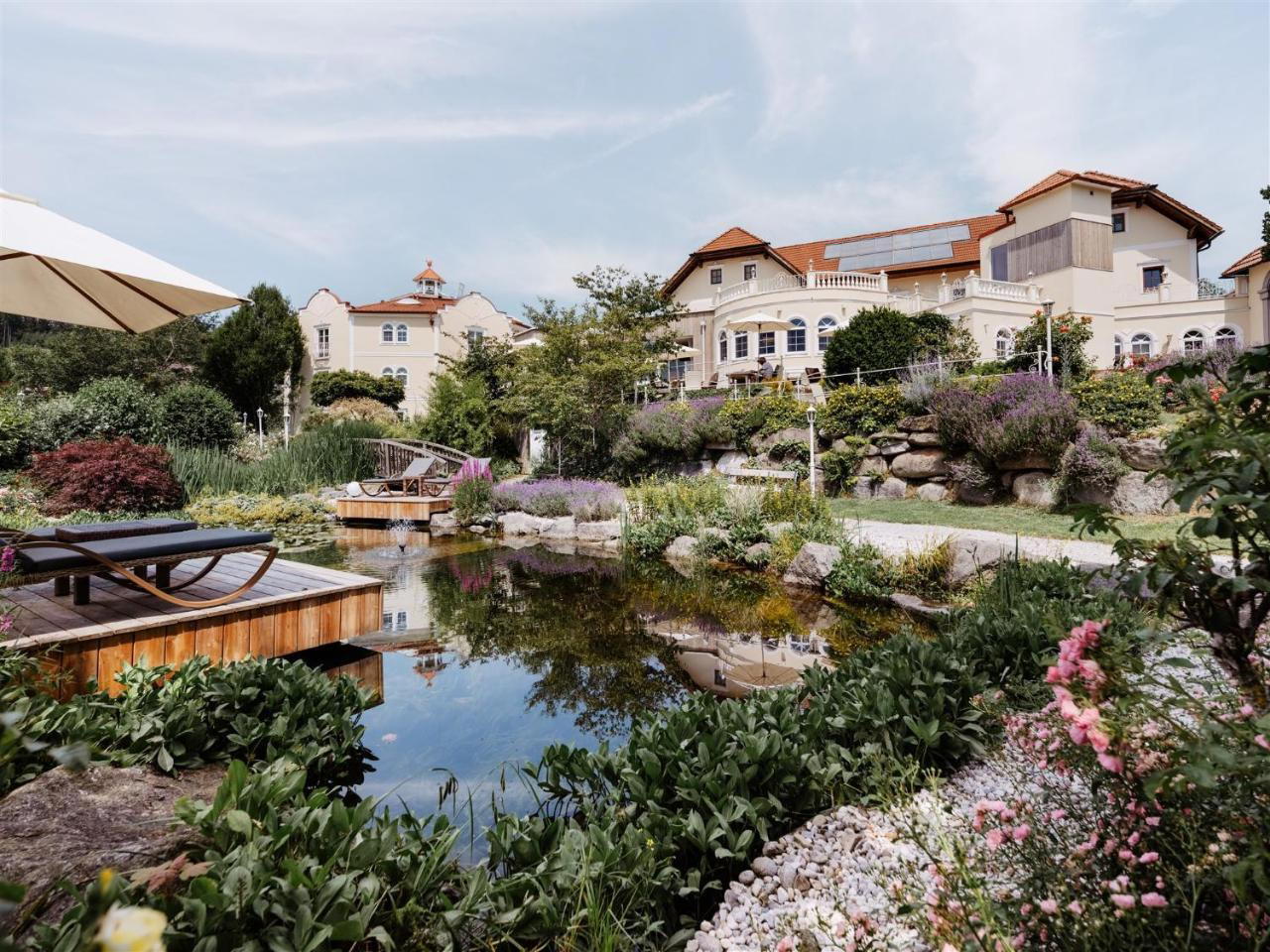

Wineries in Neufelden
Browse all →
Ois
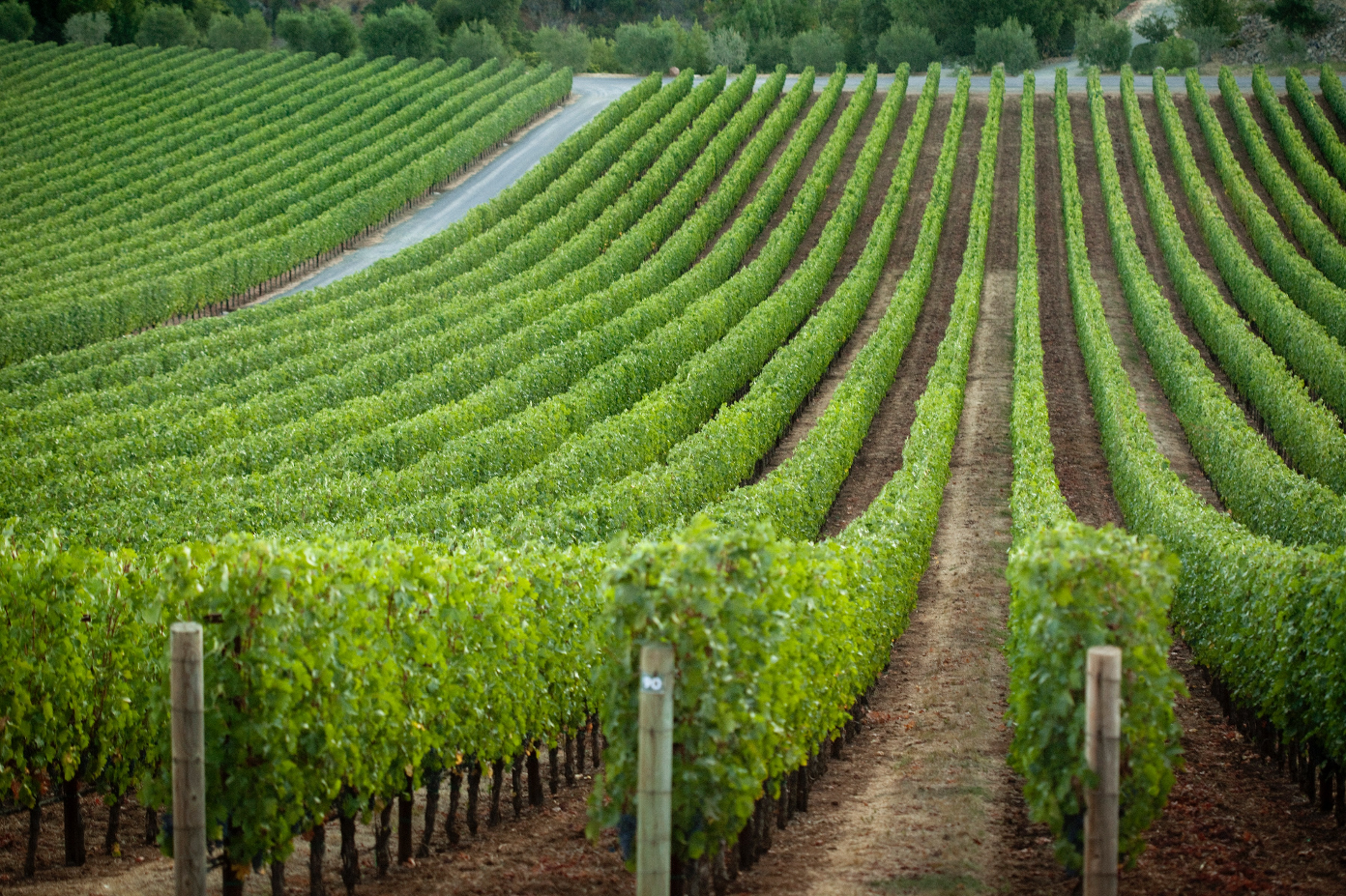
The wine
- Wine program
- Deep wine list
- Extensive wine list
- Sommelier-led
Details
- Modern
- Elegant
- Intimate
- Sophisticated
- Date Night
- Special Occasion
- Open Kitchen
- Extensive Wine List
- Sommelier Led
- Local Sourcing
- Garden
- Tasting Menu
- Set Menu
Current opening hours
- Monday
- Closed
- Tuesday
- Closed
- Wednesday
- Closed
- Thursday
- Closed
- Friday
- 12–7 PM
- Saturday
- 12–7 PM
- Sunday
- 12–7 PM
Hours can change for holidays and private events. Hours as of .
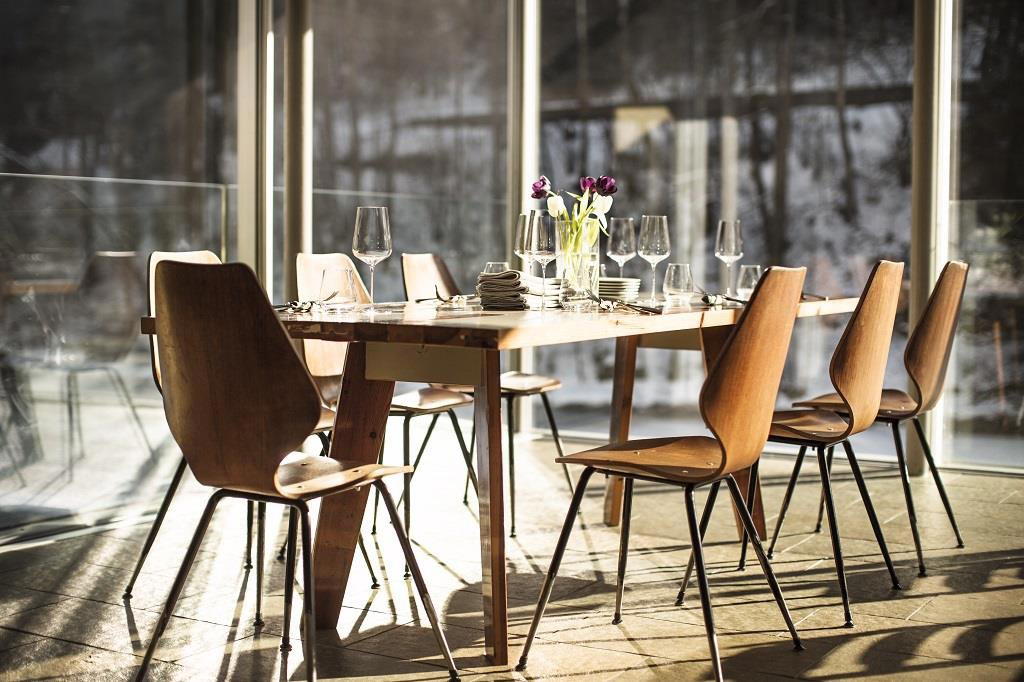
Modern interior with chic black furnishings, open kitchen view, and serene atmosphere overlooking the river.