

Le Cru is one of the anchoring venues of Vienna's Champagne bar movement, positioned on Petersplatz in the First District with an intimate counter format and a sensibility that reads as naturally at home in London or Antwerp as it does in the Austrian capital. The bar trades in precise, low-intervention pours and a room that rewards sitting slowly rather than passing through.
Pearl is the En Primeur Club membership app — saves, bookings, and concierge access live there. Same editors, same standards.
- Address
- Peterspl. 8, 1010 Wien, Austria
- Phone
- +43 1 5334260
- Website
- lecru.at
- Directions
- Get directions
 Saves & bookings on Pearl
Vienna's Champagne Counter Culture
The rise of the dedicated Champagne bar as a standalone format in Central Europe is a relatively recent development. For most of the twentieth century, Champagne in Vienna was an occasion drink, ordered at grand hotel bars or poured at restaurant tables to mark something. The idea of building an entire room around the category, offering it by the glass at a compact counter to people who simply wanted to drink well on an ordinary evening, arrived late and spread quickly. Le Cru is a bar at Peterspl. 8 in Vienna's First District, known for its Champagne focus and walk-in-friendly format.
Petersplatz is a short walk from the Stephansdom end of the Graben, which means Le Cru sits in a part of Vienna that moves differently depending on the hour. Midday brings shoppers, tourists moving between the cathedral and the Kohlmarkt, and office workers circling the area's side streets. By early evening, the Champagne bar format's logic becomes clearer: the same address that felt incidental at lunch becomes a precise destination after six. That divide between daytime drift and evening intention is worth understanding before you arrive.
The Room and What It Tells You
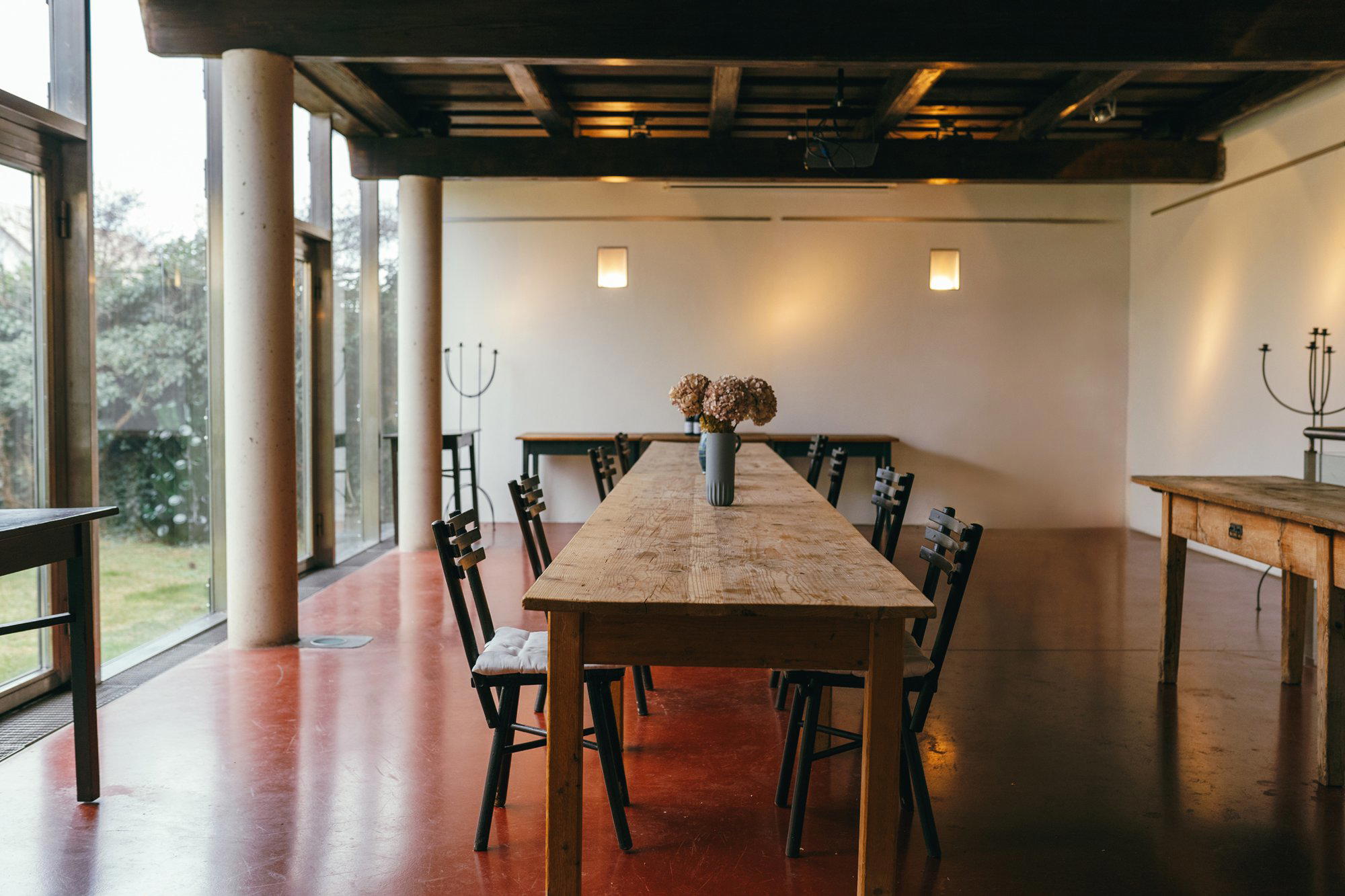
The physical format at Le Cru is deliberately small. A counter, a table with stools, and limited additional seating define the space. That compression is not accidental. Champagne bars of this type, whether in Antwerp, Paris, or now central Vienna, tend to operate on the logic that intimacy creates attention, and attention creates conversation about what is actually in the glass. A larger room would change the register entirely, shifting it toward occasion dining and away from the educated, curious-drinker demographic these bars are built for.
The room reads European in a way that does not perform Austrian identity. There is nothing here that anchors it specifically to Vienna's coffee-house tradition or its Heuriger culture. That neutrality is part of the point. Le Cru positions itself inside a pan-European Champagne bar vocabulary rather than a local one, which places it in a different comparable set from the wine bars that lean into Grüner Veltliner and Blaufränkisch.
Lunch Versus Evening: Two Different Bars in the Same Space
Lunch versus dinner divide at a Champagne bar operates differently from the same divide at a restaurant. Food is not the variable. The glass in front of you may be identical at noon and at nine. What shifts is pace, company, and the ambient pressure to be somewhere else. At lunch, Le Cru's Petersplatz location means some of its visitors arrive by proximity rather than by intent. The counter format makes a quick midday stop functional. A single glass of something non-vintage before an afternoon meeting is a perfectly coherent use of the space.
Evening service changes the calculus. The First District quietens relative to its daytime tourist peak, and the people occupying Le Cru's stools tend to arrive with more deliberate purpose. The counter format, which at lunch can feel like a convenient perch, becomes the right social geometry for a longer stay. Champagne bars that work well in the evening do so because their format encourages conversation between guests and staff about what to drink next, and the limited seating means that conversation is unavoidable in the leading sense. The bars that occupy similar territory in Vienna, including Kleinod Bar and the Champagne-focused offerings at 25hours Hotel Vienna at MuseumsQuartier, handle this transition with varying degrees of success. Le Cru's disciplined format gives it an advantage in the evening hours specifically because it was never designed to be casual.
How It Compares in Vienna's Drinking Scene
Vienna's bar scene has stratified over the past decade into recognisable tiers. The old-guard hotel bars at the Sacher and the Imperial represent one axis: formal, expensive, occasion-focused. The natural wine movement produced a second axis, concentrated in the Seventh and Sixth Districts, where Amerlingbeisl and bars around the Naschmarkt orbit serve a younger, more experimental crowd. A third axis, newer and smaller, consists of specialist single-category venues where the point is depth of knowledge in one area rather than breadth across a menu. Le Cru belongs to that third category.
Within the Champagne-specific tier, it operates alongside venues like Champagne Characters and Capsule, both of which have contributed to making Vienna a more credible city for serious Champagne consumption than it was fifteen years ago. The competition has sharpened all of them. Le Cru's longevity as one of the earlier entries in this space gives it a reference status that newer openings have to earn against. For comparison at the other end of Austria's drinking culture, the beer-hall model at Augustiner Bräu Mülln in Salzburg illustrates how differently the country's drinking formats can read.
Elsewhere in Vienna, Bar Tabacchi and Alte Donau occupy different points on the city's drinking map, and the regional contrast extends further when you consider wine-focused venues like Carinthia Weinbar in Velden am Wörthersee and Landhauskeller in Graz, both of which prioritise Austrian regional identity over the pan-European register that Le Cru deploys.
Planning Your Visit
Le Cru is at Petersplatz 8 in the First District, walkable from Stephansdom U-Bahn (U1, U3) in under five minutes. The compact seating means walk-in availability is limited at peak evening hours, particularly on Thursdays through Saturdays. A lunchtime or early-evening visit on a weekday is the more accessible option for first-timers who want counter seats rather than standing room. The format rewards staying for two or three glasses rather than one, because the staff conversation that orientates you toward what to drink next generally happens after you have settled in rather than at the door.
For those building a broader Austrian bar itinerary, the contrast between Le Cru's urban Champagne-bar format and mountain or lakeside drinking experiences, such as Achen Lake in Eben Am Achensee or Hotel Schwarzer Adler Innsbruck, clarifies what the Vienna scene specifically offers: density of specialist options within walking distance, and a drinking culture that has developed faster in the last decade than most comparable Central European cities. The Champagne bar format's arrival and consolidation in the First District is evidence of that acceleration, and Le Cru remains a reference point for how it started.
The Essentials
Comparable venues nearby, for context on price, style, and recognition.
| Venue | Cuisine | Price | Notes |
|---|---|---|---|
| Le CruThis venue — the venue you are viewing | Not listed | $$$ | Not listed |
| R&Bar | Not listed | $$ | Mariahilf, cocktail_bar |
| Josef cocktailbar | Not listed | $$$ | Innere Stadt, cocktail_bar |
| phil - Café, bookshop & bar | Hofburg, lounge | $$ | Not listed |
| Weinstube Josefstadt | Not listed | $$ | Josefstadt, wine_bar |
| Grelle Forelle | Doebling, Bar | $$ | Not listed |
Recognition history
Dated appearances from independent guides and award organizations, with the underlying list record or original source where available.
Falstaff Wine Bar - 89 Falstaff Points
Falstaff
Star Wine List
Star Wine List
Continue exploring
More in Vienna
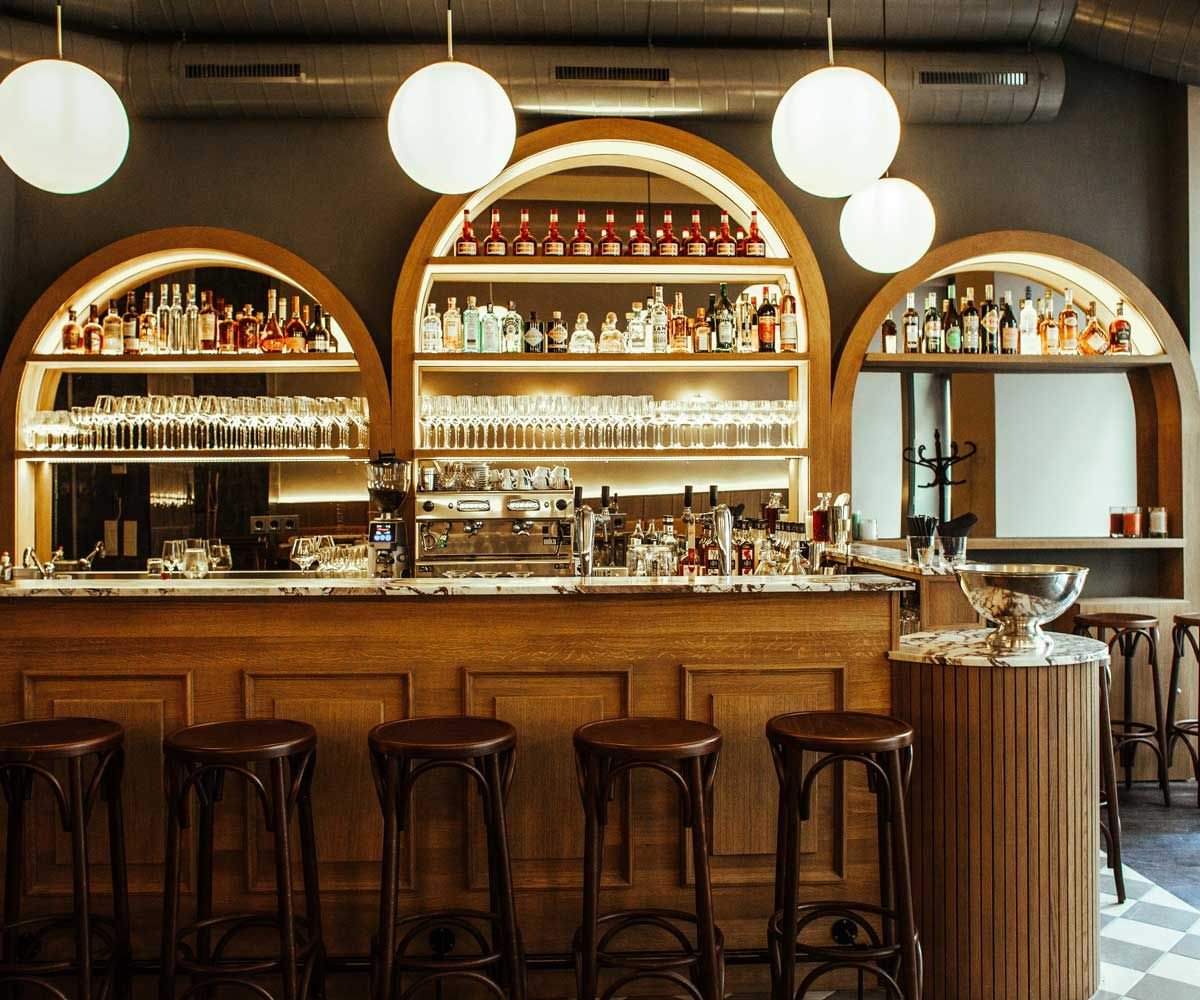
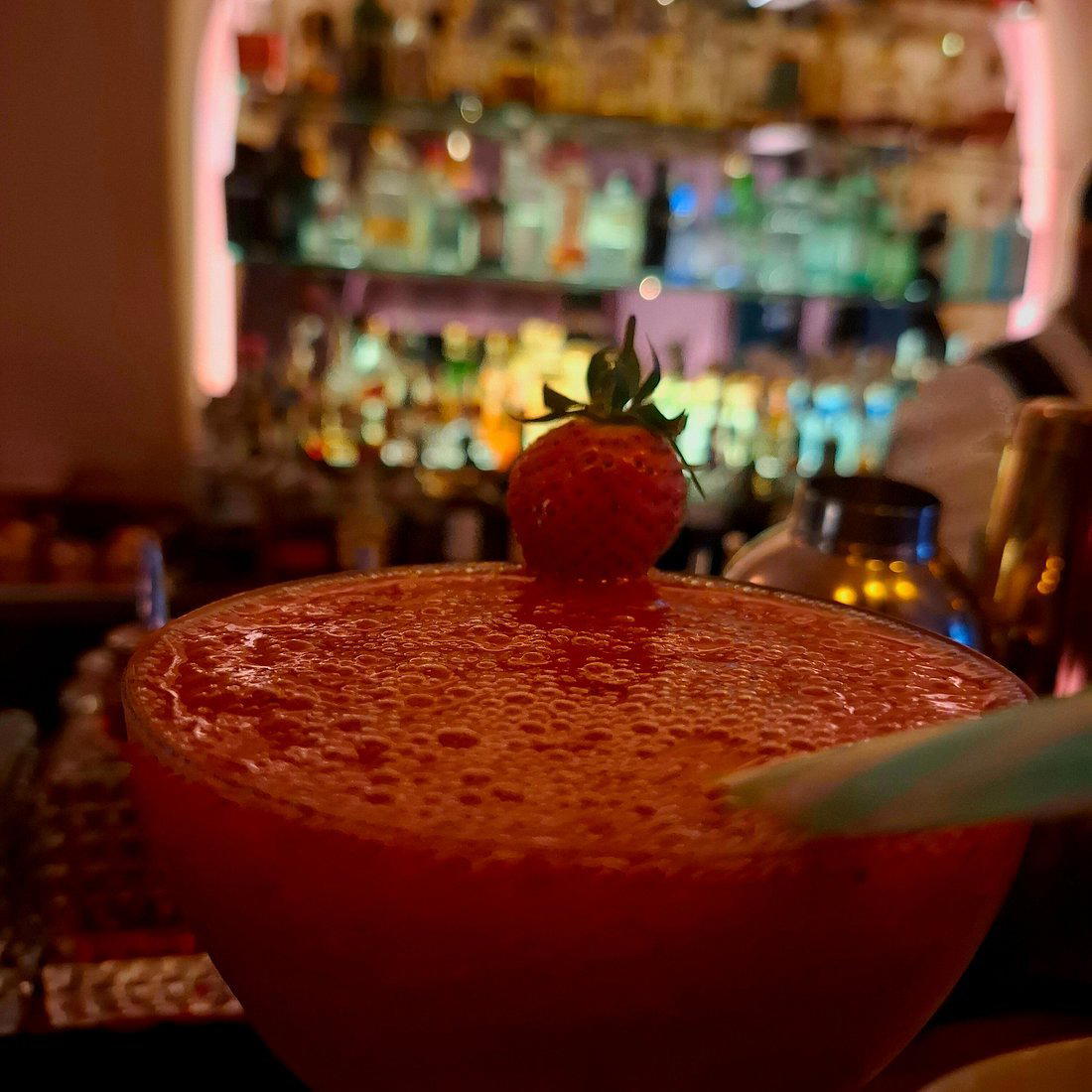
Bars in Vienna
Browse all →
Restaurants in Vienna
Browse all →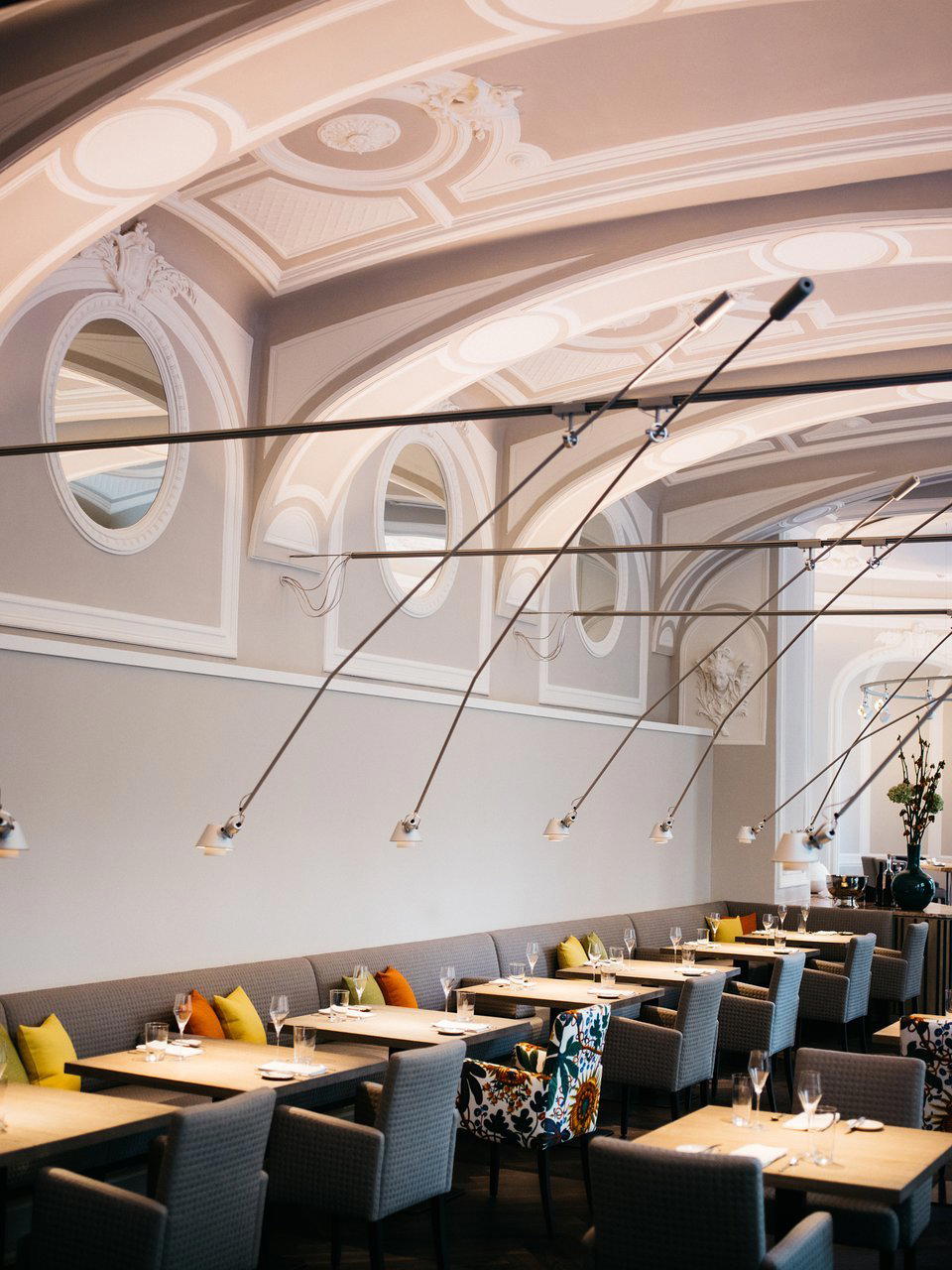
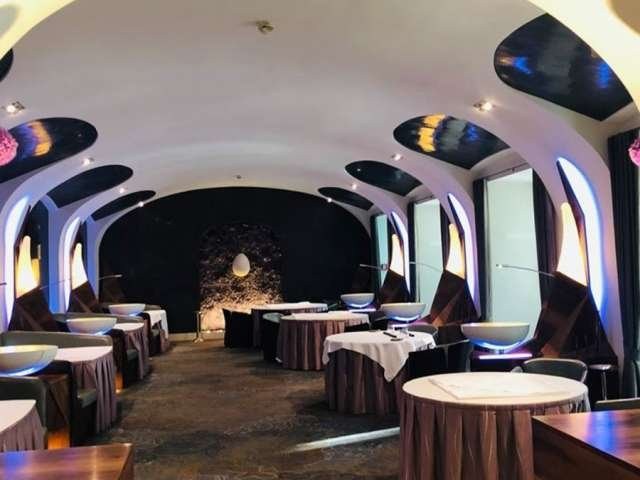
Hotels in Vienna
Browse all →
At a Glance
- Elegant
- Intimate
- Romantic
- Sophisticated
- Trendy
- Date Night
- After Work
- Celebration
- Special Occasion
- Solo
- Standalone
- Historic Building
- Design Destination
- Seated Bar
- Communal Tables
- Outdoor Terrace
- Conventional Wine
- Bottle Service
- Street Scene
Current opening hours
- Monday
- 2:30–7:30 PM
- Tuesday
- 2:30–7:30 PM
- Wednesday
- 2:30–7:30 PM
- Thursday
- 2:30–8:30 PM
- Friday
- 2:30–8:30 PM
- Saturday
- 12:30–5:30 PM
- Sunday
- Closed
Hours can change for holidays and private events. Last verified .
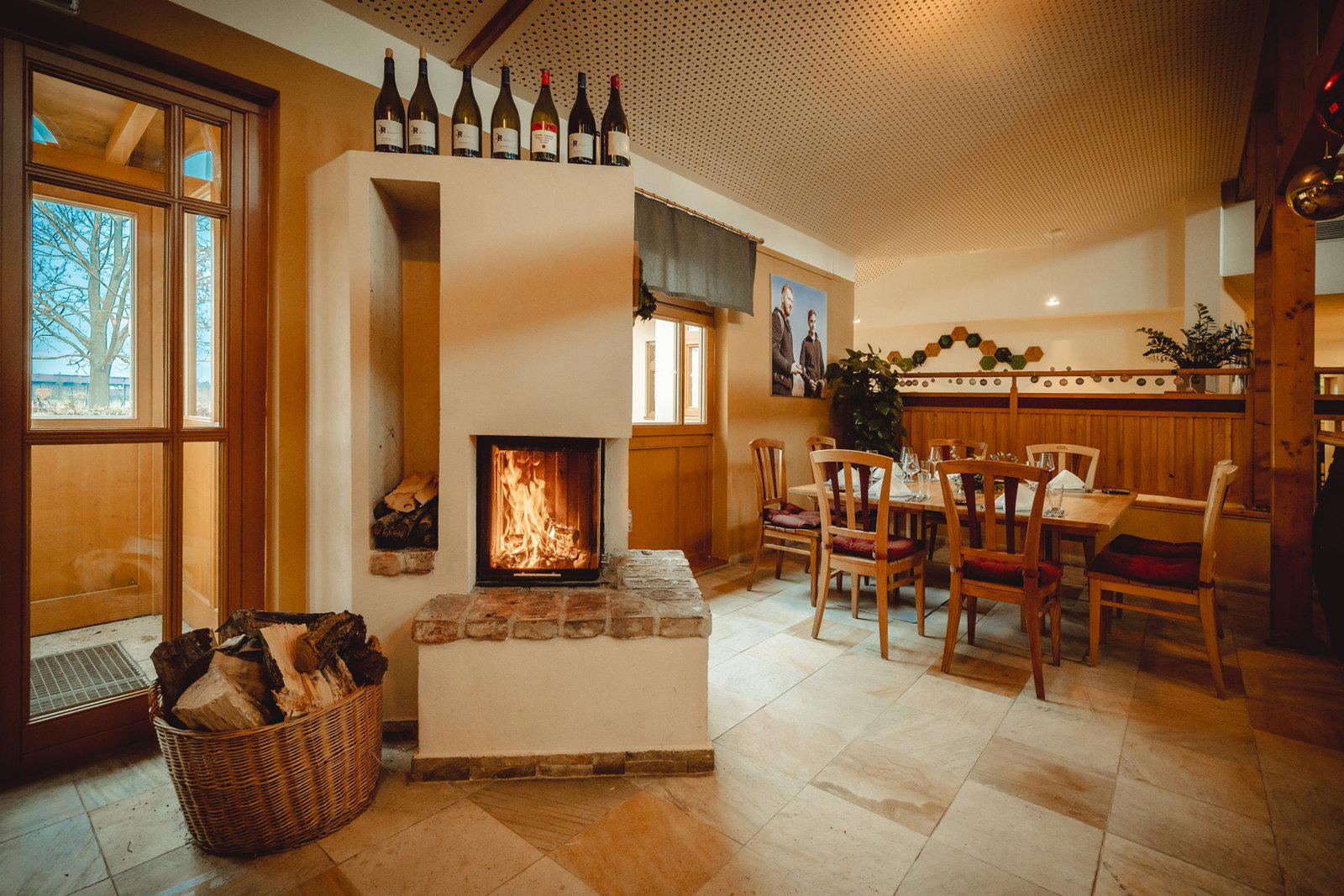
Stylish and refined with large glass windows, upholstered window sills as comfortable seating, a prominent wooden display case showcasing champagne bottles, and a central wooden communal table creating a pleasant, relaxed atmosphere ideal for people-watching.