Schwarzer Adler



2 Michelin Stars · La Liste Top Restaurants · Falstaff Restaurant - 97 Falstaff Points
Our verdict
Schwarzer Adler holds two Michelin stars and an 85-point La Liste (2026) score, placing it among the most decorated restaurants in the Tyrolean Inn Valley. Chef Franz Keller leads a contemporary European kitchen that draws on the region's alpine larder without retreating into folkloric convention. For serious diners passing through or based in Innsbruck, the short drive to Hall in Tirol is a considered choice, not an afterthought.

Pearl is the En Primeur Club membership app, where members save venues, book tables and use the concierge.
The menu
What to order
- Passeier Valley char with green curry and beurre blanc
A Two-Star Table in a Town Most Visitors Drive Past
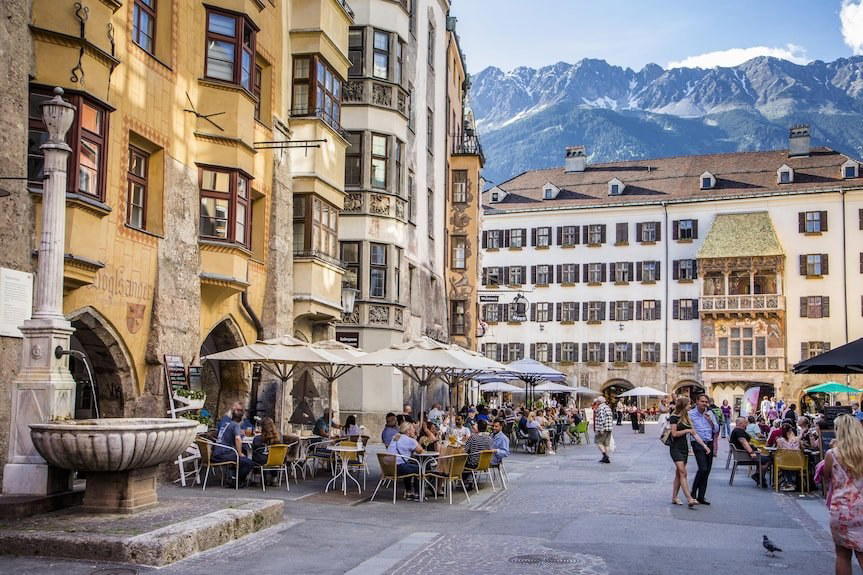
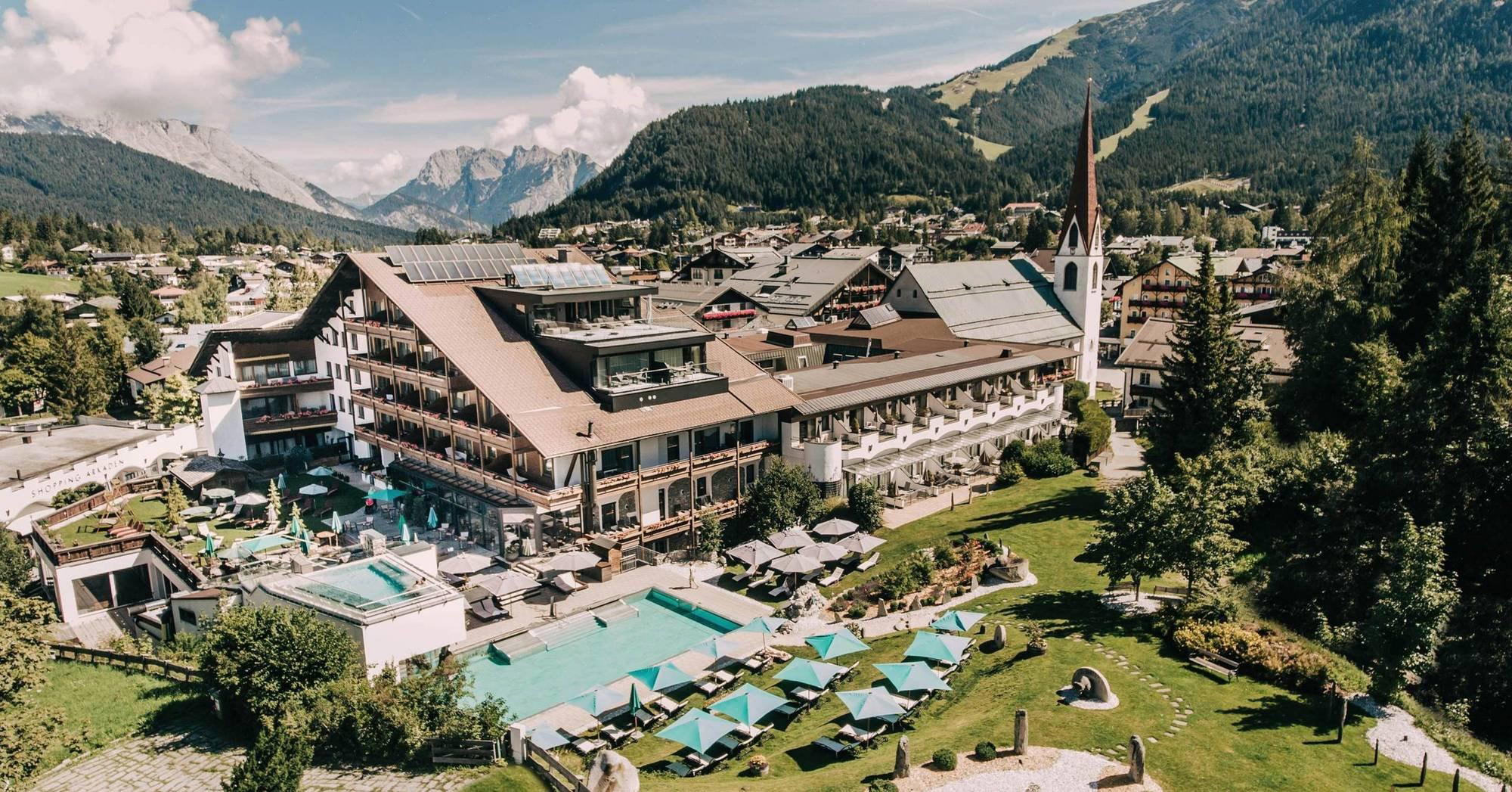
Hall in Tirol sits roughly ten kilometres east of Innsbruck, close enough to feel like a suburb but old enough to operate on its own terms. The medieval salt-trade town still wears its history plainly: a compact Altstadt, a mint tower, streets that narrow at odd angles. It is not a dining destination in the conventional sense, and that is partly what makes Schwarzer Adler's presence here instructive. Two Michelin stars and an 85-point score in the La Liste 2026 ranking do not typically land in towns of this scale.
The address on Eugenstraße places the restaurant at the quieter residential edge of the old town. Approaching on foot from the historic centre, the shift in pace is immediate: fewer tourists, less noise, a building that does not announce itself through the visual grammar of a destination restaurant. That restraint carries through to the interior, where the experience begins before the first course arrives.
Contemporary European Cooking in an Alpine Context
The broader pattern in Austrian fine dining over the past decade has been a productive tension between regional identity and international technique. Steirereck im Stadtpark in Vienna and Döllerer in Golling an der Salzach both operate at the €€€€ tier with distinct interpretations of that tension: Steirereck leans into creative transformation of Austrian produce, Döllerer works a more explicitly regional frame. Schwarzer Adler, under Chef Franz Keller, operates within the European Contemporary category, which implies a kitchen willing to move freely across technique and reference point while remaining grounded in what the surrounding landscape supplies.
Tyrolean alpine larder is not a limitation. Game, freshwater fish, mountain herbs, and dairy traditions specific to this altitude give a kitchen genuine material to work with. The European Contemporary designation signals that Keller is not restricting himself to a single national or regional vocabulary, but the geography of Hall in Tirol sets a natural frame. That combination of local ingredient depth and broader technical ambition is the operating logic behind most of Austria's highest-rated kitchens, and Schwarzer Adler belongs firmly in that current.
For international comparison, the European Contemporary category at this level encompasses restaurants like Zén in Singapore and Ad Astra in Taipei, where the same classification describes kitchens using rigorous technique to process a specific place's ingredients. The format varies considerably by city, but the evaluative standard applied by Michelin and La Liste is consistent, and Schwarzer Adler's two stars and 85-point score place it comfortably within that international peer group.
Chef Franz Keller and the Weight of a Name
The name Franz Keller carries specific freight in European fine dining. The elder Franz Keller established a reputation in Germany that helped define what serious regional cooking could look like in the German-speaking world during the latter half of the twentieth century.
The trajectory visible in the awards record supports that reading. Two Michelin stars represent sustained consistency at a high level, not a single remarkable season. Michelin's two-star designation across the Austrian and broader DACH region applies to kitchens where technical execution and ingredient quality hold across multiple visits and inspectors. The 85-point La Liste score alongside those stars confirms that the restaurant is performing within the upper tier of Austrian fine dining without reaching for the 90-plus bracket occupied by a small number of European tables.
That positioning matters for how a prospective diner should calibrate expectations. This is not a restaurant where the kitchen is still building toward full expression. It is an established two-star operation with documented recognition, working within a genre where the ambition is precision and depth rather than novelty for its own sake. The Ikarus in Salzburg and Obauer in Werfen represent comparable anchors in the Austrian fine dining circuit, each with distinct format signatures but operating at the same tier of expectation.
Hall in Tirol's Position in the Tyrolean Dining Circuit
The Tyrolean fine dining circuit runs through several distinct nodes: Innsbruck as the urban centre, resort towns like Ischgl and Lech in Vorarlberg for seasonal alpine dining, and a number of smaller towns where a single serious kitchen defines the local offer entirely. Hall in Tirol belongs to that last category. Schwarzer Adler is not competing within a local scene; it is the local scene at this level.
That dynamic has practical consequences. A diner staying in Innsbruck faces an easy fifteen-minute drive east. A diner specifically visiting for the restaurant will find Hall in Tirol offers genuine historic atmosphere rather than a purely utilitarian setting, the old town's accommodation options and the surrounding Inn Valley providing a coherent context for a dedicated meal trip. The town's bar scene, wine access, and cultural offer are worth factoring into a longer visit rather than treating the restaurant as a standalone stop.
For diners who want regional context at a different price point before or after a meal at Schwarzer Adler, Secco in Hall in Tirol covers the regional cuisine angle with a lighter format. The contrast between the two restaurants maps a useful range of what the town currently offers at the table.
Where Schwarzer Adler Sits in the Broader Austrian Picture
Austria's fine dining tier is not large, but it is coherent. A handful of restaurants hold two or three Michelin stars, most concentrated in Vienna, Salzburg, and the alpine resort corridor. Outside those zones, two-star operations are rare, which amplifies Schwarzer Adler's significance relative to its postcode. Among Tyrolean and Vorarlberg kitchens, the restaurant sits alongside Gourmetrestaurant Tannenhof in Sankt Anton am Arlberg and Restaurant 141 by Joachim Jaud in Mieming as part of a wider western Austrian fine dining network that draws serious diners away from the Vienna-Salzburg axis.
The La Liste score of 85 points in 2026 places the restaurant within a global group of several hundred restaurants occupying the 80-90 point band: serious, decorated kitchens that are not yet in the leading fifty globally but are operating well clear of the broader mid-market. For context, La Liste's methodology aggregates guide scores, critic assessments, and public reputation metrics, which means an 85-point result reflects consensus recognition rather than a single publication's view.
That kind of scoring stability matters for a restaurant whose Michelin and La Liste recognition already sets a high baseline expectation.
Planning a Visit
Schwarzer Adler operates at the leading price tier for Austrian fine dining (€€€€), in line with two-star expectations across the country. The restaurant is located at Eugenstraße 3, Hall in Tirol, directly accessible from Innsbruck by car or regional bus in under twenty minutes. For diners building a wider Tyrolean itinerary, Kräuterreich by Vitus Winkler in Sankt Veit im Pongau and Ois in Neufelden offer points of comparison at the same tier across different parts of the Austrian alpine corridor. The full Hall in Tirol restaurant guide covers additional options for building a complete visit around the town.
Frequently asked questions
Is Schwarzer Adler suitable for children?
The €€€€ pricing and two-Michelin-star format point toward extended multi-course service with pacing and focus that suits adults rather than younger diners. Hall in Tirol itself is a relaxed historic town, not a pressured resort setting, but the restaurant's standing, 85 points on La Liste 2026 alongside its stars, signals a kitchen calibrated for a different kind of evening. Families with teenagers who eat seriously are a better fit than those with young children.
What should I expect atmosphere-wise at Schwarzer Adler?
Two Michelin stars in a medieval market town rather than a capital or alpine resort creates a specific dynamic: formal cooking in a context that doesn't perform grandeur for its own sake. Hall in Tirol operates on a quieter register than Innsbruck ten kilometres west, which tends to shape rooms like this toward considered, unhurried service over theatrical production. The €€€€ tier confirms the commitment to serious hospitality; the town sets the tone.
What distinctions does Schwarzer Adler have?
Schwarzer Adler has received recognition including: La Liste Top Restaurants (2026): 85pts; Michelin 2 Stars (2025).
What dish is Schwarzer Adler famous for?
Under the European Contemporary classification, two-star kitchens at this level typically build menus around seasonal produce and technique rather than a single anchor preparation, the 85-point La Liste 2026 ranking and Michelin recognition both reflect consistency across a body of work rather than one celebrated plate. Specific menu details are best confirmed directly with the restaurant ahead of booking.
Is Schwarzer Adler more mid-range or high-end?
Pricing at Schwarzer Adler is listed as €€€€.
Where exactly is Schwarzer Adler?
Schwarzer Adler is located at Eugenstraße 3, 6060 Hall in Tirol, Austria, Hall in Tirol.
At-a-Glance Comparison
| Venue | Cuisine | Price | Awards | Notes |
|---|---|---|---|---|
| Schwarzer AdlerThis venue (the venue you are viewing) | Contemporary European Fine Dining | $200–300 | 2 Michelin Stars · La Liste Top Restaurants | Not listed |
| Steirereck im Stadtpark | Modern Austrian Fine Dining | $200–300 | 3 Michelin Stars · World's 50 Best #33 | Creative |
| Döllerer | Modern Alpine Cuisine | $100–150 | 2 Michelin Stars · La Liste Top Restaurants | Contemporary Austrian, Innovative |
| Ikarus | Guest Chef Fine Dining | $200–300 | 2 Michelin Stars · La Liste Top Restaurants | Modern European, Creative |
| Mraz & Sohn | Contemporary Austrian Fusion | $150–200 | 2 Michelin Stars · La Liste Top Restaurants | Modern Austrian, Creative |
| Obauer | Modern Austrian Fine Dining | $50–100 | 2 Michelin Stars · La Liste Top Restaurants | Classic Cuisine |
Recognition history
Dated appearances from independent guides and award organizations, with the underlying list record or original source where available.
Michelin 2 Stars
Michelin
La Liste Top Restaurants
La Liste
Falstaff Restaurant - 97 Falstaff Points
Falstaff
Full recognition history (4 entries)
Michelin 2 Stars
Michelin
Continue exploring
More in Hall in Tirol
Restaurants in Hall in Tirol
All restaurants in Hall in Tirol →
Bars in Hall in Tirol
All bars in Hall in Tirol →

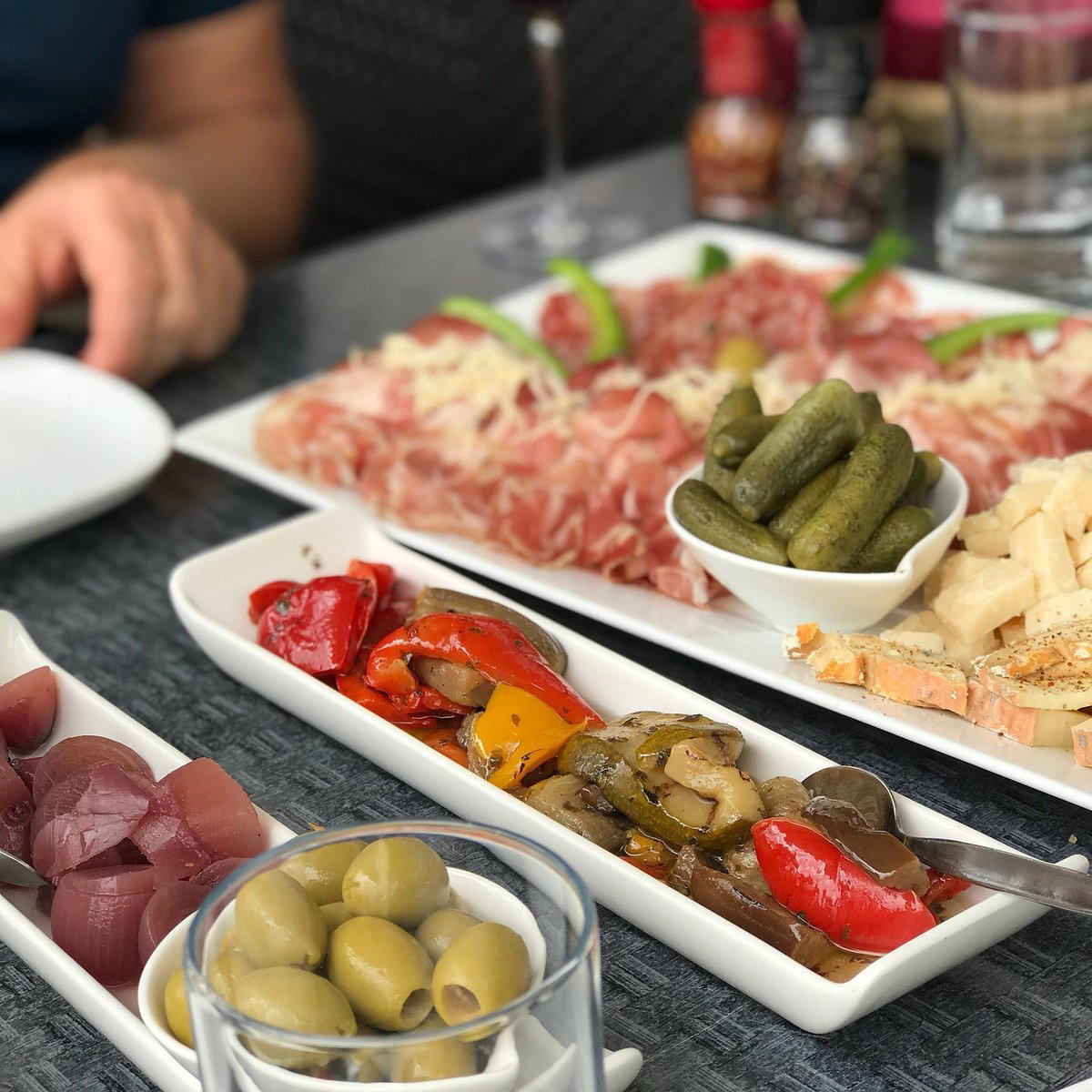
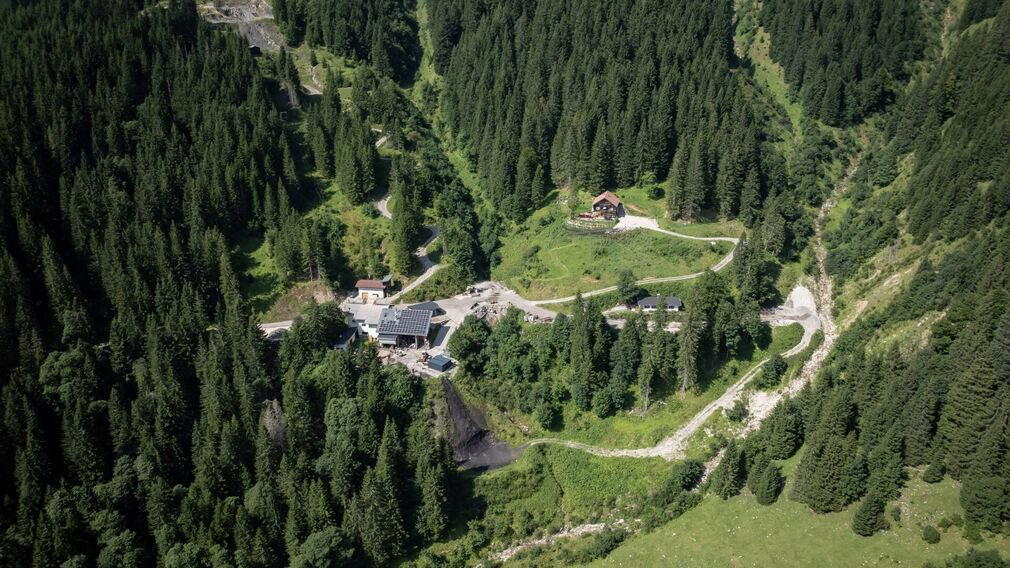
Schwarzer Adler
The wine
- Wine program
- Deep wine list
- Extensive wine list
Details
- Intimate
- Elegant
- Cozy
- Sophisticated
- Classic
- Date Night
- Special Occasion
- Historic Building
- Wine Cellar
- Extensive Wine List
- Local Sourcing
- Tasting Menu
- Allergy Accommodating
Current opening hours
- Monday
- Closed
- Tuesday
- Closed
- Wednesday
- Closed
- Thursday
- 6 PM–12 AM
- Friday
- 6 PM–12 AM
- Saturday
- 6 PM–12 AM
- Sunday
- Closed
Hours can change for holidays and private events. Hours as of .
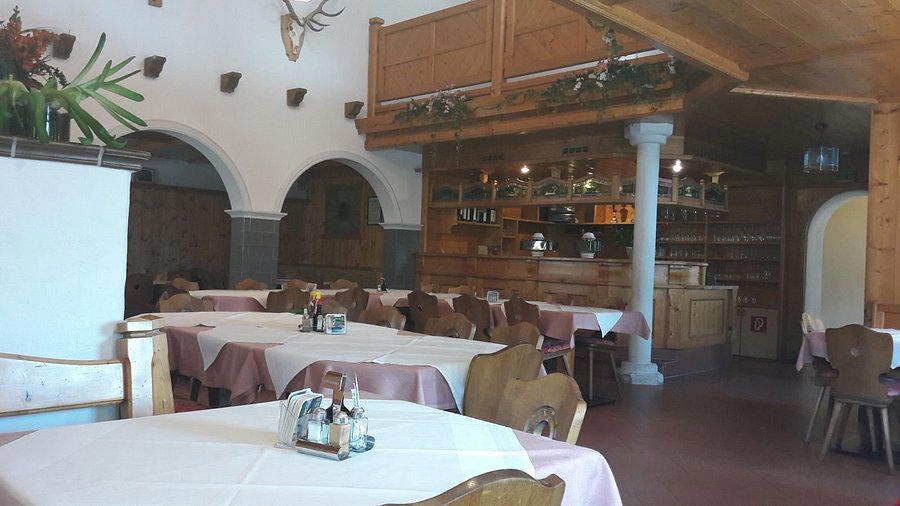
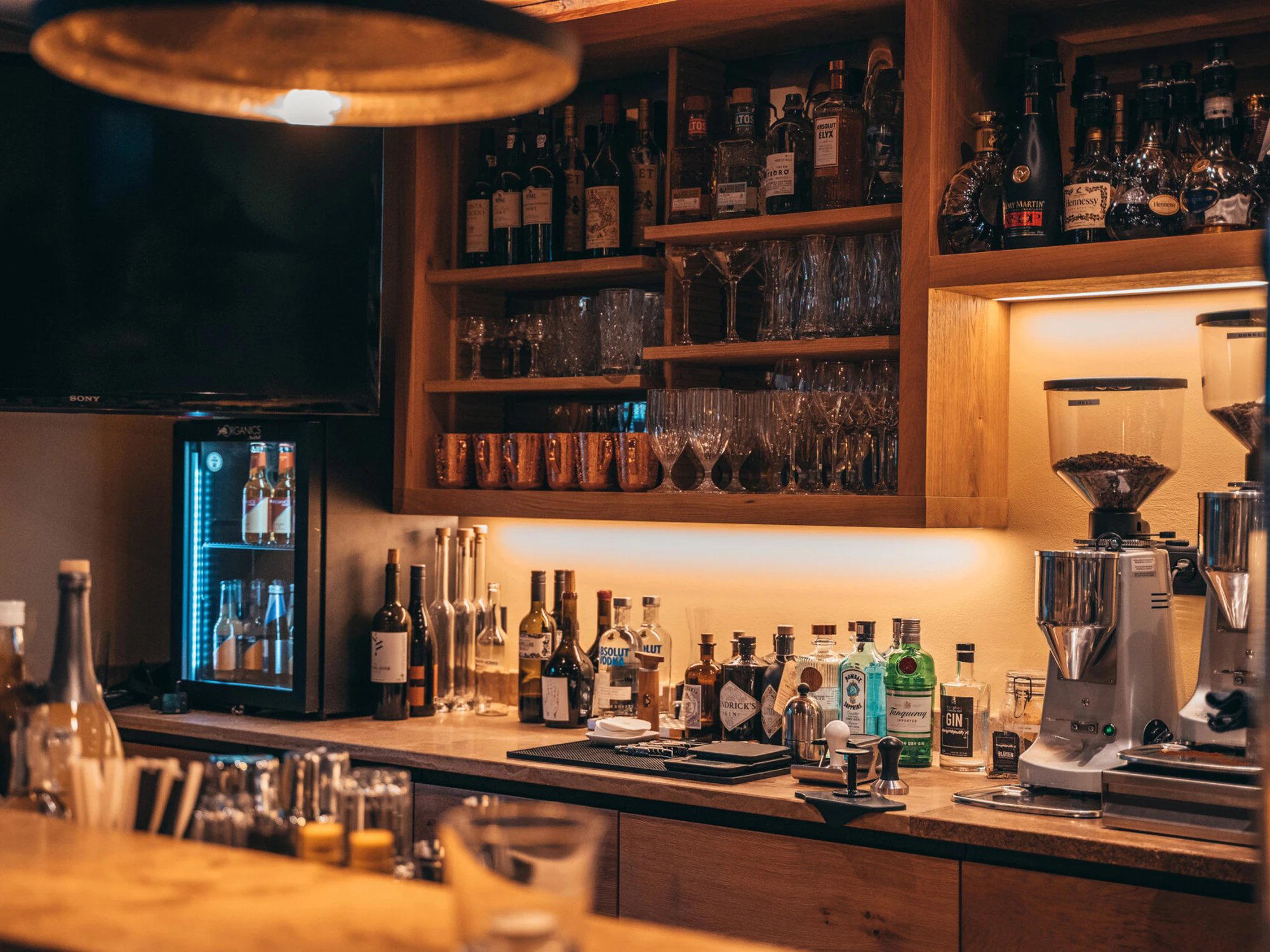
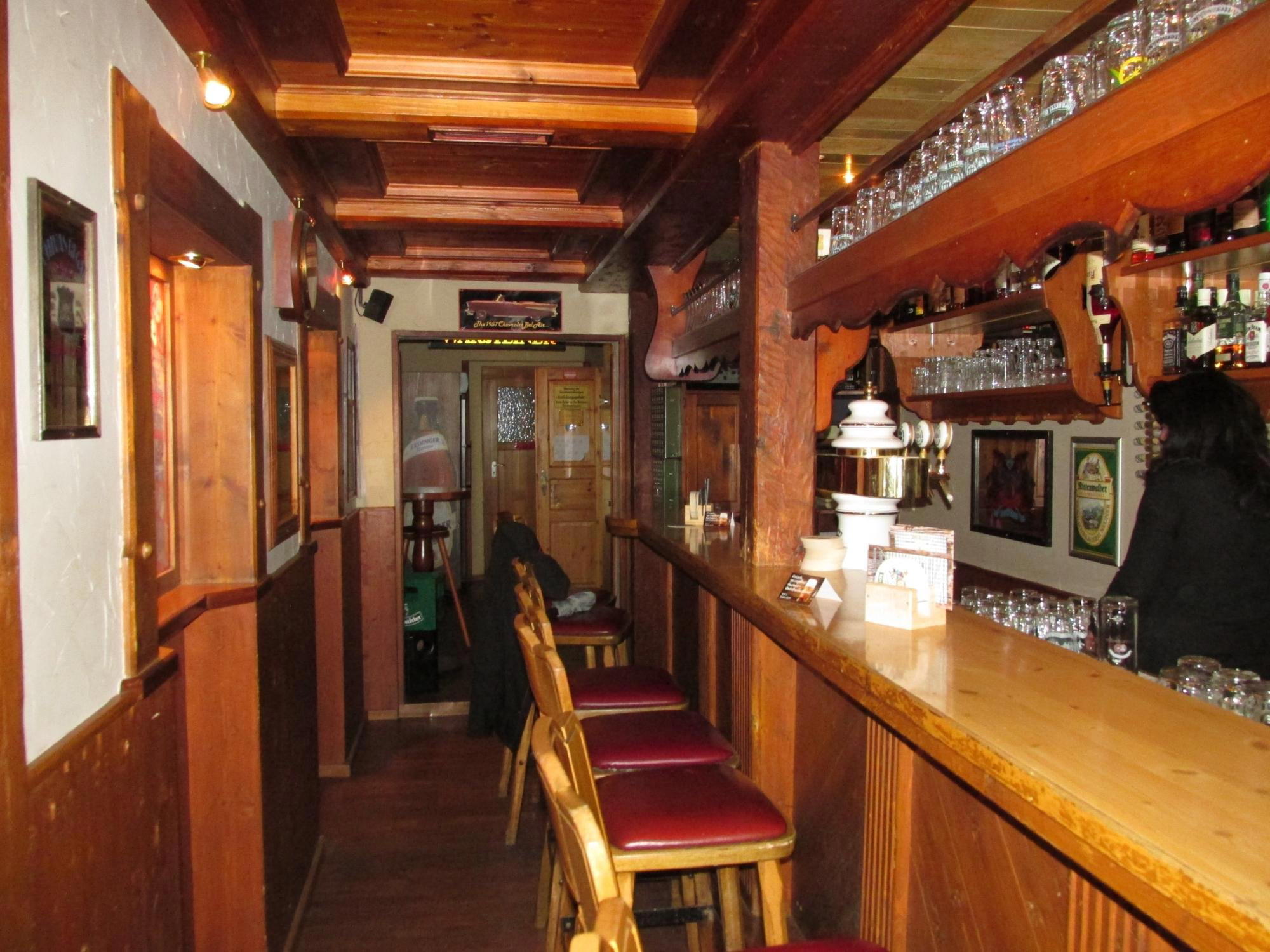
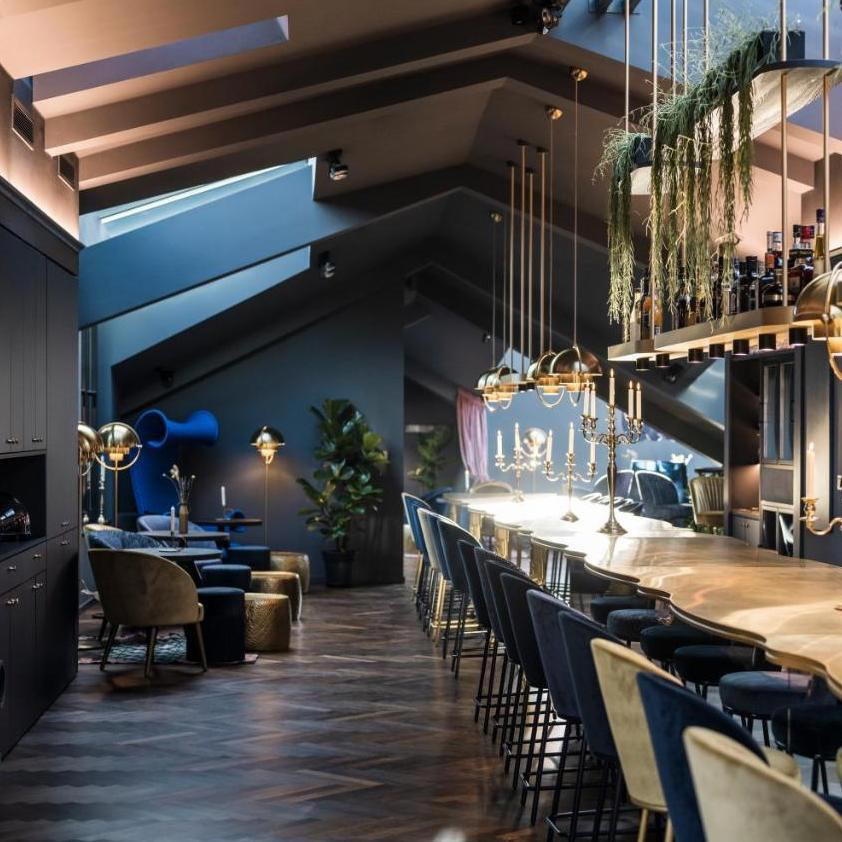
Refined atmosphere blending historical wooden beams with modern elegant furnishings, intimate and timeless.