Gourmetrestaurant Tannenhof




2 Michelin Stars · La Liste Top Restaurants · Falstaff Restaurant - 97 Falstaff Points
Our verdict
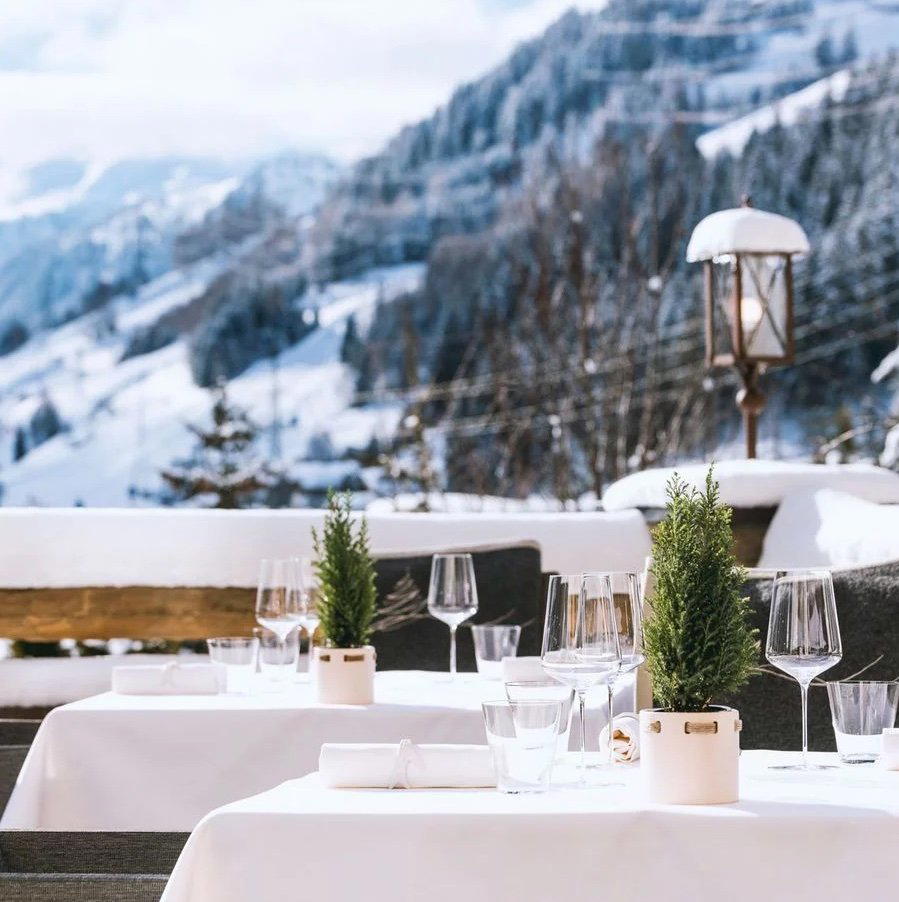
Holding two Michelin stars in one of Austria's most celebrated ski resort villages, Gourmetrestaurant Tannenhof sits inside the boutique Hotel Tannenhof above Sankt Anton am Arlberg, pairing a terrace with panoramic valley views with a modern Alpine menu that draws on classical technique. The six-course set menu and an à la carte selection are supported by a wine list running to around 600 international labels.

Pearl is the En Primeur Club membership app, where members save venues, book tables and use the concierge.
The menu
What to order
- Rindfleischsalat
- Tiroler Grauvieh
- Pistazien Soufflé
Where the Alps Meet the Pass-Trained Kitchen
There is a particular tension at the heart of alpine fine dining that separates the serious operators from the seasonally opportunistic ones. Mountain resort towns attract wealthy, transient guests who could be satisfied by spectacle alone, a dramatic view, a warming raclette, a cellar stocked with familiar labels. The kitchens that earn sustained critical recognition, however, are the ones that treat altitude as context rather than as the whole story. In Sankt Anton am Arlberg, that balance is harder to strike than it looks. The village draws a ski crowd that spans budget chalets and high-spend lodges, and its restaurant scene reflects that spread. At the top of the tier sits Gourmetrestaurant Tannenhof, which holds two Michelin stars and represents the most formally recognised kitchen in the resort.
The physical setting is part of the argument. Reached via the boutique Hotel Tannenhof on the edge of the village, the dining room occupies an refined position above Sankt Anton, with large windows framing the valley below. The terrace, open when conditions allow, extends that view further. This is not incidental atmosphere: the visual anchoring of the meal in the surrounding mountains is consistent with what the kitchen is doing on the plate, cuisine that is modern in technique but rooted in the geography and larder of the Tyrolean Alps. That coherence between place and plate is rarer than it sounds among the resort properties of the western Austrian peaks.
The Austrian Alpine Kitchen in Context
To appreciate what the Tannenhof kitchen is doing, it helps to understand the broader Austrian fine dining tradition and where Alpine cuisine sits within it. Austria's most celebrated fine dining addresses have historically been clustered in Vienna and Salzburg. Steirereck im Stadtpark in Vienna represents the urban, regionally-rooted pole of Austrian gastronomy, while kitchens such as Obauer in Werfen and Döllerer in Golling an der Salzach have demonstrated that serious, award-level cooking can be sustained in non-urban alpine settings. The Vorarlberg and Tyrol regions have their own distinct traditions, dairy-forward, game-inflected, herb-intensive, that diverge from the more Baroque sensibility of Viennese cooking.
Resort-adjacent fine dining occupies a specific sub-niche within this tradition. The financial model differs from a standalone urban restaurant: a captive, high-spending clientele during ski season creates different demand patterns than a year-round urban address. The risk is that kitchens in this context optimize for comfort and familiarity rather than ambition. The award evidence around Tannenhof, two Michelin stars sustained into 2025, a position at number 528 in the Opinionated About Dining European rankings for 2025, and La Liste scores moving from 76.5 points in 2025 to 78 points in 2026, suggests the kitchen has chosen the other path. In the same mountain arc, Griggeler Stuba in Lech and Johannesstube in Nova Levante operate in a comparable register, using Alpine ingredients and setting as launching points for technically rigorous menus rather than as marketing shorthand.
The Kitchen's Technical Register
The head chef, Gustav Jantscher, runs a kitchen shaped in part by time spent at high-level European establishments, including the three-Michelin-star restaurant The Table Kevin Fehling in Hamburg. That formation in technically demanding, precise kitchens is legible in the Tannenhof approach. The cuisine reads as modern Alpine: classical French technique applied to Tyrolean ingredients and flavour logic, with the kind of composed plate architecture that serious European kitchens have refined over the past two decades.
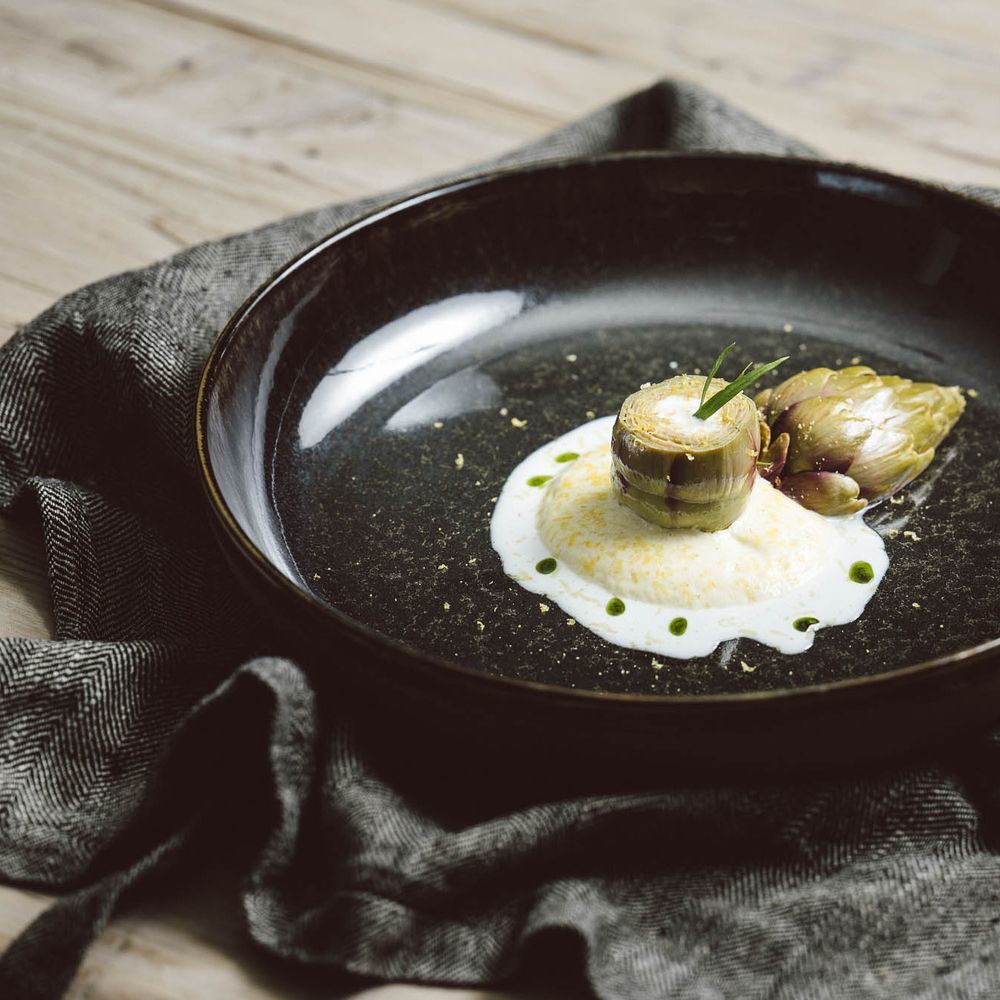
The documented dishes illustrate that method. Calf sweetbreads appear alongside amaranth prepared for crunch and nuttiness, barbecued red peppers, and braised apricots, with saffron hollandaise and veal head jus completing the plate. The construction is characteristic of the style: an offal-forward protein with textural contrast built from grains rather than bread crumbs, a stone-fruit component that bridges the richness of the sweetbreads, and a classical sauce refined through the lens of regional ingredients. The layering of contrasts, soft and crunchy, rich and acidic, animal and vegetable, is not accidental. It reflects a kitchen working with precision on flavour architecture rather than assembling components around a single dominant note.
Within Sankt Anton itself, Tannenhof operates at a different register from its neighbours. Alpin Gourmet Stube holds one Michelin star and pitches its modern cuisine format at a comparable price tier, while Hospiz Alm works a contemporary format at the same €€€€ price point. Endlich and Verwallstube operate at €€€, providing a mid-tier option for those who want a serious meal without the full commitment of a tasting menu evening. Tannenhof's two-star designation separates it as the only kitchen in the immediate village area at that level of Michelin recognition.
Format, Cellar, and the Dining Decision
The structure of the meal at Tannenhof offers a degree of flexibility that not all kitchens at this level provide. Guests can choose between a six-course set menu and an à la carte selection, which means the full menu architecture is available without being mandatory. That choice matters in a resort context where guests may have already skied a long day and want to calibrate the scale of the evening. In peer kitchens across the Alpine arc, the trend has generally been toward tasting-menu-only formats that maximise the kitchen's control over the experience; the à la carte option here places Tannenhof in a slightly more accessible bracket for the spontaneous or the less menu-intensive diner.
The wine list runs to around 600 international labels. At that depth, it moves beyond a selection into genuine cellar territory, covering enough breadth to match the kitchen's flavour range and enough depth for the serious wine drinker to find something of interest beyond the obvious Austrian producers. The Tyrolean Alps sit outside the major Austrian wine-growing regions concentrated further east, so the cellar's international scope is practically sensible as well as gastronomically appropriate. Complement that with the work of kitchens like Ikarus in Salzburg or Kräuterreich by Vitus Winkler in Sankt Veit im Pongau, and you begin to see how seriously the leading mountain-region Austrian kitchens treat their wine programs.
For those planning a broader dining itinerary across the western Austrian mountains, Die Geniesserstube im Alpenhof in Tux represents another Alpine fine dining option in the same regional tradition. And for anyone assembling a full picture of what Sankt Anton offers beyond the restaurant itself, the EP Club Sankt Anton am Arlberg restaurants guide covers the full range, from tasting menu evenings through to the village's broader dining offer. The hotels guide, bars guide, wineries guide, and experiences guide complete the picture for multi-day visits.
Planning a Visit
The restaurant is located at Nassereinerstraße 98 within the Hotel Tannenhof property above the centre of Sankt Anton am Arlberg. Given the two-star status and the limited capacity of a boutique hotel dining room, advance booking is strongly advisable, particularly during peak ski season from December through March when demand from hotel guests and destination diners competes for the same covers. The hotel's seven suites mean the dining room is not large, and at this level of recognition, walk-in availability on prime evenings should not be assumed. Landhaus Bacher in Mautern an der Donau offers an instructive parallel: Austrian fine dining at this tier, in a non-urban setting, operates on a booking model closer to urban Michelin tables than to resort casual dining.
The address is on the same circuit as Austria's most celebrated non-urban kitchens, and the trajectory of the La Liste score, rising 1.5 points between 2025 and 2026, signals a kitchen that is still developing rather than consolidating on a fixed formula. For anyone visiting Sankt Anton with a serious interest in what Alpine fine dining can do at its most rigorous, the Tannenhof dining room is the primary answer the village currently offers.
Frequently asked questions
What's the price range at Gourmetrestaurant Tannenhof?
Pricing at Gourmetrestaurant Tannenhof is listed as €€€€.
Cuisine and Credentials
| Venue | Cuisine | Price | Awards | Notes |
|---|---|---|---|---|
| Gourmetrestaurant TannenhofThis venue (the venue you are viewing) | Creative Alpine Modern Cuisine | $200–300 | 2 Michelin Stars · La Liste Top Restaurants | Not listed |
| Alpin Gourmet Stube | Contemporary Alpine Fine Dining | $100–150 | 1 Michelin Star | Modern Cuisine |
| Endlich | Modern Scandinavian Contemporary | Not listed | Michelin Plate | Not listed |
| Hospiz Alm | Tyrolean Fine Dining | $100–150 | Michelin Plate · Falstaff Restaurant - 95 Falstaff Points | Not listed |
| Verwallstube | Modern Austrian Gourmet | $50–100 | Michelin Plate | Not listed |
Recognition history
Dated appearances from independent guides and award organizations, with the underlying list record or original source where available.
Michelin 2 Stars
Michelin
La Liste Top Restaurants
La Liste
Falstaff Restaurant - 97 Falstaff Points
Falstaff
Opinionated About Dining Top Restaurants in Europe Ranked #528
Opinionated About Dining
Full recognition history (7 entries)
La Liste Top Restaurants
La Liste
Michelin 2 Stars
Michelin
Michelin 2 Stars
Michelin
Continue exploring
More in Sankt Anton am Arlberg
Restaurants in Sankt Anton am Arlberg
All restaurants in Sankt Anton am Arlberg →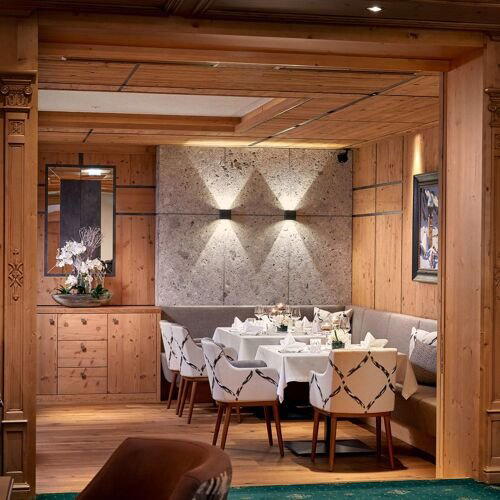
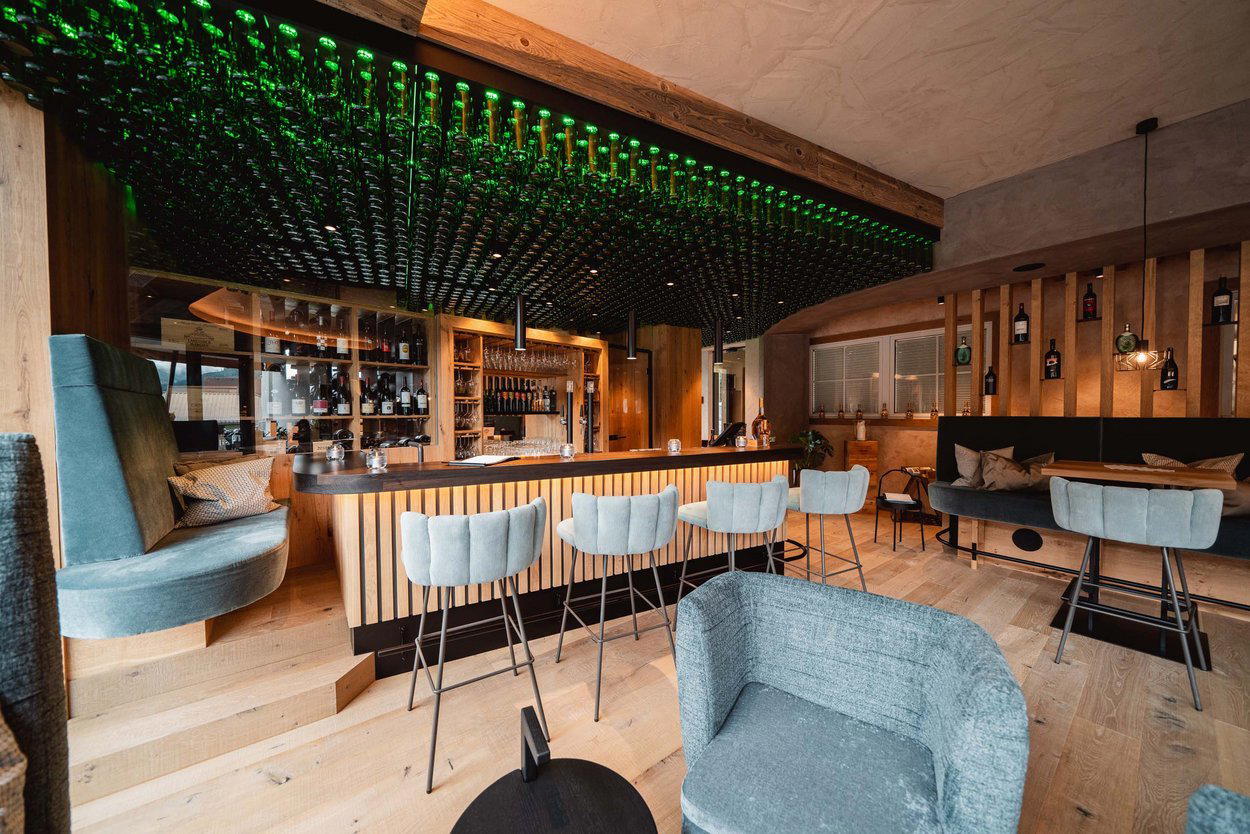
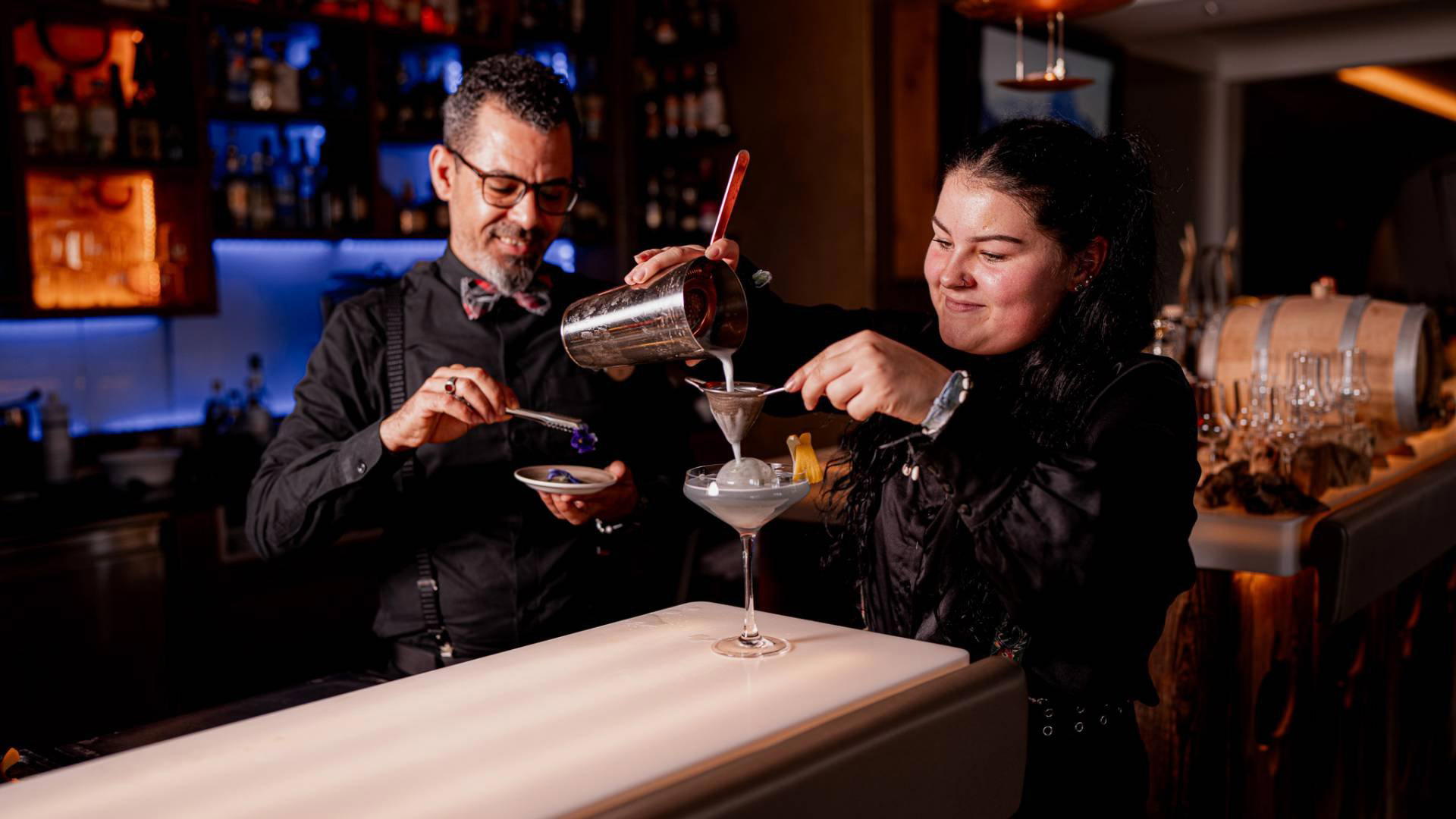
Bars in Sankt Anton am Arlberg
Browse all →
Hotels in Sankt Anton am Arlberg
All hotels in Sankt Anton am Arlberg →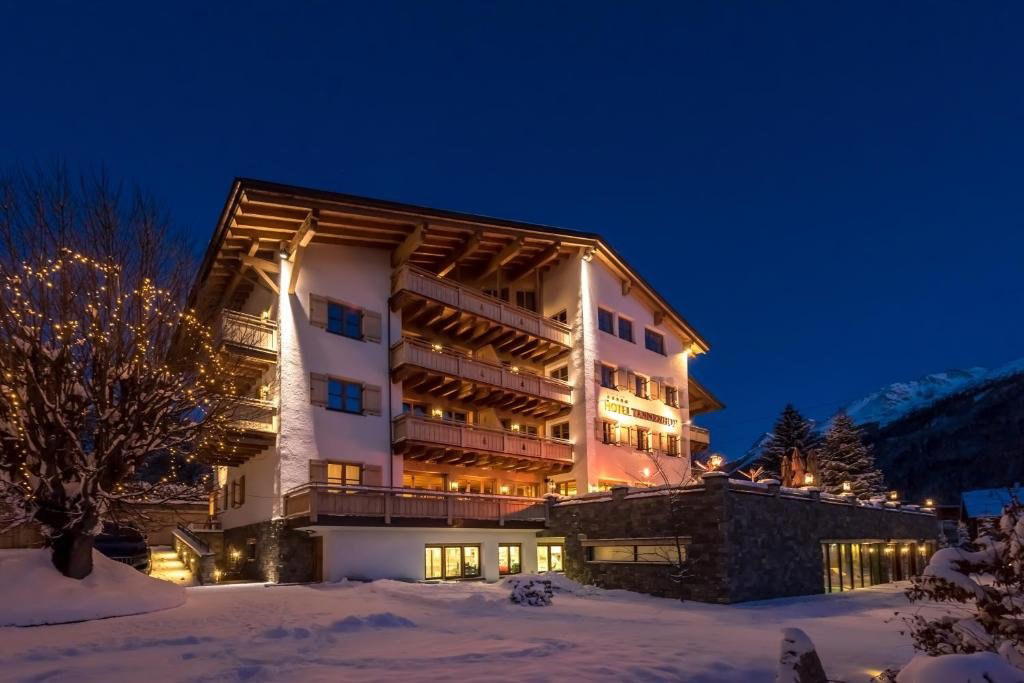
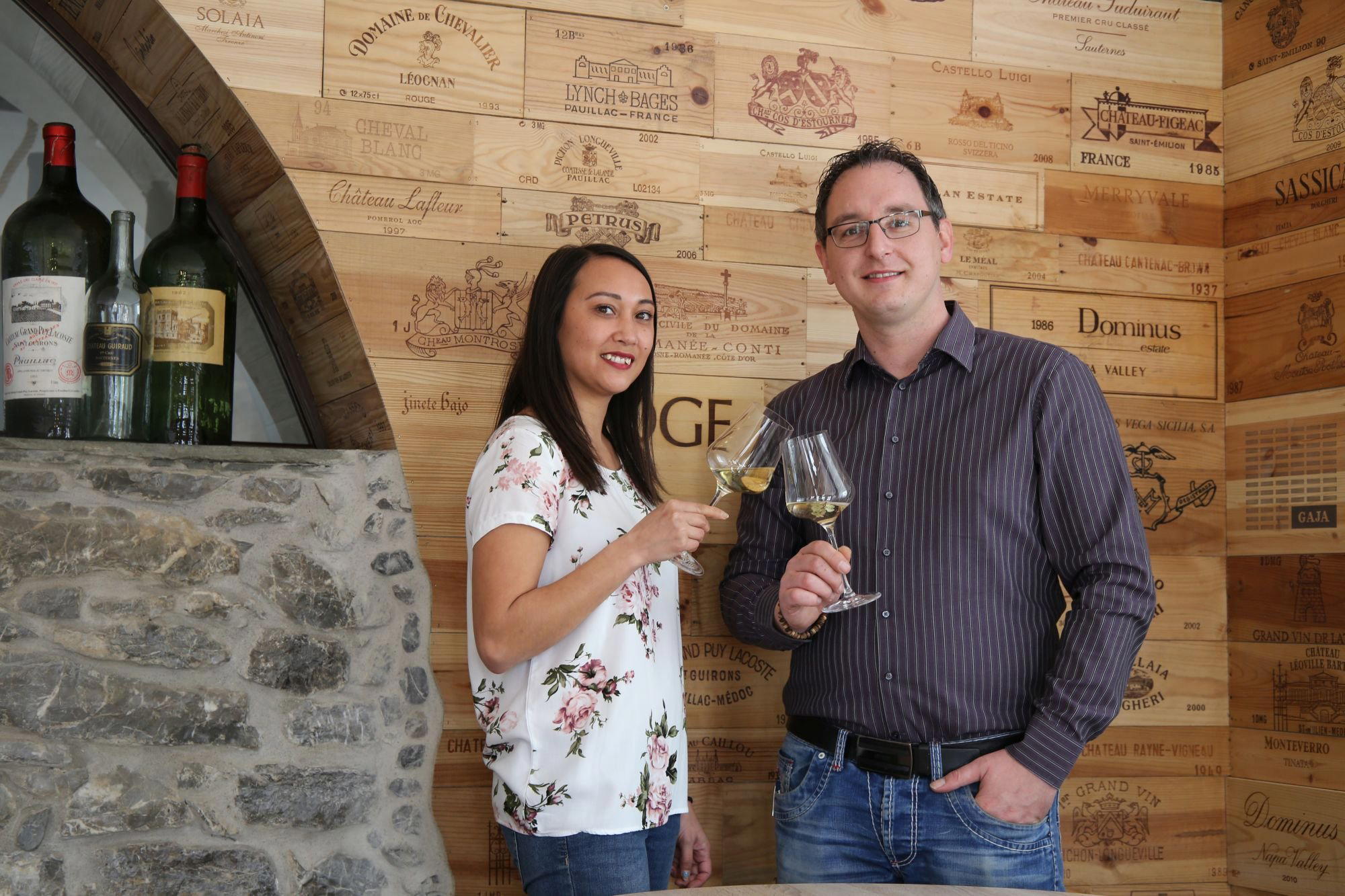
Wineries in Sankt Anton am Arlberg
Browse all →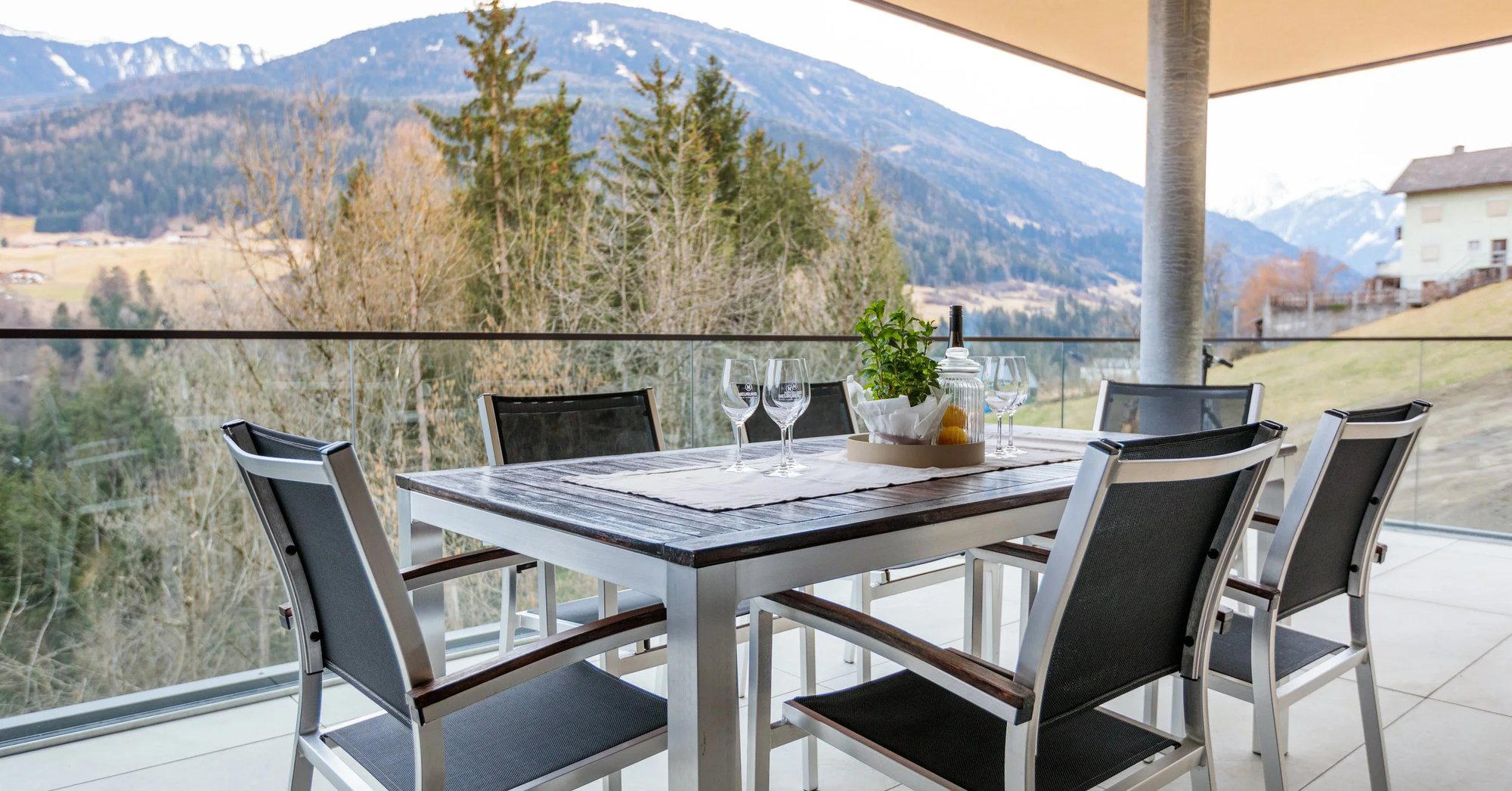

Gourmetrestaurant Tannenhof
The wine
- Wine program
- Deep wine list
- Extensive wine list
- Sommelier-led
- Craft cocktails
Details
- Elegant
- Sophisticated
- Cozy
- Special Occasion
- Date Night
- Terrace
- Panoramic View
- Hotel Restaurant
- Extensive Wine List
- Sommelier Led
- Craft Cocktails
- Local Sourcing
- Mountain
- Tasting Menu
- A La Carte
Current opening hours
- Monday
- Closed
- Tuesday
- Closed
- Wednesday
- 6 PM–12 AM
- Thursday
- 12 AM–5 PM, 6–8:30 PM
- Friday
- 6–8:30 PM
- Saturday
- 6–8:30 PM
- Sunday
- 6–8:30 PM
Hours can change for holidays and private events. Hours as of .
Elegant and sophisticated with magnificent views through large windows and a wonderful terrace; nonchalant and relaxed atmosphere without stiffness.