Plachutta Stammhaus Hietzing in Vienna's 13th district is the quieter, residential counterpart to the brand's more central locations, serving the Tafelspitz tradition that made the Plachutta name synonymous with Viennese boiled beef. For visitors willing to travel past the Ring, it offers a more local cadence than the tourist-facing Inner Stadt alternatives.
Pearl is the En Primeur Club membership app — saves, bookings, and concierge access live there. Same editors, same standards.
- Address
- Auhofstraße 1, 1130 Wien, Austria
- Phone
- +434318777087
- Website
- plachutta.at
- Directions
- Get directions
 Saves & bookings on Pearl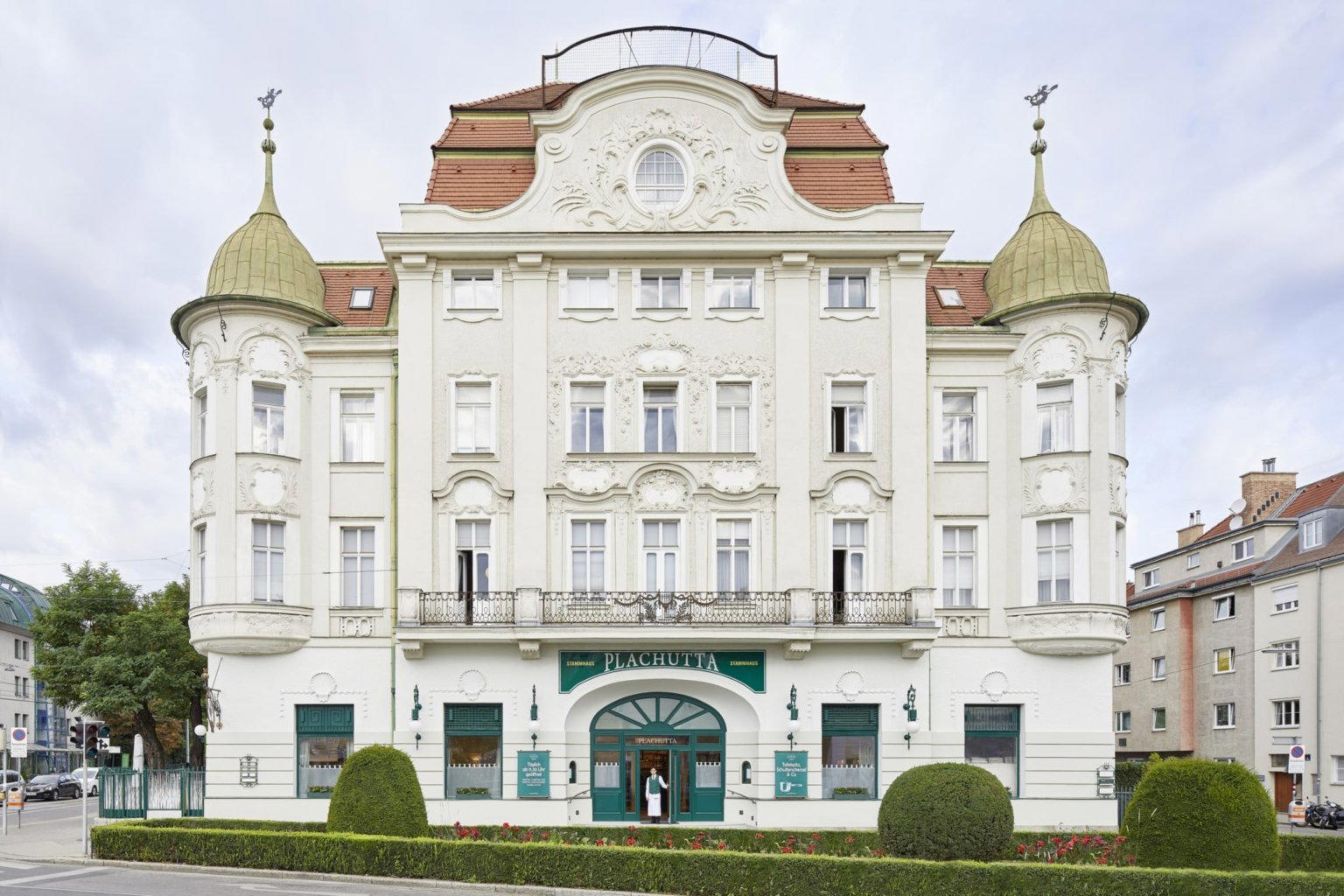
The 13th District Table: Planning a Visit to Plachutta Stammhaus Hietzing
Hietzing operates at a different register than Vienna's central dining corridors. The 13th district sits beyond Schönbrunn, where the city's residential grain reasserts itself and the restaurant trade follows suit: fewer tourists, less foot traffic, and a clientele that has been eating in the same rooms for decades. Plachutta Stammhaus Hietzing on Auhofstraße serves Classic Viennese Cuisine in Vienna's 13th district. Arriving here by tram along the Wienzeile extension rather than a hotel taxi already adjusts your expectations in the right direction.
What the Plachutta Name Means in Vienna
No serious account of Viennese dining skips the question of Tafelspitz. The dish, a slow-boiled cut of beef served with broth, root vegetables, and accompaniments such as creamed spinach and apple-horseradish, has been the reference point for traditional Viennese cooking since the Habsburg court period. The Plachutta family codified and popularised this tradition across several Vienna locations from the 1980s onward, and the name became the shorthand for Tafelspitz done with institutional seriousness: precise cut selection, broth quality, and tableside service of the copper pot. That reputation carries across all Plachutta addresses, including Hietzing. Vienna's upper-tier creative kitchens, among them Steirereck im Stadtpark, Amador, and Konstantin Filippou, operate in a different competitive tier entirely, their menus defined by contemporary technique and tasting formats. Plachutta sits apart from that cohort by design, anchoring the classical end of the city's dining spectrum rather than competing for the same Michelin bracket.
That separation matters when thinking about where Hietzing fits. Vienna's modern Austrian restaurants, including Mraz & Sohn and Doubek, engage with Austrian culinary heritage through a reinterpretive lens. Plachutta does not reinterpret. It executes. That distinction defines the audience and the booking logic: you are not coming for a chef's personal statement but for among the more practised renditions of a specific civic dish in the city where that dish originated.
The Booking Experience: What to Know Before You Go
Unlike the tightly controlled reservation windows at Vienna's high-demand tasting-menu addresses, where forward planning of several weeks is standard, a traditional restaurant in a residential district follows different patterns. Midweek lunches are generally more accessible than weekend evenings, and the regulars who have been coming here for years tend to cluster on Fridays and Saturdays. The Stammhaus designation, meaning founding or home address, carries a particular loyalty for that local contingent.
For visitors whose Vienna itinerary is concentrated in the Inner Stadt or the 1st district, the logistical investment of reaching Hietzing deserves honest accounting. The U4 line stops at Hietzing station, a journey of roughly fifteen minutes from Karlsplatz, which makes the district accessible without a taxi. But the visit requires intention: this is not a restaurant you pass on the way to something else. That barrier is, in practice, a filter. The dining room at Plachutta Hietzing runs at a calmer pace than a central-city address, with a clientele that is proportionally more Viennese and proportionally less international than the Wollzeile or Bäckerstrasse locations. If that trade-off appeals, the logistics are worth solving.
Booking through the restaurant's website or by telephone is the standard approach across Plachutta locations. Walk-in availability at quieter periods has historically existed, but relying on it for weekend dinner involves real risk of a wasted journey. Given the U4 commute, making a reservation is the prudent move.
The Tradition on the Plate
Tafelspitz is not a single experience but a taxonomy. The Plachutta menu structure typically lists multiple beef cuts, each with its own texture and fat distribution, served from the copper pot in which the broth has simmered. The choice of cut is the first decision a knowledgeable diner makes. The broth itself is often served as a starter, poured over a marrow bone or with a semolina dumpling, before the main cut arrives. The accompaniments follow: horseradish preparations, chive sauce, spinach, roast potatoes. The architecture of the meal is fixed; the variables are in the execution quality and the cut selection. That discipline, more production system than creative kitchen, is precisely what the tradition requires to work.
Austria's dining geography extends well beyond Vienna, and a broader appreciation of Austrian classical cooking can be assembled by combining a Hietzing visit with trips to restaurants such as Landhaus Bacher in Mautern an der Donau or Obauer in Werfen, both of which engage with Austrian produce and tradition at high technical levels. For the Alpine end of that spectrum, Döllerer in Golling an der Salzach and Griggeler Stuba in Lech represent different regional expressions. Mountain-adjacent creative cooking appears at Gourmetrestaurant Tannenhof in Sankt Anton am Arlberg, Ikarus in Salzburg, Kräuterreich by Vitus Winkler in Sankt Veit im Pongau, Ois in Neufelden, Restaurant 141 by Joachim Jaud in Mieming, and Schwarzer Adler in Hall in Tirol. Plachutta Hietzing belongs to the Vienna end of this wider map, anchoring the traditional civic dining category as those other addresses work across the modern and regional spectrum.
Internationally, the discipline involved in a single-dish institutional format has analogues in the tasting-counter world: Le Bernardin in New York City similarly commits to a format and executes it with institutional consistency, while Atomix in New York City represents the opposite end of the formality and format spectrum.
Planning Your Visit
Address: Auhofstraße 1, 1130 Wien, Austria. Getting there: U4 line to Hietzing station, then a short walk. Reservations: Recommended for weekend evenings; consult the Plachutta group website for current booking options and hours. Dress: Smart casual is appropriate for the neighbourhood setting; the room does not require formal dress. Budget: Approximately $45 per person. Leading timing: Midweek lunch offers one relaxed pace and a stronger chance of a table without advance booking.
Pricing, Compared
Comparable venues nearby, for context on price, style, and recognition.
| Venue | Cuisine | Price | Notes |
|---|---|---|---|
| Plachutta Stammhaus HietzingThis venue — the venue you are viewing | Hietzing, Classic Viennese Cuisine | $$$ | Not listed |
| Heu & Gabel | Gaudenzdorf, Austrian Seasonal Organic | $$$ | Not listed |
| Oswald & Kalb | Innere Stadt, Traditional Viennese | $$$ | Not listed |
| Lokal im Hof | Not listed | $$$ | Favoriten, Modern Austrian with International Influences |
| Kärntnerei Kasnudel | Hernals, Carinthian Kasnudeln | $$ | Not listed |
| Joseph II. Schloss-Restaurant Schönbrunn | Schonbrunn, Authentic Viennese | $$$ | Not listed |
Continue exploring
More in Vienna
Restaurants in Vienna
Browse all →
![[aend] restaurant in Vienna](https://cdn.enprimeurclub.com/storage/v1/object/public/images/locations/recsVyRkMfzCxPmp0/hero2.jpg?width=3840&quality=75)
Bars in Vienna
Browse all →

Hotels in Vienna
Browse all →
At a Glance
- Classic
- Well Known
- Elegant
- Cozy
- Date Night
- Business Dinner
- Group Dining
- Family
- Celebration
- Special Occasion
- Historic Building
- Standalone
- Terrace
- Beer Program
- Local Sourcing
Current opening hours
- Monday
- 11:30 AM–11 PM
- Tuesday
- 11:30 AM–11 PM
- Wednesday
- 11:30 AM–11 PM
- Thursday
- 11:30 AM–11 PM
- Friday
- 11:30 AM–11 PM
- Saturday
- 11:30 AM–11 PM
- Sunday
- 11:30 AM–11 PM
Hours can change for holidays and private events. Last verified .
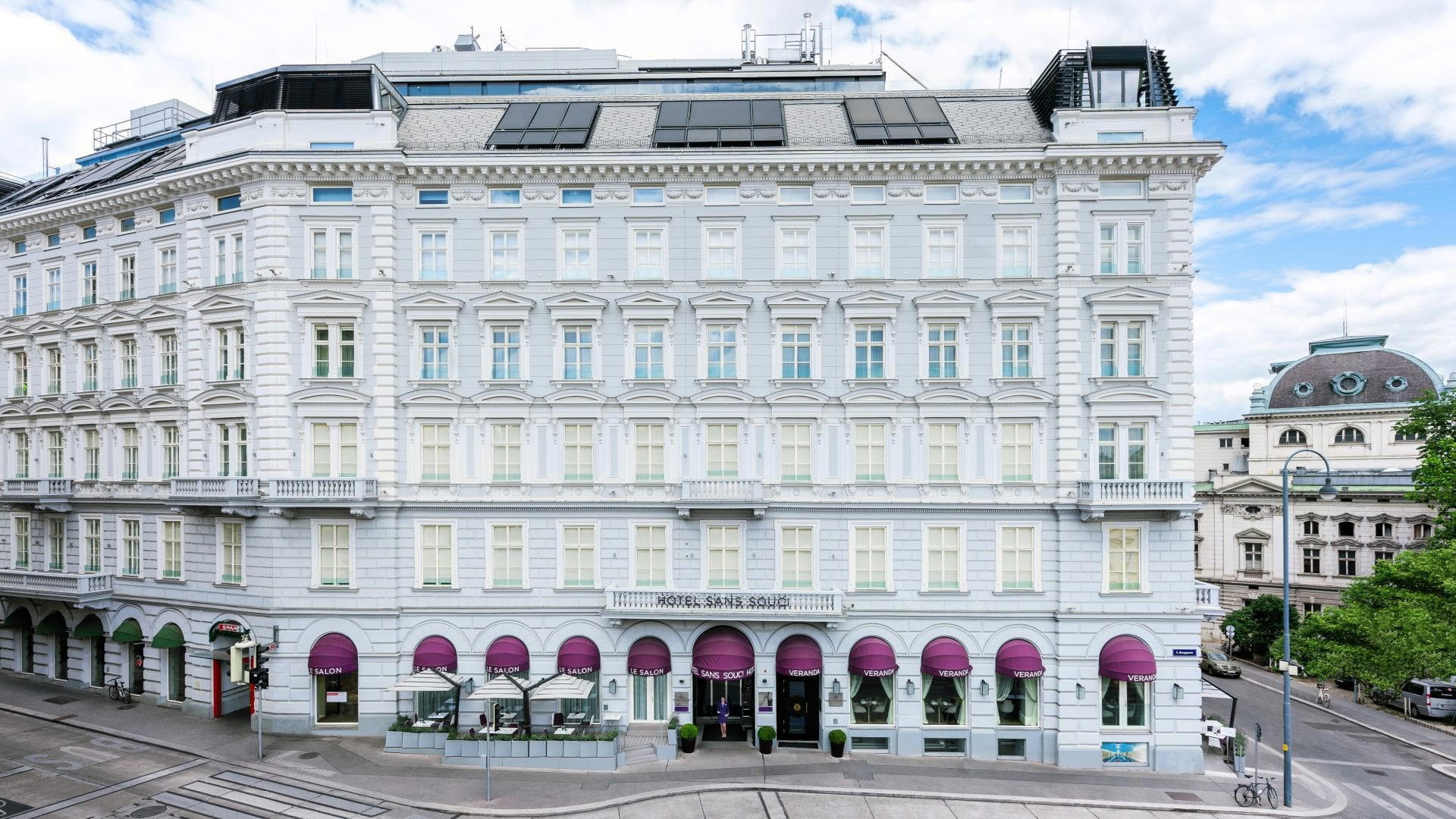
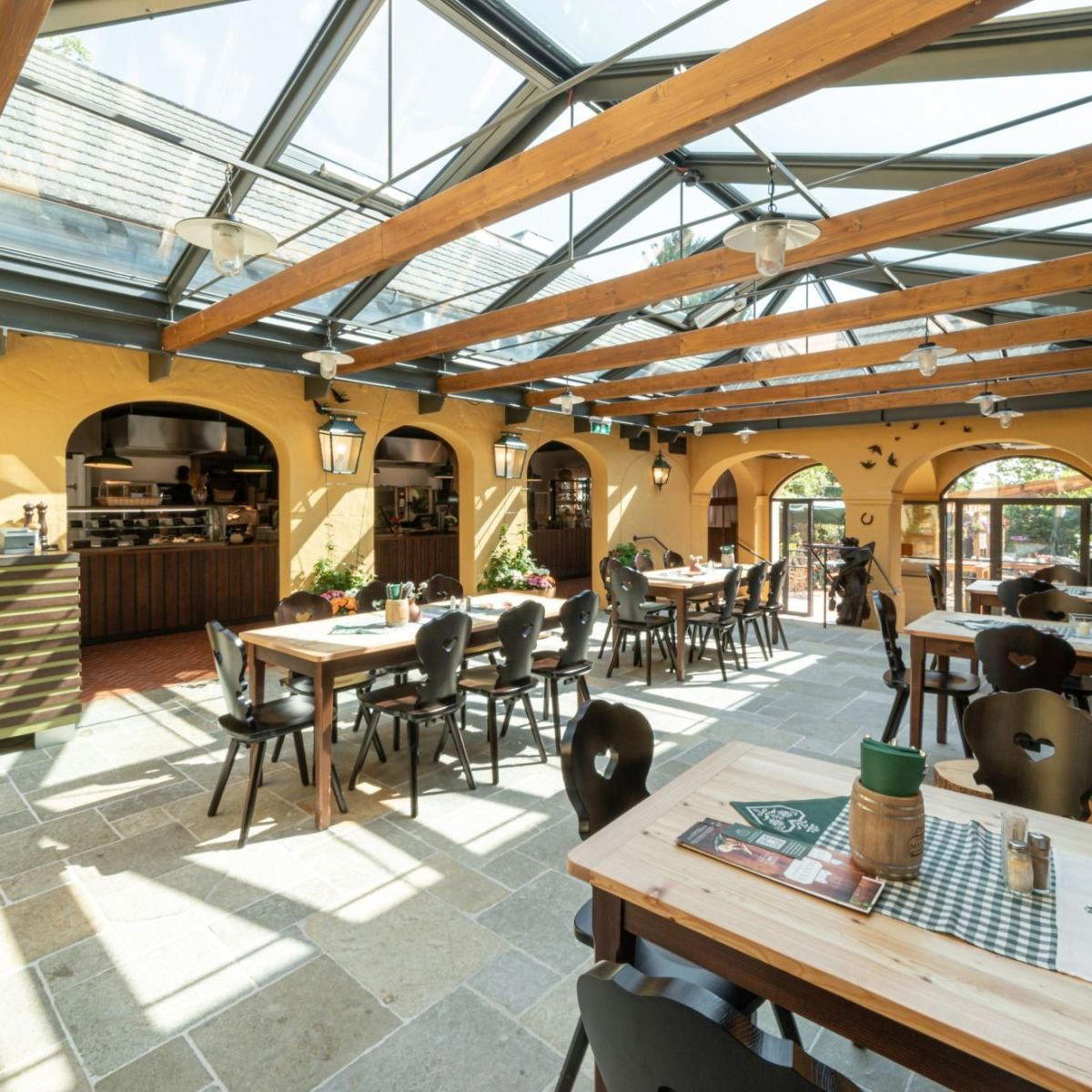
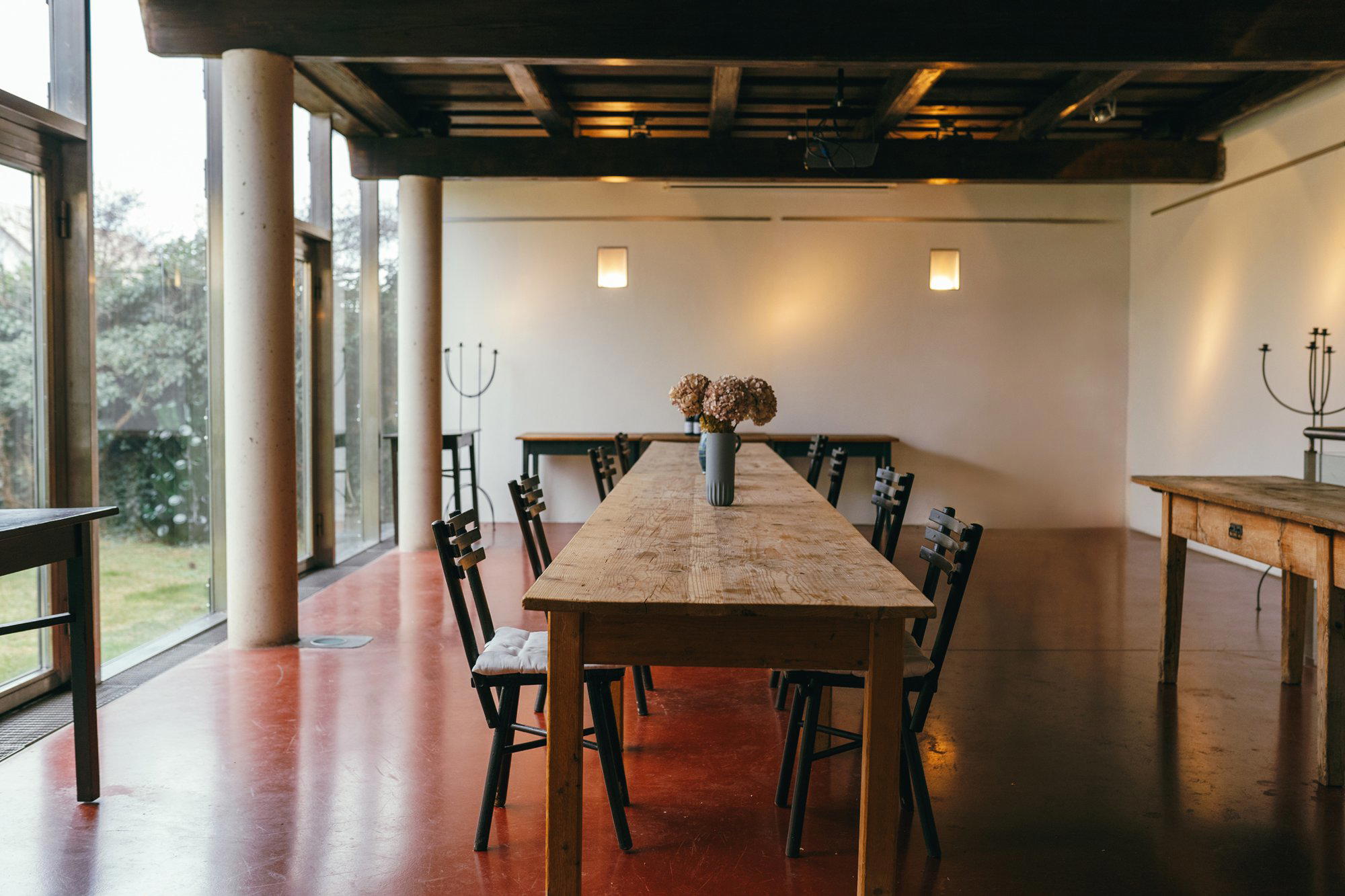
Warm and welcoming atmosphere in a grand building with traditional Viennese charm, designed to make guests feel pampered and cosseted.