



1 Michelin Star · Star Wine List · Falstaff Restaurant - 95 Falstaff Points
Our verdict
A former Alsergrund pub converted into one of Vienna's most compelling casual fine dining destinations, Pramerl & the Wolf operates on a surprise menu format driven by ingredient quality rather than ceremony. Ranked #267 in Europe by Opinionated About Dining in 2025 and awarded a White Star on Star Wine List, it delivers serious cooking in an atmosphere that refuses to take itself too seriously.

Pearl is the En Primeur Club membership app, where members save venues, book tables and use the concierge.
The menu
What to order
- Seafood carbonara
- Turbot with Iberico ham sauce
Pramerl & the Wolf
Vienna's Ninth District and the Case for Informal Ambition
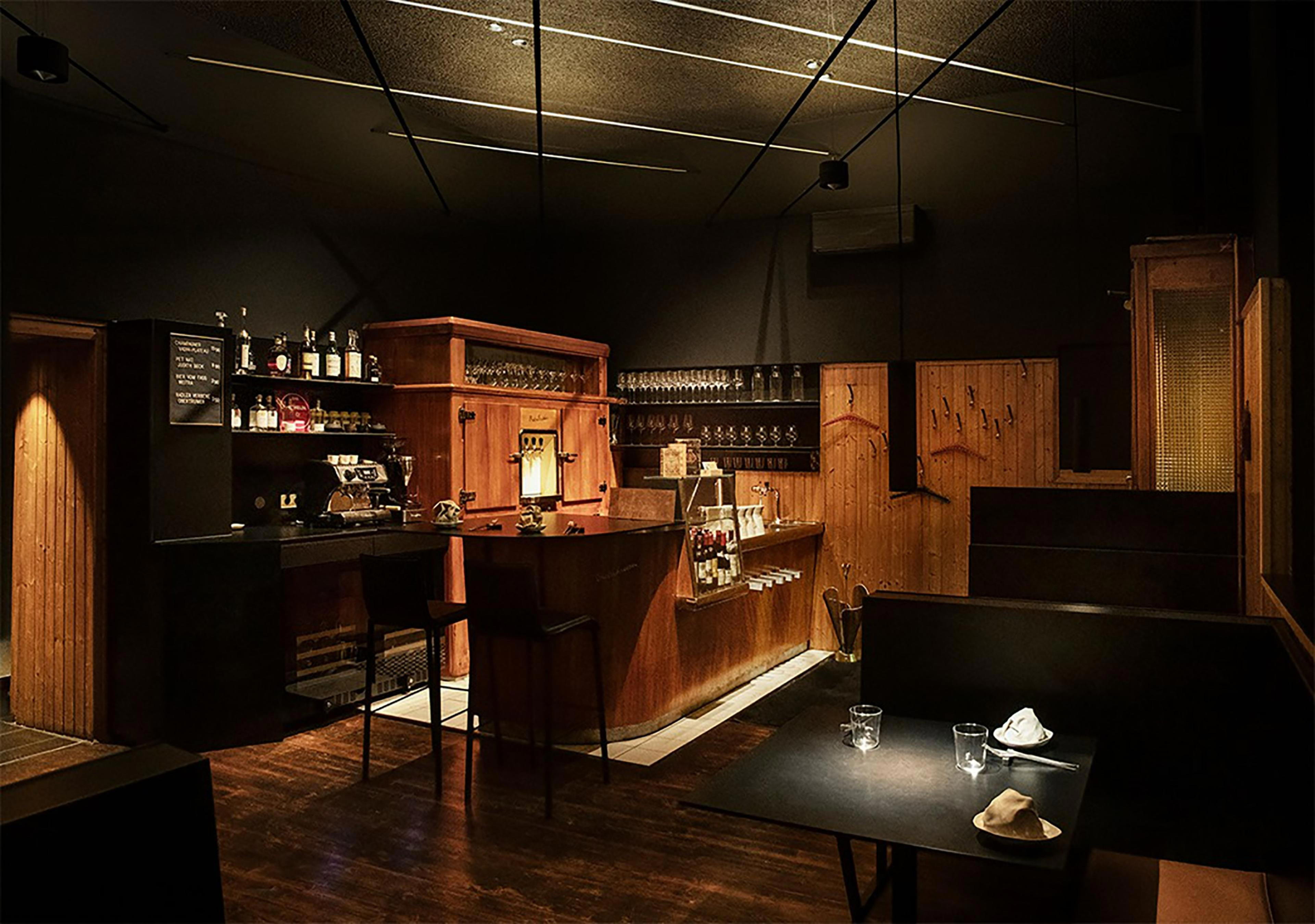
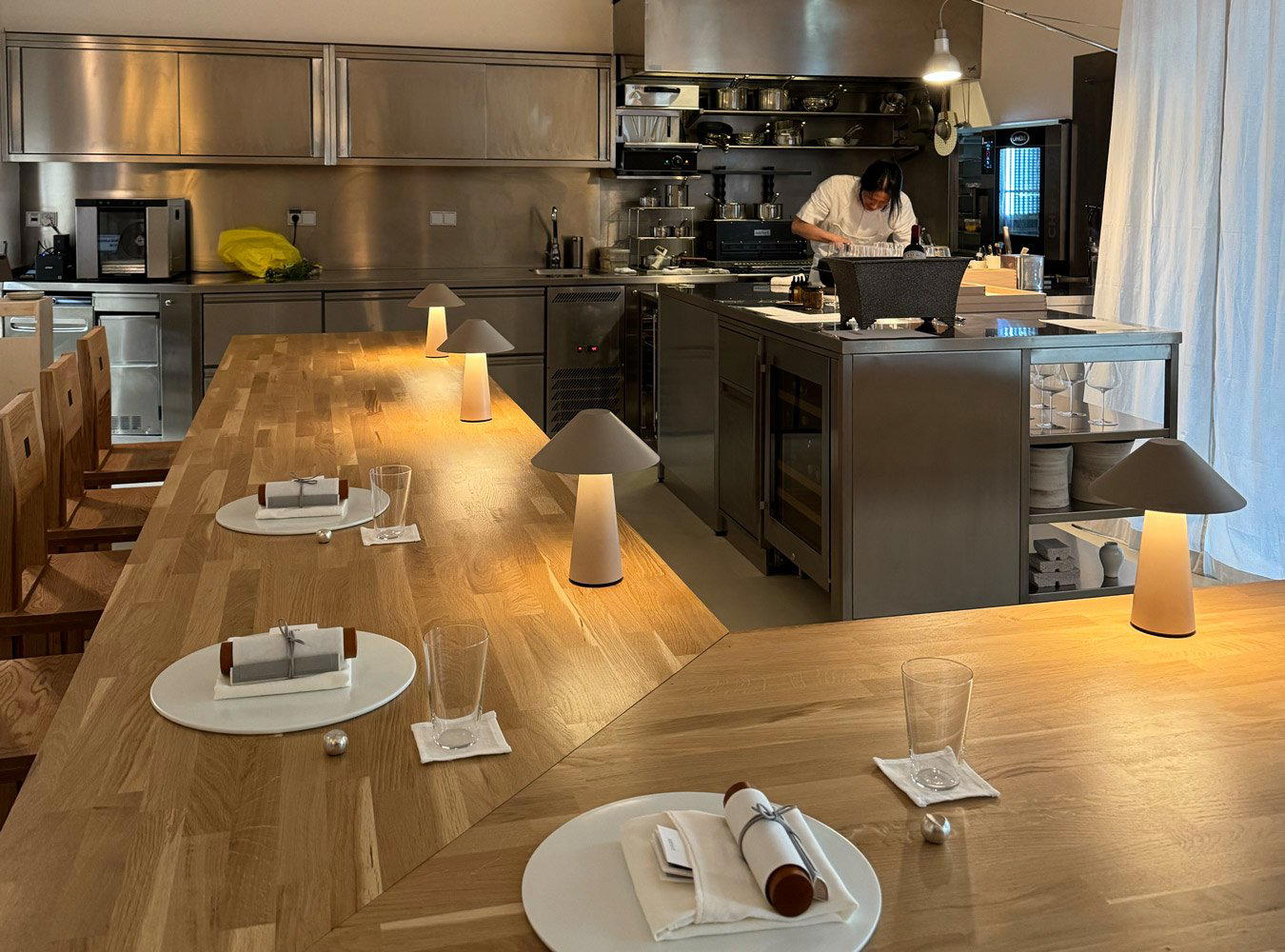
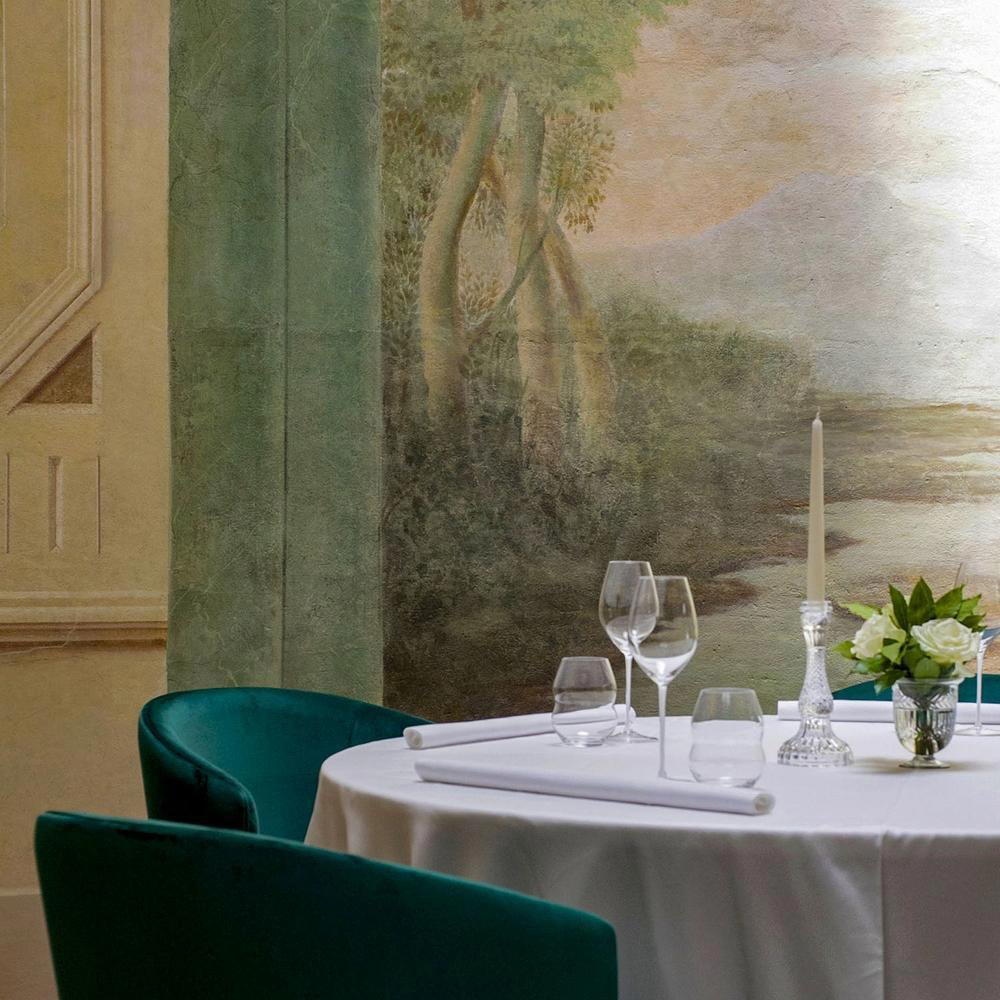
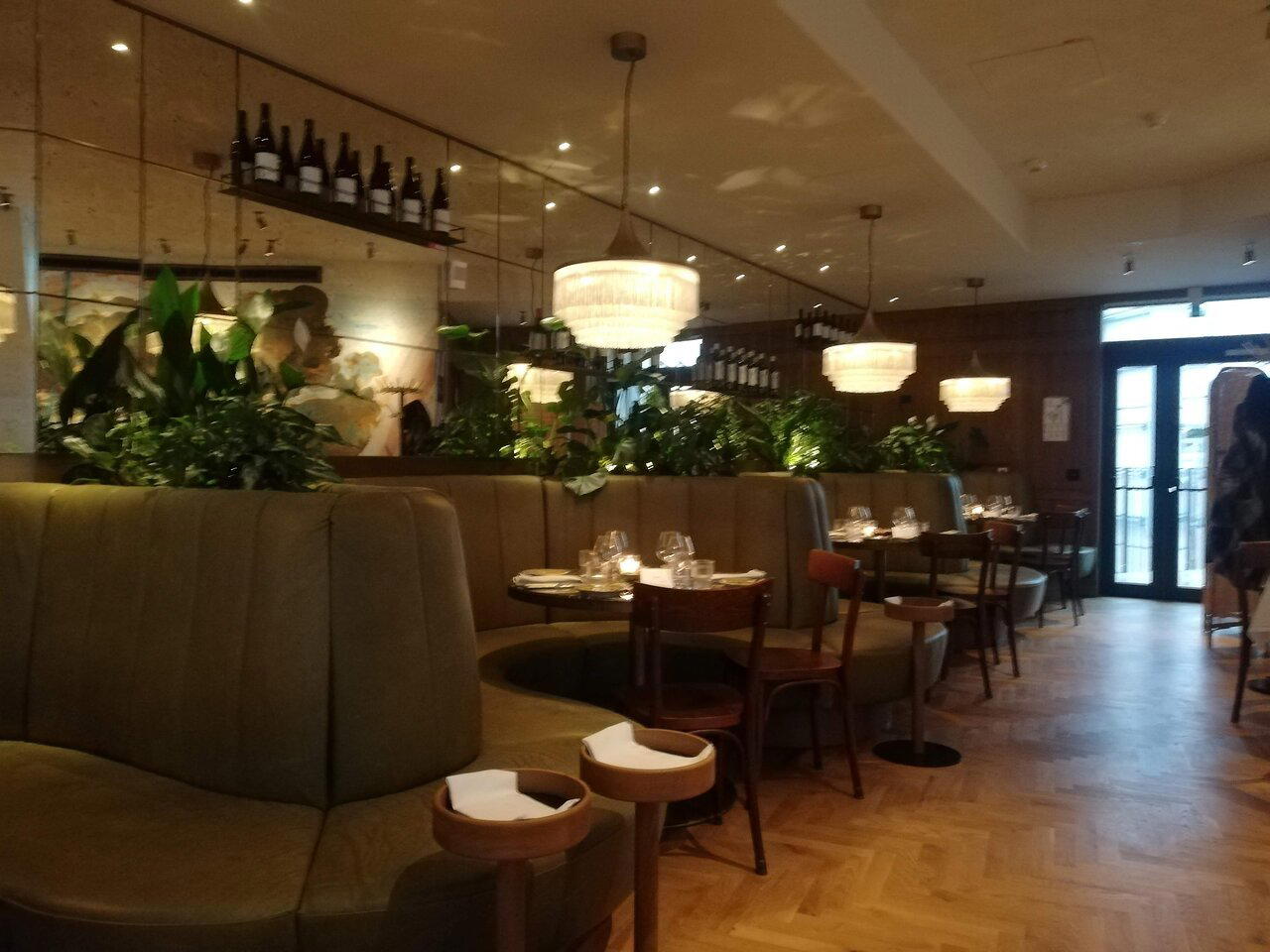
Vienna's fine dining map has long clustered around the first district and the Stadtpark, where formal rooms and classical service still define the upper tier. The ninth district, Alsergrund, operates differently. This is a residential neighbourhood of university buildings, independent wine bars, and corner restaurants that have never needed the city's tourist infrastructure to fill their tables. Pramerl & the Wolf sits in that environment, at Pramergasse 21, occupying what was once a neighbourhood pub. The bones of the original room remain: the kind of space where the light comes in at a practical angle, the noise level reflects an actual crowd, and nobody is adjusting a napkin for you between courses. What has changed is everything on the plate.
What Casual Fine Dining Means in Practice
The phrase "casual fine dining" has been diluted by overuse, but at Pramerl & the Wolf it describes something specific and earned. Opinionated About Dining, one of the more analytically rigorous restaurant rankings in Europe, placed the restaurant at #267 on its 2025 Leading Restaurants in Europe list, up from #284 in 2024, a consistent upward trajectory that started with a Highly Recommended designation on the Leading New Restaurants list in 2023. That three-year arc from new entry to top-300 European ranking tells you more than any single accolade: the cooking is holding and improving, and the room is drawing the kind of repeat attention from serious eaters that rankings reflect over time.
Across Vienna's €€€€ tier, which also includes Steirereck im Stadtpark, Mraz & Sohn, Konstantin Filippou, and Amador, the format at Pramerl & the Wolf is a deliberate outlier. Where its peers lean on polish, dining room architecture, and ceremony as part of the value proposition, this kitchen frames its argument almost entirely through ingredients and contrast. The front-of-house, described by OAD reviewers as friendly and highly competent, operates without the stiffness that can make tasting menus feel like an endurance event. That choice in service register is a statement, not an oversight.
The Surprise Menu Format and What It Signals
The menu at Pramerl & the Wolf is a surprise format: guests receive what chef Wolfgang Zankl and the kitchen are cooking that evening, with dishes built around available ingredients rather than a fixed card. This approach is more common in northern European restaurants than in Vienna's traditionally structured dining culture, and its presence here reflects a broader shift that has been reshaping mid-to-upper-tier restaurants across the continent over the past decade. When a kitchen removes the safety net of a pre-published menu, it is committing to sourcing quality and daily decision-making as its primary discipline, the kind of commitment that either produces very good food or exposes its absence immediately.
The OAD citation specifically notes that dishes "draw on modern inspiration and feature contrasts that work well" and that the menu keeps "focus squarely on the excellent ingredients." That language is precise and meaningful in the context of OAD's reviewing methodology, which weights technique and ingredient treatment over theatrics. For a restaurant operating at the €€€€ price point without the structural overhead of a major dining room or celebrity-driven kitchen, the surprise format is also a sound operational choice: it reduces food waste, allows responsive seasonal sourcing, and keeps kitchen energy directed at execution rather than menu maintenance.
Wine Program Recognition
Star Wine List awarded Pramerl & the Wolf a White Star in December 2022, placing it among the smaller cohort of European restaurants where the wine program earns independent recognition. In the context of a surprise-menu-format restaurant, a strong wine list matters more than it might elsewhere: without a fixed menu to plan around, the sommelier and front-of-house carry more responsibility for pairing decisions in real time. The White Star recognition confirms that the program has the depth to support that kind of flexibility. For diners navigating Vienna's wine culture, which runs considerably deeper than the city's international profile suggests, this is a relevant signal. See our full Vienna wineries guide for broader context on the region's producers.
The Value Proposition at €€€€
At €€€€ pricing, Pramerl & the Wolf occupies the same tier as the most formally appointed rooms in Vienna. That alignment is worth examining. The value argument here is not that the restaurant is inexpensive, it is not, but that what arrives at the table, in a room where the atmosphere is genuinely relaxed and the service is technically skilled without being performative, represents a different kind of return on spend than a comparable budget deployed at a starched tablecloth operation. The surprise menu removes the decision-making overhead that can make tasting menus feel transactional. You arrive, you eat what is good that day, and the kitchen takes responsibility for the quality of that decision. For a segment of European dining at this price level, that is still a relatively rare offer.
Getting There and When to Go
Opinionated About Dining includes a specific transit note in its citation: take the U4 underground line. Pramergasse 21 sits in the ninth district, accessible without a taxi, and the neighbourhood context is part of the experience, this is not a dining destination that requires navigating the first district's restaurant row. The kitchen opens Wednesday through Saturday, with Thursday and Friday starting at 7 PM and Friday and Saturday from 6 PM. Monday, Tuesday, and Sunday are closed, which is a relatively compressed operating week for a restaurant at this tier; booking ahead is advisable. Reservations should be made in advance given the combination of limited operating nights and the restaurant's growing European profile.
For anyone building a Vienna dining itinerary around the ninth district, the neighbourhood supports a longer evening: independent wine bars and cafés in Alsergrund are well-suited to a drink before or after the meal. Our full Vienna bars guide and full Vienna restaurants guide cover the wider city context, and for those extending to other Austrian regions, Döllerer in Golling an der Salzach, Ikarus in Salzburg, and Obauer in Werfen represent the range of serious cooking available within a few hours of the capital. Beyond Austria, Alléno Paris au Pavillon Ledoyen and Enrico Bartolini in Milan offer a useful frame for where the creative European tasting menu format is operating at its furthest reach.
Also worth considering for those exploring Austria more broadly: Gourmetrestaurant Tannenhof in Sankt Anton am Arlberg, Griggeler Stuba in Lech, and Kräuterreich by Vitus Winkler in Sankt Veit im Pongau. Our full Vienna hotels guide and full Vienna experiences guide are available for planning the broader visit. For a comparable Vienna perspective from a different angle, Doubek offers another point of reference within the city's serious dining circuit.
Frequently asked questions
What should I eat at Pramerl & the Wolf?
There is no fixed menu to select from at Pramerl & the Wolf: the kitchen runs a surprise format, meaning the dishes served on any given evening reflect what the team is cooking with that day. The OAD citation describes the approach as ingredient-led, with modern-inspired dishes that work through contrast rather than accumulation. The practical implication for diners is that dietary requirements and restrictions should be communicated at booking or on arrival, and the experience is structured around trusting the kitchen's judgment. Given the restaurant's European ranking and White Star wine recognition, that trust is reasonably well-supported by the record.
The Short List
A compact comparison to help you place this venue among nearby peers.
| Venue | Cuisine | Price | Awards | Notes |
|---|---|---|---|---|
| Pramerl & the WolfThis venue (the venue you are viewing) | Modern European Fine Dining | $150–200 | 1 Michelin Star · Star Wine List | Not listed |
| Steirereck im Stadtpark | Modern Austrian Fine Dining | $200–300 | 3 Michelin Stars · World's 50 Best #33 | Creative |
| Mraz & Sohn | Contemporary Austrian Fusion | $150–200 | 2 Michelin Stars · La Liste Top Restaurants | Modern Austrian, Creative |
| Silvio Nickol Gourmet Restaurant | Modern Austrian Fine Dining | $300–500 | 2 Michelin Stars · La Liste Top Restaurants | Modern Cuisine |
| Konstantin Filippou | Modern Fish-Led Fine Dining | $200–300 | 2 Michelin Stars · La Liste Top Restaurants | Modern European, Modern Cuisine |
| APRON | Modern Austrian Fine Dining | $150–200 | 1 Michelin Star · Falstaff Restaurant - 95 Falstaff Points | Austrian, Creative |
Recognition history
Dated appearances from independent guides and award organizations, with the underlying list record or original source where available.
Michelin 1 Star
Michelin
Star Wine List
Star Wine List
Falstaff Restaurant - 95 Falstaff Points
Falstaff
Opinionated About Dining Top Restaurants in Europe Recommended
Opinionated About Dining
Full recognition history (9 entries)
Michelin 1 Star
Michelin
Opinionated About Dining Top Restaurants in Europe Ranked #267
Opinionated About Dining
Michelin 1 Star
Michelin
Opinionated About Dining Top Restaurants in Europe Ranked #284
Opinionated About Dining
Opinionated About Dining Top New Restaurants in Europe Highly Recommended
Opinionated About Dining
Continue exploring
More in Vienna
Restaurants in Vienna
All restaurants in Vienna →
Bars in Vienna
All bars in Vienna →
Pramerl & the Wolf
The wine
- Wine program
- Deep wine list
- Extensive wine list
- Sommelier-led
Details
- Intimate
- Cozy
- Modern
- Elegant
- Date Night
- Special Occasion
- Open Kitchen
- Extensive Wine List
- Sommelier Led
- Local Sourcing
- Tasting Menu
- Wine
- Vegetarian Friendly
- Vegan Options
Current opening hours
- Monday
- Closed
- Tuesday
- Closed
- Wednesday
- 7 PM–12 AM
- Thursday
- 7 PM–12 AM
- Friday
- 6 PM–12 AM
- Saturday
- 6 PM–12 AM
- Sunday
- Closed
Hours can change for holidays and private events. Hours as of .
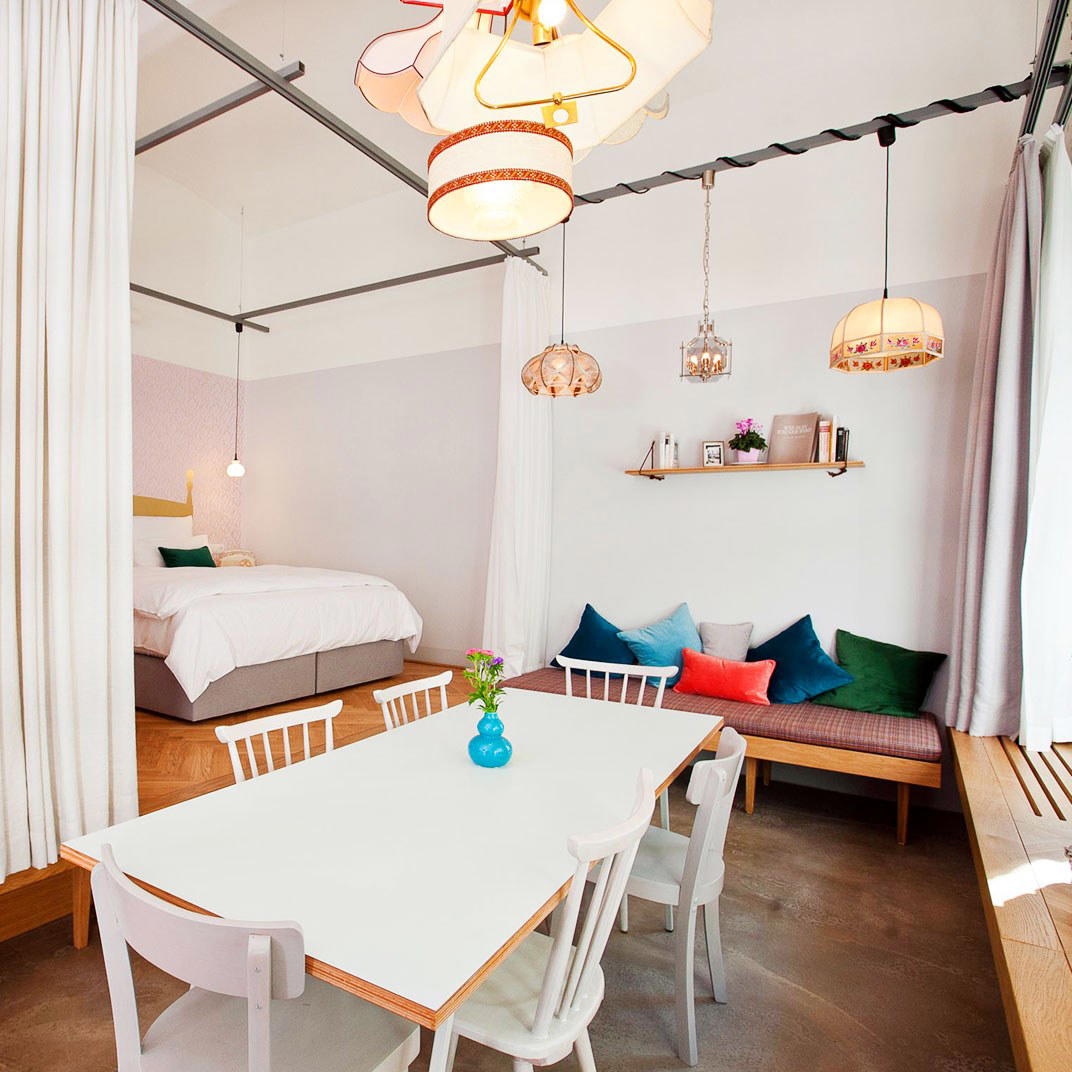
Cozy, intimate, and informal atmosphere with warm, personal service in a small space resembling a living room.