




Among Vienna's inner-city luxury hotels, the Mandarin Oriental on Riemergasse occupies a quieter register than the grand boulevard properties on the Ring. Its wine program has earned Star Wine List recognition for 2026, placing it in a select tier of hotel bars and restaurants where cellar depth and sommelier expertise are treated as seriously as room design. Forbes Travel Guide has the property under active assessment.
Pearl is the En Primeur Club membership app — saves, bookings, and concierge access live there. Same editors, same standards.
- Address
- Riemergasse 7, Vienna
- Phone
- 43-1-890-68880
- Website
- mandarinoriental.com
- Directions
- Get directions
 Saves & bookings on Pearl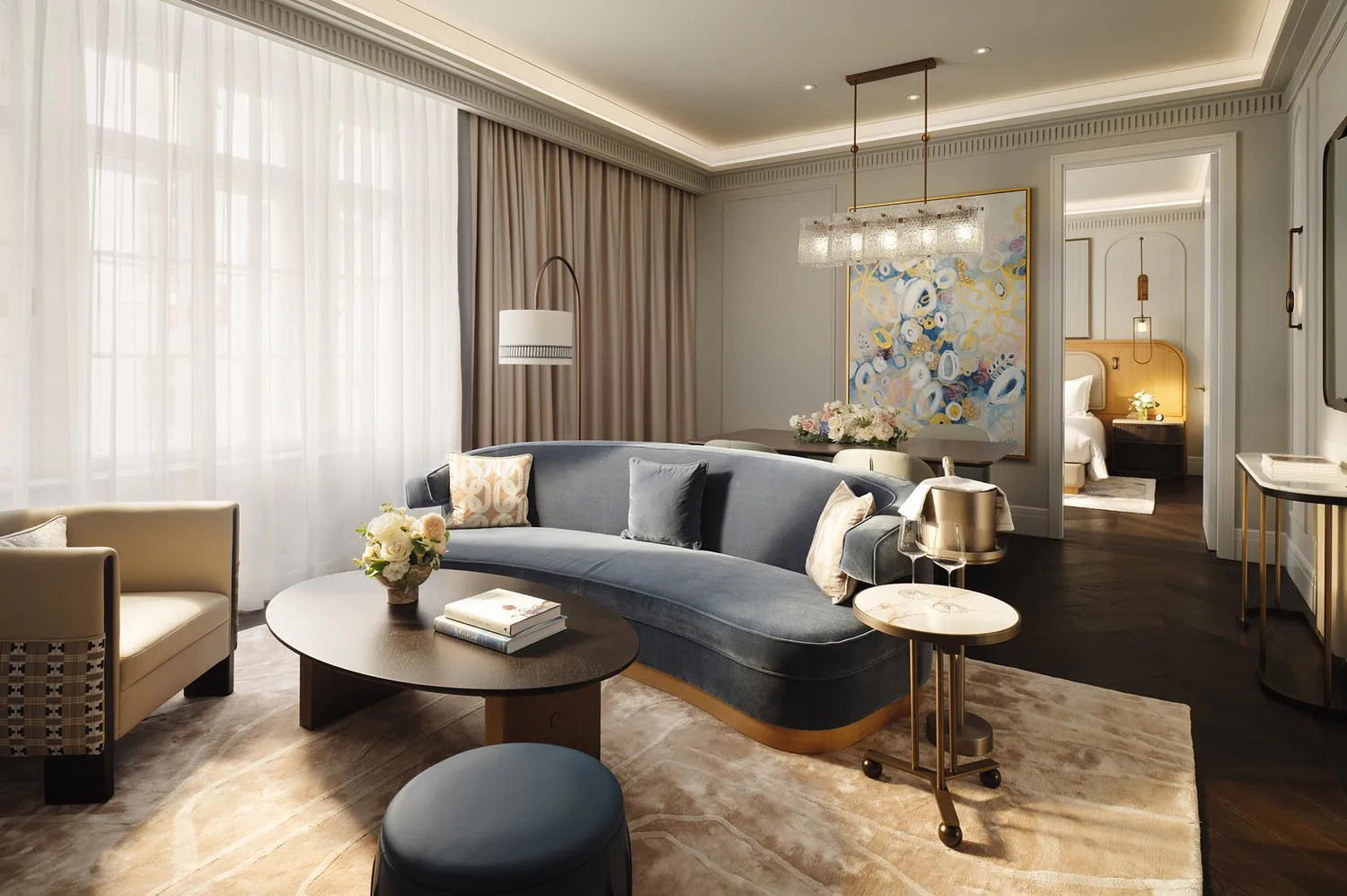
A Different Address in Vienna's First District
Vienna's luxury hotel market divides cleanly between two typologies. The first is the Ring address: palatial facades, ballrooms built for Habsburg ceremony, and a brand of grandeur that is as much civic monument as hotel. Hotel Sacher Wien, Hotel Imperial, and the broader imperial-era cohort sit in this category. The second is smaller, more interior-facing, and increasingly competitive: design-led properties that operate on restraint rather than scale, where the bar program or wine list is often the primary editorial statement. The Mandarin Oriental, Vienna, at Riemergasse 7 in the First District, belongs to the second group.
The address itself signals the difference. Riemergasse runs quietly through the inner city, away from the performative grandeur of the Ringstrasse. Properties that choose streets like this tend to be making a deliberate point: the experience is inward, concentrated, built around what happens inside rather than what the facade announces. That positioning aligns the Mandarin Oriental less with Park Hyatt Vienna or the grand palace conversions, and more with properties like Rosewood Vienna and The Amauris Vienna, where the competitive differentiator is curation over ceremony.
The Wine List as Editorial Statement
In hotel dining, the wine program is usually an afterthought: a list assembled to cover obvious bases, priced to margins that assume captive guests. Vienna's better properties have moved away from this model, and the Mandarin Oriental's Star Wine List recognition for 2026 is the clearest signal of where it sits on that spectrum. Star Wine List, which evaluates programs on cellar depth, list structure, by-the-glass range, and the coherence of the curation philosophy, does not issue recognition to programs that simply stock famous labels at inflated rates.
For a hotel in Vienna, serious wine curation has particular resonance. Austria's wine identity has shifted substantially over the past two decades. Grüner Veltliner and Riesling from the Wachau, Kamptal, and Kremstal now carry genuine international weight, and the leading hotel programs in the city have started treating domestic producers with the same depth of coverage they previously reserved for Burgundy and Bordeaux. A wine list that earns Star Wine List recognition in this city is almost certainly engaging with that conversation: navigating between Austrian regional producers, the classic European appellations, and the natural wine movement that has found a receptive audience in Vienna's bar culture.
The sommelier role in programs of this kind is operational rather than decorative. The list is only as useful as the knowledge behind it, and at the tier where Star Wine List recognition sits, guests can reasonably expect guided pairings, producer context, and by-the-glass access to bottles that would otherwise require commitment to a full order. That service model is what separates a credentialed hotel wine program from a well-stocked cellar with no one to interpret it.
Where It Sits in Vienna's Competitive Set
Vienna's premium hotel market has enough depth that positioning matters. At one end, the historic palace properties carry institutional weight that no newer entrant can replicate. Hotel Sans Souci Wien, in the Seventh District near the MuseumsQuartier, offers a contrast in scale and neighborhood character. Almanac Palais Vienna and 25hours Hotel Vienna at MuseumsQuartier target a different price point and design sensibility.
The Mandarin Oriental operates in the upper tier of this market, where Forbes Travel Guide recognition functions as the relevant benchmark rather than Michelin accommodation stars or boutique design awards. Forbes is currently expanding its Star Rating system and has the Vienna property under active assessment: a process that, in itself, places the hotel in a peer group where formal evaluation is expected and sought rather than incidental. The completion of that assessment, expected to be published when Forbes concludes its current expansion, will provide clearer positioning data against properties like Rosewood Vienna and the Ritz-Carlton.
Planning a Stay: What to Know
The Riemergasse location puts the hotel within walking distance of the Staatsoper, the Kunsthistorisches Museum, and the dense concentration of first-rate coffee houses and restaurants that define the First District's character. Guests who want to extend into Vienna's broader dining scene will find our full Vienna restaurants guide a useful companion. For those combining Vienna with wider Austrian travel, the country offers a strong supporting cast of properties: Rosewood Schloss Fuschl in Hof bei Salzburg and Schloss Mönchstein in Salzburg anchor the western end, while the alpine properties range from Grand Tirolia Kitzbühel in Kitzbühel and Hotel Almhof Schneider in Lech to wellness-focused retreats like Alpen-Wellness Resort Hochfirst in Obergurgl, Aktiv & Wellnesshotel Bergfried in Tux, Naturhotel Waldklause in Längenfeld, and LEADING Hotel Hochgurgl in Hochgurgl. Lake-oriented alternatives include Hotel Schloss Seefels in Techelsberg and Falkensteiner Schlosshotel Velden in Velden am Wörthersee. Elsewhere in the Alps, DAS EDELWEISS in Grossarl, Chalet Untersberg in Grodig, and Hotel Schwarzer Adler Innsbruck in Innsbruck round out a network of strong regional options.
For international comparison, the Mandarin Oriental model of interior-facing urban luxury finds close parallels in properties like Aman New York in New York City and Aman Venice in Venice, where the operating logic prioritizes depth of experience over address visibility. The The Fifth Avenue Hotel in New York City offers another reference point in the category of boutique-scale urban hotels with serious food and beverage programs.
Compact Comparison
Comparable venues nearby, for context on price, style, and recognition.
| Venue | Price | Notes |
|---|---|---|
| Mandarin Oriental, ViennaThis venue — the venue you are viewing | $$$$ | Not listed |
| Hotel Sans Souci, Vienna | $$$$ | Hofburg, Contemporary luxury boutique blending modern design with historic architecture, positioned as an artistic retreat in Vienna's cultural district. |
| The Ring Hotel | $$$$ | Staatsoper, casual luxury boutique in historic Ringstrasse palace |
| DAS Triest, A Design Hotel | $$$$ | Wieden, Historic design hotel revitalized with contemporary elegance. |
| Grand Hotel Wien | $$$$ | Staatsoper, Classic Viennese luxury with timeless elegance |
| Hotel Grand Ferdinand Wien | $$$$ | Staatsoper, Contemporary revival of Viennese grandeur in a preserved 1950s Ringstraße building. |
Recognition history
Dated appearances from independent guides and award organizations, with the underlying list record or original source where available.
Conde Nast Hot List Hotels
Conde Nast
Star Wine List
Star Wine List
Town & Country Hotel Awards
Town & Country
Travel + Leisure It List Hotels
Travel + Leisure
Michelin Selected
Michelin
Continue exploring
More in Vienna
Hotels in Vienna
Browse all →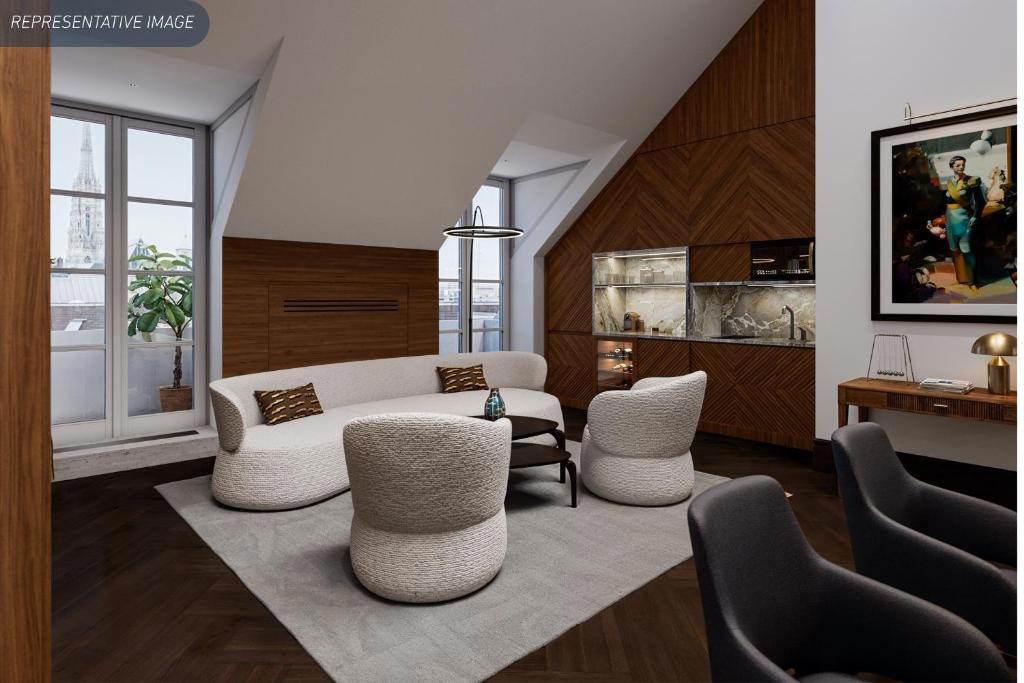
Bars in Vienna
Browse all →
Restaurants in Vienna
Browse all →
At a Glance
- Elegant
- Sophisticated
- Ornate
- Romantic Getaway
- Honeymoon
- Business Trip
- Anniversary
- Historic Building
- Butler Service
- Wi Fi
- Pool
- Spa
- Fitness Center
- Room Service
- Concierge
- Sauna
- Street Scene
- Wi Fi
- Pool
- Spa
- Fitness Center
- Room Service
- Concierge
- Sauna
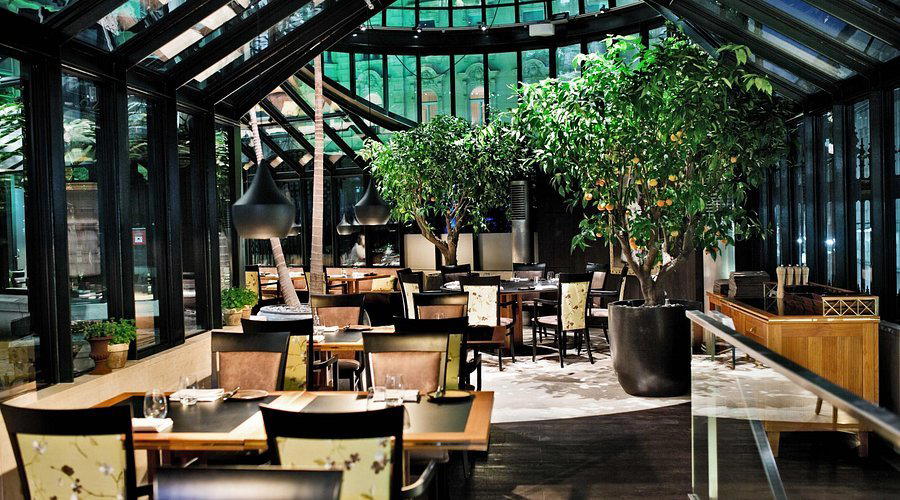
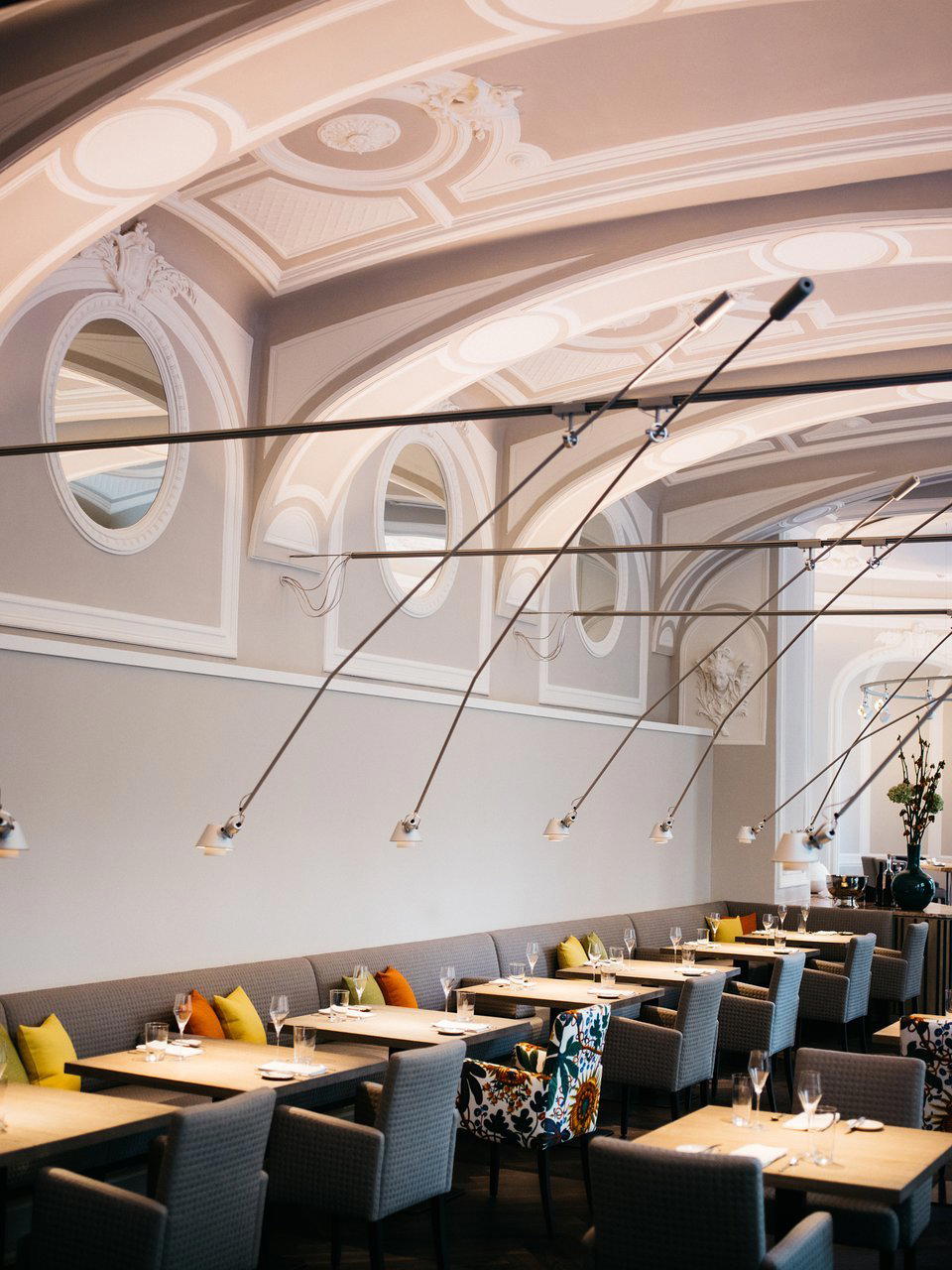
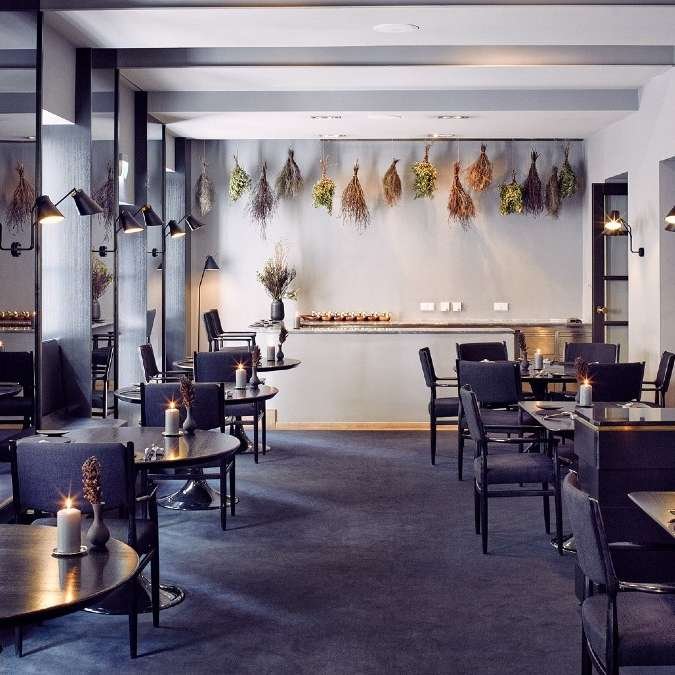
Timeless luxury with elegant muted palettes, black and white marbles, carefully selected art, and a serene, sophisticated atmosphere.