A neighbourhood pizzeria on Via di Villa Severini in Rome's Parioli district, Pizza Gegè operates in a part of the city where casual dining serves residential rather than tourist demand. The address places it firmly within a quieter northern quarter, removed from the centro storico crowds, making it a reference point for locals rather than visitors working from a checklist.
 Discover on Pearl
Pearl is the En Primeur Club membership app — saves, bookings, and concierge access live there. Same editors, same standards.
- Address
- Via di Villa Severini, 18, 00191 Roma RM, Italy
- Phone
- +393963293731
- Website
- pizzagege.it
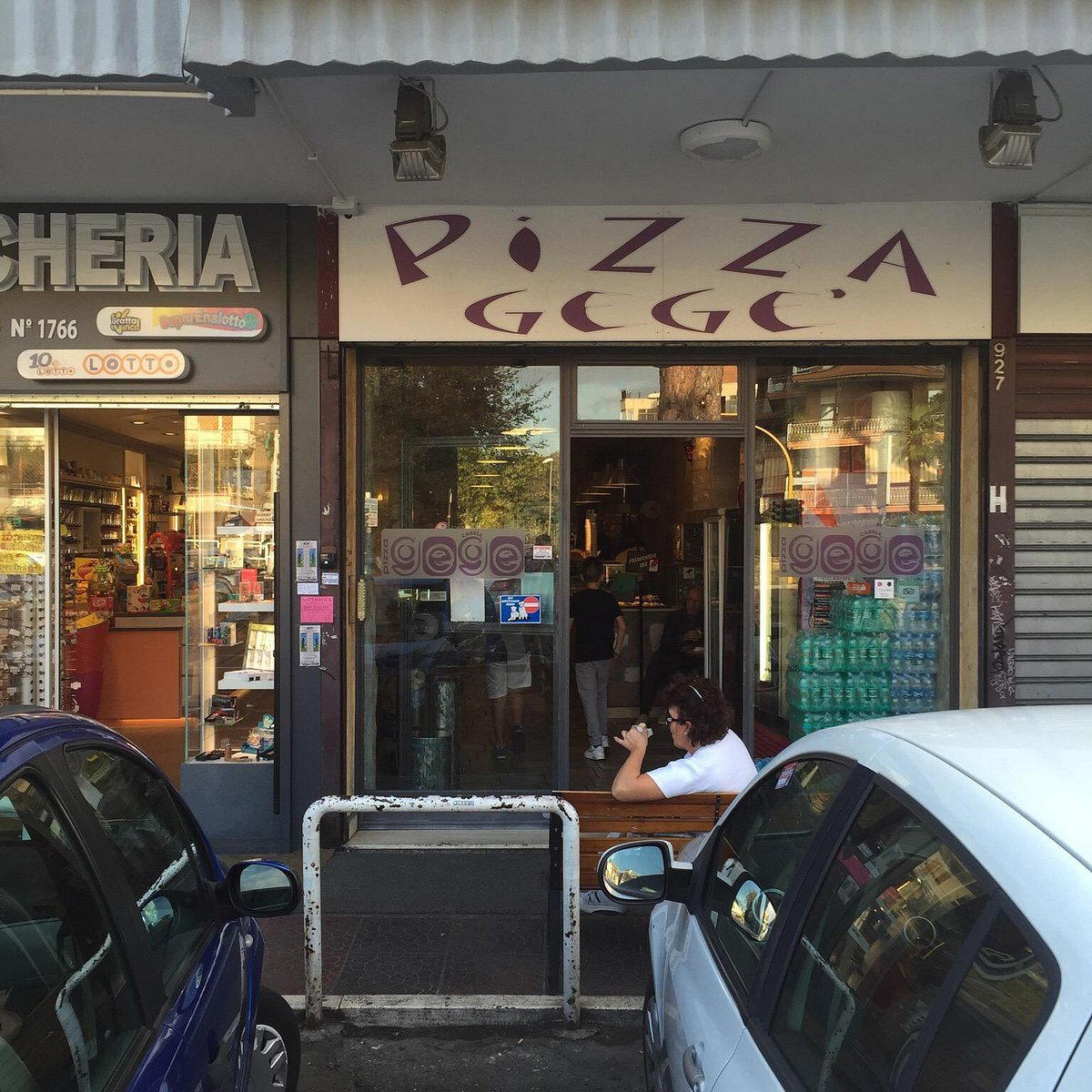
Parioli and the Logic of the Neighbourhood Pizzeria
Rome's pizza scene divides along geographic lines more cleanly than most cities. The centro storico and Trastevere hold the rooms that draw queues of visitors; the peripheral residential quarters, by contrast, run on a different economy. Parioli, the northern neighbourhood where Via di Villa Severini sits, has long operated as one of Rome's more settled bourgeois districts, and its dining culture reflects that: less performance, more repetition. The restaurants and pizzerias here serve the same postcode week after week, which places a different kind of pressure on quality than tourist footfall does.
Pizza Gegè occupies that neighbourhood logic. The Via di Villa Severini address, in the 00191 postal zone, puts it away from the well-documented pizza corridors of Testaccio or Ostiense, and well north of the tourist circuits that run between the Pantheon and Piazza Navona. For visitors, that positioning is relevant: getting here involves a deliberate trip rather than a passing decision, and that tends to filter the room toward people who have a reason to be in this part of the city.
What the Parioli Context Means for the Experience
Dining in Rome's residential quarters tends to produce a particular atmosphere that the centro storico rarely replicates. The room operates at a pace set by the neighbourhood rather than by table-turn pressure from a queue outside. Regulars know the staff; conversations carry across tables; the energy is that of a local room rather than a transient one. For a visitor arriving from the more theatrical dining environments near, say, La Pergola at the top of the Roman fine-dining spectrum, or the tasting-menu formality of Il Pagliaccio or Enoteca La Torre, the register shift is considerable.
That gap between formal creative cuisine and the neighbourhood pizzeria is not a hierarchy so much as a spectrum. Rome sustains both ends with equal conviction. The creative Italian dining represented by addresses like Acquolina and Achilli al Parlamento operates under different assumptions about occasion and investment. The neighbourhood pizzeria operates under assumptions about frequency and familiarity. Both serve the city's eating life; they just serve different parts of it.
Roman Pizza in Its Broader Italian Context
Italy's pizza conversation is dominated by the Neapolitan tradition, and most international reference points, whether Osteria Francescana in Modena signals fine dining at one extreme or the neighbourhood trattoria at the other, trace back to regional cooking logic. Roman pizza operates within a distinct tradition: the thin, often crisp base that characterises the local style differs structurally from the soft, high-hydration Neapolitan approach. Neither is derivative of the other; they reflect different culinary priorities rooted in different cities.
That distinction matters when assessing a Roman pizzeria on its own terms. The point of comparison for a Parioli address like Pizza Gegè is not the celebrated Neapolitan houses or the destination-category operators listed in national guides. It sits within a comparable set defined by neighbourhood, format, and the everyday eating rhythms of a residential Roman quarter. Italy's high table, from Le Calandre to Piazza Duomo to Dal Pescatore, occupies a separate competitive category entirely. The neighbourhood pizzeria's value is measured differently: consistency, local loyalty, and the ability to hold a room of regulars across years.
Planning a Visit
Via di Villa Severini 18 sits in northern Rome, accessible by bus or taxi from the centre; the nearest metro connections are a short ride away, and the neighbourhood is navigable without a car. Visitors staying in the centro storico should factor in travel time: this is not a spontaneous addition to a day already structured around the Colosseum or the Vatican. It works better as the anchor of an afternoon or evening in the Parioli area itself, combined with a walk through one of Rome's less-visited residential quarters. The address and area reward visitors who want to spend time in a Rome that functions independently of the major tourist itineraries.
Italy's broader fine-dining canon, including addresses like Uliassi, Reale, Quattro Passi, Enrico Bartolini, Atelier Moessmer Norbert Niederkofler, and Enoteca Pinchiorri, or internationally at Le Bernardin and Atomix, represents a different category of decision and investment, useful for triangulating where any single Roman address sits within a trip's overall structure.
Cost Snapshot
Comparable venues nearby, for context on price, style, and recognition.
| Venue | Cuisine | Price | Awards | Notes |
|---|---|---|---|---|
| Pizza GegèThis venue — the venue you are viewing | Tor di Quinto, Roman Pizza | $ | , | |
| Trapizzino | Testaccio | Testaccio, Roman Trapizzino Street Food | $ | , | |
| Arso Trattoria Moderna | $$ | , | .null, Traditional Roman Trattoria | |
| Il Gelato di San Crispino | Centro, Artisanal Italian Gelato | $ | , | |
| Pastificio Guerra | $ | , | Campo Marzio, Traditional Roman Pasta Takeout | |
| Osteria Navona | Ponte, Traditional Roman Osteria | $$ | , |
Continue exploring
More in Rome
Restaurants in Rome
Browse all →
Bars in Rome
Browse all →
Hotels in Rome
Browse all →
Wineries in Rome
Browse all →
At a Glance
- Casual Hangout
- Family
Casual pizzeria atmosphere suitable for everyday dining with friends or family.