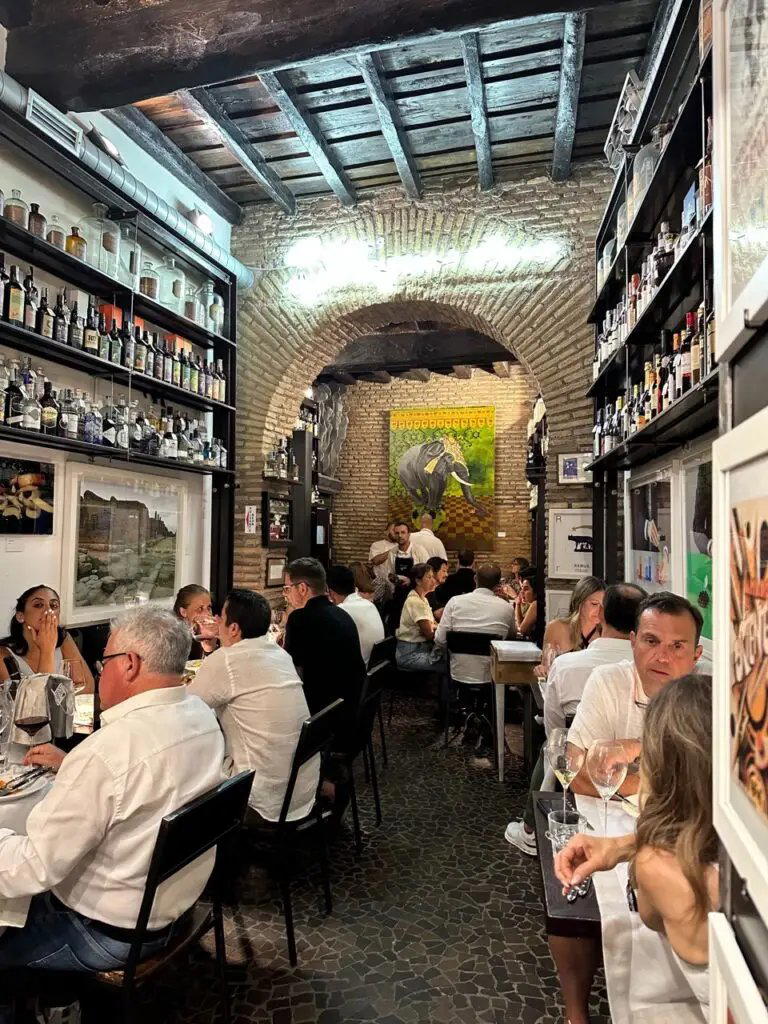
On a narrow street steps from Piazza Navona, Osteria Navona occupies a position that few Rome addresses can claim: deep inside the historic centro storico, where the trattoria tradition and the expectations of an internationally travelled dining public have been pulling against each other for decades. It sits in a competitive tier shaped by proximity to tourist pressure and the slow-moving reform of Roman osteria culture.
Pearl is the En Primeur Club membership app — saves, bookings, and concierge access live there. Same editors, same standards.
- Address
- Via di Santa Maria dell'Anima, 18, 00186 Roma RM, Italy
- Phone
- +393314318169
- Website
- opentable.it
- Directions
- Get directions
 Saves & bookings on Pearl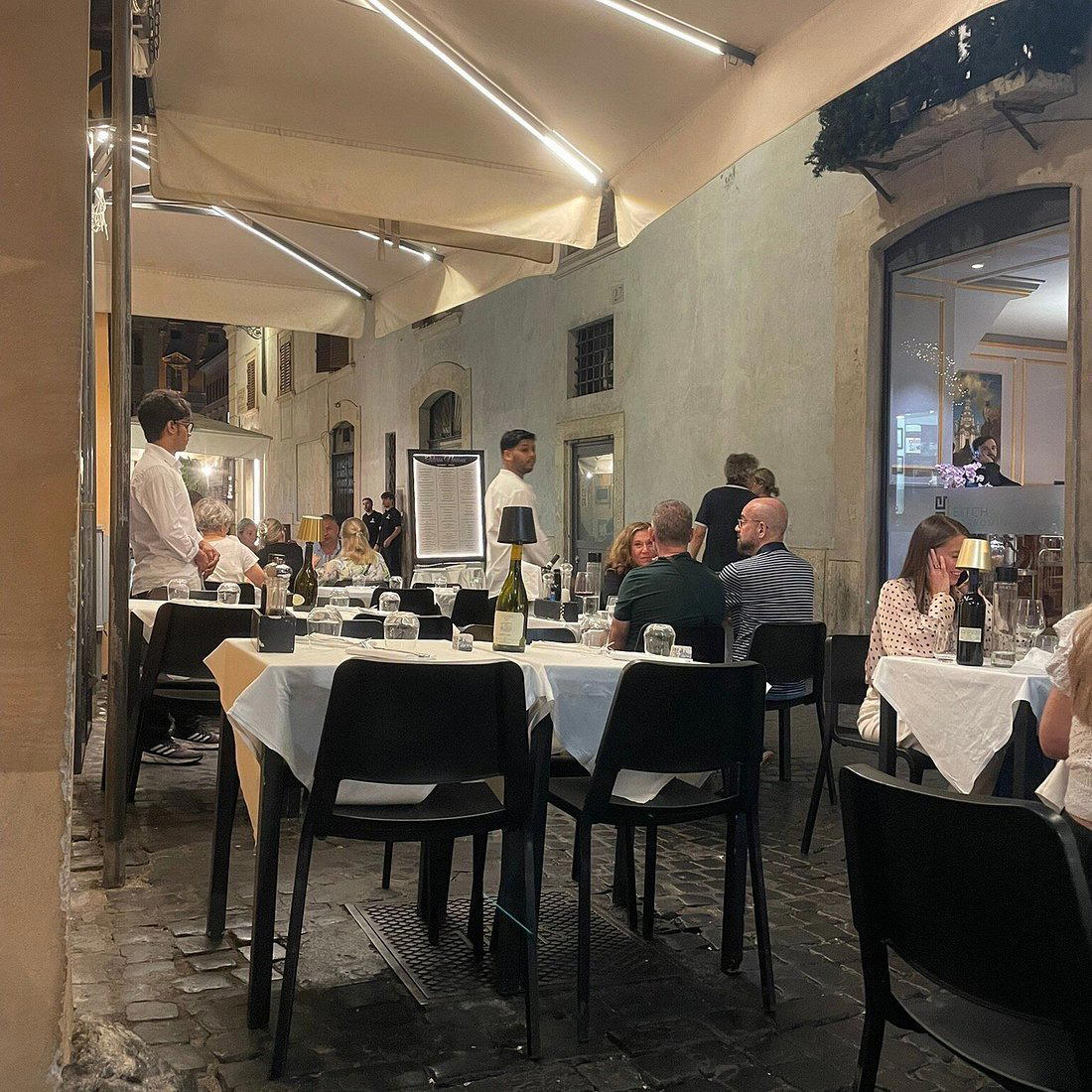
Where the Centro Storico Puts Pressure on Every Plate
Via di Santa Maria dell'Anima runs parallel to Piazza Navona close enough that the square's crowd noise carries through on busy evenings, yet the street itself retains a narrowness and shade that slows foot traffic to something more deliberate. Addresses along this stretch have long existed in a complicated position: close enough to one of Rome's most photographed public spaces to draw international visitors by geography alone, far enough from the main pedestrian surge to demand something more than location to keep tables full. Osteria Navona occupies that exact tension. The setting frames every decision the kitchen makes, because the guests arriving at a restaurant this close to Piazza Navona now arrive with reference points. They have eaten at Il Pagliaccio or at least read about it. They know what Roman cuisine is supposed to do, and they can tell the difference between a kitchen performing tradition and one living inside it.
The Osteria Form and What Rome Has Done to It
The osteria format across Italy has undergone more reinvention in the past twenty years than almost any other category. What began as a wine-forward neighbourhood canteen, serving simple food to a local clientele, has split into several distinct tiers. At one end sit the trattoria-adjacent survivors: paper tablecloths, a handwritten daily sheet, cacio e pepe made from memory. At the other end, a number of establishments carrying the osteria name now operate at a register that would be called fine dining anywhere else. Osteria Francescana in Modena is the extreme example of that trajectory, but Rome has produced its own version of the argument. The city's osterie that have built durable reputations tend to do so by anchoring in Roman technique while absorbing enough contemporary awareness to stay relevant to guests who have also eaten at Acquolina or Achilli al Parlamento.
In the centro storico specifically, the pressure to evolve has been complicated by the tourist economy. Restaurants near Piazza Navona face a version of a problem that does not exist in the same form for destination restaurants outside the city centre, whether that is Reale in Castel di Sangro or Quattro Passi in Marina del Cantone: a high-volume passing clientele creates short-term revenue from guests who may never return, which reduces the incentive to invest in the kind of kitchen programme that builds a reputation among returning visitors and serious food press. The establishments in this neighbourhood that have survived that pull without collapsing into pure tourist service represent a specific kind of institutional discipline.
Evolution in a Neighbourhood That Resists It
The editorial angle that applies most directly to Osteria Navona is the one that applies to the entire street and the district surrounding it: the question of how a restaurant in this location changes over time, and whether that change tracks the direction of Roman dining culture or drifts away from it. Rome's serious dining scene has shifted meaningfully since the early 2000s. The Michelin conversation now extends well beyond La Pergola at the three-star tier. Addresses like Enoteca La Torre and Il Pagliaccio have demonstrated that Rome can sustain creative fine dining at a European level, and the comparison set for any serious restaurant in the city now includes not just domestic peers but international reference points like Le Bernardin in New York City or Atomix.
For an osteria on Via di Santa Maria dell'Anima, this shift creates both opportunity and exposure. Guests who would once have judged the restaurant against other centro storico options now arrive with a wider frame. The kitchen that served a credible coda alla vaccinara in 2005 is being evaluated in 2024 against a broader understanding of what Roman offal cookery can do at its most refined, and against what Italian regional cooking at the highest level looks like at places such as Uliassi in Senigallia, Piazza Duomo in Alba, or Dal Pescatore in Runate. That is the context in which Osteria Navona's current direction should be read.
Roman Cuisine at This Address: The Tradition Under Pressure
Roman cooking has a clarity of identity that insulates it somewhat from reinvention pressure. The five canonical pasta forms, the quinto quarto offal tradition, the vegetable preparations tied to the Castelli Romani and the surrounding countryside: these are not arbitrary conventions but the product of a specific urban food economy that is well-documented and still producing practitioners. The risk for an osteria in a tourist-facing neighbourhood is not that the tradition disappears but that it becomes performance, delivered without the kitchen pressure that keeps it honest. The restaurants in Rome that carry genuine culinary authority, whether at the level of a Milan-calibre operation or at the more grounded register of a credible osteria, tend to be identifiable by the degree to which the cooking responds to the actual season rather than the tourist calendar. The broader Italian dining tradition that runs through Le Calandre in Rubano or Atelier Moessmer Norbert Niederkofler in Brunico is built on exactly that discipline: ingredient integrity that does not bend to volume or convenience. An osteria on this street earns its place in that conversation the same way, or it does not earn it at all.
For planning purposes, Via di Santa Maria dell'Anima is walkable from Campo de' Fiori and Pantheon in under ten minutes, making Osteria Navona a logical anchor for an evening that begins with the neighbourhood rather than a restaurant reservation. The centro storico dining window runs later than in many European cities; kitchen service past 22:00 is standard at restaurants of this type. Guests planning dinner here as part of a wider Rome itinerary can cross-reference the full picture in our Rome restaurants guide, which maps the city's dining tiers from neighbourhood osterie through to the creative fine dining addresses that have redefined what the city can do.
How It Compares Within the Rome comparable set
Within the price tier occupied by comparable centro storico addresses, the restaurant sits in a competitive band that includes both serious Roman kitchens and a significant number of establishments coasting on real estate. The distinction between those two groups has become more legible to the kind of guest who now makes up a meaningful share of the dining public near Piazza Navona: internationally mobile, with direct experience of what Italian regional cooking looks like at the level of Enoteca Pinchiorri in Florence, and with less tolerance than earlier generations for the gap between a menu's ambition and a kitchen's execution. That raised baseline is what the evolution of this address has to navigate, and it is the same evolution facing every serious osteria operating in the shadow of Rome's most visited square.
The Minimal Set
Comparable venues nearby, for context on price, style, and recognition.
| Venue | Cuisine | Price | Notes |
|---|---|---|---|
| Osteria NavonaThis venue — the venue you are viewing | Ponte, Traditional Roman Osteria | $$ | Not listed |
| Ristorante Pizzeria Pasquino | Not listed | $$ | Parione, Traditional Roman Trattoria & Pizzeria |
| Ristorante dai Pupi | Campo Marzio, Sicilian Seafood | $$ | Not listed |
| Ar Monte Testaccio | Not listed | $$ | Testaccio, Roman-Salento Italian with Pizza |
| Trattoria Morgana | Monti, Traditional Roman Trattoria | $$ | Not listed |
| Mamma Angelina | Not listed | $$ | Trieste, Traditional Roman Trattoria with Fresh Seafood |
Continue exploring
More in Rome
Restaurants in Rome
Browse all →
Bars in Rome
Browse all →
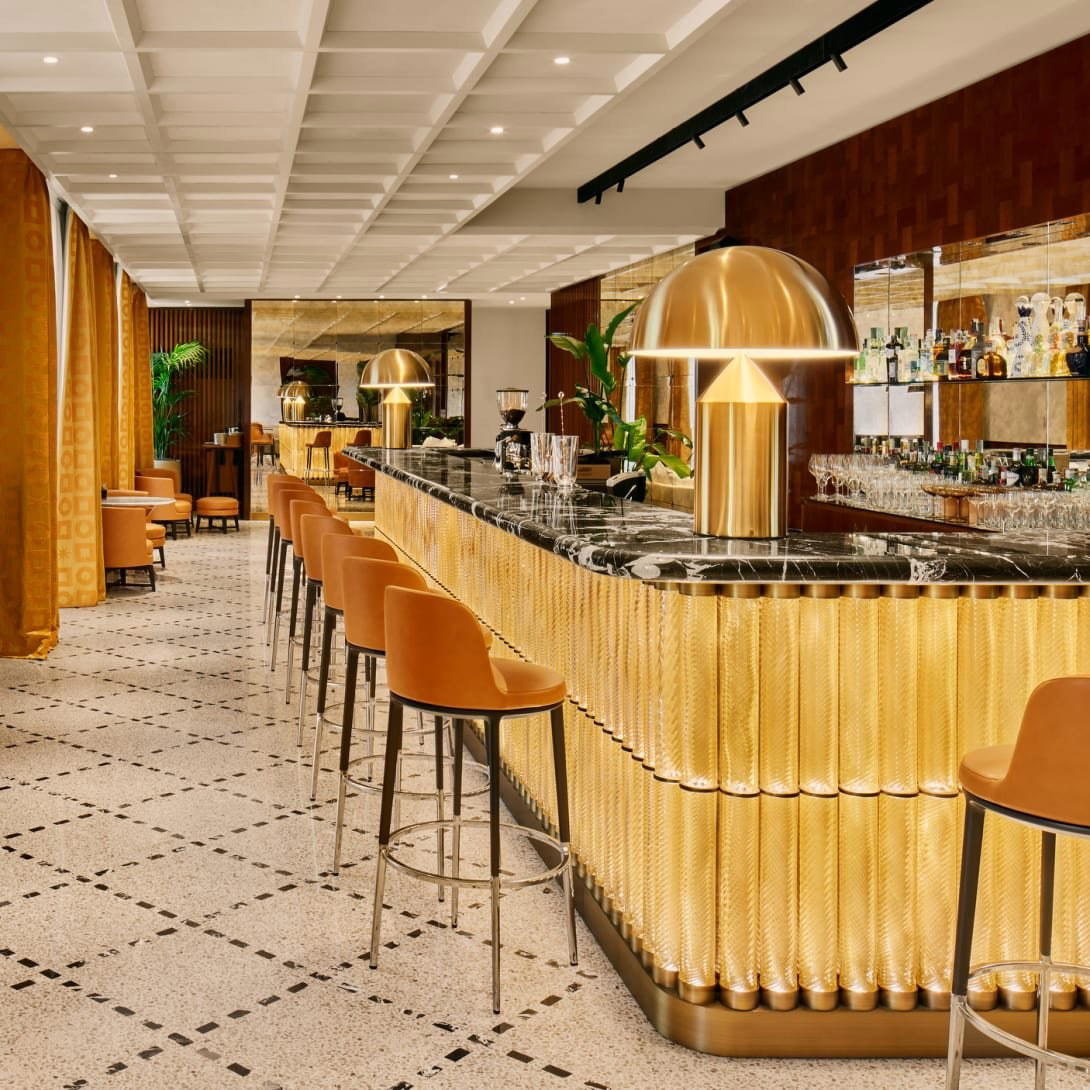
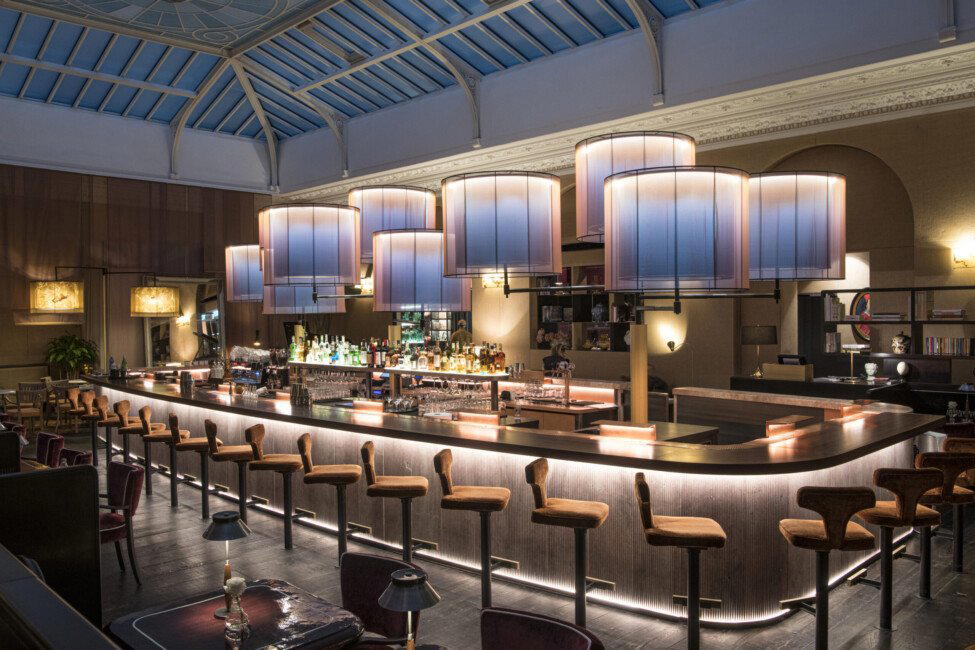
Hotels in Rome
Browse all →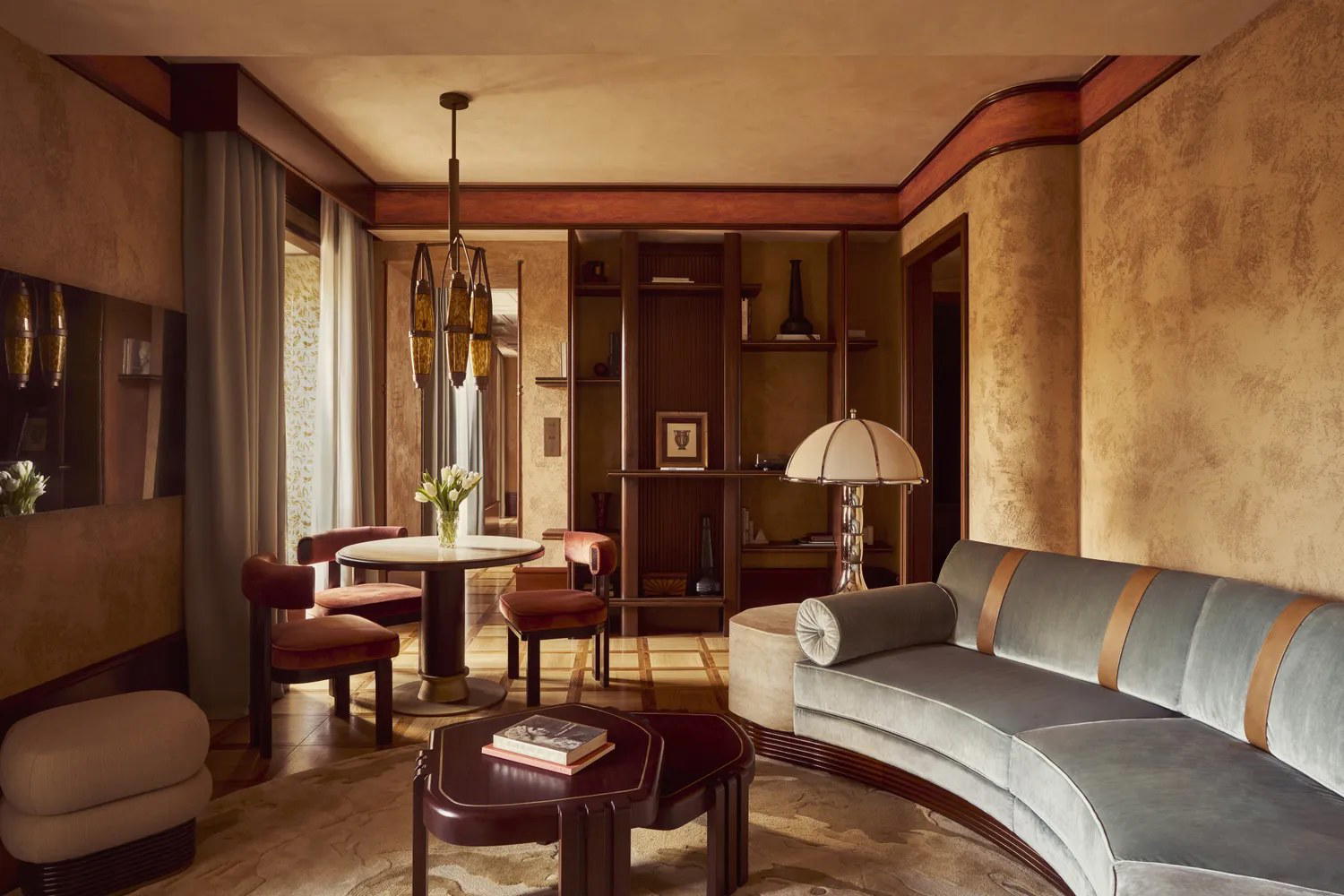

At a Glance
- Cozy
- Elegant
- Classic
- Date Night
- Casual Hangout
- Historic Building
- Street Scene
Current opening hours
- Monday
- 10 AM–12:30 AM
- Tuesday
- 10 AM–12:30 AM
- Wednesday
- 10 AM–12:30 AM
- Thursday
- 10 AM–12:30 AM
- Friday
- 10 AM–1 AM
- Saturday
- 10 AM–2 AM
- Sunday
- 10 AM–12:30 AM
Hours can change for holidays and private events. Last verified .
Cozy, elegant, and welcoming Roman atmosphere.