On a corner of Via Giovanni Branca in Testaccio, Rome's working-class market quarter, Trapizzino defines a format that sits between street food and the Roman kitchen's deeper canon. The trapizzino — a triangular pocket of pizza bianca filled with braised offal, slow stews, and the city's most enduring sauces — is at once casual and technically grounded, pulling cucina romana tradition into a format you can eat standing at the counter.
Pearl is the En Primeur Club membership app — saves, bookings, and concierge access live there. Same editors, same standards.
- Address
- Via Giovanni Branca, 88, 00153 Roma RM, Italy
- Phone
- +39 06 4341 9624
- Website
- trapizzino.it
- Directions
- Get directions
 Saves & bookings on Pearl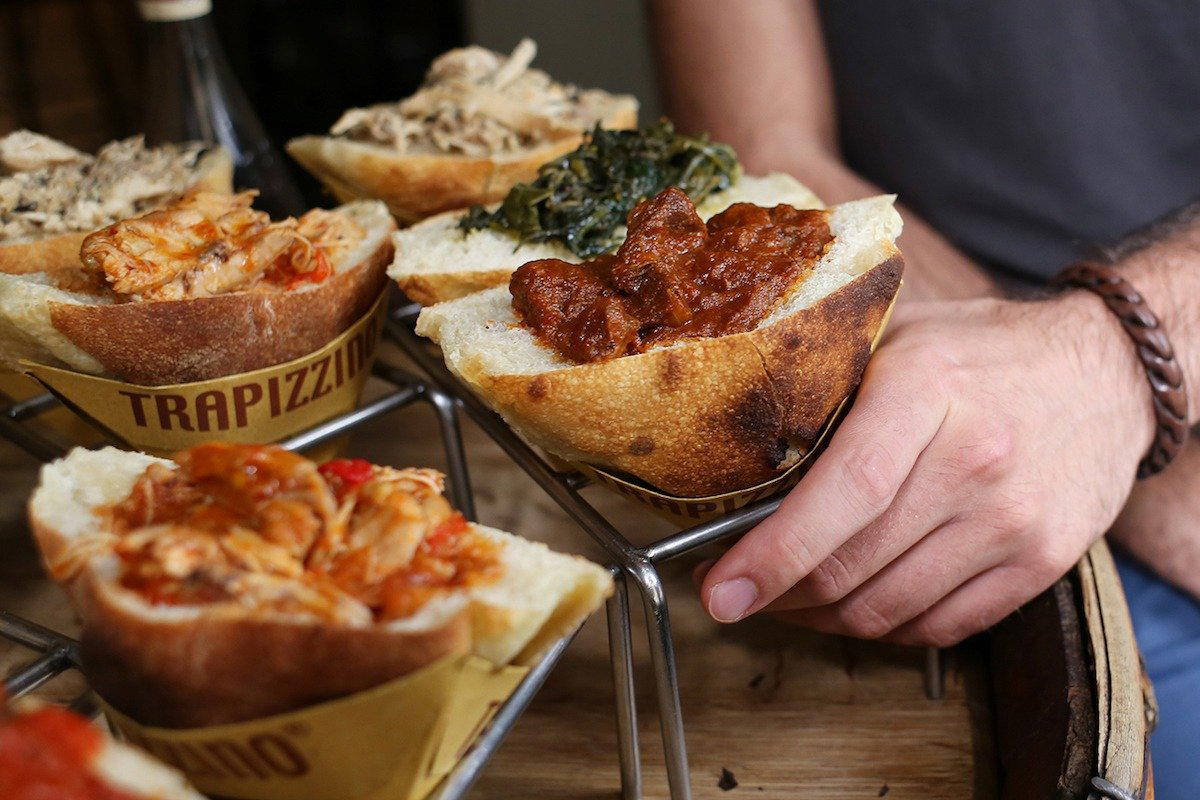
Testaccio and the Street Food That Takes Roman Cooking Seriously
Testaccio has long been the neighbourhood where Rome's culinary self-image is least performative. The old slaughterhouse district, now home to a covered market and a dense population of trattorias, has historically been where cucina romana — the offal-forward, braised-and-slow-cooked tradition — was practised without apology and without tourist pricing. Via Giovanni Branca sits in that part of the neighbourhood, and it is on this street that Trapizzino arrived with a format that took the logic of Roman street food and pushed it somewhere more considered.
The trapizzino itself is a triangular pocket cut from pizza bianca, Rome's white, olive-oil-rich flatbread, and filled with preparations drawn directly from the city's restaurant kitchens. The format has a clear conceptual relationship with the panino and the supplì, but its ambition sits closer to the slow-braised main courses you would find at a serious Roman table than to the grab-and-go convenience of a street stall. That positioning, neither fully restaurant nor fully street food, has made it one of the more discussed food formats to emerge from Rome in the past decade.
The Logic of the Format: Roman Technique in a Pocket
To frame Trapizzino through the editorial angle of local ingredients meeting considered technique is accurate but requires some precision. This is not a place applying fine-dining intervention to market produce in the manner of, say, Reale in Castel di Sangro or Piazza Duomo in Alba. The technique here is Roman domestic cooking at its most disciplined: long braises, collagen-rich cuts, sauces that require time more than complexity. What the format imports is the idea that this cooking, which has always existed behind closed kitchen doors, can be delivered at counter speed without losing structural integrity.
The fillings rotate around the Roman canon: coda alla vaccinara (oxtail with tomato, celery, and cocoa), pollo alla cacciatora, trippa, and similar preparations that have defined the city's cucina povera for generations. These are dishes where the ingredient quality and the patience of cooking are the technique. Placing them inside pizza bianca, a bread that can hold braising liquid without disintegrating, is the formal innovation. The bread itself is made from a specific dough designed for the purpose, not the same product you find in a bakery window. That material specificity is what separates this from a filled roll.
For those accustomed to Italy's more formal restaurant tradition, the tasting menus at Enoteca La Torre, the precision of Il Pagliaccio, or the institutional weight of La Pergola, Trapizzino represents a parallel register entirely. It draws on the same city's culinary heritage but operates without tablecloths, without courses, and without booking. The comparison that matters is not with Rome's fine dining tier but with the broader Italian street food vocabulary: the Sicilian arancino, the Neapolitan pizza fritta, the Florentine lampredotto sandwich at the lampredottaio. Trapizzino occupies that category while making a claim that Roman cucina povera deserves the same showcase.
Testaccio as Context
Arriving at Via Giovanni Branca 88, the physical setting requires no introduction for anyone who has spent time in Testaccio. The street is a few minutes' walk from the covered market, where Rome's best-supplied fruit, vegetable, and offal vendors operate. That proximity is not incidental. The neighbourhood's supply chain and its cooking tradition have always been entangled, Testaccio was where slaughterhouse workers took home the cuts that didn't reach the city's wealthier tables, and the cooking that developed around those cuts is now the foundation of what Trapizzino serves.
This is a neighbourhood that has resisted the smoothing-out that has affected parts of Trastevere and the centro storico. It is a practical, residential quarter where the food offer has historically been local rather than tourist-oriented. A counter-format like Trapizzino fits the neighbourhood's register more naturally than it would in, say, the streets around the Pantheon.
Rome's broader dining scene has been well covered in terms of its fine dining tier, properties like Acquolina, Achilli al Parlamento, and Enoteca La Torre represent the creative end of the city's restaurant culture. But the street food layer, and Testaccio's specific contribution to it, is a different story and deserves its own reading. You can find similar quality-focused street food formats in other Italian cities: the supply-chain discipline of places like Uliassi in Senigallia or the produce-led rigour of Quattro Passi in Marina del Cantone points to a broader Italian commitment to ingredient honesty. Trapizzino operates from the same instinct, at a different price point and scale.
For those building a broader Italian itinerary, the culinary heritage on display at Trapizzino connects to the same tradition that informs the formal kitchen of Dal Pescatore in Runate or, further afield, the Tirolese precision of Atelier Moessmer Norbert Niederkofler in Brunico, a national culinary culture that takes regional specificity seriously across all price tiers.
Planning Your Visit
Trapizzino at Via Giovanni Branca 88 in Testaccio operates as a counter-format. There is no booking required and no formal seating protocol. The practical model is direct: you order at the counter, you eat there or take it with you. Testaccio is well connected by public transport, the Piramide metro station (Line B) is within reasonable walking distance, and the neighbourhood is easily combined with a morning visit to the covered market on Via Beniamino Franklin. The counter format means turnover is fast and queues, when they form, move quickly. For those spending time in Rome across multiple days, Testaccio pairs naturally with the Aventine Hill and the non-Catholic cemetery nearby. The full range of Rome's dining options, from the street food tier upward, is covered in our full Rome restaurants guide. Those interested in how Italy's fine dining tier treats similar regional ingredients at a different scale will find useful context at Le Calandre in Rubano, Enrico Bartolini in Milan, or Enoteca Pinchiorri in Florence, all operating in a register that shares cultural DNA with Roman cucina povera, even when the format could not be more different.
Continue exploring
More in Rome
Restaurants in Rome
Browse all →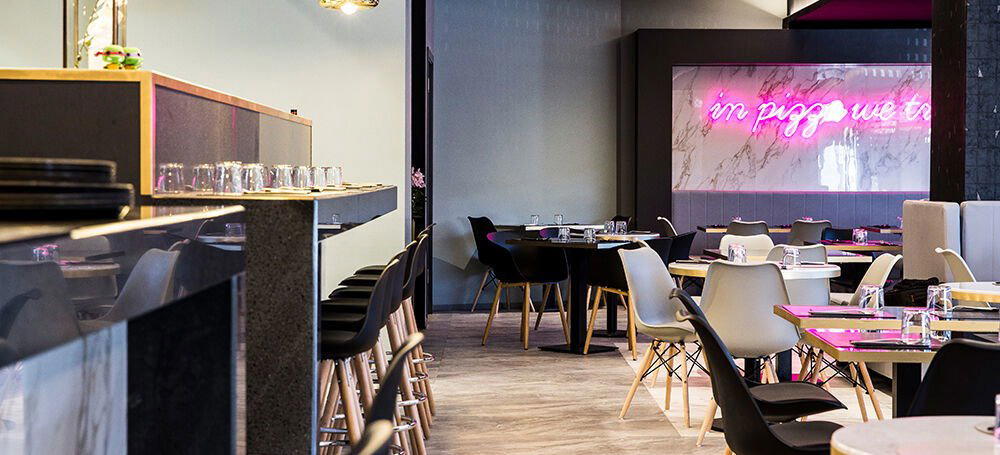
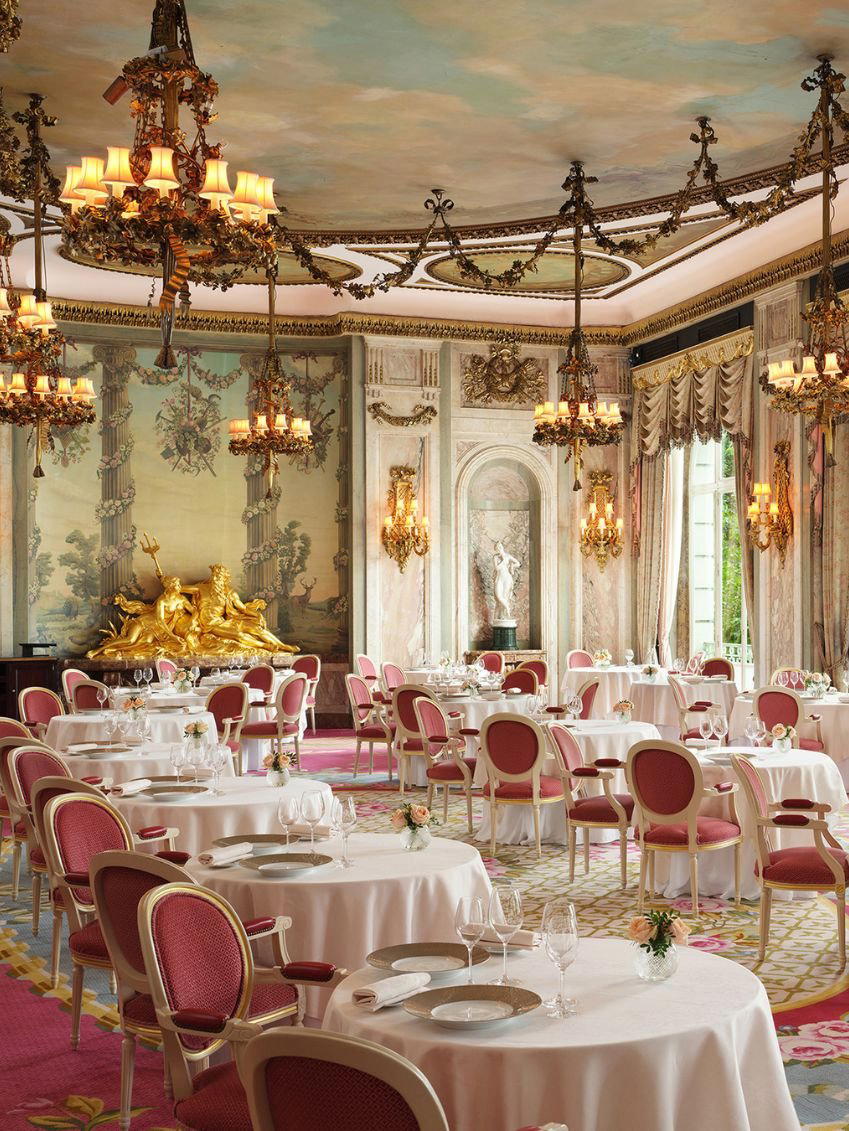
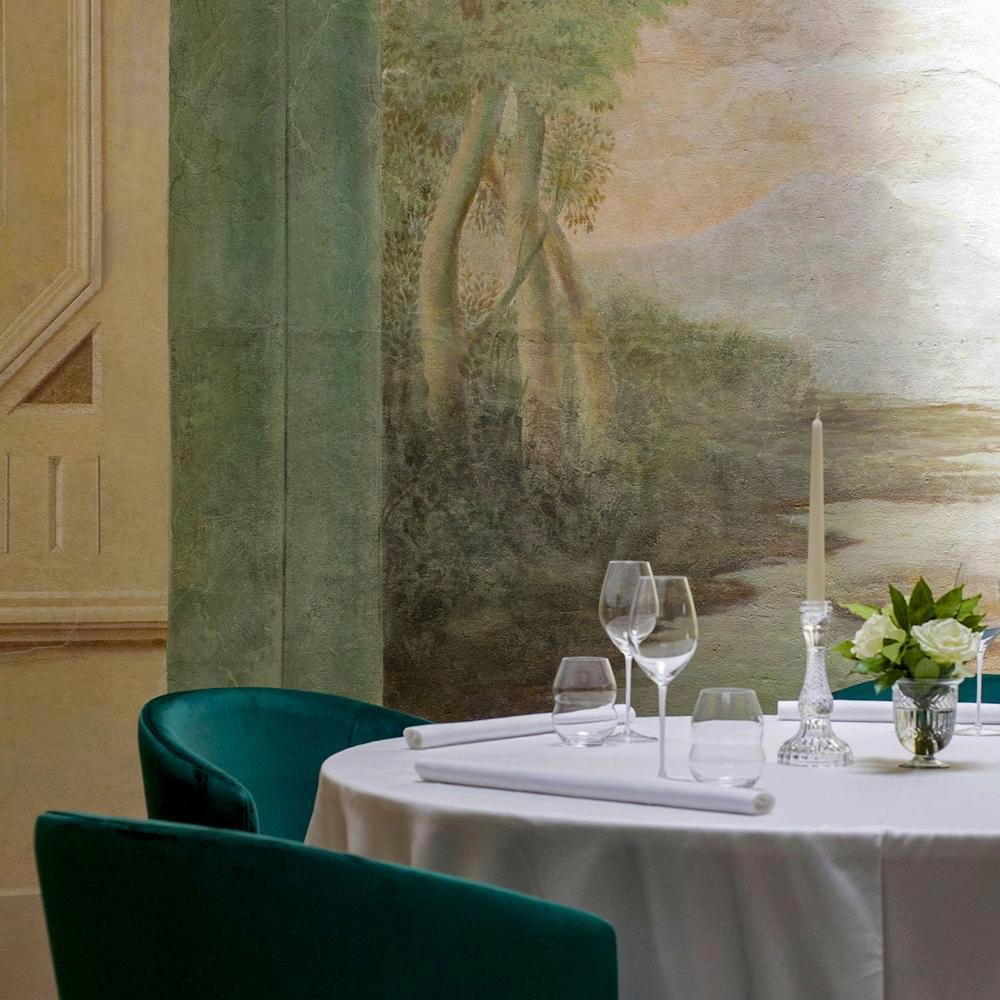
Bars in Rome
Browse all →
Hotels in Rome
Browse all →

At a Glance
- Lively
- Rustic
- Trendy
- Casual Hangout
- Open Kitchen
- Local Sourcing
Current opening hours
- Monday
- 12 PM–12 AM
- Tuesday
- 12 PM–12 AM
- Wednesday
- 12 PM–12 AM
- Thursday
- 12 PM–12 AM
- Friday
- 12 PM–1 AM
- Saturday
- 12 PM–1 AM
- Sunday
- 12 PM–12 AM
Hours can change for holidays and private events. Last verified .
Casual street food spot with comfortable seating at long trestle tables or counter, fast-paced and informal atmosphere.
Know Before You Go
- Getting there
- Via Giovanni Branca, 88, 00153 Roma RM, Italy