Our verdict
On HaTnufa Street in Tel Aviv, Joz Ve Loz occupies a corner of the city's evolving Middle Eastern-inflected dining scene where neighbourhood character and kitchen craft converge. The name itself, Hebrew for walnut and almond, signals a flavour sensibility rooted in the region's larder. For visitors mapping Tel Aviv's restaurant spread, this address sits in a tier defined by culinary specificity rather than scale or spectacle.

Pearl is the En Primeur Club membership app, where members save venues, book tables and use the concierge.

HaTnufa Street and the Neighbourhood Frame
Tel Aviv's dining scene has never organised itself neatly around a single district. Instead, it spreads in clusters: the fine-dining corridor around Rothschild Boulevard, the market-adjacent tables of the Carmel and Levinsky areas, and the quieter residential pockets where neighbourhood restaurants do their most consistent work. HaTnufa Street, where Joz Ve Loz sits at number 7, falls into that last category. Streets like this one tend to produce restaurants that serve a local clientele first and draw the wider city in by reputation rather than foot traffic, a dynamic that shapes everything from pace of service to the way a menu is constructed. In a city where places like Habasta and Ha'Achim have demonstrated that neighbourhood-scale formats can sustain serious culinary ambition, the address alone carries meaning.
The Name as a Culinary Signal
Joz Ve Loz translates from Hebrew as walnut and almond, two ingredients that run through Levantine cooking with far more depth than their supporting-role status in many Western kitchens suggests. In Middle Eastern culinary tradition, both appear in savoury preparations as often as sweet: ground into sauces, pressed for oil, scattered through rice dishes, or folded into pastry. A restaurant that names itself after two nuts is making a statement about register and reference point. It is situating itself within a specific flavour lineage rather than the broader, often diluted category of "Israeli cuisine," which can mean almost anything in a city as gastronomically diverse as Tel Aviv. Compare this positioning to the kebab-forward directness of Jasmino or the Mediterranean sprawl of HaSalon, and the implied specificity of Joz Ve Loz's approach becomes clearer. The name functions less as branding and more as a declaration of culinary intent.
Team Dynamic: Where the Work Happens
In Tel Aviv's more considered restaurants, the question of how kitchen and floor operate together has become as important as what arrives on the plate. The city's dining culture has matured past the point where strong cooking alone sustains a room. Guests at the tables between Florentin and the old port increasingly expect the front-of-house to carry genuine knowledge, of producers, of seasonal logic, of what a dish is doing and why. At Joz Ve Loz, the address and concept suggest a format where the gap between kitchen intention and table communication needs to be small. Restaurants of this scale and flavour specificity depend on a floor team that can translate the reasoning behind ingredient choices to a guest who may be encountering this culinary register for the first time. That translation work, explaining why a walnut sauce sits alongside a particular protein, or where a spice combination originates, is often the difference between a meal that lands and one that passes unnoticed. The leading Israeli restaurants operating in this register, from Alena at The Norman to the more casual grain-and-vegetable-led tables of the south city, have understood this. The front-of-house is not decoration; it is the mechanism by which culinary specificity reaches the guest.
Tel Aviv's Broader Dining Context
Understanding where Joz Ve Loz fits requires some sense of how Tel Aviv's restaurant ecosystem has stratified. Below that, a dense mid-tier of bistro and market-kitchen formats serves the city's population of food-aware locals and the steady flow of visitors who come specifically to eat. Joz Ve Loz's street address and naming logic place it in this mid-tier, where the competition is sustained by regulars rather than tourists alone. This is the tier that most reliably reflects what a city actually eats, as opposed to what it performs for outsiders. For visitors who want to understand Tel Aviv's food culture beyond the Michelin-tracked addresses, the neighbourhood restaurant operating on a specific culinary premise, like Joz Ve Loz, is often the more instructive stop. The same logic applies elsewhere in Israel: Uri Buri in Acre, Diana in Nazareth, and Majda each occupy a similar position in their respective cities, restaurants that carry regional culinary knowledge with more precision than their scale implies. Across Israel's broader restaurant spread, from Abu Hassan in Jaffa to Helena in Caesarea, the pattern repeats: smaller, more specific formats often deliver clearer culinary arguments than larger, more ambitious ones.
Planning Your Visit
Joz Ve Loz sits at HaTnufa St 7 in Tel Aviv-Yafo. For visitors building a broader Tel Aviv itinerary, the restaurant sits in a part of the city that rewards exploration on foot. Those constructing a longer eating schedule across the city should consult our full Tel Aviv restaurants guide, which maps the city's dining tiers across neighbourhoods. Other addresses worth considering in the same register include a, Abie, and Aria. For those extending travel beyond Tel Aviv, Menza in Jerusalem, Herbert Samuel Herzliya, and Michael Local Bistro in Liman each represent the kind of regionally-specific cooking that makes Israel's dining scene worth tracking across more than one city. For reference points in international fine dining, the team-driven service model at restaurants like Le Bernardin in New York City or the collaborative kitchen culture at Atomix illustrate how floor-kitchen integration functions at the highest level, a useful frame for understanding what smaller formats like Joz Ve Loz are working toward at their own scale. Additional Israeli addresses worth noting beyond Tel Aviv include Azura, Burger 232 in Maggen, and Pitmaster Beer-Sheva in Beersheba for a fuller picture of the country's range.
Frequently asked questions
Is Joz Ve Loz a family-friendly restaurant?
Tel Aviv's residential neighbourhood restaurants on streets like HaTnufa tend to run at a pace and volume that suits families, less pressure than a destination-format room, more room to settle in. Joz Ve Loz's address at HaTnufa St 7 places it in that mid-tier neighbourhood bracket.
What kind of setting is Joz Ve Loz?
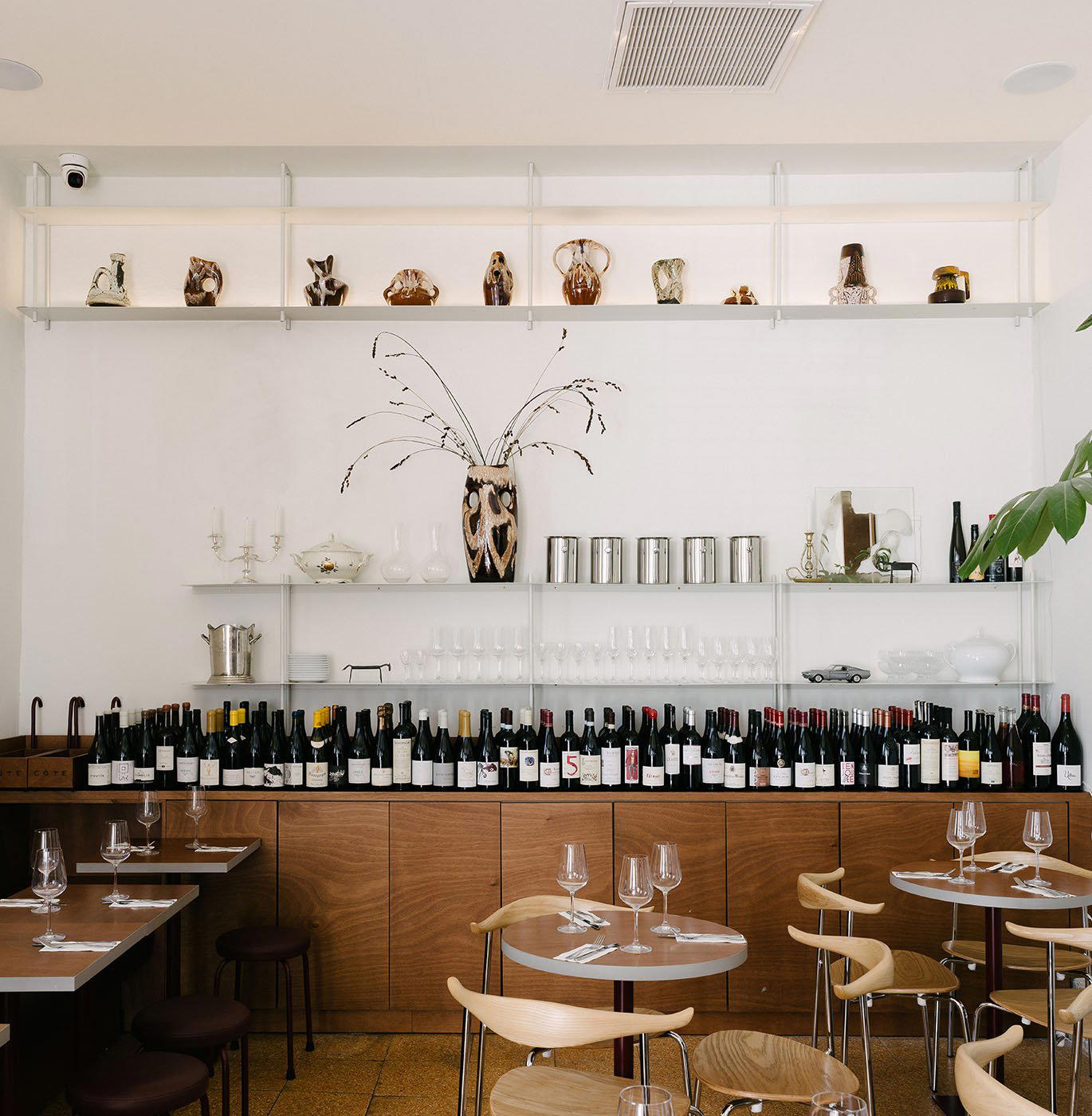
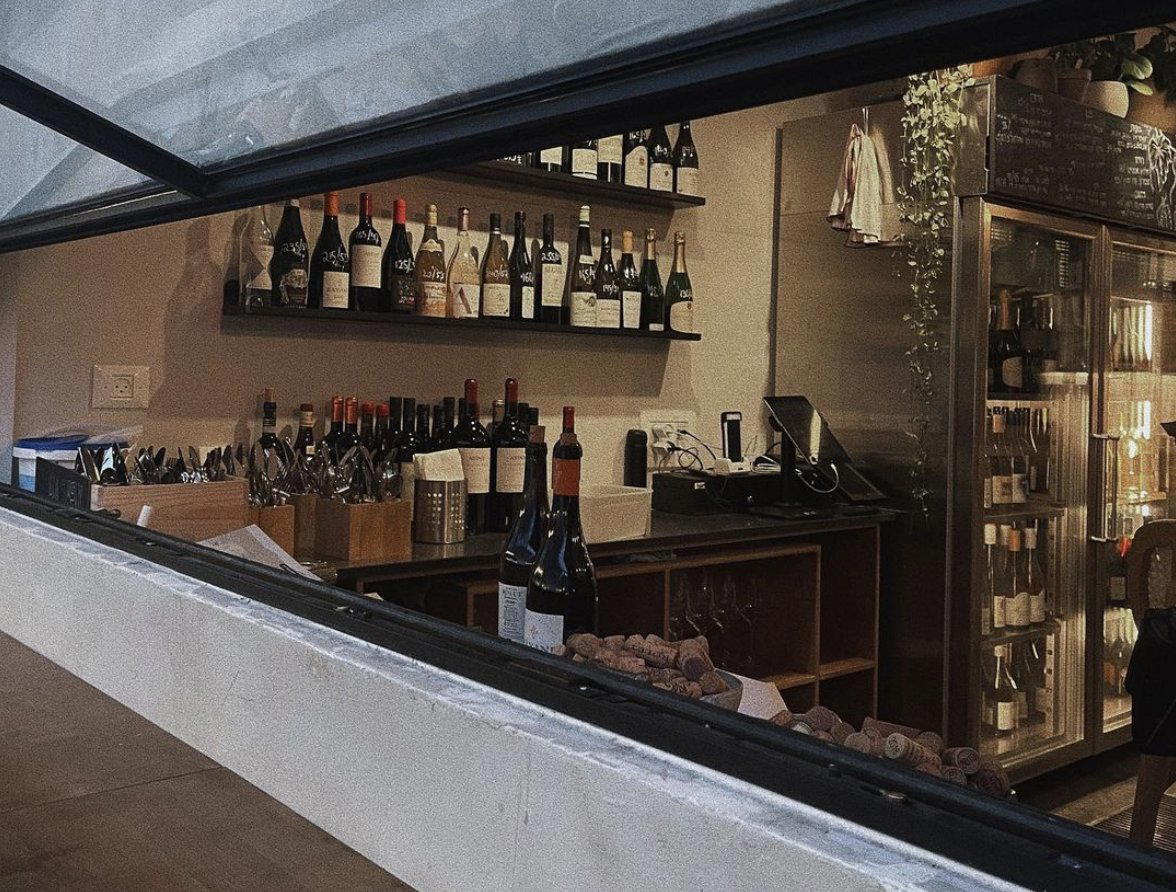
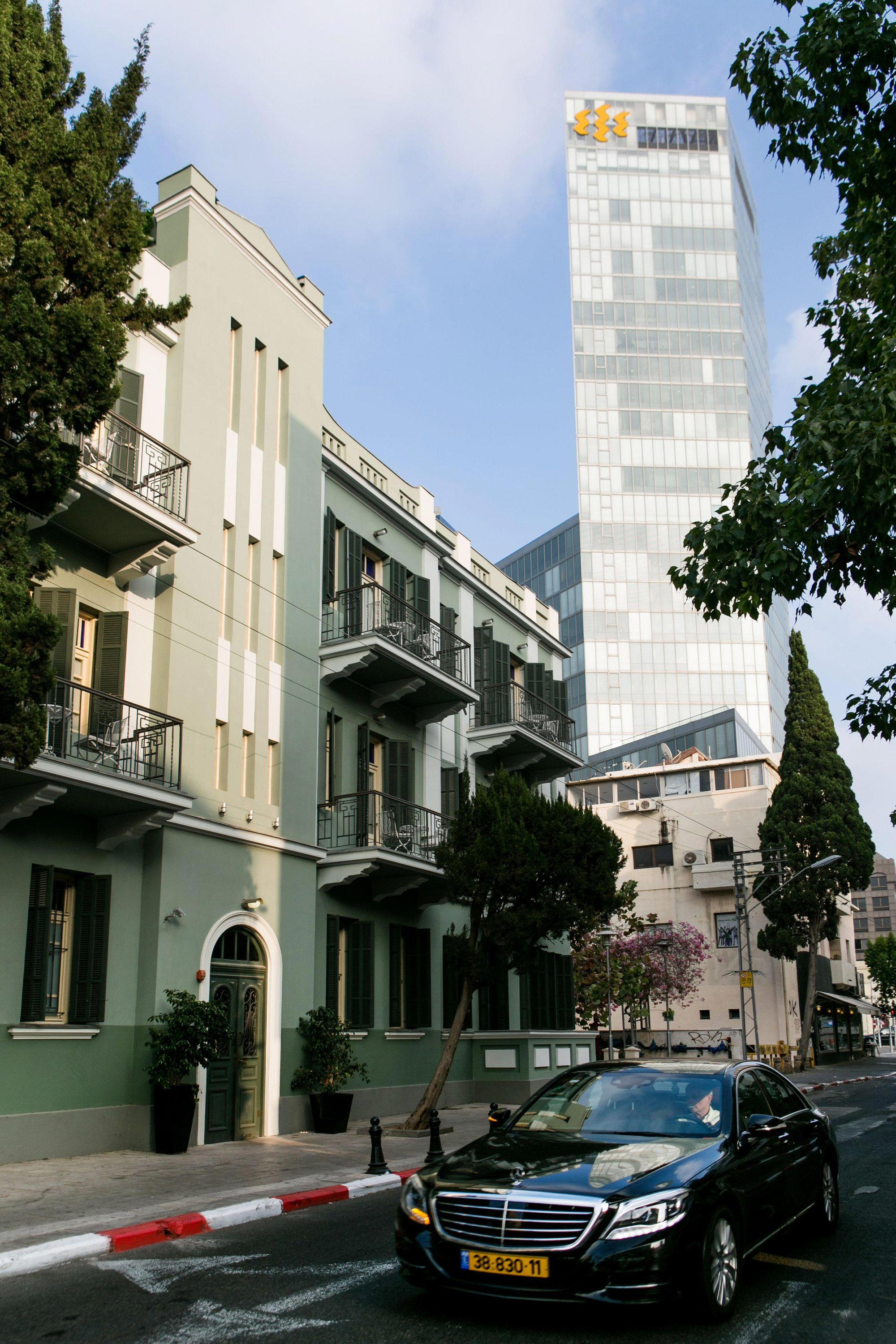
HaTnufa Street sits in a residential-adjacent pocket of Tel Aviv-Yafo, away from the higher-traffic corridors around Rothschild or the northern design district. That address signals a neighbourhood room rather than a destination-format venue: smaller scale, a regular local clientele, and a pace set by the street rather than by reservation pressure.
How does Joz Ve Loz's name reflect its cooking philosophy?
Joz Ve Loz translates directly from Hebrew as walnut and almond, two ingredients that carry genuine weight in Levantine cooking, appearing in sauces, stuffings, sweets, and spice blends across the cuisines of the Eastern Mediterranean. Naming a Tel Aviv restaurant after them rather than after a chef or a neighbourhood concept is itself a positioning statement, placing ingredients and tradition ahead of personality. It places the venue in a culinary conversation that runs from the nut-paste traditions of Syrian and Lebanese kitchens through to modern Israeli interpretations.
What dish is Joz Ve Loz famous for?
The name itself, walnut and almond in Hebrew, points toward a kitchen rooted in Levantine pantry staples, where nuts function as texture, fat, and flavour rather than garnish. Dishes built around that logic appear throughout the broader Tel Aviv Levantine scene in preparations from muhammara to baklava-adjacent desserts, but what Joz Ve Loz specifically serves is best verified with the restaurant directly.
Where do I go for Joz Ve Loz?
Joz Ve Loz is located at HaTnufa St 7, Tel Aviv-Yafo, Israel, Tel Aviv.
Budget and Context
Comparable venues nearby, for context on price, style, and recognition.
| Venue | Cuisine | Price | Awards | Notes |
|---|---|---|---|---|
| Joz Ve LozThis venue (the venue you are viewing) | Modern Mediterranean Israeli | $20–30 | Not listed | Not listed |
| Dallal Restaurant | Mediterranean Bistro with French Influences | $30–50 | Not listed | Newe Ẕedeq, Mediterranean Bistro with French Influences |
| Popina | Modern Mediterranean Chef Cuisine | Not listed | La Liste Top Restaurants | Newe Ẕedeq, Modern Mediterranean Chef Cuisine |
| Ha'Achim | Modern Israeli Mediterranean | $30–50 | Not listed | HaQirya, Modern Israeli Mediterranean |
| Bbang Bbang | Asian Fusion | $20–30 | Not listed | Ibn Gvirol, Asian Fusion |
| Ouzeria | Modern Greek-Inspired Mediterranean | $30–50 | Not listed | Florentine, Modern Greek-Inspired Mediterranean |
Continue exploring
More in Tel Aviv
Restaurants in Tel Aviv
All restaurants in Tel Aviv →
Bars in Tel Aviv
All bars in Tel Aviv →



Details
- Bohemian
- Trendy
- Intimate
- Date Night
- Casual Hangout
- Open Kitchen
- Local Sourcing
- Small Plates
- Vegetarian Friendly
- Vegan Options
Current opening hours
- Monday
- Closed
- Tuesday
- 7–10:30 PM
- Wednesday
- 7–10:30 PM
- Thursday
- 7–11 PM
- Friday
- 6–10:30 PM
- Saturday
- Closed
- Sunday
- 7–10:30 PM
Hours can change for holidays and private events. Hours as of .