
Our verdict
Ouzeria on Matalon Street sits inside Tel Aviv's Greek-influenced Mediterranean dining conversation, where imported culinary traditions meet the produce rhythms of the Levant. The format draws on the communal logic of a Greek ouzeri, small plates, shared tables, a mood that resists hurry, translated into a city that has made that ethos its own across dozens of neighbourhood restaurants.

Pearl is the En Primeur Club membership app, where members save venues, book tables and use the concierge.
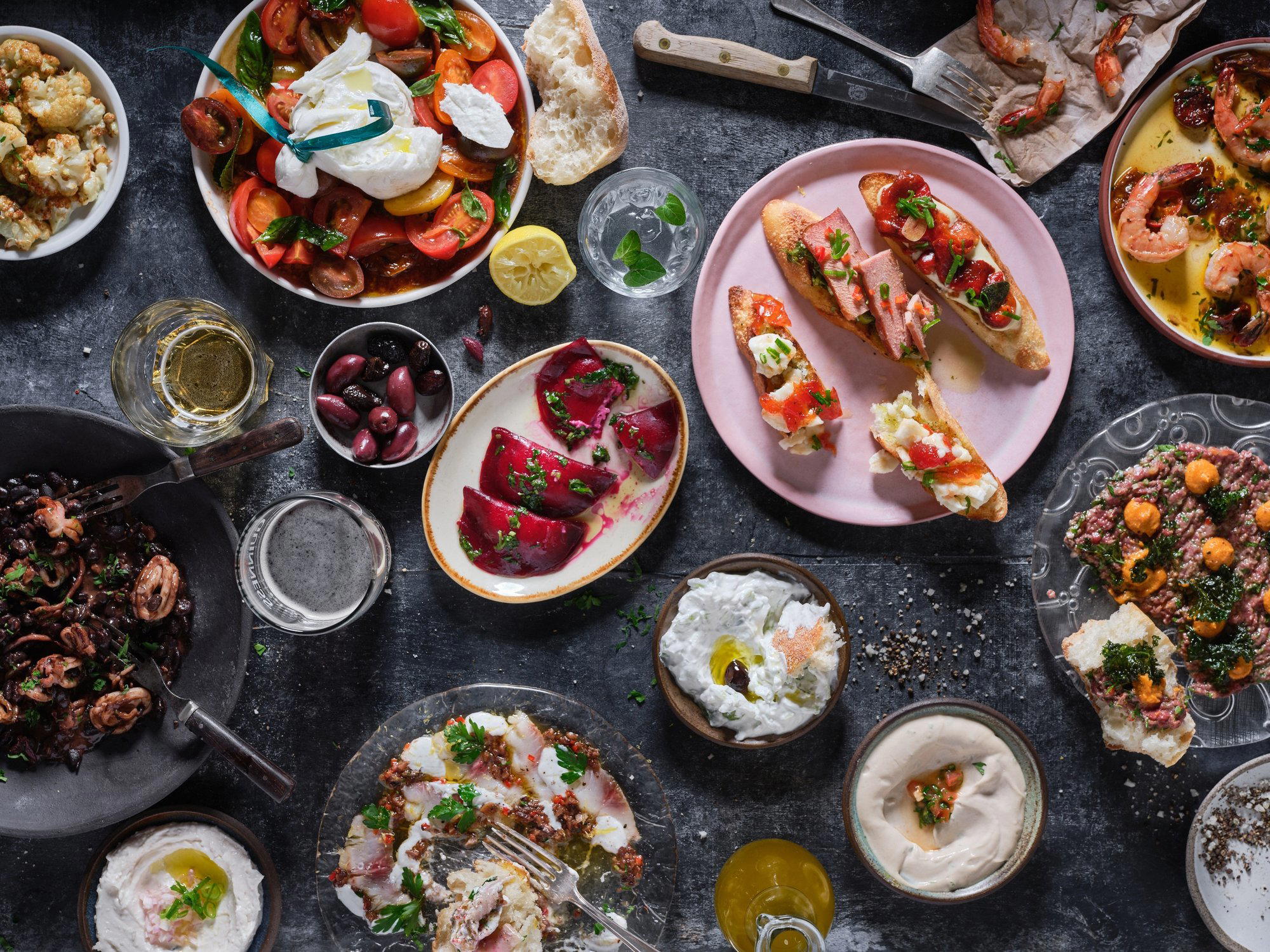
The menu
What to order
- Avivit's cauliflower
- Calamari
- Tzatziki
- Grilled octopus
The Street, the Format, the Context
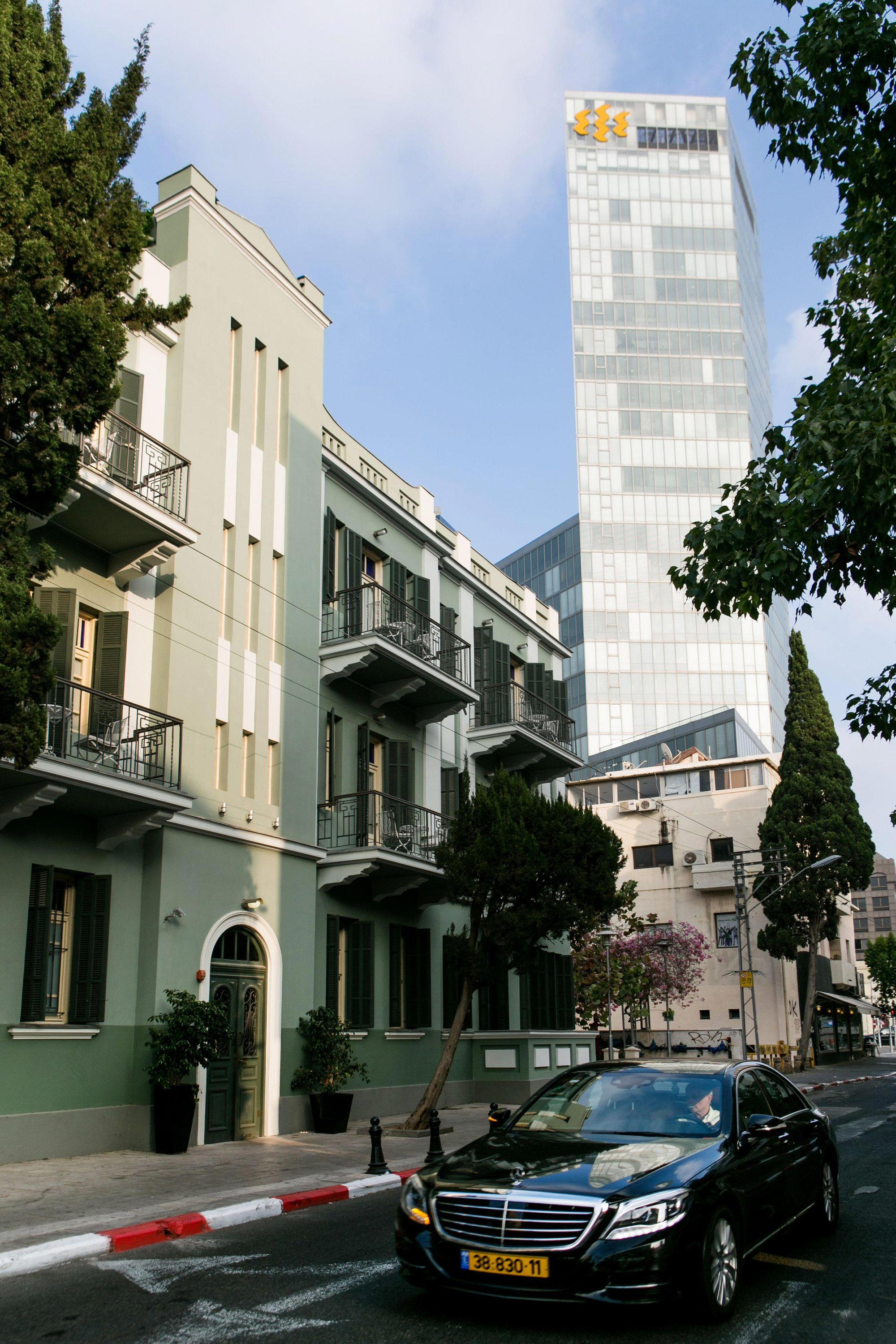
Matalon Street is not one of Tel Aviv's headline dining addresses, which is precisely what makes it worth paying attention to. The city's most commercially visible restaurants cluster around Rothschild Boulevard and the Sarona Market precinct, where foot traffic and tourist spend drive the room. Matalon, by contrast, sits in the quieter grain of south Tel Aviv, a neighbourhood whose dining identity has been shaped more by residents than by reservation platforms. Ouzeria occupies that register: a neighbourhood restaurant that takes its name from the Greek tradition of the ouzeri, the informal taverna built around small plates, shared carafes, and an unhurried pace that treats eating as a social act rather than a ticketed event.
The ouzeri format travels well to Tel Aviv, because the city's own dining culture already operates on similar logic. The shared-plate middle has dominated Tel Aviv restaurant design for a generation, from the mezze-inflected tables at Alena at The Norman to the market-driven small plates at Habasta. What Ouzeria adds to that conversation is a specifically Greek inflection: the vocabulary of anise spirit, briny preserved fish, charred octopus, and feta-laced vegetable dishes layered onto the Levantine produce base that any Tel Aviv kitchen works with by default.
Local Ingredients, Greek Logic
The intersection of imported technique and indigenous product is where Tel Aviv's more interesting kitchens have staked their identity over the past decade. Israel's agricultural output is genuinely diverse, citrus from the coastal plain, tomatoes from the Negev, seafood from the Mediterranean coast, dairy from the Galilee, and kitchens that treat that produce seriously tend to produce more coherent food than those simply importing a format wholesale. The Greek culinary tradition, more than most European frameworks, is already calibrated for that kind of ingredient-forward approach. Greek cooking at its structural level is built on olive oil, legumes, seasonal vegetables, and preserved or simply cooked seafood: a framework that accommodates Levantine produce without requiring it to be transformed into something it is not.
This matters editorially because it explains why a Greek-inflected restaurant in Tel Aviv can feel more grounded than, say, a French bistro or an Italian trattoria operating in the same city. The flavour logic overlaps with what the local market actually produces. The same seafood that arrives at Uri Buri in Acre or Helena in Caesarea, two of Israel's more serious seafood-focused addresses, arrives at Mediterranean-facing kitchens in Tel Aviv with the same provenance. The question for any kitchen working in this register is what it does with that raw material, and how honestly it prices and portions it.
The Communal Mood
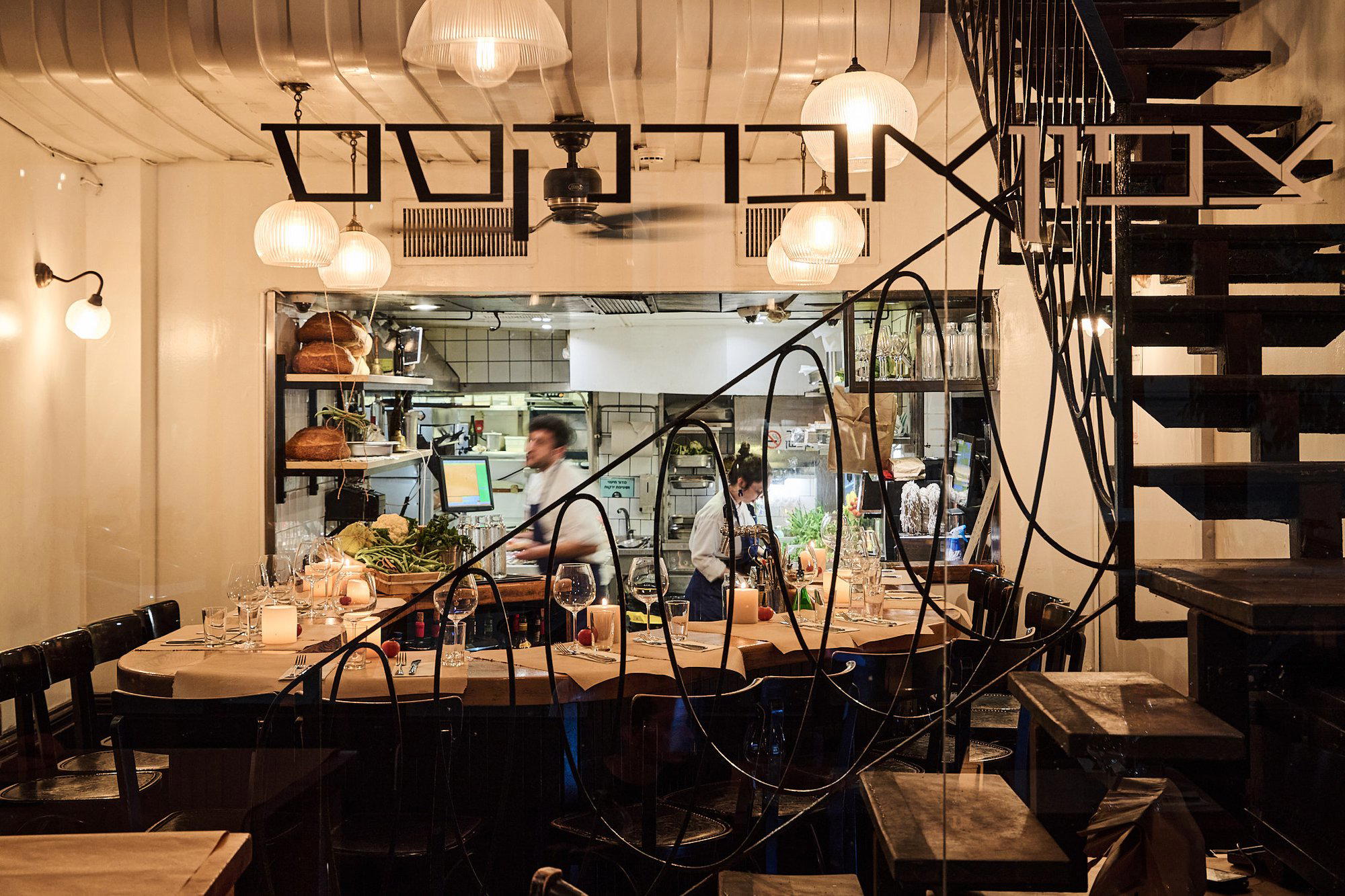
An ouzeri is not a fine-dining proposition. The reference points are taverna tables, ceramic carafes, paper tablecloths, and a culture of ordering more than you planned to. That informality is a deliberate structural choice, not a budget constraint, and it positions Ouzeria in a different tier from the tasting-menu-forward addresses that represent Tel Aviv's upper bracket, restaurants like Aria or the more composed format at a. The comparison set is closer to the neighbourhood table culture that places like Abie or Azura occupy: restaurants where the food is the point, but the frame is accessible and the atmosphere pushes back against ceremony.
Within Israel's broader dining geography, that communal, ingredient-centred approach shows up in different regional forms. Diana in Nazareth and Majda both represent versions of Arab-Israeli cooking where the communal table is also the organising principle. Abu Hassan in Jaffa, a ten-minute drive from Matalon Street, is the most famous example of a restaurant where simplicity and ingredient quality carry the room without any additional theatrical apparatus. Ouzeria operates in that spirit, applied through a Greek rather than a Levantine lens.
Planning a Visit
Matalon Street is accessible from the city centre on foot or by a short taxi or rideshare ride from the Carmel Market area. The address at number 44 places it in the southern residential stretch of the street. Given the format, evenings during spring and autumn, when the Mediterranean weather justifies outdoor or open-air dining and the city's social calendar is at its most active, represent the optimal timing. Tel Aviv's dining scene runs late by northern European standards; most neighbourhood restaurants fill properly after 20:00, and the ouzeri format is at its finest when there is time to order in rounds rather than all at once. Practical details including hours, booking method, and current pricing are best confirmed directly with the venue before visiting, as this information is subject to change. For a broader orientation to the city's restaurant scene, the full Tel Aviv restaurants guide maps venues across cuisine types and neighbourhoods. Further afield, Herbert Samuel Herzliya and Michael Local Bistro in Liman are worth considering for day trips that extend the Mediterranean dining thread outside the city. For those tracing entirely different culinary registers within Israel, Menza in Jerusalem and Pitmaster in Beersheba represent the range on offer. And for reference points in cities where imported European technique and local produce have been integrated at the highest tier, Le Bernardin in New York and Atomix show what that integration looks like at the global award level.
Frequently asked questions
Does Ouzeria work for a family meal?
The ouzeri format is built for groups rather than solo diners or couples, dishes arrive in rounds and the table fills with shared plates, which suits families well. The address at Matalon 44 puts it outside Tel Aviv's most crowded dining corridors, so the pace is generally more relaxed than restaurants closer to the Carmel Market. That said, the communal, paper-tablecloth atmosphere skews informal enough that children are unlikely to feel out of place.
What's the vibe at Ouzeria?
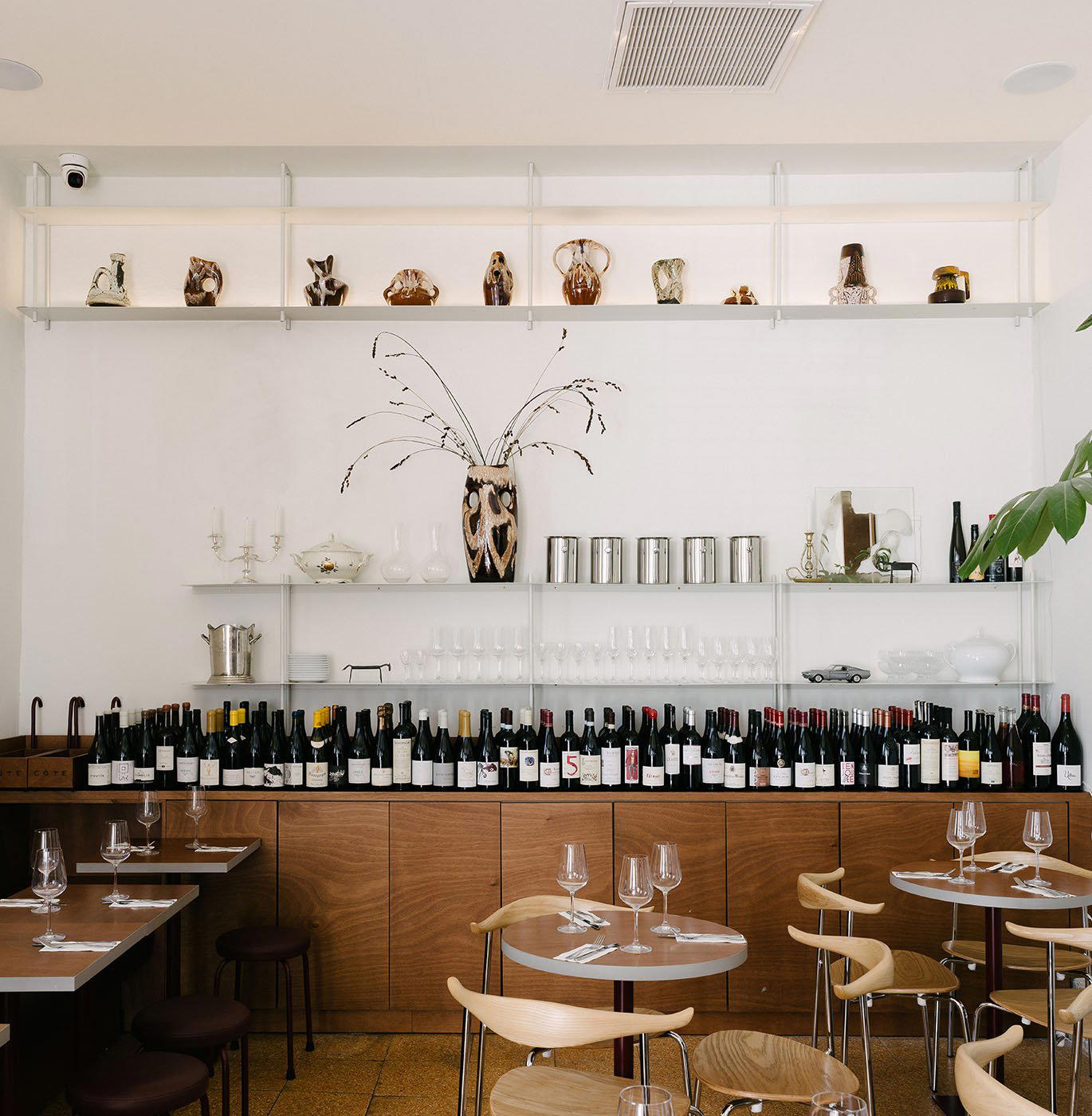
Think Greek island taverna transposed to a Tel Aviv side street: ceramic carafes, a culture of ordering more than you need, and tables that are expected to linger. Matalon Street operates at a lower register than the city's headline dining addresses, which gives Ouzeria a neighbourhood cadence rather than a scene-chasing one. The format is deliberately communal, not fine-dining.
Is Ouzeria the right choice for someone who wants Greek-style dining in Tel Aviv rather than standard Israeli or Mediterranean restaurant fare?
Ouzeria applies a specifically Greek structural logic, the ouzeri format of small plates, shared carafes, and a taverna-paced meal, rather than the broader Eastern Mediterranean spread found across most of Tel Aviv's casual dining scene. That distinction matters if you're after something closer to Athens or Thessaloniki in spirit than a generic mezze spread. Matalon Street, sitting away from the city's main dining circuits, reinforces that the venue isn't pitching itself at tourists looking for a familiar regional shorthand.
What's the must-try dish at Ouzeria?
What the ouzeri format consistently centres on is small plates ordered in multiples, the Greek taverna logic of grazing rather than coursing. Arriving with a group and working through several rounds is the intended approach, not ordering à la carte for one.
How do I find Ouzeria?
Ouzeria is located at Matalon St 44, Tel Aviv-Yafo, Israel, Tel Aviv.
How far ahead should I plan for Ouzeria?
Booking lead times aren't publicly documented for Ouzeria, and no reservations policy is confirmed. For casual ouzeri-format venues in Tel Aviv, same-day or walk-in visits are often viable on weeknights, while weekends around the Carmel Market area tend to fill earlier. Checking directly via the Matalon 44 address on arrival remains a practical option if no booking channel is available.
Same-City Peers
Comparable venues nearby, for context on price, style, and recognition.
| Venue | Cuisine | Price | Awards | Notes |
|---|---|---|---|---|
| OuzeriaThis venue (the venue you are viewing) | Modern Greek-Inspired Mediterranean | $30–50 | Not listed | Not listed |
| Dok | Modern Israeli Locavore | $50–100 | Not listed | Ṣummeil |
| Yaffo Tel-Aviv | Modern Mediterranean | $50–100 | Star Wine List | Montefiore |
| Kab Kem | Modern Thai Tapas | $50–100 | Not listed | Ha-rakevet |
| Romano | Modern Mediterranean Gastro Pub | $50–100 | Not listed | Newe Ẕedeq |
| Ha'Achim | Modern Israeli Mediterranean | $30–50 | Not listed | HaQirya |
Recognition history
Dated appearances from independent guides and award organizations, with the underlying list record or original source where available.
Opinionated About Dining Casual in Europe Recommended
Opinionated About Dining
Continue exploring
More in Tel Aviv
Restaurants in Tel Aviv
All restaurants in Tel Aviv →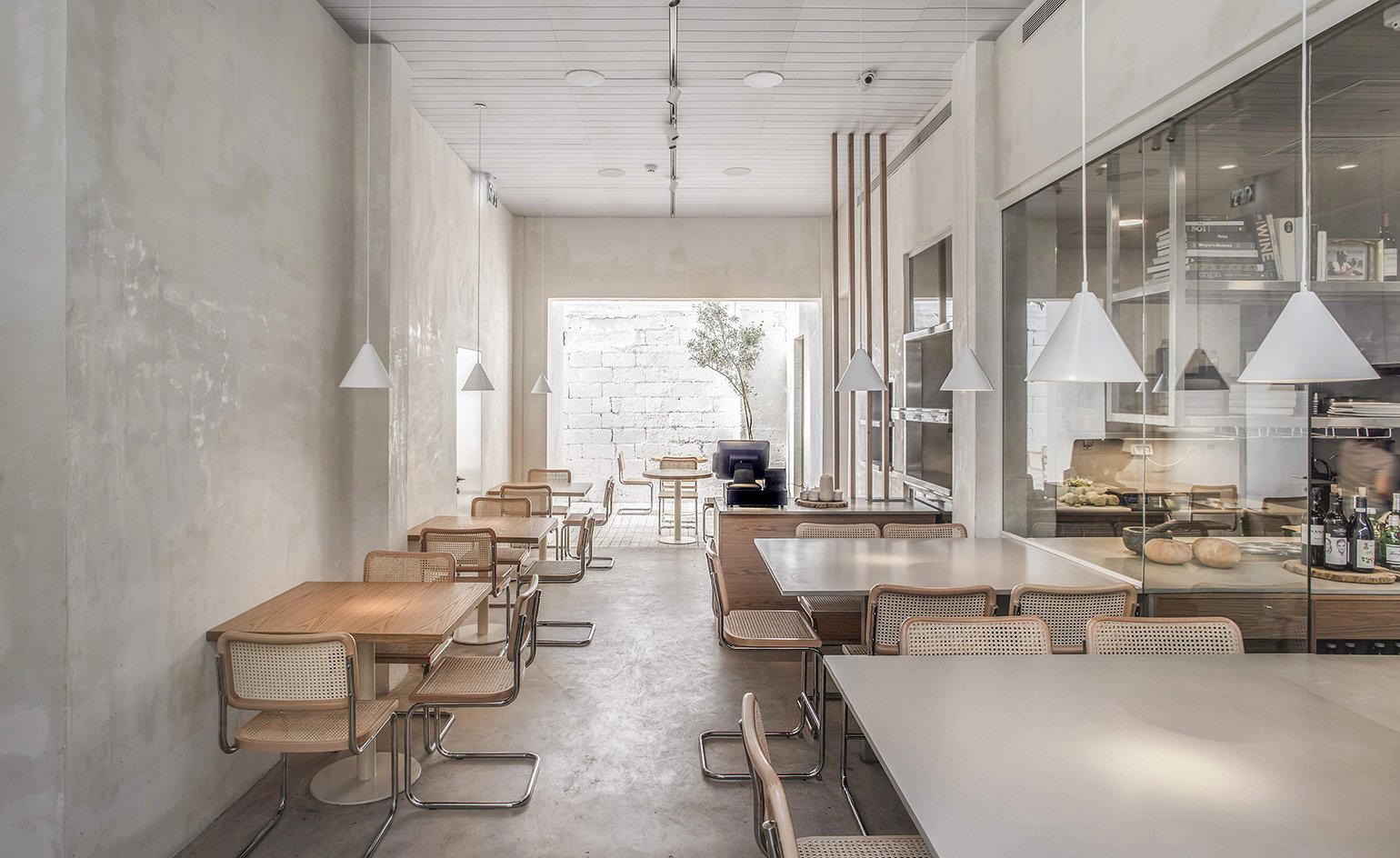
Bars in Tel Aviv
All bars in Tel Aviv →

Details
- Lively
- Trendy
- Energetic
- Casual Hangout
- Group Dining
- Late Night
- Open Kitchen
- Craft Cocktails
- Local Sourcing
- Small Plates
- A La Carte
- Ouzo
- Vegetarian Friendly
- Vegan Options
- Gluten Free Options
Current opening hours
- Monday
- 12–5 PM
- Tuesday
- 12–11 PM
- Wednesday
- 12–11 PM
- Thursday
- 12–11 PM
- Friday
- 12–11 PM
- Saturday
- Closed
- Sunday
- 12–11 PM
Hours can change for holidays and private events. Hours as of .
Lively and energetic atmosphere with Greek music, warm hospitality, and a bustling, colorful taverna feel.