
"Enjoy Traditional Israeli Dishes One can find falafel on just about every street corner in Tel Aviv, but Hakosem, which means "the magician," is treated as the purveyor of the delicious fried chickpea balls. Opened in 2001, Hakosem is clean, colorful, and fun while still being authentic. No matter the time of day, the eatery is bustling with locals and tourists ready to try its trademark green falafel. Another of itssignature dishes is homemade hummus, which is made fresh throughout the day. Each plate is served with a fresh pita, onions, pickles, spicy hot pepper, garlic, and lemon sauce. Other staple Israeli dishes are also served, including shawarma, shakshuka (eggs cooked in a spicy sauce of tomatoes, onions, peppers, garlic, and seasoning), sabich (pita filled with eggplant), salad, and chicken schnitzel."
Pearl is the En Primeur Club membership app — saves, bookings, and concierge access live there. Same editors, same standards.
- Address
- Shlomo HaMelekh St 1, Tel Aviv-Yafo, Israel
- Phone
- +972 3 525 2033
- Directions
- Get directions
 Saves & bookings on Pearl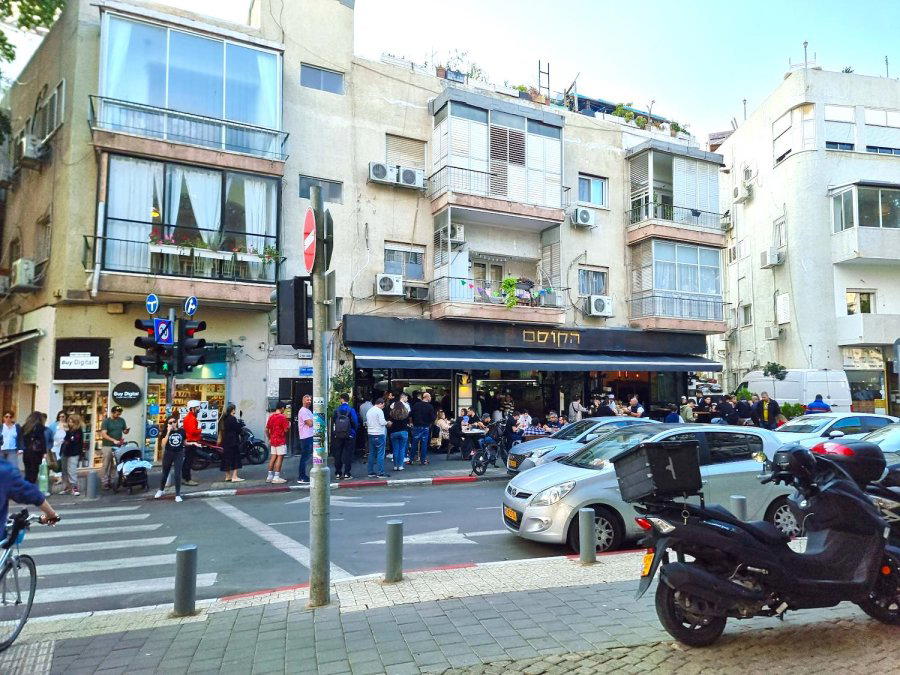
Where Tel Aviv's Street Food Reputation Was Earned
Shlomo HaMelekh Street sits at the commercial edge of central Tel Aviv, where the city's grid tightens and foot traffic thickens across most hours of the day. It is the kind of address where a serious falafel counter does not need to advertise. The draw is not spectacle. It is execution applied consistently to ingredients that the broader dining culture tends to take for granted.
Falafel as a Sourcing Argument
Israeli street food at its foundational tier rests on chickpeas, fresh herbs, sesame-based tahini, and the quality of the oil carrying the heat. The gap between a falafel counter that sources dried commodity legumes and one that works with fresh-ground or freshly soaked chickpeas is audible in texture and visible in colour: the interior of a well-sourced falafel ball is green from fresh parsley and coriander rather than grey from aged dried product. It is also measurable in the tahini, where raw sesame paste from quality-focused producers carries a bitterness that balances the creaminess in a way that commodity tahini does not. HaKosem has built its reputation inside this sourcing gap, and that is the argument the counter makes every service.
This matters beyond the queue outside. Tel Aviv's falafel scene operates across a wide sourcing spectrum. Counters like Abu Hassan in Jaffa built their authority on hummus rather than falafel, working with long-cooked chickpeas and the kind of fat-to-legume ratios that separate a functional bowl from one worth crossing a city for. HaKosem occupies a parallel niche: the high-sourcing falafel counter that competes on ingredient quality rather than on price or novelty format. In a city where informal dining is taken seriously, that positioning is not casual.
The Scene at Street Level
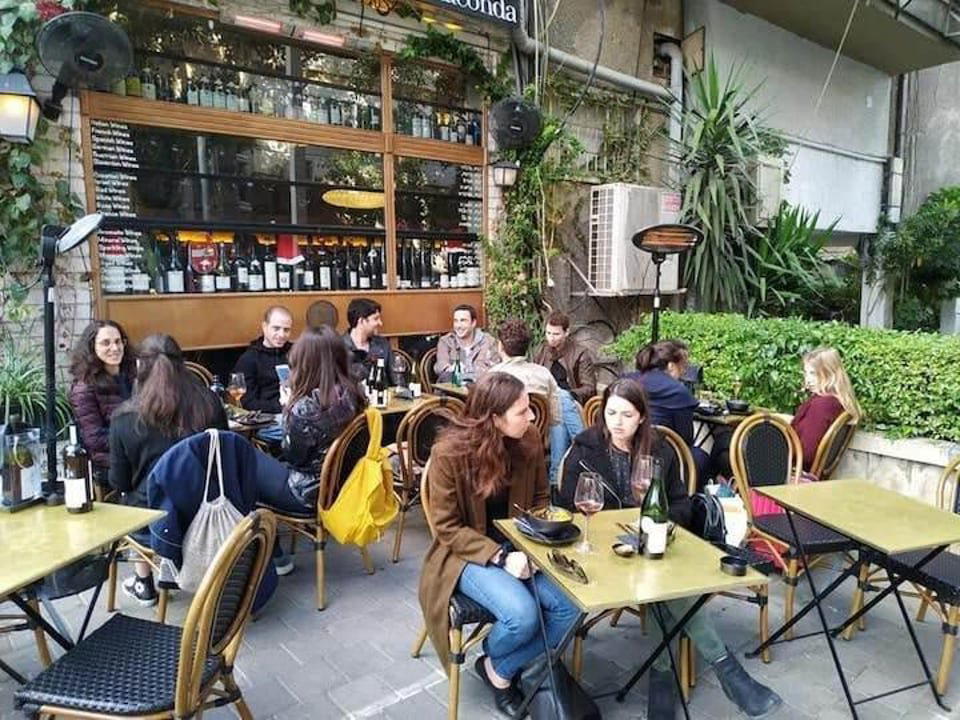
Queues at HaKosem extend onto the pavement at peak hours, which in Tel Aviv means most of the late morning through mid-afternoon, and again in the early evening. The format is fast: orders are assembled at pace, the counter is compact, and the rhythm of service is built around throughput without sacrificing the care that makes the product worth waiting for. Comparison counters across the city, including the kebab-oriented format at מידס in Ashqelon and the grill-focused approach at Diana in Nazareth, operate on similar efficiency principles, but HaKosem's particular reputation has made it a reference point specifically for the falafel category across Israel, not just within Tel Aviv.
Nearby, the restaurant tier of Tel Aviv's dining scene runs from ambitious Israeli-Mediterranean formats to produce-driven tasting menus. Alena at The Norman represents the white-tablecloth end of local ingredient cuisine, while Aria and Abie operate within the city's more formal dining register. HaKosem sits at the opposite end of that spectrum without any loss of seriousness. The product is different; the intent behind ingredient selection is not.
What the Counter Represents in Broader Israeli Dining
Israeli street food has attracted sustained international attention over the past decade, partly through the global reach of chefs trained in or deeply connected to the Levantine larder, and partly through food media coverage that placed Tel Aviv alongside cities like Istanbul and Beirut as reference points for vegetable-forward, spice-literate, ingredient-driven cooking. The falafel counter is the entry point to that conversation for most visitors, and it is where the gap between replication and sourcing becomes immediately apparent.
The rest of Israel's dining geography demonstrates how wide that range runs. Uri Buri in Acre built a seafood-focused identity through local sourcing and long operation. Majda in Har Nof sits at the intersection of Arab and Israeli culinary traditions with produce sourced from family-connected growing. Helena in Caesarea applies fine-dining rigour to Mediterranean ingredients. Chakra in Jerusalem and Azura each hold specific positions in the hummus and Middle Eastern comfort food register. Across all of them, the sourcing argument recurs. HaKosem makes the same argument at street price and street pace, which is a different kind of discipline.
Compared to the casual dining category in other international cities, where the equivalent of the falafel counter has often been compromised by scaling pressures or ingredient cost-cutting, the concentration of quality-focused street food counters in Tel Aviv represents something worth noting as a structural feature of the city's food culture, not just as a collection of individual venues.
Placing HaKosem in Tel Aviv's Informal Dining Tier
Within the informal tier, a few comparison points clarify HaKosem's specific position. Ha'Achim and Habasta operate in the casual-to-mid Israeli restaurant register, with broader menus and seated formats. HaSalon represents the Mediterranean-Israeli crossover at a more celebratory scale. Dr. Shakshuka, based in Jaffa, anchors the Middle Eastern brunch category with a different product focus. HaKosem is narrower in scope and faster in format than all of them, and that narrowness is the point: the constraint of the falafel counter format places every available variable on ingredient quality. Pescado in Ashdod, Burger 232 in Maggen, and Herbert Samuel Herzliya each demonstrate how regional Israeli dining quality extends well beyond the city, but the Tel Aviv counter format at this specific category has a density and competitive standard that is difficult to replicate elsewhere. For context on how ingredient sourcing operates at a completely different price point globally, venues like Le Bernardin in New York City and Lazy Bear in San Francisco apply comparable sourcing rigour at tasting-menu scale; what HaKosem demonstrates is that the logic holds at the other end of the price register too. a rounds out the Tel Aviv dining picture at the mid-formal tier.
Planning Your Visit
HaKosem is located at Shlomo HaMelekh St 1, Tel Aviv-Yafo. The counter is walk-in friendly and open Monday through Thursday and Sunday from 10 AM to 10 PM, Friday from 10 AM to 3:30 PM, and closed on Saturday.
In Context: Similar Options
Comparable venues nearby, for context on price, style, and recognition.
| Venue | Cuisine | Price | Notes |
|---|---|---|---|
| HaKosemThis venue — the venue you are viewing | Israeli Street Food | $$ | Not listed |
| Port Said | Modern Israeli Mediterranean | $$ | Newe Ẕedeq |
| Hummus Abu Hassan | Authentic Middle Eastern Hummus | $ | El Ajami |
| Café Yom Tov | Israeli Cafe with Mediterranean Flavors | $$ | Kerem Ha-teimanim |
| Cafe Puaa | Israeli Mediterranean Cafe | $$ | Jaffa |
| Ha'Achim | Modern Israeli Mediterranean | $$ | HaQirya |
Recognition history
Dated appearances from independent guides and award organizations, with the underlying list record or original source where available.
Opinionated About Dining Cheap Eats in Europe Ranked #46
Opinionated About Dining
Opinionated About Dining Newly Added European Restaurants
Opinionated About Dining
At a Glance
- Lively
- Well Known
- Energetic
- Casual Hangout
- Standalone
Current opening hours
- Monday
- 10 AM–10 PM
- Tuesday
- 10 AM–10 PM
- Wednesday
- 10 AM–10 PM
- Thursday
- 10 AM–10 PM
- Friday
- 10 AM–3:30 PM
- Saturday
- Closed
- Sunday
- 10 AM–10 PM
Hours can change for holidays and private events. Last verified .
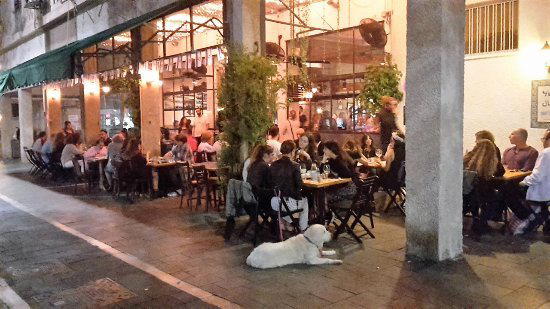
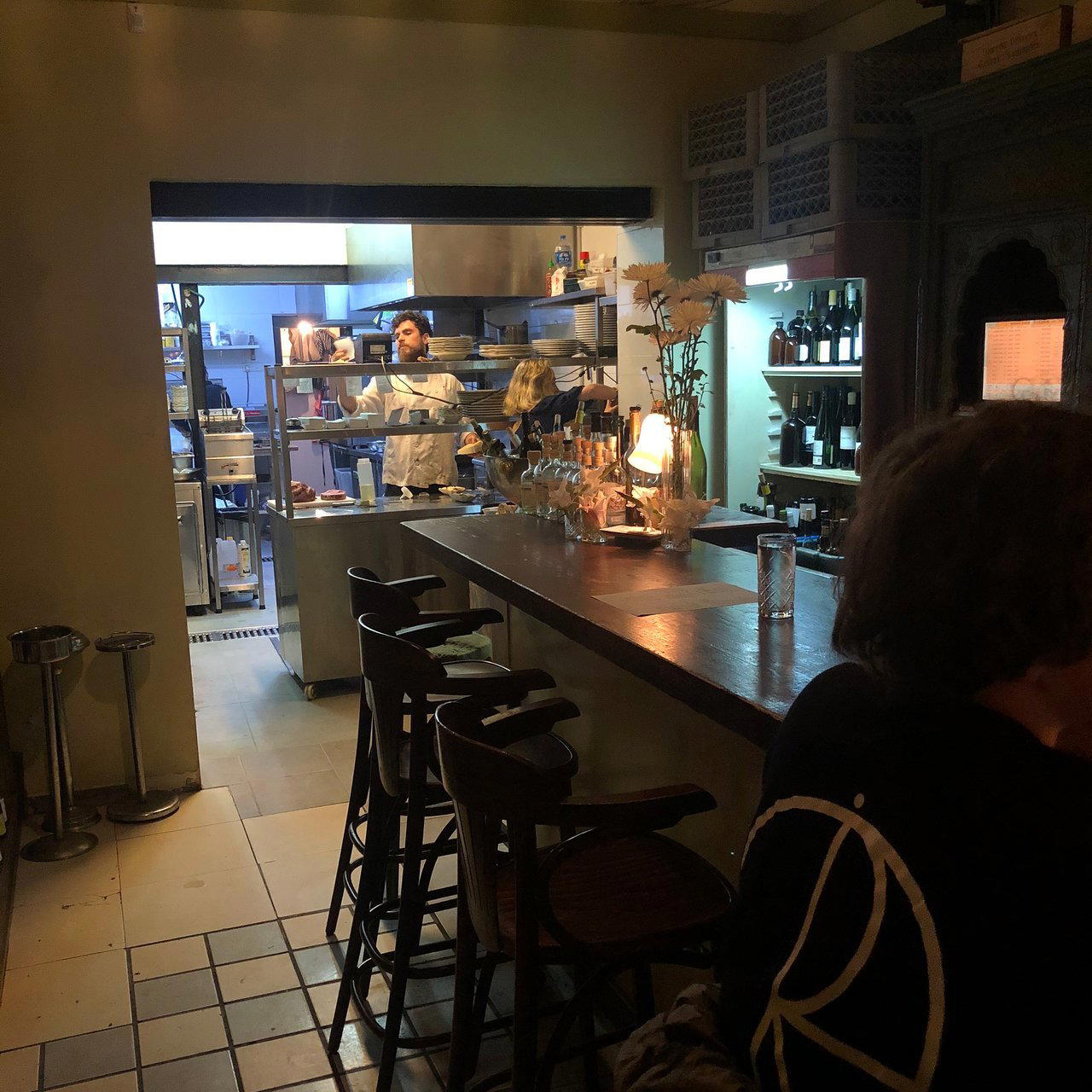
Bustling street food spot with constant queues, sidewalk seating, and lively local energy.