
Michelin Plate
Our verdict
Phở Tiến on Nguyễn Trường Tộ earns its 2025 Michelin Plate in the competitive northern pho tradition, where broth clarity and bone-depth are the only metrics that matter. For a reading of Hanoi's noodle scene at its most concentrated, this is a dependable address.

Pearl is the En Primeur Club membership app, where members save venues, book tables and use the concierge.
Ba Đình's Pho Counter and the Architecture of a Northern Bowl
Approach 103 Nguyễn Trường Tộ on a weekday morning and the scene outside is the clearest possible description of northern Vietnamese pho culture: plastic stools arranged at low tables, steam rising from ceramic bowls, and the particular focused quiet of people eating before the city fully wakes. Ba Đình, the district that contains Phở Tiến, sits northwest of Hoàn Kiếm Lake, a few blocks from the French Quarter's administrative bulk and the residential streets that have historically produced Hanoi's most concentrated pocket of specialist noodle houses. The address is not tourist-facing by design, it is a working neighbourhood, and the restaurant operates accordingly.
Phở Tiến holds a 2025 Michelin Plate, placing it inside the recognised tier of Hanoi's noodle scene without crossing into the starred bracket occupied by a small number of contemporary Vietnamese restaurants elsewhere in the city. The Michelin Plate signals consistent quality and a clear culinary identity rather than innovation or spectacle, a meaningful distinction in a category where consistency of broth across hundreds of bowls per day is the actual technical challenge.
The Daytime Bowl: When Pho Works well
In Hanoi, the lunch-versus-dinner divide in pho is not primarily a question of menu variation, the bowl itself remains the same, but of context, atmosphere, and what the eating experience is actually for. Pho in the northern tradition is a morning and midday food. Broths are built overnight and through the early hours, reaching their depth by the time the first customers arrive at dawn. By evening, what you are drinking is the residual product of a broth that peaked hours earlier, and even well-run kitchens are working from a diminished base.
At street-level operations like Phở Tiến, this timing logic is especially pronounced. The price point (₫, the lowest tier in Hanoi's range) means volume is built into the model, high turnover, consistent demand, and a kitchen calibrated around the morning rush. The practical intelligence for visitors is direct: arrive before noon. The soup is denser, the kitchen is in rhythm, and the surrounding street activity, delivery cyclists, office workers, school runs, provides a context that evening visits simply cannot replicate. For travellers crossing through Ba Đình earlier in the day, the routing is logical: Phở Tiến sits in walking distance of the Ho Chi Minh Mausoleum complex and the surrounding museums, making it a natural point before or after a morning circuit of the district.
Northern Pho in Its Competitive Context
Hanoi's noodle category is dense enough to warrant careful mapping. At the street end of the price range, Phở Tiến shares its competitive tier with places like Bun Cha Ta (Nguyen Huu Huan Street), where the format shifts to grilled pork and rice noodles, a different bowl but the same value logic and same street-culture context. The broader noodle category in Hanoi also includes eel-based formats at addresses like Miến Lươn Đông Thịnh and Miến Lươn Chân Cầm (Hoan Kiem), and fish-based broths at Hiệu Lực Canh Cá Rô Hưng Yên (Hai Ba Trung), each pointing to the degree of specialisation that defines Hanoi's approach to noodle culture. Bún Chả Chan extends that picture further into the bun cha format. What separates Phở Tiến from many of those peers is the Michelin recognition: within the ₫ price tier, a 2025 Plate makes this one of the more externally validated addresses in the category.
Across Vietnam more broadly, the Michelin footprint has expanded to include contemporary addresses at the higher end, Anan Saigon in Ho Chi Minh City and La Maison 1888 in Da Nang represent a different register of Vietnamese dining ambition, but the Plate category in Hanoi has increasingly recognised the specialist street-format houses that define the city's actual culinary character. That shift in how Michelin frames Vietnamese food is itself the more interesting story: credentialing a bowl of pho at ₫ pricing carries a different editorial weight than a tasting menu at ₫₫₫₫, and arguably a more honest one given what Hanoi's food culture is actually built around.
For regional noodle context across Asia, the concentration of specialist formats is a consistent pattern. Addresses like A Niang Mian Guan in Shanghai, A Kun Mian in Taichung, A Bing Bao Shan Mian in Hangzhou, A Xin Xian Lao in Fuzhou, and Ajisai in Taichung all operate on the same single-format discipline that Phở Tiến applies to beef broth. In southern Vietnam, Bà Diệu in Da Nang represents the regional variation in Vietnamese noodle traditions. The specialist model, one format, done repeatedly, over years, is the structure that tends to produce both Michelin recognition and the kind of sustained review consensus that Phở Tiến has accumulated.
What the Pho Tradition Requires
Northern pho, as practised in Hanoi, is a deliberately minimal form. The broth carries everything: beef bones simmered for hours with charred ginger and onion, the spice balance held tighter than the sweeter, more herb-laden versions found in the south. Garnish is restrained, a few slices of scallion, perhaps white pepper. The bowl asks the diner to meet it on its own terms rather than customise it into something more accommodating. That restraint is what makes the technical execution so exposed: there is nowhere to hide a thin broth or a poorly sourced cut of beef.
Phở Tiến operates within that tradition at the ₫ price point, which carries its own set of expectations. This is not fine dining reinterpreted through street food, the move that defines addresses like Anan Saigon. It is the form itself, executed at scale, daily, with enough consistency to earn external recognition.
Planning a Visit
Phở Tiến is at 103 P. Nguyễn Trường Tộ in the Quán Thánh ward of Ba Đình. No booking is required or expected at this format and price tier, arrival determines seating. Morning service, particularly between the early hours and noon, is when the kitchen is operating at full capacity and the broth is at its most concentrated. Payment in Vietnamese dong is standard. For a fuller map of the city's eating and drinking options, see our full Hanoi restaurants guide, as well as our guides to Hanoi bars, Hanoi hotels, Hanoi wineries, and Hanoi experiences.
Frequently asked questions
What's the signature dish at Phở Tiến?
Phở Tiến is a pho specialist, which means the bowl of beef noodle soup is the entire point of the visit. Northern-style pho, the tradition this Ba Đình address operates within, centres on a clear, bone-deep beef broth with rice noodles and a minimal garnish. The 2025 Michelin Plate No specific dish variants are listed in available data, but at this format and price tier, the menu is narrow by design.
Fast Comparison
Comparable venues nearby, for context on price, style, and recognition.
| Venue | Cuisine | Price | Awards | Notes |
|---|---|---|---|---|
| Phở TiếnThis venue (the venue you are viewing) | Michelin-Selected Chicken Pho | $1–10 | Michelin Plate | Not listed |
| Cha Ca La Vong | Hanoi Grilled Turmeric Fish (Cha Ca La Vong) | $1–10 | Not listed | Cau Giay |
| Quán Ăn Ngon (Hoan Kiem) | Authentic Vietnamese Street Food | $1–10 | Michelin Plate | Hoan Kiem |
| Maison 1929 | Modern Vietnamese | $10–20 | Michelin Plate | Hoan Kiem |
| Bánh Cuốn Bà Hoành | Traditional Vietnamese Bánh Cuốn | $1–10 | Michelin Plate | Hai Ba Trung |
| Hiệu Lực Canh Cá Rô Hưng Yên (Hai Ba Trung) | Hưng Yên Fish Noodle Soup | $1–10 | Michelin Plate | Hoan Kiem |
Recognition history
Dated appearances from independent guides and award organizations, with the underlying list record or original source where available.
Michelin Plate
Michelin
Full recognition history (2 entries)
Michelin Plate
Michelin
Continue exploring
More in Hanoi
Restaurants in Hanoi
All restaurants in Hanoi →
Bars in Hanoi
All bars in Hanoi →
Details
- Cozy
- Classic
- Casual Hangout
- Standalone
- Local Sourcing
- Street Scene
- A La Carte
Current opening hours
- Monday
- 6 AM–1 PM
- Tuesday
- 6 AM–1 PM
- Wednesday
- 6 AM–1 PM
- Thursday
- 6 AM–1 PM
- Friday
- 6 AM–1 PM
- Saturday
- 6 AM–1 PM
- Sunday
- 6 AM–1 PM
Hours can change for holidays and private events. Hours as of .
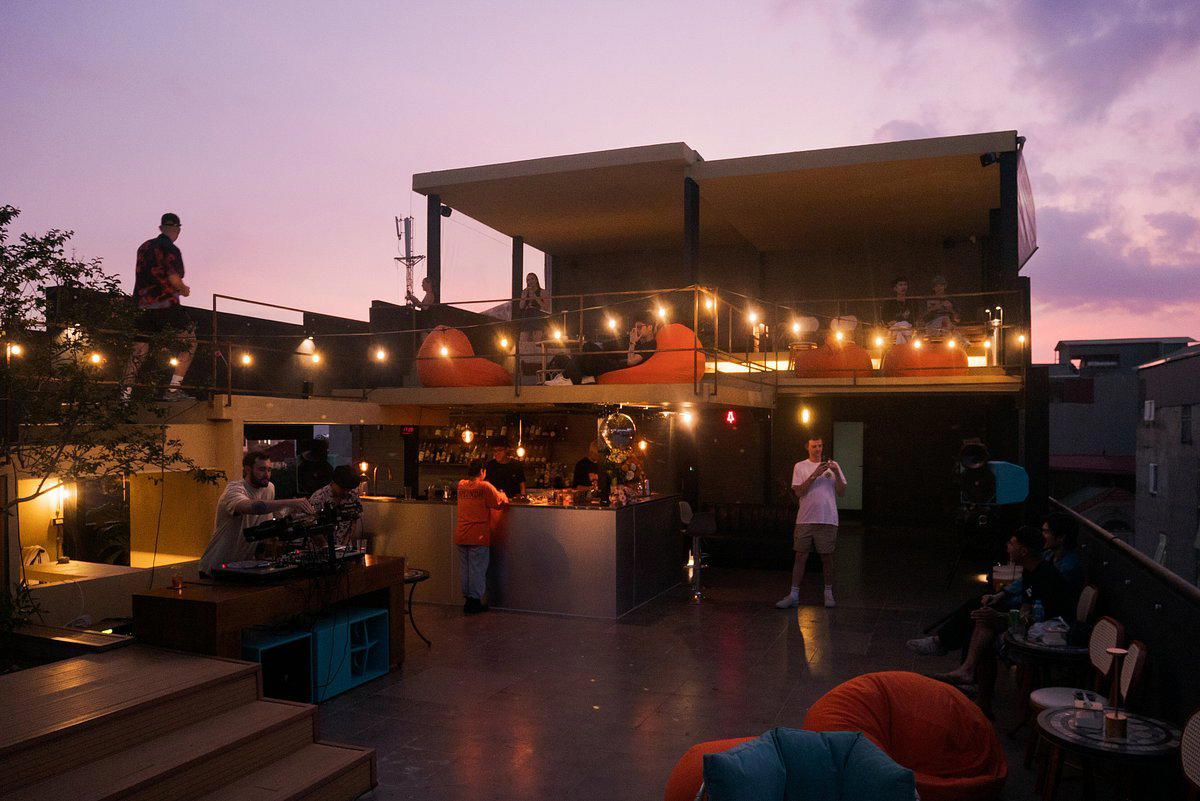
Clean, cosy space with large windows and classic yellow walls evoking Hanoi's cheerful street culture.