Pasent
Our verdict
On Dunavska Street in Sremski Karlovci, Pasent occupies a town that has shaped Serbian wine and ecclesiastical culture for centuries. The restaurant sits within a dining scene that draws on Fruška Gora's agricultural interior and the Danube's proximity, placing it among the few addresses in Vojvodina where regional sourcing is a structural fact rather than a marketing claim. For visitors moving between Novi Sad and the river towns, it warrants a deliberate stop.

Pearl is the En Primeur Club membership app — saves, bookings, and concierge access live there. Same editors, same standards.
- Address
- Dunavska 7, Sremski Karlovci 21205, Serbia
- Phone
- +381668474747
- Hours
- Mon–Fri 9 AM–11 PMSat 9 AM–12 AMSun 9 AM–11 PM
- Website
- pasent.rs
- Directions
- Get directions
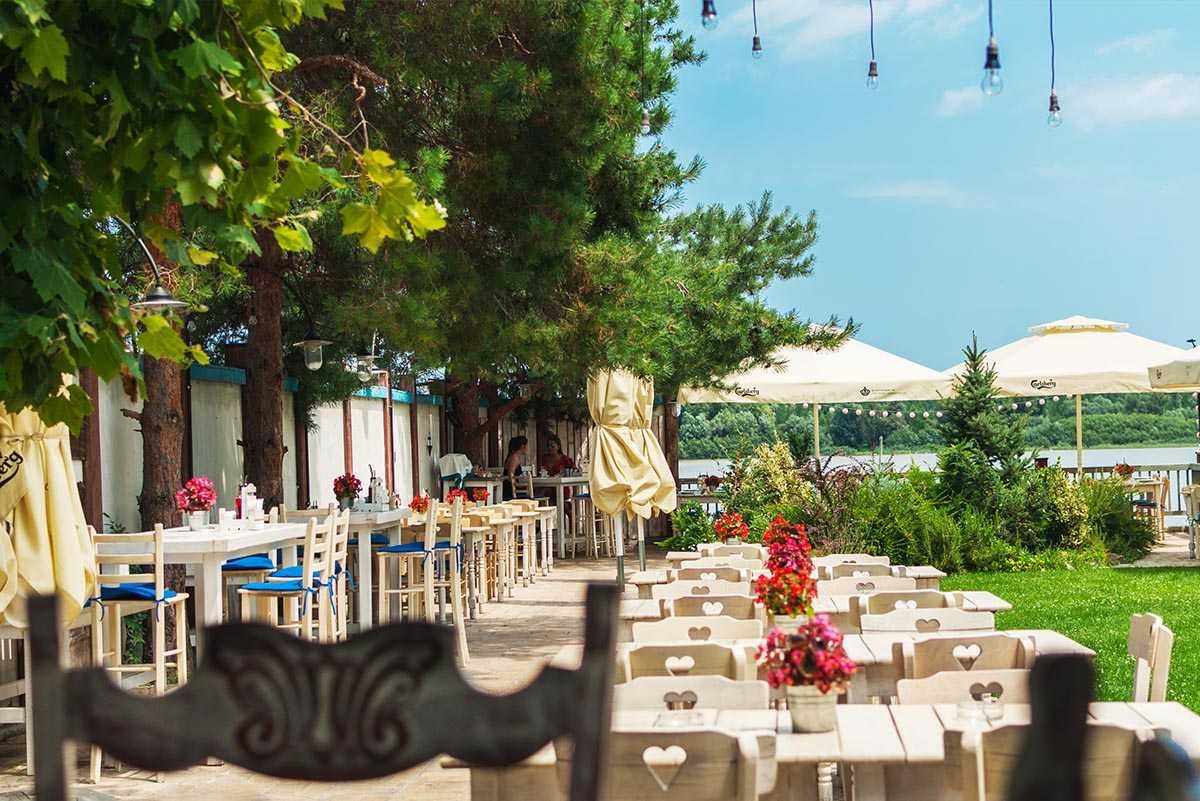
Where the Danube Sets the Table
Sremski Karlovci announces itself before you reach it. The baroque spires of the Cathedral of St. Nicholas appear above the flat Pannonian plain, and the road into town narrows past cellars that have been producing wine since the Habsburg era. Dunavska Street, where Pasent sits at number 7, runs close enough to the river that the light shifts in the afternoon in a way particular to Danubian towns: wide, diffuse, northern in character even in summer. This is a town of about eight thousand people that punches considerably above its weight in Serbian cultural life, and the dining scene reflects that density of heritage.
To understand what a restaurant like Pasent represents here, it helps to understand what Sremski Karlovci has always been: a provisioning town, an ecclesiastical seat, and a wine centre simultaneously. The Fruška Gora range to the south feeds the valley with stone fruit, game, and forest forage. The Danube itself historically supplied freshwater fish that became central to Vojvodina cooking. These are not romantic abstractions. They are the structural ingredients that defined what this region ate before anyone thought to market it, and they remain the backbone of serious cooking in the area today.
The Ingredient Logic of Vojvodina
Regional sourcing in Vojvodina operates differently from, say, Belgrade's modern restaurant scene, where provenance often functions as a premium signal layered onto European technique. In towns along the Danube corridor, proximity to the source is simply a geographic fact. Freshwater fish, including carp, pike-perch, and catfish, move from river to kitchen in a timeframe that urban restaurants cannot replicate. Stone fruits from Fruška Gora orchards arrive at restaurants before they need to survive distribution chains. This is the ingredient reality that shapes what honest cooking looks like in Sremski Karlovci.
The broader Serbian tradition that Vojvodina kitchens draw from is itself a layered record: Ottoman slow-cooking methods, Austro-Hungarian pastry and charcuterie traditions, and the freshwater fish culture of the Pannonian basin all overlap here in a way that no single culinary label adequately captures. The result is a cuisine that is simultaneously rustic in its textures and genuinely complex in its flavour logic, particularly in the fish preparations and the paprika-driven stews that define the region's colder months. For context on how this tradition plays out across Serbia's restaurant spectrum, our full Sremski Karlovci restaurants guide maps the options across price points and formats.
Karlovci in Its Regional Context
Vojvodina's dining scene has developed a recognisable internal hierarchy over the past decade. Novi Sad, as the regional capital, hosts most of the contemporary-leaning addresses: Kafe Restoran Maša in Novi Sad represents the kind of mid-range urban format that has colonised the city's restaurant culture. Sremski Karlovci operates in a different register, one closer to the river-town dining tradition you find at ČARDA ZLATNA KRUNA in Apatin, where the fish is the point and the setting provides the rest of the argument.
Further afield, Serbia's ethnographic restaurant format has found a durable audience. Addresses like Etno Kuća Dinar in Vrsac and ETNO PODRUM BRKA in Nis anchor that format in their respective regions, as do Kafana Pećinar Ljubiš in Cajetina and Koliba Etno Restoran in Leskovac. What distinguishes the Karlovci eating tradition is its wine adjacency: no other Serbian town of this size sits inside an active wine-producing area with the density of cellars that line the roads out of Karlovci, which means food and wine culture here are genuinely integrated rather than artificially paired.
Elsewhere in Serbia's mid-tier restaurant culture, kitchens with a stronger folk-food emphasis, like Kod Brana in Cacak, Lovački dom in Valjevo, and Kafana Studenac in Bajina Basta, tend to anchor themselves in game and grilled meat traditions rather than freshwater fish. The Danube's influence on Karlovci kitchens represents a genuinely distinct strand of Serbian cooking, one that makes sense to seek out specifically here rather than approximating in the capital.
Belgrade's more polished end of the spectrum, represented by addresses like Langouste in Belgrade and internationally by reference points such as Le Bernardin in New York City or Atomix in New York City, operates in a categorically different market. The interest of Karlovci dining is precisely that it doesn't reach for that comparison. The towns's restaurants function within a local logic of seasonality and sourcing that larger urban markets cannot easily replicate.
Practical Considerations for a Visit
Sremski Karlovci sits roughly 45 minutes by road from Belgrade and under 20 minutes from Novi Sad, making it a feasible half-day or full-day stop rather than a destination requiring overnight planning. The town's compact size means Dunavska Street and the main square are walkable from any parking point. The town's wine cellars typically require separate appointments, but the restaurant strip along Dunavska functions with more informal access. For comparable planning considerations at Serbian restaurants operating in smaller towns, the logistics at Windmill in Pancevo and KAFANA DUKAT in Pirot offer useful reference points. Addresses like Aleksandar Gold in Uzice, Grand in Kopaonik, and Kod poštara in Aran Elovac demonstrate how Serbia's provincial restaurant culture varies meaningfully by region and format.
Frequently asked questions
Can I bring kids to Pasent?
Sremski Karlovci is a relaxed town rather than a high-pressure dining destination, and Pasent on Dunavska 7 sits in that same unhurried register. Nothing in the venue's setup suggests a formal adults-only environment. That said, confirm directly before arriving, as service style and seating arrangements can shift seasonally.
Is Pasent better for a quiet night or a lively one?
Sremski Karlovci is a small baroque town of around 8,000 residents, not a nightlife hub, so the general rhythm here leans quiet and unhurried. Pasent's address on Dunavska — the main waterfront street — places it where most visitor foot traffic passes, which brings some energy on warmer evenings. Expect a measured pace rather than a buzzing room.
Is Pasent a good base for exploring Sremski Karlovci's wine country?
Sremski Karlovci sits at the heart of one of Serbia's oldest wine-producing zones, with vineyards producing Bermet — a local aromatised wine with documented history stretching back centuries — and Riesling along the Fruška Gora slopes. Dining at Pasent on Dunavska 7 puts you within walking distance of the town's wine cellars and the main square, making it a practical anchor for a wine-focused half-day in the region. The combination of Danube-side location and proximity to active producers is what distinguishes Karlovci from other Vojvodina dining stops.
What do people recommend at Pasent?
Vojvodina's larder — river fish from the Danube, locally raised pork, and produce from the Pannonian plain — forms the backbone of cooking in this part of Serbia. What regulars tend to flag at riverfront restaurants in Sremski Karlovci is the freshwater fish preparation, which the region does well. Specific dish recommendations for Pasent are best sourced from recent visitor reviews, as menus shift with the season.
Where is Pasent in Sremski Karlovci?
Pasent is located at Dunavska 7, Sremski Karlovci 21205, Serbia, Sremski Karlovci.
How hard is it to get a table at Pasent?
Sremski Karlovci draws steady day-trip traffic from both Novi Sad (under 20 minutes by road) and Belgrade (roughly 45 minutes), particularly on weekends and during the autumn wine harvest period. Dunavska 7 is on the main waterfront, which sees the highest visitor concentration. Booking ahead for Friday and Saturday evenings, or during September and October, is the practical approach.
Quick Comparison
Comparable venues nearby, for context on price, style, and recognition.
| Venue | Cuisine | Price | Notes |
|---|---|---|---|
| PasentThis venue — the venue you are viewing | Traditional Serbian & Eastern European | $20–30 | Not listed |
| Salaš kod Stare Dunje | Traditional Eastern European | $10–20 | Zrenjanin |
| Restoran Kod Jukića | Balkan Barbecue | Not listed | Sjenica |
| RESTORAN TABOR | Authentic Serbian Eastern European | Not listed | Zvezdara |
| Konoba Riba Ribi Grize Rep | Mediterranean Seafood | $20–30 | Bulevar cara Lazara |
| Tri Petice | French-Asian Fusion with Serbian Influences | $20–30 | Rotkvarija |
Continue exploring
More in Sremski Karlovci
Restaurants in Sremski Karlovci
Browse all →
Bars in Sremski Karlovci
Browse all →

Details
- Rustic
- Cozy
- Scenic
- Family
- Celebration
- Group Dining
- Waterfront
- Terrace
- Waterfront
- A La Carte
- Vegetarian Friendly
- Vegan Options
Current opening hours
- Monday
- 9 AM–11 PM
- Tuesday
- 9 AM–11 PM
- Wednesday
- 9 AM–11 PM
- Thursday
- 9 AM–11 PM
- Friday
- 9 AM–11 PM
- Saturday
- 9 AM–12 AM
- Sunday
- 9 AM–11 PM
Hours can change for holidays and private events. Last verified .
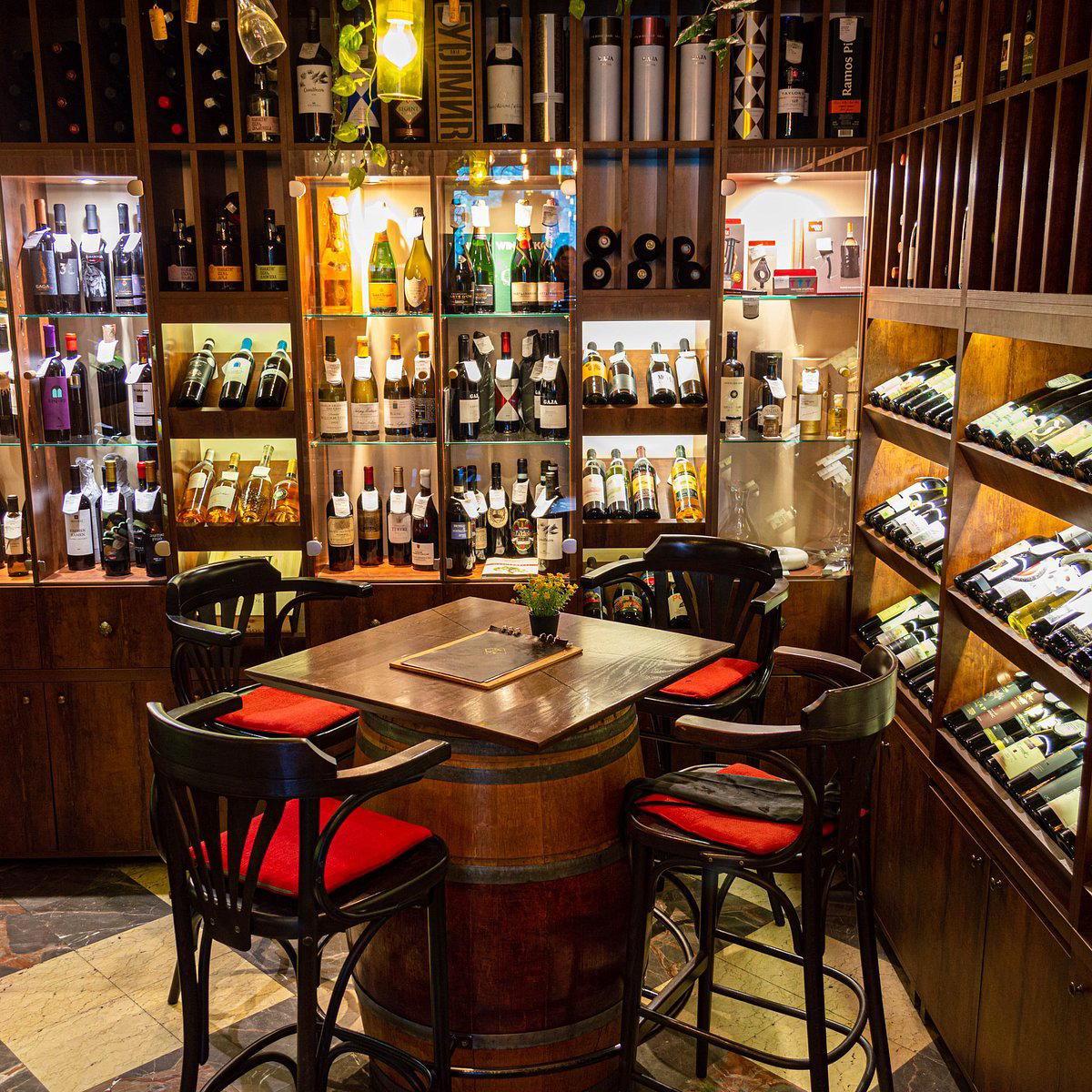
Idyllic ambiance with relaxing jazz, lounge, and ambient music, featuring a terrace with memorable Danube views and a cozy interior combining rustic and modern details.