On Petra Drapšina in Novi Sad's city centre, Ananda occupies a quiet register in a dining scene that runs from river-terrace grills to contemporary European tables. The address puts it within reach of the city's main cultural corridor, and its name, drawn from the Sanskrit for bliss, signals an orientation toward considered, unhurried hospitality that distinguishes it from the louder end of the market.
Pearl is the En Primeur Club membership app — saves, bookings, and concierge access live there. Same editors, same standards.
- Address
- Petra Drapšina 51, Novi Sad 21000, Serbia
- Phone
- +381631088978
- Website
- ananda.rs
- Directions
- Get directions
 Saves & bookings on Pearl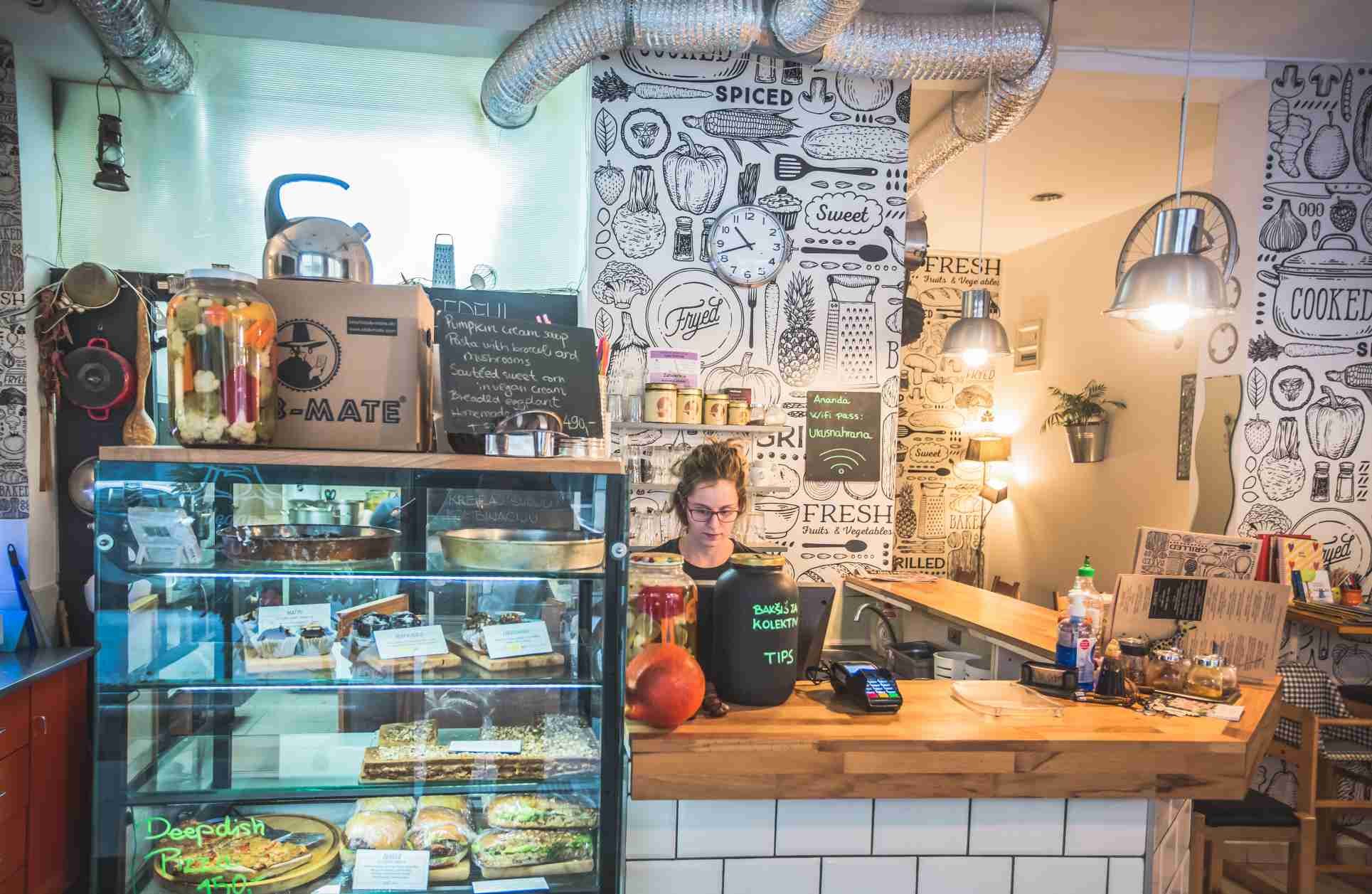
The Pace of a Meal in Novi Sad
Novi Sad's restaurant culture has developed along two distinct tracks over the past decade. One runs toward the Danube waterfront and the kafana tradition: grilled meats, rakija, tables that fill at nine and empty at midnight. The other moves inward, toward smaller rooms on residential-adjacent streets where the meal is treated as an event rather than a transaction. Ananda is a vegan Serbian-Western restaurant on Petra Drapšina 51 in Novi Sad, Serbia. The street itself sits close enough to the Zmaj Jovina pedestrian axis to catch foot traffic from the city's cultural institutions, but far enough from the main drag that arriving here feels like a choice rather than a default.
That geography matters more than it might seem. In a city where casual outdoor dining dominates from April through October, restaurants that draw guests indoors and slow the pace of the meal are operating against a strong seasonal pull. The ones that survive that competition tend to do so through ritual: a defined sequence to the meal, an interior that rewards attention, and service that reads the table rather than rushes it.
The Dining Ritual at the Centre of the Experience
Across the broader Serbian restaurant scene, one interesting shift in recent years has been away from portion-led abundance and toward structured, course-by-course pacing. Restaurants in Belgrade have led that shift most visibly, venues like Langouste in Belgrade signal where the upper end of Serbian dining has moved, but Novi Sad has its own version of the same evolution, quieter and less publicised.
Ananda's name draws from the Sanskrit word for bliss or contentment, which sets an expectation about pace before a guest has seen the menu. That kind of naming decision is a positioning statement: it tells you the kitchen is not pitching to the grill-and-beer crowd. In dining rooms oriented around this register, the ritual of the meal tends to follow a recognisable grammar. Arrival and seating carry weight. The menu is read rather than scanned. Dishes arrive with appropriate spacing. The overall effect is closer to the European model of a long, deliberate lunch or dinner than to the turn-the-table pace of a busy kafana.
How well Ananda executes that model in practice is something the city's diners have formed views on. What the address and the name together suggest is a room aimed at guests who want the meal to be the evening, not the prelude to it.
Novi Sad in Context: A Scene Worth Understanding
Novi Sad became a UNESCO Creative City of Media Arts in 2017 and served as a European Capital of Culture in 2022, both markers of a city that punches above its population size in cultural ambition. The dining scene has followed, if not always at the same pace. The city's strongest independent tables now sit alongside a recognisable mid-market of pizza-and-pasta operations, see Caffe Pizzeria Big Blue for a representative example of that category, and a handful of places testing more international or contemporary formats, including Comida Sanchez and CUBO.
The fish and vegetable-forward end of the market has also grown, with FISH&ZELENI;Š representing one approach and Jasmin a Maslina another. Against that backdrop, a restaurant oriented around considered, unhurried hospitality occupies a specific and useful niche.
Comparison with dining in other Serbian cities also helps calibrate expectations. Restaurants in smaller markets, Kod Brana in Cacak, Lovački dom in Valjevo, KAFANA DUKAT in Pirot, tend to anchor themselves in regional tradition and volume. Novi Sad's position as Serbia's second city gives restaurants here room to work in more experimental registers without losing a viable audience.
The Regional Frame: Vojvodina at the Table
Vojvodina's culinary identity is genuinely plural: Hungarian, German, Slovak, and Serbian traditions have coexisted in the region for centuries, producing a cuisine that doesn't reduce to a single signature. That complexity gives Novi Sad's better restaurants more material to work with than their counterparts in more homogeneous regional cultures. The Pannonian larder includes freshwater fish from the Danube and Tisa, paprika-led sauces drawn from the Hungarian side of the inheritance, and a pastry tradition that owes as much to Central Europe as to the Balkans.
Restaurants across Vojvodina engage with that inheritance at different levels of seriousness. At the river-facing end of the spectrum, you find operations like ČARDA ZLATNA KRUNA in Apatin, which centres the riverine tradition directly. Further afield, Etno Kuća Dinar in Vrsac and Windmill in Pancevo each stake out different positions on the spectrum between folk-traditional and contemporary. A restaurant in central Novi Sad with a name oriented toward contemplative dining is making a different bet: that its guests want the regional inheritance filtered through a more refined lens.
Planning a Visit
Ananda's address on Petra Drapšina 51 places it in walkable distance from the city's main hotel stock and from Trg slobode, the central square. Reservations are recommended, and the restaurant is open Monday through Saturday from 8 AM to 5 PM, with Sunday closed. In Novi Sad's dining scene generally, weekend evenings from Friday through Sunday are particularly pressured booking windows, particularly during the EXIT Festival period in July and the peak summer months. Arriving mid-week or at lunch reduces that pressure considerably.
For visitors building a wider Serbia itinerary, the contrast between Novi Sad's considered independent tables and Belgrade's more internationally benchmarked fine dining, represented at its most precise by venues like Atomix in New York City in terms of the omakase-style progression that some European diners seek, or closer to home by Le Bernardin in New York City as a reference point for sustained technical ambition, is a useful frame. Novi Sad operates at a different scale and price tier, but the aspiration toward deliberate, ritualised dining is the same. Further afield, mountain dining at venues like Grand **** in Kopaonik or countryside stops like Kod poštara in Aran Elovac and Aleksandar Gold in Uzice round out the picture of how Serbian dining varies by geography and format.
Cuisine-First Comparison
Comparable venues nearby, for context on price, style, and recognition.
| Venue | Cuisine | Price | Notes |
|---|---|---|---|
| AnandaThis venue — the venue you are viewing | Vegan Serbian-Western | $$ | Not listed |
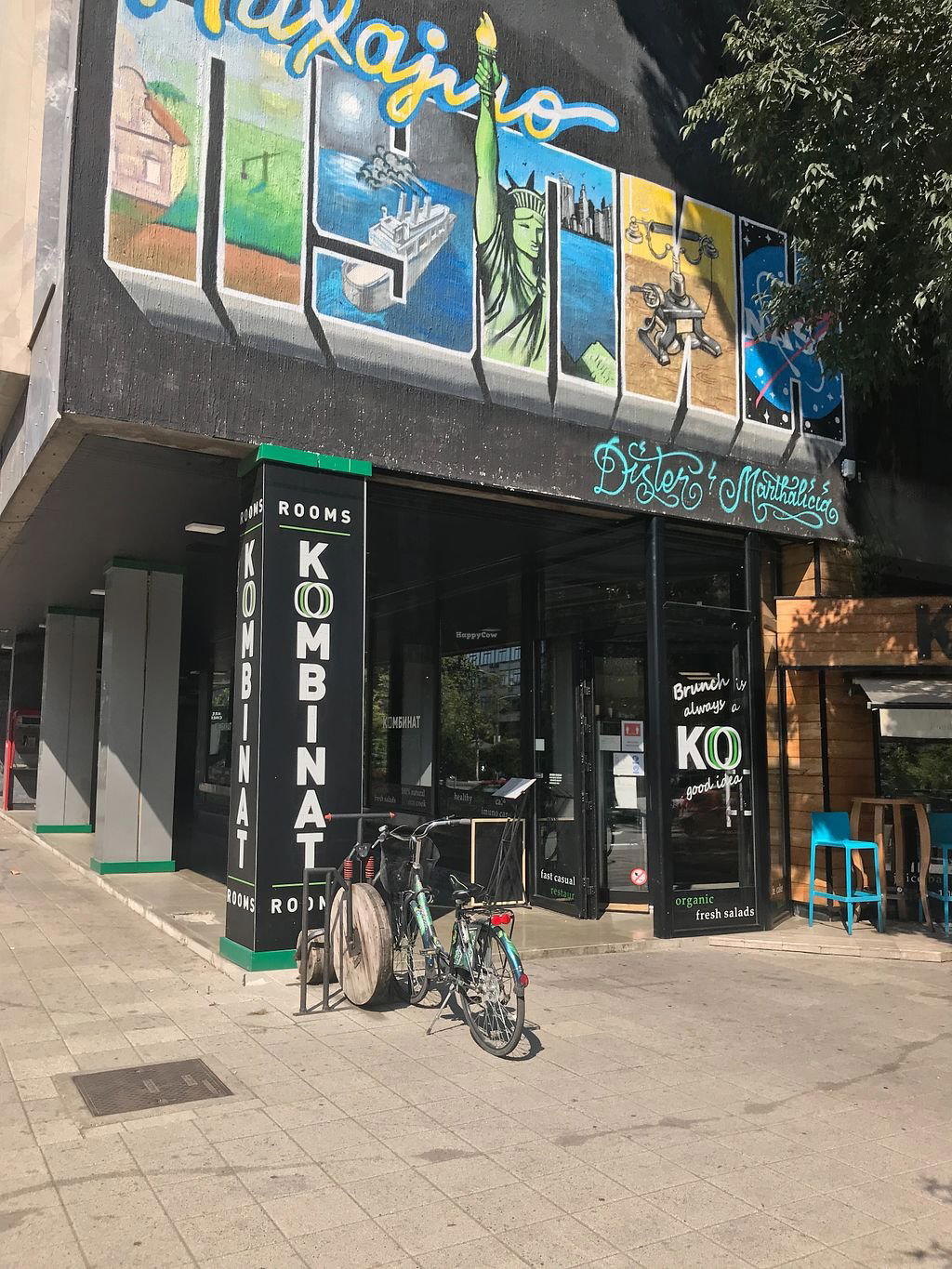
| Kombinat | European Cafe Fusion | $$ | City Center |
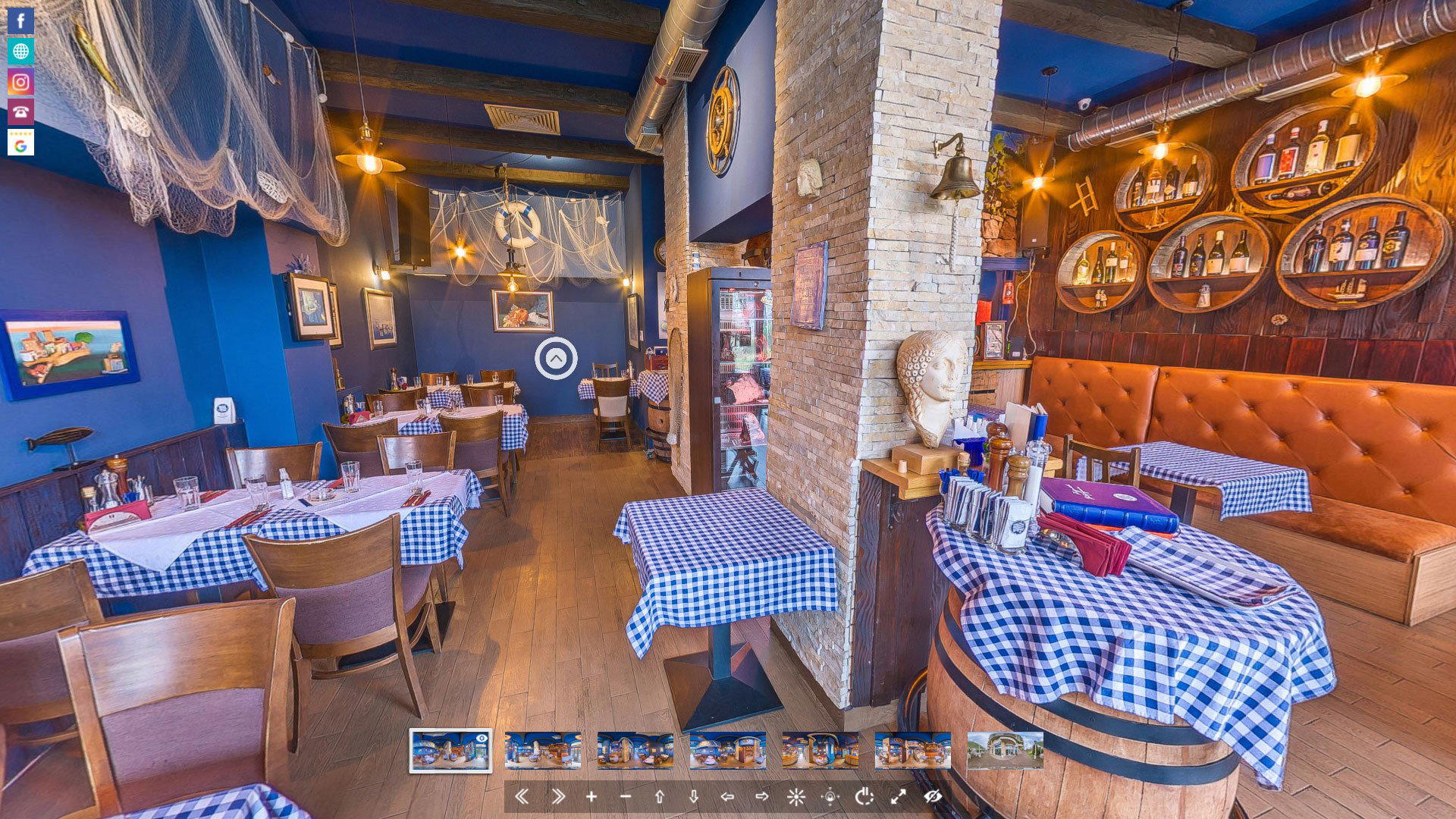
| Konoba Riba Ribi Grize Rep | Mediterranean Seafood | $$ | Bulevar cara Lazara |
| Comida Sanchez | Authentic Mexican Street Food | $$ | Salajka |
| Tri Petice | French-Asian Fusion with Serbian Influences | $$ | Rotkvarija |
| SAVOCA | Italian Pizza & Pasta | $$ | Bulevar Oslobođenja |

At a Glance
- Cozy
- Modern
- Casual Hangout
- Local Sourcing
- Organic
Current opening hours
- Monday
- 8 AM–5 PM
- Tuesday
- 8 AM–5 PM
- Wednesday
- 8 AM–5 PM
- Thursday
- 8 AM–5 PM
- Friday
- 8 AM–5 PM
- Saturday
- 8 AM–5 PM
- Sunday
- Closed
Hours can change for holidays and private events. Last verified .
Cozy and cute with creative decor like reused graters as lampshades, modern casual teahouse atmosphere.