Borkovac sits along Orlovićeva in Ruma, drawing on the agricultural depth of the Srem region, one of Serbia's most productive food-producing corridors. The setting connects directly to the broader tradition of estate-style dining that has defined Vojvodina's hospitality for generations. For travellers moving between Novi Sad and Belgrade, it represents a grounded stop in a town that rarely makes international itineraries.
Pearl is the En Primeur Club membership app — saves, bookings, and concierge access live there. Same editors, same standards.
- Address
- Orlovićeva, Ruma, Serbia
- Phone
- +38122433900
- Website
- borkovac.org
- Directions
- Get directions
 Saves & bookings on Pearl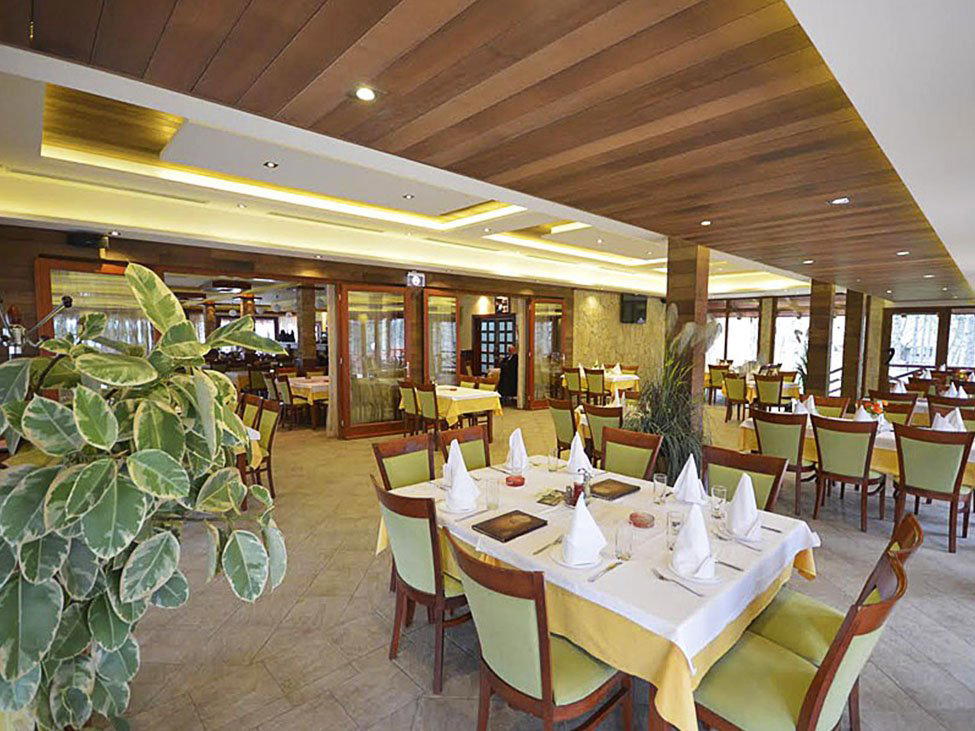
Where Srem's Fields Meet the Table
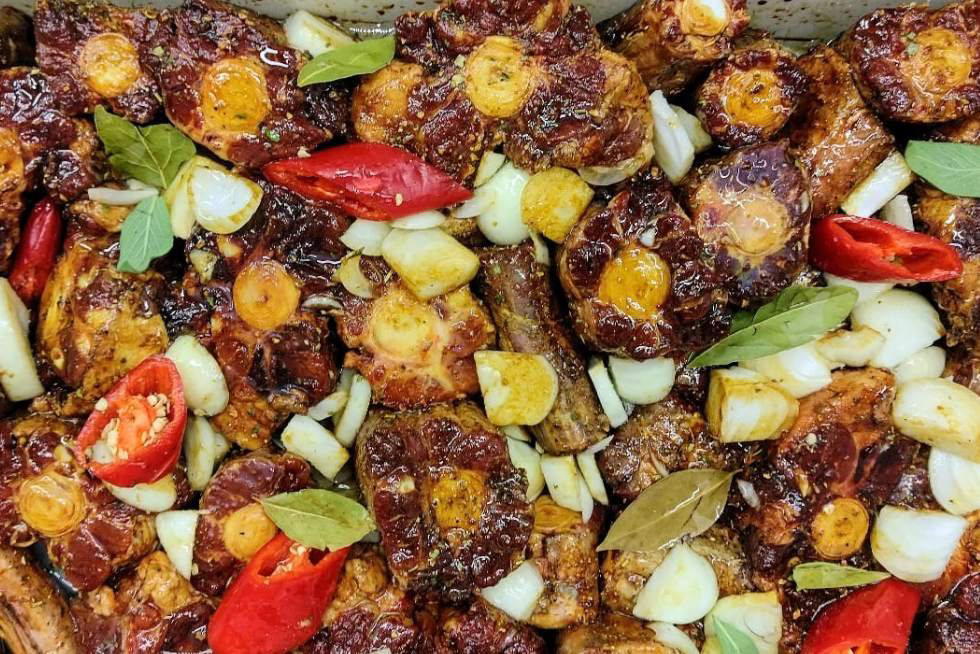
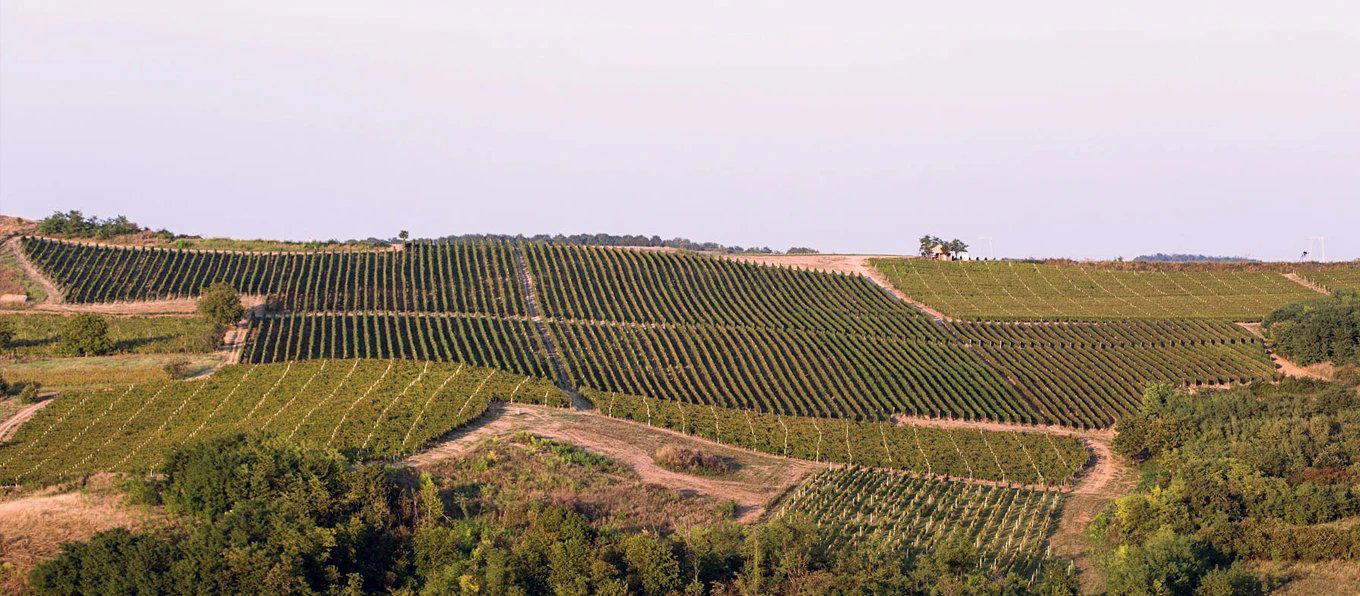
Ruma sits at the western edge of Srem, the fertile wedge of land between the Sava and Danube rivers that has fed Serbian and Austro-Hungarian tables for centuries. The agricultural output here, wheat, corn, sunflower, pork, freshwater fish from nearby channels, has historically moved toward Belgrade and Novi Sad, leaving the source towns themselves quietly overlooked by food-focused travellers. Borkovac, on Orlovićeva street in Ruma, is a restaurant serving Traditional Serbian Barbecue & European dishes at about $20 per person.
The broader context matters for understanding what this kind of address represents. Vojvodina's flat agricultural terrain has produced a hospitality tradition built around abundance, long tables, slow cooking, produce measured in seasons rather than menus. That tradition sits at the opposite end of the spectrum from the tasting-menu format that defines Langouste in Belgrade or the coastal precision of Le Bernardin in New York City. In Srem, the sourcing is the story: what arrives at the kitchen reflects what the surrounding land and waterways are producing at a given moment in the year.
The Srem Sourcing Tradition
Serbia's farm-to-table conversation tends to concentrate in Belgrade's newer restaurants or in the agritourism estates of the Šumadija wine country. Vojvodina's contribution to that conversation is less discussed but more embedded in daily practice. The region's producers, pig farmers, fishermen working the Danube tributaries, market gardeners in villages between Ruma and Sremska Mitrovica, have supplied local kitchens continuously, without the rebranding exercise that the concept requires in urban contexts.
Pork is the regional anchor. Srem has its own protected designation for kulen, the paprika-cured sausage that bears comparison with Hungarian kolbász or Croatian varieties but carries its own distinct spice ratio and drying process. Freshwater fish, carp, catfish, pike-perch, appear in preparations that reflect proximity to actual river fishing rather than to wholesale fish markets. These are not exotic claims; they are the baseline expectations of a kitchen that sources regionally because that is what proximity makes practical and economical.
For a sharper point of comparison within Serbia's estate-dining tradition, the čarda format, riverside restaurants built around fish broths and wood-fire cooking, provides the clearest parallel. Čarda Zlatna Kruna in Apatin operates within that framework further up the Danube. In Srem, the character skews slightly more towards the manor-house register, reflecting the region's Austro-Hungarian architectural and culinary inheritance.
Ruma as a Dining Stop
Ruma does not appear on most Serbian travel itineraries, which means the restaurants that operate here price and programme for locals rather than for visitors expecting a tourist-facing experience. That structural fact shapes what to expect: the atmosphere at an address like Borkovac will reflect the rhythms of a provincial Serbian town, unhurried, likely informal, oriented toward the extended lunch or early dinner that defines weekend eating in the region.
Within Ruma's restaurant circuit, Jedite kod Svirca represents another point on the local dining map, and Visitors arriving from Novi Sad (roughly 45 kilometres west) or from Belgrade (roughly 60 kilometres east along the A1 motorway) will find Ruma a practical midpoint stop rather than a destination in itself, though the town's relative quietness compared to either city is precisely what makes its dining addresses feel unperformed.
For travellers working through Vojvodina's smaller-city dining, the comparison set is instructive. Etno Restoran Fijaker in Sombor operates in a similar regional register further north. Etno Kuća Dinar in Vršac and Etno Podrum Brka in Niš extend that etno-restoran tradition into other Serbian regions. What these addresses share is a sourcing logic that starts with regional agriculture and works forward to the plate, rather than the reverse.
The Broader Serbian Dining Context
Serbia's restaurant scene in 2024 spans a wider range than international food coverage typically captures. At one end, Belgrade has developed a serious fine-dining tier, with addresses like Ananda in Novi Sad and Gallery Caffe in Čačak pointing to ambitions that reach beyond regional comfort cooking. At the other end, the etno-restoran category, traditional cooking, hearth-centred presentation, produce sourced from named local farms or markets, has held its position as the dominant format outside the major urban centres.
Ruma's position in this picture is provincial in the geographical sense but not in the pejorative one. The town's access to Srem's agricultural output gives local kitchens a sourcing advantage that more urban addresses cannot replicate without deliberate and expensive supply-chain construction. An address on Orlovićeva is, in practical terms, closer to the pig farm, the river, and the market garden than most of the celebrated farm-to-table restaurants in Belgrade or Novi Sad. That proximity is an argument in itself, even when it arrives without awards or critical recognition attached.
For context on how Serbia's regional dining compares to what's happening further afield, Lazy Bear in San Francisco represents the point at which the regional-sourcing ethos meets tasting-menu formalism, a contrast that clarifies what makes the Vojvodina tradition distinct: the sourcing is embedded rather than curated, a product of geography rather than concept.
Planning a Visit
Borkovac's address on Orlovićeva places it within walkable range of Ruma's town centre. As with most provincial Serbian restaurants, arriving without a reservation on a weekday afternoon is generally low-risk; weekend lunches, particularly in summer when extended family gatherings drive covers, warrant more planning. Reservations are recommended. The town is directly accessible by road from the A1 motorway, with Ruma's exit serving both the town centre and the surrounding Borkovac lake recreation area that shares the name.
Travellers building a Vojvodina circuit should consider pairing Ruma with Fleur de Sel in Novi Slankamen to the northeast, which operates in a different register but covers similar Danubian-Srem geography. Further afield in Serbia, Aleksandar Gold in Užice and Cafe Boem in Pirot demonstrate how the regional-sourcing tradition adapts across Serbia's different agricultural zones.
Side-by-Side Snapshot
Comparable venues nearby, for context on price, style, and recognition.
| Venue | Cuisine | Price | Notes |
|---|---|---|---|
| BorkovacThis venue — the venue you are viewing | Traditional Serbian Barbecue & European | $$ | Not listed |
| JEDITE KOD SVIRCA | Serbian Gastro | $$ | Ruma Municipality |
| Salaš 137 | Traditional Vojvodina Farmstead Cuisine | $$ | Čenej |
| PROLEĆE | Traditional Serbian | $$ | Stari Grad |
| RESTORAN OPERA | Serbian & International | $$ | Stari Grad |
| Bistro Tri | Modern Serbian Bistro | $$ | Vračar |

At a Glance
- Scenic
- Rustic
- Cozy
- Quiet
- Group Dining
- Family
- Celebration
- Business Dinner
- Terrace
- Garden
- Hotel Restaurant
- Private Dining
- Beer Program
- Garden
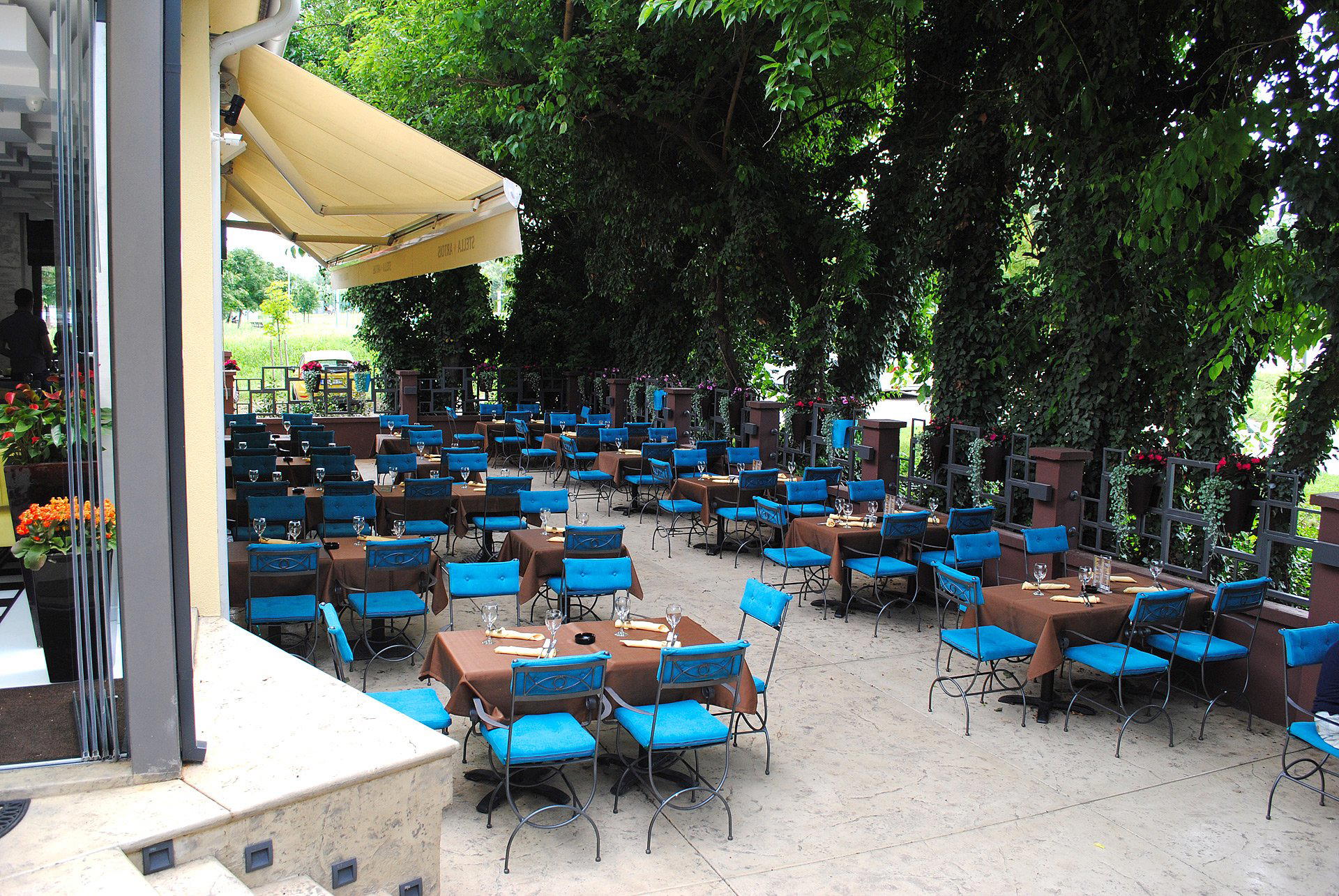
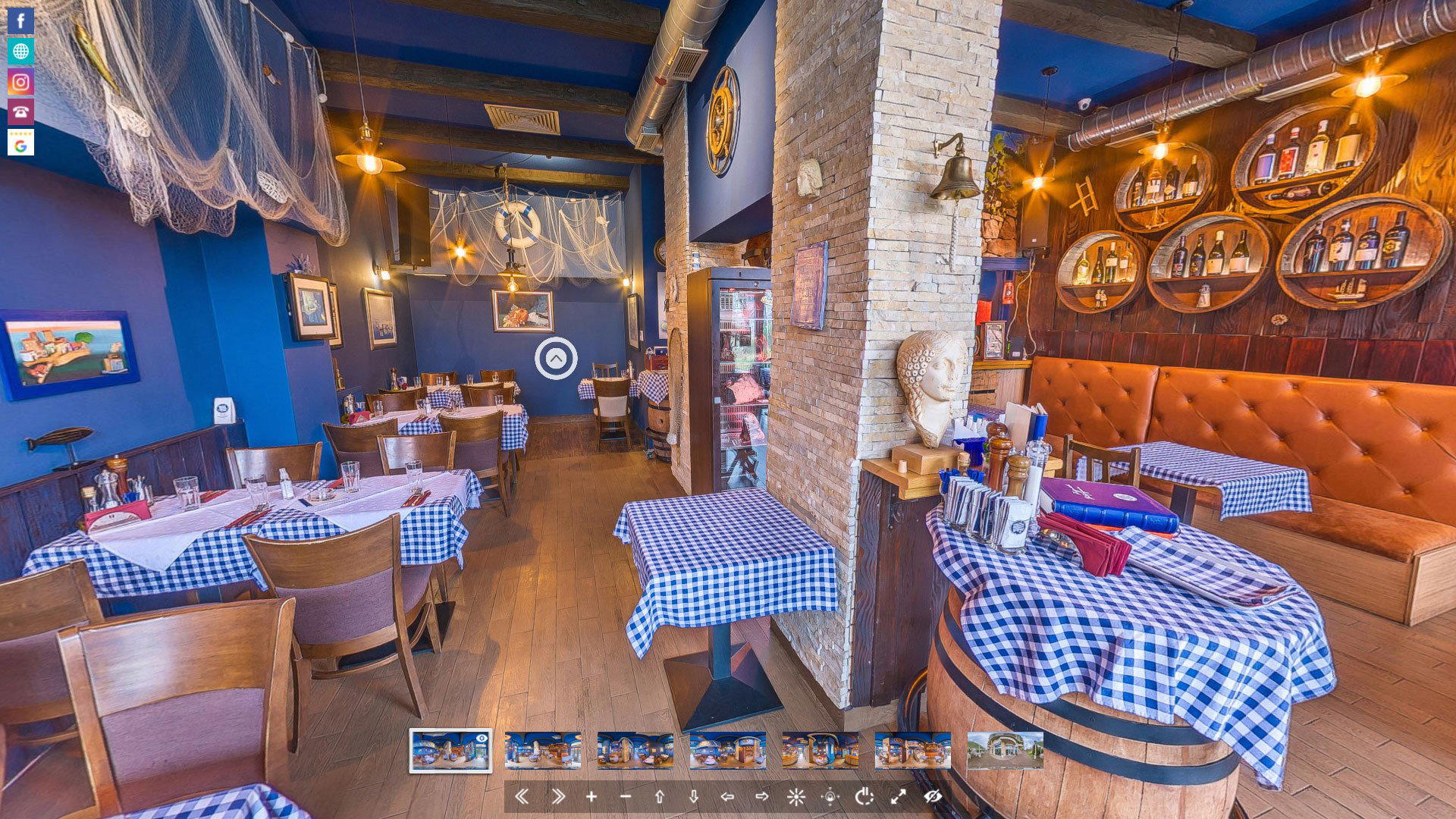
Warm and welcoming with natural lighting from large windows and outdoor terraces; guests describe it as peaceful and immersed in nature with a cozy, intimate atmosphere despite spacious dining areas.