Skip to Main Content
← Collection
Novi Slankamen, Serbia

Atelje vina Šapat

LocationNovi Slankamen, Serbia
Star Wine List

<h2>Where the Danube and Fruška Gora Meet the Vine</h2><p>The confluence of the Sava and Danube rivers, visible from the refined terrain above Novi Slankamen, has shaped this stretch of Vojvodina for millennia. Loess cliffs drop toward the water, the soil is mineral-dense and free-draining, and the microclimate is moderated by river air in a way that distinguishes it from the broader Fruška Gora appellation. Atelje vina Šapat sits on that border, a boutique winery positioned on land that frames the Danube as both backdrop and agricultural argument. The setting is not incidental to the wines; it is the premise of them.</p><p>Serbia's wine identity has been evolving in earnest since the early 2000s, when a generation of smaller producers began treating indigenous varieties and terroir-specific sites as competitive assets rather than historical curiosities. The Fruška Gora region, running along the southern slopes of the mountain between Novi Sad and Sremska Mitrovica, emerged as a reference point for that movement. Šapat is among the boutique producers who have helped reframe what Vojvodina wine can mean for an informed international audience.</p><h2>Terroir as Sourcing Argument</h2><p>In wine, sourcing and production are the same conversation. What matters is where the grapes come from, how the site behaves across vintages, and whether the winery's choices in the cellar amplify or obscure what the land provides. The Fruška Gora–Danube corridor offers distinctive raw material: a southern exposure on loess-over-clay subsoils, proximity to a large body of water that buffers temperature extremes, and a continental climate with enough diurnal variation to retain acidity in the fruit. These are not abstract talking points; they are the conditions that determine what ends up in the bottle.</p><p>Boutique Vojvodina producers working this zone tend to keep yields low and sourcing tight, relying on estate or closely contracted fruit rather than blending across sub-regions. This is the model that allows a winery to speak with specificity about place, and it is the model that places operations like Šapat in a different conversation from larger volume Serbian producers whose sourcing spans multiple appellations.</p><p>The international wine press has begun to take note. Star Wine List ranked Atelje vina Šapat number one in its 2025 assessment, a recognition that positions the winery inside a peer set of serious European boutique producers rather than the broader Balkan novelty category. For context on what that kind of specialist recognition signals: Star Wine List operates as a venue-facing platform whose rankings carry weight with sommeliers and wine-list curators, which means the audience validating this winery is professional rather than promotional.</p><h2>Novi Slankamen and the Case for Going Farther</h2><p>Most wine tourism in Vojvodina anchors in Sremski Karlovci, the historic town south of Novi Sad whose baroque architecture and established cellar-door culture make it the default starting point. Sremski Karlovci earns its reputation, but it also means many visitors never reach the eastern end of the Fruška Gora corridor, where the terrain shifts and the Danube is closer. Novi Slankamen, roughly 30 kilometres from Novi Sad along the river, sits at that eastern edge. The town is smaller and less visited, which is precisely why the wineries here operate with less tourist-trade dependency and more focus on the wine itself.</p><p>Arriving at Šapat on the Počenta road above the village, the orientation toward the river is immediate. This is terrain that rewards the detour. For visitors building a Vojvodina wine itinerary, the combination of Sremski Karlovci's established producers and Novi Slankamen's smaller operations gives a more complete picture of what the region can produce across different soil types and exposures. You can explore the full range of what the area offers through <a href="https://www.enprimeurclub.com/wineries/novi-slankamen">our full Novi Slankamen wineries guide</a>.</p><h2>Placing Šapat in the Wider Wine World</h2><p>The rise of boutique, terroir-focused producers outside traditional European appellations has been one of the defining wine stories of the past two decades. Operations in Georgia, Slovenia, Croatia, and now increasingly Serbia have demonstrated that the conditions for serious wine exist beyond Burgundy and Bordeaux. A winery earning specialist recognition in 2025 is doing so against a global field that includes producers in regions with longer international track records. That Šapat has achieved a Star Wine List number-one ranking places it alongside producers whose peer set includes respected houses in Central and Eastern Europe, not merely a Serbian regional table.</p><p>For readers who follow fine dining and wine culture across cities, the broader context helps. Wine programs at restaurants like <a href="https://www.enprimeurclub.com/restaurants/arpge-paris-restaurant">Arpège in Paris</a> or <a href="https://www.enprimeurclub.com/restaurants/alain-ducasse-louis-xv-monte-carlo-restaurant">Alain Ducasse at Louis XV in Monte Carlo</a> have spent years sourcing from small, place-specific producers who prioritise terroir legibility over volume. The same curatorial logic that drives those wine lists is what makes a winery like Šapat, operating in an emerging appellation with a clearly defined geographic identity, increasingly relevant to international sommeliers. Similarly, restaurants with serious wine cultures such as <a href="https://www.enprimeurclub.com/restaurants/lazy-bear">Lazy Bear in San Francisco</a> or <a href="https://www.enprimeurclub.com/restaurants/alinea">Alinea in Chicago</a> represent the kind of destination where thoughtful sourcing stories matter to the room.</p><h2>Dining in Novi Slankamen</h2><p>A winery visit in this part of Vojvodina pairs naturally with the local food culture, which draws on the Pannonian tradition of slow-cooked meats, freshwater fish from the Danube, and fermented and cured products that reflect the agricultural character of the floodplain. <a href="https://www.enprimeurclub.com/restaurants/fleur-de-sel-novi-slankamen-restaurant">Fleur de Sel</a>, operating at the higher end of the local dining spectrum with a modern cuisine approach, is the area's strongest option for a meal that matches the seriousness of a cellar-door visit. The broader dining picture for the area is covered in <a href="https://www.enprimeurclub.com/restaurants/novi-slankamen">our full Novi Slankamen restaurants guide</a>.</p><p>For those extending a trip to Belgrade, <a href="https://www.enprimeurclub.com/restaurants/langouste-belgrade-restaurant">Langouste in Belgrade</a> represents the capital's contemporary fine dining direction and offers a useful counterpoint to the more tradition-rooted character of Vojvodina's food. Additional practical information for building a stay around a visit is available through <a href="https://www.enprimeurclub.com/hotels/novi-slankamen">our full Novi Slankamen hotels guide</a>, <a href="https://www.enprimeurclub.com/bars/novi-slankamen">our full Novi Slankamen bars guide</a>, and <a href="https://www.enprimeurclub.com/experiences/novi-slankamen">our full Novi Slankamen experiences guide</a>.</p><h2>Planning a Visit</h2><p>Novi Slankamen is most accessible by car from Novi Sad, roughly 30 kilometres to the west, or from Belgrade, approximately 60 kilometres to the southeast. The winery is located on Počenta bb, with Spoменичка 30 as the associated address reference in the village. Given the boutique scale of the operation, advance contact before visiting is sensible; specific hours, tasting formats, and booking procedures are leading confirmed directly, as these details are not fixed for public walk-in access. The Danube-facing position means spring through autumn offers the most complete experience of the site's geographic character, with harvest season adding practical interest for anyone curious about the production side. No phone or website data is currently available in our records, so planning through email or social channels is advisable. For additional context on what the broader area offers at this level, <a href="https://www.enprimeurclub.com/restaurants/emerils-new-orleans-restaurant">Emeril's in New Orleans</a>, <a href="https://www.enprimeurclub.com/restaurants/le-bernardin">Le Bernardin in New York City</a>, and producers featured on platforms like <a href="https://www.enprimeurclub.com/restaurants/aponiente-el-puerto-de-santa-mara-restaurant">Aponiente in El Puerto de Santa María</a> illustrate how seriously the international hospitality world now treats place-specific sourcing narratives, which is the conversation Šapat has entered with its 2025 recognition.</p><h2>Frequently Asked Questions</h2><h3>Is Atelje vina Šapat suitable for children?</h3><p>As a boutique winery, Šapat is primarily oriented toward wine tasting and cellar visits rather than family entertainment. Whether it suits families with children depends on the specific visit format and the age of the children involved. The setting is rural and outdoors-accessible, which may suit older children with an interest in the landscape, but it is not a venue with dedicated children's programming. For a broader picture of what Novi Slankamen offers families, the experiences guide for the area covers additional options.</p><h3>What is the atmosphere like at Atelje vina Šapat?</h3><p>The atmosphere is defined by its position on the Danube-facing edge of Fruška Gora, where the physical environment does most of the contextual work. Boutique wineries in this part of Vojvodina tend toward intimate, production-focused visits rather than polished hospitality theatre. The Star Wine List number-one ranking in 2025 signals a serious wine program, which sets the tone: this is a destination for people who want to understand the wines in relation to the place that produced them, not a leisure venue designed around broader visitor comfort.</p><h3>What dish is Atelje vina Šapat famous for?</h3><p>Atelje vina Šapat is a winery, not a restaurant, so the question of signature dishes does not apply directly. Its reputation rests on wine production from its Danube-adjacent Fruška Gora site, as recognised by the Star Wine List number-one ranking in 2025. For food recommendations that complement a visit to the winery, <a href="https://www.enprimeurclub.com/restaurants/fleur-de-sel-novi-slankamen-restaurant">Fleur de Sel</a> in Novi Slankamen is the area's strongest dining reference at the serious end of the spectrum.</p>

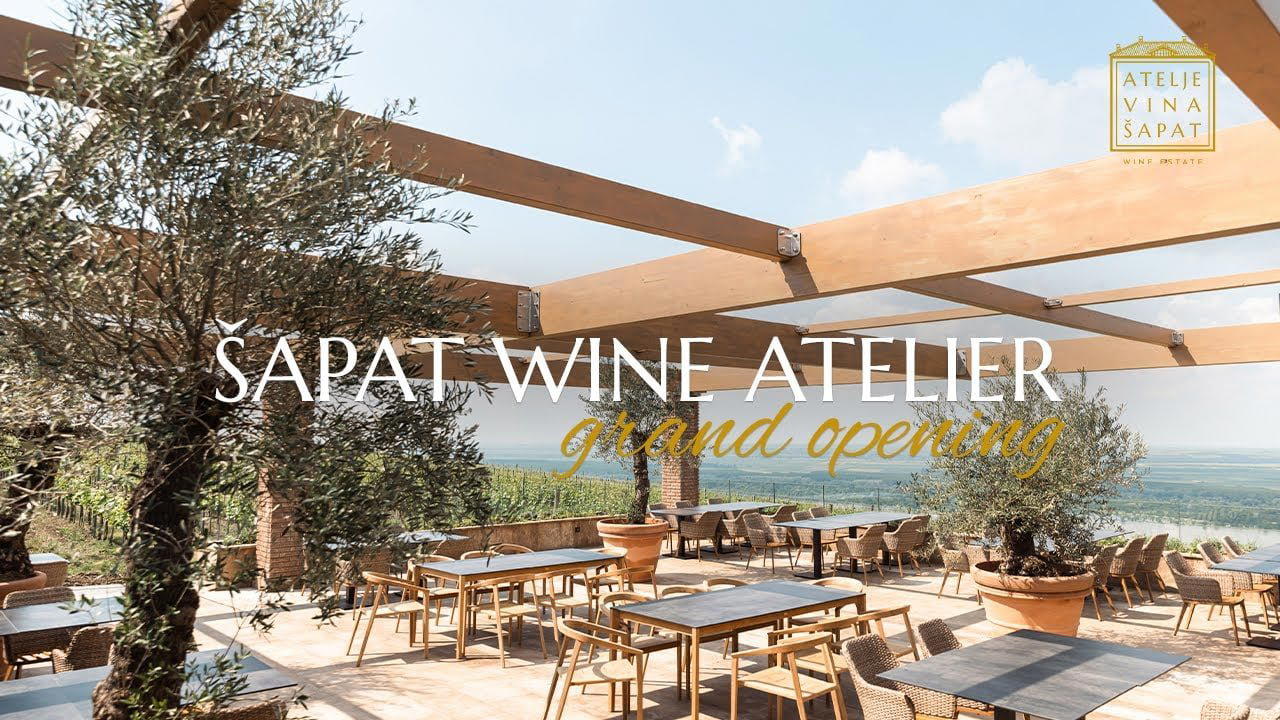
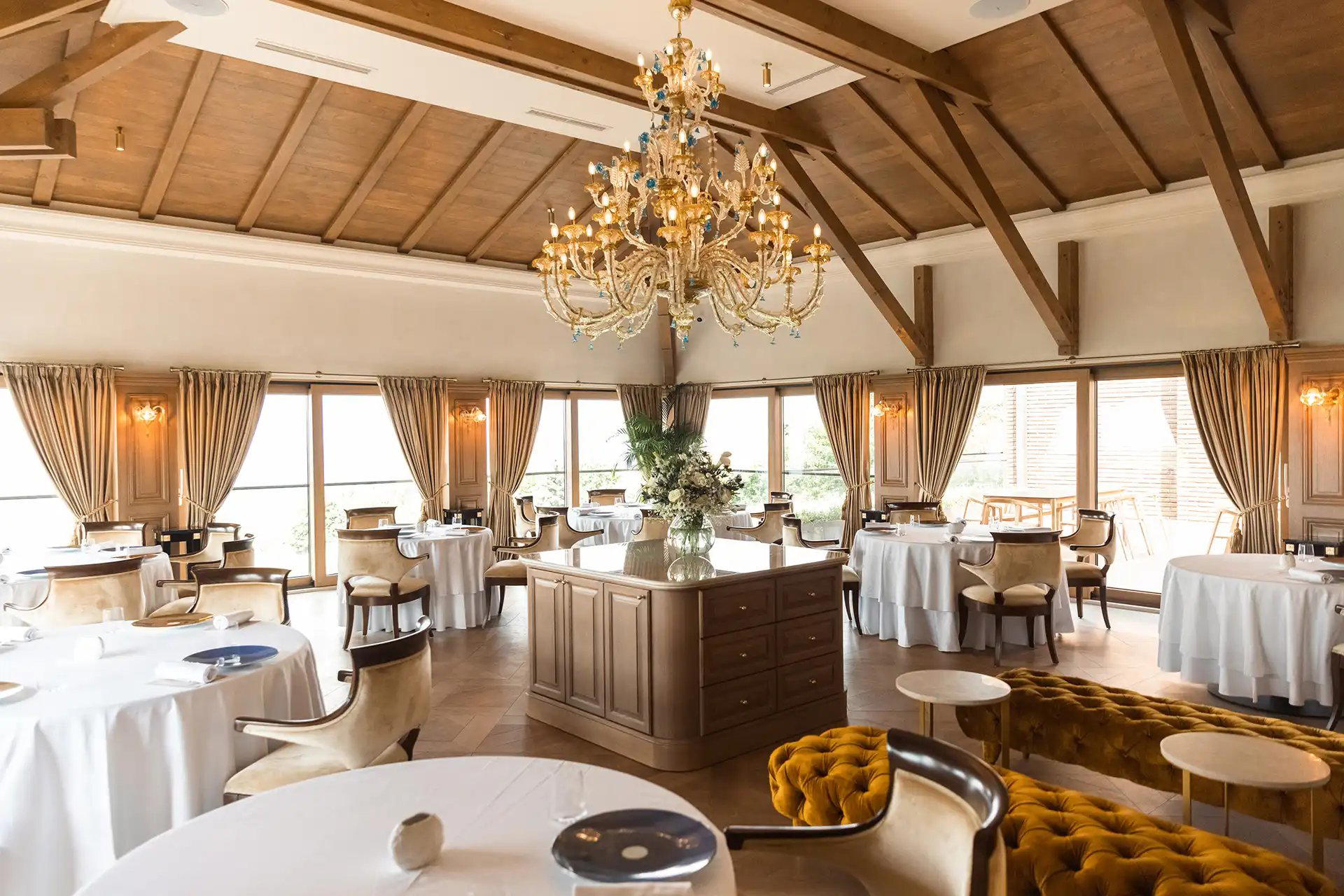
Atelje vina Šapat restaurant in Novi Slankamen, Serbia
About

Where the Danube and Fruška Gora Meet the Vine

The confluence of the Sava and Danube rivers, visible from the refined terrain above Novi Slankamen, has shaped this stretch of Vojvodina for millennia. Loess cliffs drop toward the water, the soil is mineral-dense and free-draining, and the microclimate is moderated by river air in a way that distinguishes it from the broader Fruška Gora appellation. Atelje vina Šapat sits on that border, a boutique winery positioned on land that frames the Danube as both backdrop and agricultural argument. The setting is not incidental to the wines; it is the premise of them.

Serbia's wine identity has been evolving in earnest since the early 2000s, when a generation of smaller producers began treating indigenous varieties and terroir-specific sites as competitive assets rather than historical curiosities. The Fruška Gora region, running along the southern slopes of the mountain between Novi Sad and Sremska Mitrovica, emerged as a reference point for that movement. Šapat is among the boutique producers who have helped reframe what Vojvodina wine can mean for an informed international audience.

Members Only

The shortlist, unlocked.

Hard-to-book tables, cellar releases, and concierge-planned trips.

Get Exclusive Access →

Terroir as Sourcing Argument

In wine, sourcing and production are the same conversation. What matters is where the grapes come from, how the site behaves across vintages, and whether the winery's choices in the cellar amplify or obscure what the land provides. The Fruška Gora–Danube corridor offers distinctive raw material: a southern exposure on loess-over-clay subsoils, proximity to a large body of water that buffers temperature extremes, and a continental climate with enough diurnal variation to retain acidity in the fruit. These are not abstract talking points; they are the conditions that determine what ends up in the bottle.

Boutique Vojvodina producers working this zone tend to keep yields low and sourcing tight, relying on estate or closely contracted fruit rather than blending across sub-regions. This is the model that allows a winery to speak with specificity about place, and it is the model that places operations like Šapat in a different conversation from larger volume Serbian producers whose sourcing spans multiple appellations.

The international wine press has begun to take note. Star Wine List ranked Atelje vina Šapat number one in its 2025 assessment, a recognition that positions the winery inside a peer set of serious European boutique producers rather than the broader Balkan novelty category. For context on what that kind of specialist recognition signals: Star Wine List operates as a venue-facing platform whose rankings carry weight with sommeliers and wine-list curators, which means the audience validating this winery is professional rather than promotional.

Novi Slankamen and the Case for Going Farther

Most wine tourism in Vojvodina anchors in Sremski Karlovci, the historic town south of Novi Sad whose baroque architecture and established cellar-door culture make it the default starting point. Sremski Karlovci earns its reputation, but it also means many visitors never reach the eastern end of the Fruška Gora corridor, where the terrain shifts and the Danube is closer. Novi Slankamen, roughly 30 kilometres from Novi Sad along the river, sits at that eastern edge. The town is smaller and less visited, which is precisely why the wineries here operate with less tourist-trade dependency and more focus on the wine itself.

Arriving at Šapat on the Počenta road above the village, the orientation toward the river is immediate. This is terrain that rewards the detour. For visitors building a Vojvodina wine itinerary, the combination of Sremski Karlovci's established producers and Novi Slankamen's smaller operations gives a more complete picture of what the region can produce across different soil types and exposures. You can explore the full range of what the area offers through our full Novi Slankamen wineries guide.

Placing Šapat in the Wider Wine World

The rise of boutique, terroir-focused producers outside traditional European appellations has been one of the defining wine stories of the past two decades. Operations in Georgia, Slovenia, Croatia, and now increasingly Serbia have demonstrated that the conditions for serious wine exist beyond Burgundy and Bordeaux. A winery earning specialist recognition in 2025 is doing so against a global field that includes producers in regions with longer international track records. That Šapat has achieved a Star Wine List number-one ranking places it alongside producers whose peer set includes respected houses in Central and Eastern Europe, not merely a Serbian regional table.

For readers who follow fine dining and wine culture across cities, the broader context helps. Wine programs at restaurants like Arpège in Paris or Alain Ducasse at Louis XV in Monte Carlo have spent years sourcing from small, place-specific producers who prioritise terroir legibility over volume. The same curatorial logic that drives those wine lists is what makes a winery like Šapat, operating in an emerging appellation with a clearly defined geographic identity, increasingly relevant to international sommeliers. Similarly, restaurants with serious wine cultures such as Lazy Bear in San Francisco or Alinea in Chicago represent the kind of destination where thoughtful sourcing stories matter to the room.

Dining in Novi Slankamen

A winery visit in this part of Vojvodina pairs naturally with the local food culture, which draws on the Pannonian tradition of slow-cooked meats, freshwater fish from the Danube, and fermented and cured products that reflect the agricultural character of the floodplain. Fleur de Sel, operating at the higher end of the local dining spectrum with a modern cuisine approach, is the area's strongest option for a meal that matches the seriousness of a cellar-door visit. The broader dining picture for the area is covered in our full Novi Slankamen restaurants guide.

For those extending a trip to Belgrade, Langouste in Belgrade represents the capital's contemporary fine dining direction and offers a useful counterpoint to the more tradition-rooted character of Vojvodina's food. Additional practical information for building a stay around a visit is available through our full Novi Slankamen hotels guide, our full Novi Slankamen bars guide, and our full Novi Slankamen experiences guide.

Planning a Visit

Novi Slankamen is most accessible by car from Novi Sad, roughly 30 kilometres to the west, or from Belgrade, approximately 60 kilometres to the southeast. The winery is located on Počenta bb, with Spoменичка 30 as the associated address reference in the village. Given the boutique scale of the operation, advance contact before visiting is sensible; specific hours, tasting formats, and booking procedures are leading confirmed directly, as these details are not fixed for public walk-in access. The Danube-facing position means spring through autumn offers the most complete experience of the site's geographic character, with harvest season adding practical interest for anyone curious about the production side. No phone or website data is currently available in our records, so planning through email or social channels is advisable. For additional context on what the broader area offers at this level, Emeril's in New Orleans, Le Bernardin in New York City, and producers featured on platforms like Aponiente in El Puerto de Santa María illustrate how seriously the international hospitality world now treats place-specific sourcing narratives, which is the conversation Šapat has entered with its 2025 recognition.

Members Only

The shortlist, unlocked.

Hard-to-book tables, cellar releases, and concierge-planned trips.

Get Exclusive Access →

Frequently Asked Questions

How It Stacks Up

These are the closest comparables we have in our database for quick context.

Collector Access

Need a table?

Our members enjoy priority alerts and concierge-led booking support for the world's most difficult tables.

Get Exclusive Access
Members Only

The shortlist, unlocked.

Hard-to-book tables, cellar releases, and concierge-planned trips.

Get Exclusive Access →