Tri Petice serves French-Asian Fusion with Serbian Influences in Novi Sad, pairing ramen, gnocchi with ox tail, and lamb with craft cocktails for a leisurely dinner.
Pearl is the En Primeur Club membership app — saves, bookings, and concierge access live there. Same editors, same standards.
- Address
- Žitni trg 5, Novi Sad 21000, Serbia
- Phone
- +381213825338
- Website
- tripetice.rs
- Directions
- Get directions
 Saves & bookings on Pearl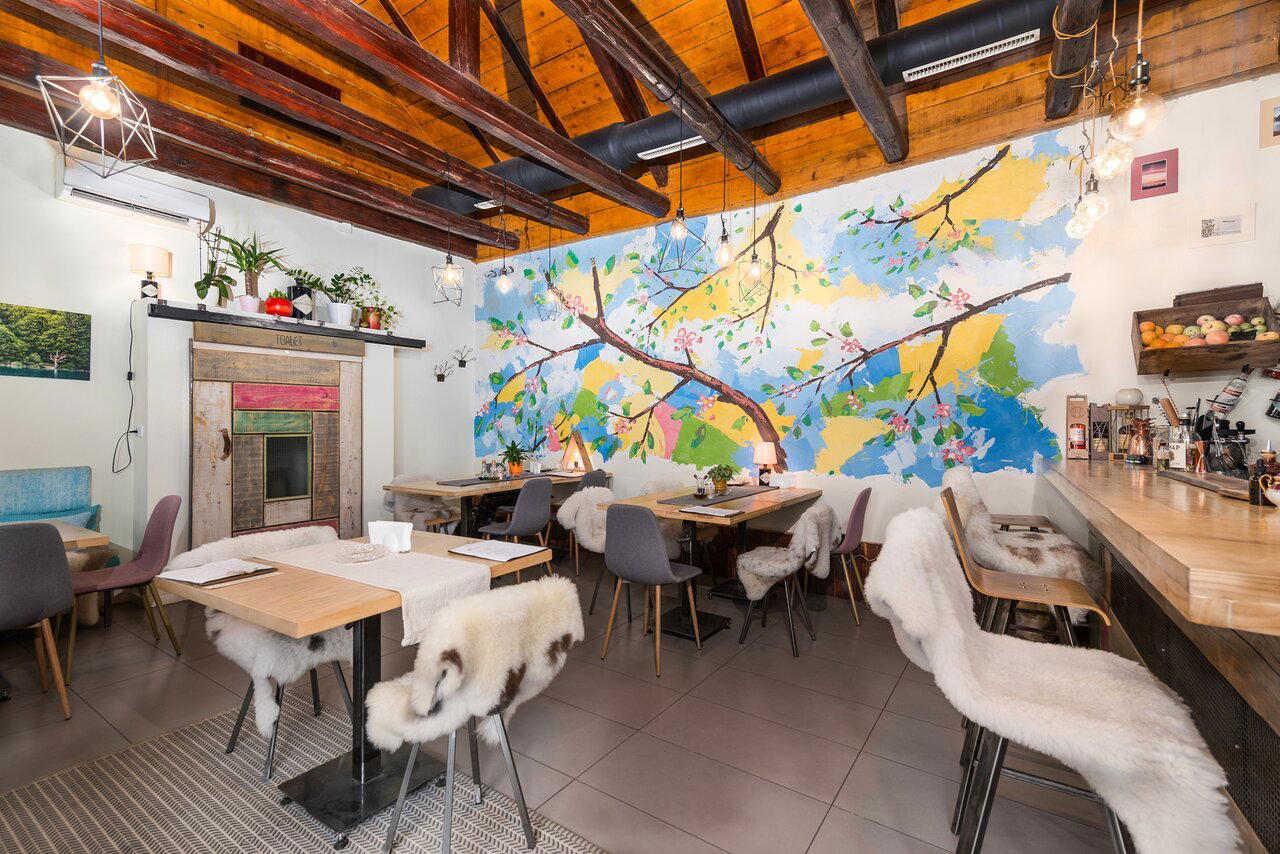
Žitni trg and the Grammar of Small Plates
Žitni trg, Grain Square, sits at the edge of Novi Sad's pedestrian core, a short walk from the main boulevard where the city's café culture runs thickest. The square retains a human scale that the larger thoroughfares have partly lost to renovation and seasonal terrace sprawl. Tri Petice occupies an address here that puts it squarely in the middle of how Novi Sad actually socialises: close enough to the centre to draw the after-work crowd, far enough from the obvious tourist corridor to remain a neighbourhood fixture rather than a passing stop.
The name translates roughly to "Three Pieces," and that detail is the first editorial clue about how the kitchen thinks. In dining cultures where portion logic shapes the entire dining arc, from Spanish tapas bars to the small-plate restaurants that remade Belgrade's scene in the 2010s, the decision to frame a menu around the idea of thirds signals something about pacing and intent. The meal is designed to accumulate rather than arrive.
Menu Architecture: What the Format Reveals
Across Serbian cities, restaurants operating in the mid-range tend to default to one of two formats: the kafana-derived menu of substantial plates built around grilled meat and shared salads, or the more recent European-inflected approach that borrows small-plate logic from Western bistro culture. Tri Petice's address and positioning in Novi Sad's central dining cluster places it closer to the latter model, where the structure of the menu itself communicates ambition and editorial identity.
The small-plate or multi-piece format carries specific implications for how a kitchen operates. It demands more from the cold section, more coordination across courses, and a greater emphasis on contrast between dishes rather than depth within a single large plate. In cities like Novi Sad, where the dining public is sophisticated enough to support CUBO at the more ambitious end and Comida Sanchez at the more casual international end, a venue that structures its offer around smaller, composed pieces occupies a readable middle position: technically engaged without demanding the formality of a tasting menu commitment.
What this format also does is shift the diner's role. Ordering becomes curatorial. Three pieces across two or three rounds means the guest builds the meal rather than simply receiving it. That shift in agency is one reason small-plate formats have proven durable in cities with a strong café culture, the social act of choosing, debating, and sharing maps naturally onto how people in places like Novi Sad already spend their evenings.
Where Tri Petice Sits in Novi Sad's Dining Range
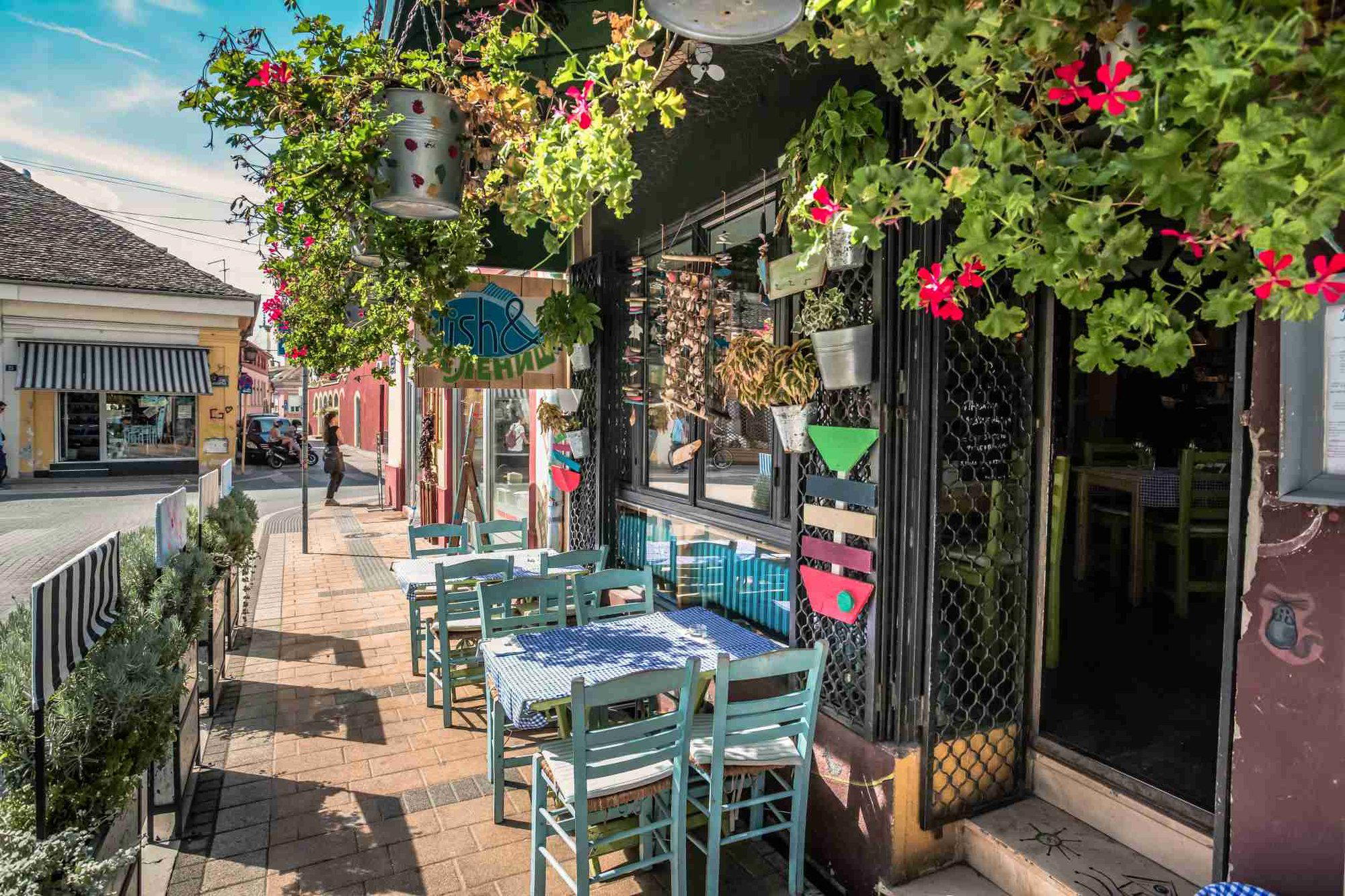
Novi Sad's restaurant scene has developed its own internal hierarchy over the past decade, with the gap between neighbourhood staples and more destination-oriented addresses widening noticeably. At one end, venues like Ananda and FISH&ZELENI;Š anchor specific culinary identities. At the more accessible end, Caffe Pizzeria Big Blue represents the high-volume, approachable model that serves the city's daily dining rather than its occasion dining.
The restaurant at Žitni trg 5 reads as something between those poles: a venue where the format implies care and composition without requiring a significant financial or time commitment from the guest. That positioning is strategically useful in a city like Novi Sad, where a large student and young professional population sets a real price sensitivity threshold, but where the same demographic has enough exposure to regional and European dining trends to respond to format intelligence when it appears.
For comparison, Novi Sad's dining ambition benchmarks differently from Belgrade. Langouste in Belgrade operates in a capital-city register where international credentials and tasting menus are expected reference points. Novi Sad's better restaurants tend to work with a different kind of authority: rooted in the city's own food culture, attentive to seasonal and regional ingredients, and delivered with the ease that comes from serving a community rather than performing for it. Atomix in New York City and Le Bernardin in New York City represent what happens at the far end of that small-plate and tasting menu evolution; the restaurant sits at an earlier, more accessible point on the same formal spectrum.
The Square as Context
Dining at Žitni trg carries its own atmospheric logic. The square functions as a breathing point in Novi Sad's otherwise compressed central grid, and venues here tend to benefit from foot traffic that moves with more intention than the main shopping street generates. In warmer months, terrace seating becomes the dominant social format across this part of the city, a pattern shared with restaurants in comparable Serbian cities, from Kod Brana in Čačak to Aleksandar Gold in Užice, where outdoor space is treated as a primary rather than supplementary offer.
That seasonal dimension matters for how the restaurant should be approached. Novi Sad's spring and summer concentration of cultural programming, the city has hosted major music festivals that bring significant visitor numbers to the centre, creates a window between May and September when Žitni trg operates at noticeably higher energy. A venue at this address benefits from that ambient density without necessarily depending on it to sustain a regular clientele through the quieter winter months.
Planning a Visit
Žitni trg 5 is within comfortable walking distance of Novi Sad's main pedestrian zone and the city's central hotel cluster, which makes the restaurant a practical option for visitors staying in the centre as well as for locals approaching from the surrounding residential neighbourhoods. Reservations are recommended. Given the square's pace, arriving earlier in the dinner service is advisable during festival periods or weekend evenings when the central area fills.
Wider travel through Serbia's restaurant scene rewards regional comparison: Lovački dom in Valjevo, Windmill in Pančevo, Etno Kuća Dinar in Vršac, KAFANA DUKAT in Pirot, Kod poštara in Aran Đelovac, Grand **** in Kopaonik, and ČARDA ZLATNA KRUNA in Apatin each represent distinct facets of how Serbian hospitality expresses itself outside the capital.
Compact Comparison
Comparable venues nearby, for context on price, style, and recognition.
| Venue | Cuisine | Price | Notes |
|---|---|---|---|
| Tri PeticeThis venue — the venue you are viewing | Not listed | $$ | Not listed |
| PROJECT 72 WINE&DELI | Podbara, Modern Serbian Fusion | $$ | Not listed |
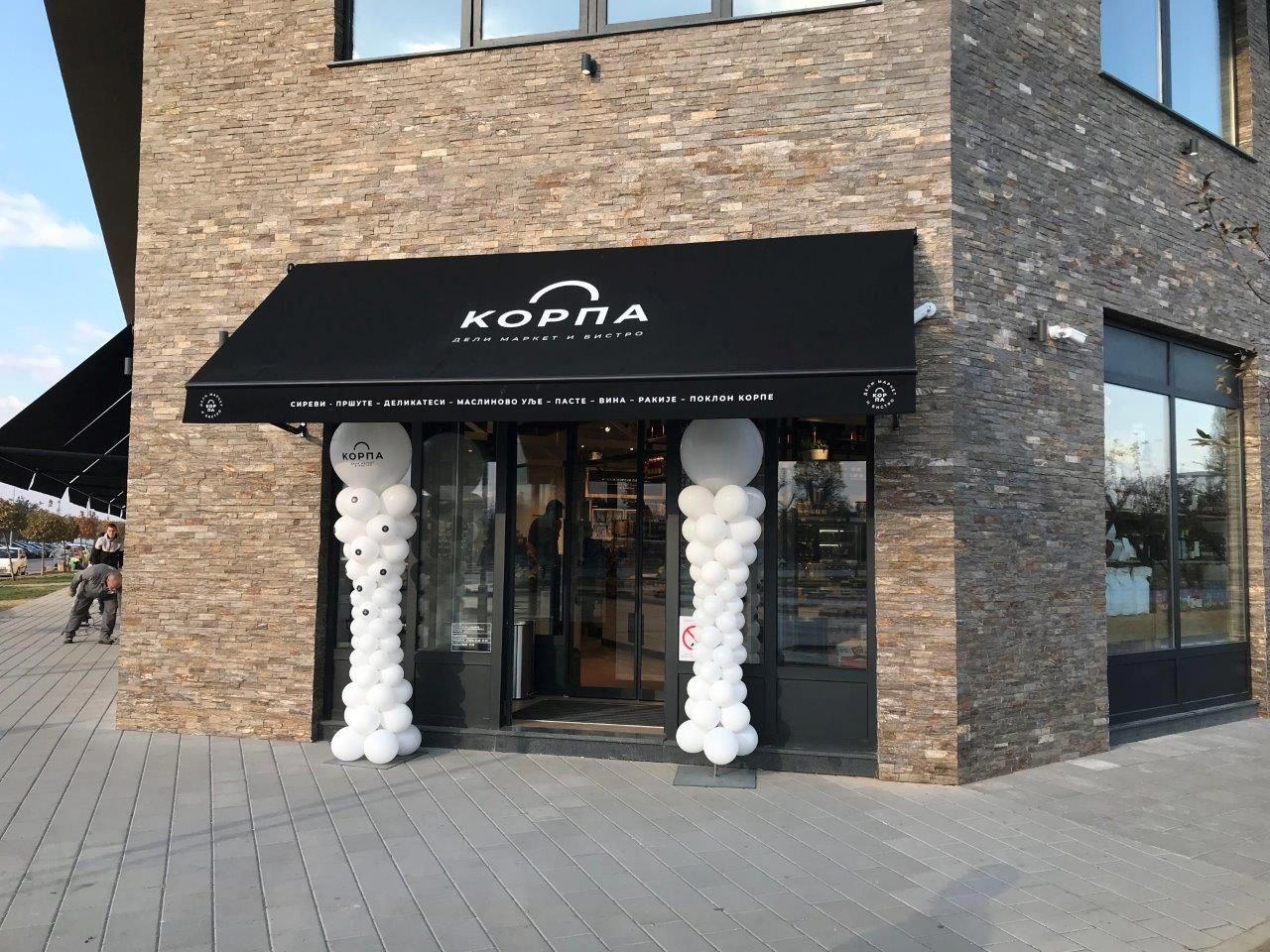
| Korpa Deli Bistro | Not listed | $$ | :null, Modern European Bistro & Steakhouse |
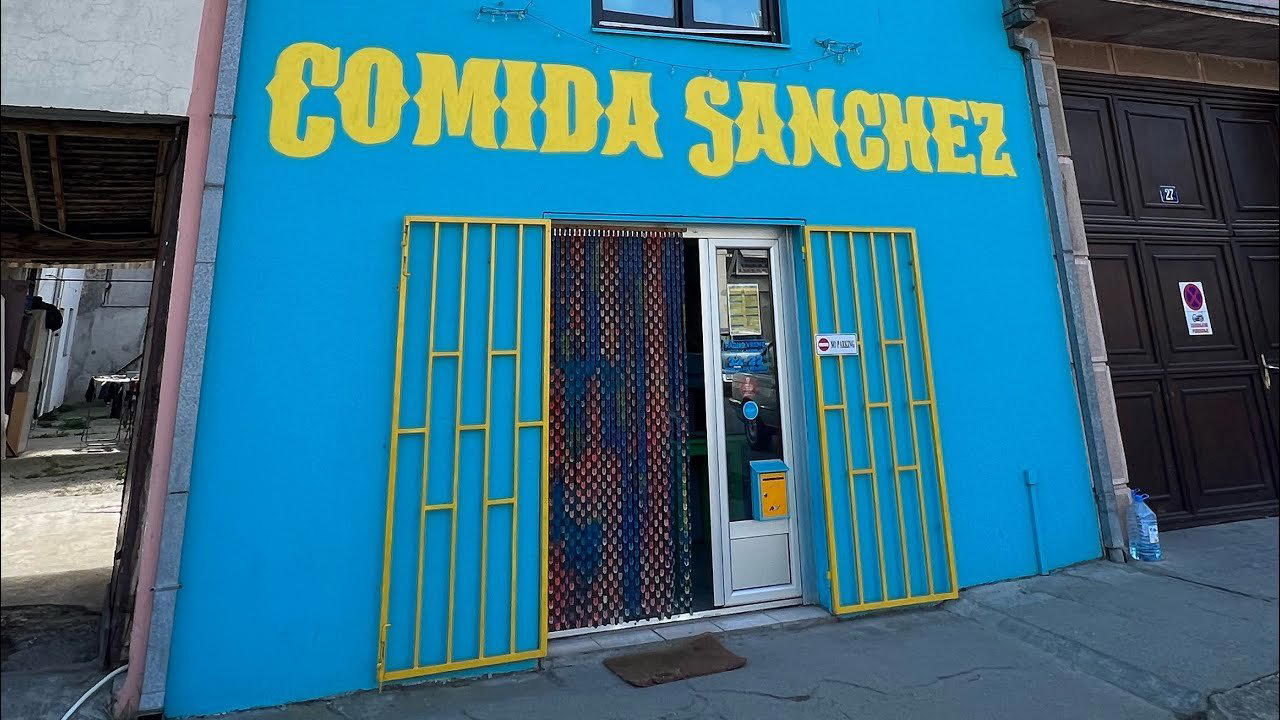
| Comida Sanchez | Salajka, Authentic Mexican Street Food | $$ | Not listed |
| SUSHI FRESH | Fresh Japanese Sushi | $$ | Not listed |
| VIDA | Not listed | $$ | Petrovaradin, Health-Focused International |
At a Glance
- Cozy
- Date Night
- Special Occasion
- Craft Cocktails
Current opening hours
- Monday
- 12–11 PM
- Tuesday
- 12–11 PM
- Wednesday
- 12–11 PM
- Thursday
- 12–11 PM
- Friday
- 12 PM–12 AM
- Saturday
- 9 AM–12 AM
- Sunday
- 12–8 PM
Hours can change for holidays and private events. Last verified .
Laid-back and warm welcoming atmosphere with cozy indoor and delightful outdoor seating.