Our verdict
Salaš kod Stare Dunje serves Traditional Eastern European food in a historic building with garden views, a conversational room, and a leisurely pace.

Pearl is the En Primeur Club membership app — saves, bookings, and concierge access live there. Same editors, same standards.
- Address
- Beogradski put 261, Stajićevo 23204, Serbia
- Phone
- +381637789889
- Hours
- Mon–Wed 12–8 PMThu–Fri 12–10 PMSat–Sun 9 AM–10 PM
- Website
- salaskodstaredunje.rs
- Directions
- Get directions
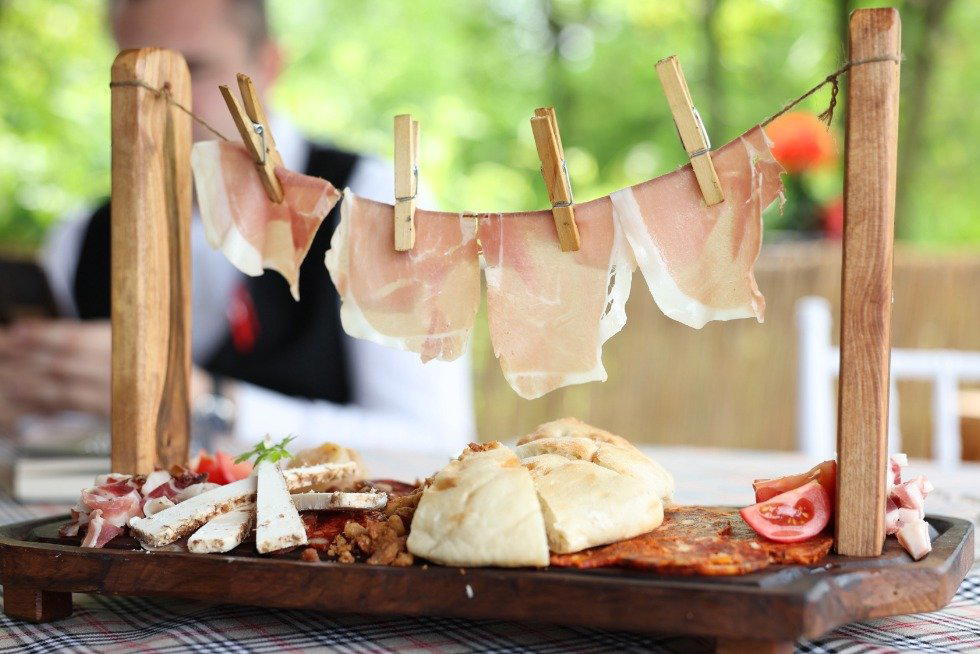
Where the Vojvodina Salaš Tradition Still Has Something to Say
The flatlands of Vojvodina have their own grammar of hospitality. Across the Pannonian plain, the salaš, a working farmstead turned gathering place, represents one of Serbia's most durable dining formats: long tables, unhurried meals, food that reads directly from the land outside the window. Salaš kod Stare Dunje, situated along Beogradski put on the edge of Stajićevo near Zrenjanin, belongs to this tradition. It is not a reinvention of the salaš concept but an expression of it, the kind of place where the surrounding agricultural flatness is not backdrop but context.
The approach along that road tells you what to expect before you arrive. The visual register is rural Vojvodina: flat horizon, wide sky, the occasional stand of acacia. Inside a salaš like this, the architecture tends to follow the same logic, timber-heavy interiors, earth tones, a material palette that borrows from the working farm rather than from hotel-school notions of rustic charm. That physical grounding in local vernacular is precisely what separates the better salaš restaurants from the ones that perform rurality without embodying it.
Serbian Rural Cooking and What It Actually Involves
Cuisine of the Serbian salaš is not decorative. It is a cooking tradition built around preservation, communal preparation, and seasonal availability, shaped by centuries of agricultural life across the Pannonian basin. At its core sit dishes that reward slowness: roasted meats prepared over open fire or in covered clay vessels, cured pork products from locally raised animals, fermented vegetables, thick bean and cabbage stews that improve over two or three days on the stove.
In the Zrenjanin area, the Banat regional influence sharpens the picture further. Banat cooking sits at a crossroads, carrying traces of Habsburg-era Central European influence alongside Serbian and Romanian traditions that long cohabited across this flat, fertile region. The result is a table that might move between ajvar-dressed appetizers, smoked meats of the kind that require months of patient preparation, and fish dishes drawing on the region's river and canal geography. For a comparative read on Serbian cooking in different registers, the contrast with Langouste in Belgrade, which applies modern technique to Adriatic product, is instructive: these are opposite poles of the Serbian dining spectrum, both legitimate, very different in ambition and grammar.
Other regional salaš and etno-format venues across Serbia operate in a similar tradition. Etno Kuća Dinar in Vrsac works the same Banat geography. Kafana Pećinar Ljubiš in Cajetina and Kafana Studenac in Bajina Basta represent the western Serbian mountain variant of the same ethos: cooking rooted in place, preparation that prioritizes process over presentation speed. ČARDA ZLATNA KRUNA in Apatin brings the Danube fish tradition into a similar format further north. Together these venues form a distributed network of Serbian traditional dining that has no real equivalent in the capital's restaurant scene.
The Salaš as a Format, Not Just a Setting
What distinguishes the genuine salaš experience from a restaurant that simply uses rural decorative elements is operational: the cooking tends to reflect what is available and seasonal, portions are calibrated for sharing rather than individual plating, and the rhythm of the meal runs slower by design. This is a format that was never built around table turnover. The expectation is that you will arrive, settle, and stay.
For urban visitors driving out from Zrenjanin, that adjustment of pace is part of the proposition. The city itself, one of Vojvodina's older urban centers with a substantial Austro-Hungarian architectural inheritance, sits roughly within reach of a short drive. The surrounding municipality of Stajićevo places Salaš kod Stare Dunje in agricultural territory that makes the farm-to-table lineage here legible in a way that urban settings can only approximate.
For context on what Zrenjanin's dining scene looks like across different price points and formats, our full Zrenjanin restaurants guide maps the options. Within the city itself, Restoran Kovač represents a different register: more urban in setting, distinct from the salaš format, but operating in the same general geographic orbit.
Across Serbia, the traditional etno-restaurant and salaš category has grown considerably in the past decade. Some of that growth has meant dilution: venues that adopt the visual language of rural hospitality without the cooking practice behind it. The credible end of the category shares common markers: ingredients with traceable local sourcing, preparation methods that match traditional technique, and a hospitality approach that prioritizes the experience of the table as a whole rather than the extraction of a high-margin drinks program.
Lovački dom in Valjevo, Kod Brana in Cacak, and ETNO PODRUM BRKA in Nis each hold territory in the Serbian traditional dining category across different regions, with formats that share the same broad commitment to local product and unhurried service. KAFANA DUKAT in Pirot does comparable work further east. The salaš and etno-kafana format is, in this sense, a genuinely distributed Serbian culinary institution, not a Vojvodina-specific phenomenon, though the Pannonian geography does give the flat-country versions their own particular character.
Further afield in Serbia, venues like Aleksandar Gold in Uzice, Kafe Restoran Maša in Novi Sad, Windmill in Pancevo, Kod poštara in Aran Elovac, and Grand **** in Kopaonik represent the breadth of Serbian dining across geography and format. For those curious about how Serbian cooking maps against international fine dining reference points, Le Bernardin in New York City and Atomix in New York City anchor what the global fine dining conversation looks like, a useful frame for understanding just how distinct the salaš tradition is from tasting-menu culture.
Planning a Visit
Salaš kod Stare Dunje is located at Beogradski put 261 in Stajićevo, a short drive from central Zrenjanin via the Belgrade road. Given the nature of the salaš format and the likelihood that groups or pre-arranged gatherings are common, contacting the venue in advance of a visit is advisable. Specific hours, current pricing, and booking arrangements are best confirmed directly, as this category of venue frequently operates on seasonal rhythms or adjusted schedules. Arrival by car is the practical approach given the out-of-town location. Visitors spending time in Vojvodina more broadly may find that combining a meal here with time in Zrenjanin itself, a city that rewards unhurried walking through its older districts, makes for a coherent half-day.
Frequently asked questions
What's the address for Salaš kod Stare Dunje?
Salaš kod Stare Dunje is located at Beogradski put 261, Stajićevo 23204, Serbia, Zrenjanin.
How far is Salaš kod Stare Dunje from central Zrenjanin, and how do you get there?
The venue is at Beogradski put 261 in Stajićevo, on the Belgrade road leading out of Zrenjanin — Stajićevo sits just a few kilometres from the city centre by car. Public transport connections to this stretch of road are sparse, so driving or arranging a transfer is the practical option. There is no shuttle or listed transport service recorded.
What's the must-try dish at Salaš kod Stare Dunje?
That said, the salaš format in Vojvodina is built around slow-cooked meats, preserved vegetables, and dishes prepared in bulk for communal sharing — the kitchen at Stajićevo follows that regional logic. Ordering whatever the kitchen is running that day is the most reliable approach at any genuine salaš.
Is Salaš kod Stare Dunje reservation-only?
Contact details and booking policy are not publicly listed for Salaš kod Stare Dunje. Working farmstead restaurants in Vojvodina often operate on advance arrangements rather than walk-in service, particularly for larger groups. Arriving without prior contact at Beogradski put 261, Stajićevo is a risk worth avoiding, especially on weekends.
What's the defining dish or idea at Salaš kod Stare Dunje?
The defining idea is the salaš itself as an operational format: food produced or sourced close to the property, cooked in ways that reflect preservation and seasonal availability rather than a fixed menu. This is the Vojvodina tradition the venue sits within, and it shapes what appears on the table more than any individual dish.
Is Salaš kod Stare Dunje good for vegetarians?
Traditional Vojvodina salaš cooking is built substantially around meat, cured products, lard-based preparations, and animal-derived staples. Vegetarians will find the options limited at most venues in this category, and there is no documented vegetarian menu for Salaš kod Stare Dunje. Checking directly before visiting is advisable.
Does Salaš kod Stare Dunje justify its prices?
Across the Serbian salaš and etno-restaurant category, the value proposition tends to sit well below urban fine dining — portions are generous and the format is communal. The location in Stajićevo, a short drive from central Zrenjanin on the Belgrade road, reflects a countryside-rate cost structure rather than a city premium.
Booking and Cost Snapshot
Comparable venues nearby, for context on price, style, and recognition.
| Venue | Cuisine | Price | Notes |
|---|---|---|---|
| Salaš kod Stare DunjeThis venue — the venue you are viewing | Traditional Eastern European | $10–20 | Not listed |
| Restoran Kovač | European Fusion with Asian Influences | $10–20 | Bagljaš Zapad, European Fusion with Asian Influences |
| Restoran ABC | Balkan Slow Food | $20–30 | Zemun, Balkan Slow Food |
| Restoran Vuk | Traditional Serbian Grill | $20–30 | City Center, Traditional Serbian Grill |
| PRANA BRUNCH&MORE | Healthy Brunch with Italian and Thai Influences | $10–20 | downtown, Healthy Brunch with Italian and Thai Influences |
| RESTORAN GRAFIČAR | Traditional Serbian Barbecue | $20–30 | Dedinje, Traditional Serbian Barbecue |
Continue exploring
More in Zrenjanin
Restaurants in Zrenjanin
Browse all →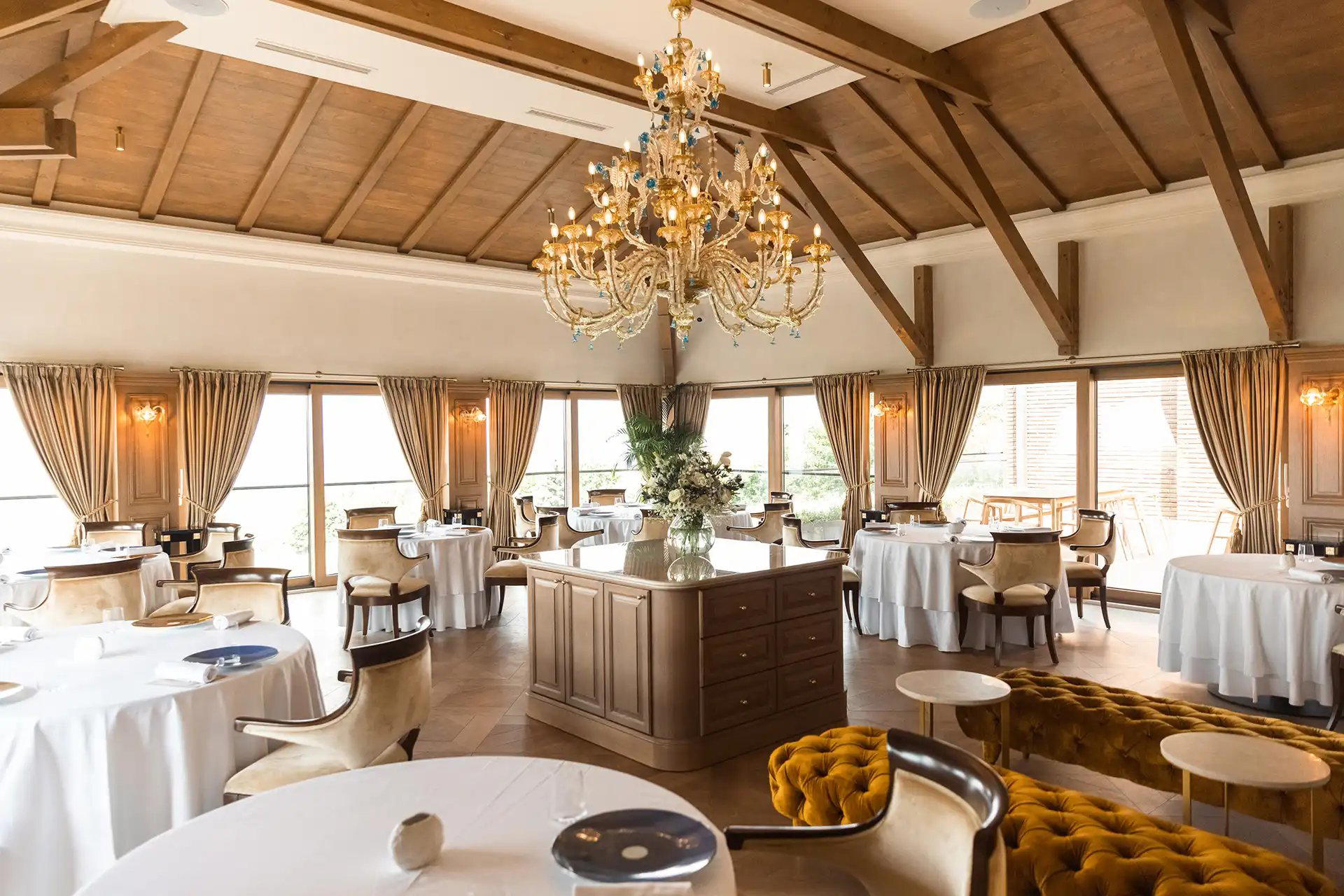
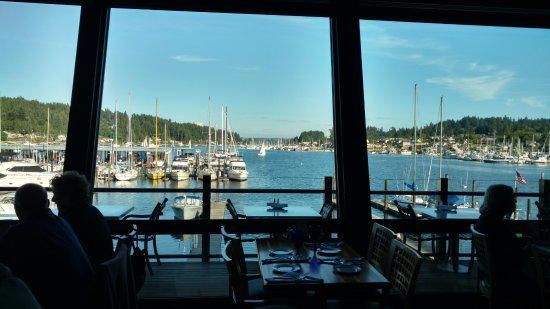
Bars in Zrenjanin
Browse all →
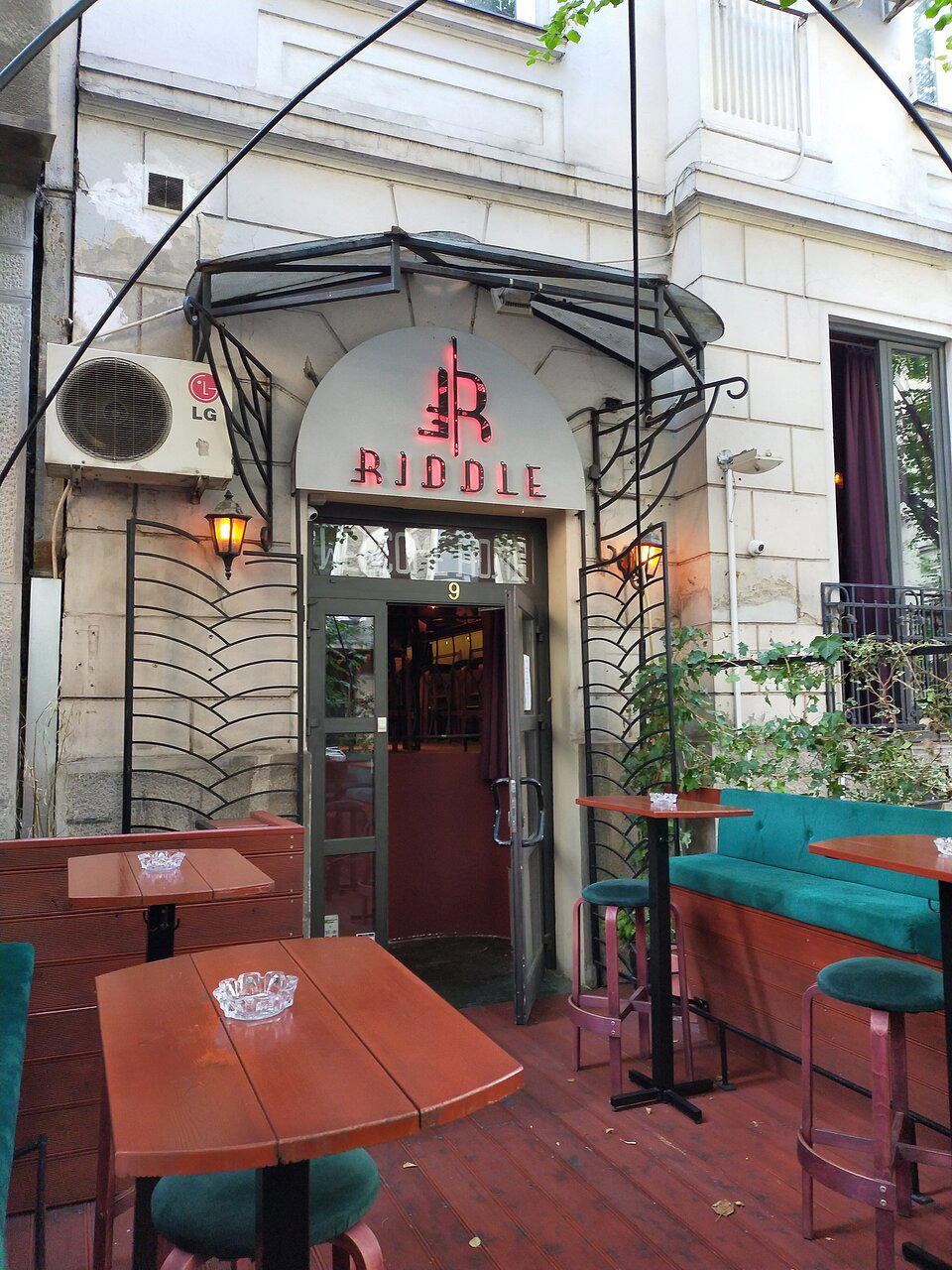
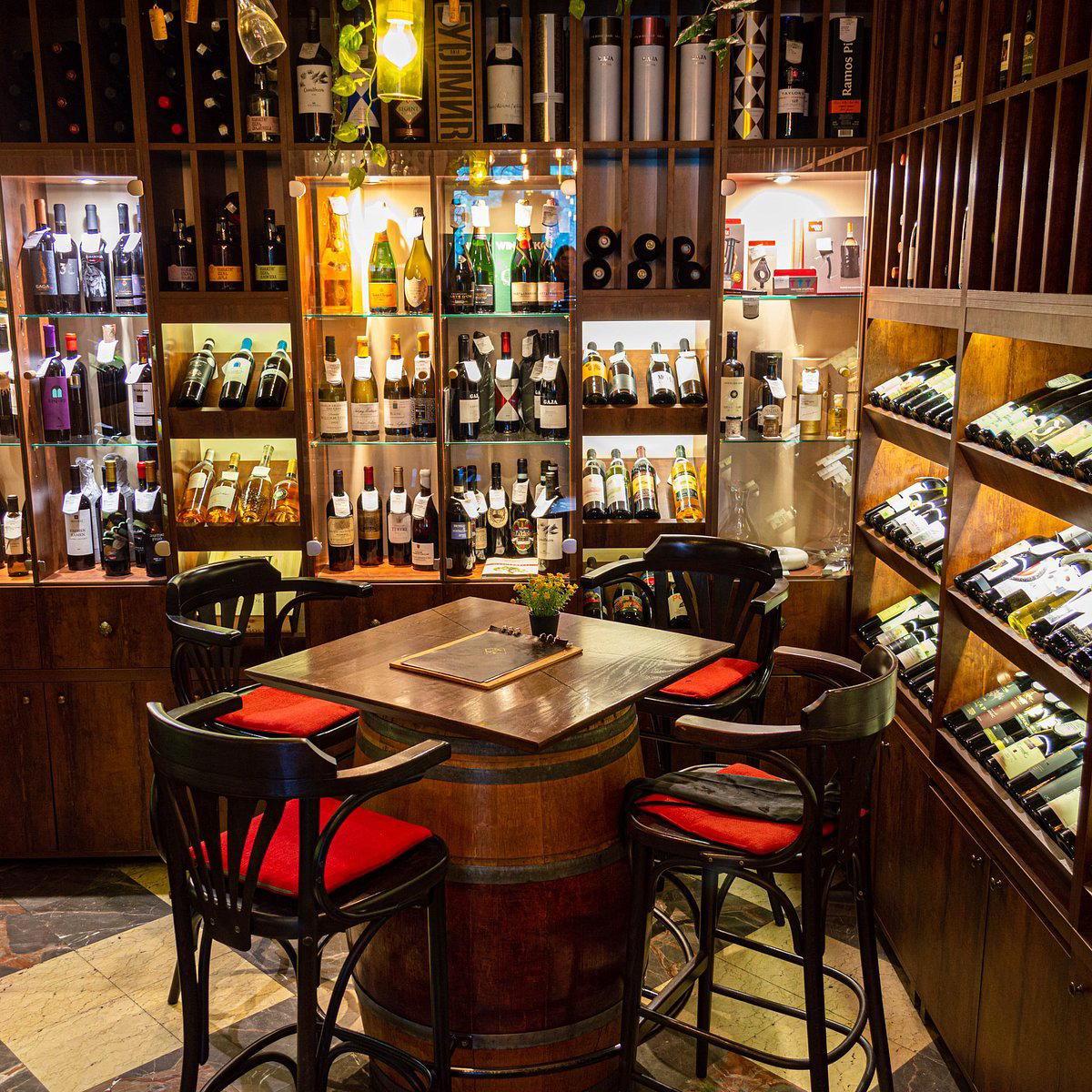
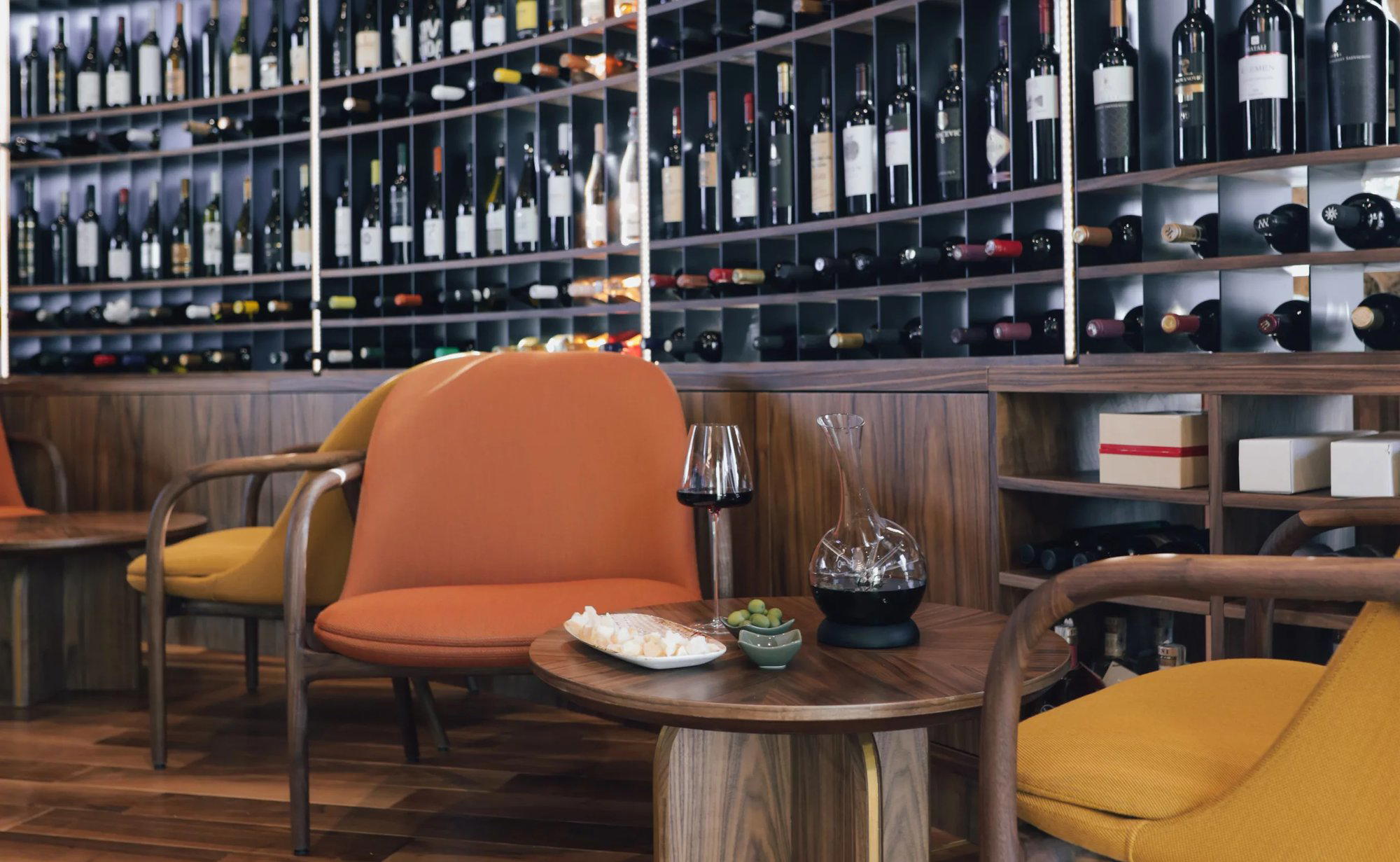
Hotels in Zrenjanin
Browse all →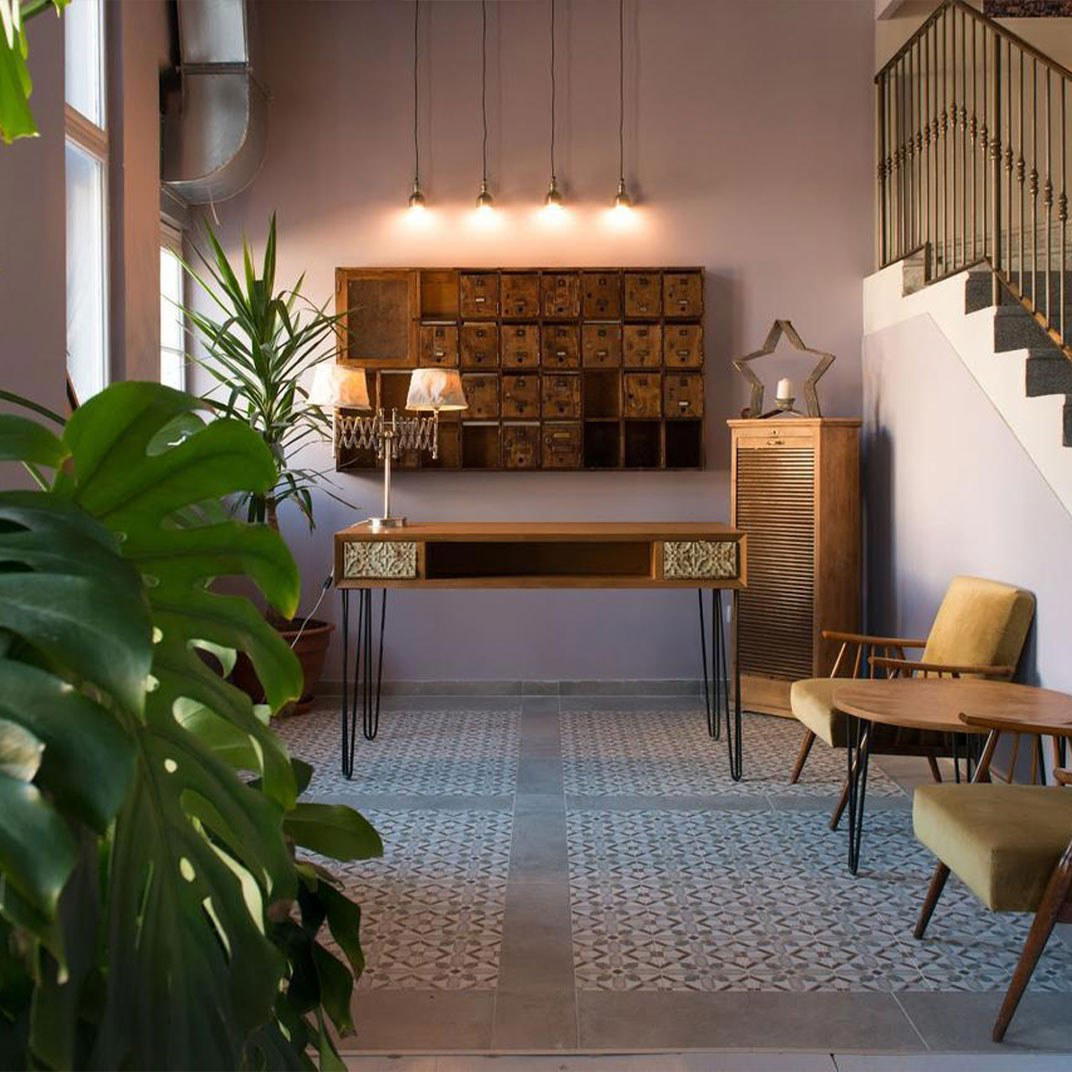
Wineries in Zrenjanin
Browse all →
Salaš kod Stare Dunje
The wine
- Wine program
- Curated wine list
- Extensive wine list
Details
- Rustic
- Cozy
- Classic
- Family
- Casual Hangout
- Special Occasion
- Garden
- Historic Building
- Extensive Wine List
- Local Sourcing
- Garden
- A La Carte
- Gluten Free Options
Current opening hours
- Monday
- 12–8 PM
- Tuesday
- 12–8 PM
- Wednesday
- 12–8 PM
- Thursday
- 12–10 PM
- Friday
- 12–10 PM
- Saturday
- 9 AM–10 PM
- Sunday
- 9 AM–10 PM
Hours can change for holidays and private events. Last verified .
Cozy and warm traditional home atmosphere with beautiful garden views, peaceful and quiet setting enhanced by tamburica music and scents of homemade strudel.