1 Michelin Star · Guía Repsol 1 Sol · Falstaff Restaurant - 94 Falstaff Points
Our verdict
Among Málaga's contemporary tasting-menu restaurants, Palodú operates a distinctive dual format: two named menus, two contrasting dining rooms, and a kitchen split between chefs Cristina Cánovas and Diego Aguilar, whose training in leading Spanish kitchens underpins the cooking. Holding a Michelin Plate for 2024 and 2025, it sits a step below the city's four-euro-sign tier and draws consistently strong reviews from.

Pearl is the En Primeur Club membership app, where members save venues, book tables and use the concierge.
The menu
What to order
- Red Mullet Gazpachuelo
- Roasted Pepper with Tempura
- Mackerel Ajoblanco
A Meal Built Around Two Things at Once
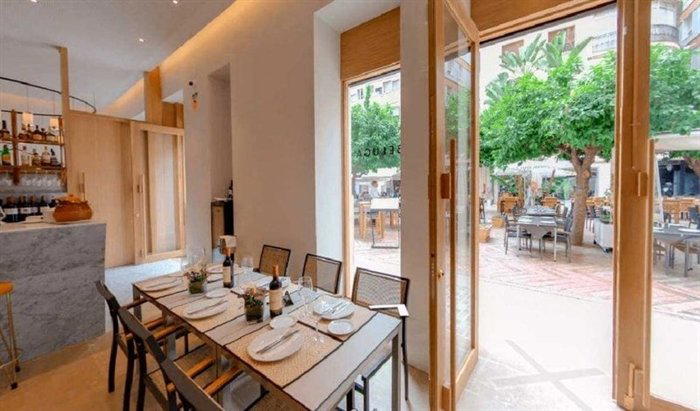
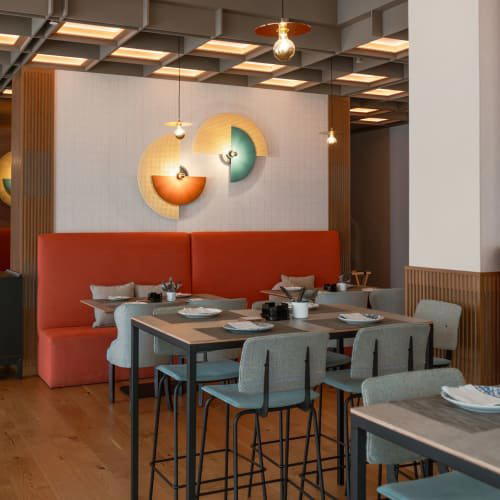
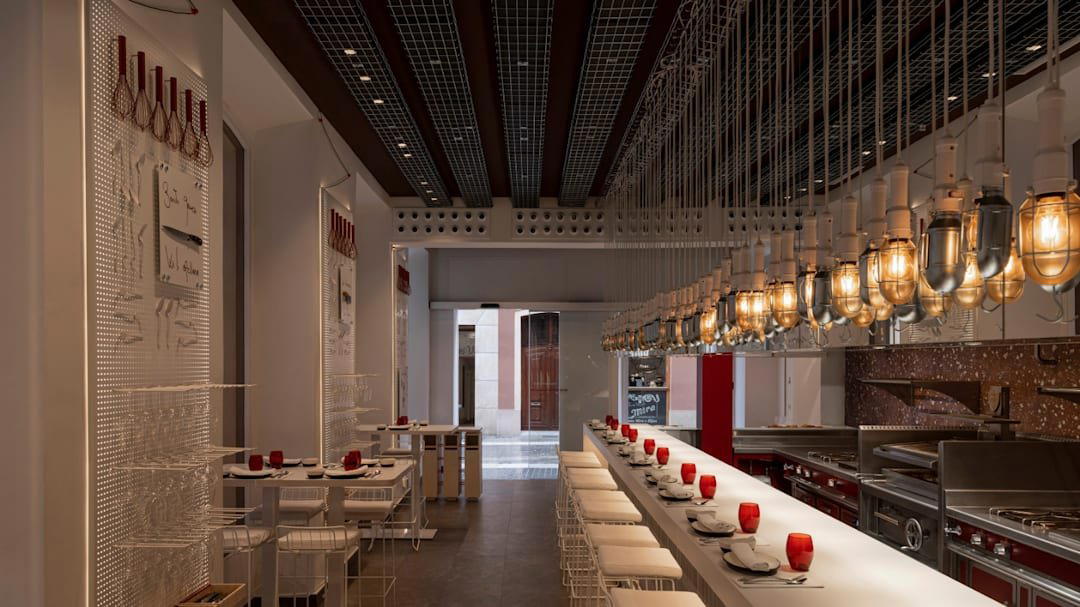
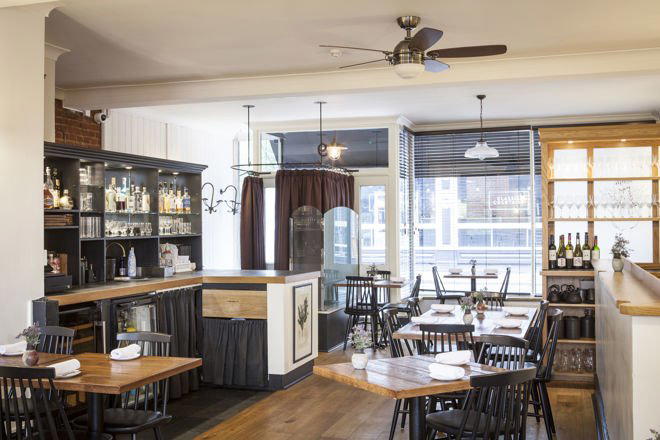
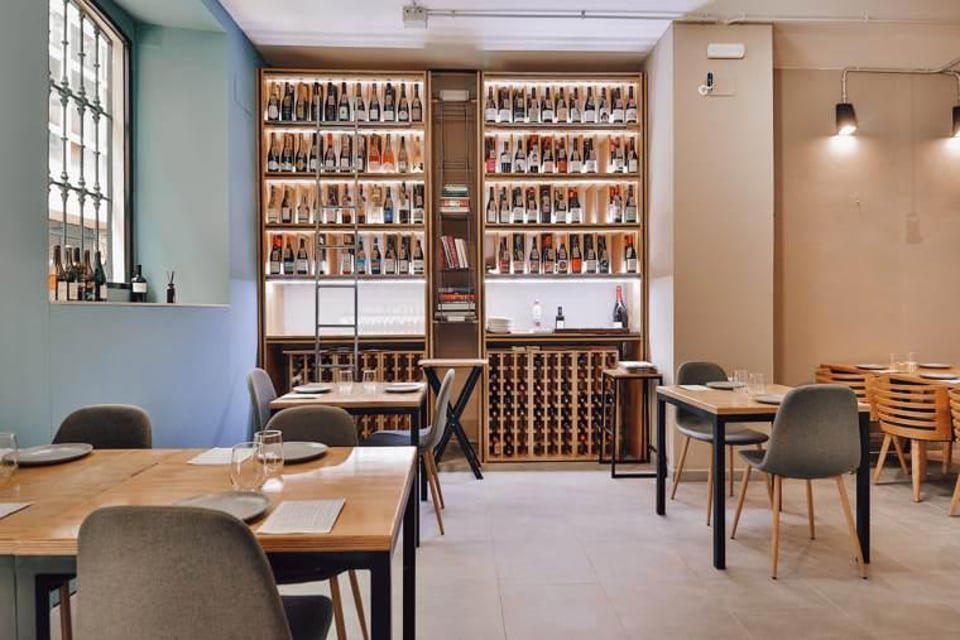
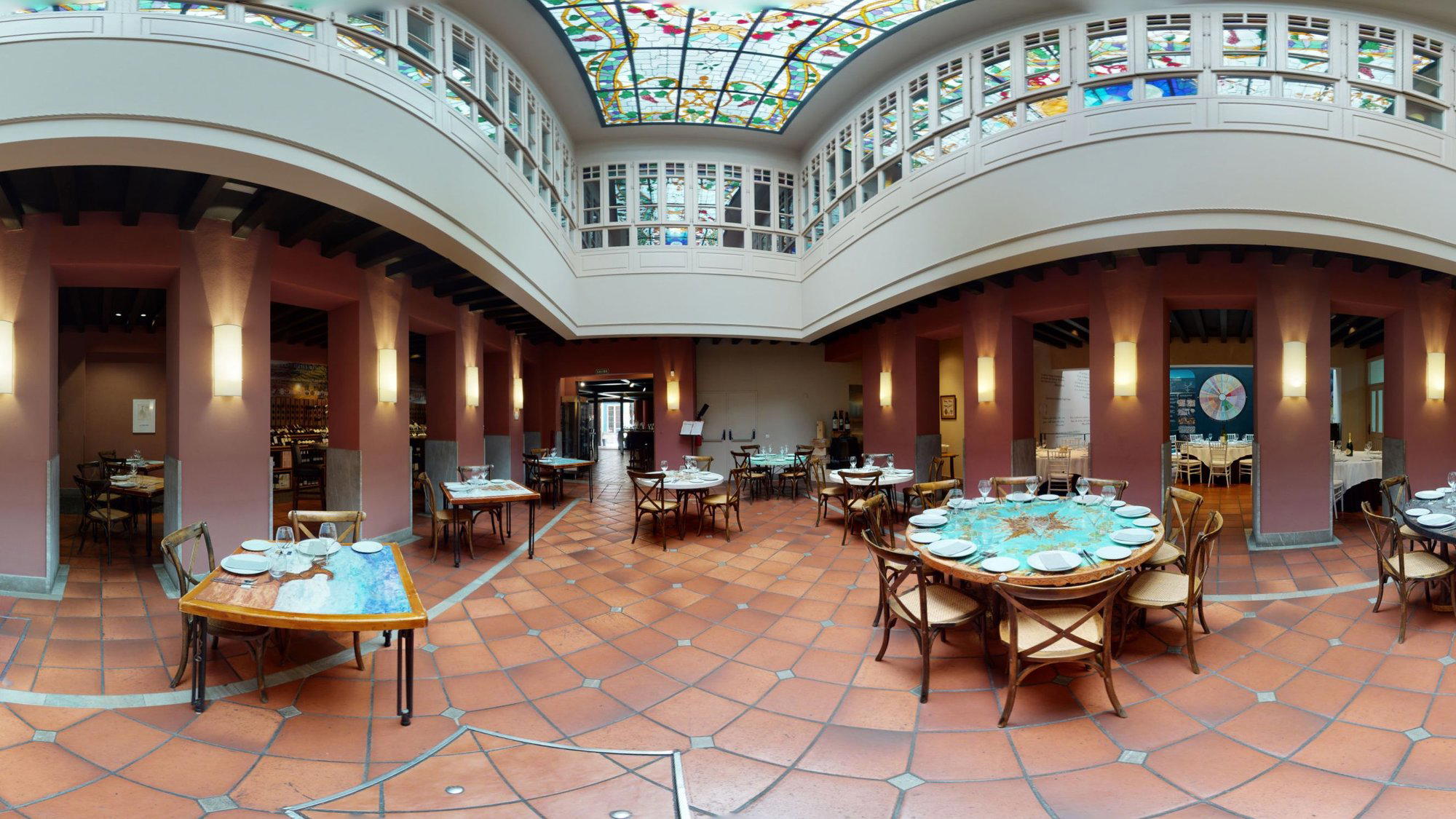
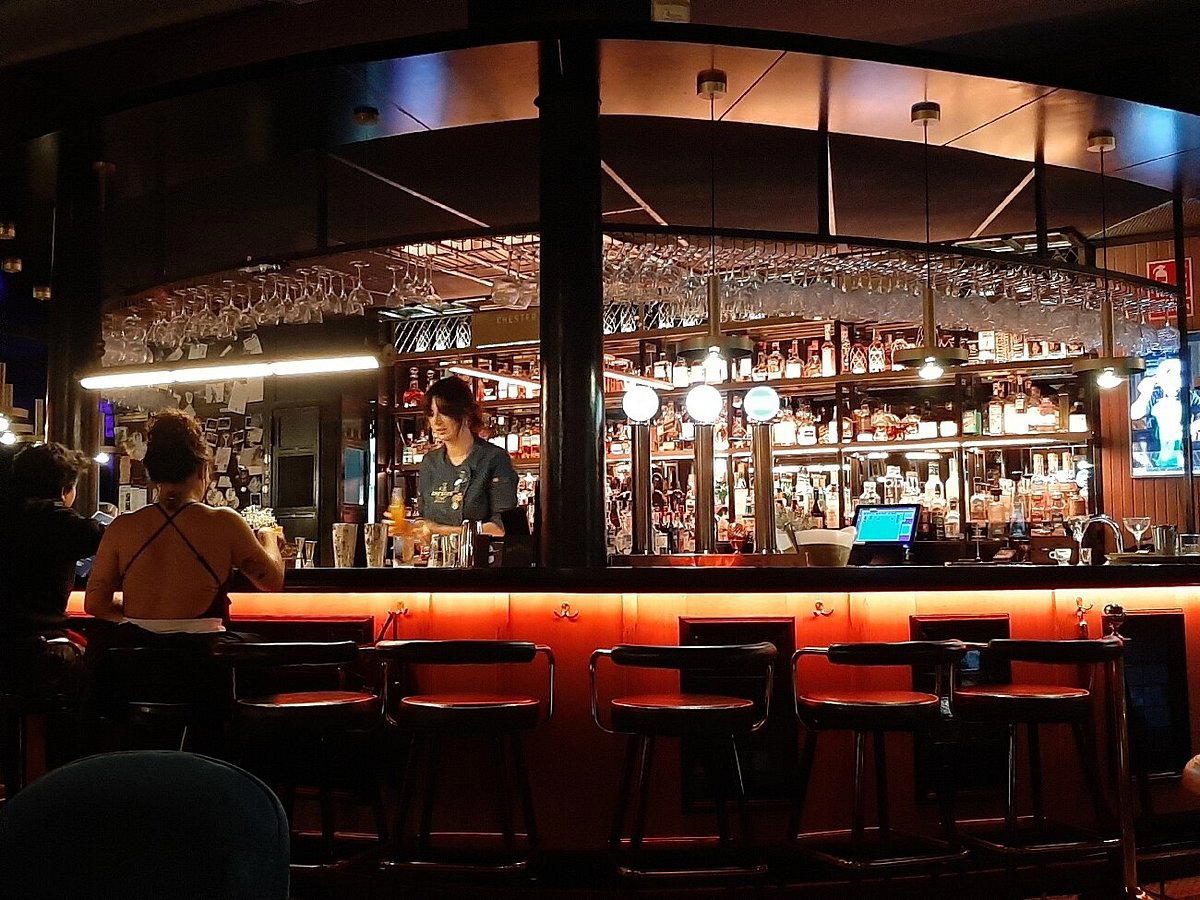
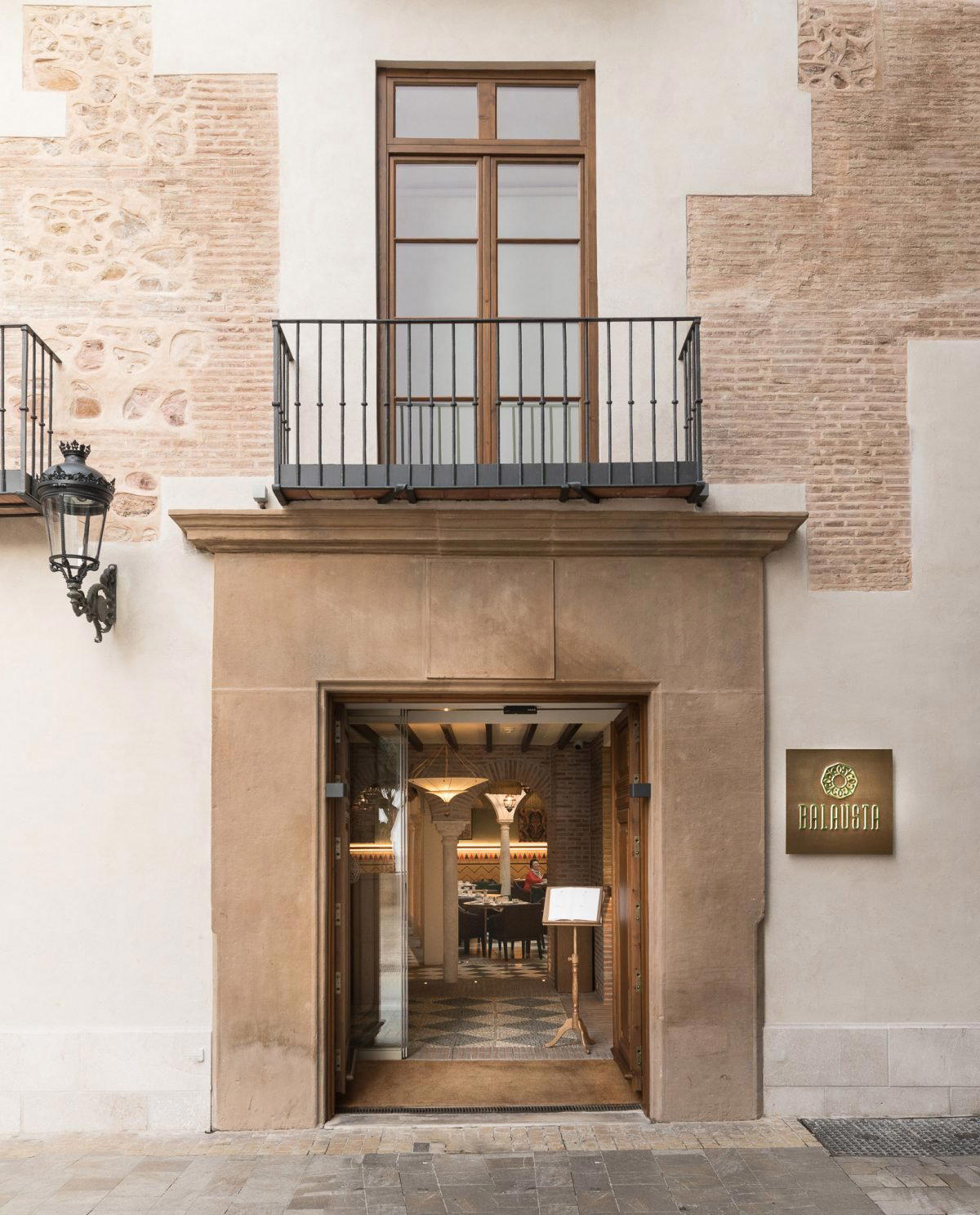
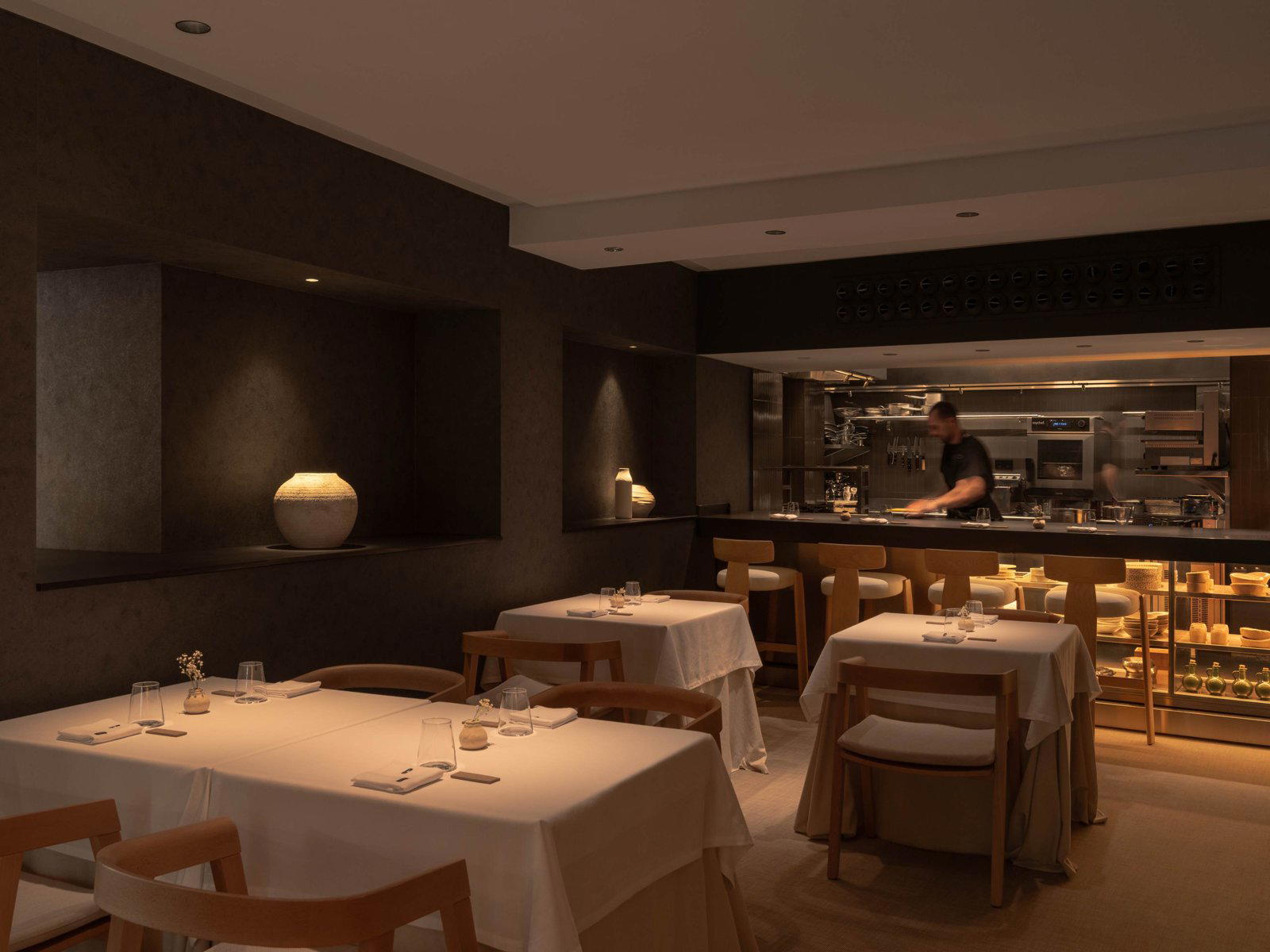
On Calle Sebastián Souvirón, a short walk from the vaulted iron columns of the Atarazanas market, Palodú occupies a position that says something about how Málaga's contemporary dining scene has developed. The street sits inside the historic centre, the kind of address that once meant fried fish and tourist menus. What you find instead are two contrasting dining rooms, one finished in black tones with an open kitchen visible from the counter, the other dominated by white, that together express the foundational idea of the place: duality as a design principle, not a decorative flourish.
That duality carries through every layer of the experience. The restaurant takes its name from the initials of its two chefs, and the concept extends from the architecture into the menus, the service rhythm, and the logic of the plates themselves. It is a restaurant where the structure of the meal is the message.
The Format: Two Menus, One Kitchen
Málaga's mid-to-upper contemporary tier has settled into a pattern of tasting menus as the primary format, with à la carte increasingly rare at this price point. Palodú follows that logic with two options: the shorter Alcazul and the more extensive Palodú menu, both built around seasonal produce and available with wine pairing. The choice between them is less a question of ambition than of pace and commitment. Choosing the longer menu signals an appetite for the full ritual; the shorter format works better when the evening has other obligations.
Wine pairing at this tier in Málaga tends to draw on Andalusian producers alongside wider Spanish selections, reflecting the region's growing confidence in its own viticulture. For context on that broader wine picture, our full Málaga wineries guide covers the regional producers shaping the conversation.
The Dining Ritual at Palodú
Spanish tasting menus at this level tend to reward guests who let the kitchen set the tempo rather than trying to read the menu as a sequence of individual dishes. At Palodú, where both menus are described as built around seasonal sequences rather than standalone showpiece plates, that patience is part of the deal. The recommended approach from critics and regulars is to take a seat at the counter in the black-toned room if you want the clearest view of how the food is assembled, the open kitchen format means preparation is visible throughout, which changes the pace of the meal. You're watching, as well as eating.
Among the sequences that have drawn particular attention is the combination of red mullet, gazpachuelo, and potato, a trio that uses a traditional Málagan fish soup as a connective element between two other components. Gazpachuelo is a dish with deep local roots, a warm emulsion-based broth historically made by fishermen, and its presence here signals the kitchen's commitment to Andalusian reference points rather than abstract modernism. The sequence is described as intensely flavoured, which in the context of a tasting menu is a meaningful signal: this is not the kind of cooking that fades between courses.
Pacing at tasting-menu restaurants in Spain generally runs longer than Northern European equivalents, with two and a half to three hours a reasonable expectation at the Palodú-menu length. The service style across Málaga's contemporary tier tends toward the informal and engaged rather than ceremonial, and the dual-room format at Palodú, one social and visible, one quieter, gives guests a degree of self-selection about the atmosphere they want.
Where Palodú Sits in the Málaga Contemporary Scene
The city's contemporary restaurant tier has diversified considerably in recent years. At the four-euro-sign level, Kaleja represents the Andalusian-contemporary position with a more elaborate format, while Blossom sits at the same price point with a fusion orientation. Palodú occupies the three-euro-sign bracket, a meaningful step in terms of cost and, typically, in terms of the intensity of the tasting experience. It is not a casual dinner, but it does not carry the full-occasion weight of the city's higher-priced rooms.
The Michelin Plate recognition in both 2024 and 2025 places Palodú in a defined position in the guide's hierarchy: kitchens that are cooking well and worth attention, without yet carrying a star. That designation is a meaningful credential in a Spanish culinary culture that takes Michelin recognition seriously, from three-star institutions like El Celler de Can Roca in Girona and Arzak in San Sebastián down through the plate tier.
For comparison across the city's broader eating options, Aire, Tragatá Málaga, and Alaparte each occupy different positions on the price and format spectrum. The full Málaga restaurants guide maps those options in detail.
The Broader Context: Contemporary Tasting Menus in Spain
Spain's contemporary tasting-menu format has been defined at the very leading end by operations like DiverXO in Madrid, Quique Dacosta in Dénia, Aponiente in El Puerto de Santa María, and Azurmendi in Larrabetzu. What filters down from those high-profile kitchens into the mid-tier is a set of shared assumptions: seasonality as the primary menu logic, regional produce as the identity anchor, and the tasting format as the primary mode of communication between kitchen and guest. Palodú's dual-menu structure, with its explicit seasonal emphasis and its choice of a traditional Málagan preparation like gazpachuelo as a featured element, fits squarely within that inheritance.
Internationally, the model of a paired kitchen where two chefs share both credit and creative direction has precedents at various levels of the industry. The duality concept at Palodú is more architecturally explicit than most, extending from the name through to the room design, but the underlying approach, seasonal, regionally anchored, technically trained, connects to a wider movement visible from César in New York to Jungsik in Seoul.
Planning Your Visit
Palodú is at C. Sebastián Souvirón, 7-9, in Málaga's Distrito Centro, which puts it within easy walking distance of the main historic sites and the Atarazanas market. The three-euro-sign pricing places the menu in a bracket that warrants advance planning: booking ahead is advisable, particularly for weekend evenings and summer months when the city draws significant visitor numbers. Given the counter seats are specifically recommended for the open-kitchen experience, requesting that position at the time of booking is worth doing.
For those building a wider stay around the meal, our Málaga hotels guide, bars guide, and experiences guide cover the surrounding options in detail.
Frequently asked questions
Where is Palodú in Málaga?
Palodú is located at C. Sebastián Souvirón, 7-9, Distrito Centro, 29005 Málaga, Spain, Málaga.
What should I budget for a meal at Palodú?
Pricing at Palodú is listed as €€€.
Is Palodú Michelin-listed?
Palodú has received recognition including: This attractive restaurant, just a few steps from the legendary Atarazanas market, is one of those restaurants you’ll love visiting thanks to its constant desire to improve. The couple in charge of the kitchen (Cristina Cánovas and Diego Ag….
What do people recommend at Palodú?
The counter seats are the ones to request if you want a clear view of the kitchen in action. Michelin's own notes for the 2025 Plate award single out the 'red mullet – gazpachuelo – potato' sequence as particularly worth ordering, describing it as intensely flavoured, a reasonable benchmark for what the kitchen does best.
What type of food is Palodú known for?
How hard is it to get a table at Palodú?
Palodú sits at the €€€ tier in a city where Michelin Plate recognition draws consistent local and visitor interest, so advance booking is advisable rather than optional. Counter seats are limited by definition, and those go faster than the main dining room. Booking at least a week or two ahead is a reasonable precaution, especially on weekends.
What do critics highlight about Palodú?
Michelin has awarded Palodú a Plate in both 2024 and 2025, with reviewers noting the kitchen's 'constant desire to improve' as a defining characteristic. The dual-menu format, built around the initials of chefs Cristina Cánovas and Diego Aguilar, and the physical split between a black-toned open-kitchen room and an all-white dining room, are consistently cited as the most distinctive structural choices in Málaga's contemporary tier.
The Essentials
A quick peer check to anchor this venue’s price and recognition.
| Venue | Cuisine | Price | Awards | Notes |
|---|---|---|---|---|
| PalodúThis venue (the venue you are viewing) | Modern Mediterranean Fine Dining | $100–150 | 1 Michelin Star · Guía Repsol 1 Sol | Not listed |
| Blossom | Modern Fusion Fine Dining | $100–150 | 1 Michelin Star · Guía Repsol 1 Sol | Chinese, Fusion |
| Kaleja | Modern Malagueño Fine Dining | $100–150 | 1 Michelin Star · Falstaff Restaurant - 95 Falstaff Points | Andalusian, Contemporary |
| José Carlos García | Contemporary Andalusian with Avant-Garde Techniques | $100–150 | 1 Michelin Star · La Liste Top Restaurants | Mallorcan, Creative |
| La Taberna de Mike Palmer | Modern Spanish Grill | $30–50 | Michelin Bib Gourmand · Macarfi 8 Food Rating | Mediterranean, Traditional Cuisine |
| Beluga | Modern Mediterranean Rice and Seafood | $50–100 | Michelin Plate · La Liste Top Restaurants | Russian - Caviar, Mediterranean Cuisine |
Recognition history
Dated appearances from independent guides and award organizations, with the underlying list record or original source where available.
Michelin 1 Star
Michelin
Falstaff Restaurant - 94 Falstaff Points
Falstaff
Guía Repsol 1 Sol
Guía Repsol
Macarfi 8.8 Food Rating
Macarfi
Full recognition history (6 entries)
Michelin Plate
Michelin
Michelin Plate
Michelin