On a quiet Testaccio street, Osteria San Giorgio occupies a corner of Rome where the neighbourhood's working-class culinary tradition remains intact. The kitchen draws on the fifth-quarter repertoire that defines this part of the city, making it a reliable address for occasion meals that want substance over theatre. Via Luca della Robbia, 3a puts it squarely in one of Rome's most historically grounded dining districts.
Pearl is the En Primeur Club membership app — saves, bookings, and concierge access live there. Same editors, same standards.
- Address
- Via Luca della Robbia, 3a, 00153 Roma RM, Italy
- Phone
- +393968413295
- Website
- osteriasangiorgio.it
- Directions
- Get directions
 Saves & bookings on Pearl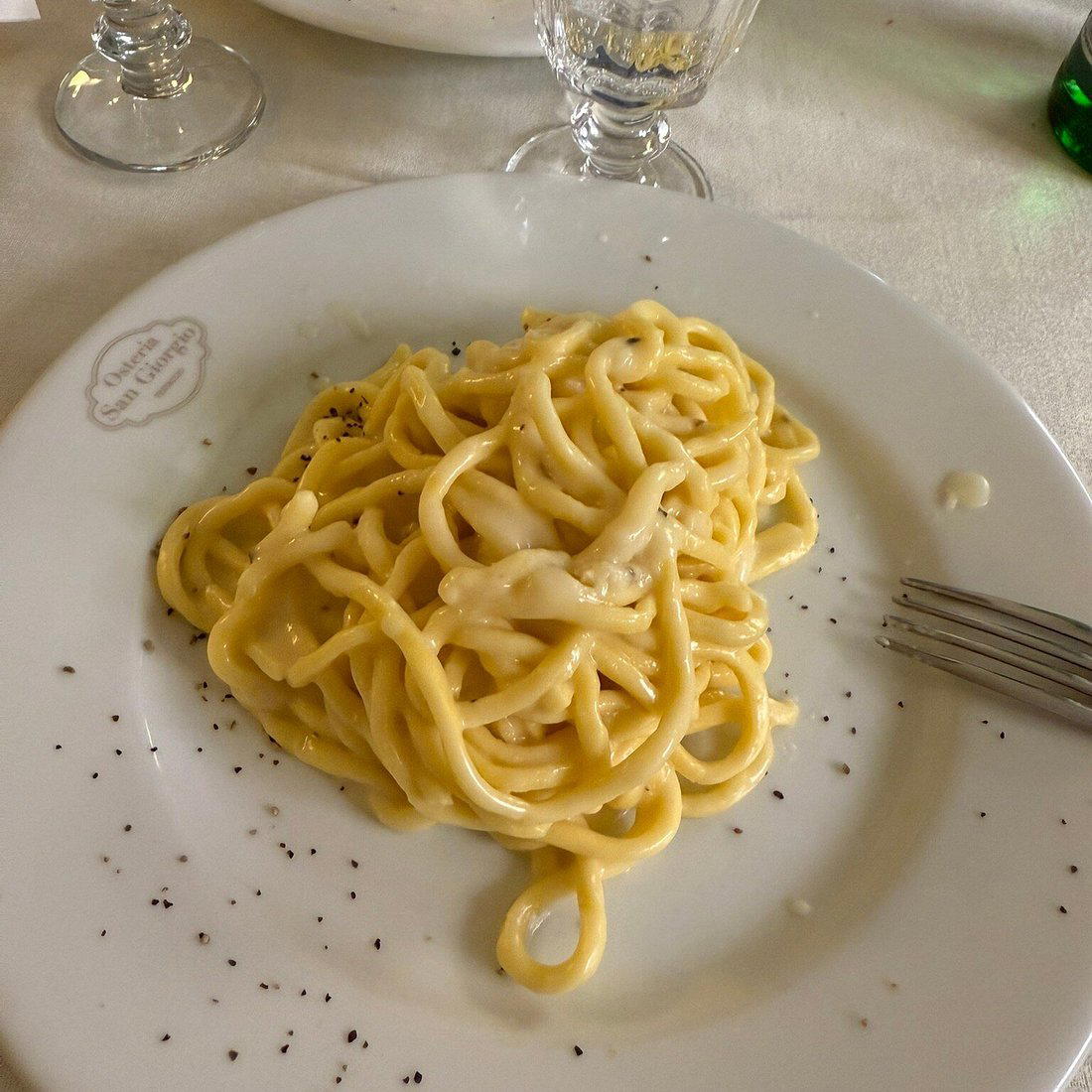
Testaccio, Where Roman Cooking Has Always Been Honest
Osteria San Giorgio is a Traditional Roman Osteria in Rome's Testaccio quarter. On one side sit the creative tasting-menu addresses clustered near the historic centre: Il Pagliaccio, Acquolina, and Enoteca La Torre represent the city's contemporary Italian ambition, working in the €€€€ tier with tasting formats and modern technique. On the other side is Testaccio, the former slaughterhouse district south of the Aventine, where the logic runs differently. Restaurants here built their reputations on offal, slow braises, and pasta forms that predate the republic. Osteria San Giorgio sits on Via Luca della Robbia, 3a, inside that second world.
For occasion dining in Rome, the choice between these two poles is worth thinking through carefully. The creative end of the spectrum, including Achilli al Parlamento and the three-Michelin-starred La Pergola, delivers the formal ceremonial register: long menus, wine pairings, service choreography. Testaccio osterie work in a different key. The occasion is still marked, but the register is familial rather than theatrical. A birthday dinner here arrives at the table through the same rhythms that have governed Roman trattoria service for decades: antipasto di coratella, rigatoni con la pajata, abbacchio al forno.
The Neighbourhood as Context
Testaccio's culinary character was shaped by geography in a literal sense. The Mattatoio, Rome's principal slaughterhouse until 1975, stood at the edge of the neighbourhood, and the workers who staffed it were paid partly in what the trade called the quinto quarto, the fifth quarter, the offal and secondary cuts that wealthier Roman tables rejected. What began as economic necessity became, over generations, one distinctive culinary tradition in a city full of them. The restaurants along Via Luca della Robbia and the surrounding streets are the direct institutional descendants of that tradition.
This context matters for milestone meals because it gives the occasion a kind of rootedness that destination restaurants in Rome's tourist core often struggle to provide. Celebrating an anniversary or a significant birthday at an address in Testaccio means sitting inside a living culinary document, not a recreation of one. The neighbourhood still functions as a residential district; the clientele at its better osterie tends to be mixed between regulars from the surrounding streets and visitors who have done enough research to arrive with purpose.
What a Meal at Osteria San Giorgio Traces
The osteria format across Testaccio follows a recognisable structure. Antipasti lean on cured meat, preserved vegetables, and the kind of egg-based preparations that would have been common in mid-century Roman kitchens. Primi carry the weight of the meal: carbonara, cacio e pepe, and amatriciana appear at virtually every table in the neighbourhood, but the depth of a kitchen shows in how it handles the more demanding preparations. Rigatoni con la pajata, pasta with veal intestine, slow-cooked until the milk inside thickens to a cream, is the dish that separates the kitchens committed to the tradition from those treating it as a selling point.
Secondi in Testaccio osterie tend toward roasted and braised formats: lamb, oxtail, and occasionally the coda alla vaccinara, the ox-tail stew cooked in tomato with celery and bitter chocolate, which requires both time and accuracy to balance. These are not plates that reward impatience in the kitchen or at the table. For a special occasion, they work precisely because they require a kind of sustained attention that fast food and quick-turn restaurants cannot replicate.
For context on what ambitious Italian kitchens do with similar traditions at a higher technical register, Osteria Francescana in Modena and Reale in Castel di Sangro are the obvious reference points nationally. Closer to Rome's own geography, Uliassi in Senigallia and Piazza Duomo in Alba represent the kind of fine-dining interpretation of regional tradition that Testaccio's osterie deliberately do not attempt. The distinction is not about quality; it's about intention.
Occasion Dining Without the Performance
One of the more useful distinctions to draw when planning a significant meal in Rome is between occasion dining that requires ceremony and occasion dining that requires only meaning. La Pergola operates firmly in the ceremonial register: three Michelin stars, rooftop views over the city, a wine cellar that runs to several thousand labels. The experience is curated at every point. Testaccio osterie, Osteria San Giorgio included, offer the other kind of meaningful meal: one where the food has been made more or less the same way for decades, where the waiter may have been working the same room for years, and where the occasion is marked not by novelty but by fidelity.
That fidelity extends to the wine list, which in most Testaccio osterie concentrates on central Italian producers: Lazio's own Cesanese, Frascati from the Castelli Romani, and Montepulciano and Sangiovese from the regions immediately to the north and east. The wine is functional in the leading sense: chosen to sit beside the food rather than to demonstrate the cellar.
For guests planning a broader Italian table tour, the restaurants that operate in the restaurant's tradition-led, ingredient-focused register elsewhere in Italy include Dal Pescatore in Runate, Quattro Passi in Marina del Cantone, and the Trentino-rooted Atelier Moessmer Norbert Niederkofler in Brunico. Each works within a specific regional logic rather than against it. By contrast, Enrico Bartolini in Milan and Le Calandre in Rubano represent the creative-Italian strand that Testaccio sits apart from by design.
Planning Your Visit
Via Luca della Robbia is walkable from Piramide metro station (Line B), which makes the restaurant accessible from both the historic centre and Trastevere without requiring a taxi. Testaccio's osterie tend to operate traditional Italian dining hours: lunch from around 12:30 and dinner from 19:30 or 20:00, with kitchens generally closing earlier than their central-city counterparts. For occasion meals, booking ahead is the sensible course at any Testaccio address worth the visit; walk-ins are possible at quieter midweek lunches, but Saturday evenings and any booking around Roman public holidays fill quickly. The neighbourhood is liveliest in autumn and spring, when the heat that empties outdoor Rome in July and August has lifted and the tourist traffic has thinned to a more manageable level. A meal planned between October and early December, or in April and May, benefits from both conditions simultaneously. Visitors building a longer Rome dining itinerary will find the full picture in our Rome restaurants guide, which covers the city's broader dining geography across price tiers and neighbourhood contexts.
For further reference on how Italian fine dining operates at the international level, Enoteca Pinchiorri in Florence provides a useful comparative point: a restaurant where Italian tradition and internationally prominent cellar credentials intersect, and where the occasion-dining register is fully explicit. Le Bernardin in New York City and Atomix in New York City illustrate how the precision-tasting format operates at the highest international level, which clarifies by contrast what Testaccio's more grounded, tradition-anchored osterie are doing and why that format continues to hold a meaningful place in the city's dining life.
Same-City Peers
Comparable venues nearby, for context on price, style, and recognition.
| Venue | Cuisine | Price | Notes |
|---|---|---|---|
| Osteria San GiorgioThis venue — the venue you are viewing | Traditional Roman Osteria | $$$ | Not listed |
| Jacopa | Modern Italian | $$$ | Trastevere |
| Clementino Ristorante & Bistrot | Contemporary Roman Cuisine | $$$ | Colonna |
| Il Piccolo Mondo | Traditional Roman Italian with Seafood | $$$ | Ludovisi |
| Ops | Vegan Italian Buffet | $$$ | Salario |
| Pommidoro dal 1890 Ristorante | Traditional Roman Trattoria | $$$ | Tiburtino |
Continue exploring
More in Rome
Restaurants in Rome
Browse all →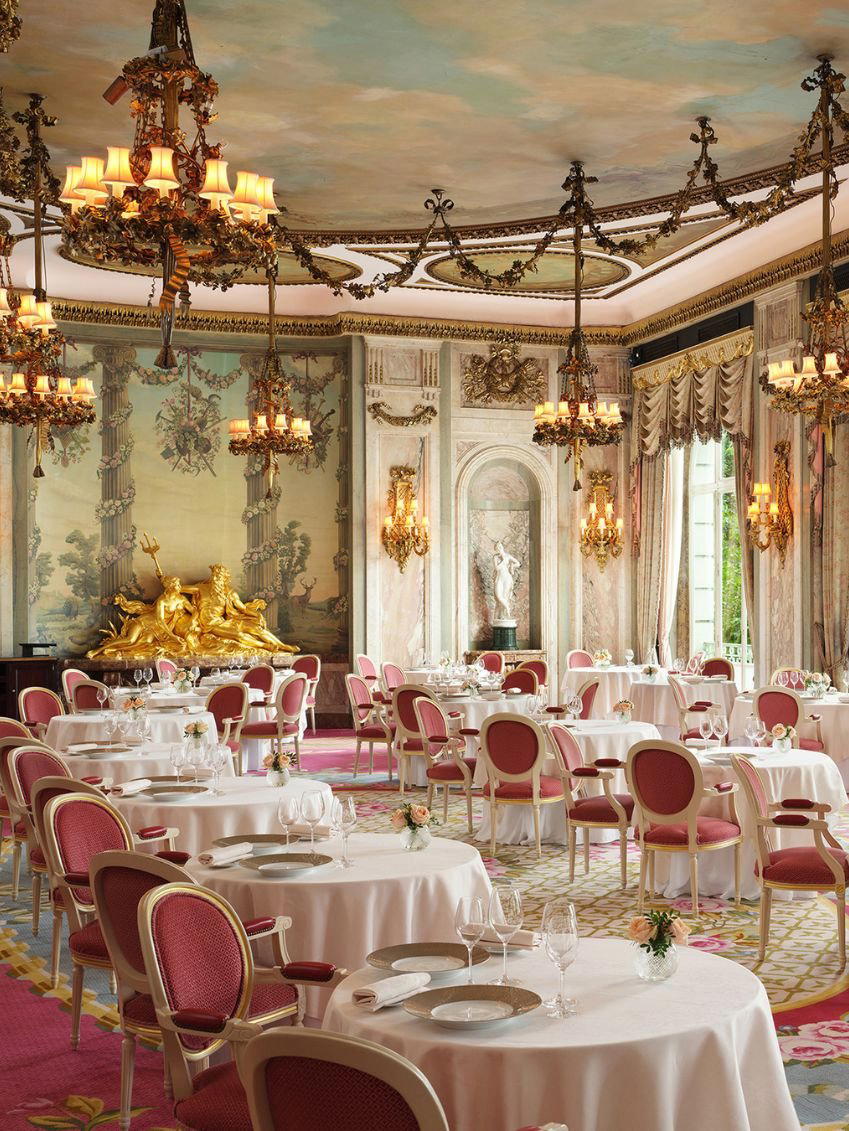
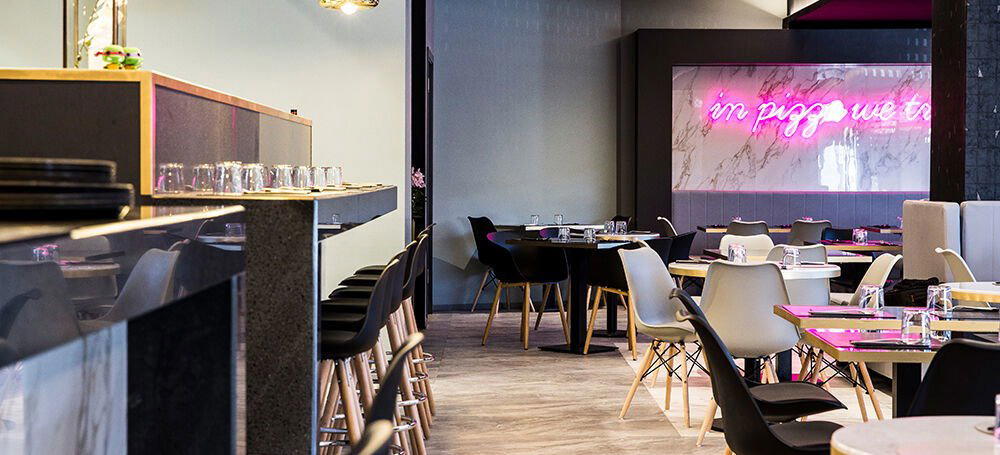
Bars in Rome
Browse all →
Hotels in Rome
Browse all →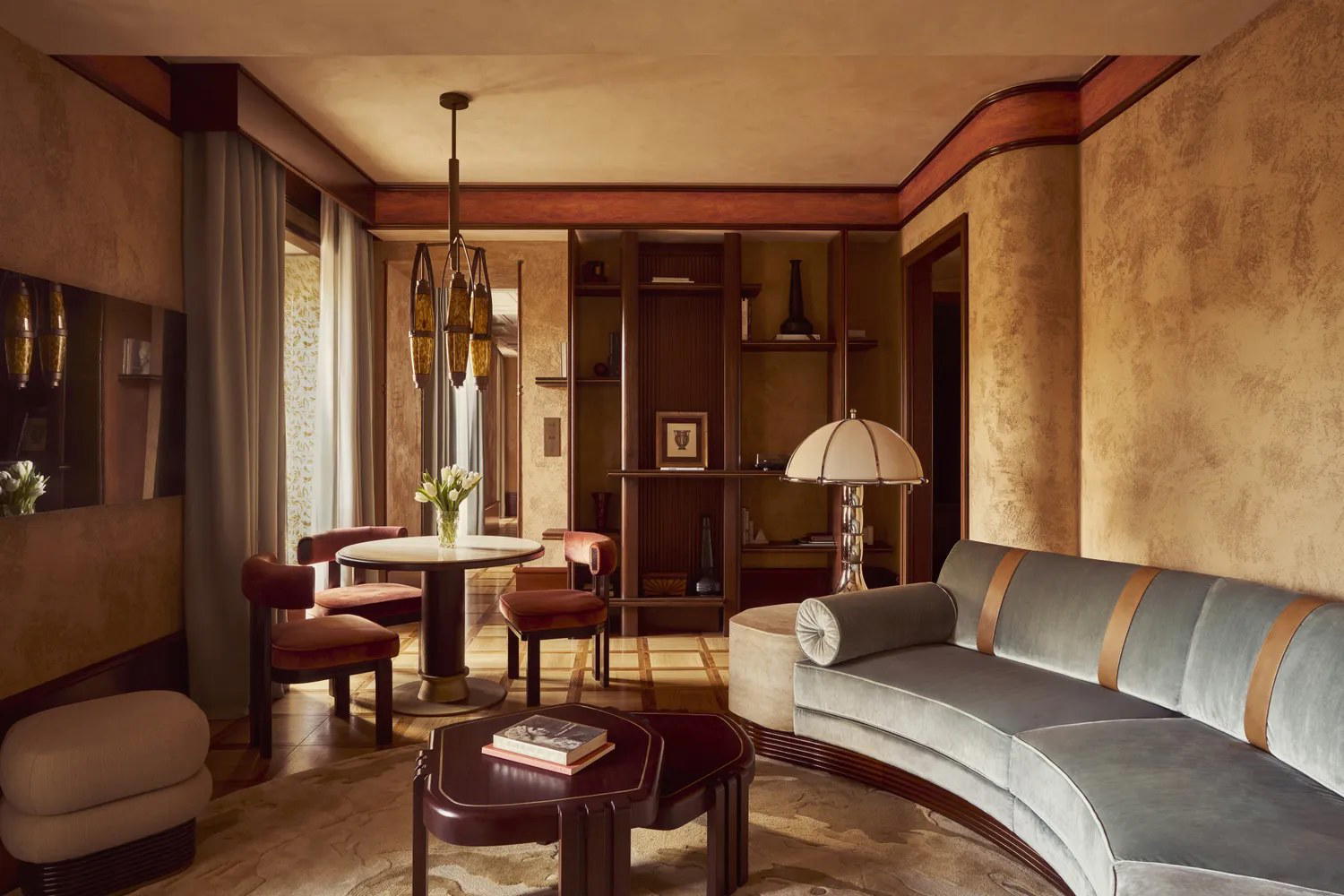



At a Glance
- Cozy
- Rustic
- Classic
- Group Dining
- Casual Hangout
- Standalone
- Extensive Wine List
- Local Sourcing
Current opening hours
- Monday
- 11:30 AM–11:30 PM
- Tuesday
- 5–11:30 PM
- Wednesday
- 11:30 AM–11:30 PM
- Thursday
- 11:30 AM–11:30 PM
- Friday
- 11:30 AM–11:30 PM
- Saturday
- 11:30 AM–11:30 PM
- Sunday
- 11:30 AM–11:30 PM
Hours can change for holidays and private events. Last verified .
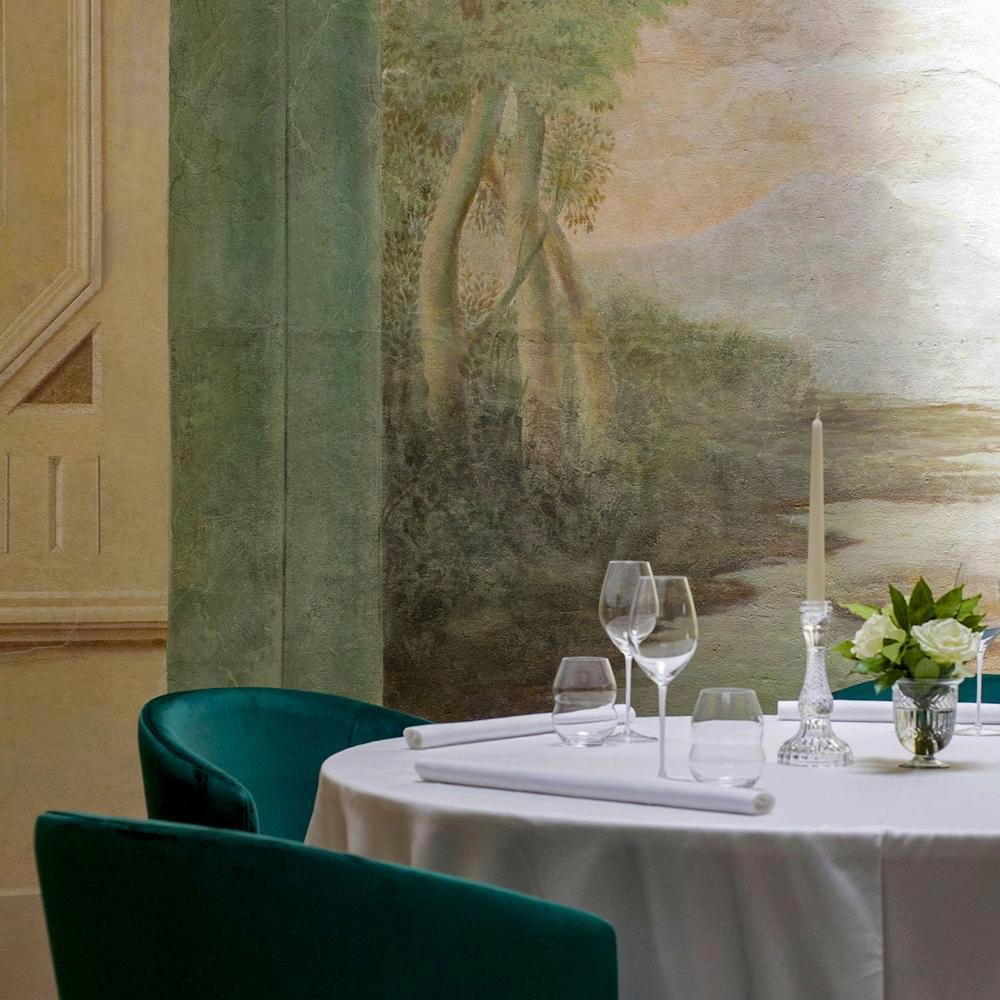
Warm, cozy salon beautifully furnished with a welcoming social atmosphere.