Positioned on Largo del Tritone in the heart of Rome, Clementino Ristorante & Bistrot occupies a space where the city's appetite for honest, ingredient-led Italian cooking meets a more relaxed bistrot register. It sits in a different tier from Rome's multi-starred destination restaurants, appealing to diners who want serious sourcing and Roman culinary tradition without the ceremony of a full tasting format.
Pearl is the En Primeur Club membership app — saves, bookings, and concierge access live there. Same editors, same standards.
- Address
- Largo del Tritone, 161, 00187 Roma RM, Italy
- Phone
- +39687811133
- Website
- clementinoroma.com
- Directions
- Get directions
 Saves & bookings on Pearl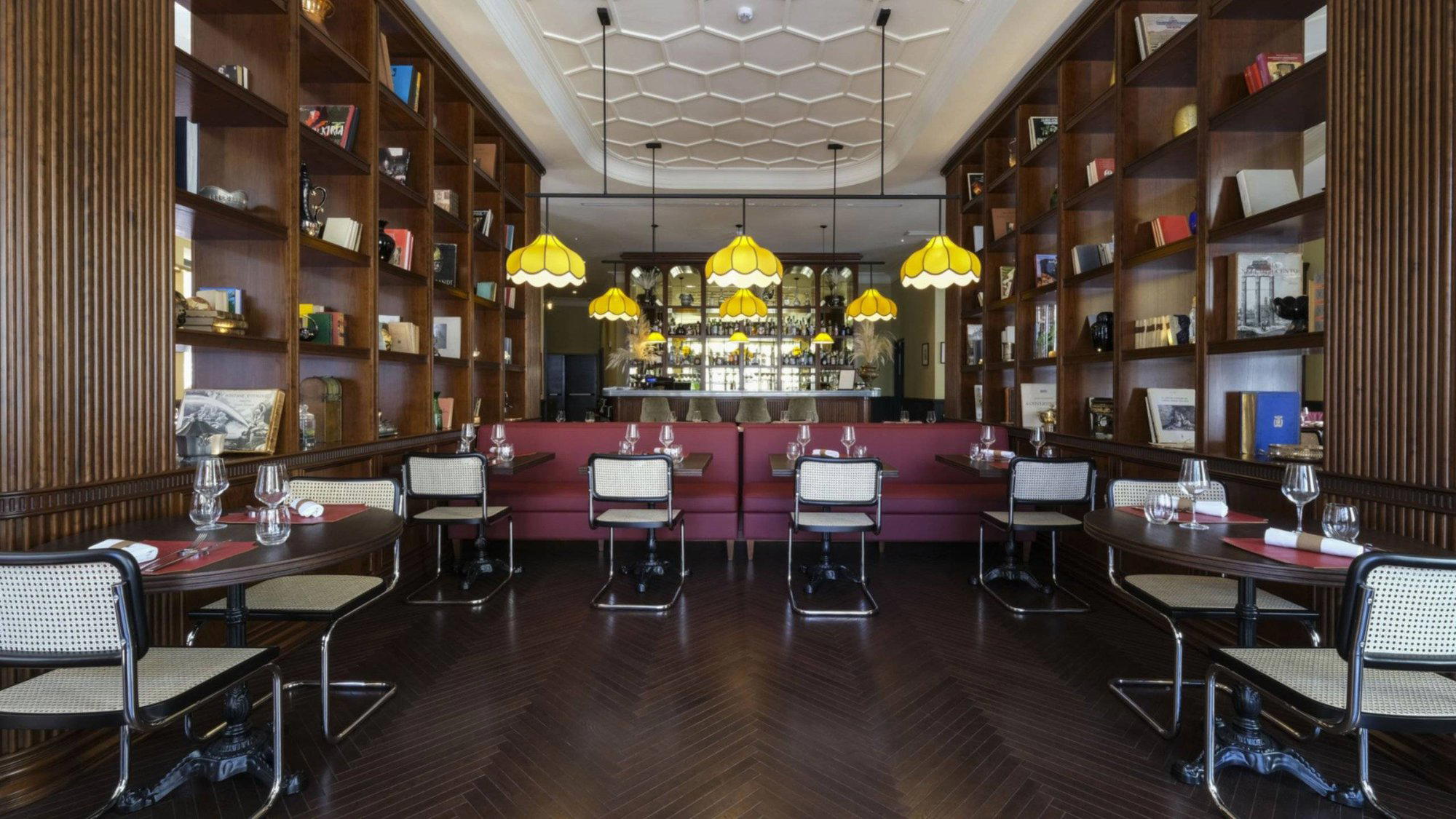
Where Largo del Tritone Slows Down
The area around Largo del Tritone occupies an interesting position in Rome's dining geography. It sits at the edge of the Centro Storico, close enough to the tourist corridors of the Trevi Fountain and Via Veneto to absorb significant foot traffic, yet embedded in a working neighbourhood where Romans still shop, commute, and eat on their own terms. Restaurants here operate under a different set of pressures than those at the city's formal fine-dining addresses. They answer to a local clientele that measures value differently from visiting diners chasing starred accolades.
Clementino Ristorante & Bistrot occupies that position deliberately. The dual designation in its name signals a format that has become increasingly common in Italian cities: a main dining room with more considered plating alongside a bistrot register that allows the kitchen to flex toward simpler, faster service without abandoning ingredient standards. It is a model that places execution above spectacle, and it positions the restaurant against a different comparable set than addresses like Il Pagliaccio, Acquolina, or La Pergola, each of which operates within Rome's formal fine-dining tier at €€€€ price points with Michelin recognition to match.
The Ingredient Question in Roman Cooking
In Rome, sourcing has always been political. The city's historic market culture, anchored by Campo de' Fiori and Testaccio's covered market, was built on a supply chain that stretched into Lazio's agricultural hinterland: artichokes from Ladispoli, lamb from the Castelli Romani, cured meats from Norcia, and pecorino from the Agro Romano. That geography still defines what an honest Roman kitchen looks like, even as distribution networks have expanded and menus have grown more cosmopolitan.
The broader shift across Italy's mid-to-upper casual dining sector has been toward greater transparency about provenance. Menus that once listed dishes by technique now increasingly lead with the name of the producer or region. This is not a trend confined to destination restaurants. Across the peninsula, from Dal Pescatore in Runate to Quattro Passi in Marina del Cantone, the conversation about what arrives on the plate begins with what came off the land or out of the water. At the starred end of the Italian spectrum, places like Reale in Castel di Sangro and Uliassi in Senigallia have built entire culinary identities around hyperlocal and seasonal sourcing. The expectation has filtered downward, and diners at all price points now read menus with a sharper eye for provenance claims.
For a ristorante-bistrot format in the Tritone area, this means the kitchen's sourcing choices carry editorial weight. What producers are named? Which seasons are reflected? Is the menu built around what Lazio can offer at its peak, or is it a year-round document that treats ingredients as interchangeable? These are the questions that distinguish a restaurant operating with genuine regional intent from one serving adequate Roman food for a convenient address. Comparable operations across Italy that have held this standard well include Atelier Moessmer Norbert Niederkofler in Brunico, where the commitment to Alpine sourcing is total and structurally embedded in the kitchen's identity, and Piazza Duomo in Alba, where Piedmont's agricultural landscape is the entire brief.
Format and Competitive Context
Rome's restaurant market has fragmented in ways that track broader Italian and European patterns. At the leading end sit the destination addresses: Enoteca La Torre and Achilli al Parlamento among them, each operating at €€€€ with formal tasting structures and the kind of wine programme that requires its own expertise to read. Below that tier, a much larger and less legible middle ground has developed: restaurants that price between casual trattoria and fine dining, offer composed plating without committing to a full omakase-style progression, and attract both visitors and residents looking for a serious meal without a three-hour commitment.
This middle format is where Clementino operates. The ristorante-bistrot model gives the kitchen flexibility that a purely formal restaurant cannot afford. Service can be faster when the room wants it faster. Portions can be more generous. The wine list can carry good regional bottles without demanding the sommelier-led navigation of a destination cellar. Against European peers, this format echoes what has worked in French brasseries and what restaurants like Le Calandre in Rubano and Enoteca Pinchiorri in Florence have achieved at higher price and prestige points: a kitchen with enough ambition to take sourcing seriously, matched with a room that does not make the diner feel interrogated by the ceremony.
For context on what this format looks like when the ingredient sourcing is fully committed, it is worth noting that even at addresses like Enrico Bartolini in Milan and Osteria Francescana in Modena, the provenance argument runs through every dish description. What separates tiers is not the argument itself, but the depth of the supply relationships and the discipline of the seasonal rotation.
What the Largo del Tritone Address Implies
Location in Rome is not neutral. A restaurant at Largo del Tritone faces a mixed clientele: office workers at lunch, tourists drawn by proximity to major sights, and neighbourhood regulars who return by habit rather than occasion. Holding sourcing standards across that range of guests, formats, and expectations is a different kind of discipline than serving a single type of diner in a controlled tasting environment. The bistrot component of the offering absorbs the faster-paced demand without requiring the kitchen to compromise on what it cooks.
Rome's dining scene rewards exactly this kind of dual-format discipline. For comparison at the international level, the same pressure that shapes Lazy Bear in San Francisco or Le Bernardin in New York City is much more controlled: fixed formats, fixed prices, highly filtered clientele. A central-Rome ristorante-bistrot operates in a far more unpredictable environment, which is precisely why the sourcing foundation matters. When the format is flexible, the ingredient quality becomes the fixed point that holds the kitchen's identity together.
Know Before You Go
- Address: Largo del Tritone, 161, 00187 Roma RM, Italy
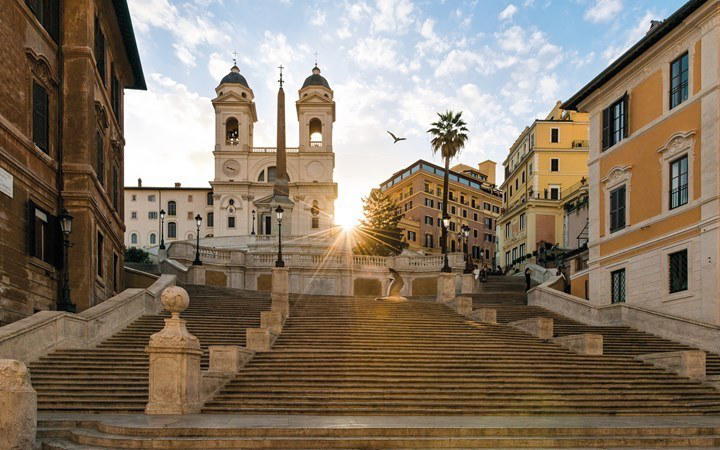
- Neighbourhood: Tritone / Central Rome, close to the Trevi Fountain and Via Veneto corridors
- Format: Dual-format, ristorante and bistrot service under one roof
- Phone: not listed in current records
- Website: not listed in current records
- Reservations: Recommended for the ristorante register; bistrot seating may accommodate walk-ins during off-peak hours
- Price tier: about $50 per person
Just the Basics
Comparable venues nearby, for context on price, style, and recognition.
| Venue | Cuisine | Price | Notes |
|---|---|---|---|
| Clementino Ristorante & BistrotThis venue — the venue you are viewing | Colonna, Contemporary Roman Cuisine | $$$ | Not listed |
| Il Cortile | Ludovisi, Traditional Roman Trattoria | $$$ | Not listed |
| Collegio Bistrot | Colonna, Roman & Amatrice Trattoria | $$$ | Not listed |
| Ad Hoc | Not listed | $$$ | Campo Marzio, Refined Roman Truffle Cuisine |
| Trattoria al Moro | Trevi, Traditional Roman Trattoria | $$$ | Not listed |
| Jacopa | Trastevere, Modern Italian | $$$ | Not listed |

At a Glance
- Elegant
- Intimate
- Cozy
- Sophisticated
- Date Night
- Business Dinner
- Special Occasion
- Celebration
- Private Dining
- Standalone
- Extensive Wine List
- Beer Program
- Local Sourcing
Current opening hours
- Monday
- 12:30–11 PM
- Tuesday
- 12:30–11 PM
- Wednesday
- 12:30–11 PM
- Thursday
- 12:30–11 PM
- Friday
- 12:30–11 PM
- Saturday
- 12:30–11 PM
- Sunday
- 12:30–11 PM
Hours can change for holidays and private events. Last verified .
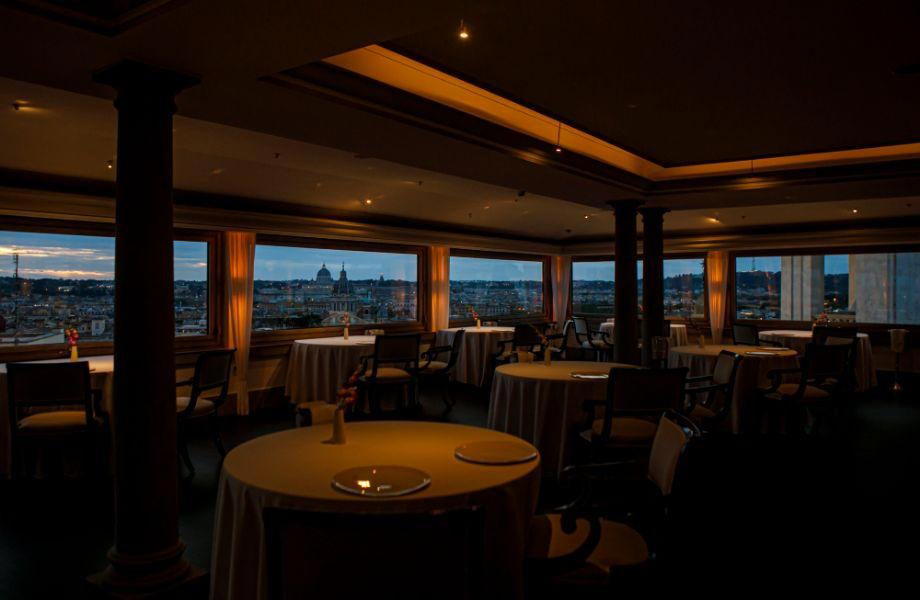
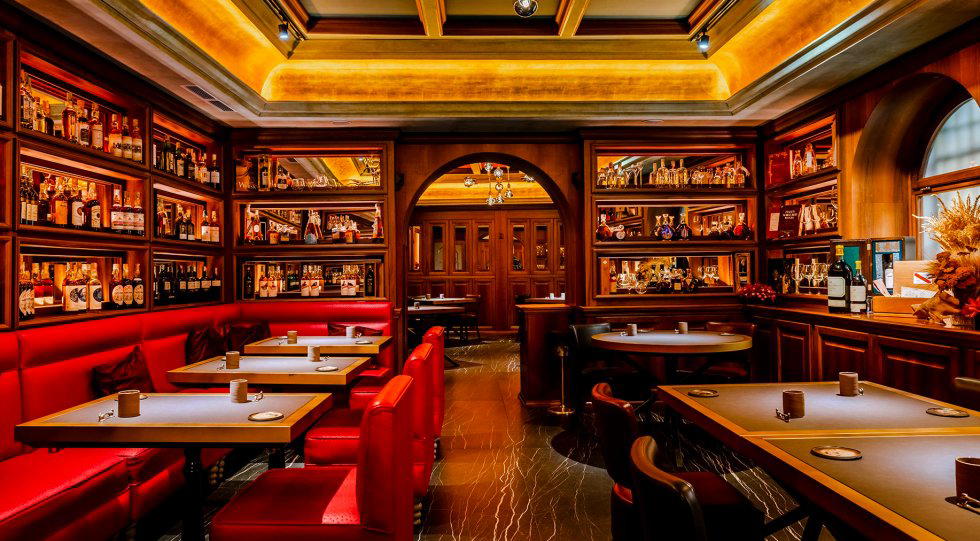
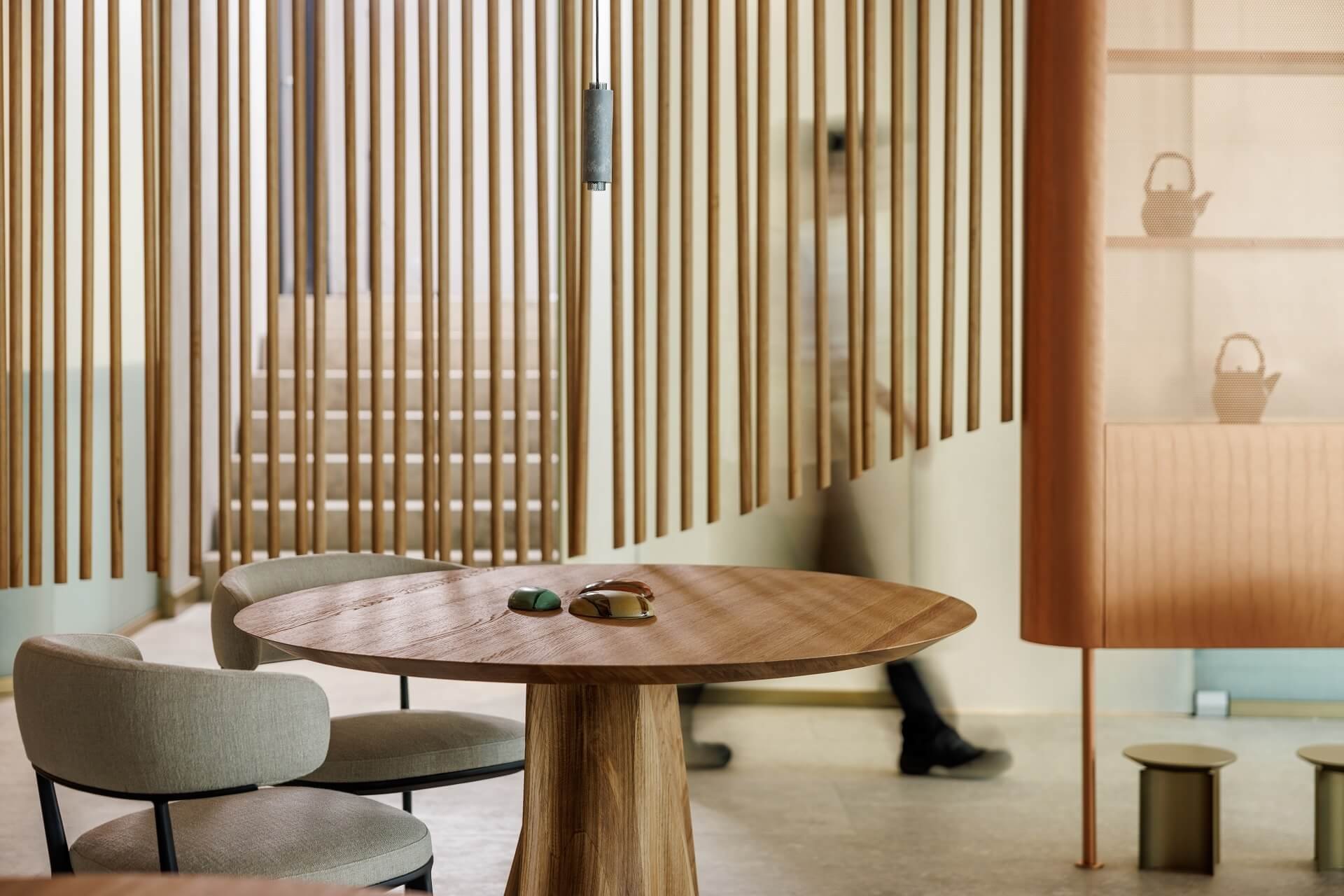
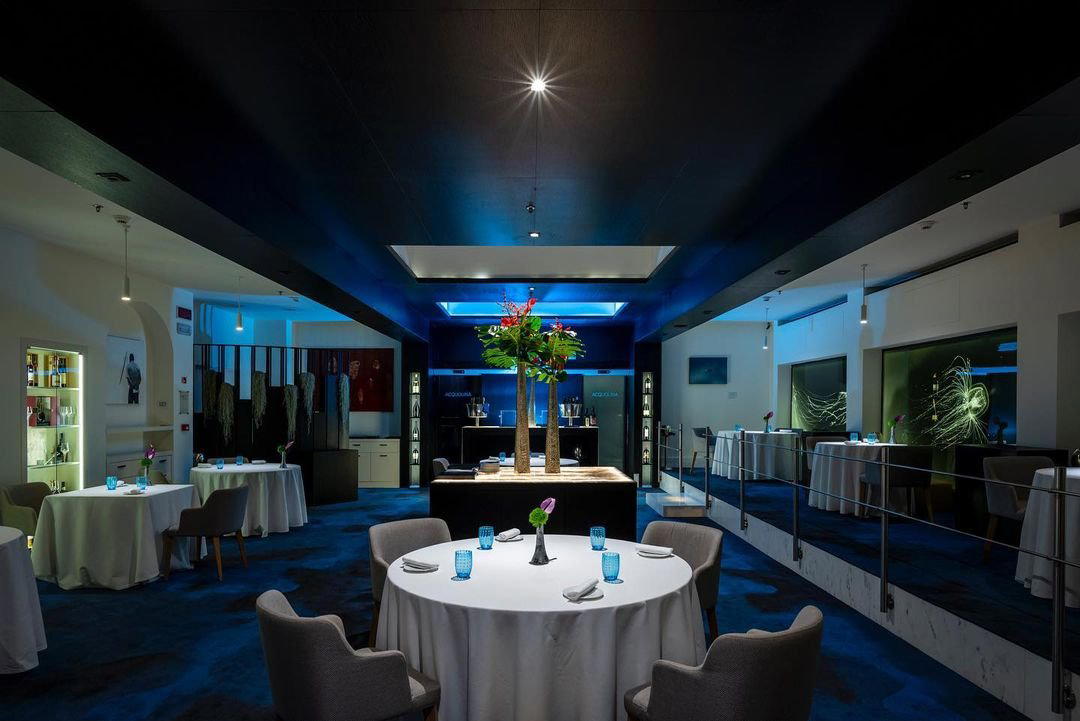
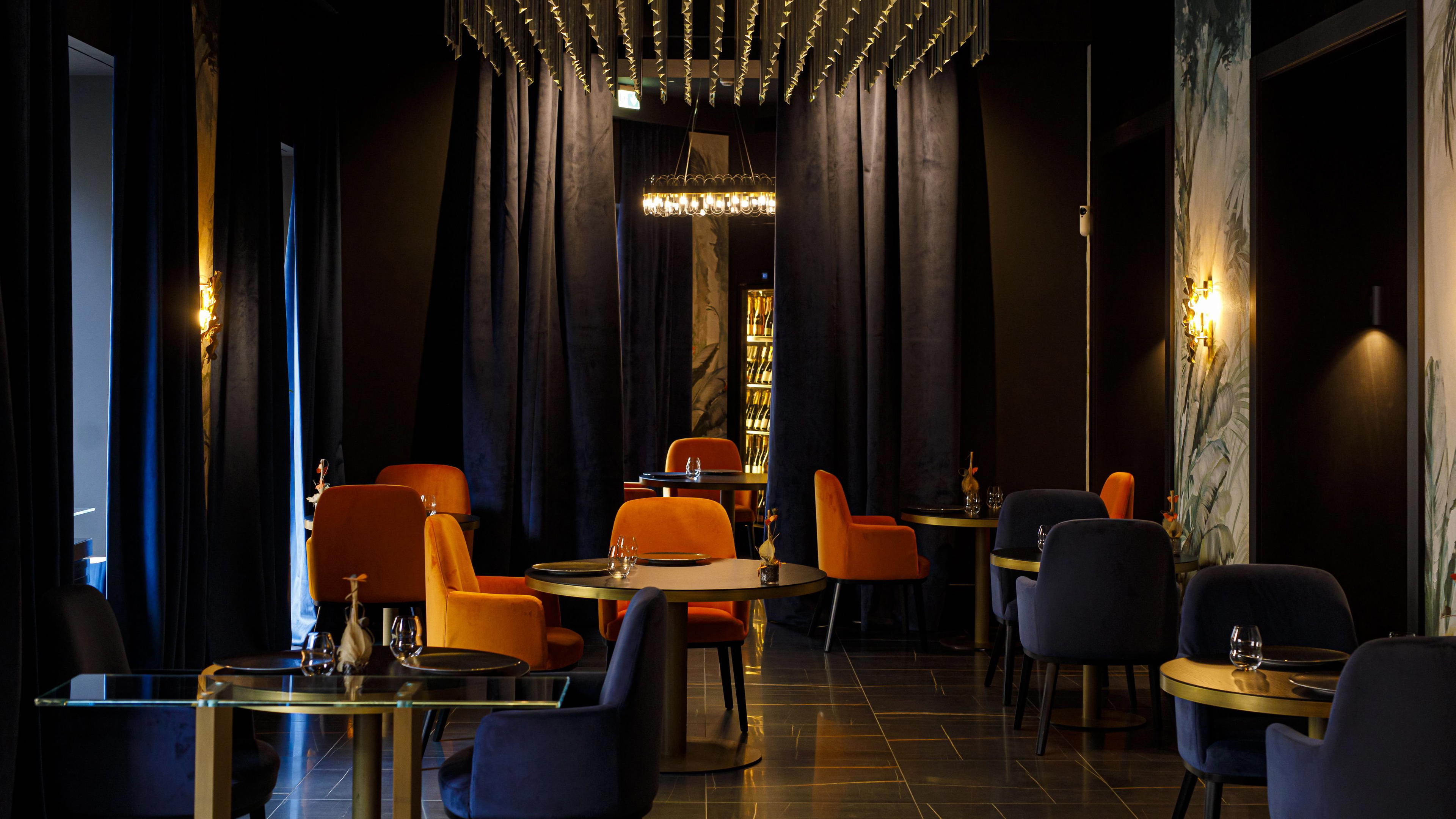
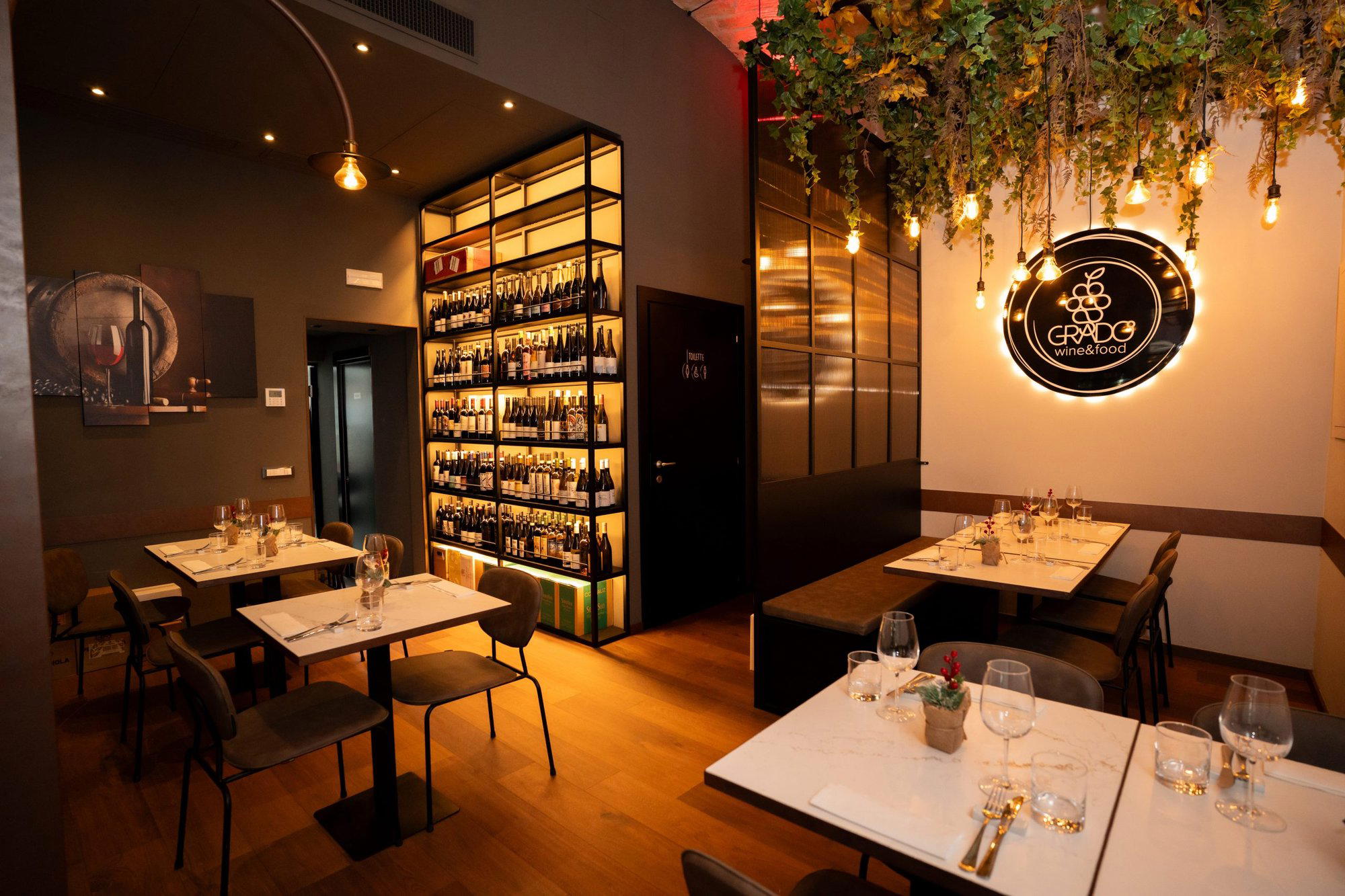
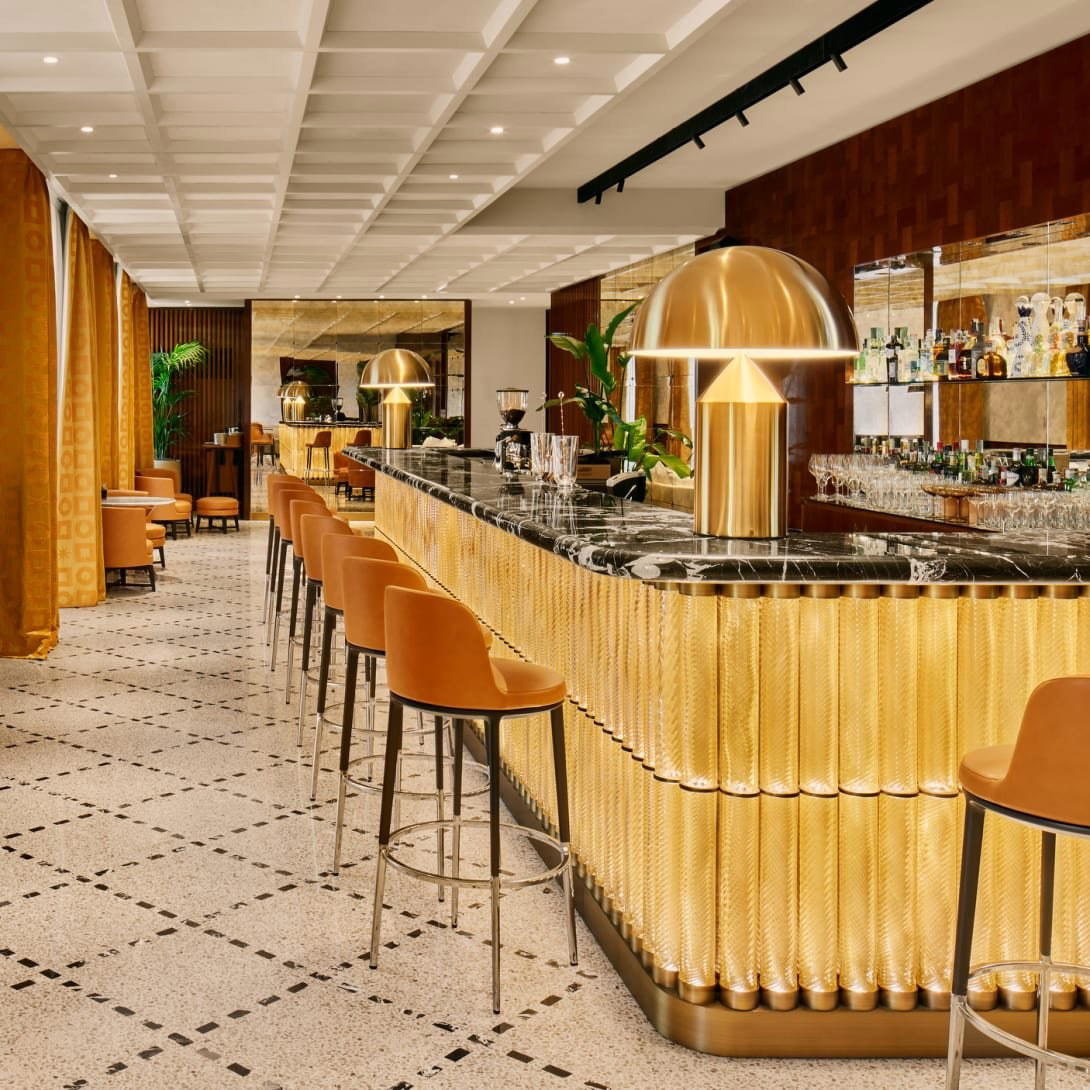
Minimal but elegant contemporary design with spotless interiors, leather placemats, and carefully curated music creating a refined yet welcoming atmosphere.