On a quiet Trastevere street, Jacopa occupies a corner of Rome where neighbourhood cooking and considered technique meet without friction. The address alone, Via Jacopa de' Settesoli, in one of the city's most layered residential quarters, signals a deliberate distance from the tourist circuit. For those working through Rome's contemporary dining scene, it represents a distinct register worth understanding.
Pearl is the En Primeur Club membership app — saves, bookings, and concierge access live there. Same editors, same standards.
- Address
- Via Jacopa de' Settesoli, 7, 00153 Roma RM, Italy
- Phone
- +393965809075
- Website
- jacopa.it
- Directions
- Get directions
 Saves & bookings on Pearl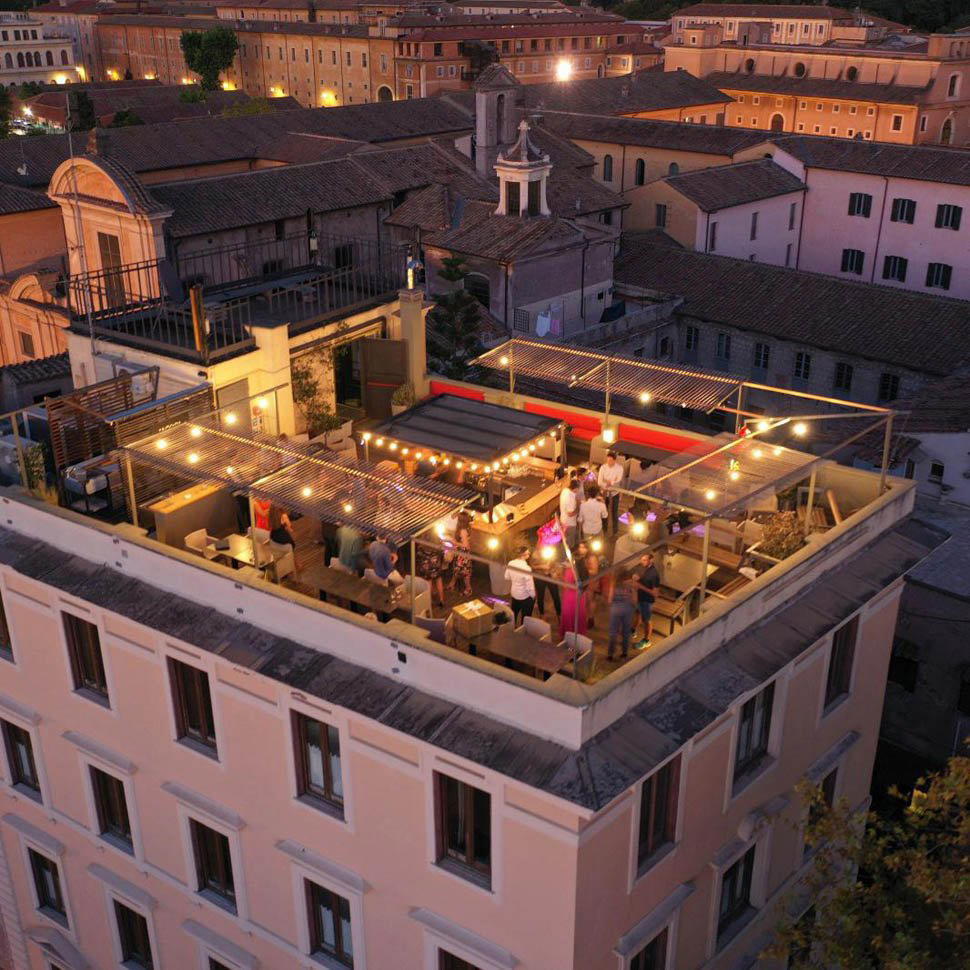
A Street Address as an Editorial Statement
Trastevere has long operated on two frequencies simultaneously: the loud, lantern-lit piazza version sold to visitors, and a quieter residential current that locals have always preferred. Via Jacopa de' Settesoli sits firmly in the second. The street name itself carries medieval Roman history, Jacopa de' Settesoli was a thirteenth-century noblewoman and close companion of Saint Francis of Assisi, her memory preserved in the stones of this neighbourhood long before restaurants arrived. Coming here from the centro storico, the shift in atmosphere is legible within a single block: fewer tour groups, more laundry lines, a different pace entirely.
In Rome's contemporary dining scene, the Trastevere quarter has become a useful proving ground for restaurants that want neighbourhood credibility without surrendering serious cooking ambitions. Jacopa sits on that fault line. The address at number 7 places it away from the area's more trafficked restaurant corridors, which in Rome tends to function as a self-selecting filter: the guests who find you have usually made a deliberate choice to be there.
How Rome's Mid-Tier Creative Restaurants Position Themselves
To understand where Jacopa fits, it helps to map the broader competitive terrain. Rome's fine dining tier is anchored by multi-starred institutions, La Pergola at the summit of that bracket, along with Il Pagliaccio and Enoteca La Torre operating in the creative, premium register. Below that tier, a different conversation is happening: restaurants that draw on Roman and central Italian culinary tradition but apply a degree of compositional intelligence that separates them from direct trattoria cooking. Acquolina and Achilli al Parlamento each occupy corners of that intermediate space in their own ways.
Jacopa reads as part of this second cohort rather than the first. The neighbourhood placement reinforces that reading: serious intent, lower ceremony, cooking that answers to the logic of the meal rather than the weight of institutional expectation. This is a pattern visible across Italian cities, Osteria Francescana in Modena built its reputation from a similar posture of deliberate restraint before the accolades arrived, and Reale in Castel di Sangro made geography itself part of the argument. In Rome, the equivalent move is a residential Trastevere address over a prominent piazza.
The Logic of the Meal: Sequencing as the Central Argument
Multi-course dining in Rome has historically pulled between two poles: the generous, abundant Roman table where stopping points are social rather than structural, and the tighter, progression-led tasting format more common in northern Italian fine dining. The more interesting restaurants in the city at the moment are working somewhere between those poles, building meals that have internal logic and arc without abandoning the Roman instinct for generosity and directness.
Italy's most considered progressive kitchens share a commitment to this idea of sequencing as argument rather than ceremony. At Piazza Duomo in Alba, the progression is tied explicitly to Piedmontese seasons and landscape. At Le Calandre in Rubano, it operates through technical accumulation. At Uliassi in Senigallia, the sea provides both the ingredient logic and the emotional register of the meal's arc. In each case, the experience is designed so that each course modifies your relationship to what follows.
A Trastevere kitchen working within this tradition has different raw material to draw from: the Roman pantry, the central Italian larder, offal and pasta and abbacchio and cacio. The question any contemporary Roman kitchen must answer is how to honour that tradition without becoming a museum of it. The restaurants that manage this tend to find their answer in restraint at the level of preparation rather than substitution at the level of ingredient.
Placing Jacopa in the Italy-Wide Conversation
For EP Club readers who move between Italy's serious dining addresses, Rome often reads as the city that requires the navigation. The gap between tourist-facing trattoria and the upper tier of the starred list is wide, and the middle ground where interesting cooking actually lives can be difficult to locate without local intelligence. Jacopa's Trastevere position puts it in the middle of that conversation.
Across Italy, the pattern of neighbourhood-anchored serious restaurants is consistent. Dal Pescatore in Runate has maintained its standing for decades by staying exactly where it is, refusing the gravitational pull of Milan or the prestige of a city address. Quattro Passi in Marina del Cantone has built a comparable argument from the Sorrentine Peninsula. Atelier Moessmer Norbert Niederkofler in Brunico makes the alpine context itself the editorial. Enrico Bartolini in Milan and Enoteca Pinchiorri in Florence represent the urban prestige end of the same argument.
Jacopa, by contrast, operates from a position of neighbourhood specificity rather than destination prestige. That is not a limitation, in a city where the dining landscape can feel divided between the overexposed and the invisible, specificity of place is a form of integrity. For readers also thinking about how Rome's creative dining compares internationally, the parallel is closer to the kind of technically grounded, neighbourhood-serious cooking found at Atomix in New York City than to the institutional grandeur of something like Le Bernardin.
Planning a Visit: What to Know Before You Go
Via Jacopa de' Settesoli 7 is reachable on foot from most of central Rome's major points, Trastevere is roughly twenty minutes from the Campo de' Fiori area by foot, or a short tram ride from Largo Argentina. The neighbourhood itself rewards arriving early enough to walk: the streets between Santa Maria in Trastevere and the Tiber have a specific quality in the hour before dinner service that justifies the approach on foot.
Style and Standing
Comparable venues nearby, for context on price, style, and recognition.
| Venue | Cuisine | Price | Notes |
|---|---|---|---|
| JacopaThis venue — the venue you are viewing | Modern Italian | $$$ | Not listed |
| Clementino Ristorante & Bistrot | Contemporary Roman Cuisine | $$$ | Colonna |
| Romeo Chef & Baker | Modern Italian Bakery & Bistro | $$$ | Ripa |
| Vico Pizza&Wine Roma | Modern Neapolitan Pizza | $$$ | San Eustachio |
| Trattoria al Moro | Traditional Roman Trattoria | $$$ | Trevi |
| Pommidoro dal 1890 Ristorante | Traditional Roman Trattoria | $$$ | Tiburtino |
Continue exploring
More in Rome
Restaurants in Rome
Browse all →
Bars in Rome
Browse all →
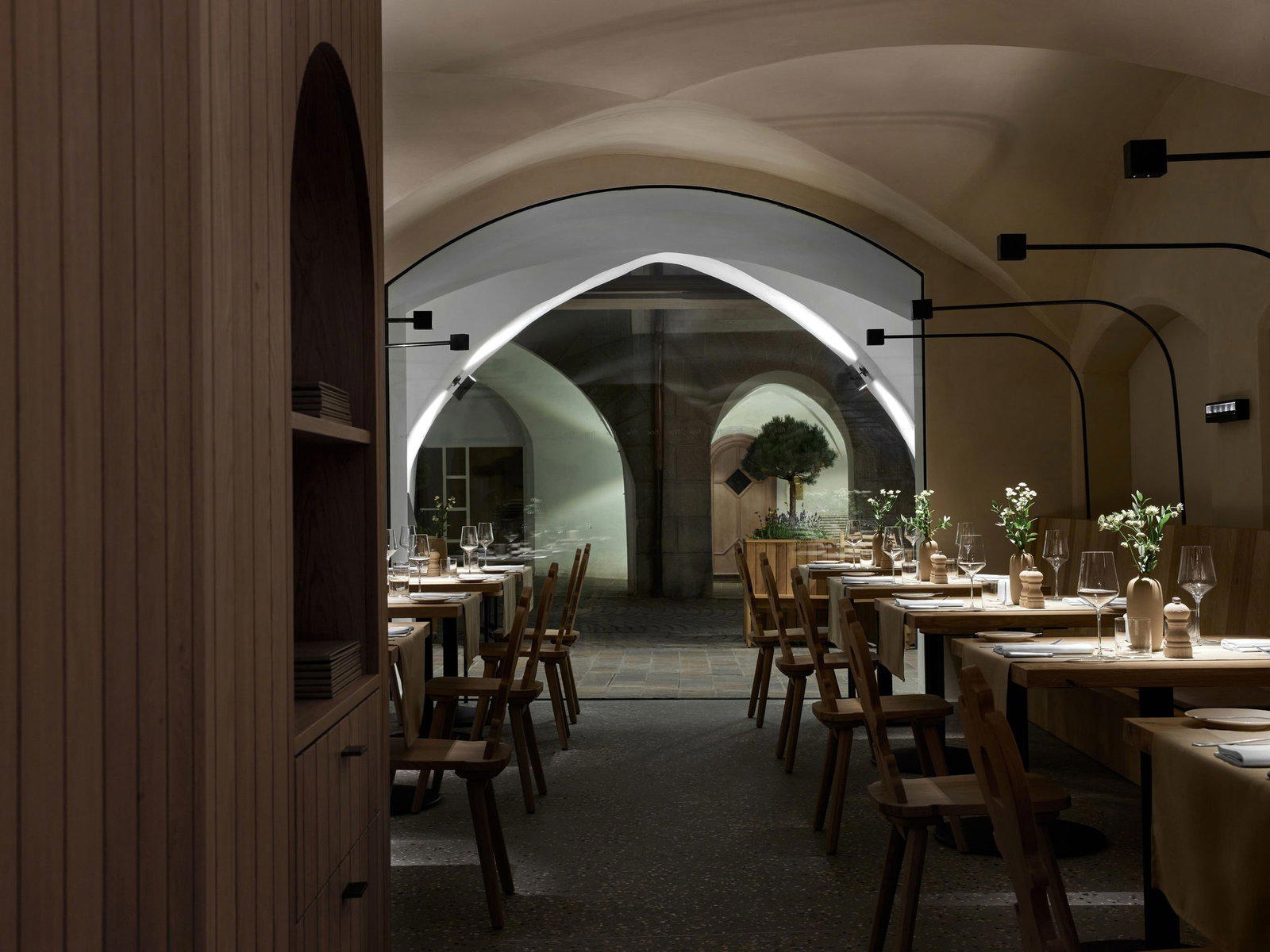
Hotels in Rome
Browse all →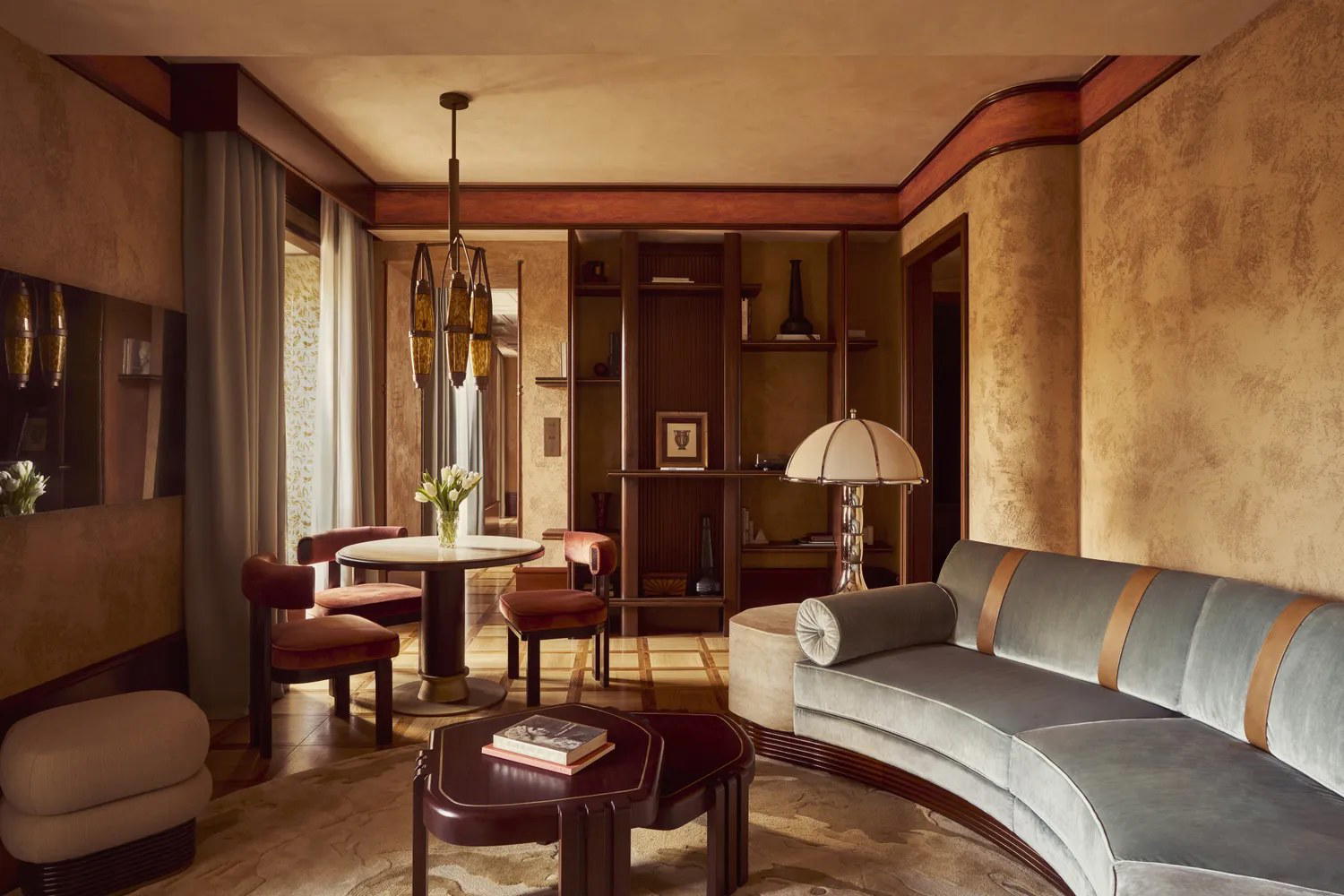
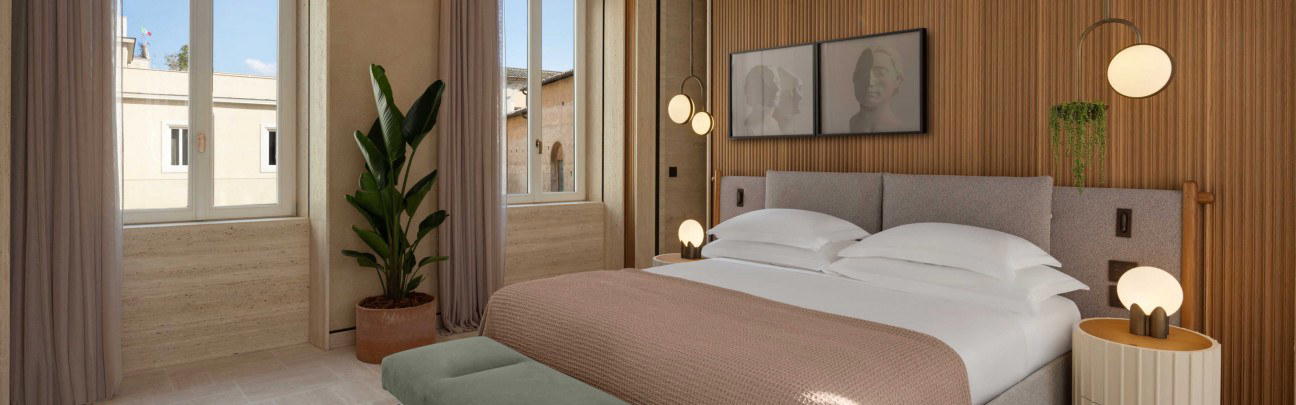
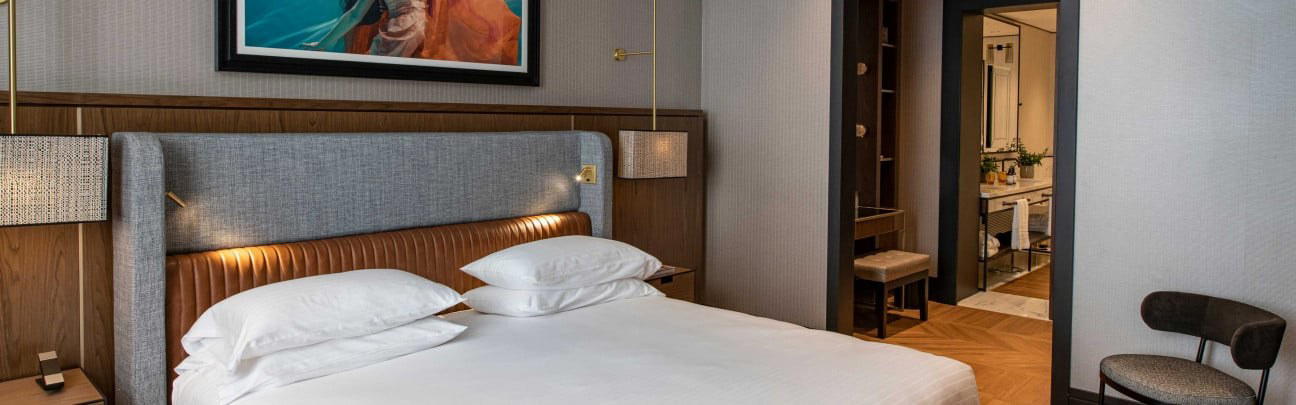

At a Glance
- Modern
- Elegant
- Intimate
- Sophisticated
- Date Night
- Special Occasion
- Rooftop
- Terrace
- Open Kitchen
- Craft Cocktails
- Local Sourcing
- Sustainable
- Street Scene
Current opening hours
- Monday
- Closed
- Tuesday
- 7:30–10 AM, 6–11 PM
- Wednesday
- 7:30–10 AM, 6–11 PM
- Thursday
- 7:30–10 AM, 6–11 PM
- Friday
- 7:30–10 AM, 6–11 PM
- Saturday
- 7:30–10 AM, 6–11 PM
- Sunday
- 7:30–10 AM, 6–11 PM
Hours can change for holidays and private events. Last verified .
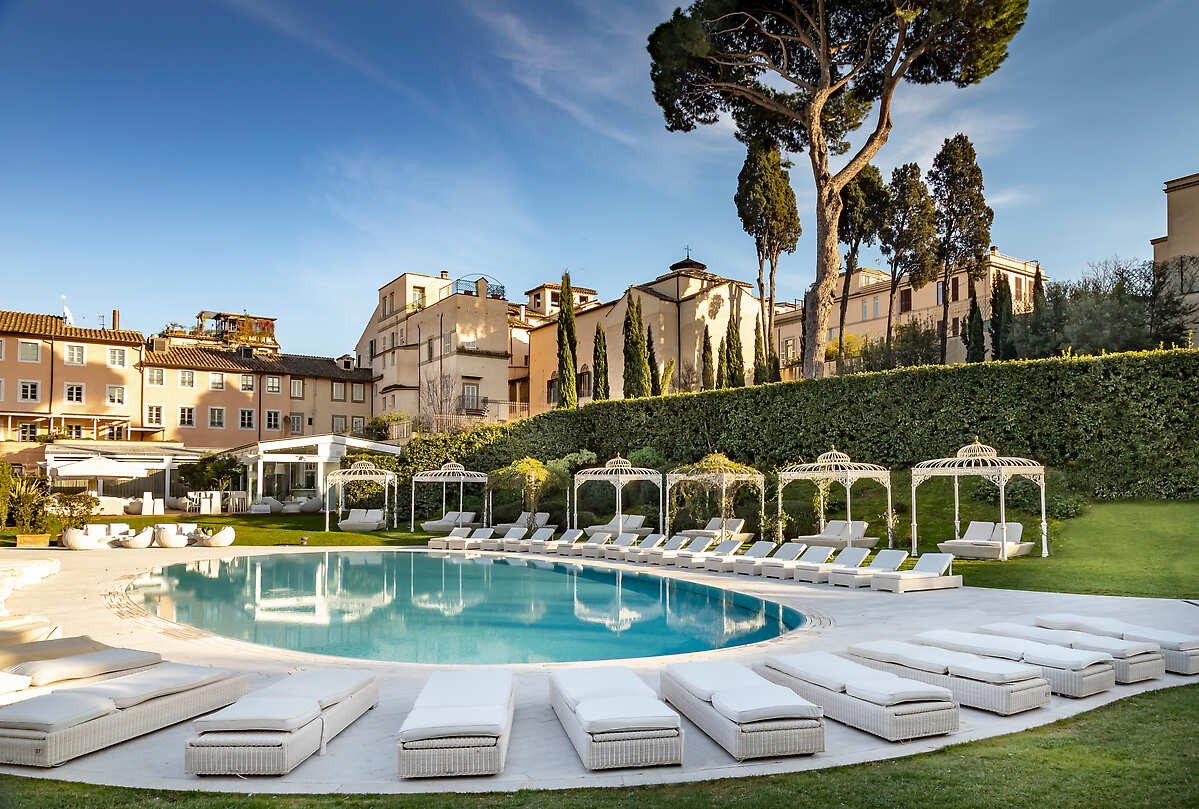
Refined and elegant with contemporary flair, tranquil square atmosphere, and lovely Roman views from the rooftop.